Why Choose Carbon Fiber for Your Solar Setup?
You want your solar panels to last. You need them to remain reliable through storms, snow loads, and long-term sun exposure. That’s where carbon fiber solar mounting systems offer a compelling alternative to traditional metal structures.
Conventional materials have limitations. Steel adds significant weight and is vulnerable to corrosion. Aluminum is lighter but can deform over time and suffers in harsh coastal environments. Carbon fiber–reinforced polymer (CFRP), by contrast, combines high strength, low weight, and long-term durability.
Kā a oglekļa kompozītmateriālu ražotājs with deep experience in structural composites, we engineer carbon fiber mounting systems designed for demanding solar applications where conventional materials fall short.
What Makes Carbon Fiber Solar Mounts Different?
Lightweight but Structurally Robust
Carbon fiber offers an exceptional spēka un svara attiecība. Compared with conventional aluminum solar mounting systems, carbon fiber structures can typically reduce structural weight by approximately 40–60%, depending on system configuration and application.
For rooftops, this reduction is significant. Lower dead load helps protect roof structures, expands installation possibilities for older buildings, and reduces long-term structural stress.
Despite their low weight, carbon fiber mounting systems are engineered to support site-specific design loads, tostarp:
- Wind loads up to 150 mph, subject to layout and engineering validation
- Snow loads up to 40 psf, depending on span and configuration
- Distributed loads from residential and commercial PV arrays
These systems are designed based on applicable structural standards and validated through project-specific calculations.
Weather Resistance by Design
Carbon fiber composites offer excellent resistance to corrosion, moisture, and UV exposure. Unlike metal solar mounts that may corrode in coastal or industrial environments, CFRP structures maintain stable mechanical performance over time.
Testing and field use demonstrate reliable performance across a wide temperature range, typically from –40°F to 185°F, making carbon fiber well suited for desert, coastal, and cold-climate installations.
Because carbon fiber is non-metallic, it is inherently resistant to salt spray, chemical exposure, and galvanic corrosion—key advantages for long-term photovoltaic (PV) mounting systems.
Reduced Load on Roof Structures
Lightweight mounting systems are particularly valuable for tile roofs, aging buildings, and retrofit projects. By reducing overall system weight, carbon fiber mounts allow solar installations in scenarios where traditional metal systems may exceed structural limits.
This weight efficiency expands the range of buildings that can safely adopt residential and commercial solar solutions.
Technical Characteristics That Matter
Below is a typical material-level comparison for reference. Actual system performance depends on engineering design and project conditions.
| Funkcija | Oglekļa šķiedra | Alumīnijs | Tērauds |
|---|
| Structural weight | Ļoti zems | Mērens | Augsts |
| Izturība pret koroziju | Lieliski | Moderate (limited in coastal areas) | Zems |
| Termiskā izplešanās | Ļoti zems | Mērens | Augsts |
| Electrical conductivity | Non-conductive | Conductive | Conductive |
| Expected service life | 30+ years | 15–20 years | 10–15 years |
Load Capacity You Can Rely On
Carbon fiber solar mounting systems are designed to meet site-specific wind and snow load requirements, including regions exposed to hurricanes or heavy snowfall.
Load capacity per mounting point is determined by:
- Span length
- Array layout
- Installation method
- Applicable design standards (e.g., ASCE 7-16)
This approach ensures structural reliability without overdesign or unnecessary material use.
Thermal Stability Across Seasons
Thermal expansion and contraction are common causes of long-term stress in metal mounting systems. Carbon fiber exhibits very low thermal expansion, helping maintain alignment and reducing fatigue over repeated temperature cycles.
The non-conductive nature of carbon fiber also minimizes ice adhesion in cold climates and limits heat-related deformation in hot environments.
How These Systems Are Manufactured
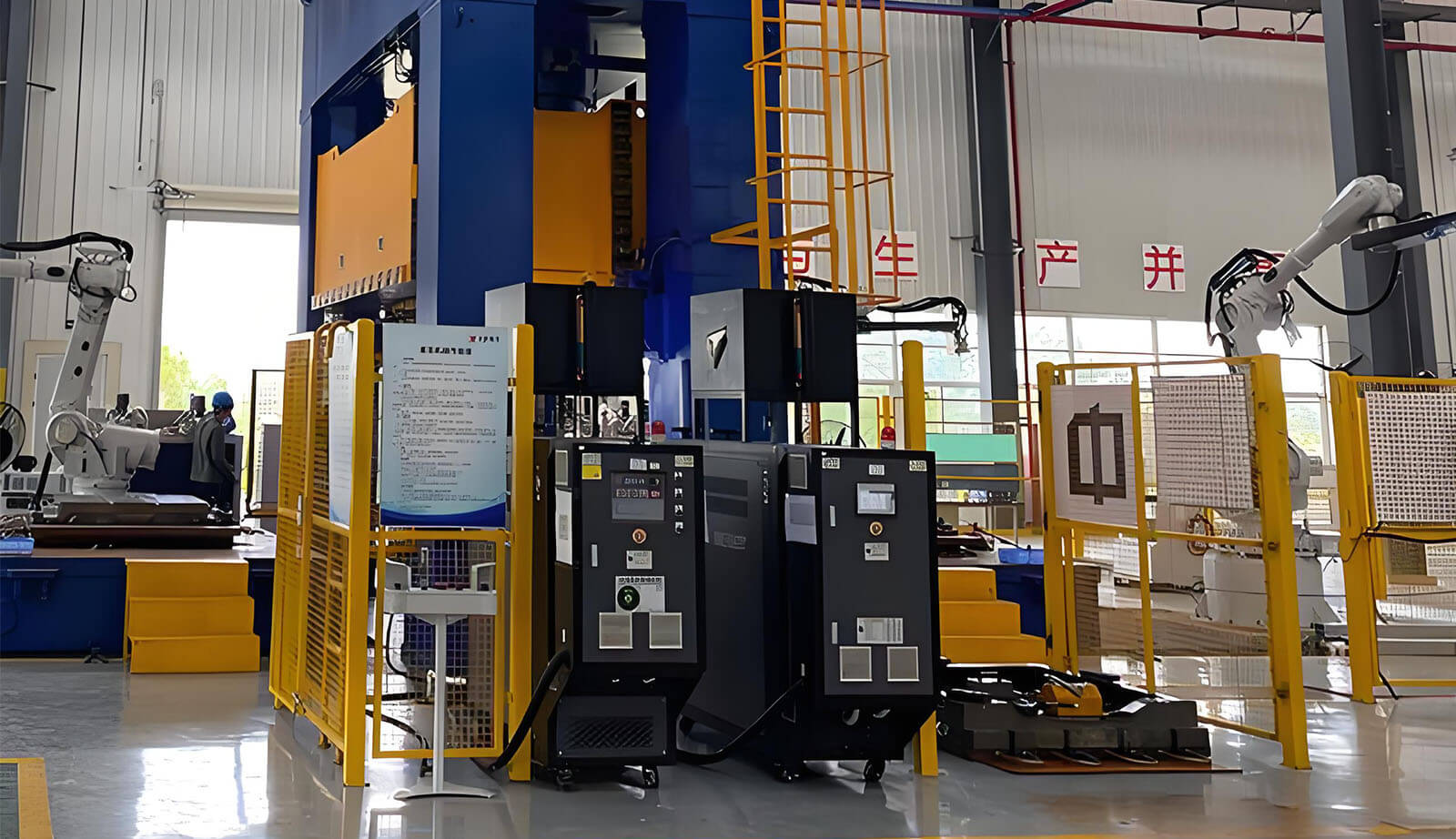
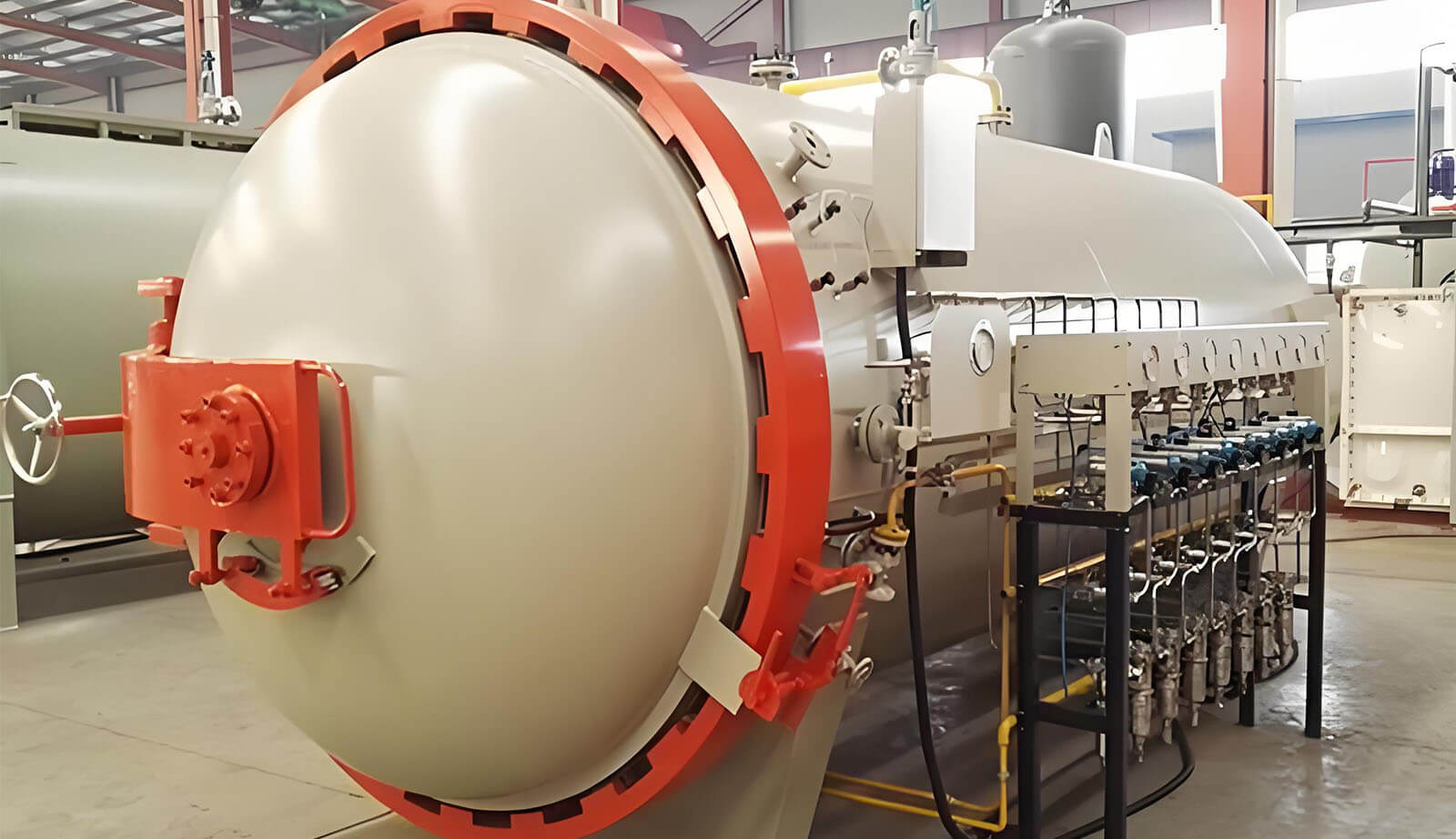
Kā a pasūtījuma kompozītmateriālu rūpnīca, we apply aerospace and motorsport composite manufacturing principles to solar mounting applications.
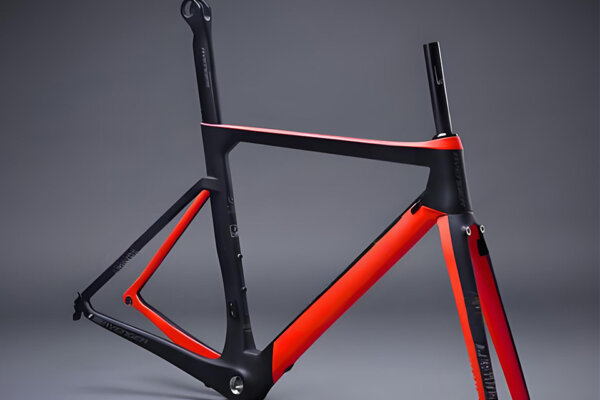
The same engineering methodologies used in oglekļa šķiedras automašīnas—including material selection, laminate design, and quality control—are applied to ensure consistent structural performance.
Each mounting component undergoes dimensional inspection and process control to ensure repeatability and long-term reliability.
Modular Design for Practical Installation
Carbon fiber solar mounting systems are designed for efficient installation and scalability. Modular components allow flexibility across rooftop and ground-mounted configurations.
Typical features include:
- Adjustable tilt options (approximately 10°–60°)
- Pre-engineered clamp interfaces
- Pre-drilled connection points
- Structural splice connectors for extended arrays
These modular designs reduce installation time while maintaining structural integrity.
Standards and Compliance
System components are designed to comply with relevant international standards, including UL 2703 and IEC requirements. Certification and third-party testing can be provided upon request, depending on project scope and configuration.
For region-specific applications, engineering support can address:
- High-Velocity Hurricane Zones (HVHZ)
- Seismic considerations
- Local building code requirements
Application Scenarios Where Carbon Fiber Excels
Coastal and Corrosive Environments
Carbon fiber’s resistance to salt spray and humidity makes it well suited for coastal installations where metal systems experience accelerated degradation.
Commercial and Utility-Scale Solar
For large solar arrays, reduced structural weight lowers transportation costs and simplifies on-site handling. Modular carbon fiber structures also support scalable deployment across large footprints.
Floating Solar Installations
Floating PV systems benefit from lightweight, non-conductive mounting structures. Carbon fiber’s resistance to moisture and corrosion provides a reliable solution for water-based installations.
Snow-Load and Mountain Regions
Low thermal conductivity reduces ice accumulation and helps maintain structural stability under repeated freeze–thaw cycles in high-snow regions.
Building-Integrated PV (BIPV)
Architectural solar applications demand clean lines and minimal visual impact. Carbon fiber mounting systems integrate well with modern building designs and advanced BIPV concepts.
Portable and Specialized Solar Systems
Lightweight composite mounting systems are suitable for mobile, temporary, or remote solar installations where transport efficiency and rapid deployment are critical.
Cost vs. Lifecycle Value
Carbon fiber solar mounting systems typically involve a higher initial investment than aluminum alternatives. However, total lifecycle cost is often lower due to:
- Extended service life
- Minimal maintenance requirements
- Reduced corrosion-related failures
- Lower transportation and installation effort
For long-term projects, lifecycle performance often outweighs upfront material cost.
Warranty and Support
Systems are supported by a 10-year limited warranty covering material and structural performance, subject to standard terms and conditions.
Installation Considerations
Roof Assessment
Even with lightweight mounting systems, roof condition and load capacity should always be evaluated prior to installation.
Tilt Optimization
Adjustable tilt configurations allow optimization for seasonal sun angles, improving energy yield across different latitudes.
Electrical Grounding
While carbon fiber is non-conductive, PV modules and electrical systems must still be grounded in accordance with applicable electrical codes.
Sustainability Perspective
Carbon fiber mounting systems align well with long-term sustainability goals. Their durability reduces replacement cycles, and composite manufacturing avoids the high energy intensity associated with aluminum smelting.
Manufacturing processes follow controlled environmental practices, and composite materials can be repurposed at end of service life.
Compatible Solar Technologies
Carbon fiber mounting systems are compatible with:
- Monocrystalline and polycrystalline panels
- Thin-film and bifacial modules
- Fixed-tilt and tracking systems
They integrate with modern inverters, energy storage solutions, and monitoring systems.
Darba sākšana
Each project begins with a design review based on:
- Panel specifications
- Installation environment
- Local wind and snow loads
- Preferred mounting configuration
As a specialist in pielāgota oglekļa šķiedra solutions, we support both standard and fully customized solar mounting applications.
Pēdējās domas
Carbon fiber solar mounting systems represent a next-generation solution for renewable energy infrastructure, particularly in applications where lightweight design, corrosion resistance, and long-term durability are critical.
By applying proven composite engineering principles to solar mounting, these systems offer a reliable alternative to traditional metal structures—without compromising performance or longevity.
If you are evaluating advanced materials for high-performance solar installations, carbon fiber mounting systems are worth serious consideration.