What Is a Carbon Fiber Chassis?
Imagine building a car that’s 50% çakmak por three times stronger than steel. That’s what a carbon fiber chassis does. It’s not magic—it’s science.
A carbon fiber chassis forms the backbone of your vehicle. Unlike heavy steel frames, this uses carbon fiber reinforced polymer (CFRP). We weave tiny carbon threads together with rrëshirë epoksi. The result? A structure that’s incredibly light yet tough enough to survive crashes.
Why Supercar and EV Brands Use Carbon Fiber Chassis
McLaren, Ferrari, dhe Lamborghini don’t use carbon fiber just to look cool. They use it because it works. Their supercar chassis needs to be light for speed but strong for safety. A monocoque chassis made from carbon fiber checks both boxes.
Madje Tesla explores carbon composites for electric vehicles. Why? Because lighter cars travel farther on the same battery charge. That’s smart engineering.
How Carbon Fiber Chassis Are Manufactured
Procesi i Prodhimit
Tona 189. buza të përparme prej fibër karboni q50 uses several methods to create your chassis:
Prepreg Carbon Fiber Layup
- We start with sheets of carbon fiber that already have resin in them
- Workers carefully place each layer by hand
- The fiber weave patterns overlap to create strength in all directions
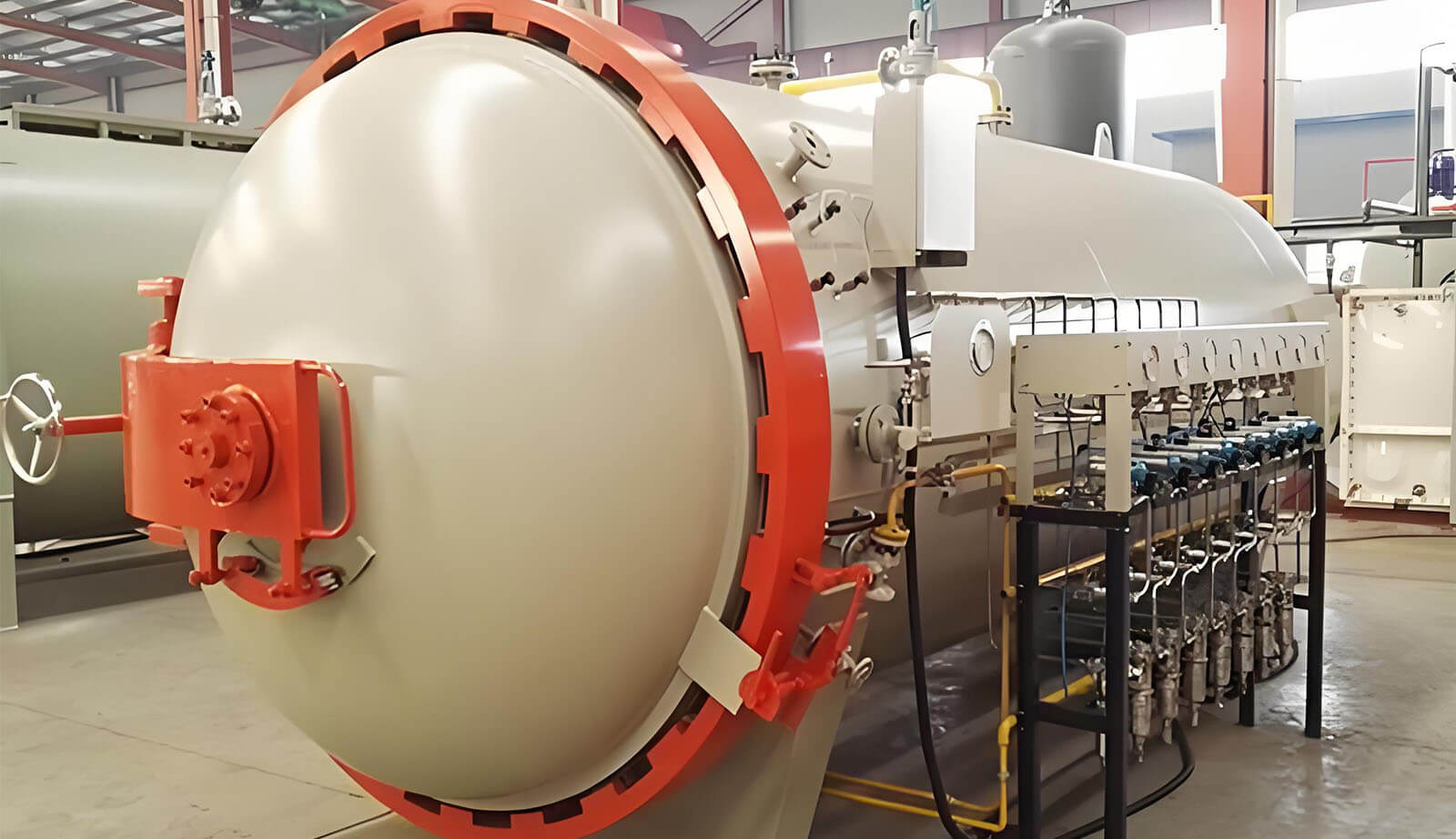
Autoclave Curing Process
- The layered chassis goes into a giant oven called an autoclave
- High pressure and heat (around 120°C) harden the resin
- Kjo curing process takes several hours but creates the strongest bond
Formimi me Transferim Rrëshire (RTM)
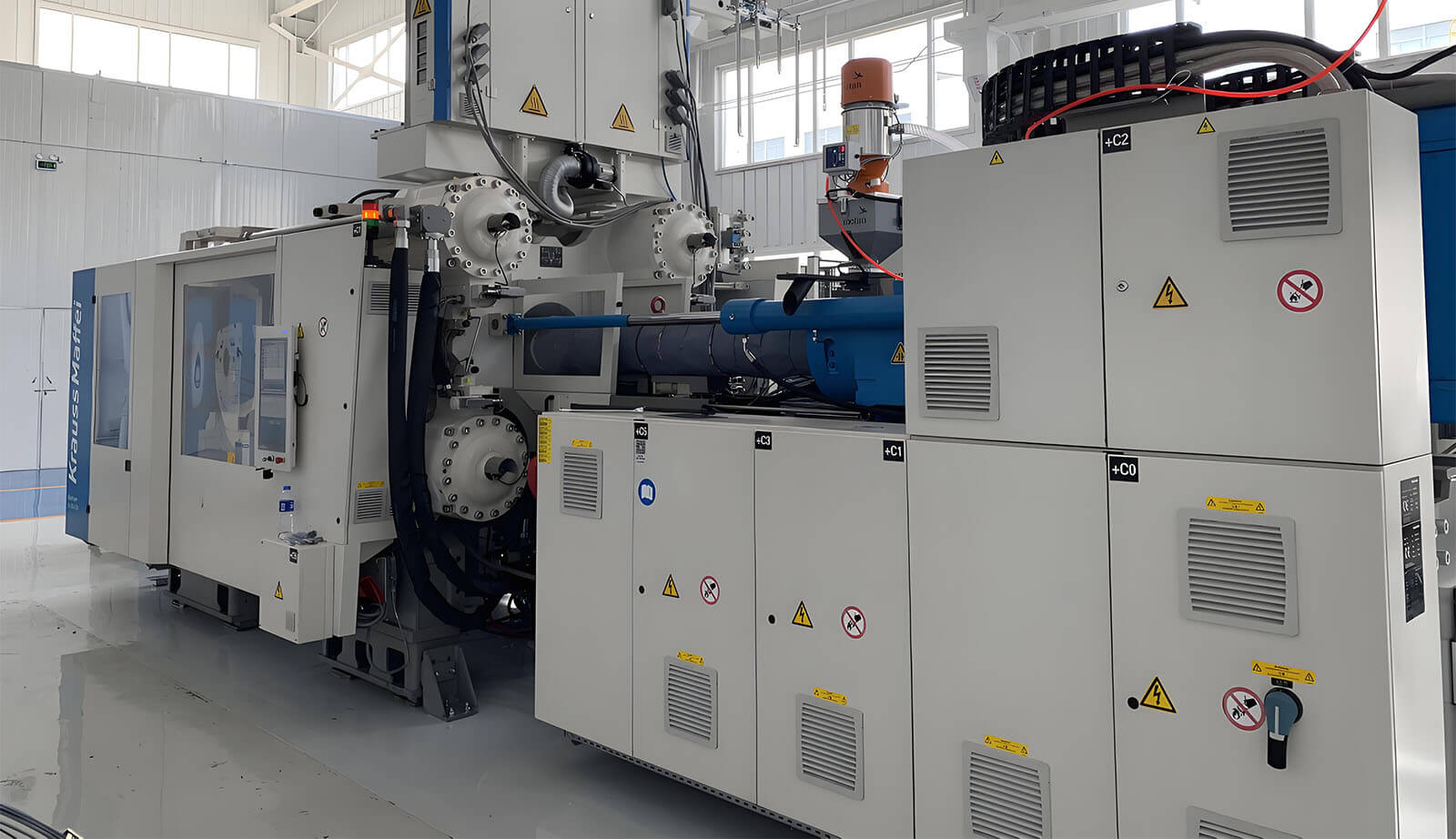
- For complex shapes, we use closed molds
- Liquid resin flows through dry carbon fibers
- This method works great for tubular carbon frame dizajne
Compression Molding for Structural Parts
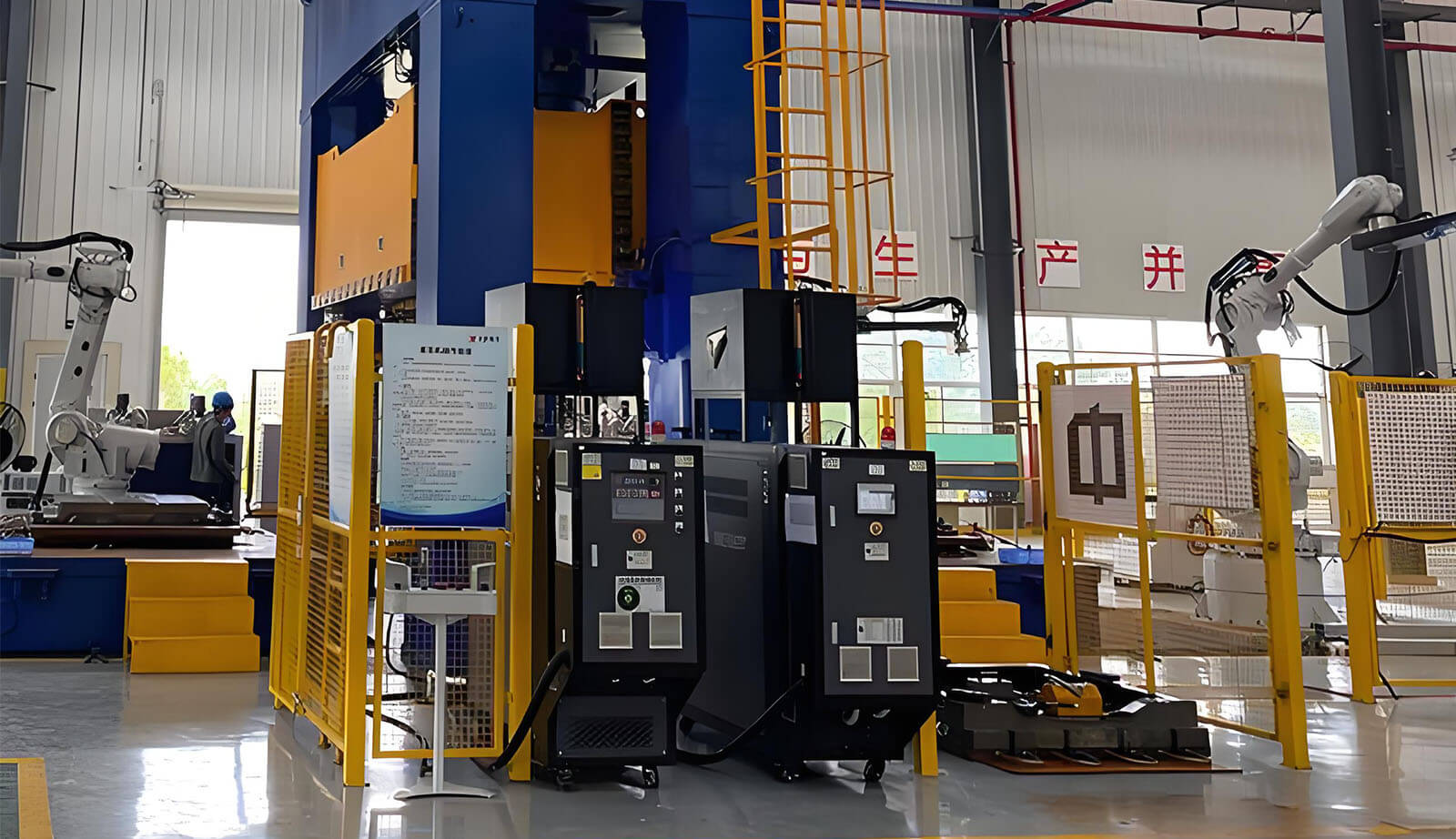
- Fast and cost-effective for simpler parts
- E përkryer për chassis reinforcement copa
- Used often in pjesë të karbonit pas tregtimit
Quality Control, Testing & Engineering Validation
We don’t just build it and ship it. Every chassis goes through:
- Ultrasonic inspection to find hidden cracks
- Non-destructive testing (NDT) to check bond quality
- Finite element analysis (FEA) using computers to predict stress points
- Modal analysis to measure vibration response
Carbon Fiber Chassis Technical Specifications
Carbon Fiber vs Aluminum vs Steel (Comparison Table)
| Prona | Fibër karboni | Alumini | Çeliku |
|---|
| Kursime në peshë | 40-60% lighter | Baza bazë | 50% heavier |
| Rezistenca në tërheqje | 500-700 MPa | 200-300 MPa | 400-500 MPa |
| Stiffness (Modulus) | 70-150 GPa | 69 GPa | 200 GPa |
| Corrosion Resistance | E shkëlqyeshme | E drejtë | I varfër |
| Gama e Temperaturave | -50°C to +120°C | -40°C to +90°C | -30°C to +100°C |
High stiffness-to-weight ratio means your chassis bends less under stress. That improves handling. Your car corners better. It responds faster to steering inputs.
Thermal stability matters when racing. Carbon fiber doesn’t expand or contract much when temperatures change. Your suspension geometry stays consistent lap after lap.
Rezistenca ndaj lodhjes ensures longevity. Steel eventually cracks from repeated stress. Carbon fiber can handle millions of cycles without failing.
Real-World Applications of Carbon Fiber Chassis
Motorsport & FIA-Regulated Racing
Formula 1 teams spend millions perfecting their motorsport frame designs. Every car uses a carbon fiber safety cell called a monocoque chassis. Why?
- FIA 8862 regulations require it for driver protection
- Crash energy absorption keeps drivers safe at 200+ mph impacts
- Torsional rigidity prevents the chassis from twisting during hard cornering
Le Mans Prototypes dhe IndyCar also mandate carbon fiber tubs. These aren’t just race cars—they’re rolling laboratories testing tomorrow’s technology.
Electric Vehicle (EV) Chassis Design
Të EV chassis benefits massively from carbon fiber. Here’s why:
- Reduktim në peshë extends battery range by 10-15%
- Lower weight means smaller (cheaper) batteries for the same range
- Më mirë vibration damping protects sensitive electronics
- NVH reduction (Noise, Vibration, Harshness) improves comfort
Rimac builds hybrid carbon-aluminum structures for their hypercar. BMW used carbon fiber extensively in their i3 and i8 models. They call it the “Carbon Life Module.”
Aerospace, Robotics & Industrial Structures
Tona 190. E mëparshmja expertise extends to:
- Drone chassis materials for commercial and military UAVs
- Robotics structural components for industrial arms
- Satellite frames that must survive launch vibrations
- Bicycle carbon frames for professional racing
Boeing dhe Airbus use similar composite materials in aircraft. SpaceX incorporates carbon fiber in rocket components. If it needs to be light and strong, carbon fiber is the answer.
Carbon Fiber Chassis Design Options
Monocoque Chassis Design
- Single-piece shell design
- Used in exotic car body panels and safety cells
- Provides best impact resistance
- More expensive but lighter
- Examples: McLaren Monocage, Pagani Huayra Carbo-Titanium structure. Brand examples are provided for industry reference only and do not imply affiliation.
Spaceframe Design
- Network of tubes joined together
- Easier to repair individual sections
- More affordable for custom builds
- Common in track-day car modifications
- Used by KTM X-Bow dhe BAC Mono
Hybrid Composite Structures
Sometimes we mix materials for the best outcome:
- Aluminum honeycomb cores with carbon fiber skins (sandwich panel construction)
- Graphene-enhanced carbon fiber për forcë shtesë
- Thermoplastic composites that can be reformed if damaged
- Karboni i falsifikuar (used by Lamborghini) for complex shapes
Custom Carbon Fiber Chassis Manufacturing Capabilities
Si drejtues 189. buza të përparme prej fibër karboni q50, ne ofrojmë:
- Fiber orientation optimization based on your stress patterns
- Me porosi ply stacking sequence for specific strength requirements
- 3D-printed carbon fiber joints for complex geometries
- Integration of smart carbon fiber sensors for structural health monitoring
Speed and Acceleration
Physics is simple: lighter cars accelerate faster. A lightweight chassis design means:
- Less energy needed to change speed or direction
- Distanca më të shkurtra të frenimit
- Më mirë fuel efficiency in combustion engines
- Longer range in electric vehicles
Handling Precision
Torsional rigidity determines how much your chassis twists under load. Carbon fiber’s high specific modulus means:
- Sharper turn-in response
- More predictable behavior at the limit
- Më mirë aerodynamic efficiency (the chassis flexes less, maintaining ideal aerodynamics)
- Consistent handling regardless of load or temperature
Modern crash test performance standards are brutal. Carbon fiber excels because:
- It absorbs energy by shattering in controlled ways
- Structural bonding adhesives spread impact forces across large areas
- The material doesn’t permanently deform like metal (it either holds or breaks cleanly)
- Can be designed to meet SAE J2340 crashworthiness standards
- Can be designed to meet FIA regulations for professional racing
Carbon Fiber Chassis Cost, Value & ROI
Carbon Fiber Chassis Cost Breakdown
Let’s be honest: carbon fiber isn’t cheap. Here’s why:
Lëndët e para: Toray Industries, Hexcel Corporation, dhe SGL Carbon produce high-grade fibers. 166. Vlerësime të ndryshme të fuqisë carbon fiber costs significantly more than 162. Çdo pjesë e shtizave tona.
Labor: Shtrirja e dorës requires skilled technicians. Automated fiber placement (AFP) reduces costs but requires expensive equipment.
Tooling: Molds and autoclaves represent major capital investments.
Final cost depends on geometry, material grade, tooling complexity, and validation requirements.
When It Makes Sense
Carbon fiber pays off when:
- Performance justifies premium pricing (supercar chassis)
- Volume is low (custom builds and limited editions)
- Weight savings create measurable benefits (motorsport, aerospace)
- You’re exploring makina me fibër karboni for competitive advantage
OEM vs. Aftermarket Carbon
pjesë të karbonit OEM come from the factory:
- Engineered specifically for your vehicle
- Include warranties and crash certifications
- Cost more but integrate perfectly
Aftermarket carbon parts offer:
- More affordable pricing
- Customization options
- Potential for DIY installation
- May require professional fitting
Maintenance, Repair & Service Life
Caring for Your Carbon Chassis
Carbon fiber is tough but needs proper care:
Regular Inspections
- Kontrollo për microcracking after impacts
- Look for delamination around stress points
- Monitor for UV degradation if exposed to sunlight
Cleaning and Protection
- Use pH-neutral cleaners only
- Apply UV-protective clear coats
- Avoid abrasive tools that scratch the surface
Repairs We can support carbon fiber repair solutions for minor non-structural damage:
- Small cracks can be patched with fresh resin
- Delaminated areas require professional thasë me vakum
- Major structural damage often requires section replacement
Environmental Considerations
Fibër karboni të ricikluar is becoming more available:
- Recyclability challenges stem from the cured resin
- E re sustainable resin alternatives ndihmë
- Bio-based carbon fiber research shows promise
- E plotë carbon fiber lifecycle analysis shows lower emissions than repeated steel replacement
Comparing Materials: Why Carbon Wins
Carbon Fiber vs. Aluminum
Alumini chassis are common because they’re affordable. But carbon fiber offers:
- 40% less weight
- Më e lartë flexural strength dhe shear strength
- Më mirë fatigue life data (aluminum cracks over time)
- Superior crash energy absorption
- Nr galvanic corrosion risks when properly isolated
Audi R8 uses an aluminum spaceframe with some carbon panels. Full carbon costs more but performs better.
Carbon Fiber vs. Steel
Çeliku is cheap and easy to weld. Carbon fiber counters with:
- 60% weight savings
- E plotë corrosion resistance (steel rusts)
- Më mirë coefficient of thermal expansion (more stable dimensions)
- Më e lartë density comparisons favor carbon (same strength, way less weight)
NASCAR now allows limited composite bodies because carbon fiber’s safety benefits outweigh tradition.
Emerging Technologies
Materiale të zgjuara
The future includes:
Self-Healing Composites
- Embedded resin capsules break when cracked
- Automatically fill and repair minor damage
- Being tested by Oak Ridge National Lab
Integrated Sensors
- Fiber Bragg gratings measure strain in real-time
- Alert drivers to structural issues before failure
- MIT Self-Assembly Lab explores adaptive structures
Advanced Manufacturing
AI-Driven Design Optimization
- Machine learning predicts optimal fiber weave patterns
- Reduces material waste by 30%
- Creates stiffness-to-weight charts for every design iteration
Additive Manufacturing Advancements
- Czinger 21C përdor 3D-printed carbon fiber nodes
- Combines with traditional layup for best of both worlds
- CNC machining for carbon fiber creates precise tolerances
Sustainable Innovation
Researchers at Fraunhofer Institute dhe University of Delaware work on:
- Nano-reinforced composites using graphene
- Plant-based resins to replace petroleum epoxies
- Më mirë recyclability through thermoplastic matrices
- Sustainable carbon fiber from renewable sources
Applications by Industry
| Industria | Use Case | Përfitimi kryesor |
|---|
| Automobilistikë | Makina me fibra karboni, luxury car carbon options | Speed + safety |
| Motorsports | F1, LMP1, IndyCar monocoques | FIA compliance + protection |
| Hapësira ajrore | UAV frames, satellite structures | Weight-critical missions |
| Detare | Racing yacht hulls, submersibles | Rezistenca ndaj korrozionit |
| Defense | Armored vehicle components | Blast protection |
| Industriale | Robotics arms, manufacturing tools | Precision rigidity |
Si të Filloni
For Racing Teams
If you’re building a competitive vehicle:
- Define your regulations (FIA, SAE, or sanctioning body requirements)
- Choose between monocoque ose tubular ndërtimi
- Work with our engineers to optimize ply stacking sequence
- Schedule chassis dynamometer testing before competition
For Custom Builds
Creating a one-off project? We help with:
- Custom carbon chassis design consultation
- Choosing between T700/T800 grades for your budget
- DIY carbon fiber fabrication support and materials
- Post-cure finishing to your aesthetic preferences
For Electric Vehicle Manufacturers
Developing the next great EV? Consider:
- Hybrid composites (carbon + aluminum) for cost balance
- Sandwich panel construction for battery enclosures
- Përçueshmëri termike management around electronics
- Fire resistance standards compliance
Pse të zgjidhni zgjidhjet tona të fibrave të karbonit
As a premier 190. E mëparshmja, we deliver:
✓ Certified Quality: ISO and FIA certification processes compliance ✓ Expert Engineering: Finite element analysis for every design ✓ Flexible Production: From one-off customs to small batch runs ✓ Material Options: 162. Çdo pjesë e shtizave tona te T1100 fibers, multiple resin systems ✓ Testimi i plotë: Impact test results, tensile strength verification, ultrasonic inspection
Our Manufacturing Advantages
- Compression molding for cost-effective parts
- Kurim me autoklavë for premium components
- Derdhja e transferimit të rrëshirës for complex shapes
- In-house non-destructive testing lab
- CNC machining capabilities for precise finishing
Technical Support and Resources
We provide complete documentation:
- Stress-strain characteristics data sheets
- Anisotropic properties guides for design
- Structural bonding adhesives compatibility charts
- Paint compatibility recommendations
- Electrical conductivity concerns mitigation strategies
Testing and Validation
Every chassis includes:
- Torsional rigidity measurements
- Zhdukja e dridhjeve analysis
- Coefficient of thermal expansion testimi
- Rezistenca ndaj lodhjes cycle data
- Plot crash test performance reports (where applicable)
Getting Your Quote
Ready to transform your project with fibër karboni me porosi? Here’s what we need:
- Application details (vehicle type, expected loads)
- Dimensional requirements (CAD files if available)
- Performance goals (weight savings targets, strength requirements)
- Budget parameters (material grade flexibility)
- Timeline (prototype vs. production)
Contact our team today. We’ll match you with the right composite materials for your specific needs. Whether you’re building the next Koenigsegg competitor or a cutting-edge drone chassis, we’ve engineered solutions for projects just like yours.
The Bottom Line
Carbon fiber chassis technology isn’t just for million-dollar hypercars anymore. Costs are dropping. Manufacturing is improving. Sustainable carbon fiber initiatives are making it greener.
Nga Formula E safety structures te electric vehicle chassis platforms, carbon fiber defines modern high-performance engineering. Its unmatched high stiffness-to-weight ratio, superior impact resistance, and proven crash energy absorption make it the material of choice when performance matters.
Your project deserves the best. Choose carbon fiber. Choose strength without weight. Choose the future.
Start your carbon fiber chassis project today with the experts who’ve supplied components to racing teams, aerospace programs, and automotive innovators worldwide. Contact our custom composite factory and let’s build something extraordinary together.
Written by:
Engineering Team – China Carbon Fibers
15+ years in carbon composite manufacturing Projects across automotive, motorsport, aerospace & robotics