What Is a Carbon Fiber Robotic Exoskeleton?
A carbon fiber robotic exoskeleton is a wearable robotic system designed to enhance human strength, endurance, and mobility. By combining lightweight carbon fiber structures with motors, sensors, and intelligent control systems, these exoskeletons assist users with lifting, walking, and repetitive physical tasks while reducing fatigue.
Often compared to science-fiction concepts, modern powered exoskeletons are already used across industrial workplaces, medical rehabilitation environments, and defense-related research programs. Their effectiveness comes from integrating aerospace-grade carbon fiber composites with advanced robotics developed by experienced carbon composite manufacturers.
Why Carbon Fiber Matters
Carbon fiber is widely recognized for its exceptional strength-to-weight ratio, offering significantly higher stiffness than many traditional metals while remaining substantially lighter. Key advantages include:
- High structural stiffness at low weight
- Resistance to corrosion and environmental exposure
- Controlled flexibility for ergonomic movement
These characteristics make carbon fiber especially suitable for wearable robotics, where excessive weight or rigidity would reduce comfort and increase injury risk.
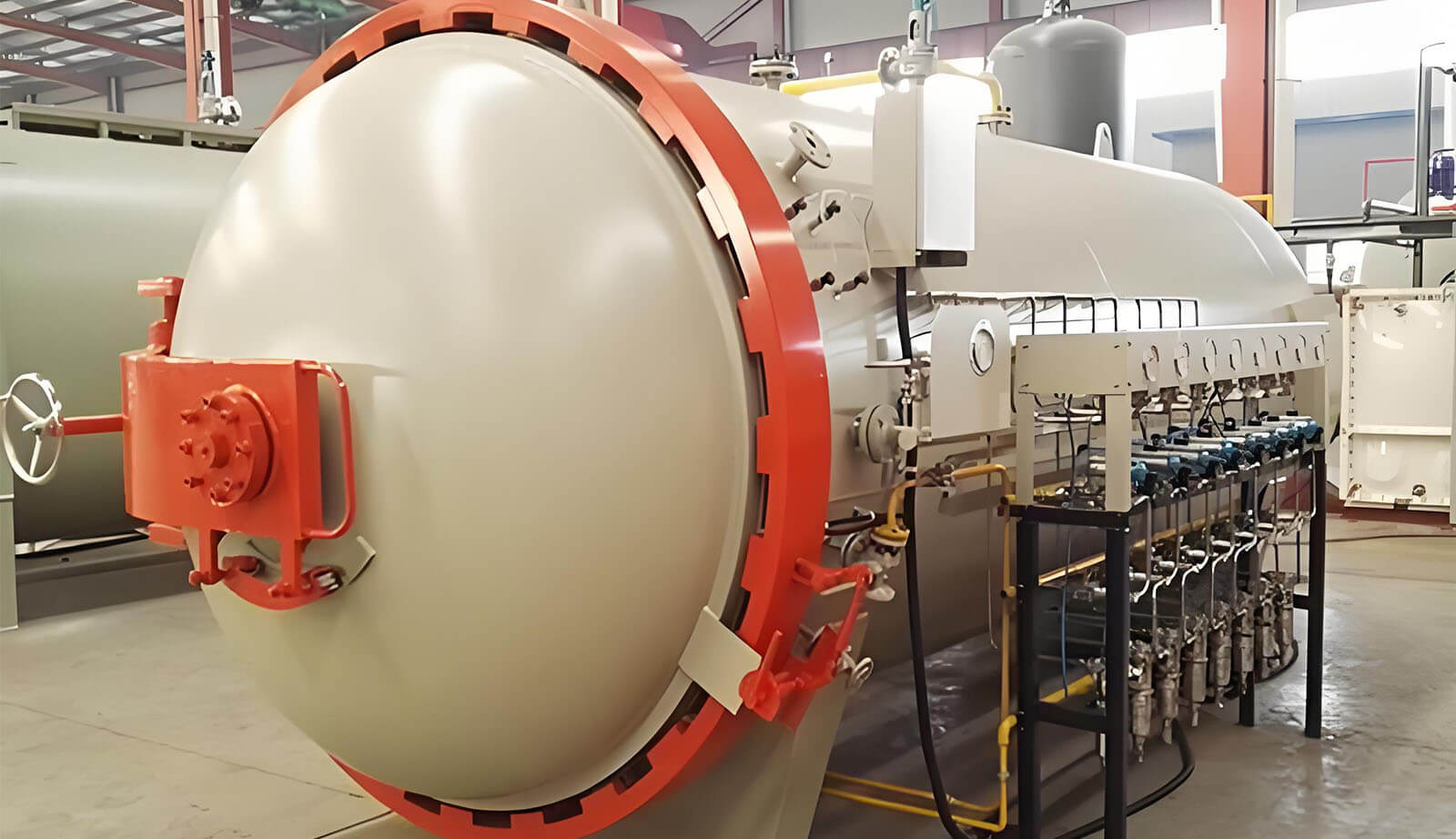
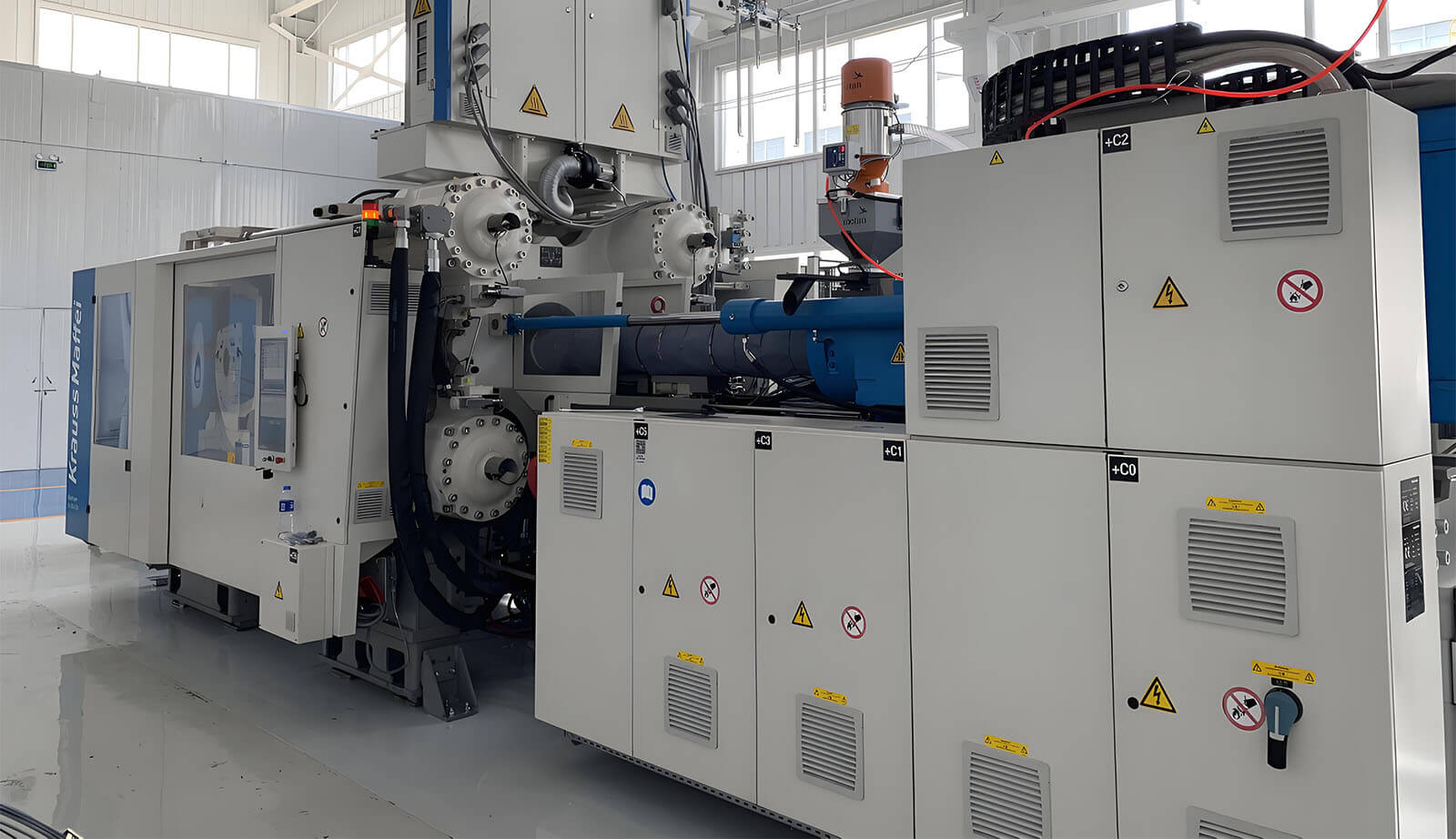
Our carbon composite manufacturing process—developed within a professional 189. buza të përparme prej fibër karboni q50— is designed to produce high-strength, lightweight structural frames optimized for robotic exoskeleton applications.
In many cases, this includes closed-mold techniques such as the RTM carbon fiber process, which enables precise fiber placement, consistent wall thickness, and excellent surface quality—key requirements for wearable robotic structures.
How Does a Robotic Exoskeleton Work?
A robotic exoskeleton typically consists of four core subsystems:
1. Këshilla e fibrave të karbonit
The structural backbone of the system. Carbon fiber reinforcement forms load-bearing components that follow human anatomy, allowing natural movement while maintaining strength under mechanical load. Similar structural principles are also applied in advanced makina me fibër karboni where weight reduction and stiffness are critical.
2. Motors and Actuators
These components provide assisted motion and load support. Common actuator systems include:
- Electric motors for smooth, quiet operation
- Hydraulic systems for high-force applications
- Pneumatic systems using controlled air pressure
3. Sensors and Intelligent Control
Motion sensors track joint position, speed, and force. Intelligent control algorithms interpret these signals to provide near real-time responsiveness, enabling smooth and intuitive assistance.
Some advanced research platforms explore bio-signal interfaces, such as EMG-based muscle sensing, which remain under active development and evaluation.
4. Battery System
Most powered exoskeletons use lithium-ion battery systems designed for several hours of operation. Depending on configuration, some systems support battery replacement without full system removal.
Types of Carbon Fiber Exoskeletons
Different applications require different exoskeleton designs. Below is a simplified overview:
Industrial Exoskeletons (Workplace Assistance)
Designed to support workers in warehouses, factories, and construction environments.
Typical Applications
- Repetitive lifting and handling
- Overhead tool operation
- Fatigue reduction
Systems in this category are designed to significantly reduce perceived physical load, helping lower strain during extended work periods. Industrial programs report meaningful reductions in musculoskeletal stress when systems are properly integrated.
Medical Exoskeletons (Rehabilitation & Mobility)
Used in clinical and therapeutic settings to assist individuals recovering from neurological or musculoskeletal conditions.
Typical Applications
- Gait training and assisted walking
- Post-stroke and spinal injury rehabilitation
- Controlled movement therapy
Medical robotic systems are commonly deployed in hospitals and rehabilitation centers, where structured programs report improved therapy efficiency and patient engagement compared to conventional methods.
Developed for load-bearing support and endurance enhancement in demanding environments.
Typical Applications
- Equipment load redistribution
- Extended mobility under heavy gear
- Research into human endurance augmentation
Defense organizations and government-funded research programs have evaluated exoskeleton technologies for durability, load support, and operational endurance in controlled testing environments.
Consumer & Assistive Exoskeletons
Lightweight systems intended for daily support rather than powered strength amplification.
Typical Applications
- Posture assistance
- Lower-back support
- Mobility support for aging users
These systems are often passive or semi-active and focus on comfort, ease of use, and long-term wearability.
Product Specification Overview
| Veçori | Industriale | Mjekësore | Defense | Consumer |
|---|
| Typical Weight | ~12 lbs | ~8 lbs | ~15 lbs | ~6 lbs |
| Load Assistance | Lartë | 105. Kampionati | Lartë | E ulët |
| Battery Duration | Several hours | Several hours | Extended | I kufizuar |
| Actuation | Electric / Hydraulic | Electric | Electromechanical | Passive |
| Primary Use | Workplace support | Rehabilitation | Load endurance | Daily assistance |
Specifications vary by configuration and application.
Benefits of Carbon Fiber Exoskeletons
Injury Risk Reduction
Exoskeleton systems are designed to redistribute mechanical load away from vulnerable joints and the spine, reducing physical strain during demanding tasks.
Productivity & Endurance
By assisting movement and load handling, users can perform tasks more efficiently while maintaining consistent output.
Cost Efficiency
Organizations may benefit from reduced injury-related downtime, improved workforce sustainability, and more efficient task allocation.
Quality of Life Improvements
Assistive systems can help users regain mobility, maintain independence, and perform daily activities with greater confidence.
Real-World Application Scenarios
- Logistics & Warehousing: Load handling and repetitive lifting assistance
- Ndërtimi: Overhead tool support and posture assistance
- Healthcare: Controlled gait rehabilitation and therapy support
- Emergency & Rescue: Stability and load assistance in hazardous environments
- Agriculture: Bending and lifting support for extended outdoor work
How to Choose the Right Exoskeleton
Key considerations include:
- Intended use (industrial, medical, assistive, research)
- Required load support and mobility range
- Budget and deployment scale
- Need for custom structural design or fitment
Specialized applications—such as pediatric rehabilitation or prosthetic integration—often require fibër karboni me porosi structures developed by an experienced carbon composite manufacturer.
Standards & Certification Considerations
Exoskeleton programs may involve compliance with:
- Medical device regulations (e.g., FDA, CE)
- Quality systems (e.g., ISO 13485)
- Environmental and durability standards (e.g., MIL-STD testing)
Designs are typically developed to align with applicable standards, with certification pursued based on application scope and regulatory requirements.
Future Trends in Exoskeleton Technology
- Soft robotic exosuits using flexible textiles and sensors
- AI-driven adaptive control improving personalization over time
- Energy-efficient actuation and battery systems
- Expanded accessibility through modular and scalable designs
Ongoing research suggests continued advancement toward more intuitive, lightweight, and user-friendly systems.
Why Choose Our Carbon Fiber Exoskeleton Solutions?
We work alongside robotics teams, engineers, and system integrators to deliver custom carbon fiber structures for exoskeleton platforms, supported by in-house composite engineering and production capabilities.
Our Capabilities Include:
- Aerospace-grade carbon fiber materials
- Structural design optimized for wearable robotics
- Prototype development and series production
- OEM / ODM manufacturing support
Our designs focus on strength, durability, and ergonomic integration, supporting projects across industrial, medical, and research applications.
Pyetjet e bëra më shpesh
How much does a carbon fiber exoskeleton cost? Pricing varies widely depending on complexity and application, ranging from entry-level assistive systems to advanced industrial or research platforms.
How long does the battery last? Most powered systems operate for several hours, depending on load and usage profile.
Is training required? Passive systems require minimal training. Active systems typically include onboarding and operational guidance.
What maintenance is required? Carbon fiber structures require minimal maintenance, with periodic inspection recommended for professional systems.
Start Your Exoskeleton Project
Whether you are developing an industrial support system, a medical rehabilitation platform, or an advanced research exoskeleton, we can support your project from concept to production.
Next Steps
- Request a technical consultation
- Discuss OEM / ODM development requirements
- Define structural design and material specifications
The future of strength and mobility is being built today. Build it with carbon fiber. Build it with us.