
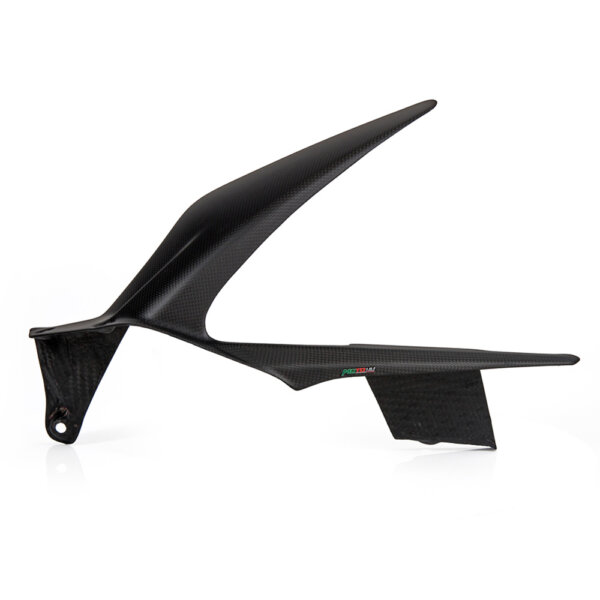
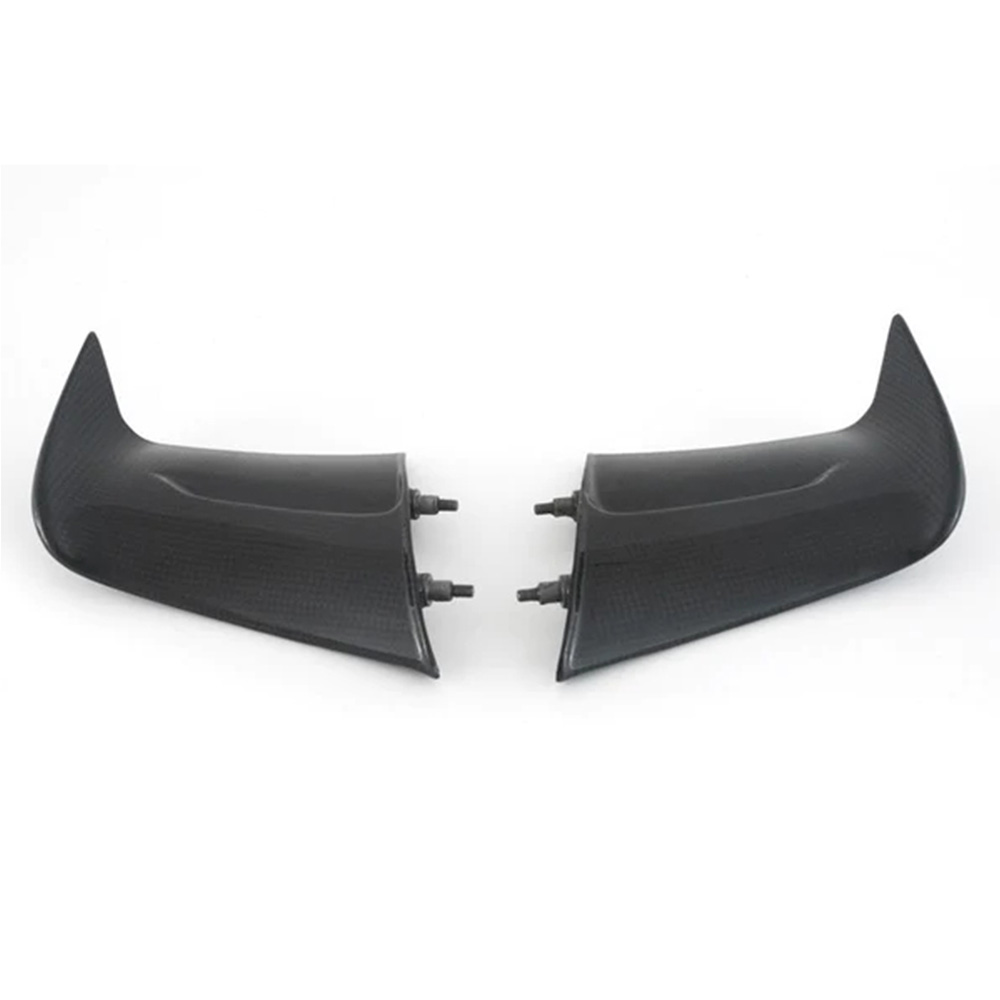
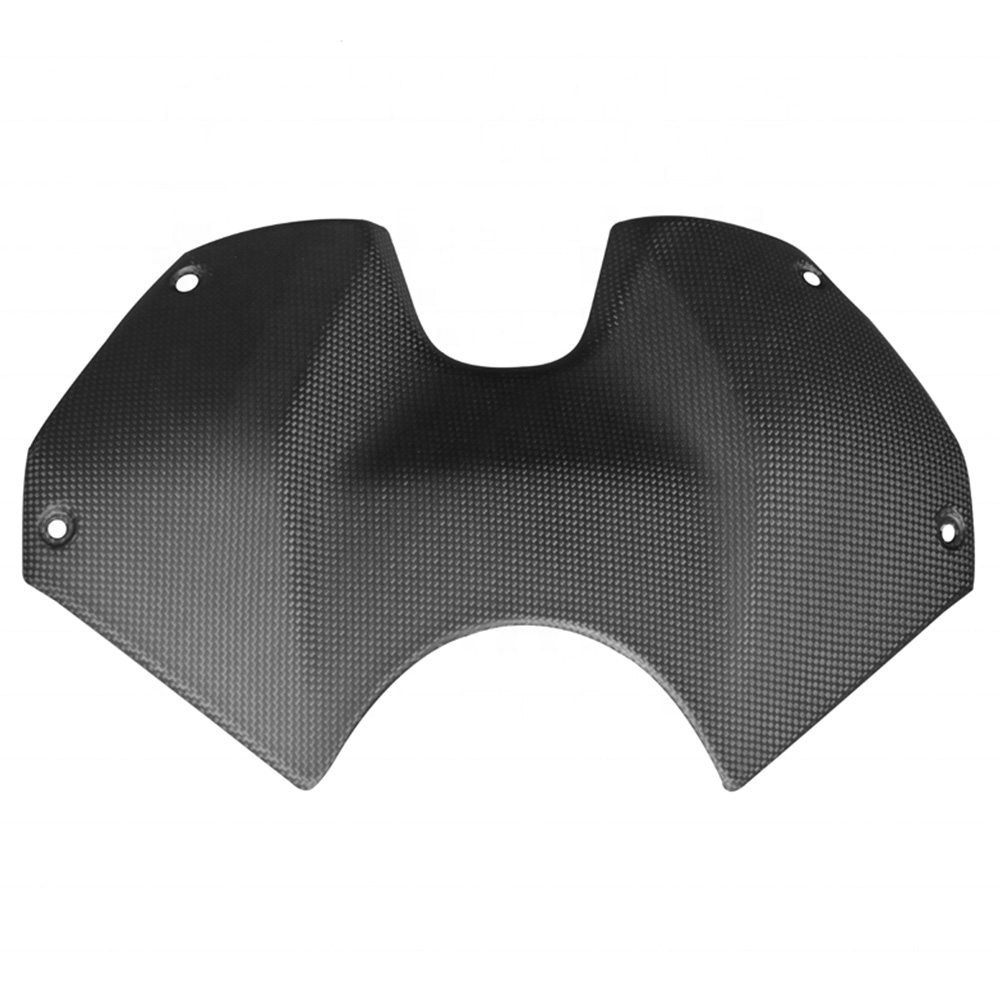

As a professional carbon composite manufacturer experienced in RTM, prepreg autoclave, and vacuum infusion production, we’ve seen common issues both in DIY workshops and industrial environments.
Carbon fiber isn’t just for race cars and rockets anymore. You can work with this super-strong material right in your own garage. But where do you start? This guide shows you exactly how to cut, shape, and cure carbon fiber without wasting money or materials.
Before you touch a single carbon fiber sheet, you need the right gear. Think of it like cooking—you wouldn’t make a cake without measuring cups, right?
Here’s what belongs in your workshop:
Why all this gear? In workshop practice, resin exposure and airborne carbon dust are among the most common safety risks when working with composites. Carbon dust can irritate your lungs. Uncured resin can cause skin reactions. Don’t skip the safety stuff.
Set up your workspace properly:
profesionale carbon composite manufacturers use industrial ventilation systems for a reason. You might not need that level of protection, but you do need fresh air.
Cutting carbon fiber seems simple. It’s not. Use the wrong tool and you’ll get frayed edges, wasted material, and a mess.
Hand Cutting with Shears
For small projects, Easton Carbon Fiber Shears or similar carbide-edged tools work perfectly. Here’s the trick: place masking tape along your cut line first. This prevents fraying and gives you a clean edge.
Cut slowly. Rush it and the fibers separate like split ends on bad hair.
CNC Routing
Need precision? CNC machines like Festool Rotary Cutters give you complex shapes with zero waste. However, CNC cutting carbon fiber requires special bits—standard wood bits dull instantly.
Water Jet Cutting
In industrial applications, waterjet cutting is often preferred for thick laminates because it minimizes mechanical stress on the fiber layers. That’s huge when you’re working with expensive Toray T700 Carbon Fiber or Zoltek Panex 35 sheets.
Water jet cutting works best for thick laminates. The downside? Cost. You’ll need access to an industrial facility unless you’re running a serious operation.
What About Laser Cutting?
Trotec Laser Cutters can cut carbon fiber, but there’s a catch. The resin creates toxic fumes when burned. You need serious ventilation. Most hobbyists skip lasers entirely.
Now comes the fun part. Shaping carbon fiber means molding it into whatever form you want. Flat sheets become curved parts. Simple fabric becomes complex structures.
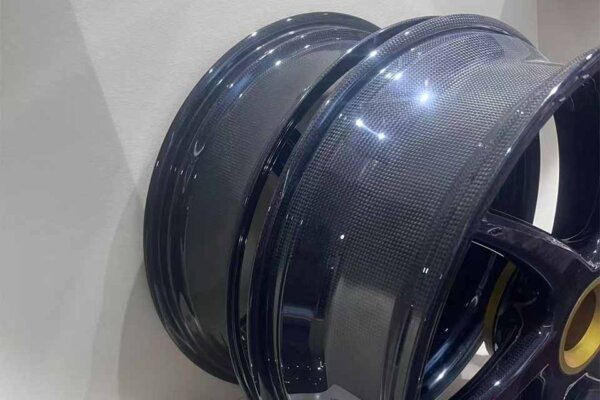
Wet layup is one of the most common methods used in DIY carbon fiber projects. You literally paint resin onto carbon fabric, then press it into a mold.
Ja se si funksionon:
Step 1: Prepare Your Mold
Clean it thoroughly. Apply mold release (FibreGlast Mold Release is reliable). Skip this step and your part becomes permanently attached to the mold. Ask me how I know.
Step 2: Cut Your Carbon Fabric
Cut pieces slightly larger than needed. You’ll trim excess later.
Step 3: Mix Your Resin
Follow the ratio exactly. Loctite EA 9396 Epoxy typically uses 2:1 mixing. Too much hardener makes it cure too fast. Too little and it stays tacky forever.
Mix small batches. Most resins give you 20-30 minutes of working time.
Step 4: Apply the First Layer
Paint resin onto your mold. Lay down carbon fabric. Paint more resin on top. Use a squeegee or brush to work out air bubbles.
Air bubbles create weak spots. In composite workshops, uneven resin distribution is a frequent issue that leads to weak spots and cosmetic defects.
Step 5: Build Up Layers
Most parts need 3-6 layers of fabric. Each layer adds strength. Alternate fiber direction (0°, 45°, 90°) for maximum strength.
profesionale makina me fibër karboni use this same layering technique—just with more precision.
Para shtatzënisë means pre-impregnated fabric. The resin is already in the carbon fiber. You just shape it and cure it with heat.
Gurit Pre-Preg dhe Hexcel HexPly® dominate the aerospace market. Why? Consistency. Every part comes out identical.
The process:
Autoclave curing generally produces stronger and more consistent parts due to controlled pressure and temperature. That’s why Boeing uses autoclaves for airplane parts. However, autoclave equipment costs thousands of dollars.
For home builders, an oven works fine. Set it to 250°F and cure for 2-4 hours (check your resin’s data sheet).
61. Shpejtësi mesatare isn’t just for pre-preg. You can use it with wet layup too.
The setup:
The vacuum compresses the layers together. This removes air bubbles and excess resin. Parts come out lighter and stronger.
Shumë fabrika të personalizuara kompozite use vacuum bagging for every part they make.
In industrial vacuum infusion production, resin flow rate and vacuum stability are carefully monitored to minimize void content. In automotive structural components, maintaining consistent fiber wet-out is critical for mechanical repeatability across batches.
Need to bend carbon fiber around tight curves? Thermoforming heats the material until it’s flexible.
This works best with:
Heat the material to 300-400°F. Quickly press it into your mold. Hold it until it cools.
Racing teams use thermoforming for parts like carbon fiber racing seats where compound curves matter.
You’ve shaped your part. Now it needs to harden. Kurimi is when the resin transforms from sticky liquid to solid plastic.
Most epoxy resins cure at room temperature. West System Epoxy hardens in 24-72 hours depending on temperature.
Warmer = faster curing. A 70°F shop cures parts in 24 hours. A 50°F garage might take 3 days.
Be patient. Handling parts too early creates fingerprints and weak spots.
Heat speeds up curing. It also improves the final properties.
Post-curing means heating a part after it’s already hardened. This completes the chemical reaction.
For example:
Composite Envisions Ovens are built specifically for this. But a regular kitchen oven works if you’re careful about temperature control.
Autoclave Engineers makes equipment that applies heat AND pressure. This creates the strongest possible parts.
Automotive manufacturers such as BMW have used carbon fiber structures to significantly reduce vehicle weight in production models like the i3. That translates directly to better fuel economy.
But autoclaves cost $50,000-$500,000. Unless you’re manufacturing professionally, stick with oven curing.
| Metoda | Koha | Forca |
|---|---|---|
| Room temp (70°F) | 24-72 hours | Mirë |
| Room temp + post-cure | 24 hours + 2 hours | Më mirë |
| Oven cure (250°F) | 2-4 orë | Më mirë |
| Autoclave cure | 2-4 orë | Më e mira |
Temperature matters too. Below 60°F, some resins won’t cure properly at all.
Money matters. Let’s be real about costs.
| Metoda | Cost Per Square Foot | Më e mira për |
|---|---|---|
| Hand layup (wet) | ~$50 | Hobbyists, one-off parts |
| Pre-preg (oven) | ~$150 | Small production runs |
| Pre-preg (autoclave) | ~$200 | Aerospace, automotive |
| CNC cut parts | Add $30-50 | Complex shapes |
Actual costs vary depending on material grade, supplier, region, and project scale.
In small-scale projects, wet layup is significantly more cost-effective than pre-preg systems, which require controlled storage and heat curing equipment. That’s why DIY builders love wet layup.
You can make small items like carbon fiber rings for under $20 in materials.
Larger projects like a carbon fiber Mustang hood might run $300-500 in materials if you do it yourself. Buy the same part pre-made? Expect to pay $1,500-2,500.
Learn from others’ errors. These mistakes waste time and materials.
Nothing hurts worse than a perfect part stuck forever in your mold. Always use mold release. Always. Some people use paste wax, others prefer spray-on releases like FibreGlast Mold Release.
Test it on a small area first.
Too much resin makes parts heavy and weak. Too little creates dry spots where fibers aren’t bonded.
The sweet spot? About 40-50% resin by weight. Use a squeegee to work excess resin out of the fabric.
Patience isn’t just a virtue—it’s required. Pull a part too early and it’ll warp or crack.
Wait the full cure time. Then wait a bit more.
Carbon fiber is strongest along the fiber direction. Weak across it.
For parts under stress, use multiple layers with different orientations. A typical layup schedule might be:
This creates strength in all directions.
More heat doesn’t always mean better. Exceed your resin’s temperature rating and it can burn, bubble, or weaken.
Use an oven thermometer. Don’t trust the oven’s built-in gauge.
| Tool/Material | Brand Examples | Gama e çmimeve | Best Use |
|---|---|---|---|
| Pëlhurë karboni | Toray T700, Zoltek Panex 35 | $20-80/yard | Everything |
| Rrëshirë epoksi | West System, 3M Scotch-Weld | $40-120/gallon | General layup |
| Cutting shears | Easton, Dremel Ultra-Saw | $15-150 | Hand cutting |
| Vacuum pump | Vacmobiles, Harbor Freight | $80-500 | Professional finish |
| Mold release | FibreGlast, SikaWrap | $10-30 | All projects |
You don’t need the most expensive stuff to start. However, cheap resin causes headaches. Buy quality resin and save money elsewhere.
Can you cut carbon fiber with regular scissors?
No. Regular scissors dull instantly on carbon fiber. You need carbide-edged scissors designed for composite materials. Even then, add tape to your cut line for clean edges.
How long does carbon fiber take to cure?
Room temperature epoxy takes 24-72 hours. Oven curing at 250°F speeds this to 2-4 hours. Pre-preg usually needs heat to cure at all.
Is pre-preg better than wet layup?
Pre-preg gives more consistent results and stronger parts. But wet layup costs less and doesn’t require special storage. For most hobbyists, wet layup works great.
What’s the best resin for carbon fiber?
Epoxy resins like West System ose Pro-Set Laminating Resin work best. They’re stronger than polyester and easier to use than vinyl ester. For high-heat applications, consider MasterBond UV-Resistant Resin.
Do I really need vacuum bagging?
No, but it helps. Vacuum bagging removes air bubbles and excess resin. This makes parts lighter and stronger. For structural parts, it’s worth the extra effort.
Working with carbon fiber isn’t rocket science. But it does require patience and attention to detail.
Start with a small project. Maybe a phone case or trim piece. Learn the basics:
Then tackle bigger projects. Before you know it, you’ll be making parts that rival professional work.
Remember these key points:
The difference between industrial waterjet cutting and simple hand cutting matters less than understanding the fundamentals. Master the basics and you’ll create amazing parts with any method.
Whether you’re building cosmetic parts or structural components, carbon fiber offers unmatched strength-to-weight ratio. That’s why it dominates aerospace, automotive, and sporting goods.
Now you know how to cut it, shape it, and cure it. Time to make something awesome.
While DIY methods are suitable for small projects, industrial carbon fiber manufacturing uses processes such as RTM, vacuum infusion, and autoclave curing to ensure structural consistency and repeatability.
If you require OEM-level carbon fiber components for automotive, aerospace, or industrial applications, working with a professional composite manufacturer ensures proper fiber orientation, controlled curing cycles, and dimensional accuracy.