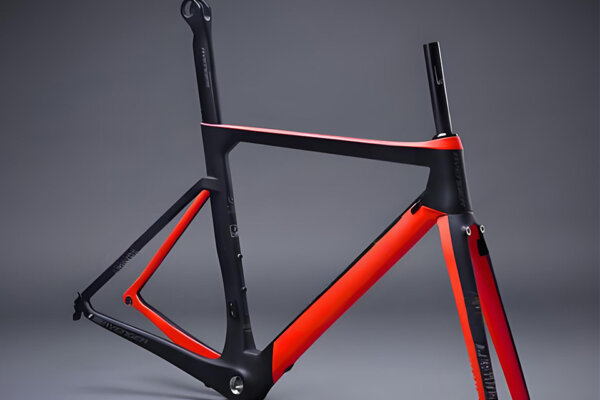
Wat is een koolstofvezelchassis?
Stel je voor dat je een auto bouwt die 50% lichter maar drie keer sterker dan staal. Dat is wat een koolstofvezel chassis doet. Het is geen magie, het is wetenschap.
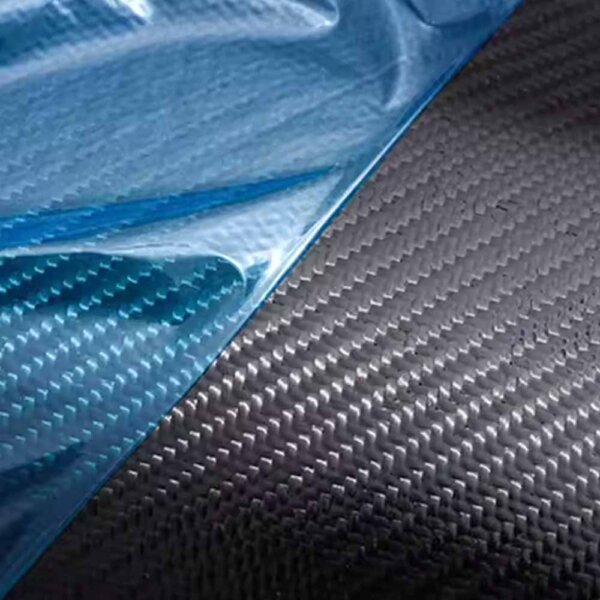
A koolstofvezel chassis vormt de ruggengraat van je voertuig. In tegenstelling tot zware stalen frames, maakt dit gebruik van koolstofvezelversterkt polymeer (CFRP). We weven kleine koolstofdraden samen met epoxyhars. Het resultaat? Een structuur die ongelooflijk licht is en toch sterk genoeg om crashes te overleven.
Waarom supercar- en EV-merken chassis van koolstofvezel gebruiken
McLaren, Ferrari, en Lamborghini gebruiken koolstofvezel niet om er cool uit te zien. Ze gebruiken het omdat het werkt. Hun supercar chassis moet licht zijn voor snelheid maar sterk voor veiligheid. A monocoque chassis gemaakt van koolstofvezel voldoet aan beide eisen.
Zelfs Tesla verkent koolstofcomposieten voor elektrische voertuigen. Waarom? Omdat lichtere auto's verder kunnen rijden met dezelfde acculading. Dat is slimme techniek.
Hoe koolstofvezel chassis worden gemaakt
Het productieproces
Onze fabriek voor composietmaterialen op maat gebruikt verschillende methoden om je chassis te maken:
Prepreg koolstofvezel Layup
- We beginnen met vellen koolstofvezel waar al hars in zit
- Arbeiders plaatsen elke laag zorgvuldig met de hand
- De vezelweefpatronen overlappen elkaar om kracht te creëren in alle richtingen
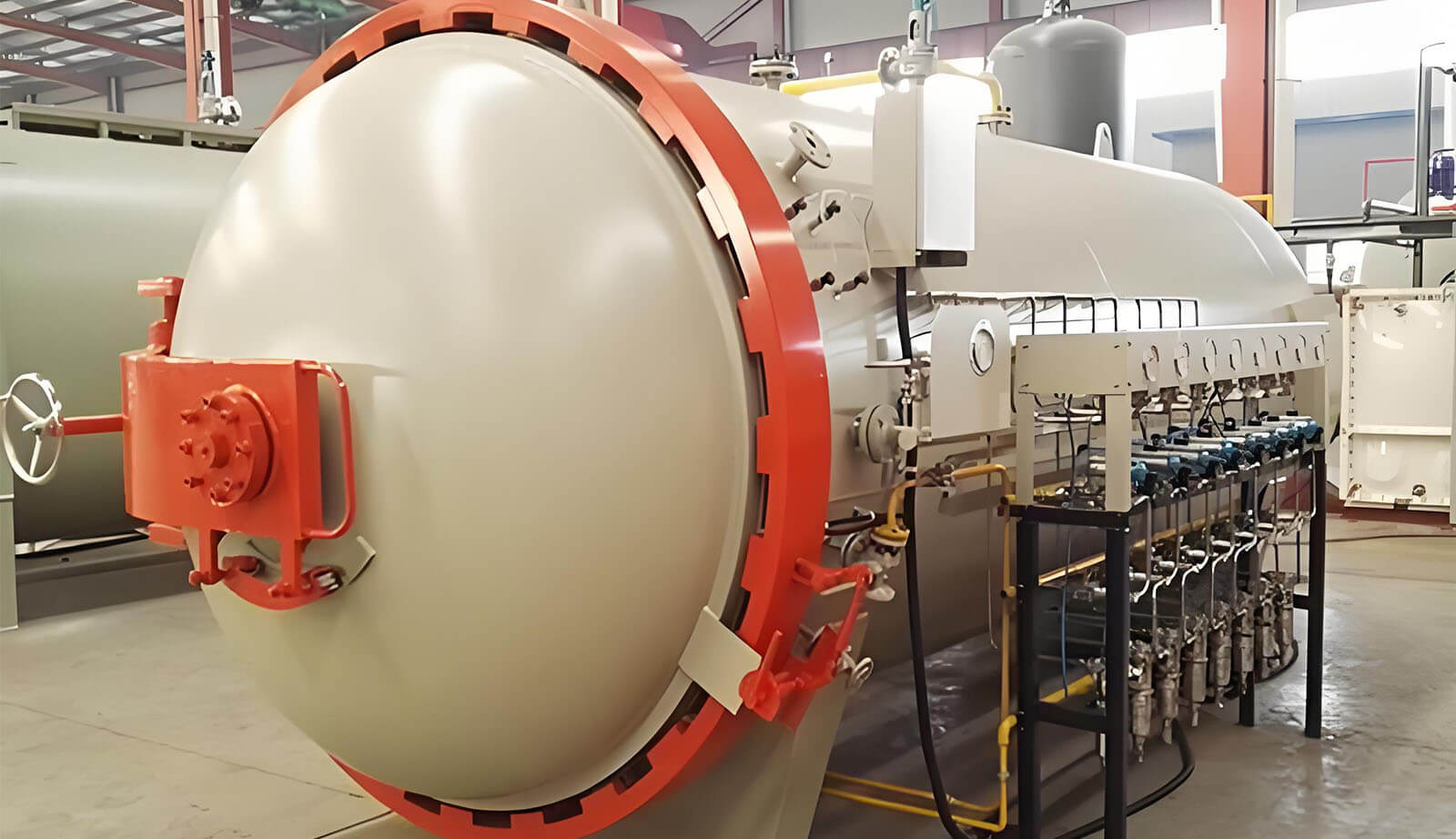
Autoclaaf uithardingsproces
- Het gelaagde chassis gaat in een gigantische oven die autoclaaf wordt genoemd
- Hoge druk en hitte (rond 120°C) verharden de hars
- Deze uithardingsproces duurt enkele uren maar creëert de sterkste band
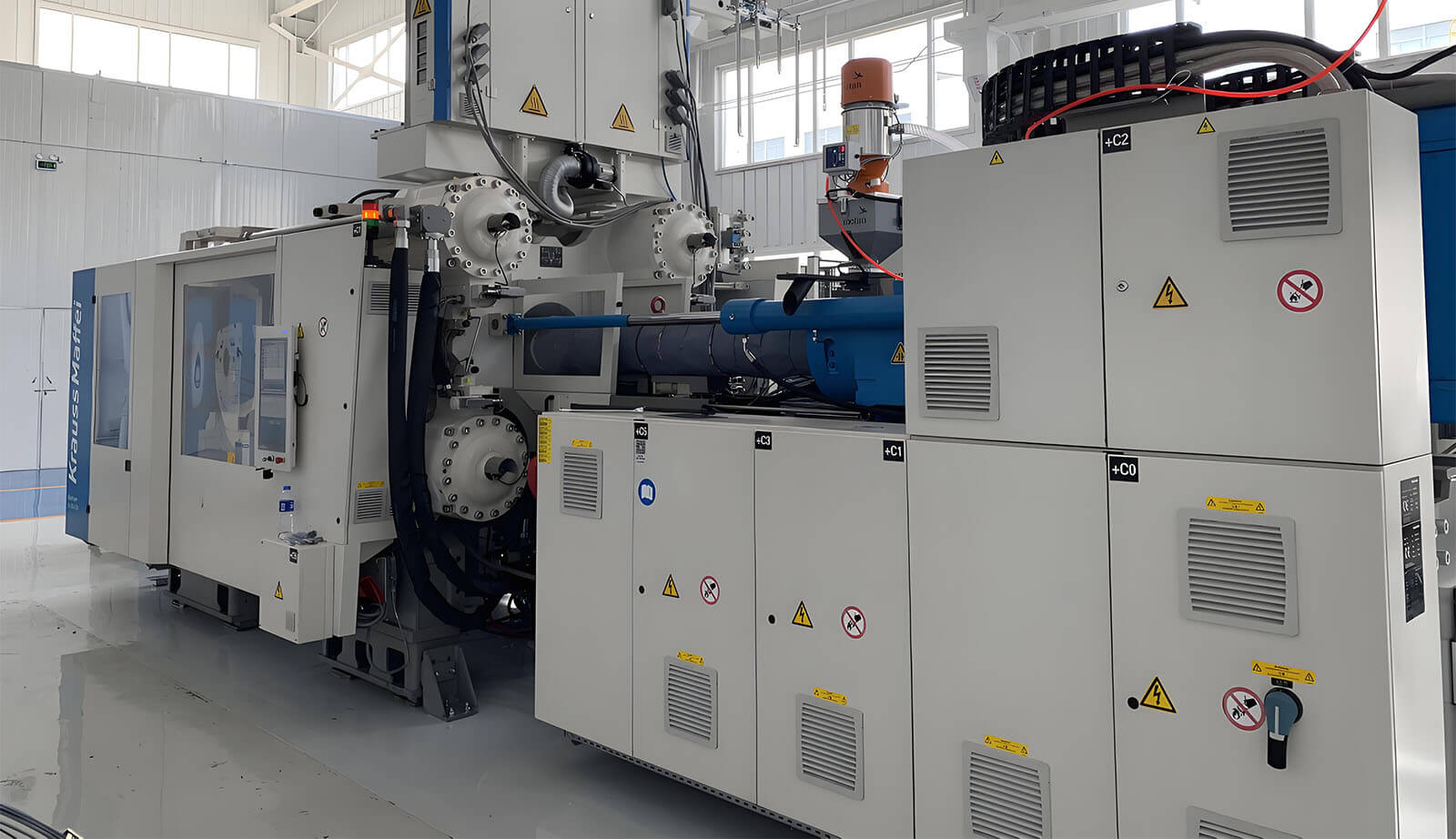
Harstransfer spuitgieten (RTM)
- Voor complexe vormen gebruiken we gesloten mallen
- Vloeibare hars stroomt door droge koolstofvezels
- Deze methode werkt geweldig voor buisvormig carbon frame ontwerpen
Compressievormen voor structurele onderdelen
- Snel en kosteneffectief voor eenvoudigere onderdelen
- Perfect voor chassisversterking stukken
- Vaak gebruikt in aftermarket carbon onderdelen
Kwaliteitscontrole, testen en technische validatie
We bouwen het niet gewoon en verzenden het. Elk chassis gaat er doorheen:
- Ultrasone inspectie om verborgen scheuren te vinden
- Niet-destructief onderzoek (NDT) om de kwaliteit van de verbinding te controleren
- Finite Element Analysis (FEA) computers gebruiken om stresspunten te voorspellen
- Modale analyse om de trillingsrespons te meten
Technische specificaties koolstofvezel chassis
Koolstofvezel vs Aluminium vs Staal (Vergelijkingstabel)
| Eigendom | Koolstofvezel | Aluminium | Staal |
|---|
| Gewichtsbesparing | 40-60% aansteker | Basislijn | 50% zwaarder |
| Trekkracht | 500-700 MPa | 200-300 MPa | 400-500 MPa |
| Stijfheid (Modulus) | 70-150 GPa | 69 GPa | 200 GPa |
| Corrosiebestendigheid | Uitstekend | Eerlijk | Slecht |
| Temperatuurbereik | -50°C tot +120°C | -40°C tot +90°C | -30°C tot +100°C |
Hoge stijfheid-gewichtsverhouding betekent dat je chassis minder buigt onder spanning. Dat verbetert de wegligging. Je auto maakt betere bochten. Hij reageert sneller op stuurinputs.
Thermische stabiliteit is van belang tijdens het racen. Koolstofvezel zet niet uit en krimpt niet bij temperatuurschommelingen. De geometrie van je vering blijft ronde na ronde consistent.
Weerstand tegen vermoeiing garandeert een lange levensduur. Staal scheurt uiteindelijk door herhaalde stress. Koolstofvezel kan miljoenen cycli aan zonder het te begeven.
Toepassingen van koolstofvezelchassis in de praktijk
Motorsport & FIA-gereguleerde races
Formule 1 teams besteden miljoenen aan het perfectioneren van hun motorsportframe ontwerpen. Elke auto gebruikt een koolstofvezel veiligheidscel die een monocoque chassis. Waarom?
- FIA 8862 voorschriften vereisen dit voor de bescherming van de bestuurder
- Energieabsorptie bij botsingen houdt bestuurders veilig bij botsingen van meer dan 200 km/u
- Torsiestijfheid voorkomt dat het chassis verdraait bij hard bochtenwerk
Le Mans Prototypes en IndyCar ook koolstofvezel kuipen. Dit zijn niet zomaar raceauto's - het zijn rijdende laboratoria die de technologie van morgen testen.
Ontwerp chassis elektrisch voertuig (EV)
De EV-chassis profiteert enorm van koolstofvezel. Dit is waarom:
- Gewichtsvermindering vergroot het bereik van de batterij met 10-15%
- Lager gewicht betekent kleinere (goedkopere) batterijen voor hetzelfde bereik
- Beter trillingsdemping beschermt gevoelige elektronica
- NVH-reductie (Lawaai, Trillingen, Hardheid) verbetert comfort
Rimac bouwt hybride koolstof-aluminiumstructuren voor hun hypercar. BMW uitgebreid gebruik van koolstofvezel in hun i3- en i8-modellen. Ze noemen het de “Carbon Life Module”.”
Ruimtevaart, robotica en industriële constructies
Onze carboncomposietfabrikant expertise strekt zich uit tot:
- Materiaal dronechassis voor commerciële en militaire UAV's
- Robotica constructiedelen voor industriële wapens
- Satellietframes die lanceringstrillingen moeten overleven
- Carbon fietsframes voor professioneel racen
Boeing en Airbus soortgelijke composietmaterialen gebruiken in vliegtuigen. SpaceX verwerkt koolstofvezel in raketonderdelen. Als het licht en sterk moet zijn, is koolstofvezel het antwoord.
Ontwerpopties koolstofvezelchassis
Ontwerp monocoque chassis
- Eendelig shell-ontwerp
- Gebruikt in exotische auto carrosseriedelen en veiligheidscellen
- Biedt de beste schokbestendigheid
- Duurder maar lichter
- Voorbeelden: McLaren Monokooi, Pagani Huayra Carbo-Titanium structuur. Merkvoorbeelden worden alleen gegeven als referentie voor de industrie en impliceren geen verwantschap.
Ontwerp ruimtevakwerk
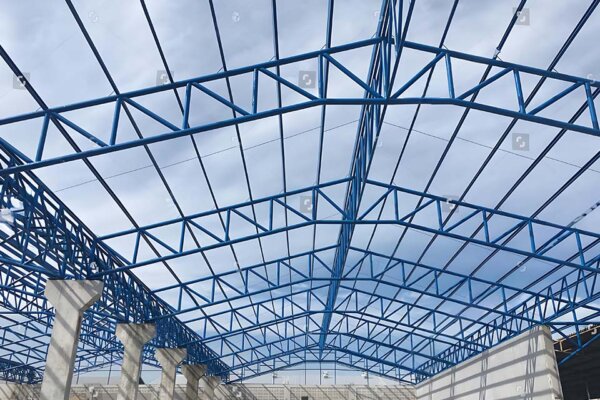
- Netwerk van samengevoegde buizen
- Eenvoudiger om afzonderlijke secties te repareren
- Betaalbaarder voor maatwerk
- Veel voorkomend in aanpassingen voor circuitdagen
- Gebruikt door KTM X-Bow en BAC Mono
Hybride composietstructuren
Soms mengen we materialen voor het beste resultaat:
- Aluminium honingraatkernen met koolstofvezel huiden (sandwichpaneelconstructie)
- Grafeenversterkte koolstofvezel voor extra stevigheid
- Thermoplastische composieten die bij beschadiging kan worden hersteld
- Gesmeed koolstof (gebruikt door Lamborghini) voor complexe vormen
Productiecapaciteiten custom koolstofvezel chassis
Als toonaangevend fabriek voor composietmaterialen op maat, bieden wij:
- Optimalisatie van vezeloriëntatie gebaseerd op je stresspatronen
- Aangepast stapelvolgorde van de lagen voor specifieke sterktevereisten
- 3D-geprinte koolstofvezel verbindingen voor complexe geometrieën
- Integratie van slimme koolstofvezelsensoren voor structurele gezondheidsmonitoring
Snelheid en versnelling
De natuurkunde is eenvoudig: lichtere auto's accelereren sneller. A lichtgewicht chassisontwerp betekent:
- Minder energie nodig om van snelheid of richting te veranderen
- Kortere remweg
- Beter brandstofefficiëntie in verbrandingsmotoren
- Groter bereik in elektrische voertuigen
Nauwkeurig hanteren
Torsiestijfheid bepaalt hoeveel je chassis verdraait onder belasting. De hoge specifieke modulus betekent:
- Scherpere reactie op indraaien
- Voorspelbaarder gedrag op de limiet
- Beter aerodynamische efficiëntie (het chassis buigt minder door, waardoor de ideale aerodynamica behouden blijft)
- Consistente hantering ongeacht belasting of temperatuur
Modern crashtestprestaties normen zijn wreed. Koolstofvezel blinkt uit omdat:
- Het absorbeert energie door gecontroleerd te versplinteren
- Structurele kleefstoffen spreiden de impactkrachten over grote gebieden
- Het materiaal vervormt niet permanent zoals metaal (het houdt of breekt netjes)
- Kan worden ontworpen om te voldoen aan SAE J2340 normen voor botsveiligheid
- Kan worden ontworpen om te voldoen aan FIA reglementen voor professionele races
Kosten, waarde en ROI van koolstofvezel chassis
Opsplitsing kosten koolstofvezelchassis
Laten we eerlijk zijn: koolstofvezel is niet goedkoop. Dit is waarom:
Grondstoffen: Toray Industries, Hexcel Corporation, en SGL Koolstof hoogwaardige vezels produceren. T800 koolstofvezel kost aanzienlijk meer dan T300.
Arbeid: Handoplegging vereist bekwame technici. Automatische vezelplaatsing (AFP) verlaagt de kosten, maar vereist dure apparatuur.
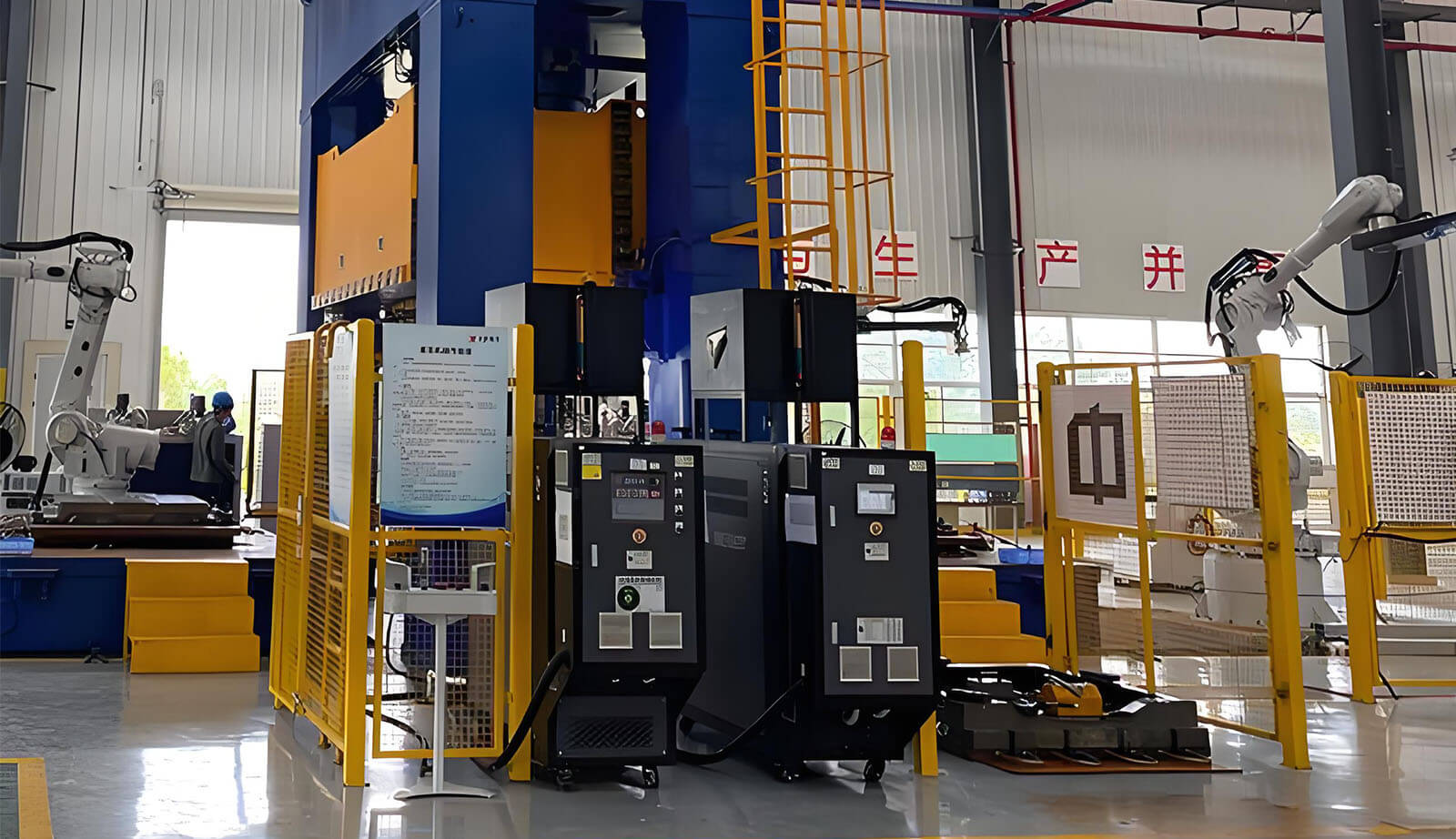
Gereedschap: Mallen en autoclaven zijn grote kapitaalinvesteringen.
De uiteindelijke kosten zijn afhankelijk van de geometrie, de materiaalsoort, de complexiteit van het gereedschap en de validatievereisten.
Wanneer het zinvol is
Koolstofvezel loont wanneer:
- Prestaties rechtvaardigen hogere prijzen (supercar chassis)
- Volume is laag (custom builds en beperkte edities)
- Gewichtsbesparing levert meetbare voordelen op (motorsport, ruimtevaart)
- Je verkent carbonauto's voor concurrentievoordeel
OEM vs. aftermarket koolstof
OEM koolstof onderdelen uit de fabriek komen:
- Specifiek ontworpen voor uw voertuig
- Garanties en crash-certificaten opnemen
- Kost meer maar integreert perfect
Aftermarket carbon onderdelen aanbieden:
- Betaalbaardere prijzen
- Aanpassingsopties
- Mogelijkheid tot doe-het-zelf-installatie
- Moet mogelijk professioneel worden aangepast
Onderhoud, reparatie en service
Zorg dragen voor je koolstofchassis
Koolstofvezel is sterk, maar heeft de juiste verzorging nodig:
Regelmatige inspecties
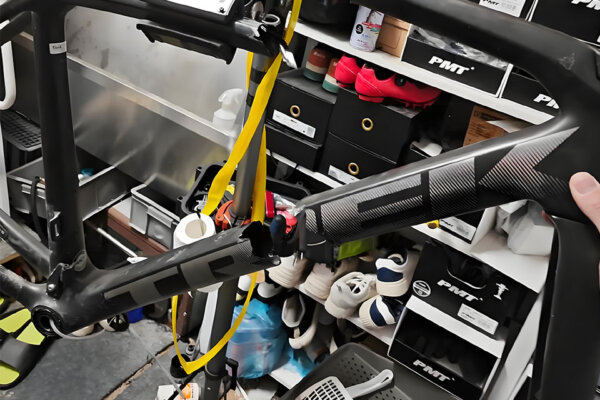
- Controleer op microscheuren na gevolgen
- Zoek naar delaminatie rond spanningspunten
- Bewaken voor UV-degradatie bij blootstelling aan zonlicht
Reiniging en bescherming
- Gebruik alleen pH-neutrale reinigingsmiddelen
- UV-beschermende blanke lak aanbrengen
- Vermijd schurend gereedschap dat krassen maakt op het oppervlak
Reparaties We kunnen reparatieoplossingen voor koolstofvezel ondersteunen voor kleine niet-structurele schade:
- Kleine scheurtjes kunnen worden opgelapt met verse hars
- Gedelamineerde gebieden vereisen professionele vacuümzakken
- Grote structurele schade vereist vaak de vervanging van secties
Milieu-overwegingen
Gerecycled koolstofvezel komt steeds meer beschikbaar:
- Uitdagingen voor recyclebaarheid stammen van de uitgeharde hars
- Nieuw duurzame harsalternatieven help
- Koolstofvezel op biologische basis onderzoek toont belofte
- Compleet levenscyclusanalyse van koolstofvezel toont lagere emissies dan herhaalde vervanging van staal
Vergelijking van materialen: Waarom koolstof wint
Koolstofvezel vs. aluminium
Aluminium chassis zijn gebruikelijk omdat ze betaalbaar zijn. Maar koolstofvezel biedt:
- 40% minder gewicht
- Hoger buigsterkte en afschuifsterkte
- Beter gegevens vermoeiingslevensduur (aluminium scheurt na verloop van tijd)
- Superieur energieabsorptie bij botsingen
- Geen risico's van galvanische corrosie wanneer goed geïsoleerd
Audi R8 gebruikt een aluminium ruimteframe met enkele carbonpanelen. Volledig carbon kost meer maar presteert beter.
Koolstofvezel vs. staal
Staal is goedkoop en gemakkelijk te lassen. Koolstofvezel tellers met:
- 60% gewichtsbesparing
- Compleet corrosiebestendigheid (staal roest)
- Beter thermische uitzettingscoëfficiënt (stabielere afmetingen)
- Hoger dichtheidsvergelijkingen geef de voorkeur aan carbon (dezelfde sterkte, veel minder gewicht)
NASCAR staat nu beperkte samengestelde lichamen omdat de veiligheidsvoordelen van koolstofvezel zwaarder wegen dan de traditie.
Opkomende technologieën
Slimme materialen
De toekomst omvat:
Zelfhelende composieten
- Ingebedde harscapsules breken bij barsten
- Automatisch vullen en repareren van kleine beschadigingen
- Getest door Nationaal Lab van Oak Ridge
Geïntegreerde sensoren
- Fiber Bragg roosters meten spanning in real-time
- Bestuurders waarschuwen voor structurele problemen voordat het misgaat
- MIT Zelfassemblage Lab verkent adaptieve structuren
Geavanceerde productie
AI-gestuurde ontwerpoptimalisatie
- Machine learning voorspelt optimaal patronen van vezelweefsels
- Vermindert materiaalverspilling met 30%
- Creëert stijfheid-gewicht grafieken voor elke ontwerp iteratie
Additive Manufacturing Vooruitgang
- Czinger 21C maakt gebruik van 3D-geprinte koolstofvezel knooppunten
- Combineert met traditionele layup voor het beste van twee werelden
- CNC-bewerking voor koolstofvezel creëert nauwkeurige toleranties
Duurzame innovatie
Onderzoekers van Fraunhofer Instituut en Universiteit van Delaware werken aan:
- Nano-versterkte composieten grafeen gebruiken
- Hars op plantaardige basis ter vervanging van epoxies op aardoliebasis
- Beter recycleerbaarheid door thermoplastische matrices
- Duurzame koolstofvezel uit hernieuwbare bronnen
Toepassingen per industrie
| Industrie | Gebruikscasus | Belangrijkste voordeel |
|---|
| Automotive | Koolstofvezelauto's, carbon opties voor luxe auto's | Snelheid + veiligheid |
| Motorsport | F1, LMP1, IndyCar monocoques | FIA-conformiteit + bescherming |
| Ruimtevaart | UAV-frames, satellietstructuren | Gewichtskritieke missies |
| Zee | Racejachtrompen, duikboten | Corrosiebestendigheid |
| Verdediging | Onderdelen van gepantserde voertuigen | Bescherming tegen ontploffing |
| Industrieel | Robotarmen, productiegereedschappen | Precisiestijfheid |
Aan de slag
Voor raceteams
Als je een concurrerend voertuig bouwt:
- Definieer je regels (FIA, SAE, of vereisten van de keuringsinstantie)
- Kies tussen monocoque of buisvormig bouw
- Werk samen met onze ingenieurs om stapelvolgorde van de lagen
- Schema rollenbank testen voor de wedstrijd
Voor aangepaste builds
Een eenmalig project maken? Wij helpen met:
- Aangepast koolstof chassis ontwerpadvies
- Kiezen tussen T700/T800 Rangen voor uw budget
- Doe-het-zelf fabricage van koolstofvezel ondersteuning en materialen
- Afwerking na uitharding aan je esthetische voorkeuren
Voor fabrikanten van elektrische voertuigen
De volgende geweldige EV ontwikkelen? Overweeg:
- Hybride composieten (koolstof + aluminium) voor kostenbalans
- Constructie van sandwichpanelen voor batterijbehuizingen
- Thermische geleidbaarheid beheer rond elektronica
- Normen voor brandwerendheid naleving
Waarom kiezen voor onze koolstofvezeloplossingen
Als vooraanstaand carboncomposietfabrikant, leveren we:
✓ Gecertificeerde kwaliteit: ISO en FIA-certificeringsprocessen naleving ✓ Expert techniek: Eindige elementen analyse voor elk ontwerp ✓ Flexibele productie: Van eenmalige douane tot kleine series ✓ Materiaalopties: T300 naar T1100 vezels, meerdere harssystemen ✓ Volledig testen: Resultaten botsproeven, treksterkte controle, ultrasone inspectie
Onze productievoordelen
- Persgieten voor kosteneffectieve onderdelen
- Autoclaaf uitharding voor hoogwaardige componenten
- Harstransfer molding voor complexe vormen
- Intern niet-destructief onderzoek lab
- CNC-bewerking mogelijkheden voor nauwkeurige afwerking
Technische ondersteuning en hulpbronnen
We leveren volledige documentatie:
- Spanning-rekkarakteristieken gegevensbladen
- Anisotrope eigenschappen gidsen voor ontwerp
- Structurele kleefstoffen compatibiliteitstabellen
- Compatibiliteit verf aanbevelingen
- Problemen met elektrische geleidbaarheid mitigatiestrategieën
Testen en valideren
Elk chassis is inclusief:
- Torsiestijfheid metingen
- Trillingsdemping analyse
- Thermische uitzettingscoëfficiënt testen
- Weerstand tegen vermoeiing cyclusgegevens
- Volledig crashtestprestaties rapporten (indien van toepassing)
Uw offerte aanvragen
Klaar om je project te transformeren met op maat gemaakte koolstofvezel? Dit is wat we nodig hebben:
- Details toepassing (voertuigtype, verwachte belastingen)
- Vereisten voor afmetingen (CAD-bestanden indien beschikbaar)
- Prestatiedoelen (gewichtsbesparing doelen, krachtvereisten)
- Budgetparameters (flexibiliteit van materiaalkwaliteit)
- Tijdlijn (prototype vs. productie)
Neem vandaag nog contact op met ons team. Wij koppelen u aan de juiste composietmaterialen voor jouw specifieke behoeften. Of je nu de volgende Koenigsegg concurrent of een geavanceerde drone chassis, We hebben oplossingen ontwikkeld voor projecten zoals het uwe.
De kern van de zaak
Koolstofvezel chassis technologie is niet meer alleen voor hypercars van een miljoen dollar. De kosten dalen. De productie verbetert. Duurzame koolstofvezel initiatieven maken het groener.
Van Veiligheidsstructuren Formule E naar chassis elektrisch voertuig koolstofvezel definieert moderne high-performance engineering. Zijn ongeëvenaarde hoge stijfheid-gewichtsverhouding, superieur schokbestendigheid, en bewezen energieabsorptie bij botsingen maken het het materiaal bij uitstek wanneer prestaties van belang zijn.
Jouw project verdient het beste. Kies voor koolstofvezel. Kies voor sterkte zonder gewicht. Kies voor de toekomst.
Begin vandaag nog met je project voor een koolstofvezel chassis met de experts die onderdelen hebben geleverd aan raceteams, ruimtevaartprogramma's en auto-innovators over de hele wereld. Neem contact op met onze aangepaste composietfabriek en laten we samen iets buitengewoons bouwen.
Geschreven door:
Ingenieursteam - China Koolstofvezels
15+ jaar in de productie van koolstofcomposiet Projecten in de auto-industrie, motorsport, ruimtevaart en robotica