Waarom Carbon Fiber kiezen voor je zonne-installatie?
U wilt dat uw zonnepanelen lang meegaan. Ze moeten betrouwbaar blijven tijdens stormen, sneeuwbelasting en langdurige blootstelling aan de zon. Dat is waar bevestigingssystemen voor zonne-energie van koolstofvezel bieden een aantrekkelijk alternatief voor traditionele metalen structuren.
Conventionele materialen hebben beperkingen. Staal voegt een aanzienlijk gewicht toe en is kwetsbaar voor corrosie. Aluminium is lichter maar kan na verloop van tijd vervormen en heeft te lijden onder zware omstandigheden aan de kust. Koolstofvezelversterkt polymeer (CFRP) daarentegen combineert hoge sterkte, laag gewicht en duurzaamheid op lange termijn.
Als carboncomposietfabrikant Met onze ruime ervaring in structurele composieten ontwikkelen we koolstofvezel montagesystemen voor veeleisende zonne-energietoepassingen waar conventionele materialen tekortschieten.
Wat maakt koolstofvezel zonnepanelen anders?
Lichtgewicht maar structureel robuust
Koolstofvezel biedt een uitzonderlijke verhouding sterkte/gewicht. Vergeleken met conventionele aluminium montagesystemen voor zonne-energie kunnen koolstofvezelstructuren verminderen het structurele gewicht gewoonlijk met ongeveer 40-60%, afhankelijk van de systeemconfiguratie en de toepassing.
Voor daken is deze vermindering aanzienlijk. Een lagere dode last helpt om dakconstructies te beschermen, verruimt de installatiemogelijkheden voor oudere gebouwen en vermindert de structurele stress op lange termijn.
Ondanks hun lage gewicht zijn koolstofvezel bevestigingssystemen ontworpen om locatiespecifieke ontwerpbelastingen te ondersteunen, inclusief:
- Windbelastingen tot 150 mph, afhankelijk van lay-out en technische validatie
- Sneeuwbelasting tot 40 psf, afhankelijk van spanwijdte en configuratie
- Gedistribueerde belastingen van residentiële en commerciële PV-generatoren
Deze systemen worden ontworpen op basis van toepasselijke structurele normen en gevalideerd aan de hand van projectspecifieke berekeningen.
Weerbestendigheid door ontwerp
Koolstofvezelcomposieten bieden uitstekende weerstand tegen corrosie, vocht en UV-blootstelling. In tegenstelling tot metalen zonnepanelen die kunnen corroderen in kust- of industriële omgevingen, behouden CFRP-constructies stabiele mechanische prestaties in de loop der tijd.
Tests en gebruik in de praktijk tonen betrouwbare prestaties over een breed temperatuurbereik, meestal van -40°F tot 185°F, waardoor koolstofvezel zeer geschikt is voor installaties in woestijnen, aan de kust en in koude klimaten.
Omdat koolstofvezel geen metaal is, is het inherent bestand tegen zoutsproeinevel, chemische blootstelling en galvanische corrosie - belangrijke voordelen voor langdurige fotovoltaïsche (PV) montagesystemen.
Minder belasting op dakconstructies
Lichtgewicht montagesystemen zijn vooral waardevol voor Pannendaken, verouderde gebouwen en retrofitprojecten. Door het totale gewicht van het systeem te verminderen, maken koolstofvezel bevestigingen zonne-installaties mogelijk in scenario's waar traditionele metalen systemen de structurele grenzen kunnen overschrijden.
Deze gewichtsefficiëntie vergroot het aantal gebouwen dat veilig residentiële en commerciële zonne-energieoplossingen kan gebruiken.
Technische kenmerken die van belang zijn
Hieronder staat een typische vergelijking op materiaalniveau ter referentie. De werkelijke systeemprestaties zijn afhankelijk van het technische ontwerp en de projectomstandigheden.
| Kenmerk | Koolstofvezel | Aluminium | Staal |
|---|
| Structureel gewicht | Zeer laag | Matig | Hoog |
| Corrosiebestendigheid | Uitstekend | Matig (beperkt in kustgebieden) | Laag |
| Thermische uitzetting | Zeer laag | Matig | Hoog |
| Elektrische geleidbaarheid | Niet-geleidend | Geleidend | Geleidend |
| Verwachte levensduur | 30+ jaar | 15-20 jaar | 10-15 jaar |
Laadvermogen waarop u kunt vertrouwen
Koolstofvezel zonnepaneel montagesystemen zijn ontworpen om te voldoen aan locatiespecifieke wind- en sneeuwbelastingseisen, met inbegrip van regio's die blootstaan aan orkanen of zware sneeuwval.
Het draagvermogen per montagepunt wordt bepaald door:
- Spanwijdte
- Indeling matrix
- Installatiemethode
- Toepasselijke ontwerpnormen (bijv. ASCE 7-16)
Deze benadering garandeert structurele betrouwbaarheid zonder overontwerp of onnodig materiaalgebruik.
Thermische stabiliteit in alle seizoenen
Thermische uitzetting en krimp zijn veel voorkomende oorzaken van langdurige spanning in metalen montagesystemen. Koolstofvezel vertoont zeer lage thermische uitzetting, Het helpt de uitlijning te behouden en vermindert vermoeidheid bij herhaalde temperatuurcycli.
De niet-geleidende aard van koolstofvezel minimaliseert ook ijsaanhechting in koude klimaten en beperkt hittegerelateerde vervorming in warme omgevingen.
Hoe deze systemen worden gemaakt
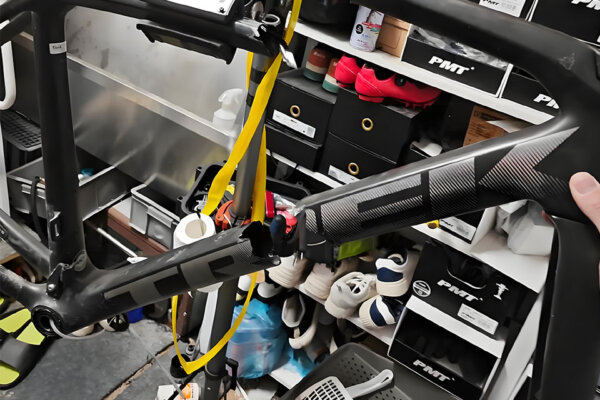
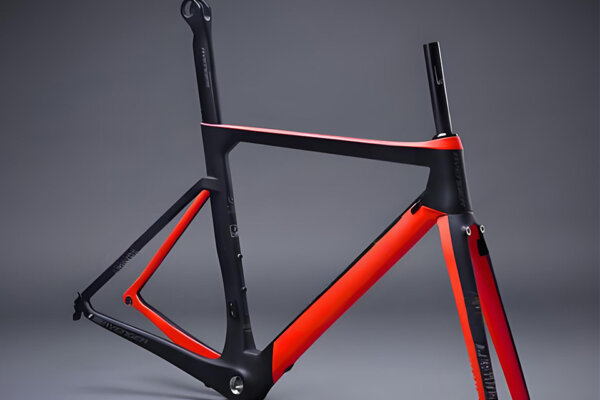
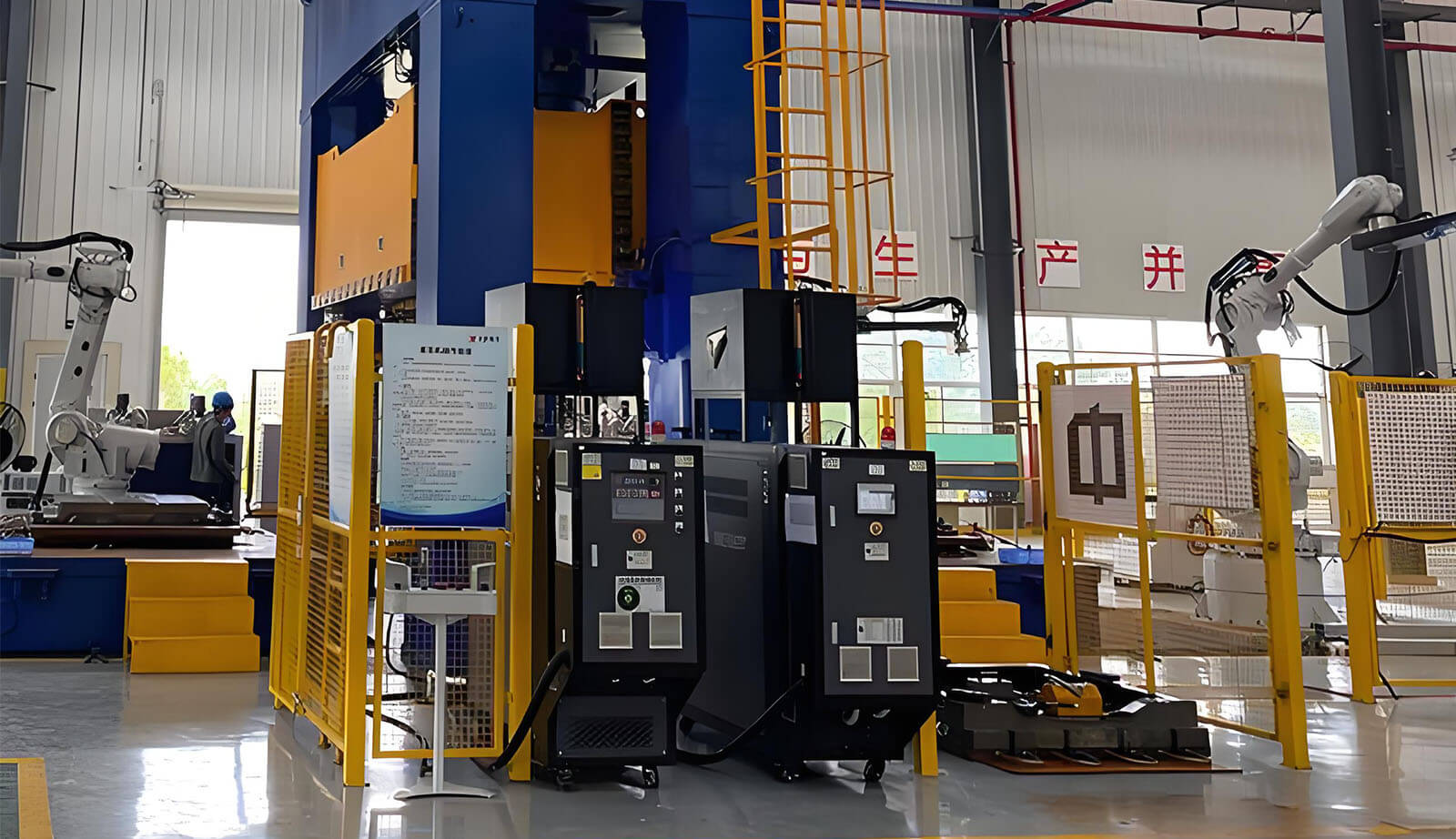
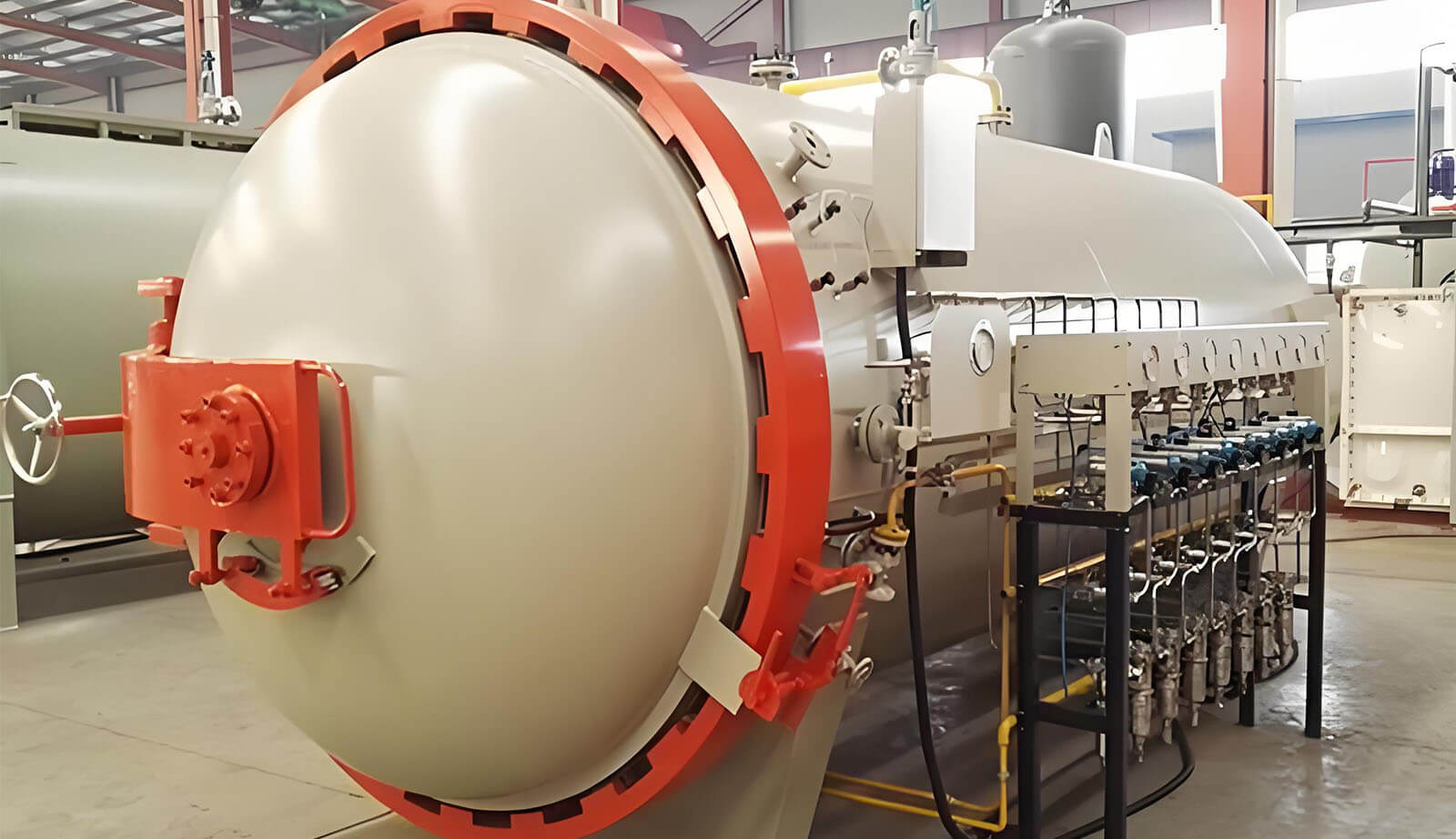
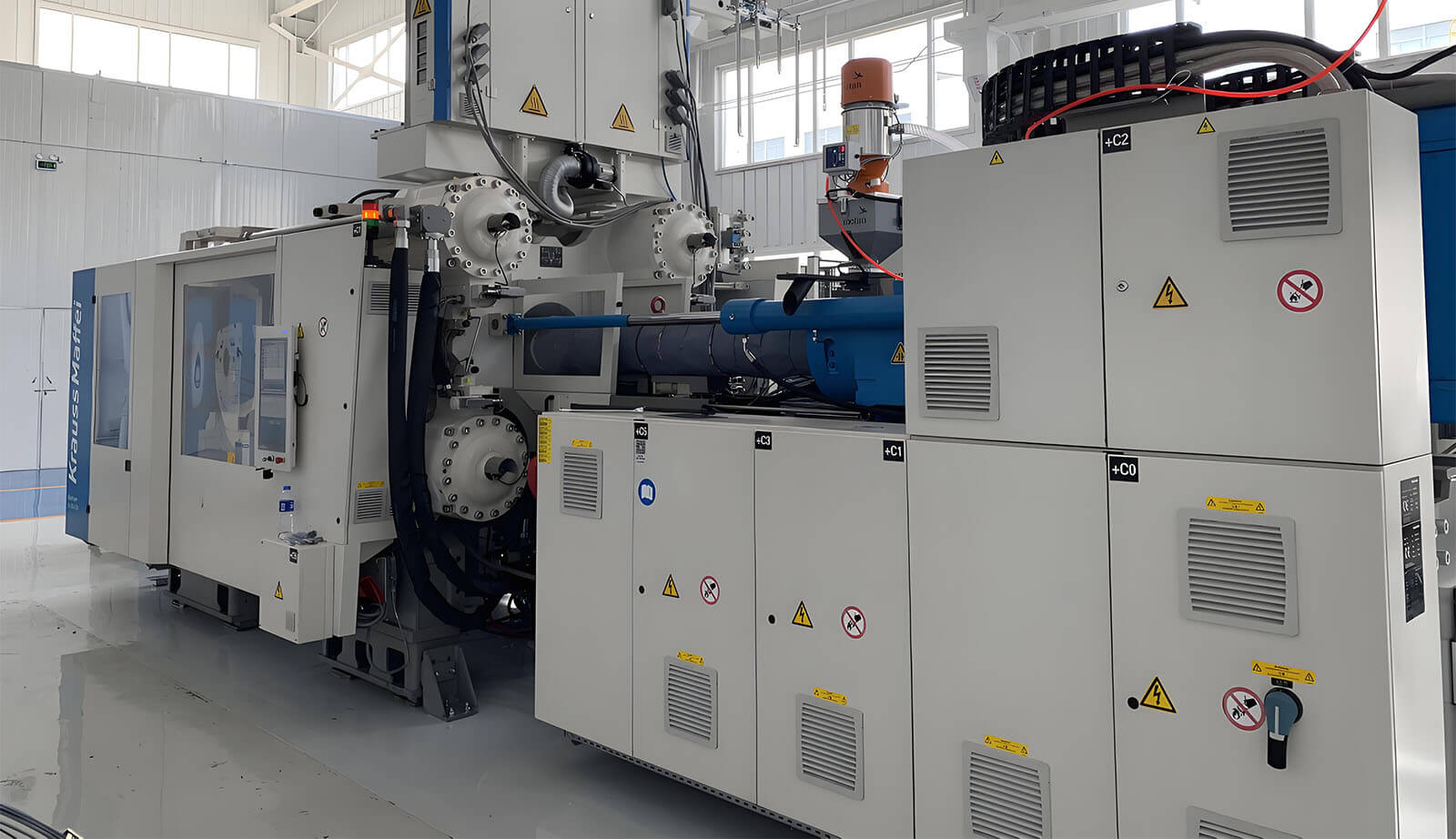
Als fabriek voor composietmaterialen op maat, passen we composietproductieprincipes uit de ruimtevaart en motorsport toe op montagetoepassingen voor zonne-energie.
Dezelfde engineeringmethoden die worden gebruikt in carbonauto's-met inbegrip van materiaalselectie, laminaatontwerp en kwaliteitscontrole- worden toegepast om consistente structurele prestaties te garanderen.
Elk bevestigingsonderdeel ondergaat dimensionale inspectie en procescontrole om herhaalbaarheid en betrouwbaarheid op lange termijn te garanderen.
Modulair ontwerp voor praktische installatie
Koolstofvezel zonnepaneel montagesystemen zijn ontworpen voor efficiënte installatie en schaalbaarheid. Modulaire componenten zorgen voor flexibiliteit bij configuraties op het dak en op de grond.
Typische functies zijn onder andere:
- Verstelbare kantelopties (ongeveer 10°-60°)
- Vooraf ontworpen kleminterfaces
- Voorgeboorde aansluitpunten
- Structurele verbindingsstukken voor uitgebreide arrays
Deze modulaire ontwerpen verkorten de installatietijd terwijl de structurele integriteit behouden blijft.
Normen en naleving
Systeemonderdelen zijn ontworpen om te voldoen aan relevante internationale normen, inclusief UL 2703 en IEC-vereisten. Certificering en testen door derden zijn mogelijk op verzoek, afhankelijk van de omvang en configuratie van het project.
Voor regiospecifieke toepassingen kan engineering ondersteuning bieden:
- Hoge snelheid orkaanzones (HVHZ)
- Seismische overwegingen
- Lokale bouwvoorschriften
Toepassingsscenario's waarin koolstofvezel uitblinkt
Kust- en corrosieve omgevingen
De weerstand van koolstofvezel tegen zoutsproeinevel en vocht maakt het zeer geschikt voor installaties aan de kust waar metalen systemen versneld worden aangetast.
Commerciële zonne-energie en zonne-energie van nutsbedrijven
Voor grote zonnepanelen verlaagt het lagere structurele gewicht de transportkosten en vereenvoudigt het hanteren op locatie. Modulaire koolstofvezelstructuren zorgen ook voor een schaalbare toepassing op grote oppervlakken.
Drijvende zonne-installaties
Drijvende PV-systemen hebben baat bij lichtgewicht, niet-geleidende montagestructuren. De weerstand van koolstofvezel tegen vocht en corrosie biedt een betrouwbare oplossing voor installaties op waterbasis.
Sneeuwbelasting en berggebieden
De lage thermische geleidbaarheid vermindert ijsafzetting en helpt de structurele stabiliteit te behouden bij herhaalde vries-dooicycli in gebieden met veel sneeuw.
Gebouwgeïntegreerde PV (BIPV)
Architecturale zonne-energietoepassingen vereisen strakke lijnen en een minimale visuele impact. Montagesystemen van koolstofvezel passen goed bij moderne gebouwontwerpen en geavanceerde BIPV-concepten.
Draagbare en gespecialiseerde zonnesystemen
Lichtgewicht montagesystemen van composietmateriaal zijn geschikt voor mobiele, tijdelijke of afgelegen zonne-installaties waarbij transportefficiëntie en snelle inzetbaarheid van cruciaal belang zijn.
Kosten vs. levenscycluswaarde
Koolstofvezel zonnepaneel montagesystemen hebben meestal een hogere initiële investering dan aluminium alternatieven. Echter, de totale levenscycluskosten zijn vaak lager vanwege:
- Langere levensduur
- Minimale onderhoudsvereisten
- Minder corrosiegerelateerde storingen
- Minder transport en installatie
Voor langetermijnprojecten wegen de prestaties gedurende de levenscyclus vaak zwaarder dan de materiaalkosten vooraf.
Garantie en ondersteuning
Systemen worden ondersteund door een 10 jaar beperkte garantie met betrekking tot materiaal en structurele prestaties, onderworpen aan standaardvoorwaarden.
Overwegingen voor installatie
Beoordeling van daken
Zelfs bij lichtgewicht montagesystemen moeten de staat van het dak en de belastbaarheid altijd geëvalueerd worden voor de installatie.
Kanteloptimalisatie
Verstelbare kantelconfiguraties maken optimalisatie voor seizoensgebonden zonnehoeken mogelijk, waardoor de energieopbrengst op verschillende breedtegraden wordt verbeterd.
Elektrische aarding
Hoewel koolstofvezel niet-geleidend is, moeten PV-modules en elektrische systemen nog steeds worden geaard in overeenstemming met de geldende elektrische voorschriften.
Duurzaamheidsperspectief
Bevestigingssystemen van koolstofvezel sluiten goed aan bij duurzaamheidsdoelstellingen op lange termijn. Hun duurzaamheid vermindert de vervangingscycli en bij de productie van composiet wordt de hoge energie-intensiteit van het smelten van aluminium vermeden.
Productieprocessen volgen gecontroleerde milieupraktijken en composietmaterialen kunnen aan het einde van hun levensduur opnieuw worden gebruikt.
Compatibele zonnetechnologieën
Koolstofvezel bevestigingssystemen zijn compatibel met:
- Monokristallijne en polykristallijne panelen
- Dunne-film en bifaciale modules
- Vaste kantel- en volgsystemen
Ze integreren met moderne omvormers, oplossingen voor energieopslag en monitoringsystemen.
Aan de slag
Elk project begint met een ontwerpbeoordeling op basis van:
- Paneel specificaties
- Installatieomgeving
- Lokale wind- en sneeuwbelasting
- Voorkeursmontageconfiguratie
Als specialist in op maat gemaakte koolstofvezel oplossingen ondersteunen we zowel standaard als volledig op maat gemaakte montagetoepassingen voor zonne-energie.
Eindgedachten
Koolstofvezel zonnepaneel montagesystemen vertegenwoordigen een next-generation oplossing voor hernieuwbare energie-infrastructuur, vooral in toepassingen waar een lichtgewicht ontwerp, corrosiebestendigheid en duurzaamheid op lange termijn van cruciaal belang zijn.
Door beproefde composietprincipes toe te passen op de montage van zonne-energie, bieden deze systemen een betrouwbaar alternatief voor traditionele metalen structuren, zonder afbreuk te doen aan de prestaties of de levensduur.
Als je geavanceerde materialen evalueert voor zonne-installaties met hoge prestaties, zijn montagesystemen van koolstofvezel een serieuze overweging waard.