
Как профессиональный производитель углеродных композитов, имеющий опыт производства RTM, автоклавного препрега и вакуумной инфузии, мы сталкиваемся с распространенными проблемами как в мастерских "сделай сам", так и в промышленных условиях.
Углеродное волокно теперь не только для гоночных автомобилей и ракет. Вы можете работать с этим сверхпрочным материалом прямо у себя в гараже. Но с чего начать? Это руководство покажет вам, как резать, придавать форму и отверждать углеродное волокно, не тратя при этом деньги и материалы.
Прежде чем вы прикоснетесь к одному листу углеродного волокна, вам понадобится соответствующее оборудование. Подумайте об этом, как о кулинарии - вы же не станете печь торт без мерных стаканчиков, верно?
Вот что должно быть в вашей мастерской:
Зачем все это оборудование? В практике мастерской воздействие смолы и углеродная пыль в воздухе являются одними из наиболее распространенных рисков для безопасности при работе с композитами. Углеродная пыль может вызвать раздражение легких. Неотвержденная смола может вызвать кожные реакции. Не пренебрегайте техникой безопасности.
Правильно организуйте свое рабочее место:
Профессия производителями углеродных композитов не зря используют системы промышленной вентиляции. Возможно, вам не нужен такой уровень защиты, но свежий воздух вам необходим.
Резка углеродного волокна кажется простой. Но это не так. Используйте неправильный инструмент, и вы получите обтрепанные края, потраченный впустую материал и беспорядок.
Ручная резка ножницами
Для небольших проектов, Ножницы Easton из углеродного волокна или аналогичные инструменты с твердосплавными напайками работают идеально. Вот в чем хитрость: сначала наклейте малярный скотч вдоль линии отреза. Это предотвратит истирание и даст вам чистый край.
Стригите медленно. Если поторопиться, волокна разделятся, как секущиеся кончики на плохих волосах.
Фрезерование с ЧПУ
Нужна точность? Станки с ЧПУ, такие как Роторные фрезы Festool позволяют создавать сложные формы без отходов. Однако для резки углеродного волокна с ЧПУ требуются специальные сверла - обычные сверла по дереву мгновенно затупляются.
Гидроабразивная резка
В промышленности гидроабразивная резка часто предпочтительна для толстых ламинатов, поскольку она минимизирует механические нагрузки на слои волокна. Это очень важно, когда вы работаете с дорогими листами Toray T700 Carbon Fiber или Zoltek Panex 35.
Гидроабразивная резка лучше всего подходит для толстого ламината. Недостаток? Стоимость. Вам понадобится доступ к промышленному оборудованию, если вы не занимаетесь серьезной деятельностью.
Что касается лазерной резки?
Лазерные резаки Trotec может резать углеродное волокно, но есть одна загвоздка. При горении смола образует токсичные пары. Вам понадобится серьезная вентиляция. Большинство любителей полностью отказываются от лазеров.
Теперь наступает самое интересное. Формование углеродного волокна означает придание ему любой формы. Плоские листы превращаются в изогнутые детали. Простая ткань превращается в сложные конструкции.
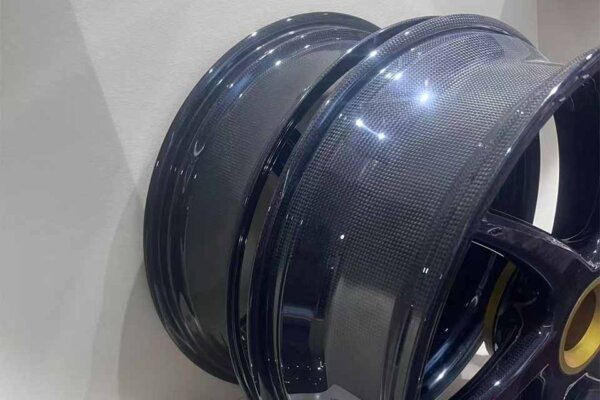
Мокрая укладка - один из самых распространенных методов, используемых в проектах DIY из углеродного волокна. Вы буквально наносите смолу на углеродную ткань, а затем вдавливаете ее в форму.
Вот как это работает:
Шаг 1: Подготовьте форму
Тщательно очистите его. Нанесите фиксатор формы (надежный фиксатор FibreGlast Mold Release). Пропустите этот шаг, и ваша деталь навсегда прикрепится к форме. Спросите меня, откуда я знаю.
Шаг 2: Вырежьте карбоновую ткань
Отрежьте куски чуть больше, чем нужно. Излишки вы обрежете позже.
Шаг 3: Смешайте смолу
Точно соблюдайте пропорции. Эпоксидный клей Loctite EA 9396 Обычно используется смешивание 2:1. Слишком много отвердителя приводит к слишком быстрому затвердеванию. Слишком мало - и он остается липким навсегда.
Смешивайте небольшими партиями. Большинство смол дают 20-30 минут рабочего времени.
Шаг 4: Нанесите первый слой
Нанесите смолу на форму. Положите карбоновую ткань. Сверху нанесите еще смолу. Используйте скребок или кисть, чтобы удалить пузырьки воздуха.
Пузырьки воздуха создают слабые места. В композитных мастерских неравномерное распределение смолы - частая проблема, которая приводит к появлению слабых мест и косметических дефектов.
Шаг 5: Создание слоев
Для большинства деталей требуется 3-6 слоев ткани. Каждый слой увеличивает прочность. Чередуйте направление волокон (0°, 45°, 90°) для достижения максимальной прочности.
Профессия углепластиковые автомобили Используйте ту же технику наслоения - только с большей точностью.
Препрег означает предварительно пропитанную ткань. Смола уже находится в углеродном волокне. Вы просто придаете ему форму и отверждаете с помощью тепла.
Gurit Pre-Preg и Hexcel HexPly® доминируют на аэрокосмическом рынке. Почему? Последовательность. Каждая деталь выходит идентичной.
Процесс:
Благодаря контролируемому давлению и температуре автоклавное отверждение обычно позволяет получить более прочные и стабильные детали. Именно поэтому компания Boeing использует автоклавы для изготовления деталей самолетов. Однако оборудование для автоклавов стоит тысячи долларов.
Для домашних строителей подойдет духовка. Установите температуру 250°F и полимеризуйте в течение 2-4 часов (проверьте паспорт смолы).
Вакуумная упаковка не только для препрегов. Его можно использовать и при мокрой укладке.
Установка:
Вакуум сжимает слои вместе. При этом удаляются пузырьки воздуха и излишки смолы. Детали получаются более легкими и прочными.
Многие рекомендуют держать набор для ремонта под рукой, если у вас есть детали из углеродного волокна. используют вакуумную упаковку для каждой детали, которую они производят.
В промышленном производстве вакуумной инфузии скорость потока смолы и стабильность вакуума тщательно контролируются для минимизации содержания пустот. В автомобильных конструкционных элементах поддержание постоянного уровня смачивания волокон имеет решающее значение для обеспечения механической повторяемости в партиях.
Нужно согнуть углеродное волокно по крутому изгибу? Термоформование Нагревает материал до тех пор, пока он не станет гибким.
Лучше всего работает с:
Нагрейте материал до 300-400°F. Быстро вдавите его в форму. Держите, пока он не остынет.
Гоночные команды используют термоформовку для изготовления таких деталей, как Гоночные сиденья из углеродного волокна где составные кривые имеют значение.
Вы сформировали свою деталь. Теперь она должна затвердеть. Вылечить когда смола превращается из липкой жидкости в твердый пластик.
Большинство эпоксидных смол отверждаются при комнатной температуре. Эпоксидная смола West System Затвердевает через 24-72 часа в зависимости от температуры.
Тепло = быстрое отверждение. В цеху при температуре 70°F детали отверждаются за 24 часа. В гараже при температуре 50°F на это может уйти 3 дня.
Будьте терпеливы. Слишком ранняя обработка деталей приводит к появлению отпечатков пальцев и слабых мест.
Тепло ускоряет отверждение. Это также улучшает конечные свойства.
После отверждения означает нагрев детали после того, как она уже затвердела. Это завершает химическую реакцию.
Например:
Печи Composite Envisions созданы специально для этого. Но и обычная кухонная духовка подойдет, если вы тщательно следите за температурой.
Инженеры по автоклавам производит оборудование, в котором применяется тепло и давление. Это позволяет создавать максимально прочные детали.
Такие автопроизводители, как BMW, используют углепластиковые конструкции для значительного снижения веса автомобиля в серийных моделях, таких как i3. Это напрямую влияет на экономию топлива.
Но автоклавы стоят $50,000-$500,000. Если вы не занимаетесь профессиональным производством, остановитесь на печном отверждении.
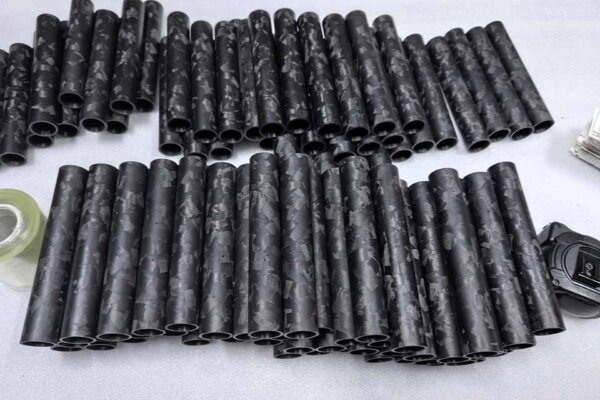
| Метод | Время | Прочность |
|---|---|---|
| Комнатная температура (70°F) | 24-72 часа | Хорошо |
| Комнатная температура + пост-отверждение | 24 часа + 2 часа | Лучшая |
| Затвердевание в духовке (250°F) | 2-4 часа | Лучшая |
| Обработка в автоклаве | 2-4 часа | Лучшее |
Температура тоже имеет значение. При температуре ниже 60°F некоторые смолы вообще не отверждаются должным образом.
Деньги имеют значение. Давайте реально оценивать расходы.
| Метод | Стоимость за квадратный фут | Лучшее для |
|---|---|---|
| Ручная укладка (мокрая) | ~$50 | Хоббисты, разовые детали |
| Препрег (печь) | ~$150 | Небольшие тиражи |
| Препрег (автоклав) | ~$200 | Аэрокосмическая промышленность, автомобилестроение |
| Вырезанные детали с ЧПУ | Добавить $30-50 | Сложные формы |
Фактическая стоимость зависит от марки материала, поставщика, региона и масштаба проекта.
В небольших проектах мокрая укладка значительно экономичнее систем с препрегами, которые требуют контролируемого хранения и оборудования для термоотверждения. Вот почему строители "сделай сам" любят мокрую укладку.
Вы можете сделать такие маленькие предметы, как кольца из углеродного волокна на сумму менее $20 в материалах.
Крупные проекты, такие как Мустанг из углеродного волокна Капот может стоить $300-500 в материалах, если вы делаете его сами. Купить ту же деталь в готовом виде? Заплатите $1,500-2,500.
Учитесь на чужих ошибках. На эти ошибки тратится время и материалы.
Нет ничего хуже, чем идеальная деталь, навсегда застрявшая в пресс-форме. Всегда используйте разделитель формы. Всегда. Некоторые используют пасту-воск, другие предпочитают спреи, например FibreGlast Mold Release.
Сначала протестируйте его на небольшом участке.
Слишком много смолы делает детали тяжелыми и слабыми. Слишком малое количество создает сухие участки, где волокна не скрепляются.
Сладкое место? О сайте Смола 40-50% по весу. С помощью скребка удалите излишки смолы с ткани.
Терпение - не просто добродетель, оно необходимо. Если вытащить деталь слишком рано, она деформируется или треснет.
Подождите полное время полимеризации. Затем подождите еще немного.
Углеродное волокно наиболее прочно вдоль направления волокна. Слабое - поперек.
Для деталей, находящихся под нагрузкой, используйте несколько слоев с разной ориентацией. Типичный график укладки может быть следующим:
Это создает силу во всех направлениях.
Больше тепла не всегда означает лучше. Превышение температурного режима смолы может привести к ее возгоранию, образованию пузырей или ослаблению.
Используйте термометр для духовки. Не доверяйте встроенному в духовку термометру.
| Инструмент/материал | Примеры брендов | Ценовой диапазон | Лучшее применение |
|---|---|---|---|
| Углеродная ткань | Toray T700, Zoltek Panex 35 | $20-80/ярд | Все |
| Эпоксидная смола | West System, 3M Scotch-Weld | $40-120/галлон | Общая укладка |
| Ножницы для резки | Easton, Dremel Ultra-Saw | $15-150 | Ручная резка |
| Вакуумный насос | Vacmobiles, Harbor Freight | $80-500 | Профессиональная отделка |
| Освобождение формы | FibreGlast, SikaWrap | $10-30 | Все проекты |
Для начала вам не нужен самый дорогой материал. Однако дешевая смола вызывает головную боль. Покупайте качественную смолу и экономьте деньги в других местах.
Можно ли разрезать углеродное волокно обычными ножницами?
Нет. Обычные ножницы мгновенно затупляются на углепластике. Вам нужны ножницы с твердосплавными кромками, предназначенные для композитных материалов. Но даже в этом случае для чистоты краев проклейте линию разреза скотчем.
Сколько времени требуется углеродному волокну для отверждения?
Эпоксидная смола при комнатной температуре отверждается в течение 24-72 часов. Отверждение в печи при 250°F ускоряет этот процесс до 2-4 часов. Препрег обычно нуждается в нагреве для полного отверждения.
Лучше ли препрег, чем мокрая укладка?
Препрег дает более стабильные результаты и более прочные детали. Но мокрая укладка стоит дешевле и не требует специального хранения. Для большинства любителей мокрая укладка отлично подходит.
Какая смола лучше для углеродного волокна?
Эпоксидные смолы, такие как Западная система или Ламинирующая смола Pro-Set работают лучше всего. Они прочнее полиэстера и проще в использовании, чем виниловый эфир. Для применения в условиях сильного нагрева рассмотрите следующие варианты Устойчивая к ультрафиолетовому излучению смола MasterBond.
Действительно ли мне нужен вакуумный пакет?
Нет, но это помогает. Вакуумная упаковка удаляет пузырьки воздуха и излишки смолы. Это делает детали легче и прочнее. Для конструкционных деталей это стоит дополнительных усилий.
Работа с углеродным волокном - это не ракетостроение. Но она требует терпения и внимания к деталям.
Начните с небольшого проекта. Может быть, чехол для телефона или деталь отделки. Изучите основы:
Затем приступайте к более крупным проектам. Не успеете оглянуться, как будете делать детали, не уступающие профессиональным работам.
Запомните эти ключевые моменты:
Разница между промышленной гидроабразивной резкой и простой ручной резкой не так важна, как понимание основ. Овладейте основами, и вы сможете создавать удивительные детали любым методом.
Независимо от того, создаете ли вы косметические детали или структурные компоненты, углеродное волокно обеспечивает непревзойденное соотношение прочности и веса. Именно поэтому оно доминирует в аэрокосмической промышленности, автомобилестроении и производстве спортивных товаров.
Теперь вы знаете, как его вырезать, придать ему форму и вылечить. Пора сделать что-то потрясающее.
В то время как методы "сделай сам" подходят для небольших проектов, в промышленном производстве углеродного волокна используются такие процессы, как RTM, вакуумная инфузия и автоклавное отверждение, обеспечивающие постоянство и повторяемость структуры.
Если вам требуются компоненты из углеродного волокна уровня OEM для автомобильной, аэрокосмической или промышленной промышленности, работа с профессиональным производителем композитов гарантирует правильную ориентацию волокон, контролируемые циклы отверждения и точность размеров.