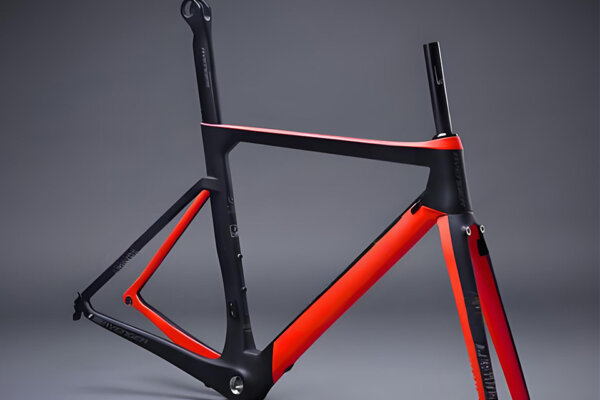
¿Qué es un chasis de fibra de carbono?
Imagina construir un coche que 50% más ligero pero tres veces más fuerte que el acero. Eso es lo que un chasis de fibra de carbono lo hace. No es magia, es ciencia.
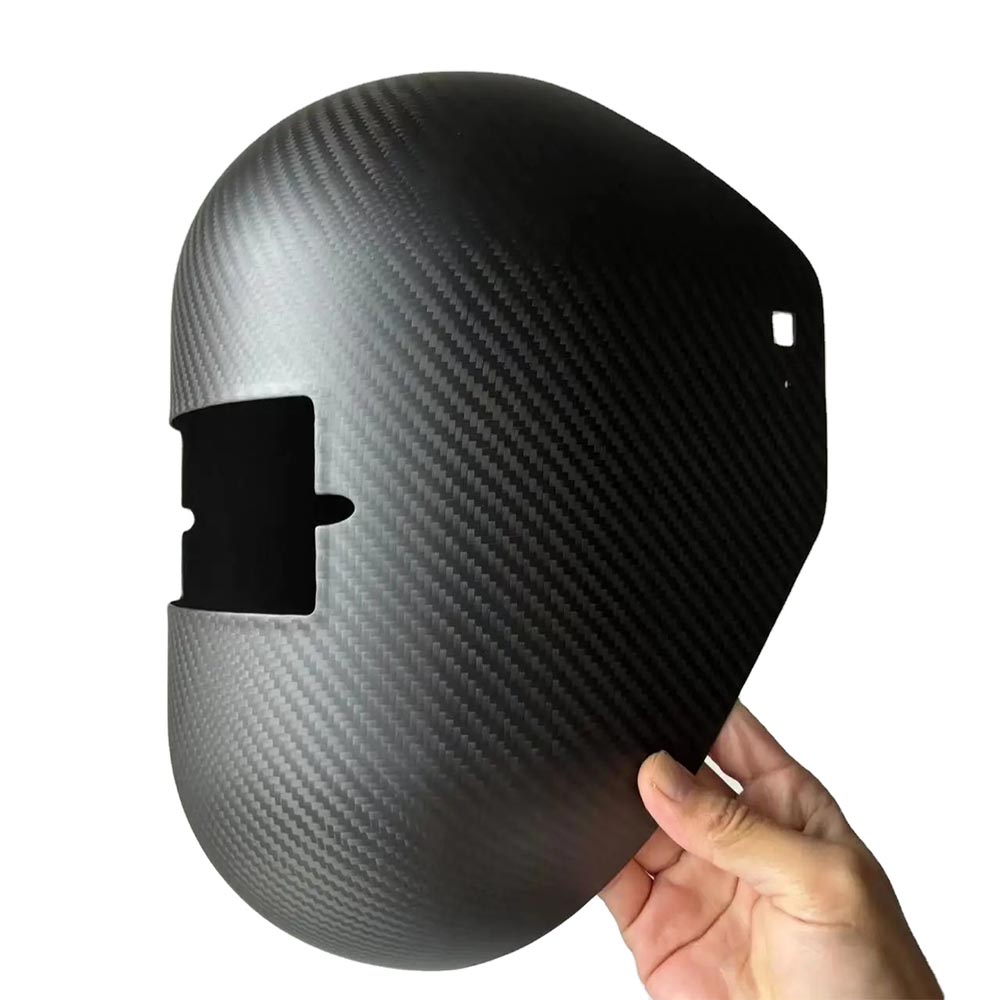
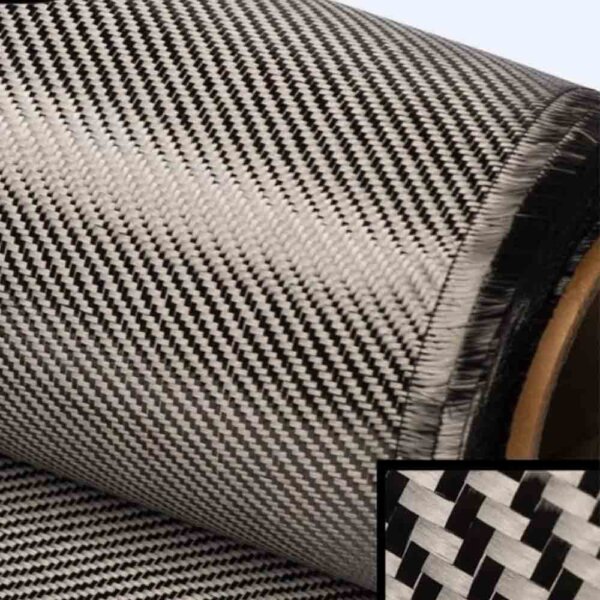
A chasis de fibra de carbono forma la columna vertebral de su vehículo. A diferencia de los pesados bastidores de acero polímero reforzado con fibra de carbono (CFRP). Tejemos pequeños hilos de carbono con resina epoxi. ¿El resultado? Una estructura increíblemente ligera pero lo bastante resistente para sobrevivir a los choques.
Por qué las marcas de supercoches y vehículos eléctricos utilizan chasis de fibra de carbono
McLaren, Ferrari, y Lamborghini no usan fibra de carbono sólo para parecer guays. La utilizan porque funciona. Su chasis de supercoche tiene que ser ligero para la velocidad pero fuerte para la seguridad. A chasis monocasco de fibra de carbono cumple ambos requisitos.
Incluso Tesla explora los compuestos de carbono para vehículos eléctricos. ¿Por qué? Porque los coches más ligeros recorren más distancia con la misma carga de batería. Eso es ingeniería inteligente.
Cómo se fabrican los chasis de fibra de carbono
El proceso de fabricación
Nuestro fábrica de compuestos personalizados utiliza varios métodos para crear su chasis:
Preimpregnado de fibra de carbono
- Partimos de láminas de fibra de carbono que ya contienen resina.
- Los trabajadores colocan cuidadosamente cada capa a mano
- Los patrones de tejido de las fibras se superponen para crear resistencia en todas las direcciones
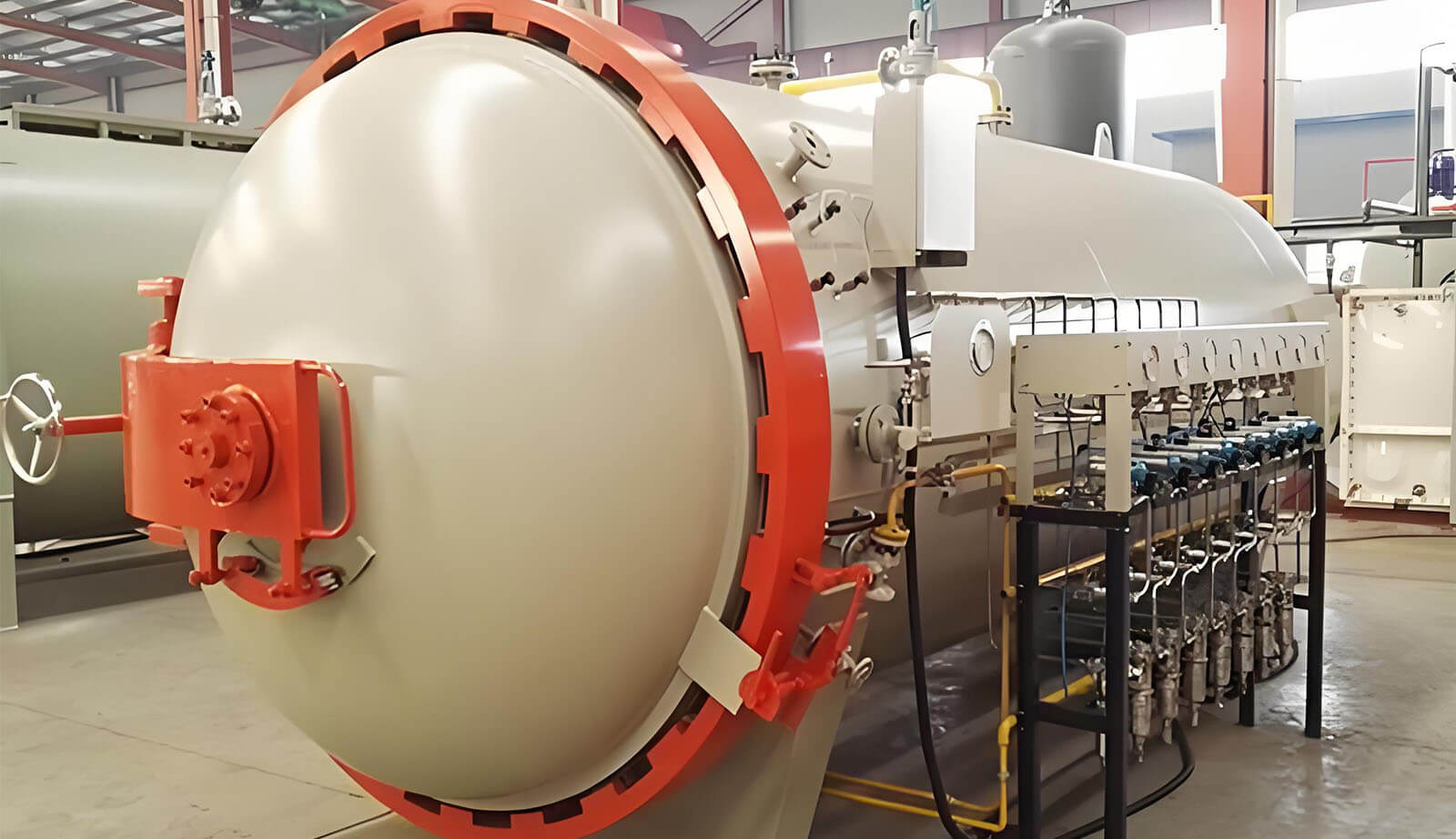
Proceso de curado en autoclave
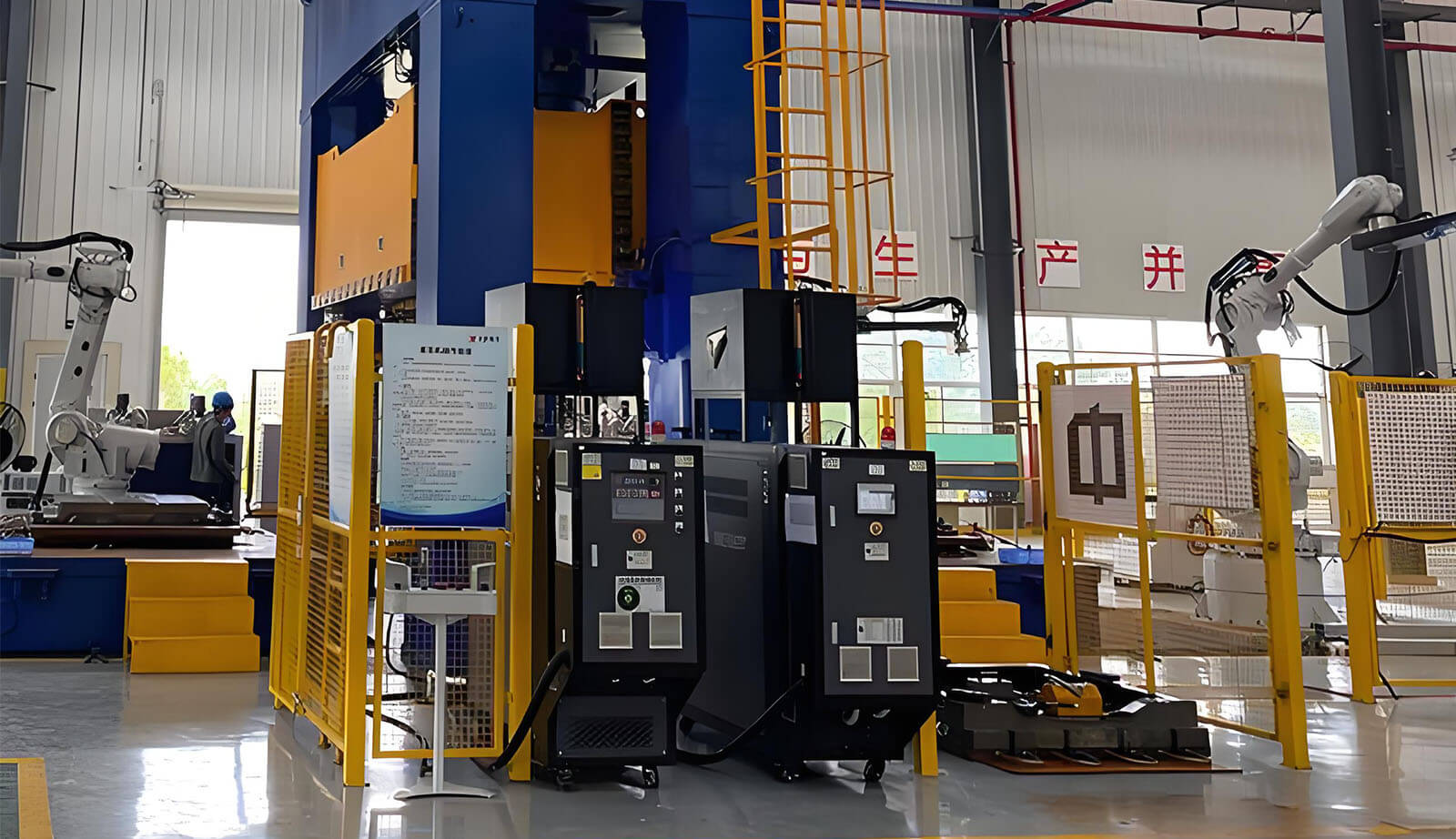
- El chasis de capas entra en un horno gigante llamado autoclave
- Alta presión y calor (alrededor de 120°C) endurecen la resina
- Este proceso de curado tarda varias horas pero crea la unión más fuerte
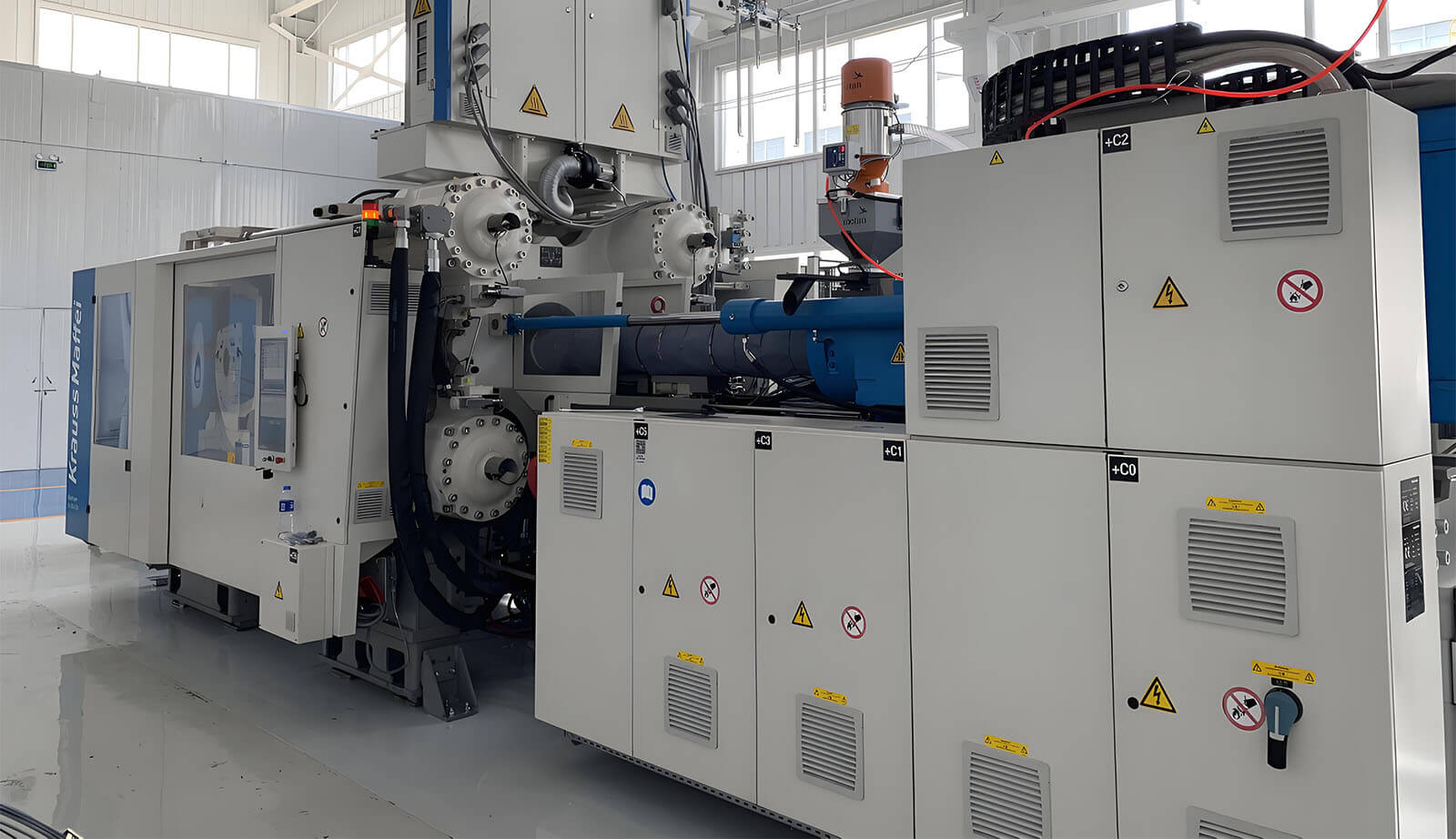
Moldeo por transferencia de resina (RTM)
- Para formas complejas, utilizamos moldes cerrados
- La resina líquida fluye a través de fibras de carbono secas
- Este método funciona muy bien para cuadro tubular de carbono diseños
Moldeo por compresión de piezas estructurales
- Rápido y rentable para piezas sencillas
- Perfecto para refuerzo del chasis piezas
- Utilizado a menudo en piezas de recambio de carbono
Control de calidad, pruebas y validación de ingeniería
No nos limitamos a construirlo y enviarlo. Cada chasis pasa por:
- Inspección por ultrasonidos para encontrar grietas ocultas
- Ensayos no destructivos (END) para comprobar la calidad de la unión
- Análisis de elementos finitos (FEA) uso de ordenadores para predecir puntos de tensión
- Análisis modal para medir la respuesta a las vibraciones
Especificaciones técnicas del chasis de fibra de carbono
Fibra de carbono vs Aluminio vs Acero (Tabla comparativa)
| Propiedad | Fibra de carbono | Aluminio | Acero |
|---|
| Ahorro de peso | 40-60% encendedor | Línea de base | 50% más pesado |
| Resistencia a la tracción | 500-700 MPa | 200-300 MPa | 400-500 MPa |
| Rigidez (módulo) | 70-150 GPa | 69 GPa | 200 GPa |
| Resistencia a la corrosión | Excelente | Feria | Pobre |
| Temperatura | -50°C a +120°C | -40°C a +90°C | -30°C a +100°C |
Elevada relación rigidez/peso significa que el chasis se dobla menos bajo tensión. Esto mejora la maniobrabilidad. El coche gira mejor. Responde más rápido a los movimientos de la dirección.
Estabilidad térmica importa cuando se compite. La fibra de carbono no se expande ni se contrae mucho cuando cambian las temperaturas. La geometría de la suspensión se mantiene constante vuelta tras vuelta.
Resistencia a la fatiga garantiza la longevidad. El acero acaba resquebrajándose por las tensiones repetidas. La fibra de carbono puede soportar millones de ciclos sin fallar.
Aplicaciones reales del chasis de fibra de carbono
Automovilismo y carreras reguladas por la FIA
Fórmula 1 equipos gastan millones en perfeccionar sus bastidor motorsport diseños. Cada coche utiliza una célula de seguridad de fibra de carbono llamada chasis monocasco. ¿Por qué?
- FIA 8862 la normativa lo exige para proteger al conductor
- Absorción de energía de choque mantiene a salvo a los conductores en impactos a más de 200 mph
- Rigidez torsional evita que el chasis se retuerza en curvas cerradas
Prototipos Le Mans y IndyCar también exigen tubos de fibra de carbono. No se trata sólo de coches de carreras, sino de laboratorios rodantes que prueban la tecnología del mañana.
Diseño de chasis para vehículos eléctricos
El Chasis EV se beneficia enormemente de la fibra de carbono. He aquí por qué:
- Reducción de peso amplía la autonomía de la batería en 10-15%
- Menor peso significa baterías más pequeñas (más baratas) para la misma autonomía
- Mejor amortiguación de vibraciones protege los componentes electrónicos sensibles
- Reducción de NVH (Ruido, Vibración, Dureza) mejora el confort.
Rimac construye estructuras híbridas de carbono y aluminio para su hipercoche. BMW utiliza la fibra de carbono de forma extensiva en sus modelos i3 e i8. Lo llaman “Carbon Life Module”.”
Aeroespacial, robótica y estructuras industriales
Nuestro fabricante de compuestos de carbono experiencia se extiende a:
- Materiales del chasis del dron para vehículos aéreos no tripulados comerciales y militares
- Componentes estructurales de robótica para brazos industriales
- Armazones de satélites que deben resistir las vibraciones del lanzamiento
- Cuadros de carbono para bicicletas para carreras profesionales
Boeing y Airbus utilizar materiales compuestos similares en los aviones. SpaceX incorpora la fibra de carbono en los componentes de los cohetes. Si tiene que ser ligera y resistente, la fibra de carbono es la respuesta.
Opciones de diseño del chasis de fibra de carbono
Diseño de chasis monocasco
- Diseño de carcasa de una sola pieza
- Utilizado en paneles de carrocería de coches exóticos y células de seguridad
- Proporciona la mejor resistencia al impacto
- Más caro pero más ligero
- Ejemplos: McLaren Monocage, Pagani Huayra Estructura del carbo-titanio. Los ejemplos de marcas se facilitan únicamente como referencia industrial y no implican afiliación.
Diseño Spaceframe
- Red de tubos unidos entre sí
- Mayor facilidad para reparar secciones individuales
- Más asequible para construcciones a medida
- Común en modificaciones del coche para track-day
- Utilizado por KTM X-Bow y BAC Mono
Estructuras híbridas de materiales compuestos
A veces mezclamos materiales para obtener el mejor resultado:
- Núcleos de aluminio en forma de panal con pieles de fibra de carbono (construcción de paneles sándwich)
- Fibra de carbono mejorada con grafeno para mayor resistencia
- Compuestos termoplásticos que puede reformarse si se daña
- Carbono forjado (utilizado por Lamborghini) para formas complejas
Capacidades de fabricación de chasis de fibra de carbono a medida
Como líder fábrica de compuestos personalizados, ofrecemos:
- Optimización de la orientación de las fibras en función de sus patrones de estrés
- A medida secuencia de apilamiento de capas para requisitos específicos de resistencia
- Fibra de carbono impresa en 3D juntas para geometrías complejas
- Integración de sensores inteligentes de fibra de carbono para la vigilancia de la salud estructural
Velocidad y aceleración
La física es simple: los coches más ligeros aceleran más rápido. A diseño de chasis ligero significa:
- Se necesita menos energía para cambiar de velocidad o dirección
- Distancias de frenado más cortas
- Mejor eficiencia de combustible en motores de combustión
- Mayor autonomía en los vehículos eléctricos
Precisión de manipulación
Rigidez torsional determina cuánto se retuerce el chasis bajo carga. La fibra de carbono módulo específico significa:
- Respuesta de giro más nítida
- Comportamiento más predecible en el límite
- Mejor eficiencia aerodinámica (el chasis se flexiona menos, manteniendo una aerodinámica ideal)
- Manipulación uniforme independientemente de la carga o la temperatura
Moderno rendimiento en pruebas de choque normas son brutales. La fibra de carbono destaca porque:
- Absorbe energía rompiéndose de forma controlada
- Adhesivos estructurales repartir las fuerzas de impacto en grandes áreas
- El material no se deforma permanentemente como el metal (se sujeta o se rompe limpiamente)
- Puede diseñarse para cumplir SAE J2340 normas de seguridad
- Puede diseñarse para cumplir FIA reglamento de carreras profesionales
Coste, valor y rentabilidad del chasis de fibra de carbono
Desglose de costes del chasis de fibra de carbono
Seamos sinceros: la fibra de carbono no es barata. He aquí por qué:
Materias primas: Toray Industries, Hexcel Corporation, y SGL Carbono producir fibras de alta calidad. T800 fibra de carbono cuesta bastante más que T300.
Trabajo: Colocación manual requiere técnicos cualificados. Colocación automática de fibras (AFP) reduce los costes, pero requiere equipos caros.
Utillaje: Los moldes y autoclaves representan importantes inversiones de capital.
El coste final depende de la geometría, el grado del material, la complejidad del utillaje y los requisitos de validación.
Cuando tiene sentido
La fibra de carbono es rentable cuando:
- El rendimiento justifica un precio superior (chasis de supercoche)
- El volumen es bajo (construcciones personalizadas y ediciones limitadas)
- El ahorro de peso genera beneficios cuantificables (automovilismo, aeroespacial)
- Estás explorando coches de fibra de carbono para una ventaja competitiva
Carbono OEM vs. Aftermarket
Piezas de carbono OEM vienen de fábrica:
- Diseñado específicamente para su vehículo
- Incluir garantías y certificaciones de colisión
- Cuestan más pero se integran perfectamente
Piezas de carbono posventa oferta:
- Precios más asequibles
- Opciones de personalización
- Posibilidad de instalación por el propio usuario
- Puede requerir un ajuste profesional
Mantenimiento, reparación y vida útil
Cuidado del chasis de carbono
La fibra de carbono es resistente, pero necesita un cuidado adecuado:
Inspecciones periódicas
- Compruebe si microfisuras después de los impactos
- Busque deslaminación alrededor de los puntos de tensión
- Control de Degradación UV si se expone a la luz solar
Limpieza y protección
- Utilice únicamente productos de limpieza con pH neutro
- Aplique capas transparentes con protección UV
- Evitar herramientas abrasivas que rayen la superficie
Reparaciones Podemos ofrecer soluciones de reparación de fibra de carbono para daños menores no estructurales:
- Las pequeñas grietas pueden parchearse con resina fresca.
- Las zonas delaminadas requieren envasado al vacío
- Los daños estructurales importantes suelen requerir la sustitución de secciones
Consideraciones medioambientales
Fibra de carbono reciclada está cada vez más disponible:
- Retos del reciclado proceden de la resina curada
- Nuevo alternativas sostenibles a la resina ayuda
- Fibra de carbono biológica la investigación es prometedora
- Complete análisis del ciclo de vida de la fibra de carbono muestra menos emisiones que la sustitución repetida del acero
Comparación de materiales: Por qué gana el carbono
Fibra de carbono frente a aluminio
Aluminio chasis son comunes porque son asequibles. Pero la fibra de carbono ofrece:
- 40% menos peso
- Más alto resistencia a la flexión y resistencia al cizallamiento
- Mejor datos de vida a fatiga (el aluminio se agrieta con el tiempo)
- Superior absorción de energía de choque
- No riesgos de corrosión galvánica cuando se aísla adecuadamente
Audi R8 utiliza una marco espacial con algunos paneles de carbono. El carbono completo cuesta más pero rinde mejor.
Fibra de carbono frente a acero
Acero es barato y fácil de soldar. Contadores de fibra de carbono con:
- 60% ahorro de peso
- Complete resistencia a la corrosión (el acero se oxida)
- Mejor coeficiente de dilatación térmica (dimensiones más estables)
- Más alto comparaciones de densidad favorecer el carbono (misma resistencia, mucho menos peso)
NASCAR permite ahora cuerpos compuestos porque las ventajas de seguridad de la fibra de carbono superan a la tradición.
Tecnologías emergentes
Materiales inteligentes
El futuro incluye:
Compuestos autocurables
- Las cápsulas de resina incrustada se rompen al agrietarse
- Rellene y repare automáticamente pequeños desperfectos
- A prueba de Laboratorio Nacional Oak Ridge
Sensores integrados
- Las redes de Bragg de fibra miden la deformación en tiempo real
- Alerta a los conductores de problemas estructurales antes de que se produzca un fallo
- Laboratorio de Autoensamblaje del MIT explora estructuras adaptativas
Fabricación avanzada
Optimización del diseño basada en IA
- El aprendizaje automático predice patrones de tejido de fibra
- Reduce el desperdicio de material en 30%
- Crea tablas de rigidez-peso para cada iteración de diseño
Avances en la fabricación aditiva
- Czinger 21C usos Fibra de carbono impresa en 3D nodos
- Se combina con la colocación tradicional para obtener lo mejor de ambos mundos
- Mecanizado CNC para fibra de carbono crea tolerancias precisas
Innovación sostenible
Los investigadores de Instituto Fraunhofer y Universidad de Delaware trabajar en:
- Compuestos nanorreforzados con grafeno
- Resinas vegetales para sustituir a los epoxis derivados del petróleo
- Mejor reciclabilidad a través de matrices termoplásticas
- Fibra de carbono sostenible a partir de fuentes renovables
Aplicaciones por sector
| Industria | Caso práctico | Beneficio clave |
|---|
| Automoción | Coches de fibra de carbono, opciones de carbono para coches de lujo | Velocidad + seguridad |
| Deportes de motor | F1, LMP1, IndyCar monocascos | Cumplimiento FIA + protección |
| Aeroespacial | Bastidores de vehículos aéreos no tripulados, estructuras de satélites | Misiones de peso crítico |
| Marina | Cascos de yates de competición, sumergibles | Resistencia a la corrosión |
| Defensa | Componentes de vehículos blindados | Protección contra explosiones |
| Industrial | Brazos robóticos, Herramientas de fabricación | Rigidez de precisión |
Cómo empezar
Para equipos de carreras
Si estás construyendo un vehículo competitivo:
- Defina su normativa (FIA, SAE, o requisitos del organismo sancionador)
- Elija entre monocasco o tubular construcción
- Trabaje con nuestros ingenieros para optimizar secuencia de apilamiento de capas
- Horario pruebas dinamométricas de chasis antes de la competición
Para construcciones a medida
¿Está creando un proyecto único? Le ayudamos con:
- Chasis de carbono personalizado consulta de diseño
- Elegir entre T700/T800 grados para su presupuesto
- Fabricación casera de fibra de carbono apoyo y materiales
- Acabado posterior al curado a sus preferencias estéticas
Para fabricantes de vehículos eléctricos
¿Está desarrollando el próximo gran vehículo eléctrico? Piensa en ello:
- Compuestos híbridos (carbono + aluminio) para equilibrar costes
- Construcción de panel sándwich para cajas de baterías
- Conductividad térmica gestión en torno a la electrónica
- Normas de resistencia al fuego sin sacrificar
Por qué elegir nuestras soluciones de fibra de carbono
Como primera fabricante de compuestos de carbono, ...cumplimos:
✓ Calidad certificada: ISO y Procesos de certificación de la FIA cumplimiento ✓ Ingeniería experta: Análisis de elementos finitos para cada diseño ✓ Producción flexible: De las aduanas puntuales a los pequeños lotes ✓ Opciones de material: T300 a T1100 fibras, sistemas de resinas múltiples ✓ Pruebas completas: Resultados de las pruebas de impacto, resistencia a la tracción verificación, inspección por ultrasonidos
Nuestras ventajas de fabricación
- Moldeo por compresión para piezas rentables
- Curado en autoclave para componentes premium
- Moldeo por transferencia de resina para formas complejas
- En la empresa ensayos no destructivos laboratorio
- Mecanizado CNC capacidades para un acabado preciso
Asistencia técnica y recursos
Proporcionamos documentación completa:
- Características tensión-deformación fichas técnicas
- Propiedades anisotrópicas guías para el diseño
- Adhesivos estructurales tablas de compatibilidad
- Compatibilidad de pintura recomendaciones
- Problemas de conductividad eléctrica estrategias de mitigación
Pruebas y validación
Cada chasis incluye:
- Rigidez torsional medidas
- Amortiguación de vibraciones análisis
- Coeficiente de dilatación térmica pruebas
- Resistencia a la fatiga datos del ciclo
- Completo rendimiento en pruebas de choque informes (si procede)
Presupuesto
Listo para transformar su proyecto con fibra de carbono personalizada? Esto es lo que necesitamos:
- Detalles de la solicitud (tipo de vehículo, cargas previstas)
- Requisitos dimensionales (archivos CAD si están disponibles)
- Objetivos de rendimiento (ahorro de peso objetivos, requisitos de resistencia)
- Parámetros presupuestarios (flexibilidad del grado de material)
- Cronología (prototipo frente a producción)
Póngase en contacto con nuestro equipo hoy mismo. Le pondremos en contacto materiales compuestos para sus necesidades específicas. Tanto si está construyendo Koenigsegg competidor o un chasis de dron, Hemos diseñado soluciones para proyectos como el suyo.
Lo esencial
Chasis de fibra de carbono La tecnología ya no es sólo para hipercoches millonarios. Los costes bajan. La fabricación mejora. Fibra de carbono sostenible iniciativas lo están haciendo más ecológico.
En Estructuras de seguridad de la Fórmula E a chasis de vehículos eléctricos la fibra de carbono define la ingeniería moderna de alto rendimiento. Su incomparable elevada relación rigidez/peso, superior resistencia al impacto, y probado absorción de energía de choque lo convierten en el material preferido cuando el rendimiento es importante.
Su proyecto se merece lo mejor. Elija fibra de carbono. Elija resistencia sin peso. Elija el futuro.
Comience hoy mismo su proyecto de chasis de fibra de carbono con los expertos que han suministrado componentes a equipos de carreras, programas aeroespaciales e innovadores de la automoción de todo el mundo. Póngase en contacto con nuestra fábrica de composites a medida y construyamos juntos algo extraordinario.
Escrito por:
Equipo de ingeniería - Fibras de carbono de China
Más de 15 años en proyectos de fabricación de compuestos de carbono en los sectores de automoción, automovilismo, aeroespacial y robótica.