Respuesta rápida: La fibra de carbono no se abolla ni recupera su forma como la chapa metálica. Un impacto puede dejar una hendidura en la superficie, pero también puede agrietar la matriz de resina, romper las fibras o separar las capas del laminado (delaminación) sin que se aprecien signos visibles. Los daños estéticos en la capa transparente suelen poder repararse. Cualquier cosa que afecte al laminado —o cualquier daño en una pieza que soporte carga— requiere una inspección adecuada antes de decidir entre la reparación y la sustitución.
¿Es posible que la fibra de carbono se abolle o se salga de su sitio?
La chapa se deforma plásticamente al recibir un impacto: se estira y la abolladura permanece porque el metal no tiene forma de recuperar su forma original por sí solo. Esta es también la razón por la que la reparación de abolladuras sin pintura (enderezar el metal tirando o empujando) funciona en los coches.
El plástico reforzado con fibra de carbono (CFRP) es un laminado compuesto curado, no una chapa dúctil. No responde al impacto de la misma manera y no se puede “desmoldar” con herramientas o técnicas metálicas de desabollado. Cuando una pieza de CFRP sufre un impacto, pueden producirse, en su lugar, una o varias de las siguientes situaciones:
- La capa transparente o gelcoat presenta desconchones, arañazos o grietas, sin que el laminado subyacente se vea afectado
- La matriz de resina se agrieta sin que se rompan las fibras
- Las fibras individuales se rompen, lo que reduce directamente la capacidad de carga de la pieza en esa zona
- Las capas adyacentes se separan entre sí (delaminación), a menudo sin que se aprecie ningún signo visible claro
- En las piezas con núcleo tipo sándwich (núcleo de espuma o de panal entre capas laminadas), el núcleo se aplasta localmente, lo que puede parecer una “abolladura” superficial poco profunda, aunque en realidad oculta daños internos más importantes.
Una abolladura visible en una pieza de fibra de carbono puede que no sea más que un arañazo en la capa transparente. Pero también puede significar que el laminado que hay debajo haya sufrido daños estructurales. No es posible determinar con certeza cuál de las dos cosas es con solo mirarla, y ese es precisamente el problema fundamental de abordar esto como si se tratara de una abolladura en metal.
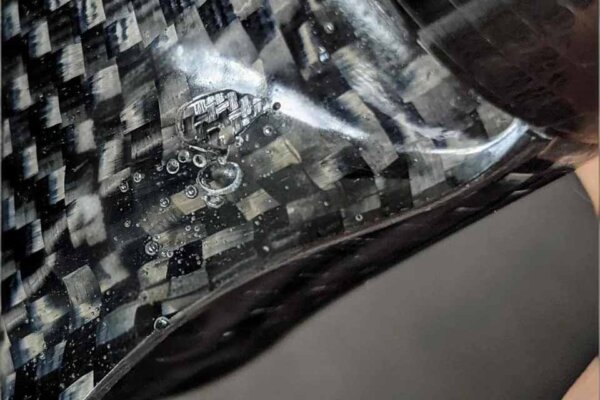
Daños estéticos frente a daños estructurales: qué hay que comprobar realmente
La energía del impacto en un laminado tiende a dispersarse entre las capas en lugar de concentrarse en el punto de contacto, por lo que una marca pequeña y de aspecto anodino puede ocultar una zona mucho más amplia de delaminación interna. En los compuestos utilizados en la industria aeroespacial y en los deportes de motor, este fenómeno es tan conocido que tiene su propio nombre: Daños por impacto apenas visibles (BVID) — daños que son reales desde el punto de vista estructural, pero que no se aprecian a simple vista.
Utiliza esto como un primer paso de selección, no como una autorización definitiva en materia de seguridad:
| Lo que ves o sientes | Posibles daños | Medida recomendada |
|---|---|---|
| Arañazo o desconchón en la capa transparente; el patrón de tejido parece intacto. | Solo daños estéticos | Limpia, documenta y consulta a un profesional del reacabado sobre la reparación de la superficie |
| Depresión superficial poco profunda, sin grietas; el panel sigue dando sensación de rigidez. | Posiblemente se trate de un problema estético; es probable que el laminado esté intacto. | Haz que lo revisen antes de lijarlo, enmasillarlo o seguir utilizándolo con fines estructurales. |
| Manchas blancas o turbias cerca del impacto, con un acabado mate o ligeramente teñido | Grietas en la resina o rotura de las fibras | Solicita una inspección profesional antes de seguir utilizándolo. |
| Grietas que se pueden ver o sentir con la uña, astillas, fibras a la vista | Grietas en el laminado, probablemente debido a la rotura de las fibras | Deje de utilizar la pieza; es necesario realizar una evaluación estructural profesional |
| Zona blanda o esponjosa, crujidos audibles, separación visible de las capas | Deslaminación o aplastamiento del núcleo | No cargues la pieza; es necesario un diagnóstico profesional |
| Cualquiera de los elementos mencionados anteriormente en una pieza que soporte carga o que sea relevante para la seguridad (componente del chasis, soporte estructural, cuadro de la bicicleta, casco, pieza de la suspensión) | Gravedad indeterminada sin inspección | No reincorpore el vehículo al servicio basándose únicamente en su aspecto; siga el procedimiento de inspección del fabricante original (OEM) o un procedimiento de inspección homologado. |
Una inspección visual puede detectar señales de advertencia evidentes. Sin embargo, no puede demostrar que un laminado sea estructuralmente sólido: comprobarlo presionando con la mano o ver “si parece rígido” no constituye una autorización de seguridad para ningún elemento que soporte carga. En el caso de las piezas estructurales, una inspección cualificada suele recurrir a pruebas de percusión, inspección por ultrasonidos, termografía u otro método de ensayo no destructivo (END) adecuado a la construcción de la pieza.
Documentar adecuadamente los daños facilita la labor de quien los evalúe posteriormente. Toma fotografías de la zona con buena iluminación, anota el lugar del impacto y su tamaño aproximado, indica si la pieza estaba sometida a carga en el momento del suceso y comprueba si hay grietas en el recubrimiento, decoloración, roturas en el tejido o cualquier cambio en el contorno de la superficie.
Qué medidas razonables puedes tomar ante los daños estéticos en la superficie
Si —y solo si— la pieza no es estructural y has comprobado que el laminado y las fibras que hay debajo están intactos, un retoque estético puede restaurar el aspecto sin tocar el laminado estructural. El alcance típico es el siguiente:
- Limpiar Limpia a fondo la superficie, eliminando la suciedad, la grasa y la cera para que nada impida la adhesión.
- Prepara la superficie con una abrasión ligera y controlada —la suficiente para que el material de reparación se adhiera, pero no tanto como para dañar el tejido subyacente—
- Aplica un producto de relleno o una capa transparente compatibles., siguiendo al pie de la letra las indicaciones de la ficha técnica en cuanto a la proporción de mezcla, el tiempo de trabajo y la temperatura de curado
- Deja que se seque completamente según las especificaciones del producto: precipitarse en este paso es una causa habitual de malos resultados estéticos
- Termina poco a poco, pasando por los distintos grados de lija antes de pulir y volver a aplicar el barniz
Esto restaura el aspecto. No vuelve a unir las fibras rotas ni restablece la transferencia de carga en una zona deslaminada, por lo que solo debe utilizarse cuando se haya comprobado que el daño es meramente estético.
No utilices una pistola de aire caliente, herramientas metálicas para desabollar ni taladros para “desabollar” una abolladura en fibra de carbono. Los sistemas de resina curada tienen un perfil de curado y una temperatura de transición vítrea definidos; el calentamiento local no controlado no es un proceso controlado y no constituye una forma fiable de corregir un defecto en un laminado. Las técnicas de extracción de abolladuras con metal no son aplicables a un laminado compuesto. Lijar hasta atravesar el tejido sin seguir un procedimiento de reparación adecuado puede convertir un defecto reparable en uno aún peor. Un relleno cosmético puede ocultar el daño subyacente, pero no lo repara.
Cuando necesites una inspección o reparación profesional de materiales compuestos
Acude a un especialista cualificado en reparación de materiales compuestos —no a un taller de carrocería general ni utilices un kit de bricolaje— cuando se dé cualquiera de estas circunstancias:
- La pieza soporta una carga estructural o relevante para la seguridad.
- Se observan grietas visibles, delaminación, astillas o fibras al descubierto
- Hay una zona blanda, esponjosa o abollada
- La pieza sufrió un impacto de mayor intensidad, aunque la marca visible parezca leve.
- La pieza forma parte del cuadro de una bicicleta, de un casco, de un componente del chasis de un vehículo, de un elemento de la suspensión o de una aplicación similar en la que la seguridad es fundamental.
Cómo funciona realmente la reparación estructural con materiales compuestos
Una reparación adecuada suele seguir un proceso similar al siguiente, aunque los detalles varían en función de la pieza, el diseño del laminado y el sistema de resina:
- Inspección de daños — una evaluación visual junto con un método de ensayo no destructivo (prueba de percusión, ultrasonidos o termografía) para determinar la extensión real de la delaminación y el daño en las fibras, que suele ser mayor de lo que sugiere la marca visible
- Retirada del material dañado — recortar hasta llegar al laminado sano, normalmente mediante una unión en bisel (cónica) o escalonada, de modo que las capas de reparación puedan transferir la carga sin problemas a la estructura circundante
- Calendario de las capas para la reparación — nuevas capas de fibra de carbono seleccionadas y orientadas para que coincidan con la orientación de las fibras y el número de capas del laminado original en esa zona
- Reposo — resina para laminado en húmedo o material preimpregnado, en función del proceso de la empresa y de los requisitos de la pieza
- Consolidación y curación — embolsado al vacío para eliminar el aire atrapado y consolidar las capas; curado en autoclave (calor más presión) cuando se requiere la máxima resistencia y uniformidad
- Acabado — lijado, preparación de la superficie y repintado para que la reparación quede integrada con la parte circundante
Se trata de un alcance de los trabajos fundamentalmente diferente al de rellenar una hendidura superficial, razón por la cual la reparación estructural se define, se programa y se presupuesta por separado del acabado estético.
En el caso de las aeronaves, los deportes de motor, los cuadros de bicicleta y otros componentes críticos para la seguridad, el procedimiento de reparación aprobado por el fabricante, la autorización técnica y la normativa aplicable tienen prioridad sobre cualquier guía general, incluida esta.
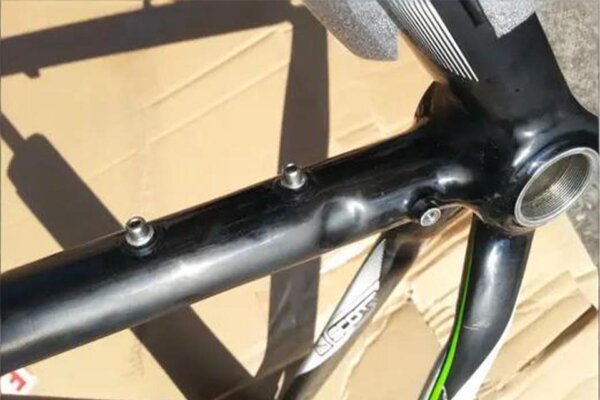
Reparación frente a sustitución
| Factor | Favorece la reparación | Favorece la sustitución |
|---|---|---|
| Alcance de los daños | El laminado, en zonas concretas, puede inspeccionarse por completo | Deslaminación extensa, varias capas afectadas o molde/núcleo muy deformado |
| Papel parcial | No estructural o con carga moderada, con laminado en buen estado comprobado | Elementos críticos para la seguridad (chasis, suspensión, estructura, casco) |
| Construcción original | Estructura conocida, reproducible con capas coincidentes | Se desconoce la disposición de las capas, o no se dispone de los planos ni de los moldes originales |
| Complejidad del acabado | Se puede difuminar hasta quedar imperceptible | Tejido a la vista, tolerancias muy ajustadas o una geometría inusual que resulta difícil de reparar sin que se note |
| Economía | El coste de la reparación es claramente razonable en relación con el valor de la pieza. | El coste de la reparación se acerca al de una pieza de recambio o lo supera |
| Confianza | La inspección confirma que el laminado está en buen estado | La inspección no permite confirmar por completo el estado interno |
En el caso de piezas a medida, de baja producción, de competición o descatalogadas, la posibilidad de sustituirlas suele depender de si un taller es capaz de reproducir la pieza con precisión, y no solo de si el daño es reparable. Se trata de una cuestión diferente a la que suele plantearse en un taller de reparación convencional, y es ahí donde resulta importante trabajar directamente con el fabricante.
Qué factores influyen en el coste y por qué no publicaremos una tabla de precios
No existe un precio universal fiable para “una abolladura en fibra de carbono”. El coste depende de:
- Tanto si el daño es meramente estético como si se extiende hasta el laminado —este es el factor más determinante, ya que la reparación estructural implica la eliminación de material, la aplicación de nuevas capas y un curado controlado, en lugar de un simple relleno superficial—
- El acceso a la zona dañada y si es necesario desmontar la pieza para repararla
- Complejidad del acabado: adaptación a un tejido a la vista, un acabado específico brillante o mate, o un color de pintura
- Depende de si la pieza es estructural, lo que suele requerir un control del proceso más riguroso y una aprobación de la inspección
- Si es necesario realizar ingeniería inversa de la pieza a partir de una muestra, un plano o un escaneo, en lugar de repararla
- Tarifas laborales locales y especialización de los talleres
Los rangos de precios genéricos no reflejan nada de esto, y una cifra fija publicada en una página sin fuente verificada puede interpretarse fácilmente como un presupuesto. Si quieres conocer el coste real, envía los datos de la pieza para obtener un presupuesto detallado en lugar de basarte en un rango publicado; consulta más abajo.
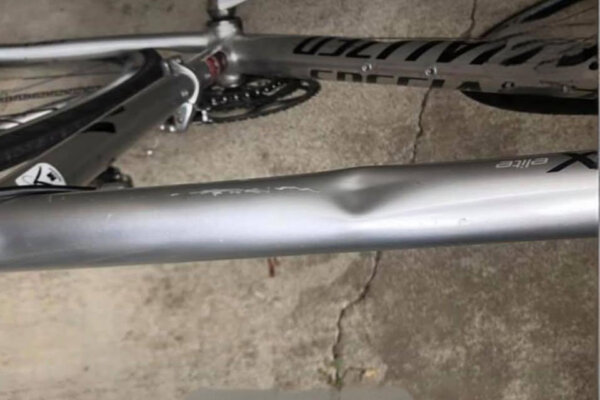
Dónde se observan este tipo de daños
Automoción y deportes de motor — piezas de fibra de carbono para automóviles como capós de fibra de carbono, los paneles del techo, los alerones, los splitters y los difusores sufren roces en los aparcamientos y el impacto de los residuos de la carretera; en las carreras, el contacto es directo. Esto se aplica a todas las plataformas, incluidas marcas de alto rendimiento como McLaren y Lamborghini donde es habitual encontrar paneles de la carrocería de fibra de carbono, aunque los mecanismos de daño aquí descritos se aplican independientemente de la marca o el modelo. Los paneles estéticos suelen ser reparables o restaurables; los componentes estructurales (divisores y paneles de los bajos con vías de carga reales, piezas adyacentes al chasis) requieren primero una evaluación adecuada de los daños.
Motocicleta — Los carenados, las cubiertas del depósito y los guardabarros suelen sufrir daños en las caídas a baja velocidad. En su mayoría se trata de daños estéticos, pero hay que comprobar que los carenados con puntos de fijación estructurales no presenten grietas alrededor de los elementos de sujeción.
Equipamiento deportivo y para actividades al aire libre — Por lo general, los cuadros de bicicleta y los cascos deben ser revisados por un profesional tras cualquier impacto importante, dadas las consecuencias que puede acarrear un fallo estructural no detectado.
Equipamiento industrial — Las carcasas, los paneles estructurales y los tubos de fibra de carbono están menos expuestos a golpes fortuitos, pero pueden sufrir daños durante la manipulación o el transporte que justifiquen una inspección antes de que la pieza vuelva a ponerse en servicio.
Aeroespacial — Las estructuras compuestas de las aeronaves deben repararse siguiendo los procedimientos de reparación estructural aprobados por el fabricante y la normativa aeronáutica aplicable, utilizando métodos de ensayos no destructivos (END) adecuados para la estructura. Se trata de información contextual, no de un tipo de reparación que la mayoría de los lectores vayan a realizar por sí mismos.
Prevención de daños por impacto
- Lámina protectora de pintura (PPF) en zonas muy expuestas, como los bordes de ataque, los separadores y los paneles inferiores, puede ayudar a reducir los arañazos, las marcas de piedras y los pequeños daños superficiales en el acabado. No sustituye a una manipulación cuidadosa y no impedirá que la energía de un impacto significativo llegue al laminado subyacente.
- Manipulación y almacenamiento cuidadosos — En la práctica, la mayor parte de los daños se deben a que las piezas reciben golpes, se caen o se apoyan herramientas contra ellas durante el mantenimiento, y no a colisiones graves.
- Evitar el almacenamiento a temperaturas extremas, ya que algunos sistemas de resina pueden verse afectados por una exposición prolongada al calor
- Inspección visual periódica en caso de agrietamiento prematuro de la capa de acabado, decoloración provocada por los rayos UV o marcas de tensión cerca de los puntos de fijación y los elementos de sujeción, donde se concentran las cargas
Solicitar una evaluación o una pieza de recambio
Si una pieza no es apta para su reparación —o si simplemente prefieres que te fabriquen una nueva según las especificaciones originales—, es en estos casos cuando resulta más útil hablar con un fabricante que acudir a un taller de reparación.
Como fabricante de fibra de carbono a medida, trabajamos con moldeo en autoclave con prepreg, moldeo por compresión, infusión al vacío y laminado en húmedo, técnicas que seleccionamos en función de los requisitos estructurales de la pieza, su acabado y el volumen de producción, además de realizar operaciones de recorte con CNC, taladrado y encolado/montaje de las piezas acabadas. Nuestro equipo puede trabajar a partir de su pieza dañada existente como referencia, a partir de archivos CAD o STEP, o a partir de un escaneo 3D — véase nuestra experiencia en ingeniería y fabricación Para obtener más información sobre cómo se gestionan proyectos como este.
Para obtener una respuesta útil, envía:
- Nombre de la pieza y aplicación
- Fotografías de los daños, con buena iluminación
- Dimensiones exteriores y grosor, si se conocen
- Puntos de fijación y cantidad necesaria
- Acabado obligatorio
- Cualquier plano o archivo CAD disponible
Confirmaremos si el siguiente paso adecuado es una reparación estética del acabado, la derivación a un especialista para una evaluación profesional del composite o un fibra de carbono personalizada pieza de recambio — incluso para series únicas o de bajo volumen, en las que no resulta práctico volver a realizar un pedido al fabricante original (OEM).
Preguntas frecuentes
¿Puedes sacar una abolladura de fibra de carbono como si fuera metal?
Normalmente no. La fibra de carbono es un laminado compuesto curado, no un panel de chapa metálica dúctil, por lo que las herramientas y técnicas de desabollado de metal no son aplicables. Una abolladura puede ser meramente estética o puede indicar que hay fibras aplastadas o delaminación debajo; el aspecto por sí solo no permite determinar cuál de las dos cosas es.
¿La reparación con resina epoxi restaura la resistencia original?
No de forma automática. Rellenar una hendidura puede mejorar el aspecto, pero no vuelve a unir las fibras rotas ni reproduce la trayectoria de carga del laminado original. Una reparación estructural auténtica requiere retirar el material dañado y reconstruir el laminado con nuevas capas, que se ajusten a la construcción original.
¿Se puede reparar una abolladura en la fibra de carbono con calor?
No como un paso independiente de bricolaje. El calor controlado forma parte de algunos procesos profesionales de curado y consolidación, pero el calentamiento local no controlado con una pistola de calor no es una forma fiable de corregir un defecto en el laminado y puede afectar al sistema de resina de formas que no se aprecian a simple vista.
¿Se puede reparar el cuadro de una bicicleta de fibra de carbono tras un golpe?
Algunos cuadros pueden ser evaluados y reparados por un especialista, pero cualquier abolladura, grieta, punto blando o impacto visible cerca de una unión debe considerarse, ante todo, un problema de seguridad. No vuelvas a poner en servicio un cuadro basándote únicamente en un parche estético o en una comprobación al tacto: haz que lo revisen.
¿Debería reparar o sustituir un capó o un alerón de fibra de carbono?
Depende de si el daño se limita al acabado o se extiende hasta el laminado, así como de la accesibilidad de la pieza, la complejidad del acabado y la relación entre el coste de la reparación y el de la sustitución. Envía fotos y medidas para que podamos evaluar el caso antes de decidirte por un método de reparación.
¿Podéis fabricar una pieza de recambio de fibra de carbono?
En muchos casos, sí; la respuesta depende de la geometría, de los planos disponibles o de una pieza de muestra, de la cantidad, del sistema de materiales requerido y del acabado. Ponte en contacto con nuestro equipo de ingeniería y facilítales esos datos para que podamos confirmar el método de fabricación adecuado.