What Are Carbon Composite Ski Poles?
Carbon composite ski poles are lightweight ski equipment made from fibra de carbono materials. These poles help skiers move better on snow. They weigh less than metal poles. They are stronger than plastic poles. Many pro skiers use them.
Carbon fiber ski poles use the same materials as race cars and airplanes. The carbon-reinforced shafts bend but do not break easily. They absorb shock when you hit bumps. Your arms feel less tired after a long day.
Why Choose Carbon Fiber Ski Poles?
Top 5 Benefits
- Lightweight ski poles – Weigh 30% less than aluminum poles
- Durable ski poles – Last longer than fiberglass models
- Vibration-dampening poles – Reduce arm fatigue on ice
- Responsive ski poles – React fast when you plant them
- High-performance ski poles – Used by World Cup racers
Carbon vs. Aluminum Poles
| Característica | Carbon Composite | Aluminio |
|---|
| Peso | 180-350g per pole | 300-500g per pole |
| Vibración | Low shock transfer | High shock transfer |
| Durabilidad | Resists bending | Dents easily |
| Precio | $80-$300 | $30-$100 |
| Mejor para | Racing, backcountry | Beginners, resort skiing |
Carbon vs. Fiberglass Poles
Graphite ski poles usar fiberglass mixed with carbon. They cost less but weigh more. Pure high-modulus carbon poles give the best strength. A fabricante de compuestos de carbono makes poles using aerospace-grade carbon. This material is 5x stronger than steel but weighs less than wood.
How Carbon Ski Poles Are Made
Step 1: Material Selection
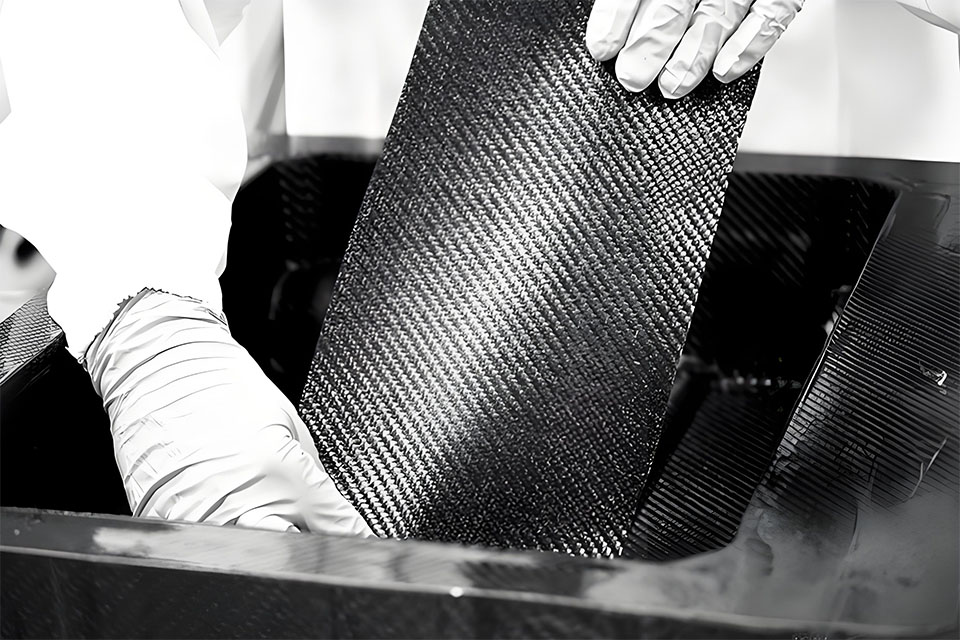
Manufacturers start with unidirectional carbon layup sheets. These sheets stack in layers. Each layer points in one direction. This makes poles stiff ski poles but not brittle.
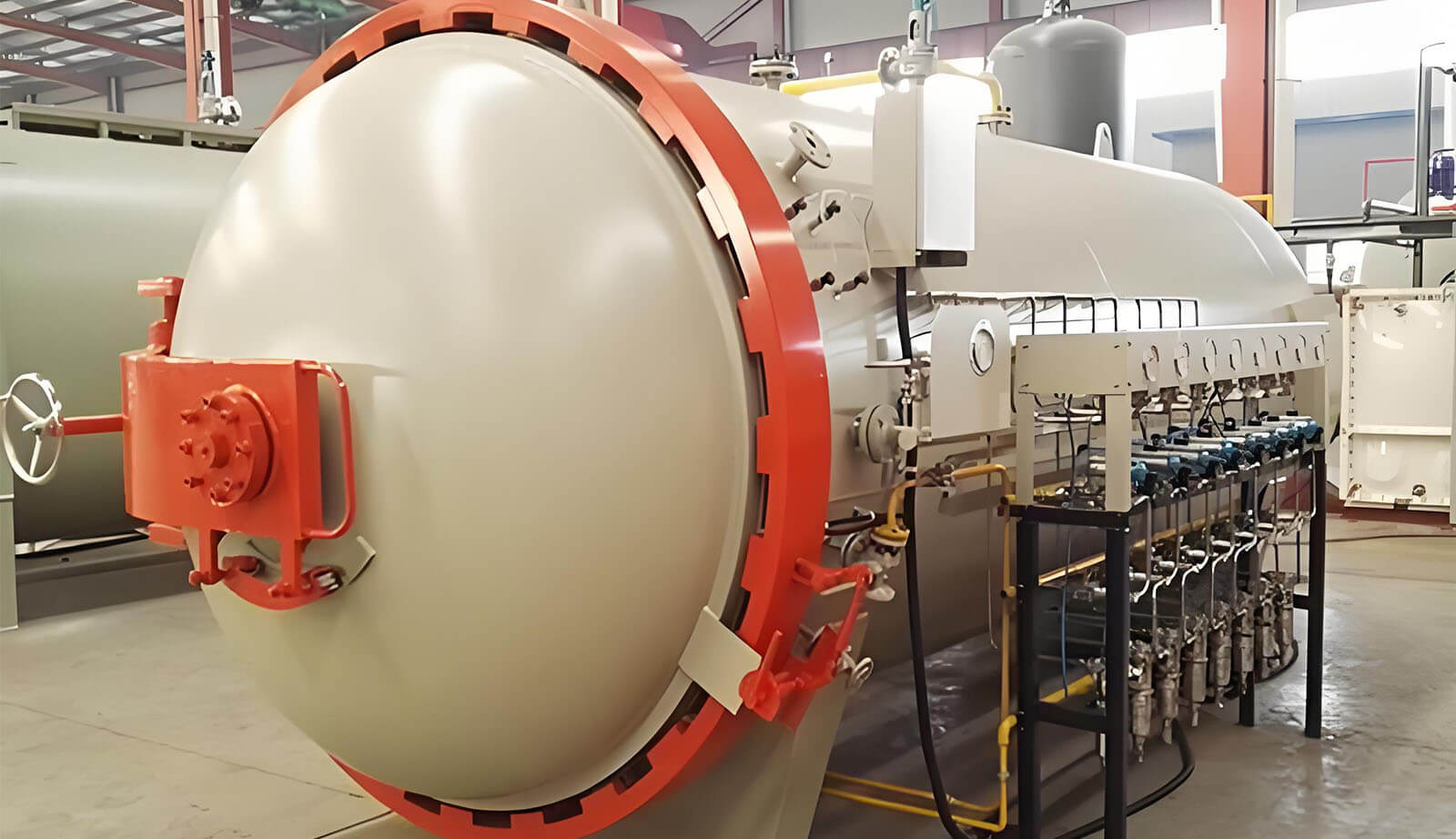
El resin infusion process glues the layers together. Hot ovens bake the poles at 300°F. This creates a thermoplastic composite poles structure. The final product passes ISO standards for ski poles tests.
Step 2: Shaping and Testing
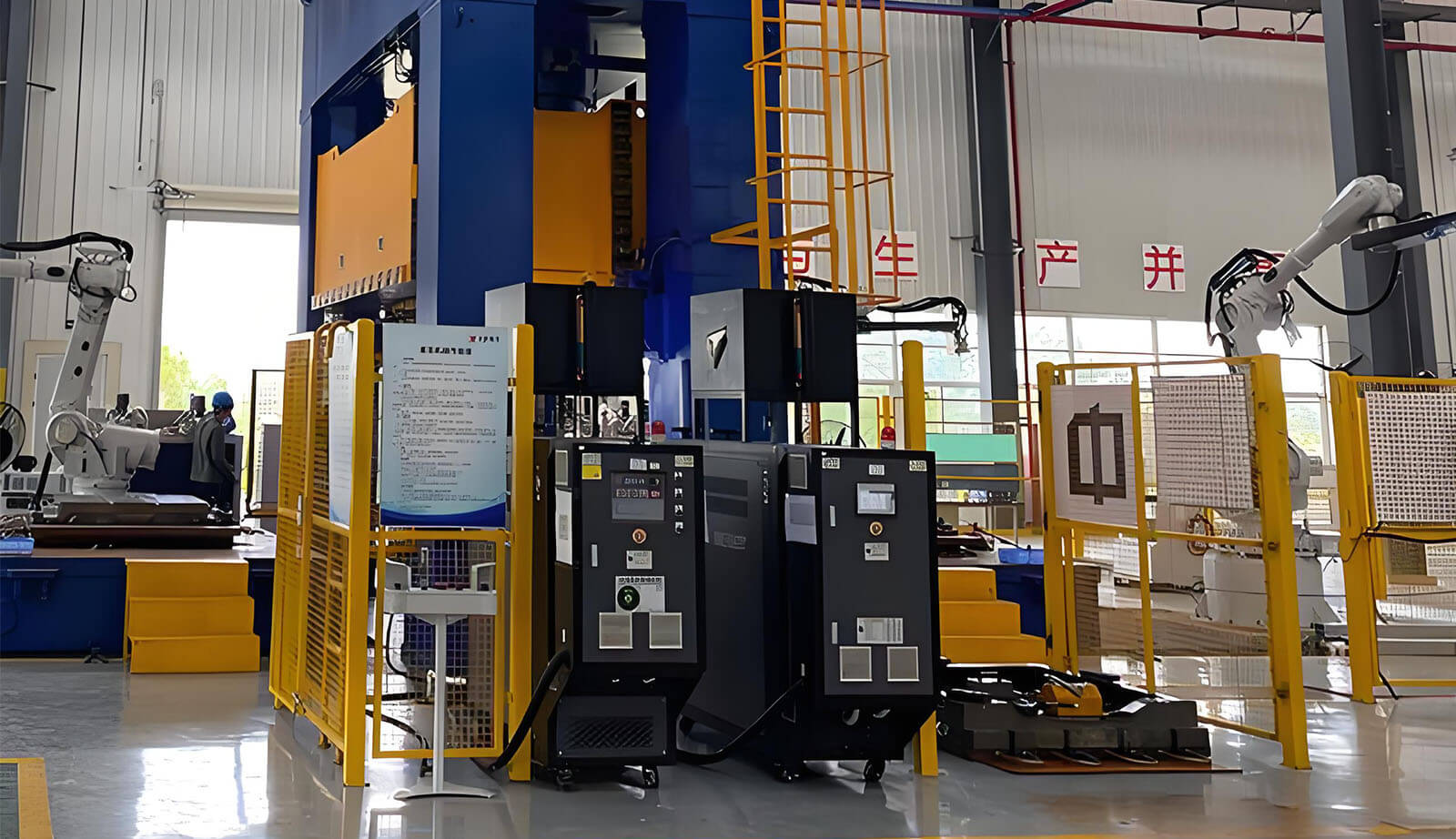
Factories use molds to create tapered ski poles. The top is wider than the bottom. This design improves torsional rigidity. Poles twist less when you push hard.
Engineers test the flex rating for ski poles. They bend each pole 10,000 times. Good poles keep their shape. Bad poles crack or splinter. Our fábrica de composites a medida tests every batch before shipping.
Step 3: Adding Components
Workers attach ergonomic grips made from foam or cork. They install quick-release straps that let you drop poles fast. They add reinforced tips made from hardened steel. Finally, they snap on powder baskets o racing baskets.
Types of Carbon Ski Poles
Alpine Ski Poles
Downhill racing poles are the lightest models. They weigh 180-250g per pole. FIS-approved models meet competition rules. Brands like Leki, Swix, y Atomic make top racing poles.
Slalom ski poles are shorter for quick turns. Giant slalom poles are longer for big turns. Both use fixed-length ski poles so racers know exactly where their hands sit.
Características:
- Carbon fiber handles with thin grips
- Low-profile baskets (50-60mm wide)
- Aerodynamic ski poles with teardrop shapes
- Peso: 200-280g
- Mejor para: Speed, precision, competition
Freeride Ski Poles
All-mountain ski poles work on groomed runs and off-piste ski poles terrain. They balance weight and strength. Most weigh 280-320g per pole.
Backcountry ski poles often have adjustable ski poles features. You make them shorter for uphill climbs. You make them longer for downhill runs. Touring ski poles fold into three pieces for backpack storage.
Características:
- Adjustable length: 95-145cm
- Powder baskets (90-110mm wide)
- Anti-slip grips with rubber coating
- Peso: 280-350g
- Mejor para: Adventure, varied terrain
Freestyle Ski Poles
Park ski poles need to survive crashes. They use hybrid carbon ski poles construction. This mixes carbon with fiberglass for extra resistencia al impacto. Shorter poles (100-120cm) help with tricks.
Características:
- Reinforced shafts resist bending
- Durable tips handle concrete landings
- Medium baskets (70-80mm)
- Peso: 300-350g
- Mejor para: Jumps, rails, boxes
Cross-Country Ski Poles
Alguno cross-country ski poles use carbon for elite racers. These poles are very long (140-160cm). They help push forward on flat ground. The carbon makes them light enough to swing fast.
Características:
- Extra-long shafts
- Small racing baskets
- Cork grips for sweat control
- Peso: 180-220g
- Mejor para: Nordic racing, marathons
Top Brands and Models
Leki Carbon Poles
Leki hace premium carbon ski poles used by Mikaela Shiffrin. El Leki Carbon FX model weighs 210g. It uses high-modulus carbon poles technology. Prices start at $200.
Black Diamond Carbon Poles
Black Diamond focuses on backcountry ski poles. El Black Diamond Expedition Carbon has three adjustable sections. It folds to 40cm for storage. Weight: 320g per pole. Price: $180.
Swix Carbon Composite Poles
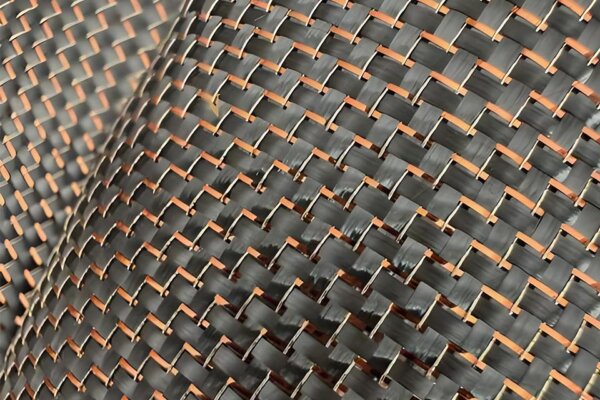
Swix hace race-specific ski poles for World Cup athletes. The Swix Quantum Carbon weighs 205g. It has a patrón de tejido de fibra de carbono you can see through the clear coating. Price: $250.
Rossignol Carbon Poles
Rossignol offers all-mountain modelos como el Rossignol Hero Carbon. These poles cost $120-$160. They use intermediate-modulus carbon for a good price-to-performance ratio.
Atomic Carbon Ski Poles
Atomic hace el Atomic Redster Carbon for slalom racing. At 195g, it’s one of the lightest ski poles available. Lindsey Vonn used Atomic poles during her career. Price: $220.
Other Top Brands
- Fischer – German brand with Fischer RC4 Carbon modelos
- Scott – Known for Scott Superguide Carbon backcountry poles
- Komperdell – Austrian maker of Komperdell Vario 4 adjustable poles
- Goode – Specializes in ultra-light carbon tech (170g poles!)
- G3 – Makes the popular G3 Carbon 85 touring poles
- Salomon – Offers Salomon S/Lab Carbon for elite skiers
- K2 Sports – Budget-friendly K2 Carbon Freestyle opciones
- Marker – Combines bindings expertise with pole design
Technical Specifications Explained
Weight-to-Strength Ratio
Fibra de carbono has the best weight-to-strength ratio of any ski pole material. Engineers measure this with the tensile modulus test. Good poles score 500+ GPa (gigapascals). This means they are very strong but still light.
The same technology appears in coches de fibra de carbono. Race cars use carbon to go faster. Skiers use carbon to ski faster.
Flex and Stiffness
Rigidez torsional means poles don’t twist. When you plant a pole in hard snow, it should stay straight. Unidirectional carbon layup creates this stiffness.
Some poles have a flex rating number. Lower numbers mean stiffer poles. Racers want 1-2 flex. Freestylers want 3-4 flex for some bend.
Vida de fatiga
Fatigue life of carbon poles measures how long they last. Good poles handle 50,000+ bends without cracking. Cheap poles fail after 10,000 bends.
El carbon layup technology affects this. More layers mean longer life but more weight. Most poles use 8-12 carbon layers.
Resistencia a los impactos
Carbon poles can crack if you hit rocks hard. Hybrid carbon ski poles mix fiberglass at stress points. This adds resistencia al impacto. The pole might dent but won’t shatter.
Reinforced tips made from steel protect the bottom. Some poles have carbon/glass fiber blend sections in the lower shaft.
Vibration Dampening
Shock-absorbing ski poles reduce arm pain. When you ski on ice, vibrations travel up the pole. Carbon absorbs 60% of these shocks. Aluminum only absorbs 20%.
Harmonic dampening technology uses the natural properties of carbon fiber. The material flexes slightly to absorb energy. Your arms feel less tired after 10 runs.
How to Choose the Right Poles
Ski Pole Length Guide
Flip a pole upside down. Hold the tip. Your elbow should bend at 90 degrees. This is your correct length.
General sizing:
- Alpine/Freeride: Height (cm) × 0.68 = Pole length
- Backcountry: Height (cm) × 0.70 = Pole length
- Carreras: Height (cm) × 0.65 = Pole length
Ski pole sizing chart:
| Altura | Alpine Length | Backcountry Length | Racing Length |
|---|
| 5’0″ (152cm) | 100-105cm | 105-110cm | 95-100cm |
| 5’4″ (163cm) | 110-115cm | 115-120cm | 105-110cm |
| 5’8″ (173cm) | 115-120cm | 120-125cm | 110-115cm |
| 6’0″ (183cm) | 120-125cm | 125-130cm | 115-120cm |
| 6’4″ (193cm) | 130-135cm | 135-140cm | 125-130cm |
Grip Types
Carbon fiber handles come in three styles:
- Foam grips – Warm in cold weather, cushioned feel
- Cork grips – Best moisture-wicking, classic look
- Rubber grips – Most durable, stickiest surface
Ergonomic grips have angled shapes that fit your hand. They reduce wrist strain. Anti-slip grips have textured surfaces.
Strap Systems
Quick-release straps let you drop poles fast in emergencies. Pull a tab and your hand slides out. This helps during falls or avalanches.
Traditional straps loop around your wrist. They keep poles attached when you plant them. Moisture-wicking straps dry fast and don’t smell bad.
Basket Selection
Match baskets to snow conditions:
- Powder baskets (90-110mm): Deep snow, backcountry
- Racing baskets (50-60mm): Hard pack, groomed runs
- All-mountain baskets (70-80mm): Mixed conditions
Mayoría interchangeable baskets twist on and off. You can swap them in 10 seconds. Keep multiple sets in your car.
Budget Considerations
Cost of carbon ski poles ranges widely:
- Budget carbon poles: $80-$120 (entry-level)
- Gama media: $120-$200 (recreational)
- High-end carbon poles: $200-$350 (competition)
- Custom carbon ski poles: $300-$500 (made-to-order)
Why the price difference?
- Cheap poles use lower-grade carbon with more resin
- Expensive poles use aerospace-grade carbon con menos peso
- Fábrica de composites a medida options include personalized graphics and lengths
For most skiers, a $120-$160 pole works great. Only racers need $250+ poles.
Using Your Carbon Poles
Racing Scenarios
Downhill racing poles help you tuck efficiently. Short poles stay out of the way at 80+ mph. Slalom ski poles punch gates without breaking. Giant slalom poles balance speed and control.
Pro racers like Marcel Hirscher y Bode Miller used carbon poles for racing. They shaved seconds by reducing weight. At the Winter X Games, athletes choose poles that survive crashes.
Key tips:
- Usar FIS-approved poles for competition
- Controlar carbon pole certifications before races
- Replace poles showing stress fractures
Backcountry Adventures
Carbon poles for backcountry make long tours easier. Lighter poles mean less energy used. Adjustable ski poles work best for varied terrain.
At resorts like Whistler Blackcomb y Chamonix, guides recommend carbon for steep descents. Candide Thovex uses carbon in his extreme freeride videos.
Key tips:
- Extend poles for uphill climbing
- Shorten poles for downhill skiing
- Usar powder baskets in deep snow
- Pack extra carbon pole baskets as backups
All-Mountain Skiing
All-mountain ski poles handle everything from groomers to moguls. Popular at St. Moritz y Kitzbühel, these poles suit 90% of skiers.
Key tips:
- Choose medium baskets (70-80mm)
- Get fixed-length poles for simplicity
- Match pole length to your boot height
Freestyle and Park
Carbon poles for freestyle need extra durability. When hitting rails and boxes, poles take abuse. K2 Carbon Freestyle and similar models use hybrid carbon construcción.
Key tips:
- Get shorter poles (100-120cm)
- Use durable tips and baskets
- Inspect for cracks after big impacts
Mantenimiento y cuidado
Cleaning Carbon Ski Poles
- Wipe down with warm water after each ski day
- Use mild soap for sticky residue
- Dry completely before storage
- Never use harsh chemicals on carbon fiber
Storing Carbon Ski Poles
- Store vertically or horizontally (never at an angle)
- Keep away from direct sunlight
- Avoid extreme heat (over 140°F)
- Don’t lean heavy objects on them
Preventing carbon pole damage:
- Remove baskets when transporting in car
- Use pole guards for air travel
- Store in a dry area (not damp garage)
Repairing Carbon Fiber Poles
Carbon pole stress fractures appear as fine lines. If you see cracks:
- Stop using immediately
- Contact manufacturer about warranty
- Don’t try DIY repairs with tape
Replacing carbon pole baskets:
- Twist basket counterclockwise
- Pull off old basket
- Push new basket onto shaft
- Twist clockwise to lock
When to replace ski poles:
- Visible cracks or splinters
- Bent shaft that won’t straighten
- Loose or broken grips
- After 200+ ski days (even without damage)
Extending Pole Lifespan
- Waxing ski pole shafts with car wax repels moisture
- Tighten grips and straps before each season
- Replace baskets when edges wear down
- Get professional inspections every 2-3 years
Advanced Carbon Technology
Manufacturing Innovations
Moderno fibra de carbono personalizada processes create better poles each year. Innovations in ski pole tech incluir:
- 3D-printed carbon connectors for adjustable poles
- Nano-resin infusions that weigh 10% less
- Self-healing polymers that repair micro-cracks