¿Por qué elegir la fibra de carbono para su instalación solar?
Usted quiere que sus paneles solares duren. Necesita que sigan siendo fiables a pesar de las tormentas, las cargas de nieve y la exposición prolongada al sol. Por eso sistemas de montaje solar de fibra de carbono ofrecen una alternativa convincente a las estructuras metálicas tradicionales.
Los materiales convencionales tienen limitaciones. El acero añade un peso considerable y es vulnerable a la corrosión. El aluminio es más ligero, pero puede deformarse con el tiempo y sufre en los duros entornos costeros. En cambio, el polímero reforzado con fibra de carbono (CFRP) combina alta resistencia, bajo peso y durabilidad a largo plazo.
Como fabricante de compuestos de carbono Gracias a nuestra amplia experiencia en compuestos estructurales, diseñamos sistemas de montaje de fibra de carbono para aplicaciones solares exigentes en las que los materiales convencionales se quedan cortos.
¿Qué diferencia a los soportes solares de fibra de carbono?
Ligero pero estructuralmente robusto
La fibra de carbono ofrece una relación resistencia-peso. En comparación con los sistemas convencionales de montaje solar de aluminio, las estructuras de fibra de carbono pueden suelen reducir el peso estructural en aproximadamente un 40-60%, dependiendo de la configuración del sistema y de la aplicación.
Para los tejados, esta reducción es significativa. Una menor carga muerta ayuda a proteger las estructuras de los tejados, amplía las posibilidades de instalación en edificios antiguos y reduce la tensión estructural a largo plazo.
A pesar de su bajo peso, los sistemas de montaje de fibra de carbono son diseñados para soportar cargas de diseño específicas del emplazamiento, incluyendo:
- Cargas de viento de hasta 240 km/h, Sujeto a validación de diseño e ingeniería
- Cargas de nieve de hasta 40 psf, según la envergadura y la configuración
- Cargas distribuidas de instalaciones fotovoltaicas residenciales y comerciales
Estos sistemas se diseñan basándose en las normas estructurales aplicables y se validan mediante cálculos específicos para cada proyecto.
Resistencia a la intemperie por diseño
Los compuestos de fibra de carbono ofrecen excelente resistencia a la corrosión, la humedad y la exposición a los rayos UV. A diferencia de los soportes solares metálicos que pueden corroerse en entornos costeros o industriales, las estructuras de CFRP mantienen un rendimiento mecánico estable a lo largo del tiempo.
Las pruebas y el uso sobre el terreno demuestran un rendimiento fiable en una amplia gama de temperaturas, normalmente de -40°F a 185°F, por lo que la fibra de carbono es idónea para instalaciones en zonas desérticas, costeras y de clima frío.
Dado que la fibra de carbono no es metálica, es intrínsecamente resistente a la niebla salina, la exposición química y la corrosión galvánica, ventajas clave para los sistemas de montaje fotovoltaico (FV) a largo plazo.
Reducción de la carga sobre los tejados
Los sistemas de montaje ligeros son especialmente valiosos para tejados de tejas, edificios viejos y proyectos de rehabilitación. Al reducir el peso total del sistema, los soportes de fibra de carbono permiten realizar instalaciones solares en escenarios en los que los sistemas metálicos tradicionales pueden superar los límites estructurales.
Esta eficiencia de peso amplía la gama de edificios que pueden adoptar con seguridad soluciones solares residenciales y comerciales.
Características técnicas importantes
A continuación comparación típica a nivel de material como referencia. El rendimiento real del sistema depende del diseño técnico y de las condiciones del proyecto.
| Característica | Fibra de carbono | Aluminio | Acero |
|---|
| Peso estructural | Muy bajo | Moderado | Alto |
| Resistencia a la corrosión | Excelente | Moderado (limitado en zonas costeras) | Bajo |
| Dilatación térmica | Muy bajo | Moderado | Alto |
| Conductividad eléctrica | No conductor | Conductor | Conductor |
| Vida útil prevista | Más de 30 años | 15-20 años | 10-15 años |
Capacidad de carga en la que puede confiar
Los sistemas de montaje solar de fibra de carbono son diseñado para cumplir los requisitos de carga de viento y nieve específicos del emplazamiento, incluidas las regiones expuestas a huracanes o fuertes nevadas.
La capacidad de carga por punto de montaje viene determinada por:
- Longitud
- Disposición de la matriz
- Método de instalación
- Normas de diseño aplicables (por ejemplo, ASCE 7-16)
Este enfoque garantiza la fiabilidad estructural sin sobrediseño ni uso innecesario de materiales.
Estabilidad térmica estacional
La dilatación y la contracción térmicas son causas habituales de tensiones a largo plazo en los sistemas de montaje metálicos. La fibra de carbono presenta muy baja dilatación térmica, El diseño de los rodamientos de acero inoxidable permite mantener la alineación y reducir la fatiga a lo largo de repetidos ciclos de temperatura.
La naturaleza no conductora de la fibra de carbono también minimiza la adherencia del hielo en climas fríos y limita la deformación relacionada con el calor en entornos calurosos.
Cómo se fabrican estos sistemas
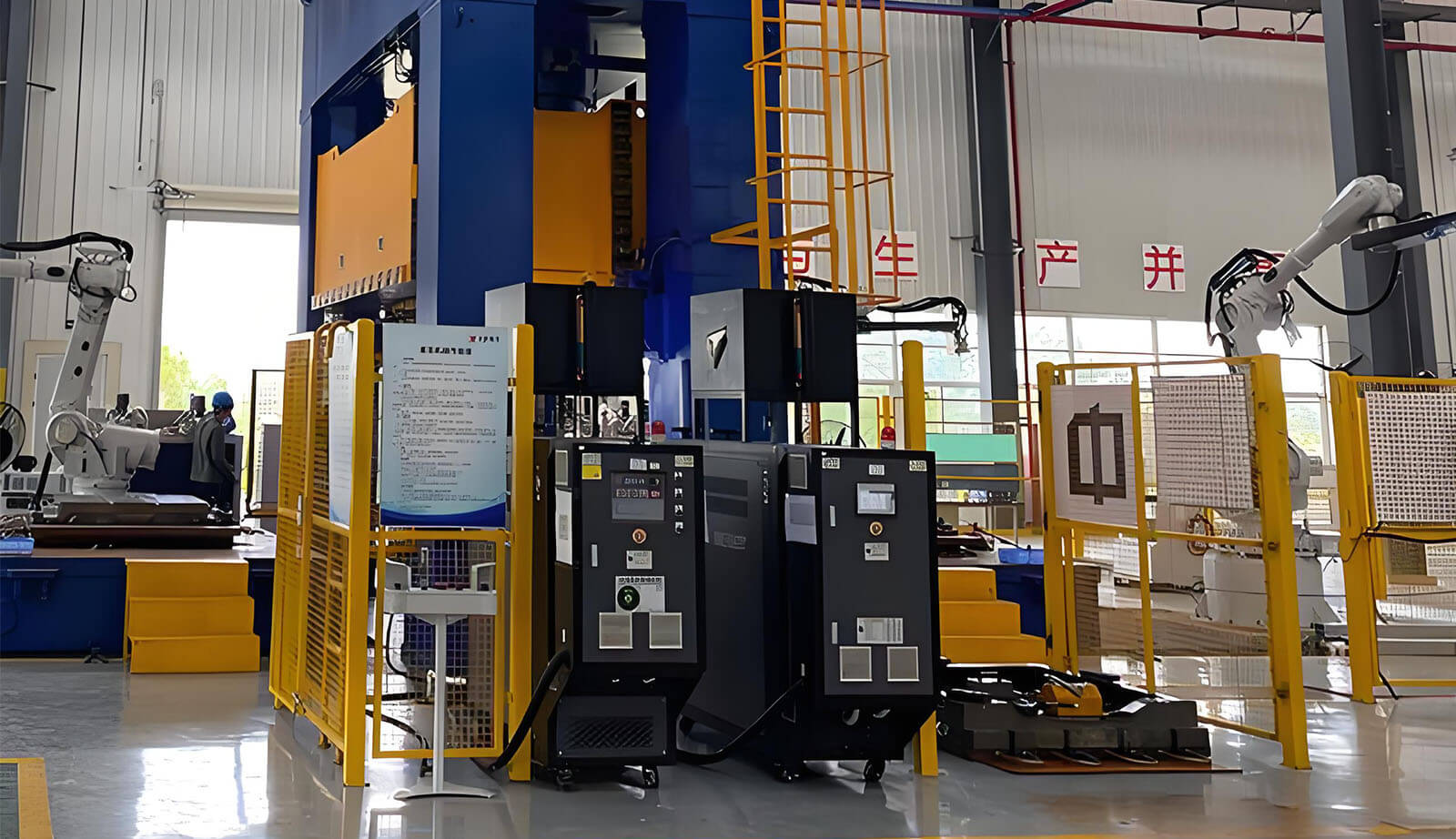
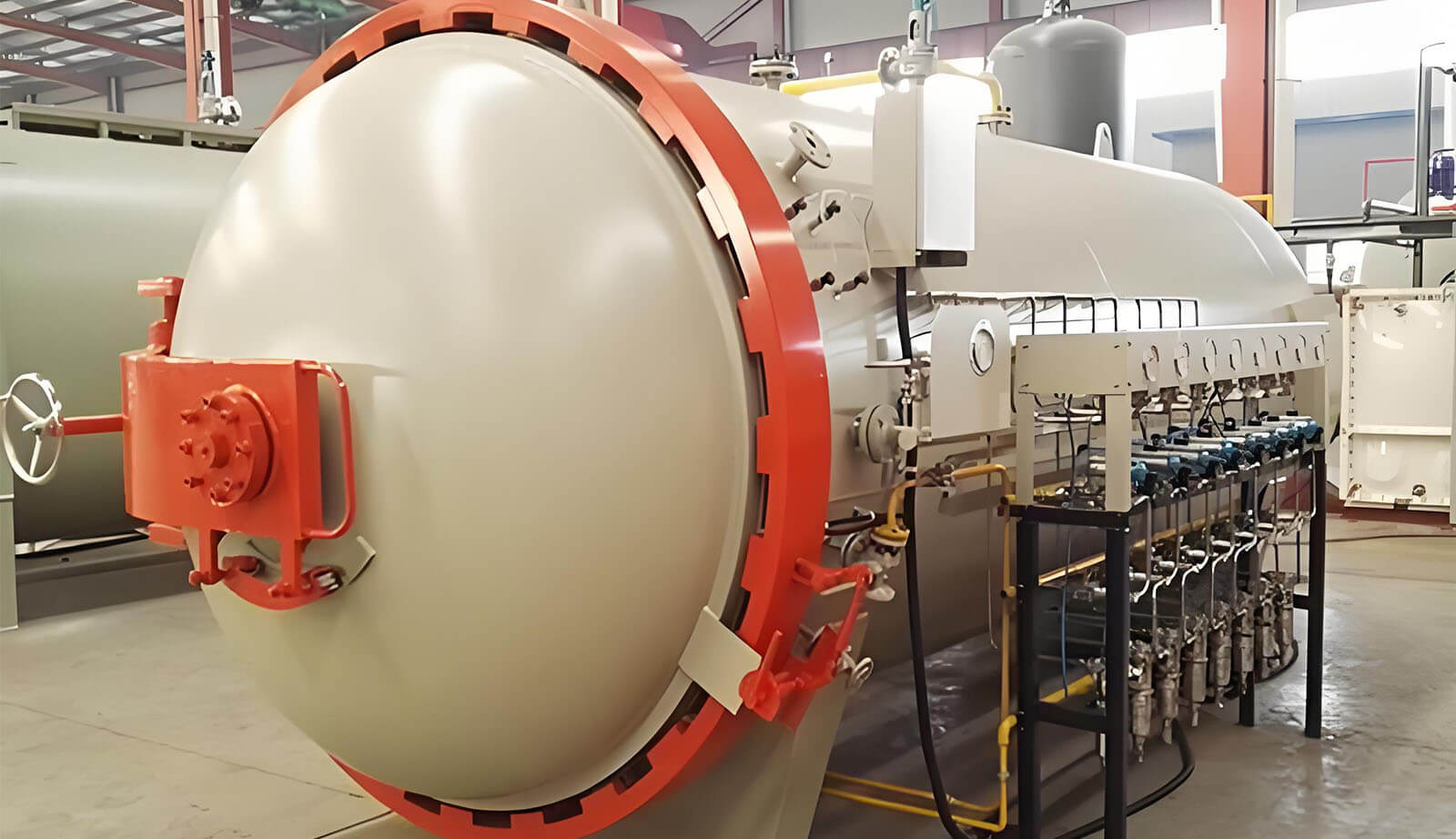
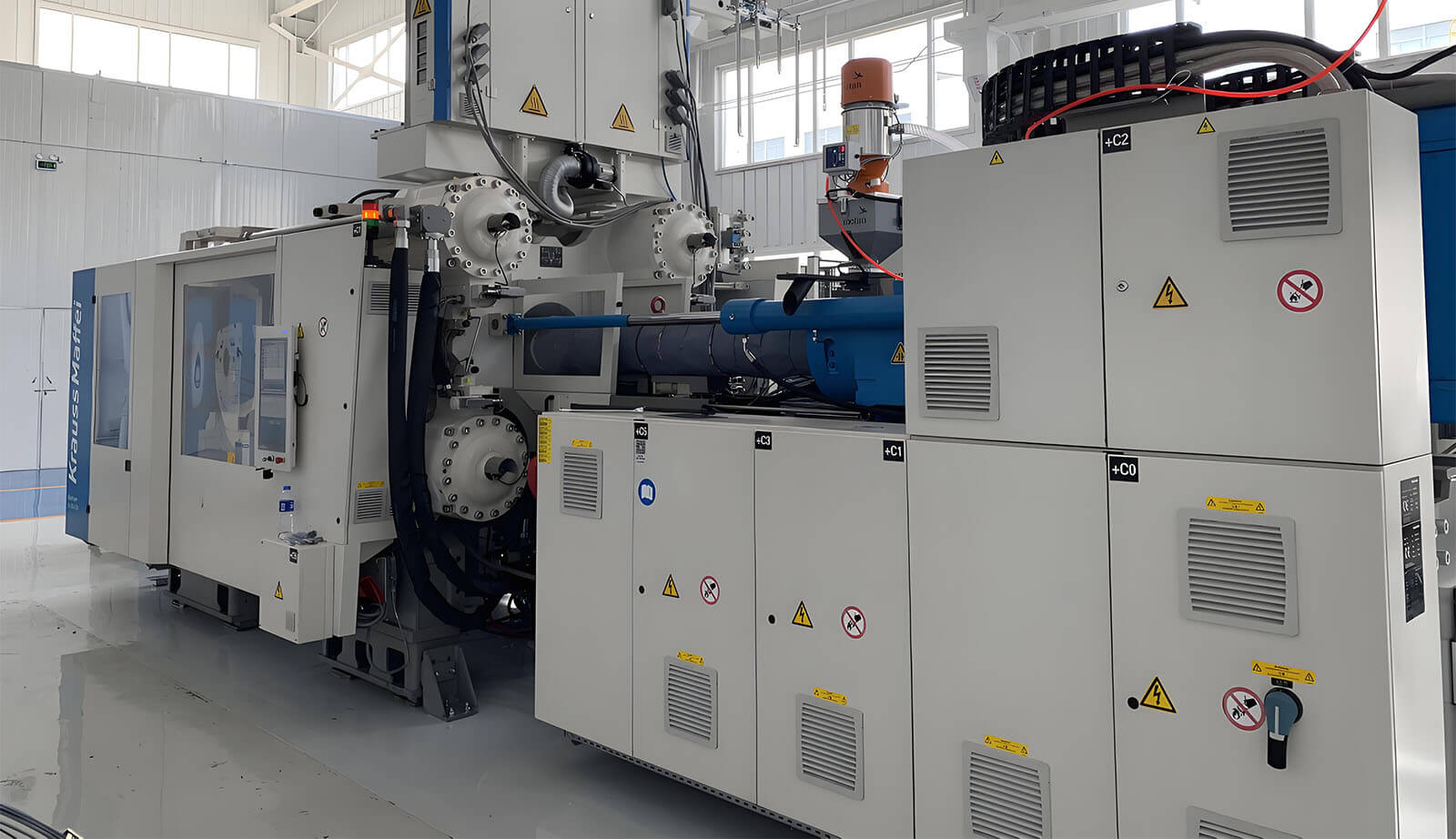
Como fábrica de compuestos personalizados, aplicamos los principios de fabricación de compuestos aeroespaciales y para deportes de motor a las aplicaciones de montaje solar.
Las mismas metodologías de ingeniería utilizadas en coches de fibra de carbono-incluida la selección de materiales, el diseño de laminados y el control de calidad- se aplican para garantizar un rendimiento estructural uniforme.
Cada componente de montaje se somete a inspección dimensional y control de procesos para garantizar la repetibilidad y la fiabilidad a largo plazo.
Diseño modular para una instalación práctica
Los sistemas de montaje solar de fibra de carbono están diseñados para instalación y escalabilidad eficaces. Los componentes modulares permiten flexibilidad en las configuraciones sobre tejado o en el suelo.
Las características típicas incluyen:
- Opciones de inclinación ajustables (aproximadamente 10°-60°)
- Interfaces de pinza prediseñadas
- Puntos de conexión pretaladrados
- Conectores de empalme estructurales para matrices ampliadas
Estos diseños modulares reducen el tiempo de instalación al tiempo que mantienen la integridad estructural.
Normas y conformidad
Los componentes del sistema son diseñados para cumplir las normas internacionales pertinentes, incluidos los requisitos UL 2703 e IEC. Se puede proporcionar certificación y pruebas de terceros a petición, en función del alcance y la configuración del proyecto.
Para aplicaciones específicas de una región, el servicio de ingeniería puede ocuparse de:
- Zonas de huracanes de alta velocidad (HVHZ)
- Consideraciones sísmicas
- Requisitos del código local de edificación
Aplicaciones en las que destaca la fibra de carbono
Entornos costeros y corrosivos
La resistencia de la fibra de carbono a la niebla salina y la humedad la hace muy adecuada para instalaciones costeras en las que los sistemas metálicos experimentan una degradación acelerada.
Energía solar comercial y pública
En el caso de los grandes paneles solares, la reducción del peso estructural disminuye los costes de transporte y simplifica la manipulación in situ. Las estructuras modulares de fibra de carbono también permiten un despliegue escalable en grandes superficies.
Instalaciones solares flotantes
Los sistemas fotovoltaicos flotantes se benefician de estructuras de montaje ligeras y no conductoras. La resistencia de la fibra de carbono a la humedad y la corrosión ofrece una solución fiable para instalaciones acuáticas.
Carga de nieve y regiones montañosas
La baja conductividad térmica reduce la acumulación de hielo y ayuda a mantener la estabilidad estructural en ciclos repetidos de congelación-descongelación en regiones con mucha nieve.
Fotovoltaica integrada en edificios (BIPV)
Las aplicaciones solares arquitectónicas exigen líneas limpias y un impacto visual mínimo. Los sistemas de montaje de fibra de carbono se integran bien con los diseños de edificios modernos y los conceptos BIPV avanzados.
Sistemas solares portátiles y especializados
Los sistemas de montaje compuestos ligeros son adecuados para instalaciones solares móviles, temporales o remotas en las que la eficiencia del transporte y el despliegue rápido son fundamentales.
Coste frente a valor del ciclo de vida
Los sistemas de montaje solar de fibra de carbono suelen implicar una inversión inicial más elevada que las alternativas de aluminio. Sin embargo, el coste total del ciclo de vida suele ser inferior debido a:
- Mayor vida útil
- Mantenimiento mínimo
- Reducción de los fallos relacionados con la corrosión
- Menor esfuerzo de transporte e instalación
En los proyectos a largo plazo, el rendimiento del ciclo de vida suele compensar el coste inicial del material.
Garantía y asistencia
Los sistemas se apoyan en un Garantía limitada de 10 años que cubra el material y el rendimiento estructural, sujeto a los términos y condiciones estándar.
Consideraciones sobre la instalación
Evaluación del tejado
Incluso con sistemas de montaje ligeros, siempre se debe evaluar el estado del tejado y la capacidad de carga antes de la instalación.
Optimización de la inclinación
Las configuraciones de inclinación ajustables permiten optimizar los ángulos solares estacionales, mejorando el rendimiento energético en distintas latitudes.
Toma de tierra eléctrica
Aunque la fibra de carbono no es conductora, los módulos fotovoltaicos y los sistemas eléctricos deben conectarse a tierra de acuerdo con los códigos eléctricos aplicables.
Perspectiva de sostenibilidad
Los sistemas de montaje de fibra de carbono se ajustan bien a los objetivos de sostenibilidad a largo plazo. Su durabilidad reduce los ciclos de sustitución, y la fabricación de compuestos evita la elevada intensidad energética asociada a la fundición de aluminio.
Los procesos de fabricación siguen prácticas medioambientales controladas y los materiales compuestos pueden reutilizarse al final de su vida útil.
Tecnologías solares compatibles
Los sistemas de montaje de fibra de carbono son compatibles con:
- Paneles monocristalinos y policristalinos
- Módulos de capa fina y bifaciales
- Sistemas de inclinación y seguimiento fijos
Se integran con inversores modernos, soluciones de almacenamiento de energía y sistemas de supervisión.
Primeros pasos
Cada proyecto comienza con una revisión del diseño basada en:
- Especificaciones del panel
- Entorno de instalación
- Cargas locales de viento y nieve
- Configuración de montaje preferida
Como especialista en fibra de carbono personalizada ofrecemos aplicaciones de montaje solar estándar y totalmente personalizadas.
Reflexiones finales
Los sistemas de montaje solar de fibra de carbono representan un solución de nueva generación para infraestructuras de energías renovables, especialmente en aplicaciones en las que el diseño ligero, la resistencia a la corrosión y la durabilidad a largo plazo son fundamentales.
Al aplicar principios probados de ingeniería de materiales compuestos al montaje solar, estos sistemas ofrecen una alternativa fiable a las estructuras metálicas tradicionales, sin comprometer el rendimiento ni la longevidad.
Si está evaluando materiales avanzados para instalaciones solares de alto rendimiento, merece la pena considerar seriamente los sistemas de montaje de fibra de carbono.