Почему стоит выбрать углеродное волокно для установки солнечных батарей?
Вы хотите, чтобы ваши солнечные панели служили долго. Они должны оставаться надежными во время штормов, снегопадов и длительного воздействия солнца. Именно поэтому Системы крепления солнечных батарей из углеродного волокна предлагают убедительную альтернативу традиционным металлическим конструкциям.
Традиционные материалы имеют свои ограничения. Сталь увеличивает вес и подвержена коррозии. Алюминий легче, но может деформироваться со временем и страдает в суровых прибрежных условиях. Полимер, армированный углеродным волокном (CFRP), напротив, сочетает в себе Высокая прочность, малый вес и долговечность.
В качестве производитель углепластиковых композитов Обладая большим опытом в области конструкционных композитов, мы разрабатываем монтажные системы из углеродного волокна, предназначенные для сложных солнечных систем, где обычные материалы оказываются неэффективными.
Чем отличаются крепления для солнечных батарей из углеродного волокна?
Легкий, но прочный
Углеродное волокно обеспечивает исключительную соотношение прочности и веса. По сравнению с традиционными алюминиевыми системами крепления солнечных батарей, конструкции из углеродного волокна могут обычно снижают вес конструкции примерно на 40-60%, в зависимости от конфигурации системы и области применения.
Для крыш это снижение существенно. Снижение собственной нагрузки помогает защитить конструкции крыши, расширяет возможности установки в старых зданиях и снижает долгосрочную нагрузку на конструкцию.
Несмотря на малый вес, системы крепления из углеродного волокна спроектированы для обеспечения проектных нагрузок в конкретном месте, включая:
- Ветровая нагрузка до 150 миль в час, При условии наличия макета и инженерной валидации
- Снеговые нагрузки до 40 фунтов на квадратный дюйм, в зависимости от пролета и конфигурации
- Распределенные нагрузки от жилых и коммерческих фотоэлектрических панелей
Эти системы разработаны на основе действующих структурных стандартов и подтверждены расчетами, выполненными для конкретного проекта.
Устойчивость к погодным условиям благодаря дизайну
Композиты из углеродного волокна предлагают превосходная устойчивость к коррозии, влаге и ультрафиолетовому излучению. В отличие от металлических солнечных батарей, которые могут корродировать в прибрежной или промышленной среде, конструкции из углепластика сохраняют стабильные механические характеристики в течение долгого времени.
Испытания и использование в полевых условиях демонстрируют надежную работу в широком диапазоне температур, как правило, от от -40°F до 185°F, Благодаря этому углеродное волокно хорошо подходит для установки в пустыне, на побережье и в холодном климате.
Поскольку углеродное волокно неметаллическое, оно по своей природе устойчиво к солевому туману, химическому воздействию и гальванической коррозии - ключевые преимущества для долгосрочных фотоэлектрических (PV) монтажных систем.
Снижение нагрузки на кровельные конструкции
Легкие монтажные системы особенно ценны для черепичные крыши, стареющие здания и проекты модернизации. Благодаря снижению общего веса системы, крепления из углеродного волокна позволяют устанавливать солнечные батареи в тех местах, где традиционные металлические системы могут превысить конструктивные ограничения.
Такая весовая эффективность расширяет диапазон зданий, в которых можно безопасно использовать жилые и коммерческие солнечные системы.
Технические характеристики, которые имеют значение
Ниже представлен типичное сравнение на уровне материалов для справки. Фактическая производительность системы зависит от инженерной конструкции и условий проекта.
| Особенность | Углеродное волокно | Алюминий | Сталь |
|---|
| Конструкционный вес | Очень низкий | Умеренный | Высокий |
| Устойчивость к коррозии | Превосходно | Умеренный (ограничен в прибрежных районах) | Низкий |
| Тепловое расширение | Очень низкий | Умеренный | Высокий |
| Электропроводность | Непроводящий | Проводник | Проводник |
| Ожидаемый срок службы | 30+ лет | 15-20 лет | 10-15 лет |
Грузоподъемность, на которую можно положиться
Системы крепления солнечных батарей из углеродного волокна разработаны с учетом требований к ветровой и снеговой нагрузке в конкретном месте, В том числе в регионах, подверженных ураганам и сильным снегопадам.
Грузоподъемность каждой точки крепления определяется:
- Длина пролета
- Расположение массива
- Способ установки
- Применимые стандарты проектирования (например, ASCE 7-16)
Такой подход обеспечивает надежность конструкции без перепроектирования и излишнего использования материалов.
Термическая стабильность в разные сезоны
Тепловое расширение и сжатие - распространенные причины длительного напряжения в металлических монтажных системах. Углеродное волокно демонстрирует очень низкое тепловое расширение, Это помогает сохранить центровку и снизить усталость при многократных температурных циклах.
Непроводящая природа углеродного волокна также минимизирует налипание льда в холодном климате и ограничивает деформацию, связанную с нагревом, в жарких условиях.
Как производятся эти системы
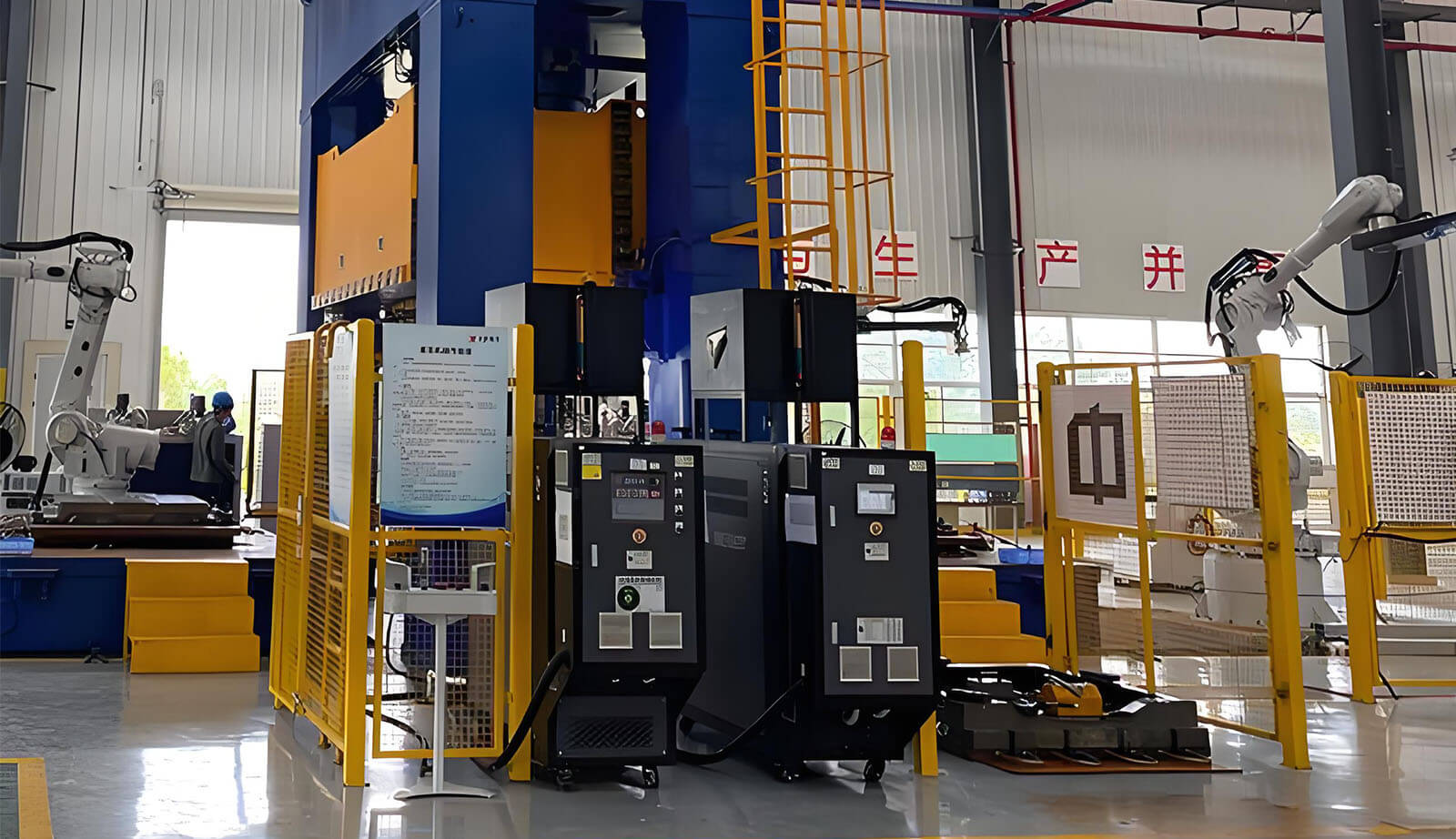
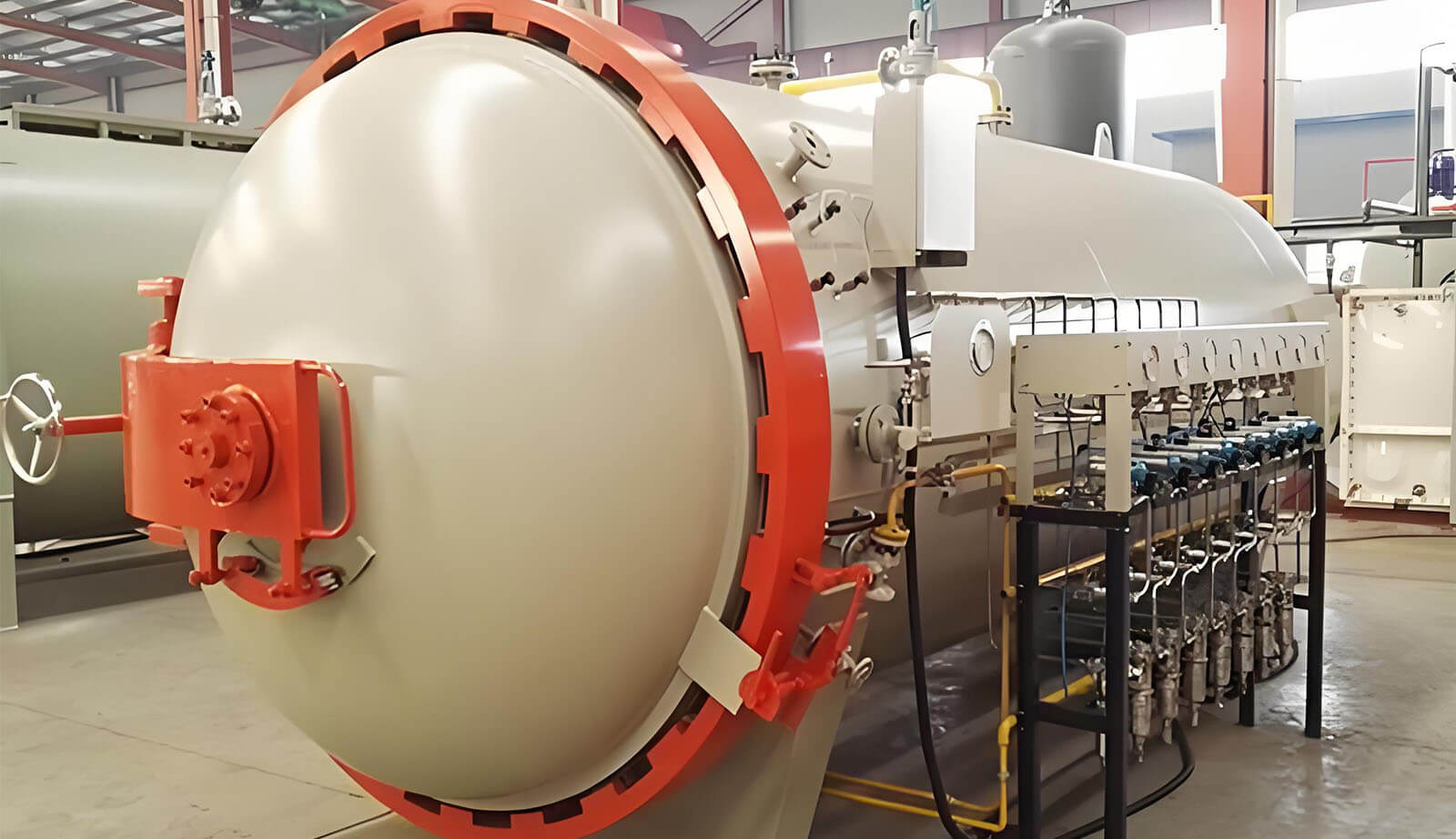
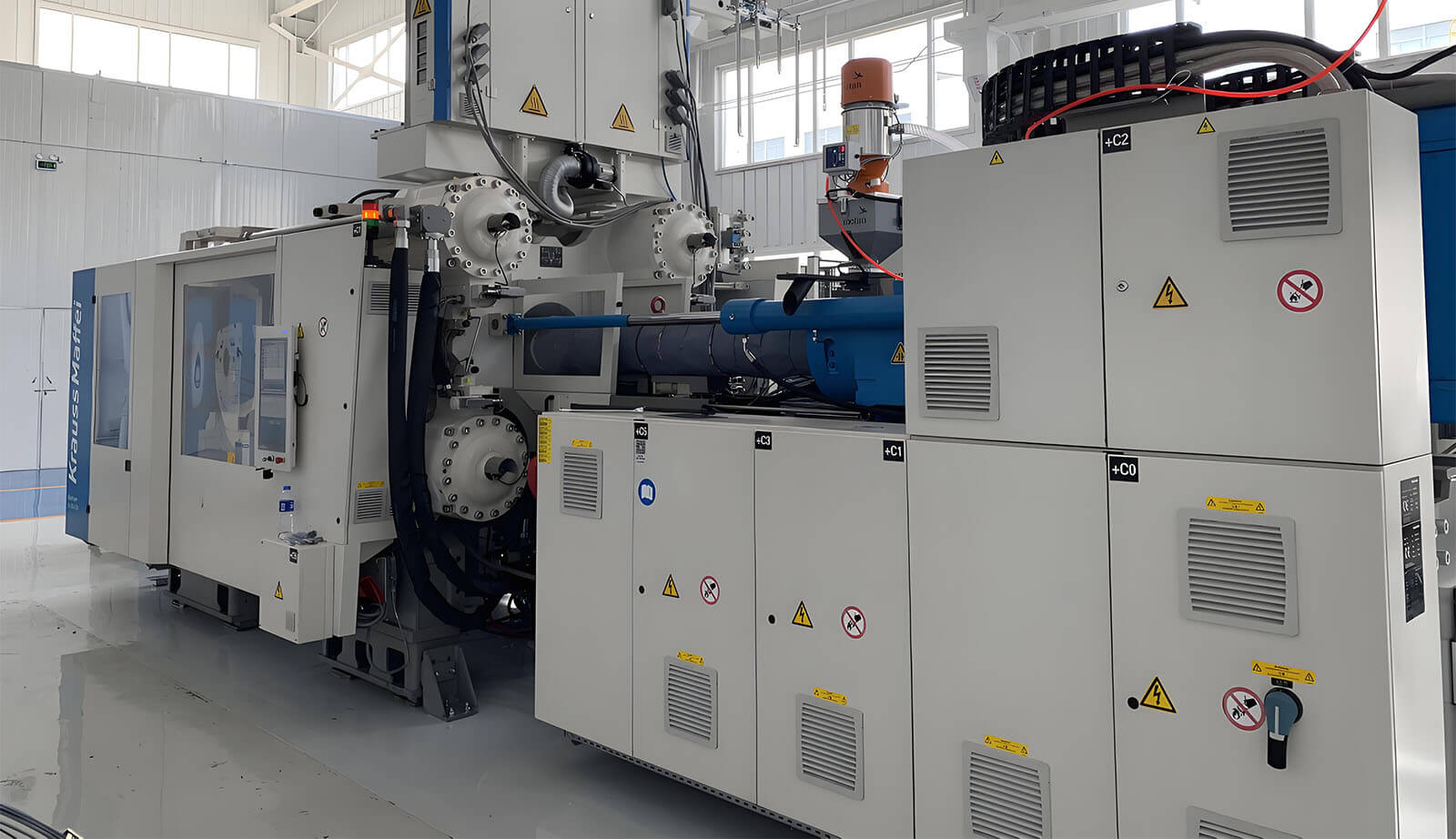
В качестве настройка завод композитов, Мы применяем принципы производства композитных материалов в аэрокосмической промышленности и автоспорте для монтажа солнечных батарей.
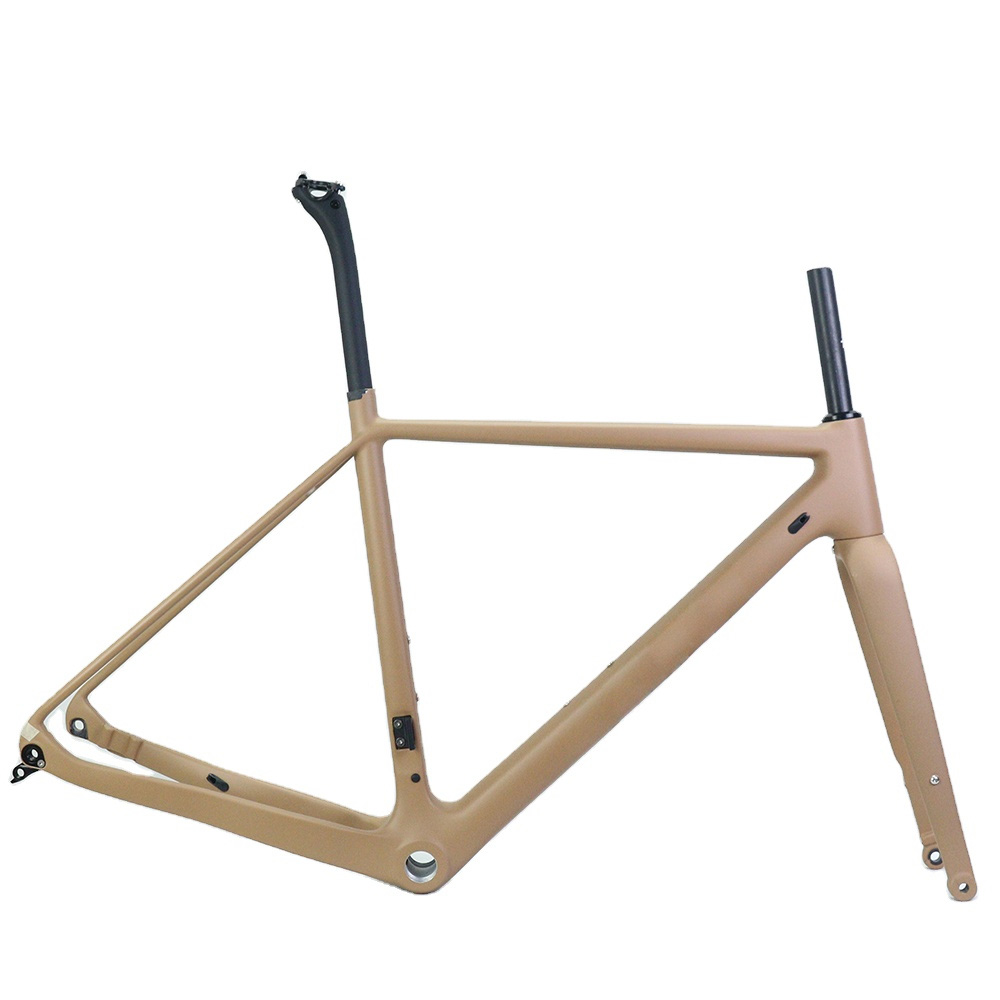
Те же инженерные методики, которые используются в углепластиковые автомобили-включая выбор материала, дизайн ламината и контроль качества - применяются для обеспечения стабильных структурных характеристик.
Каждый монтажный компонент проходит контроль размеров и технологический контроль для обеспечения повторяемости и долговременной надежности.
Модульная конструкция для практичной установки
Системы крепления солнечных батарей из углеродного волокна предназначены для эффективная установка и масштабируемость. Модульные компоненты обеспечивают гибкость конфигураций, устанавливаемых на крыше и на земле.
Типичные характеристики включают:
- Возможность регулировки угла наклона (примерно 10°-60°)
- Предварительно спроектированные интерфейсы зажимов
- Предварительно просверленные точки подключения
- Структурные соединители для удлиненных массивов
Эти модульные конструкции сокращают время монтажа, сохраняя при этом целостность конструкции.
Стандарты и соответствие
Компоненты системы разработаны с учетом соответствующих международных стандартов, включая требования UL 2703 и IEC. Возможно проведение сертификации и испытаний третьей стороной по запросу, В зависимости от объема и конфигурации проекта.
Для применения в конкретных регионах может быть оказана инженерная поддержка:
- Зоны ураганов высокой скорости (HVHZ)
- Сейсмические соображения
- Требования местных строительных норм и правил
Сценарии применения, в которых углеродное волокно превосходит все остальные
Прибрежные и коррозионные среды
Устойчивость углеродного волокна к солевому туману и влажности делает его хорошо подходящим для установки в прибрежных районах, где металлические системы подвергаются ускоренной деградации.
Коммерческая и коммунальная солнечная энергия
Для больших солнечных батарей уменьшение веса конструкции снижает транспортные расходы и упрощает обработку на месте. Модульные конструкции из углеродного волокна также поддерживают масштабируемое развертывание на больших площадях.
Плавучие солнечные установки
Плавающие фотоэлектрические системы выигрывают от легких, непроводящих монтажных конструкций. Устойчивость углеродного волокна к влаге и коррозии обеспечивает надежное решение для водных установок.
Снеговая нагрузка и горные регионы
Низкая теплопроводность снижает накопление льда и помогает сохранить стабильность конструкции при повторяющихся циклах замораживания-оттаивания в регионах с высоким уровнем снега.
Интегрированный в здание фотоэлектрический модуль (BIPV)
Архитектурные солнечные системы требуют чистых линий и минимального визуального воздействия. Монтажные системы из углеродного волокна хорошо интегрируются в современный дизайн зданий и передовые концепции BIPV.
Портативные и специализированные солнечные системы
Легкие композитные монтажные системы подходят для мобильных, временных или удаленных солнечных установок, где важна транспортная эффективность и быстрое развертывание.
Стоимость по сравнению с ценностью жизненного цикла
Системы крепления солнечных батарей из углеродного волокна обычно требуют больших первоначальных инвестиций, чем алюминиевые альтернативы. Однако, Общая стоимость жизненного цикла часто ниже из-за:
- Увеличенный срок службы
- Минимальные требования к обслуживанию
- Снижение количества отказов, связанных с коррозией
- Снижение затрат на транспортировку и установку
Для долгосрочных проектов эксплуатационные характеристики в течение всего срока службы часто перевешивают первоначальные затраты на материалы.
Гарантия и поддержка
Системы поддерживаются 10-летняя ограниченная гарантия на материалы и конструктивные характеристики, в соответствии со стандартными условиями и положениями.
Рекомендации по установке
Оценка крыши
Даже при использовании легких монтажных систем перед установкой всегда следует оценить состояние крыши и ее грузоподъемность.
Оптимизация наклона
Настраиваемые конфигурации наклона позволяют оптимизировать положение под сезонными углами солнца, повышая энергоотдачу в разных широтах.
Электрическое заземление
Хотя углеродное волокно является непроводящим, фотоэлектрические модули и электрические системы все равно должны быть заземлены в соответствии с действующими электротехническими нормами.
Перспектива устойчивого развития
Монтажные системы из углеродного волокна хорошо согласуются с долгосрочными целями устойчивого развития. Их долговечность сокращает циклы замены, а производство композитов позволяет избежать высокой энергоемкости, связанной с выплавкой алюминия.
Производственные процессы соответствуют контролируемым экологическим нормам, а композитные материалы могут быть повторно использованы по окончании срока службы.
Совместимые солнечные технологии
Системы крепления из углеродного волокна совместимы с:
- Монокристаллические и поликристаллические панели
- Тонкопленочные и бифасиальные модули
- Фиксированные наклонные и следящие системы
Они интегрируются с современными инверторами, накопителями энергии и системами мониторинга.
Начало работы
Каждый проект начинается с анализа дизайна, основанного на:
- Технические характеристики панели
- Среда установки
- Местные ветровые и снеговые нагрузки
- Предпочтительная конфигурация крепления
Как специалист по индивидуальное углеродное волокно Мы поддерживаем как стандартные, так и полностью индивидуальные решения для монтажа солнечных батарей.
Заключительные мысли
Системы крепления солнечных батарей из углеродного волокна представляют собой решение нового поколения для инфраструктуры возобновляемых источников энергии, Особенно в тех областях применения, где важны легкость конструкции, коррозионная стойкость и долговечность.
Применяя проверенные принципы композитного проектирования для монтажа солнечных батарей, эти системы предлагают надежную альтернативу традиционным металлическим конструкциям без ущерба для производительности и долговечности.
Если вы рассматриваете передовые материалы для высокопроизводительных солнечных установок, монтажные системы из углеродного волокна заслуживают серьезного внимания.