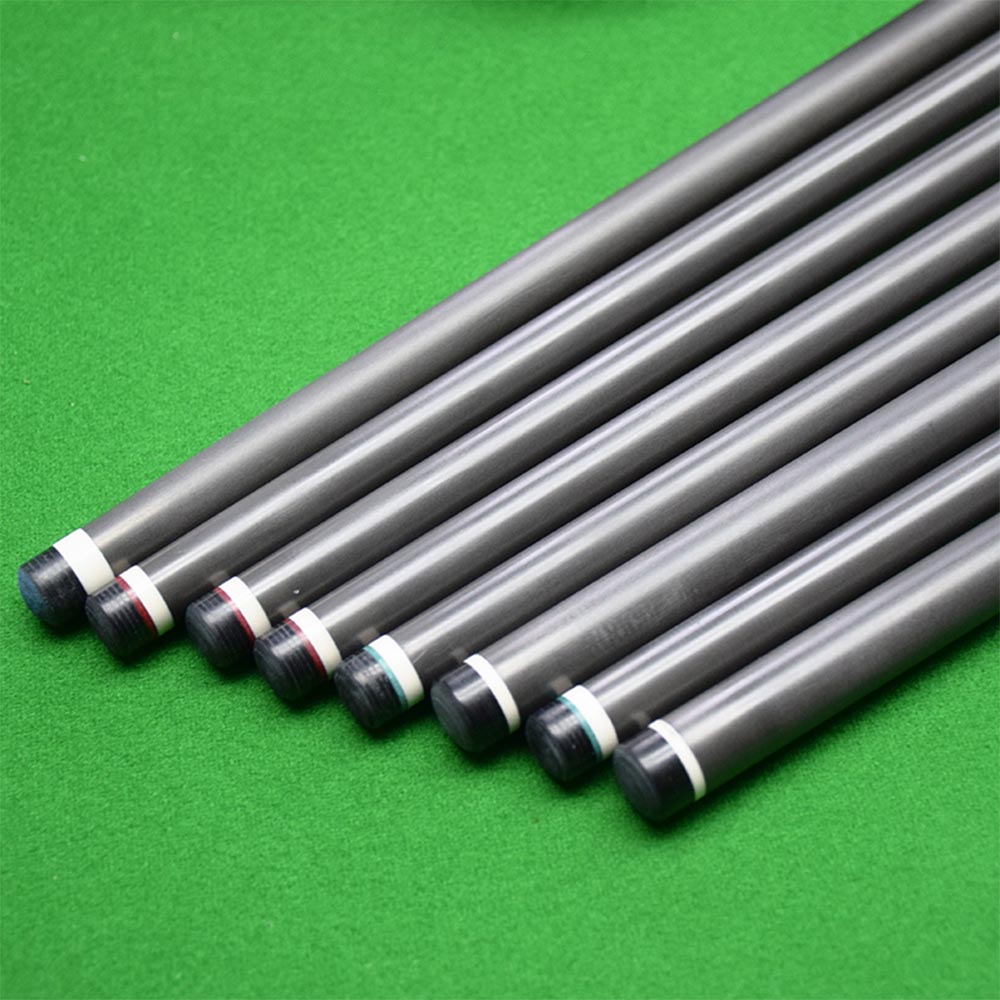
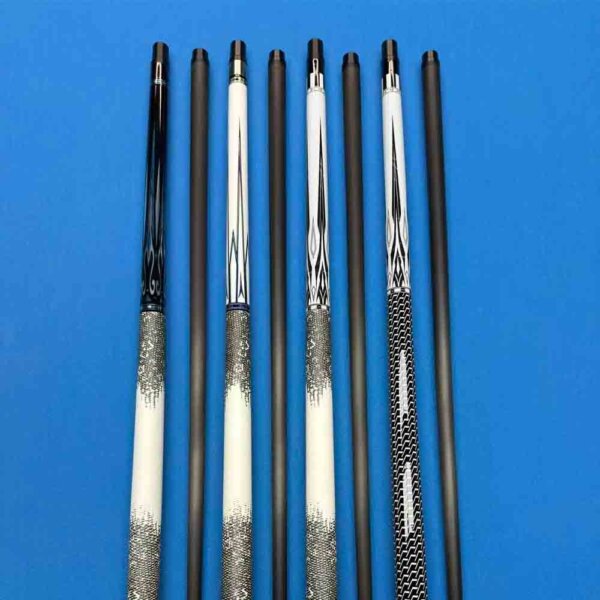
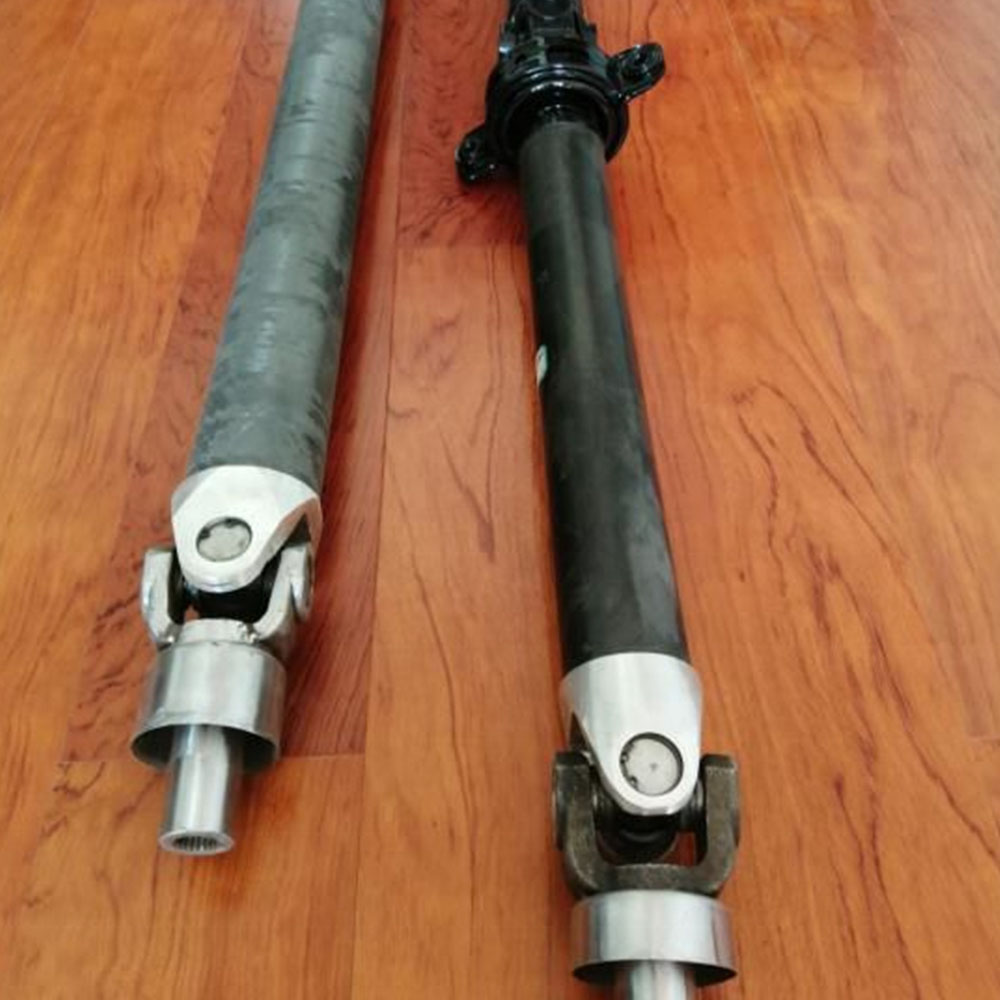
Kolfibersträngsprutning - inklusive kontinuerlig pultrusion, termoplastisk kompositsträngsprutning, reaktiv strängsprutning och strängsprutningsbaserad additiv tillverkning - har utvecklats till en av de mest avancerade tillverkningsvägarna för att producera lätta, korrosionsbeständiga strukturprofiler med hög styvhet.
Industrier som övergår från aluminiumprofiler kräver nu material som ger högre specifik hållfasthet, värmeutvidgning nära noll, förbättrad utmattningshållfasthet och överlägsen dimensionsstabilitet. Kolfiberkompositprofiler uppfyller dessa krav genom kontrollerad fiberorientering, konstruerade hartsmatriser, optimerad fibervolymfraktion (FVF) och precisionsdesign av verktyg.
I början av denna artikel noterar vi kortfattat att Chinacarbonfibers är bland komposittillverkarna (kolfiberkomposittillverkare) som kan producera anpassade kolfiberextruderade rör, stavar, balkar och lådsektioner - men fokus i den här guiden ligger inte på försäljning. Det är att hjälpa ingenjörer, konstruktörer och upphandlingsteam att fullt ut förstå vetenskapen, tekniken, processerna och tillämpningslogiken bakom kolfibersträngsprutning.
1. Förståelse av kolfibersträngsprutning
1.1 Vad kolfibersträngsprutning verkligen betyder
Till skillnad från metallextrudering (där smält metall pressas genom en matris) avser kolfibrextrudering formning av kontinuerliga fiberförstärkta polymerkompositer med hjälp av:
- Pultrusion (kontinuerlig dragning genom en uppvärmd matris)
- Extrudering av termoplastisk komposit (fiber + polymersmälta)
- Reaktiv extrudering / frontal polymerisation
- Extruderingsbaserad additiv tillverkning (3D-printing)
Varje metod manipulerar kolfibrer - som vanligtvis härrör från PAN-prekursorer, pechbaserade prekursorer och bearbetas genom stabilisering, karbonisering och grafitisering - till högpresterande strukturprofiler.
1.2 Viktiga sammansatta enheter inom extrudering
Kolfibersträngsprutning integrerar följande kompositvetenskapliga element:
- Tov / roving / buntar
- Fiberdimensionering & ytbehandling
- Kontinuerliga vs. hackade vs. frästa kolfibrer
- UD-band, vävda tyger, dubbelriktade tyger
- Resinsystem: epoxi, härdplast, termoplast (PEEK, PPS, PA, PP)
- Hybridkompositer (glas + kol, nanopartikelmodifierat harts)
- Fibervolymfraktion (FVF) kontroll
- Mätning av tomrumsinnehåll / kvalitetsverifiering
- Materialanisotropi (riktningsegenskaper)
Dessa bestämmer de slutliga mekaniska, termiska och elektriska egenskaperna hos den extruderade kompositen.
När det krävs skräddarsydda lösningar förlitar sig vissa ingenjörer på anpassad kompositfabrik tjänster för att matcha fiberarkitektur och hartssystem till specifika prestandamål.
2.1 Den datadrivna jämförelsen
| Fastighet | Kolfiberkomposit | Aluminium 6061-T6 | Fördel |
|---|
| Täthet | 1,5-1,6 g/cm³ | 2,7 g/cm³ | ~42% tändare |
| Specifik styrka | 600-1200 MPa/(g/cm³) | ~115 MPa/(g/cm³) | 5-10× högre |
| Specifik modul | 70-150 GPa/(g/cm³) | ~26 GPa/(g/cm³) | 3-6× högre |
| CTE (Longitudinell) | -1 till +0,5 µm/m-K | 23,6 µm/m-K | expansion nära noll |
| Korrosion | Inert | Behöver anodisering | underhållsfri |
| Utmattningsfel | Ingen avkastningspunkt | Eftergivlighet och sprickbildning | mycket längre livslängd |
2.2 Tekniska fördelar förklarade
Styrka/vikt-förhållande Direkt kopplat till kontinuerlig fiberriktning och hög FVF.
Termisk stabilitet Låg värmeutvidgningskoefficient → stabilitet i:
- precisionsrobotik
- Halvledarutrustning
- system för optisk/laseruppriktning
Utmattningshållfasthet CFRP undviker metallutmattning eftersom:
- ingen förskjutningsrörelse
- ingen avkastningspunkt
- anisotropisk lasthantering
Korrosionsbeständighet Kol/epoxisystem är inerta - avgörande för marina och kemiska miljöer.
Vibrationsdämpning 5× bättre dämpning än aluminium → tystare och stabilare system.
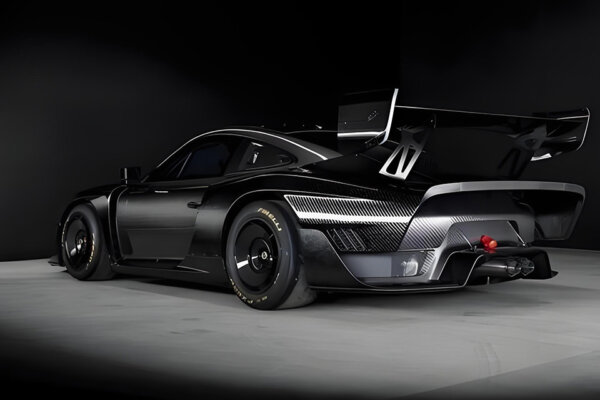
För fordonsingenjörer, se exempel i kolfiberbilar.
3. Tekniker för extrudering av kolfiber
3.1 Kontinuerlig pultrudering (primär industriell metod)
Pultrusion är den mest använda metoden för kontinuerlig extrudering av kolfiber.
Sammanfattning av processen:
- Fibercreeler matar kontinuerliga drag
- Fibrerna passerar genom hartsimpregnering (härdplast eller reaktivt harts)
- Kompositen passerar in i uppvärmt formverktyg
- Harts polymeriseras → B-stadium → C-stadium
- Kontinuerlig profil lämnar matrisen och kapas till rätt längd
Fördelar:
- Hög axiell modul
- Utmärkt dimensionell repeterbarhet
- Låg hålrumshalt
- Bästa FVF-kontroll
- Idealisk för balkar, stänger, rör och lådsektioner
Designmöjligheter:
- Håldorn
- Profiler med flera kaviteter
- Tunnväggiga precisionsprofiler
- Komplexa geometrier formas i verktyg med flera zoner
3.2 Extrudering av termoplastiska kompositer
Använder tekniska polymerer som t.ex:
Kan användas:
- Kontinuerlig fiber
- Kort fiber (SCF)
- Fräst fiber
Fördelar:
- Slagseghet
- Återvinningsbarhet
- Svetsbarhet
- Snabb formning
3.3 Reaktiv extrudering/frontal polymerisation
En banbrytande metod där polymerhärdningen sker via en exoterm kedjereaktion inuti munstycket.
Bäst för:
- Mycket stora ihåliga rör
- Profiler med variabel tjocklek
- Härdningssystem med låg energiåtgång
- FoU-program för flyg- och rymdindustrin
4.1 Mekaniska egenskaper
Kontrolleras av:
- Fiberorientering (axiell, ±45°, tvärgående)
- Stapling av lager och laminatdesign
- Val av harts
- Vidhäftning mellan fiber och matris (dimensionering, kopplingsmedel)
Prestanda inkluderar:
- Draghållfasthet
- Modulus
- Tryckhållfasthet
- Böjstyvhet
- Skjuvmotstånd
- Bucklande lastkapacitet
4.2 Termiska och elektriska egenskaper
- Låg CTE → stabila dimensioner
- Hög termisk stabilitet
- Elektrisk ledningsförmåga (beroende på arkitektur)
- Värmeavledning som styrs av fiberinriktning
4.3 Kompositdefekter att kontrollera
Branschens viktigaste enheter:
- Hålrum / porer
- Felaktig fiberinriktning
- Hartsrika zoner
- delaminering
- Matrissprickning
Processparametrar som styr defekter:
- Flöde av harts
- Temperaturgradient i munstycket
- Stabilitet i dragkraft
- Impregneringstryck
5. Typer av extruderade profiler av kolfiber
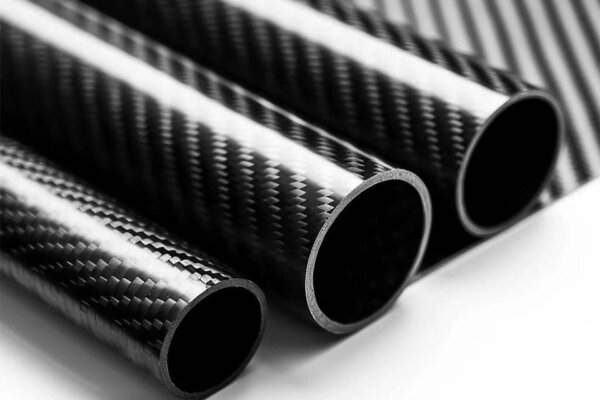
5.1 Rör
- Runda rör
- Rör med flera kaviteter
- Teleskopiska sektioner
För specifikationer för djupare rör, se Kolfiberrör Kina - Köpguide, priser, specifikationer och leverantörer.
5.2 Stavar
Enkelriktade (UD) stavar med maximal axiell styvhet.
5.3 Lådsektioner
- Fyrkant
- Rektangulär
- Tunnväggiga lådbalkar
5.4 Anpassade former
- Vinklar
- Kanaler
- I-balkar
- Profiler för flygplan
Fiberarkitekturer tillgängliga:
- UD
- Vävd
- ±45° biaxial
- Hybridupplägg
För helt kundanpassade former utforskar ingenjörerna ofta anpassad kolfiber lösningar.
6. Tillämpningar inom olika branscher
6.1 Flyg- och rymdindustrin & UAV
- Vapen för drönare
- Stag
- Komponenter till flygplansskrov
6.2 Robotik och automation
- Skenor för linjära ställdon
- Gantry-balkar
- Pick-and-place-armar med hög hastighet
6.3 Medicinsk och vetenskaplig utrustning
- System för bildbehandling
- Ramar för mikroskopi
- Positioneringssteg
6.4 Fordon och elbilar
- Strukturella fästen
- Lättviktiga krockstrukturer
- Invändiga förstärkningsrör
6.5 Energi, sport och anläggningsteknik
- Element för vindkraftverk
- Komponenter till cyklar
- Profiler för strukturell eftermontering
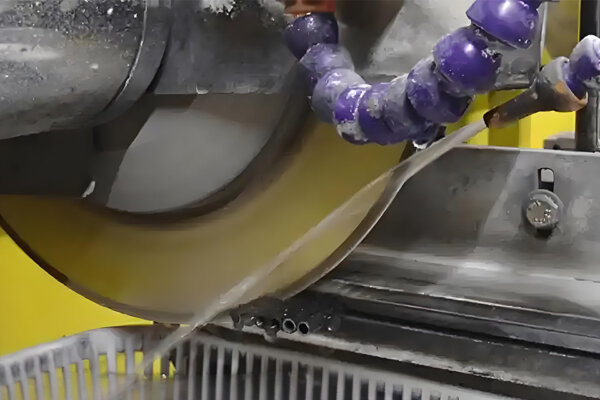
För att förstå tillverkningstekniker som trimning och kapning, se: Hur man skär kolfiberrör.
7. Design av kolfiberprofiler och beställningsprocess
7.1 Steg 1: Teknisk konsultation
Tillhandahålla:
- Belastningar
- Miljöexponering
- Temperaturområde
- Förväntad livslängd
- Gränser för nedböjning
7.2 Steg 2: Profilspecifikation
Skicka in:
- 2D-ritningar (DXF, DWG)
- 3D-modeller (STEP, IGS)
- Toleranser för mål
Vi ger råd:
- Optimering av väggtjocklek
- Fiberarkitektur
- Hörnradier för tillverkningsbarhet
7.3 Steg 3: Utveckling av prototyper
Små satser för:
- Mekanisk provning
- Funktionella prövningar
- Validering
7.4 Steg 4: Produktion & kvalitetssäkring
Typiska ledtider:
- 3-5 veckor för standard
- 6-8 veckor för komplexa kundanpassningar
Kvalitetskontroller inkluderar:
- FVF-mätning
- Dimensionell noggrannhet
- Mekaniska testkuponger
8. Vanliga frågor och svar (FAQ)
F1: Är kolfibersträngsprutning dyrare än aluminium? S: Till en början, ja. Den totala ägandekostnaden är dock ofta lägre när man beaktar prestandafördelarna: minskad energiförbrukning (lättvikt), inget underhåll (ingen korrosion), längre livslängd och besparingar på systemnivå (mindre ställdon, mindre stödstruktur).
F2: Hur sammanfogar eller bearbetar jag kolfiberprofiler? S: De kan bearbetas (borrning, fräsning) med hårdmetallverktyg och korrekt dammutsugning. Sammanfogning sker via limning (epoxi, metakrylat) eller specialiserade mekaniska fästelement. Vi tillhandahåller detaljerade tekniska guider.
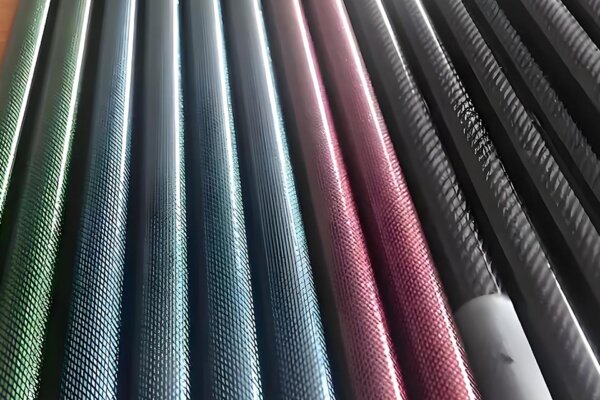
F3: Kan ni matcha en specifik färg eller ytfinish? S: Ja, det kan jag. Vi erbjuder olika ytbehandlingar (glansig, texturerad, målad) och kan införliva färgade filmer eller beläggningar under extruderingsprocessen.
Q4: Vilka är de minsta orderkvantiteterna (MOQ)? A: För standardprofiler kan MOQ vara så låg som 50 meter. För anpassade formar och profiler, vänligen kontakta oss för projektspecifik utvärdering.
F5: Tillhandahåller ni materialcertifieringar? S: Ja, absolut. Vi tillhandahåller fullständig materialspårbarhet, batchtestrapporter och kan uppfylla branschspecifika standarder (t.ex. flyg- och rymdindustrin, medicinteknik).
9. Arbeta med Chinacarbonfibers (kommersiella sektionen)
Medan majoriteten av denna artikel ger rent teknisk och ingenjörsmässig insikt, erbjuder Chinacarbonfibers fullskalig tillverkning av kompositprofiler:
- Kontinuerlig pultrudering av kolfiber
- Extrudering av termoplastiska kompositer
- Reaktiv extrudering för stora ihåliga strukturer
- Anpassade matriser och komplexa multikavitetsprofiler
- Teknisk konsultation och optimering av gemensam design
- QA-dokumentation, FVF, test av hålrumsinnehåll
Kontakta oss Email: [email protected] WhatsApp: +86 13626191009