Vad är ett exoskelett för kolfiberrobotar?
Ett exoskelett av kolfiberrobotar är ett bärbart robotsystem som är utformat för att förbättra människans styrka, uthållighet och rörlighet. Genom att kombinera lättviktsstrukturer av kolfiber med motorer, sensorer och intelligenta styrsystem hjälper dessa exoskelett användarna att lyfta, gå och utföra repetitiva fysiska uppgifter samtidigt som de minskar tröttheten.
Moderna drivna exoskelett, som ofta jämförs med science fiction-koncept, används redan på industriella arbetsplatser, i medicinska rehabiliteringsmiljöer och i försvarsrelaterade forskningsprogram. Deras effektivitet kommer från att integrera kolfiberkompositer av flyg- och rymdkvalitet med avancerad robotteknik som utvecklats av erfarna kolkomposittillverkare.
Varför kolfiber är viktigt
Kolfiber är allmänt känt för sina exceptionellt förhållande mellan styrka och vikt, och erbjuder betydligt högre styvhet än många traditionella metaller samtidigt som den är betydligt lättare. Viktiga fördelar inkluderar:
- Hög strukturell styvhet vid låg vikt
- Motståndskraft mot korrosion och miljöexponering
- Kontrollerad flexibilitet för ergonomisk rörelse
Dessa egenskaper gör kolfiber särskilt lämplig för bärbar robotteknik, där överdriven vikt eller styvhet skulle minska komforten och öka skaderisken.
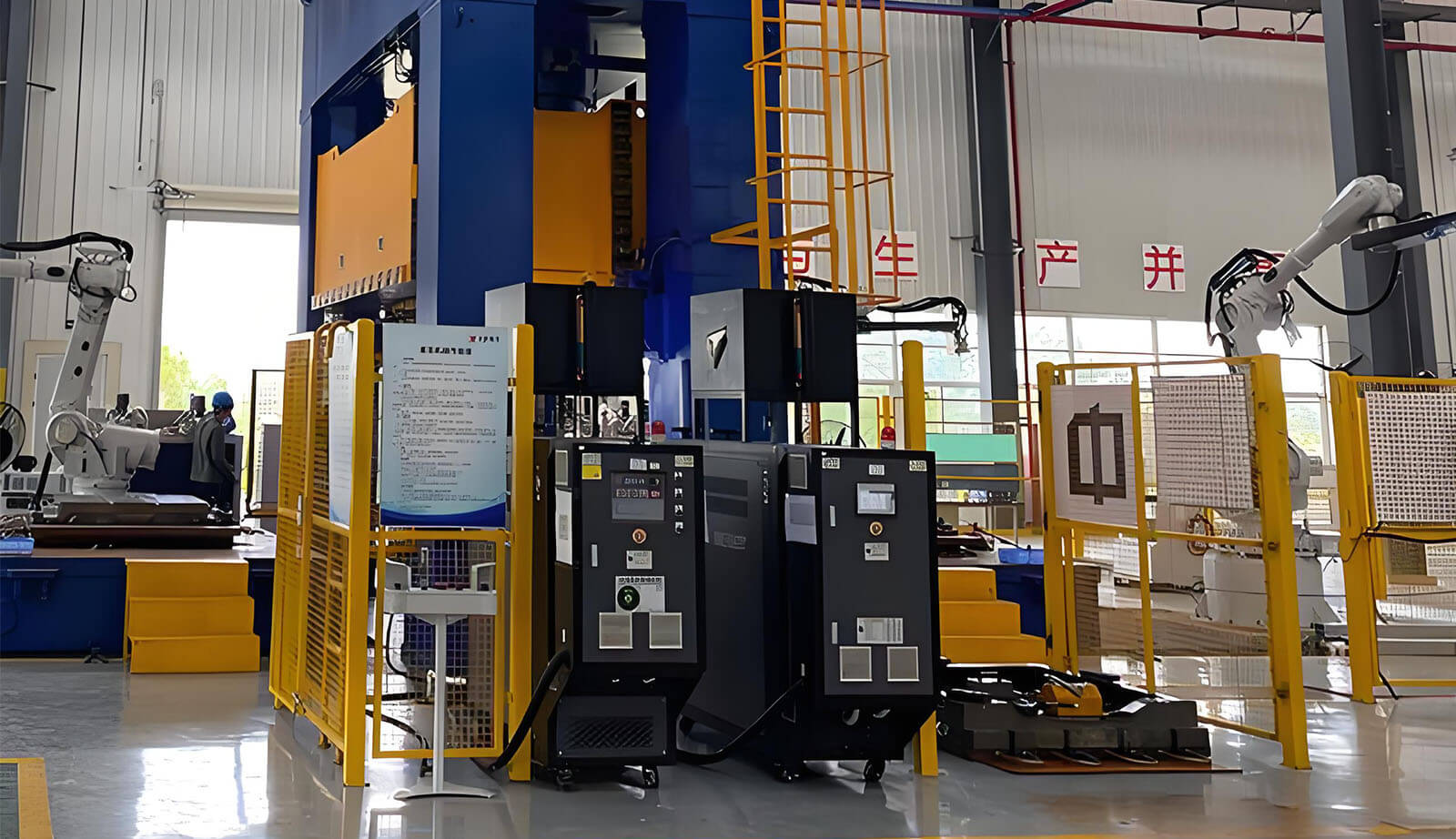
Vår tillverkningsprocess för kolkomposit - utvecklad inom ett professionellt anpassad kompositfabrik- är utformad för att producera höghållfasta, lätta strukturella ramar som är optimerade för exoskelettapplikationer för robotar.
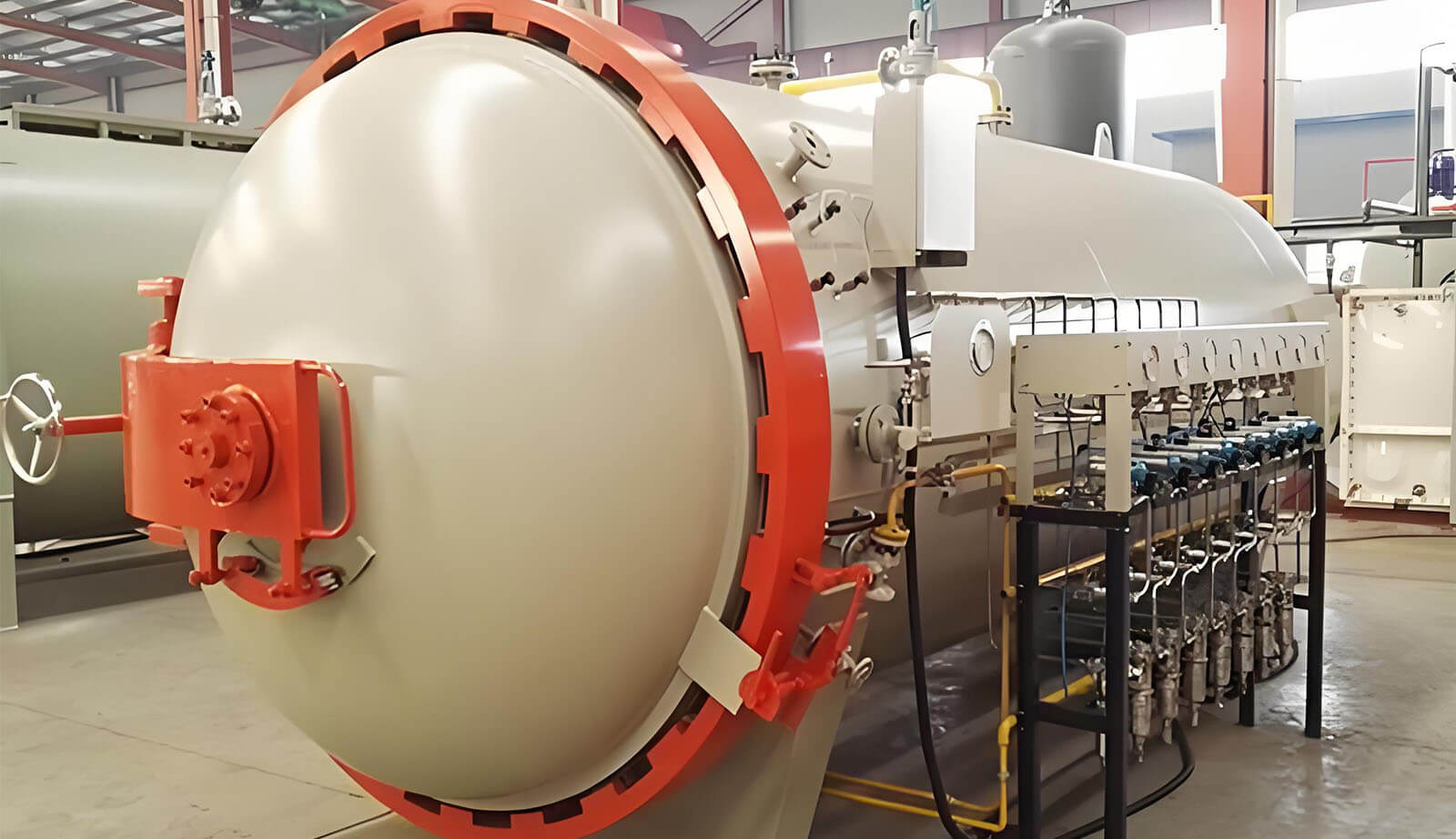
I många fall inkluderar detta tekniker med slutna formar som t.ex. RTM-process för kolfiber, vilket möjliggör exakt fiberplacering, jämn väggtjocklek och utmärkt ytkvalitet - viktiga krav för bärbara robotstrukturer.
Hur fungerar ett exoskelett för robotar?
Ett exoskelett för robotar består vanligtvis av fyra centrala delsystem:
1. Kolfiberram
Systemets strukturella ryggrad. Kolfiberförstärkning bildar lastbärande komponenter som följer människans anatomi, vilket möjliggör naturlig rörelse samtidigt som styrkan bibehålls under mekanisk belastning. Liknande strukturella principer tillämpas också i avancerade kolfiberbilar där viktreducering och styvhet är avgörande.
2. Motorer och ställdon
Dessa komponenter ger assisterad rörelse och laststöd. Vanliga ställdonssystem inkluderar:
- Elektriska motorer för jämn och tyst drift
- Hydraulsystem för applikationer med höga krafter
- Pneumatiska system som använder kontrollerat lufttryck
3. Sensorer och intelligent styrning
Rörelsesensorer registrerar ledens position, hastighet och kraft. Intelligenta styralgoritmer tolkar dessa signaler för att ge respons i nära realtid, vilket möjliggör smidig och intuitiv assistans.
Vissa avancerade forskningsplattformar utforskar gränssnitt för biosignaler, t.ex. EMG-baserad muskelavkänning, som fortfarande är under aktiv utveckling och utvärdering.
4. Batterisystem
De flesta drivna exoskelett använder litiumjonbatterisystem som är konstruerade för flera timmars drift. Beroende på konfiguration kan batterierna i vissa system bytas ut utan att hela systemet behöver tas bort.
Olika typer av exoskelett i kolfiber
Olika applikationer kräver olika exoskelettkonstruktioner. Nedan följer en förenklad översikt:
Industriella exoskelett (hjälp på arbetsplatsen)
Utformad för att stödja arbetare i lager, fabriker och byggmiljöer.
Typiska tillämpningar
- Repetitiva lyft och hantering
- Användning av overheadverktyg
- Minskad trötthet
Systemen i denna kategori är utformade för att avsevärt minska den upplevda fysiska belastningen, vilket bidrar till att minska påfrestningarna under längre arbetsperioder. Industriella program rapporterar meningsfulla minskningar av muskuloskeletal stress när systemen är korrekt integrerade.
Medicinska exoskelett (Rehabilitering & Mobilitet)
Används i kliniska och terapeutiska miljöer för att hjälpa personer som återhämtar sig från neurologiska eller muskuloskeletala tillstånd.
Typiska tillämpningar
- Gångträning och gånghjälpmedel
- Rehabilitering efter stroke och ryggmärgsskada
- Terapi med kontrollerade rörelser
Medicinska robotsystem används ofta på sjukhus och rehabiliteringscenter, där strukturerade program rapporterar förbättrad behandlingseffektivitet och patientengagemang jämfört med konventionella metoder.
Utvecklad för lastbärande stöd och förbättrad uthållighet i krävande miljöer.
Typiska tillämpningar
- Omfördelning av utrustningens belastning
- Utökad rörlighet under tung utrustning
- Forskning om ökad uthållighet hos människor
Försvarsorganisationer och statligt finansierade forskningsprogram har utvärderat exoskeletteknologier för hållbarhet, belastningsstöd och operativ uthållighet i kontrollerade testmiljöer.
exoskelett för konsumenter och hjälpmedel
Lättviktssystem avsedda för dagligt stöd snarare än kraftfull kraftförstärkning.
Typiska tillämpningar
- Stöd för hållning
- Stöd för nedre delen av ryggen
- Mobilitetsstöd för åldrande användare
Dessa system är ofta passiva eller semiaktiva och fokuserar på komfort, användarvänlighet och långsiktig bärbarhet.
Översikt över produktspecifikationer
| Funktion | Industriell | Medicinsk | Försvar | Konsument |
|---|
| Typisk vikt | ~12 kg | ~8 kg | ~15 kg | ~6 kg |
| Hjälp med lastning | Hög | Måttlig | Hög | Låg |
| Batteriets varaktighet | Flera timmar | Flera timmar | Utökad | Begränsad |
| Aktivering | Elektrisk / Hydraulisk | Elektrisk | Elektromekanisk | Passiv |
| Primär användning | Stöd på arbetsplatsen | Rehabilitering | Lastens uthållighet | Daglig assistans |
Specifikationerna varierar beroende på konfiguration och tillämpning.
Fördelar med exoskelett av kolfiber
Minskning av skaderisker
Exoskelettsystem är utformade för att omfördela mekanisk belastning från sårbara leder och ryggrad, vilket minskar den fysiska belastningen under krävande arbetsuppgifter.
Produktivitet och uthållighet
Genom att underlätta förflyttning och lasthantering kan användarna utföra sina uppgifter mer effektivt och samtidigt bibehålla en jämn produktion.
Kostnadseffektivitet
Organisationer kan dra nytta av minskad skaderelaterad stilleståndstid, förbättrad hållbarhet för arbetskraften och effektivare arbetsfördelning.
Förbättringar av livskvaliteten
Hjälpmedelssystem kan hjälpa användare att återfå sin rörlighet, behålla sitt oberoende och utföra dagliga aktiviteter med större självförtroende.
Applikationsscenarier i den verkliga världen
- Logistik & lagerhållning: Hjälp med lasthantering och repetitiva lyft
- Byggande: Stöd för huvudverktyg och hjälp med hållning
- Hälso- och sjukvård: Kontrollerad gångrehabilitering och terapistöd
- Nödläge & räddning: Stabilitet och lastassistans i farliga miljöer
- Jordbruk: Stöd för böjning och lyft vid långvarigt utomhusarbete
Hur man väljer rätt exoskelett
Viktiga överväganden inkluderar:
- Avsedd användning (industri, medicin, hjälpmedel, forskning)
- Erforderligt laststöd och rörlighetsområde
- Budget och driftsättningsskala
- Behov av anpassad strukturell design eller passform
Specialiserade applikationer - som pediatrisk rehabilitering eller protesintegration - kräver ofta anpassad kolfiber strukturer som utvecklats av en erfaren tillverkare av kolfiberkomposit.
Överväganden om standarder och certifiering
Exoskeleton-program kan innebära överensstämmelse med:
- Regler för medicintekniska produkter (t.ex. FDA, CE)
- Kvalitetssystem (t.ex. ISO 13485)
- Miljö- och hållbarhetsstandarder (t.ex. MIL-STD-testning)
Konstruktioner utvecklas vanligtvis för att överensstämma med tillämpliga standarder, och certifiering eftersträvas baserat på tillämpningsområde och myndighetskrav.
Framtida trender inom exoskeletteknik
- Mjuka robotdräkter med hjälp av flexibla textilier och sensorer
- AI-driven adaptiv styrning som förbättrar personanpassningen över tid
- Energieffektiva manöver- och batterisystem
- Ökad tillgänglighet genom modulär och skalbar design
Pågående forskning tyder på en fortsatt utveckling mot mer intuitiva, lättviktiga och användarvänliga system.
Varför välja våra lösningar för exoskelett i kolfiber?
Vi arbetar tillsammans med robotikteam, ingenjörer och systemintegratörer för att leverera anpassade kolfiberstrukturer för exoskelettplattformar, med stöd av intern teknik och produktionskapacitet för kompositmaterial.
Vår kapacitet inkluderar:
- Kolfibermaterial av flyg- och rymdkvalitet
- Strukturell design optimerad för bärbar robotik
- Prototyputveckling och serieproduktion
- OEM / ODM tillverkningsstöd
Våra konstruktioner fokuserar på styrka, hållbarhet och ergonomisk integration, vilket ger stöd åt projekt inom industri, medicin och forskning.
Vanliga frågor
Hur mycket kostar ett exoskelett i kolfiber? Priserna varierar kraftigt beroende på komplexitet och tillämpning, från hjälpmedelssystem på nybörjarnivå till avancerade industri- eller forskningsplattformar.
Hur länge räcker batteriet? De flesta strömförsörjda system är i drift i flera timmar, beroende på belastning och användningsprofil.
Krävs det utbildning? Passiva system kräver minimal utbildning. Aktiva system omfattar vanligtvis introduktion och operativ vägledning.
Vilket underhåll krävs? Kolfiberstrukturer kräver minimalt underhåll, men regelbunden inspektion rekommenderas för professionella system.
Starta ditt exoskelettprojekt
Oavsett om du utvecklar en industriellt stödsystem, a plattform för medicinsk rehabilitering, eller en avancerad forskning exoskelett, kan vi stödja ditt projekt från idé till produktion.
Nästa steg
- Begär teknisk konsultation
- Diskutera OEM / ODM-utvecklingskrav
- Definiera konstruktions- och materialspecifikationer
Framtidens styrka och rörlighet byggs i dag. Bygg den med kolfiber. Bygg den med oss.