
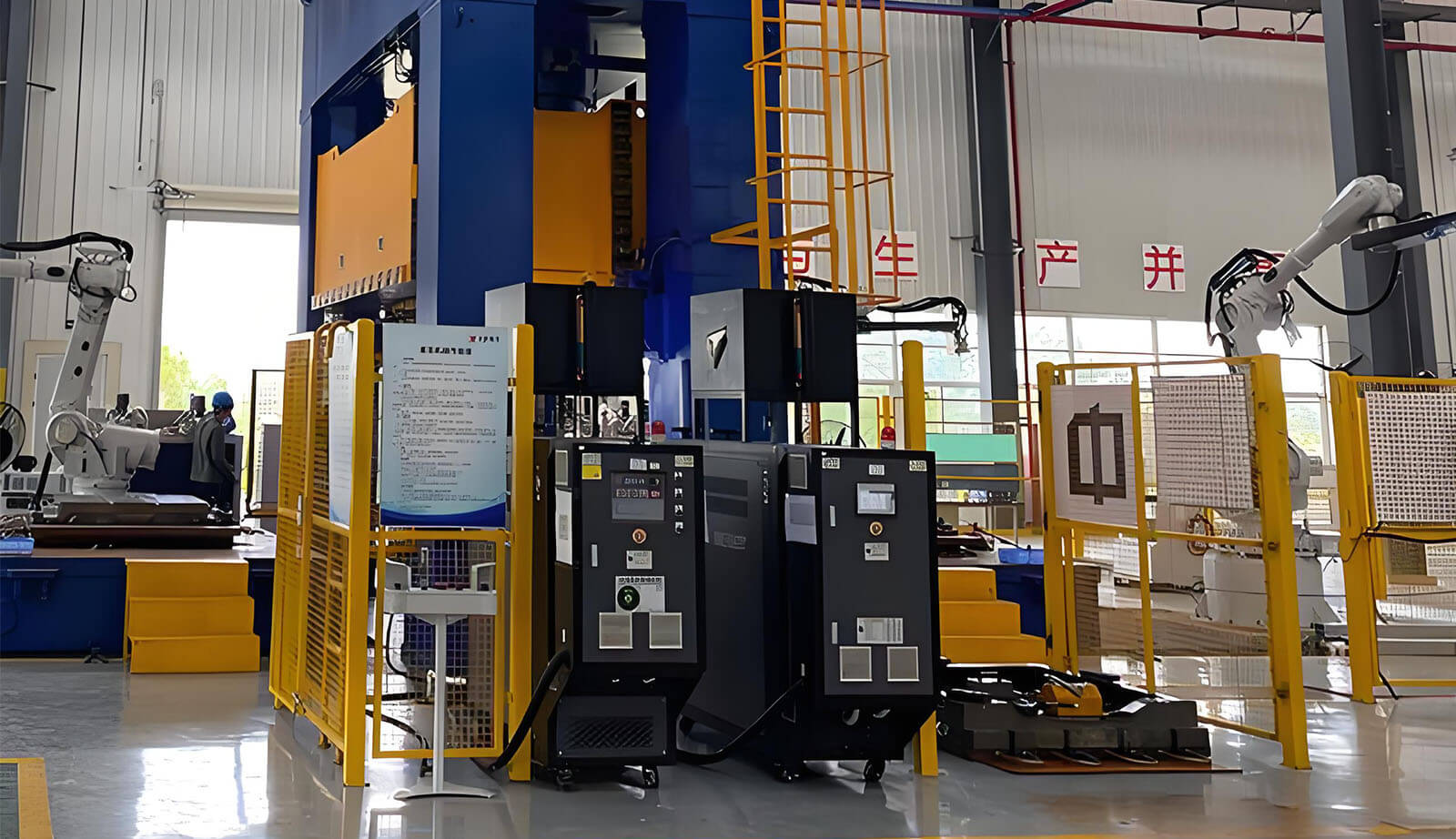
Kolfiberkompositmaterial Varmpressningsformningsprocess
Vår fabrik använder en avancerad kolfiber varmpressprocess med en P20 stålform, vilket säkerställer hög effektivitet, precision, hållbarhet och kostnadseffektivitet för kvalitetsproduktion.
Imagine building a car that’s 50% tändare men three times stronger than steel. That’s what a carbon fiber chassis does. It’s not magic—it’s science.
A carbon fiber chassis forms the backbone of your vehicle. Unlike heavy steel frames, this uses kolfiberförstärkt polymer (CFRP). We weave tiny carbon threads together with epoxiharts. The result? A structure that’s incredibly light yet tough enough to survive crashes.
McLaren, Ferrari, och Lamborghini don’t use carbon fiber just to look cool. They use it because it works. Their supercar chassis needs to be light for speed but strong for safety. A monocoque-chassi made from carbon fiber checks both boxes.
Även Tesla explores carbon composites for electric vehicles. Why? Because lighter cars travel farther on the same battery charge. That’s smart engineering.
Vår anpassad kompositfabrik uses several methods to create your chassis:
Prepreg Carbon Fiber Layup
Autoclave Curing Process
Resin Transfer Molding (RTM)
Compression Molding for Structural Parts
We don’t just build it and ship it. Every chassis goes through:
| Egendom | Kolfiber | Aluminium | Stål |
|---|---|---|---|
| Viktbesparingar | 40-60% tändare | Baslinje | 50% heavier |
| Draghållfasthet | 500-700 MPa | 200-300 MPa | 400-500 MPa |
| Styvhet (modul) | 70-150 GPa | 69 GPa | 200 GPa |
| Motståndskraft mot korrosion | Excellent | Rättvis | Dålig |
| Temperaturområde | -50°C to +120°C | -40°C to +90°C | -30°C to +100°C |
High stiffness-to-weight ratio means your chassis bends less under stress. That improves handling. Your car corners better. It responds faster to steering inputs.
Thermal stability matters when racing. Carbon fiber doesn’t expand or contract much when temperatures change. Your suspension geometry stays consistent lap after lap.
Fatigue resistance ensures longevity. Steel eventually cracks from repeated stress. Carbon fiber can handle millions of cycles without failing.
Formel 1 teams spend millions perfecting their motorsport frame designs. Every car uses a carbon fiber safety cell called a monocoque-chassi. Why?
Le Mans Prototypes och IndyCar also mandate carbon fiber tubs. These aren’t just race cars—they’re rolling laboratories testing tomorrow’s technology.
De EV chassis benefits massively from carbon fiber. Here’s why:
Rimac builds hybrid carbon-aluminum structures for their hypercar. BMW used carbon fiber extensively in their i3 and i8 models. They call it the “Carbon Life Module.”
Vår tillverkare av kolkomposit expertise extends to:
Boeing och Airbus use similar composite materials in aircraft. SpaceX incorporates carbon fiber in rocket components. If it needs to be light and strong, carbon fiber is the answer.
Monocoque Chassis Design
Spaceframe Design
Sometimes we mix materials for the best outcome:
Som ledande anpassad kompositfabrik, vi erbjuder:
Physics is simple: lighter cars accelerate faster. A lightweight chassis design betyder:
Vridstyvhet determines how much your chassis twists under load. Carbon fiber’s high specific modulus betyder:
Modern crash test performance standards are brutal. Carbon fiber excels because:
Let’s be honest: carbon fiber isn’t cheap. Here’s why:
Råvaror: Toray Industries, Hexcel Corporation, och SGL Carbon produce high-grade fibers. T800 carbon fiber costs significantly more than T300.
Labor: Handuppläggning requires skilled technicians. Automated fiber placement (AFP) reduces costs but requires expensive equipment.
Tooling: Molds and autoclaves represent major capital investments.
Final cost depends on geometry, material grade, tooling complexity, and validation requirements.
Carbon fiber pays off when:
OEM kolfiberdelar come from the factory:
Aftermarket carbon parts offer:
Carbon fiber is tough but needs proper care:
Regular Inspections
Cleaning and Protection
Reparationer We can support carbon fiber repair solutions for minor non-structural damage:
Återvunnen kolfiber is becoming more available:
Aluminium chassis are common because they’re affordable. But carbon fiber offers:
Audi R8 uses an aluminum spaceframe with some carbon panels. Full carbon costs more but performs better.
Stål is cheap and easy to weld. Carbon fiber counters with:
NASCAR now allows limited composite bodies because carbon fiber’s safety benefits outweigh tradition.
The future includes:
Self-Healing Composites
Integrated Sensors
AI-Driven Design Optimization
Additive Manufacturing Advancements
Researchers at Fraunhofer Institute och University of Delaware work on:
| Industri | Use Case | Viktig fördel |
|---|---|---|
| Bil | Kolfiberbilar, luxury car carbon options | Speed + safety |
| Motorsport | F1, LMP1, IndyCar monocoques | FIA compliance + protection |
| Flyg och rymd | UAV frames, satellite structures | Weight-critical missions |
| Marin | Racing yacht hulls, submersibles | Korrosionsbeständighet |
| Defense | Armored vehicle components | Blast protection |
| Industriell | Robotics arms, manufacturing tools | Precision rigidity |
If you’re building a competitive vehicle:
Creating a one-off project? We help with:
Developing the next great EV? Consider:
As a premier tillverkare av kolkomposit, we deliver:
✓ Certified Quality: ISO and FIA certification processes compliance ✓ Expert Engineering: Finite element analysis for every design ✓ Flexible Production: From one-off customs to small batch runs ✓ Materialalternativ: T300 till T1100 fibers, multiple resin systems ✓ Fullständig testning: Impact test results, draghållfasthet verification, ultrasonic inspection
We provide complete documentation:
Every chassis includes:
Ready to transform your project with anpassad kolfiber? Here’s what we need:
Contact our team today. We’ll match you with the right kompositmaterial for your specific needs. Whether you’re building the next Koenigsegg competitor or a cutting-edge drone chassis, we’ve engineered solutions for projects just like yours.
Carbon fiber chassis technology isn’t just for million-dollar hypercars anymore. Costs are dropping. Manufacturing is improving. Sustainable carbon fiber initiatives are making it greener.
Från Formula E safety structures till electric vehicle chassis platforms, carbon fiber defines modern high-performance engineering. Its unmatched high stiffness-to-weight ratio, superior slagtålighet, and proven crash energy absorption make it the material of choice when performance matters.
Your project deserves the best. Choose carbon fiber. Choose strength without weight. Choose the future.
Start your carbon fiber chassis project today with the experts who’ve supplied components to racing teams, aerospace programs, and automotive innovators worldwide. Kontakta vår anpassade kompositfabrik and let’s build something extraordinary together.
Written by:
Engineering Team – China Carbon Fibers
15+ years in carbon composite manufacturing Projects across automotive, motorsport, aerospace & robotics
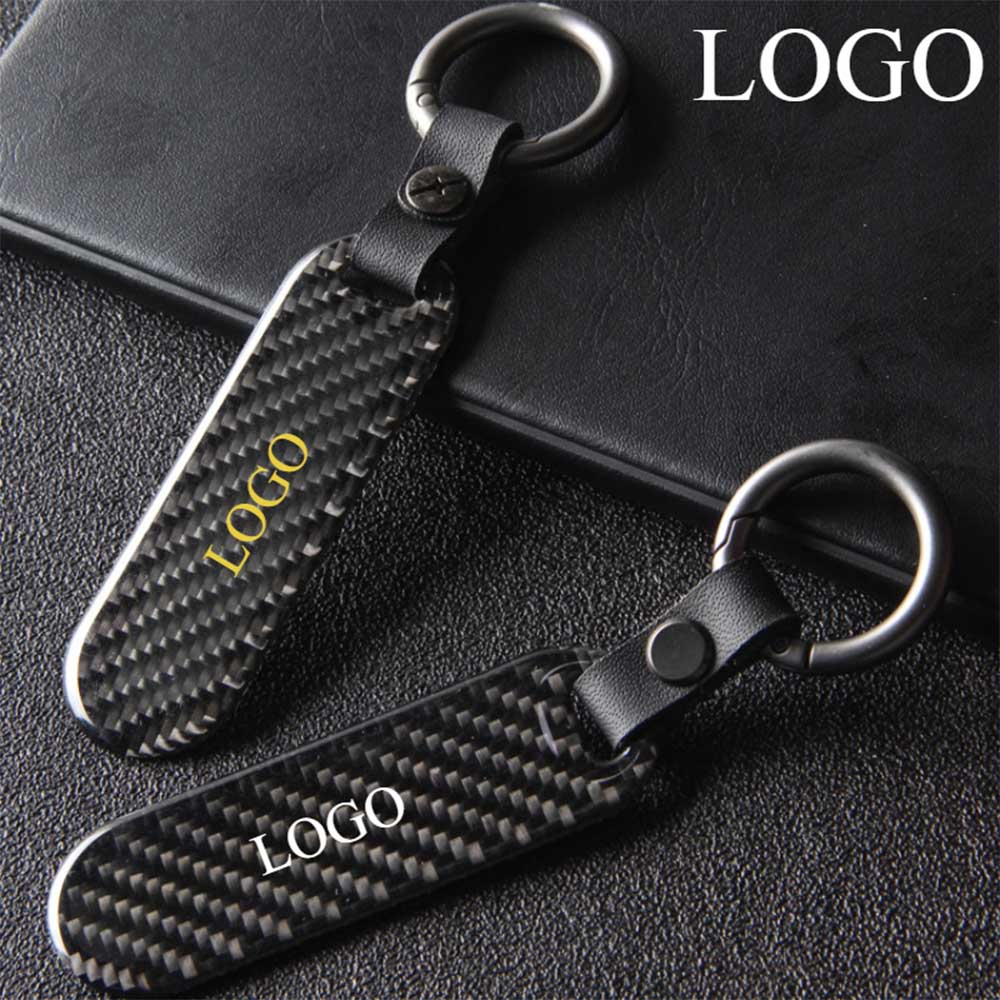
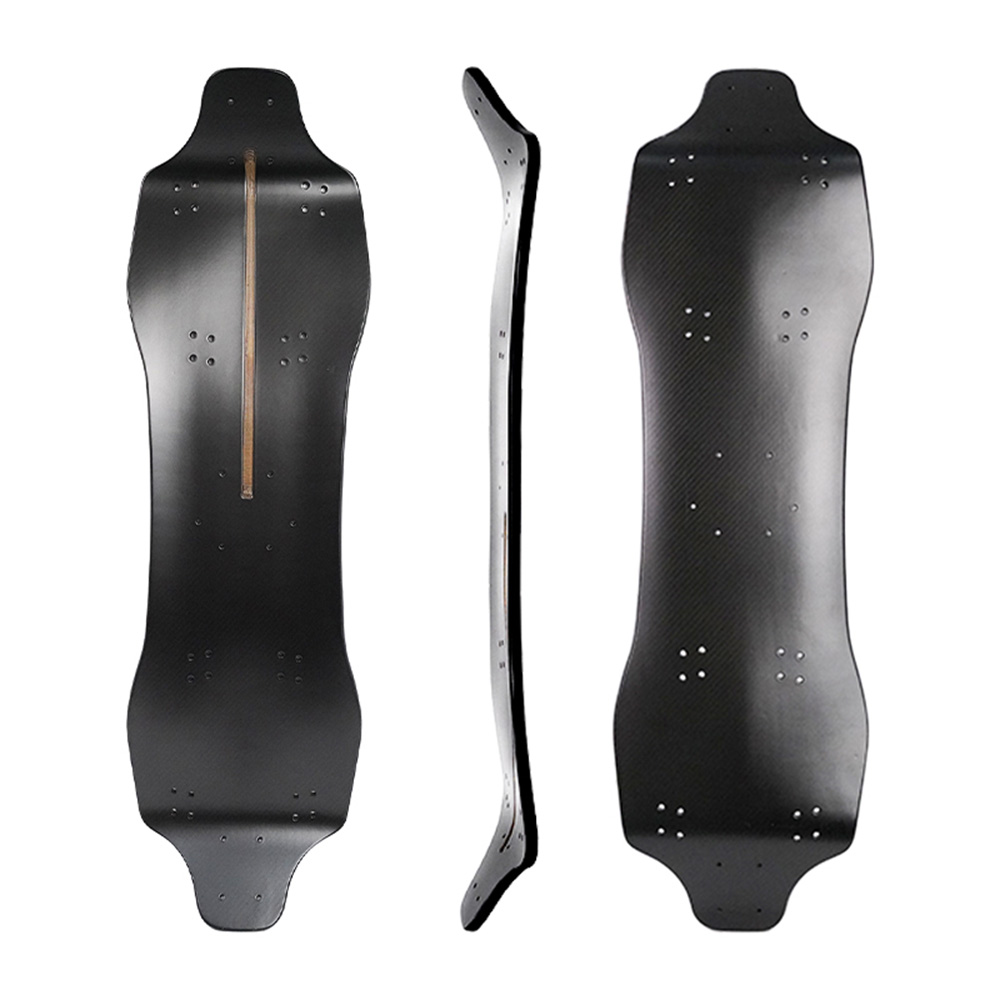
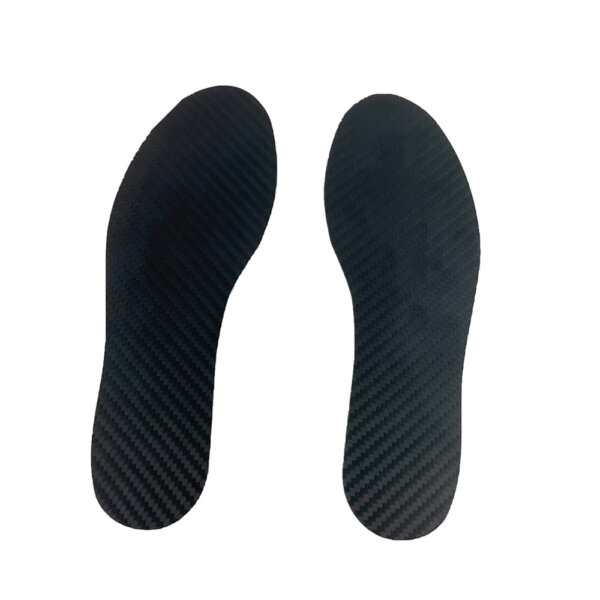
Vår fabrik använder en avancerad kolfiber varmpressprocess med en P20 stålform, vilket säkerställer hög effektivitet, precision, hållbarhet och kostnadseffektivitet för kvalitetsproduktion.
Vår fabrik driver 100+ varmtrycksautoklaver, med aluminiumformar och vakuuminduktion för att forma kolfiber med precision. Hög värme och tryck förbättrar styrka, stabilitet och felfri kvalitet.
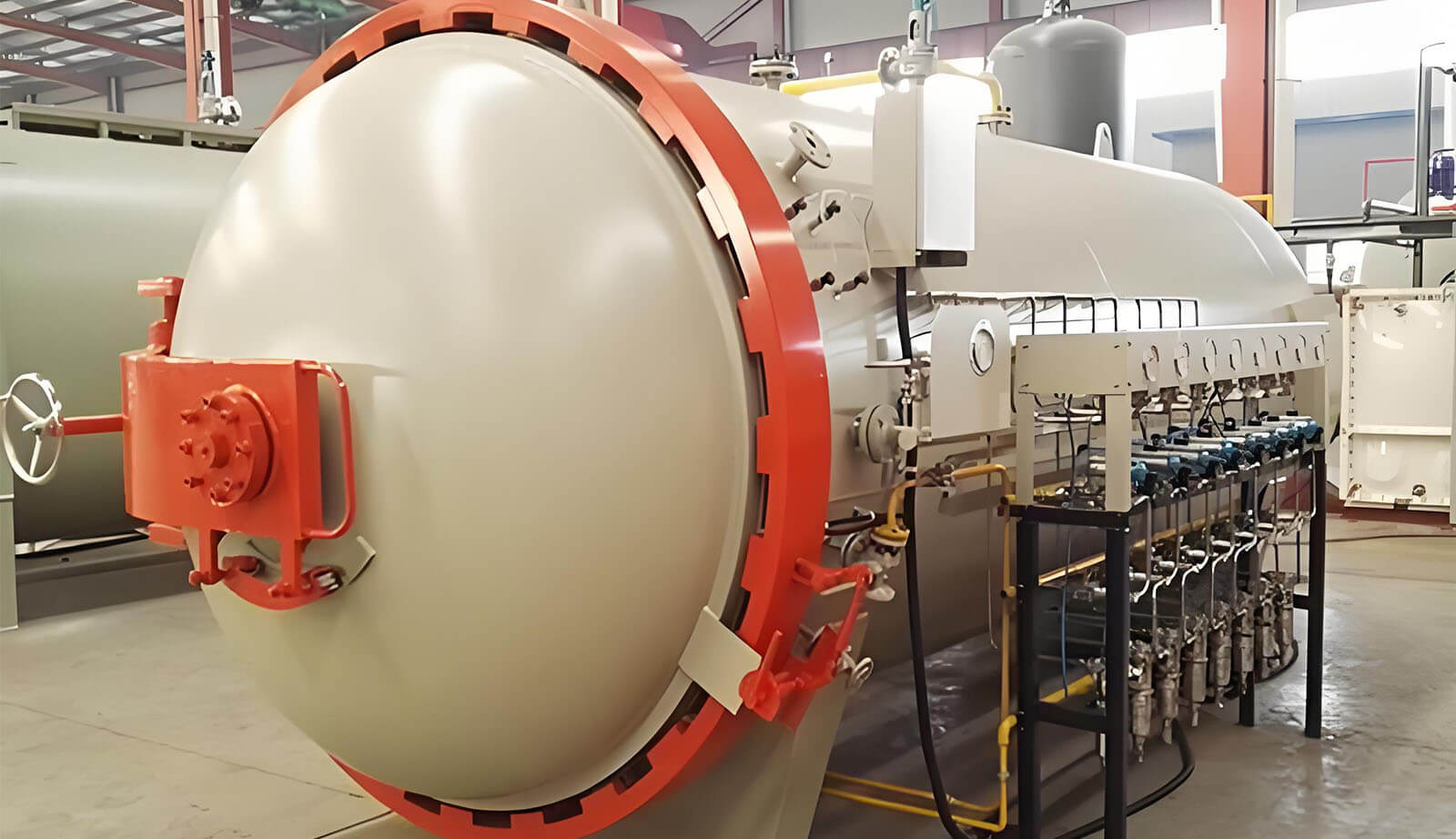
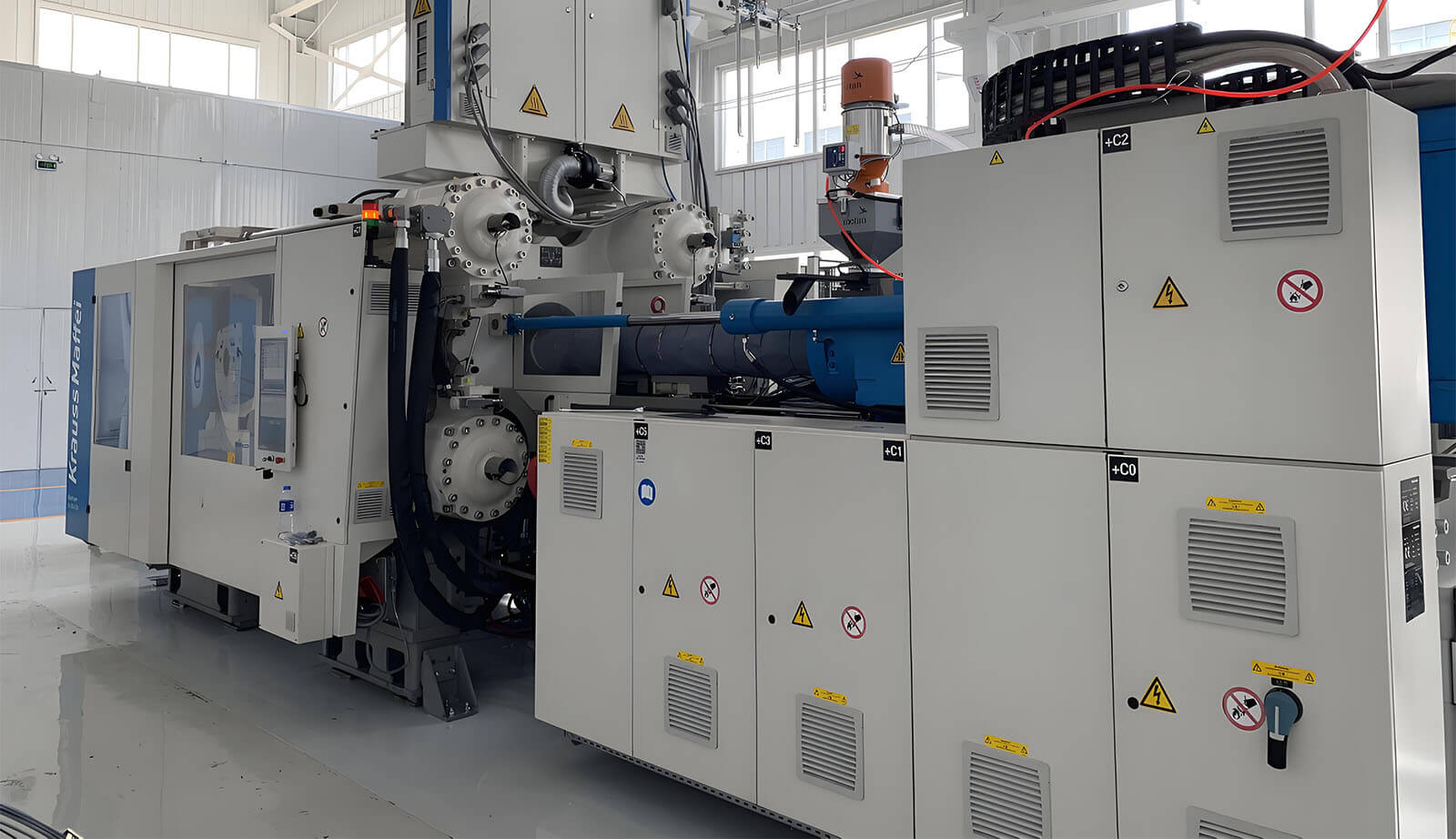
Vårt kolfiberforskningscenter driver innovation inom ny energi, intelligens och lättviktsdesign, med hjälp av avancerade kompositer och Krauss Maffei FiberForm för att skapa banbrytande, kundfokuserade lösningar.
Här är svaren på de vanligaste frågorna från den erfarna kolfiberfabriken
Vi producerar ett brett utbud av kolfiberkomponenter, inklusive bildelar, motorcykeldelar, flygkomponenter, marina tillbehör, sportutrustning och industriella applikationer.
Vi använder i första hand högkvalitativa prepreg-kolfiber och kolfiberförstärkta högpresterande kompositer med stor dragning för att säkerställa styrka, hållbarhet och lättviktsegenskaper.
Ja, våra produkter är belagda med UV-skyddande ytbehandlingar för att säkerställa långvarig hållbarhet och behålla sitt polerade utseende.
Ja, våra anläggningar och utrustningar kan producera stora kolfiberkomponenter med bibehållen precision och kvalitet.
Vilka är fördelarna med att använda kolfiberprodukter?
Kolfiber erbjuder exceptionellt förhållande mellan styrka och vikt, korrosionsbeständighet, styvhet, termisk stabilitet och ett elegant, modernt utseende.
Vi vänder oss till fordons-, motorcykel-, flyg-, marin-, medicin-, sport- och industrisektorer med fokus på lätta och högpresterande kolfiberkomponenter.
Ja, vi tillhandahåller anpassade kolfiberlösningar skräddarsydda för dina specifikationer, inklusive unika mönster, storlekar och mönster.
Vi använder avancerad teknik som autoklavgjutning, varmpressning och vakuumpåsar, vilket säkerställer precision, stabilitet och kvalitet i varje produkt. undrar med Hello Elementor-temat, vi försöker se till att det fungerar bra med alla stora teman också.
Vi använder formar av aluminium och P20 stål, designade för hållbarhet och hög noggrannhet, för att skapa komplexa och exakta kolfiberkomponenter.
Våra produkter genomgår rigorösa kvalitetskontroller, inklusive dimensionsnoggrannhet, materialintegritet och prestandatestning, för att uppfylla industristandarder.