Kolfiber kompositmaterial hetpressningsformningsprocess
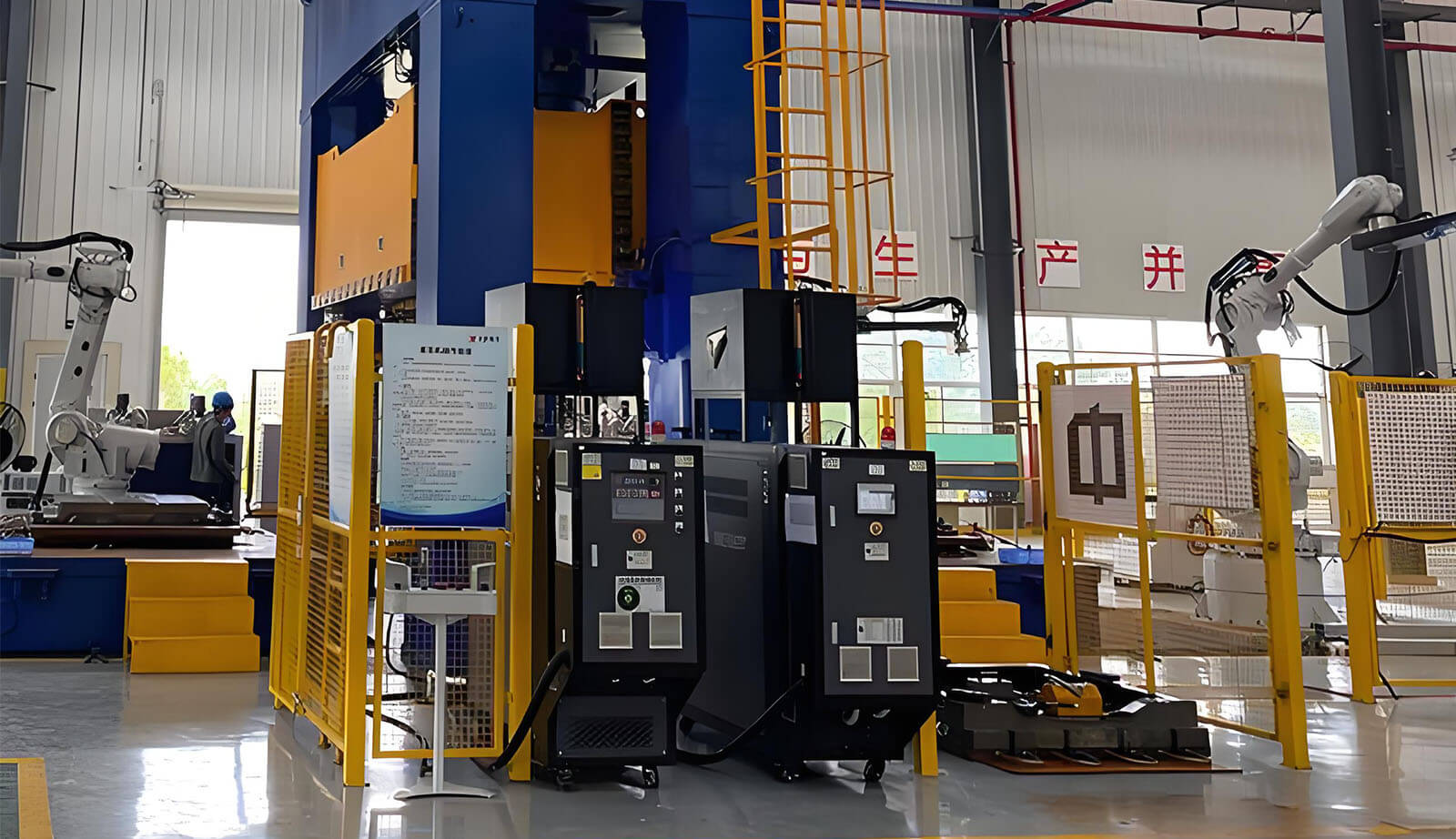
Vår fabrik använder en avancerad kolfiber hetpressprocess med en P20 stålform, vilket säkerställer hög effektivitet, precision, hållbarhet och kostnadseffektivitet för kvalitetsproduktion.
Du vill att dina solpaneler ska hålla länge. De måste vara tillförlitliga i stormar, snöbelastning och långvarig solexponering. Det är därför solcellsmonteringssystem i kolfiber erbjuder ett övertygande alternativ till traditionella metallkonstruktioner.
Konventionella material har sina begränsningar. Stål ger en betydande viktökning och är känsligt för korrosion. Aluminium är lättare men kan deformeras med tiden och är svårt att använda i tuffa kustmiljöer. Kolfiberarmerad polymer (CFRP) kombinerar däremot hög hållfasthet, låg vikt och lång hållbarhet.
Som kolfiberkomposittillverkare med djup erfarenhet av strukturella kompositer konstruerar vi monteringssystem i kolfiber som är utformade för krävande solapplikationer där konventionella material inte räcker till.
Kolfiber erbjuder en exceptionell styrka/vikt-förhållande. Jämfört med konventionella solmonteringssystem i aluminium kan kolfiberstrukturer minskar normalt strukturvikten med cirka 40-60%, beroende på systemkonfiguration och tillämpning.
För hustak är denna minskning betydande. Lägre egenlast bidrar till att skydda takkonstruktioner, utökar installationsmöjligheterna för äldre byggnader och minskar den långsiktiga strukturella belastningen.
Trots sin låga vikt är monteringssystem av kolfiber konstruerad för att klara platsspecifika konstruktionsbelastningar, inklusive:
Dessa system utformas utifrån gällande konstruktionsstandarder och valideras genom projektspecifika beräkningar.
Kolfiberkompositer erbjuder utmärkt motståndskraft mot korrosion, fukt och UV-exponering. Till skillnad från solfästen av metall som kan korrodera i kust- eller industrimiljöer, bibehåller CFRP-konstruktioner stabil mekanisk prestanda över tid.
Tester och användning i fält visar tillförlitlig prestanda över ett brett temperaturområde, typiskt från -40°F till 185°F, vilket gör att kolfiber lämpar sig väl för installationer i öknar, kustområden och kalla klimat.
Eftersom kolfiber inte är metalliskt är det motståndskraftigt mot saltstänk, kemisk exponering och galvanisk korrosion - viktiga fördelar för långvariga monteringssystem för solceller (PV).
Lättviktiga monteringssystem är särskilt värdefulla för tegeltak, åldrande byggnader och renoveringsprojekt. Genom att minska den totala systemvikten möjliggör kolfiberfästen solcellsinstallationer i scenarier där traditionella metallsystem kan överskrida strukturella gränser.
Denna viktbesparing utökar antalet byggnader som på ett säkert sätt kan använda solcellslösningar för bostäder och kommersiella lokaler.
Nedan följer en typisk jämförelse på materialnivå för referens. Systemets faktiska prestanda beror på teknisk utformning och projektförhållanden.
| Funktion | Kolfiber | Aluminium | Stål |
|---|---|---|---|
| Strukturell vikt | Mycket låg | Måttlig | Hög |
| Korrosionsbeständighet | Utmärkt | Måttlig (begränsad i kustområden) | Låg |
| Termisk expansion | Mycket låg | Måttlig | Hög |
| Elektrisk ledningsförmåga | Icke-ledande | Ledande | Ledande |
| Förväntad livslängd | 30+ år | 15-20 år | 10-15 år |
Solcellsmonteringssystem i kolfiber är utformad för att uppfylla platsspecifika vind- och snölastkrav, inklusive regioner som utsätts för orkaner eller kraftiga snöfall.
Lastkapaciteten per monteringspunkt bestäms av:
Detta tillvägagångssätt säkerställer strukturell tillförlitlighet utan överdesign eller onödig materialanvändning.
Termisk expansion och kontraktion är vanliga orsaker till långvarig påfrestning i monteringssystem av metall. Kolfiber uppvisar mycket låg termisk expansion, vilket bidrar till att bibehålla inriktningen och minskar utmattningen vid upprepade temperaturcykler.
Kolfiberns icke-ledande egenskaper minimerar också vidhäftning av is i kalla klimat och begränsar värmerelaterad deformation i varma miljöer.
Som anpassad kompositfabrik, tillämpar vi principer för tillverkning av kompositmaterial inom flyg- och motorsport på solcellsmonteringsapplikationer.
Samma tekniska metodik som används i kolfiberbilar-inklusive materialval, laminatdesign och kvalitetskontroll- tillämpas för att säkerställa konsekvent strukturell prestanda.
Varje monteringskomponent genomgår dimensionell inspektion och processkontroll för att säkerställa repeterbarhet och långsiktig tillförlitlighet.
Solcellsmonteringssystem i kolfiber är utformade för effektiv installation och skalbarhet. Modulära komponenter ger flexibilitet mellan tak- och markmonterade konfigurationer.
Typiska funktioner inkluderar:
Dessa modulära konstruktioner minskar installationstiden samtidigt som den strukturella integriteten bibehålls.
Systemets komponenter är utformad för att uppfylla relevanta internationella standarder, inklusive UL 2703 och IEC-krav. Certifiering och tredjepartstestning kan tillhandahållas på begäran, beroende på projektets omfattning och konfiguration.
För regionspecifika applikationer kan teknisk support hantera:
Kolfiberns motståndskraft mot saltstänk och fukt gör den väl lämpad för kustnära installationer där metallsystem utsätts för snabbare nedbrytning.
För stora solcellsanläggningar sänker den minskade konstruktionsvikten transportkostnaderna och förenklar hanteringen på plats. Modulära kolfiberstrukturer stöder också skalbar utplacering över stora ytor.
Flytande solcellssystem drar nytta av lätta, icke-ledande monteringsstrukturer. Kolfiberns motståndskraft mot fukt och korrosion ger en tillförlitlig lösning för vattenbaserade installationer.
Låg värmeledningsförmåga minskar isansamlingar och bidrar till att bibehålla strukturell stabilitet under upprepade frys- och töcykler i snörika områden.
Arkitektoniska solcellsapplikationer kräver rena linjer och minimal visuell påverkan. Monteringssystem i kolfiber passar bra ihop med modern byggnadsdesign och avancerade BIPV-koncept.
Lätta monteringssystem i kompositmaterial är lämpliga för mobila, tillfälliga eller avlägsna solcellsanläggningar där transporteffektivitet och snabb utplacering är avgörande.
Solcellsmonteringssystem i kolfiber innebär vanligtvis en högre initial investering än alternativ i aluminium. Detta är dock inte fallet, den totala livscykelkostnaden är ofta lägre på grund av:
För långsiktiga projekt väger livscykelprestandan ofta tyngre än den initiala materialkostnaden.
Systemen stöds av en 10 års begränsad garanti som täcker material- och strukturprestanda, med förbehåll för standardvillkor.
Även med lätta monteringssystem bör takets skick och lastkapacitet alltid utvärderas före installationen.
Justerbara lutningskonfigurationer möjliggör optimering för säsongsbundna solvinklar, vilket förbättrar energiutbytet över olika breddgrader.
Även om kolfiber inte är ledande måste PV-moduler och elektriska system ändå jordas i enlighet med gällande elektriska föreskrifter.
Monteringssystem i kolfiber ligger väl i linje med långsiktiga hållbarhetsmål. Deras hållbarhet minskar utbytescyklerna, och komposittillverkningen undviker den höga energiintensitet som är förknippad med aluminiumsmältning.
Tillverkningsprocesserna följer kontrollerade miljömetoder, och kompositmaterial kan återanvändas när de är uttjänta.
Monteringssystem i kolfiber är kompatibla med:
De kan integreras med moderna växelriktare, energilagringslösningar och övervakningssystem.
Varje projekt inleds med en designgranskning baserad på:
Som specialist inom anpassad kolfiber lösningar stöder vi både standardiserade och helt kundanpassade applikationer för solcellsmontering.
Solcellsmonteringssystem i kolfiber representerar en nästa generations lösning för infrastruktur för förnybar energi, särskilt i applikationer där lättviktskonstruktion, korrosionsbeständighet och långsiktig hållbarhet är avgörande.
Genom att tillämpa beprövade komposittekniska principer för solcellsmontering erbjuder dessa system ett tillförlitligt alternativ till traditionella metallkonstruktioner - utan att kompromissa med prestanda eller livslängd.
Om du utvärderar avancerade material för högpresterande solcellsanläggningar är monteringssystem i kolfiber värda att överväga.
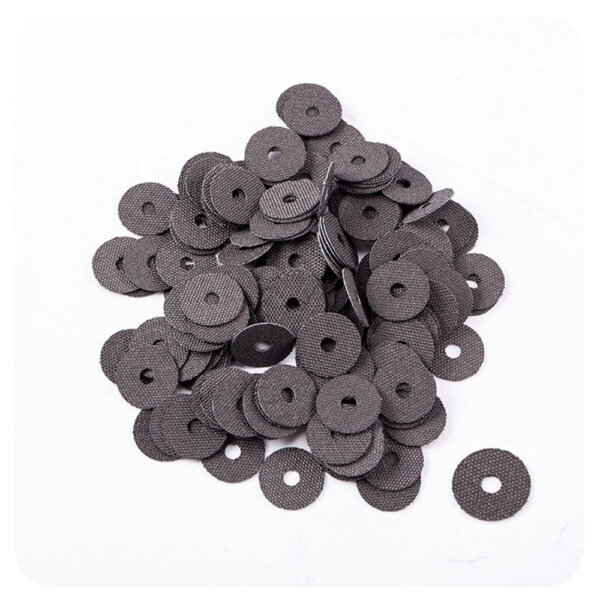
Vår fabrik använder en avancerad kolfiber hetpressprocess med en P20 stålform, vilket säkerställer hög effektivitet, precision, hållbarhet och kostnadseffektivitet för kvalitetsproduktion.
Vår fabrik har 100+ hettryckautoklaver, använder aluminiumformar och vakuuminduktion för att forma kolfiber med precision. Hög värme och tryck ökar styrkan, stabiliteten och felfri kvalitet.
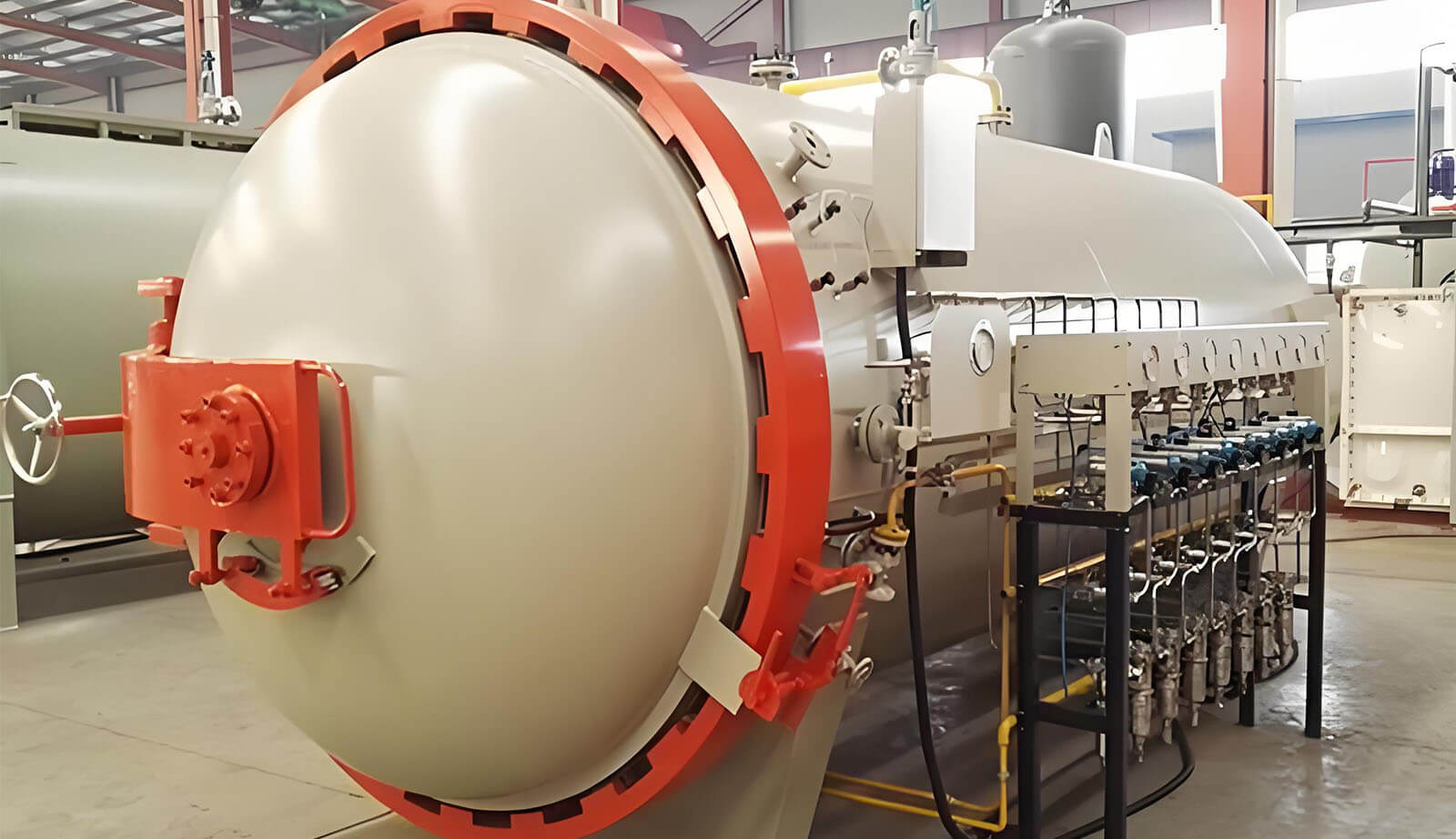
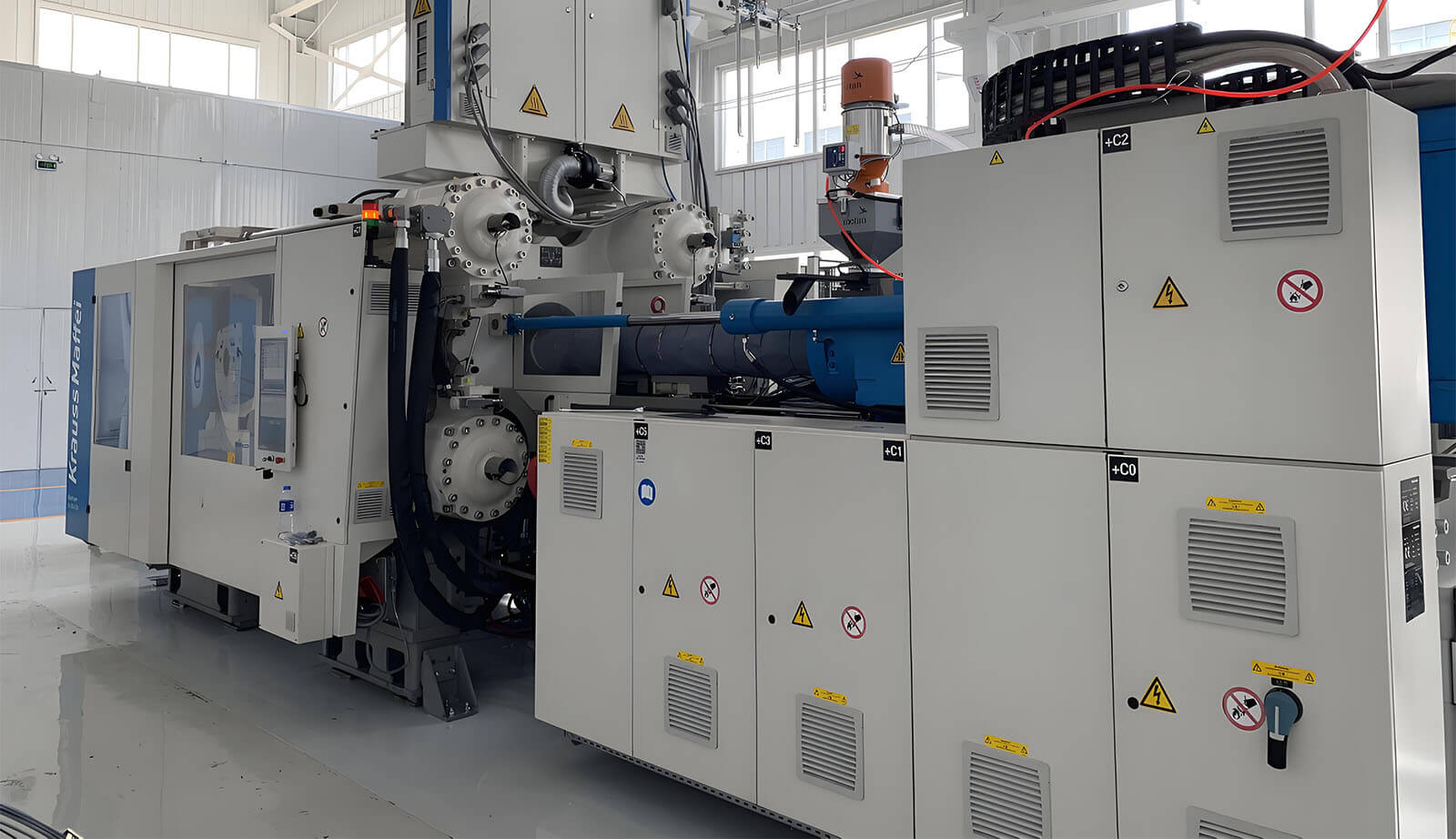
Vårt Kolfiberforskningscenter driver innovation inom ny energi, intelligens och lättviktig design, med avancerade kompositer och Krauss Maffei FiberForm för att skapa banbrytande, kundfokuserade lösningar.
Här är svaren på de vanligaste frågorna från den erfarna kolfiberproduktfabriken
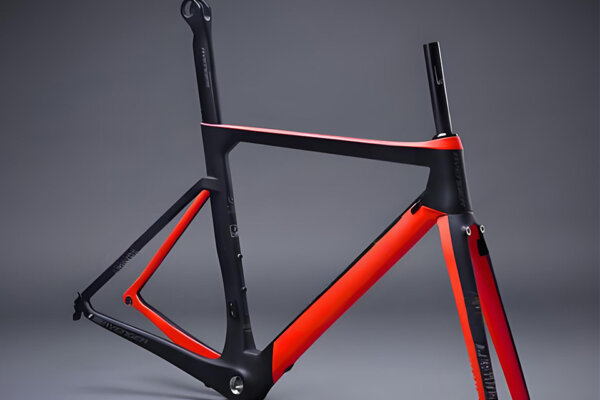
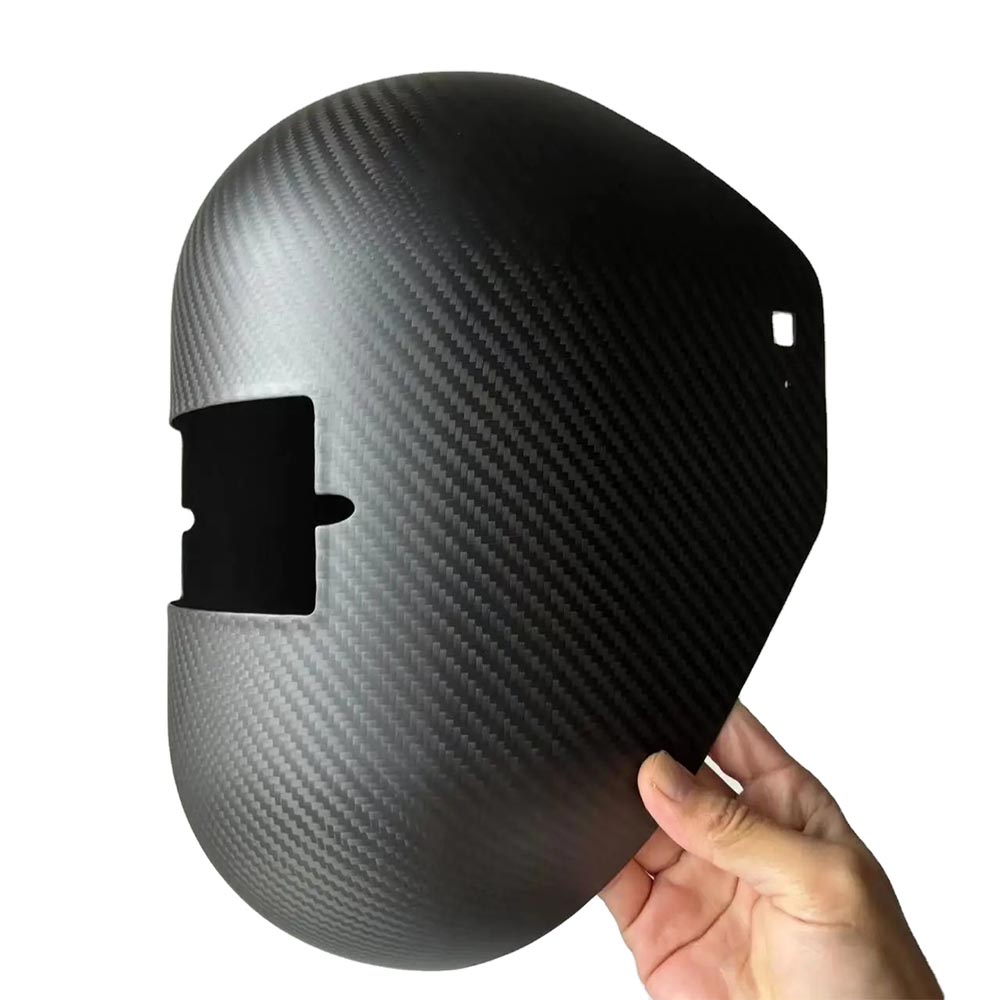
Vi producerar ett brett utbud av kolfiberkomponenter, inklusive fordonsdelar, motorcykeldelar, rymdkomponenter, marina tillbehör, sportutrustning och industriella tillämpningar.
Vi använder huvudsakligen högkvalitativ prepreg kolfiber och stora tow kolfiberförstärkta högpresterande kompositer för att säkerställa styrka, hållbarhet och lättviktsegenskaper.
Ja, våra produkter är belagda med UV-skyddande ytskikt för att säkerställa långvarig hållbarhet och bevara sitt polerade utseende.
Ja, våra anläggningar och utrustning är kapabel att producera kolfiberkomponenter i large storlek samtidigt som vi upprätthåller precision och kvalitet.
Vilka är fördelarna med att använda kolfiberprodukter?
Kolfiber erbjuder exceptionell styrka-till-vikt-förhållande, korrosionsbeständighet, styvhet, termisk stabilitet och ett snyggt, modernt utseende.
Vi betjänar bil-, motorcykel-, flyg-, marin-, medicinsk-, sport- och industrisektorer med fokus på lätta och högpresterande kolfiberkomponenter.
Ja, vi erbjuder kundanpassade kolfiberlösningar som skräddarsys enligt dina specifikationer, inklusive unika konstruktioner, storlekar och mönster.
Vi använder avancerad teknik som autoklavformning, hetpressning och vakuumpackning för att säkerställa precision, stabilitet och kvalitet i varje produkt.
Vi använder aluminium- och P20 stålformar, designade för hållbarhet och hög noggrannhet, för att skapa komplexa och precisa kolfiberkomponenter.
Våra produkter genomgår rigorösa kvalitetskontroller, inklusive dimensionsnoggrannhet, materialintegritet och prestandatestning, för att uppfylla branschstandarder.