عملية التشكيل بالضغط الساخن للمواد المركبة من ألياف الكربون
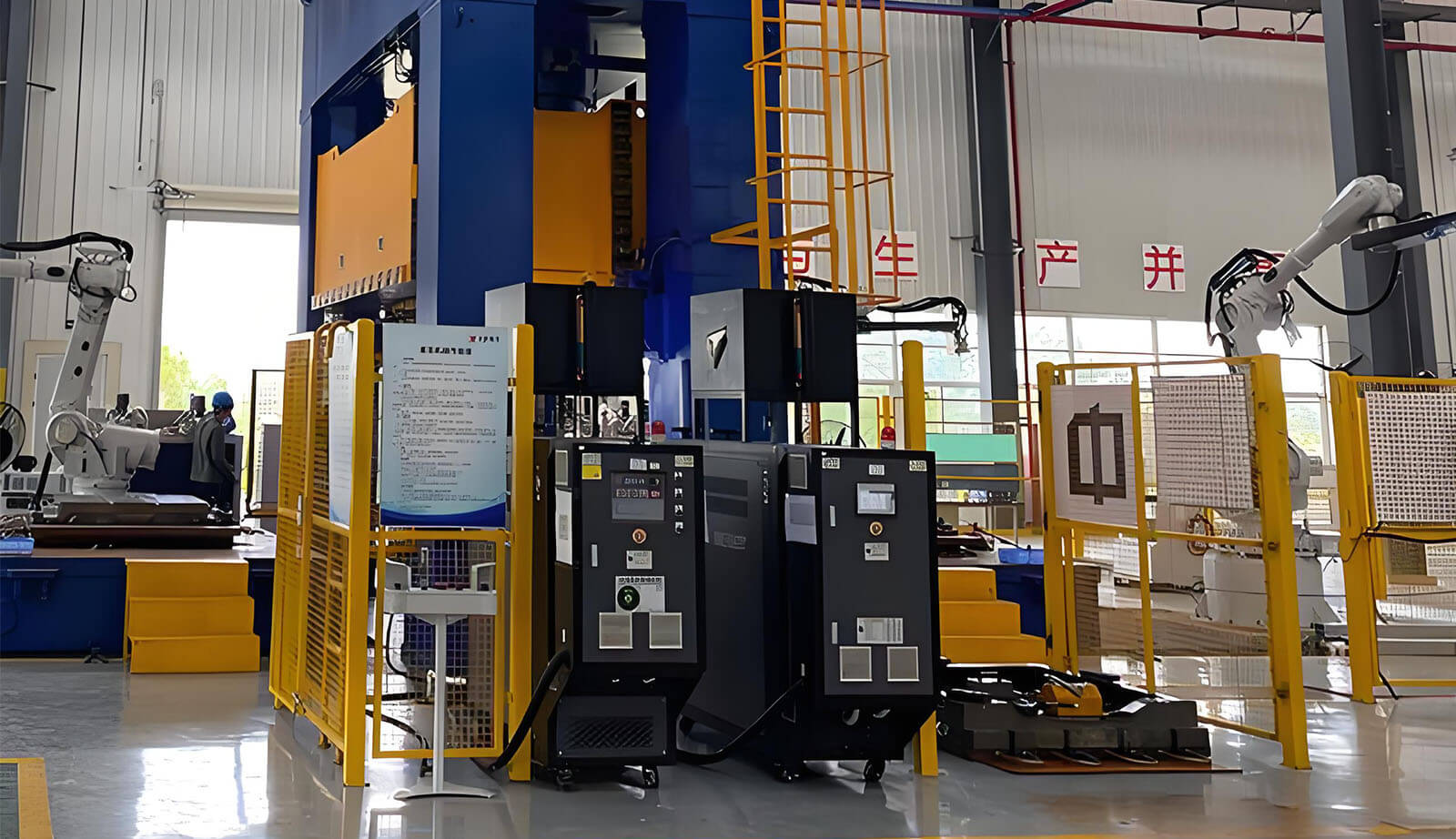
يستخدم مصنعنا عملية ضغط ساخن متطورة لألياف الكربون باستخدام قالب فولاذي من طراز P20، مما يضمن كفاءة عالية ودقة ومتانة وفعالية من حيث التكلفة لإنتاج عالي الجودة.
أنت تريد أن تدوم ألواحك الشمسية. فأنت تريدها أن تظل موثوقة خلال العواصف، وأحمال الثلوج، والتعرض للشمس على المدى الطويل. وهنا يأتي دور أنظمة تركيب الطاقة الشمسية المصنوعة من ألياف الكربون تقدم بديلاً مقنعاً للهياكل المعدنية التقليدية.
المواد التقليدية لها قيود. فالصلب يضيف وزناً كبيراً وهو عرضة للتآكل. الألومنيوم أخف وزناً ولكن يمكن أن يتشوه بمرور الوقت ويعاني في البيئات الساحلية القاسية. في المقابل، يجمع البوليمر المقوى بألياف الكربون (CFRP) بين قوة عالية، ووزن منخفض، ومتانة طويلة الأجل.
بصفتك شركة تصنيع المركبات المركبة بفضل خبرتنا العميقة في مجال المواد المركبة الهيكلية، نقوم بهندسة أنظمة تركيب ألياف الكربون المصممة للتطبيقات الشمسية الصعبة التي لا تتناسب مع المواد التقليدية.
توفر الألياف الكربونية نسبة القوة إلى الوزن. بالمقارنة مع أنظمة تركيب الطاقة الشمسية التقليدية المصنوعة من الألومنيوم، يمكن لهياكل ألياف الكربون عادةً ما يقلل الوزن الهيكلي بحوالي 40-60%, ، اعتماداً على تكوين النظام والتطبيق.
بالنسبة لأسطح الأسقف، يعتبر هذا التخفيض كبيراً. يساعد انخفاض الحمل الميت على حماية هياكل الأسقف، ويوسع إمكانيات التركيب للمباني القديمة، ويقلل من الإجهاد الهيكلي على المدى الطويل.
على الرغم من انخفاض وزنها، فإن أنظمة التثبيت المصنوعة من ألياف الكربون مصممة لدعم الأحمال التصميمية الخاصة بالموقع, بما في ذلك:
تم تصميم هذه الأنظمة بناءً على المعايير الهيكلية المعمول بها وتم التحقق من صحتها من خلال الحسابات الخاصة بالمشروع.
توفر مركبات ألياف الكربون المركبة مقاومة ممتازة للتآكل والرطوبة والتعرض للأشعة فوق البنفسجية. على عكس الحوامل الشمسية المعدنية التي قد تتآكل في البيئات الساحلية أو الصناعية، تحافظ الهياكل المصنوعة من ألياف الكربون الهيدروليكية المقواة بألياف الكربون على أداء ميكانيكي مستقر بمرور الوقت.
يُظهر الاختبار والاستخدام الميداني أداءً موثوقًا عبر نطاق واسع من درجات الحرارة، عادةً من -40 درجة فهرنهايت إلى 185 درجة فهرنهايت, مما يجعل ألياف الكربون مناسبة تماماً للتركيبات الصحراوية والساحلية والمناخية الباردة.
نظرًا لأن ألياف الكربون غير معدنية، فهي مقاومة بطبيعتها لرذاذ الملح والتعرض للمواد الكيميائية والتآكل الجلفاني - وهي مزايا رئيسية لأنظمة التركيب الكهروضوئية طويلة الأجل.
تُعد أنظمة التركيب خفيفة الوزن ذات قيمة خاصة لما يلي أسطح القرميد والمباني القديمة ومشاريع التعديل التحديثي. من خلال تقليل الوزن الإجمالي للنظام، تسمح حوامل ألياف الكربون بتركيبات الطاقة الشمسية في سيناريوهات قد تتجاوز فيها الأنظمة المعدنية التقليدية الحدود الهيكلية.
تعمل كفاءة الوزن هذه على توسيع نطاق المباني التي يمكنها اعتماد حلول الطاقة الشمسية السكنية والتجارية بأمان.
فيما يلي مقارنة نموذجية على مستوى المواد كمرجع. يعتمد الأداء الفعلي للنظام على التصميم الهندسي وظروف المشروع.
| الميزة | ألياف الكربون | ألومنيوم | صلب |
|---|---|---|---|
| الوزن الهيكلي | منخفضة جداً | معتدل | مرتفع |
| مقاومة التآكل | ممتاز | معتدل (محدود في المناطق الساحلية) | منخفض |
| التمدد الحراري | منخفضة جداً | معتدل | مرتفع |
| التوصيل الكهربائي | غير موصلة | موصلة | موصلة |
| عمر الخدمة المتوقع | أكثر من 30 عامًا | 15-20 سنة | 10-15 سنة |
أنظمة تركيب الطاقة الشمسية المصنوعة من ألياف الكربون مصممة لتلبية متطلبات حمل الرياح والثلوج الخاصة بالموقع, ، بما في ذلك المناطق المعرضة للأعاصير أو تساقط الثلوج بكثافة.
يتم تحديد سعة التحميل لكل نقطة تركيب من خلال:
يضمن هذا النهج الموثوقية الهيكلية دون الإفراط في التصميم أو استخدام مواد غير ضرورية.
يعتبر التمدد والانكماش الحراري من الأسباب الشائعة للإجهاد طويل الأمد في أنظمة التركيب المعدنية. تُظهر ألياف الكربون تمدد حراري منخفض للغاية, مما يساعد في الحفاظ على المحاذاة وتقليل الإجهاد على دورات الحرارة المتكررة.
كما تقلل طبيعة ألياف الكربون غير الموصلة للكهرباء من التصاق الجليد في المناخات الباردة وتحد من التشوه المرتبط بالحرارة في البيئات الحارة.
بصفتك مصنع مركبات مخصص, ، نطبق مبادئ التصنيع المركب في مجال الطيران ورياضة السيارات على تطبيقات تركيب الطاقة الشمسية.
نفس المنهجيات الهندسية المستخدمة في سيارات من ألياف الكربون-بما في ذلك اختيار المواد وتصميم الصفائح ومراقبة الجودة- لضمان اتساق الأداء الهيكلي.
يخضع كل مكوّن من مكوّنات التركيب لفحص الأبعاد والتحكم في العملية لضمان إمكانية التكرار والموثوقية على المدى الطويل.
تم تصميم أنظمة تركيب الطاقة الشمسية المصنوعة من ألياف الكربون من أجل التثبيت الفعال وقابلية التوسع. تتيح المكونات المعيارية المرونة عبر التكوينات المثبتة على السطح والأرض.
تشمل الميزات النموذجية ما يلي:
تعمل هذه التصميمات المعيارية على تقليل وقت التركيب مع الحفاظ على السلامة الهيكلية.
مكونات النظام هي مصممة لتتوافق مع المعايير الدولية ذات الصلة, بما في ذلك متطلبات UL 2703 و IEC. يمكن توفير الاعتماد والاختبار من طرف ثالث عند الطلب, ، اعتمادًا على نطاق المشروع وتكوينه.
بالنسبة للتطبيقات الخاصة بكل منطقة، يمكن للدعم الهندسي أن يعالج:
إن مقاومة ألياف الكربون للرذاذ الملحي والرطوبة تجعلها مناسبة تمامًا للتركيبات الساحلية حيث تتعرض الأنظمة المعدنية للتلف المتسارع.
بالنسبة لمصفوفات الطاقة الشمسية الكبيرة، يقلل الوزن الهيكلي المخفض من تكاليف النقل ويبسط المناولة في الموقع. كما تدعم الهياكل المعيارية المصنوعة من ألياف الكربون أيضًا النشر القابل للتطوير عبر مساحات كبيرة.
تستفيد الأنظمة الكهروضوئية العائمة من هياكل التركيب خفيفة الوزن وغير موصلة للكهرباء. وتوفر مقاومة الألياف الكربونية للرطوبة والتآكل حلاً موثوقاً للتركيبات القائمة على الماء.
تقلل الموصلية الحرارية المنخفضة من تراكم الجليد وتساعد في الحفاظ على ثبات الهيكل في ظل دورات التجميد والذوبان المتكررة في المناطق ذات الثلوج العالية.
تتطلب تطبيقات الطاقة الشمسية المعمارية خطوطًا نظيفة وأقل تأثير بصري. تتكامل أنظمة التركيب المصنوعة من ألياف الكربون بشكل جيد مع تصميمات المباني الحديثة والمفاهيم المتقدمة للطاقة الشمسية الكهروضوئية الثنائية الفلطية المتكاملة.
تُعد أنظمة التركيب المركبة خفيفة الوزن مناسبة لتركيبات الطاقة الشمسية المتنقلة أو المؤقتة أو النائية حيث تكون كفاءة النقل والنشر السريع أمرًا بالغ الأهمية.
عادةً ما تنطوي أنظمة تركيب الطاقة الشمسية المصنوعة من ألياف الكربون على استثمار أولي أعلى من بدائل الألومنيوم. ومع ذلك, غالبًا ما تكون التكلفة الإجمالية لدورة الحياة أقل بسبب:
بالنسبة للمشروعات طويلة الأجل، غالبًا ما يفوق أداء دورة الحياة التكلفة المادية الأولية.
يتم دعم الأنظمة بواسطة ضمان محدود لمدة 10 سنوات تغطية الأداء المادي والهيكلي، وفقًا للشروط والأحكام القياسية.
حتى مع أنظمة التركيب خفيفة الوزن، يجب دائماً تقييم حالة السقف وقدرة التحميل قبل التركيب.
تسمح تكوينات الإمالة القابلة للتعديل بتحسين زوايا الشمس الموسمية، مما يحسّن إنتاجية الطاقة عبر خطوط العرض المختلفة.
في حين أن ألياف الكربون غير موصلة للكهرباء، إلا أنه يجب تأريض الوحدات الكهروضوئية والأنظمة الكهربائية وفقًا للقوانين الكهربائية المعمول بها.
تتوافق أنظمة تركيب ألياف الكربون بشكل جيد مع أهداف الاستدامة طويلة الأجل. كما أن متانتها تقلل من دورات الاستبدال، ويتجنب التصنيع المركب كثافة الطاقة العالية المرتبطة بصهر الألومنيوم.
تتبع عمليات التصنيع ممارسات بيئية خاضعة للرقابة، ويمكن إعادة استخدام المواد المركبة في نهاية عمرها التشغيلي.
أنظمة تركيب ألياف الكربون متوافقة مع:
وهي تتكامل مع المحولات الحديثة وحلول تخزين الطاقة وأنظمة المراقبة.
يبدأ كل مشروع بمراجعة التصميم بناءً على:
كمتخصص في ألياف كربون مخصصة نحن ندعم كلاً من تطبيقات تركيب الطاقة الشمسية القياسية والمخصصة بالكامل.
تمثل أنظمة تركيب الطاقة الشمسية المصنوعة من ألياف الكربون حل الجيل القادم للبنية التحتية للطاقة المتجددة, لا سيما في التطبيقات التي يكون فيها التصميم خفيف الوزن ومقاومة التآكل والمتانة على المدى الطويل أمرًا بالغ الأهمية.
من خلال تطبيق مبادئ الهندسة المركبة التي أثبتت جدواها في تركيب الطاقة الشمسية، توفر هذه الأنظمة بديلاً موثوقاً للهياكل المعدنية التقليدية - دون المساس بالأداء أو طول العمر.
إذا كنت تقوم بتقييم المواد المتقدمة لتركيبات الطاقة الشمسية عالية الأداء، فإن أنظمة تركيب ألياف الكربون تستحق الدراسة الجادة.
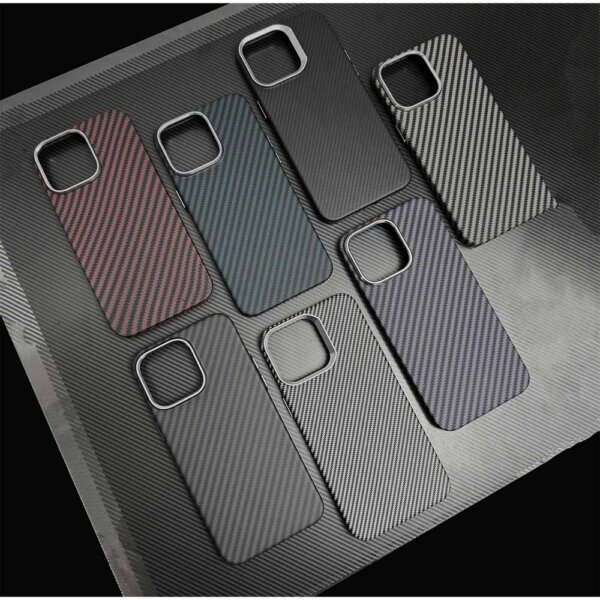
يستخدم مصنعنا عملية ضغط ساخن متطورة لألياف الكربون باستخدام قالب فولاذي من طراز P20، مما يضمن كفاءة عالية ودقة ومتانة وفعالية من حيث التكلفة لإنتاج عالي الجودة.
يستخدم مصنعنا أكثر من 100 جهاز أوتوكلاف يعمل بالضغط الساخن، مع قوالب من الألومنيوم وتقنية الحث الفراغي لتشكيل ألياف الكربون بدقة. وتساهم الحرارة والضغط العاليان في تعزيز المتانة والثبات والجودة المثالية.
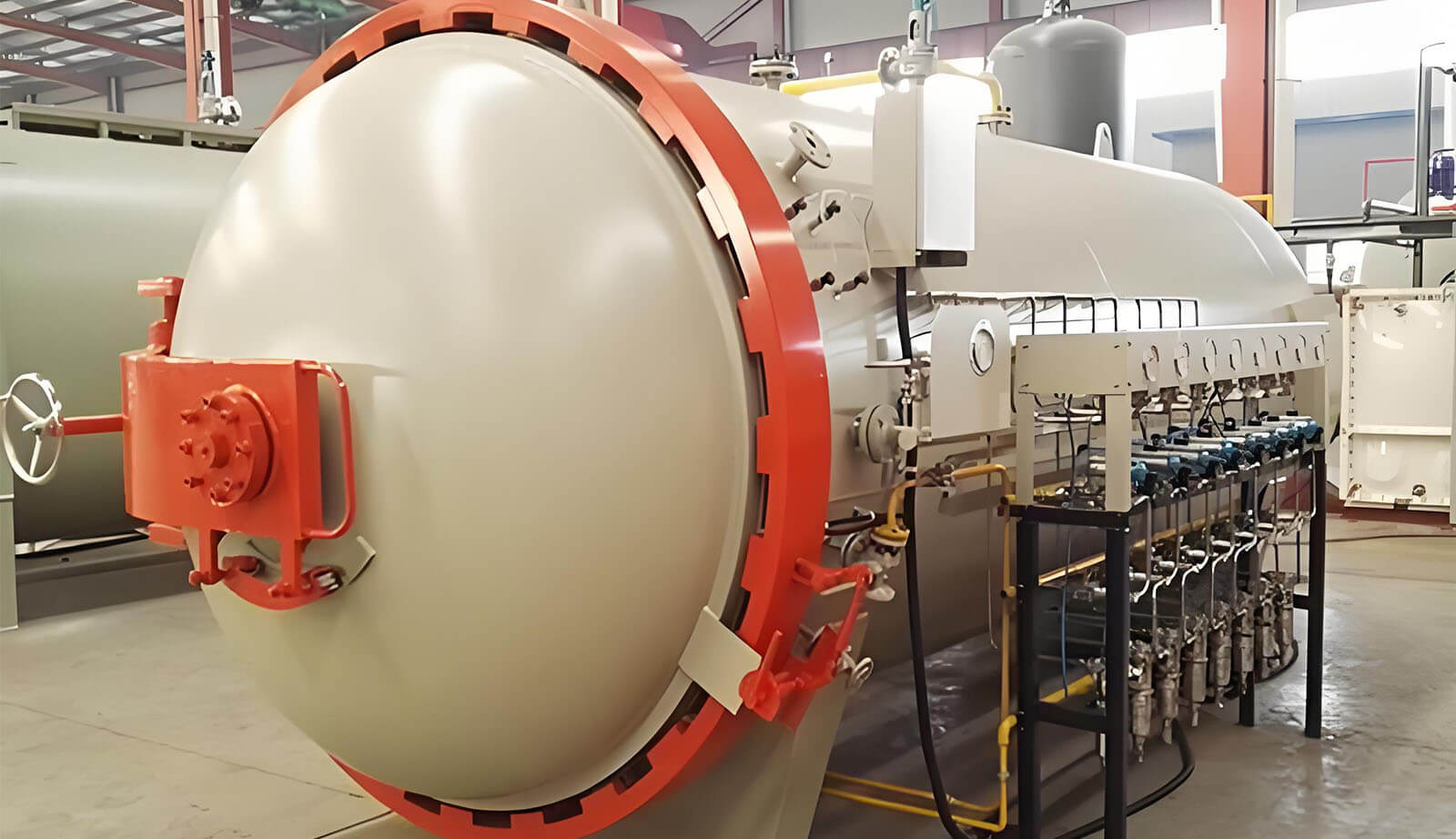
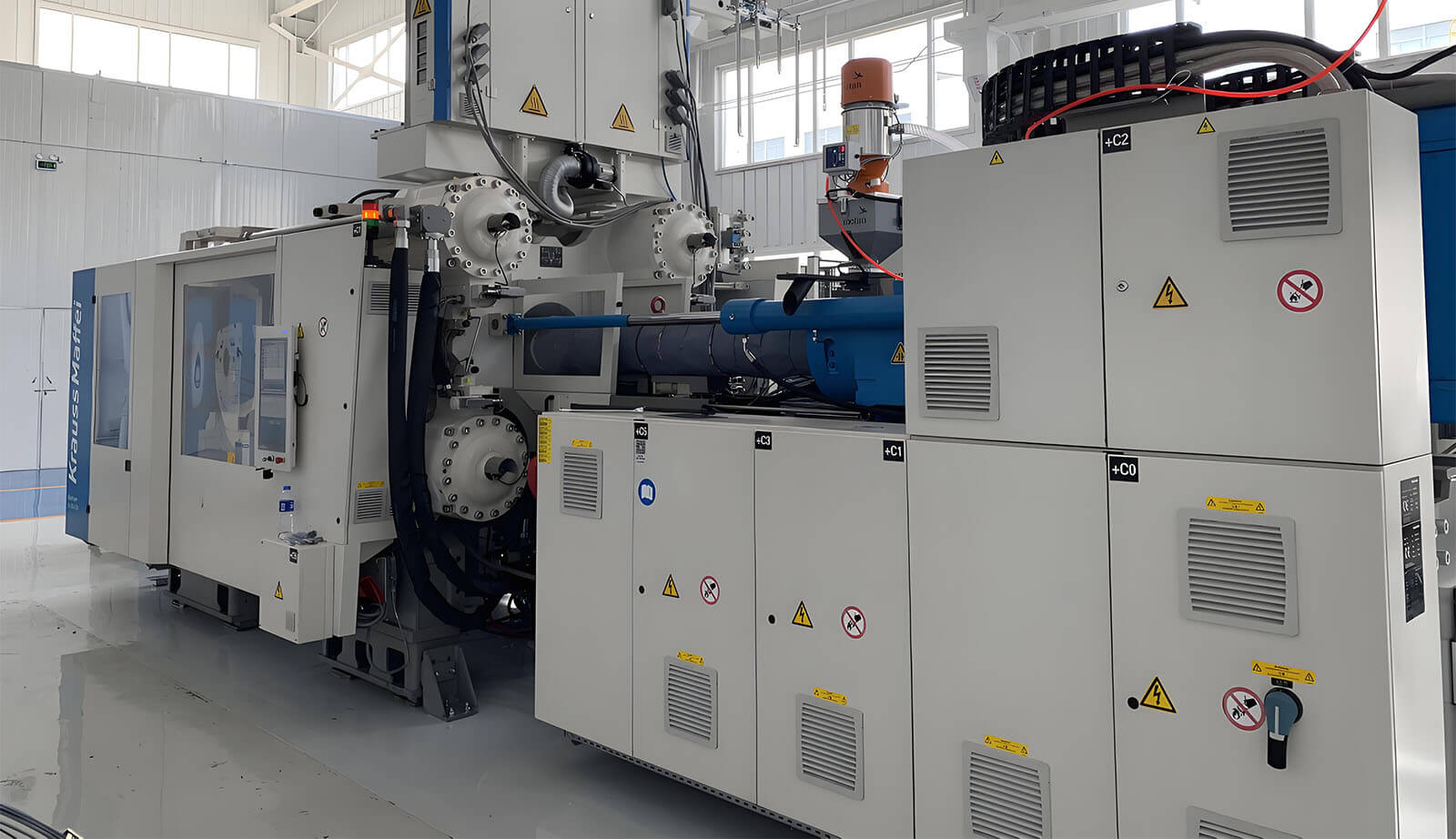
يدفع مركز بحوث ألياف الكربون لدينا الابتكار في الطاقة الجديدة والذكاء والتصميم خفيف الوزن، باستخدام مركبات متقدمة وKrauss Maffei FiberForm لخلق حلول متطورة تركز على العملاء.
فيما يلي إجابات على الأسئلة الشائعة من مصنع متخصص في منتجات ألياف الكربون
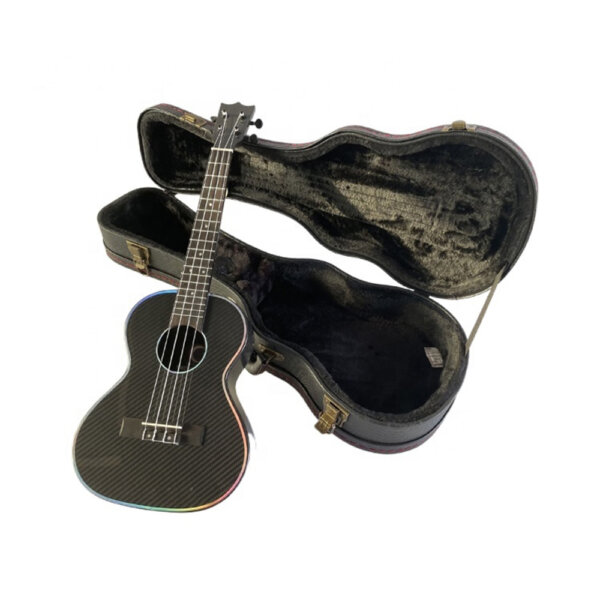
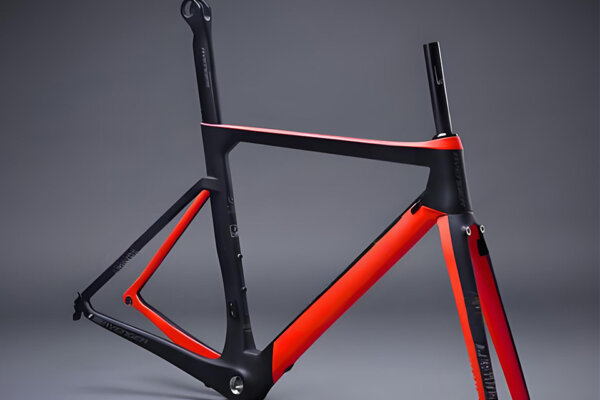
نقوم بإنتاج مجموعة واسعة من المكونات المصنوعة من ألياف الكربون، بما في ذلك قطع غيار السيارات، وقطع غيار الدراجات النارية، ومكونات صناعة الطيران، والملحقات البحرية، والمعدات الرياضية، والتطبيقات الصناعية.
نستخدم في المقام الأول ألياف الكربون المُسبقة التشريب عالية الجودة والمركبات عالية الأداء المقواة بألياف الكربون ذات الخيوط العريضة لضمان القوة والمتانة وخفة الوزن.
نعم، منتجاتنا مطلية بطبقات واقية من الأشعة فوق البنفسجية لضمان متانة تدوم طويلاً والحفاظ على مظهرها اللامع.
نعم، تتمتع منشآتنا ومعداتنا بالقدرة على إنتاج مكونات كبيرة الحجم من ألياف الكربون مع الحفاظ على الدقة والجودة.
ما هي مزايا استخدام منتجات ألياف الكربون؟
تتميز ألياف الكربون بنسبة قوة إلى وزن استثنائية، ومقاومة للتآكل، وصلابة، واستقرار حراري، بالإضافة إلى مظهر أنيق وعصري.
نحن نقدم خدماتنا لقطاعات السيارات والدراجات النارية والفضاء والبحرية والطبية والرياضية والصناعية، مع التركيز على المكونات المصنوعة من ألياف الكربون الخفيفة الوزن وعالية الأداء.
نعم، نحن نقدم حلولاً مخصصة من ألياف الكربون مصممة وفقاً لمواصفاتك، بما في ذلك التصاميم والأحجام والأنماط الفريدة.
نستخدم تقنيات متطورة مثل القولبة بالأوتوكلاف، والضغط الساخن، والتعبئة بالفراغ، مما يضمن الدقة والاستقرار والجودة في كل منتج. وبالإضافة إلى المزايا الرائعة التي يوفرها موضوع «Hello Elementor»، نسعى أيضًا إلى ضمان توافقه التام مع جميع الموضوعات الرئيسية.
نستخدم قوالب من الألومنيوم والفولاذ P20، المصممة لتوفير المتانة والدقة العالية، من أجل تصنيع مكونات معقدة ودقيقة من ألياف الكربون.
تخضع منتجاتنا لعمليات فحص صارمة لمراقبة الجودة، تشمل دقة الأبعاد وسلامة المواد واختبارات الأداء، وذلك لضمان توافقها مع معايير الصناعة.