If you’ve searched “carbon fiber car wrap,” you’re probably trying to decide between two very different things that get talked about as if they’re the same product: a vinyl wrap that looks like carbon fiber, and an actual جزء من ألياف الكربون made from woven fabric and resin.
They can look almost identical in a photo. They are not the same product, they don’t do the same job, and they don’t cost the same. As a manufacturer that produces real custom carbon fiber automotive parts, we get this question from both individual car owners and aftermarket brands sourcing parts — so this guide breaks down the real difference, when each option makes sense, and how to tell them apart on a car you’re looking at right now.
What Is a Carbon Fiber Car Wrap?
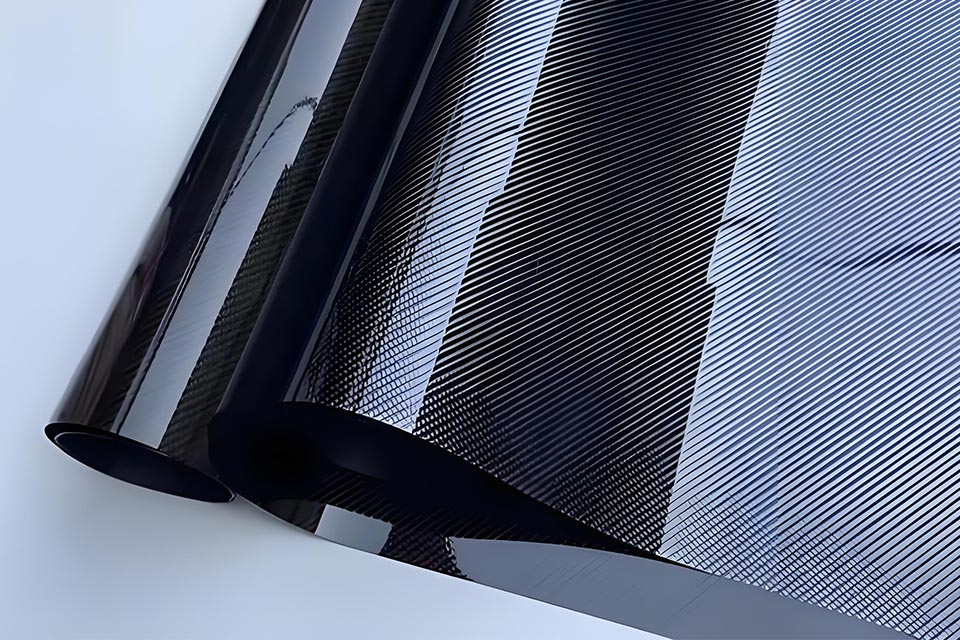
A carbon fiber car wrap is a vinyl film (sometimes PPF-based) printed or embossed with a pattern that imitates the woven texture of carbon fiber. It’s applied over an existing panel — a factory hood, mirror cap, or interior trim piece — using heat and adhesive.
What it does:
- Changes the visual appearance of a panel
- Can help shield the original paint underneath from minor scratches and UV exposure
- Is reversible — it can be removed without damaging the original paint
What it does لا do:
- It does not reduce the weight of the vehicle. The underlying part — steel, aluminum, or OEM plastic — is still there.
- It does not add structural strength or stiffness to the panel.
- It does not change the part’s crash performance or heat resistance in any meaningful way.
This matters because a lot of wrap marketing (including, we’ll admit, earlier content on this site) blurs this line. If a page tells you a wrap makes your car “lighter” or “stronger,” treat that claim with skepticism — it’s describing what حقيقي carbon fiber parts can do, not what a vinyl film does.
What Are Real Carbon Fiber Car Parts?
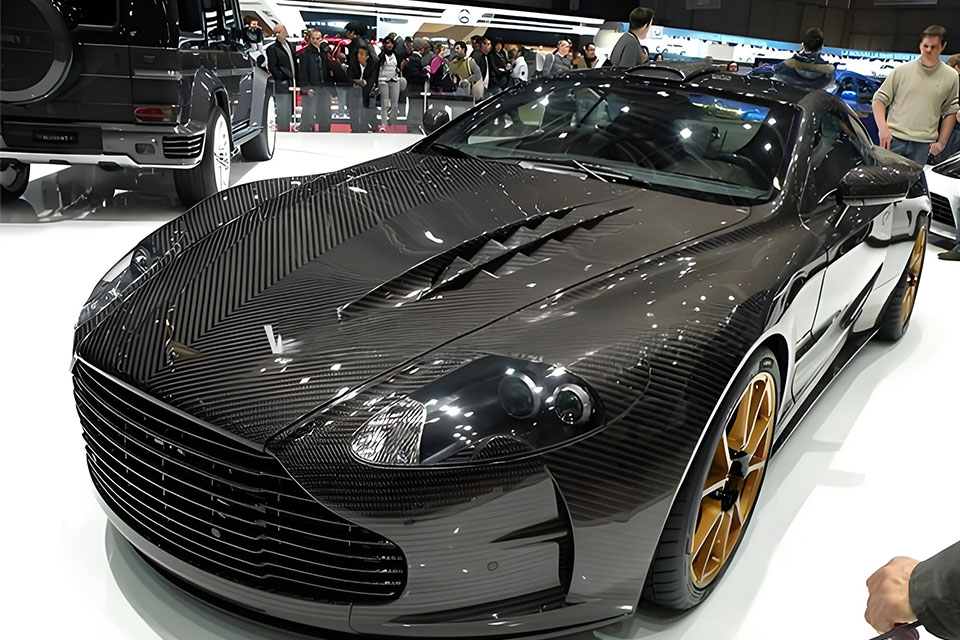
Real carbon fiber parts are made from woven نسيج ألياف الكربون bonded with resin, formed and cured into the shape of the actual part — a hood, spoiler, diffuser, mirror cap, or full body panel. Depending on the part, budget, and required finish, manufacturers use processes such as:
- الأوتوكلاف المسبق — highest strength-to-weight ratio, most consistent finish, used for performance and motorsport parts
- Vacuum bagging (wet layup) — common mid-tier process for aftermarket parts
- تسريب الراتنج — good for larger panels with more controlled resin distribution
- القولبة بالضغط — suited to higher-volume production
Because the part itself is made of carbon fiber rather than a film applied on top of another material, a real carbon fiber part can:
- وزن أقل بشكل ملحوظ من ما يعادله من الفولاذ أو الألومنيوم أو البلاستيك المُصنّع الأصلي (يعتمد التخفيض الدقيق على الجزء والمادة الأصلية - سيُظهر تبديل اللوحة المباشر فرقًا أكبر من قطعة القطع الصغيرة)
- Offer different stiffness characteristics than the original part, when the layup is engineered for that — this is a design outcome, not something that comes automatically with “being carbon fiber”
- Carry a genuine woven texture visible under clear coat, with depth that doesn’t come from a printed pattern
What it doesn’t do: it isn’t automatically cheaper, faster to install, or reversible the way a wrap is. It’s a part replacement or addition, not a surface treatment.
Quick Comparison
| العامل | Carbon Fiber Car Wrap | Real Carbon Fiber Parts |
|---|---|---|
| What it changes | Surface appearance only | Appearance, weight, and (if engineered for it) stiffness |
| المادة | Vinyl / PPF-style film | Carbon fiber fabric + resin |
| Weight impact | None — added to existing panel | Can reduce weight vs. OEM panel, depending on part |
| Structural role | لا يوجد | Can be structural or semi-structural if designed that way |
| التكلفة النموذجية | أقل | أعلى |
| التركيب | Applied over the existing panel | Replaces or is fitted in place of the original part |
| Reversibility | Removable without damaging paint | Permanent part swap |
| الأكثر ملاءمة لـ | Budget-friendly styling, temporary looks, leased vehicles | Performance builds, weight-sensitive builds, premium finish, OEM/ODM programs |
Types of Carbon Fiber Wrap: 3D, 4D, 5D and 6D
If you’re comparing wrap options, you’ll usually see them labeled 3D, 4D, 5D, or 6D. These numbers describe the surface finish and gloss level of the film — they are not a measure of quality tiers in any standardized sense, and none of them turn the film into structural carbon fiber. Roughly:
- 3D wrap — textured, embossed surface with a visible weave pattern and lower gloss. Common for interior trim and smaller accent areas.
- 4D wrap — similar texture to 3D but with a glossier top layer, giving a slightly more reflective finish.
- 5D wrap — higher gloss, closer to a clear-coated look, often chosen for larger panels like hoods where reflectivity matters more.
- 6D wrap — the deepest, glossiest finish typically marketed, aiming for a “wet carbon” appearance.
- Forged carbon fiber wrap - نمط منفصل يحاكي المظهر الرخامي المجزأ لألياف الكربون الحقيقية، بدلاً من النسيج التقليدي.
The important thing to understand: these labels describe appearance and surface finish, not structural properties. A 6D wrap looks glossier than a 3D wrap, but both are vinyl film — neither reduces weight or adds strength. Don’t let a higher “D” number be mistaken for a claim about material performance.
When a Wrap Makes Sense
- You want to change how the car looks without a permanent modification
- You’re on a lease and can’t make permanent changes
- The area is small and purely cosmetic — interior trim, أغطية مرايا, dash accents
- You want to test a look before committing to a real part
- Budget is the primary constraint
When Real Carbon Fiber Parts Make Sense
- You’re building a performance or track car where weight reduction actually matters
- You want a hood, roof, or large panel where a wrap would need to stretch across curves and is more likely to show seams or lifting over time — something like a carbon fiber hood for a Mercedes-Benz is built to the panel shape from the start, not stretched over it
- You’re a tuning shop, aftermarket brand, or distributor that needs consistent, sourceable parts rather than a labor-dependent wrap installation
- You’re running an OEM/ODM program and need parts built to spec, not a finish applied to someone else’s part
- You want a finish that holds up under close inspection — real weave depth under gloss or matte clear coat, rather than a printed or embossed pattern
- You want to see ready options first — browse our carbon fiber car parts catalog
Common Misunderstandings About Carbon Fiber Wrap
- “Carbon fiber wrap is basically carbon fiber.” It’s a vinyl film styled to look like carbon fiber. The material itself is not carbon fiber.
- “Wrapping a hood makes the car lighter.” It doesn’t — the original hood is still underneath the film.
- “A wrapped hood and a carbon fiber hood are the same thing.” One is a styled surface on the stock part; the other is a different part entirely, often lighter and sometimes stiffer depending on layup.
- “Wrap protects the car the same way a structural panel does.” Wrap can help protect paint from minor scratches and UV — that’s a paint-protection benefit, not a structural one.
- “Cheap wrap looks the same as expensive wrap.” Lower-grade printed wraps tend to look flatter and less convincing in direct sunlight compared to higher-grade embossed/textured films — and neither looks like real weave under clear coat up close.
- “Any carbon fiber part is production-ready.” Real carbon fiber parts still require tooling, a layup plan, curing, and finishing (clear coat, trimming, fitment) — it’s a manufacturing process, not a one-step application.
Which Areas Are Better Wrapped, and Which Are Better in Real Carbon Fiber?
| منطقة السيارة | Wrap Usually Sufficient? | Real Carbon Fiber Recommended? | لماذا |
|---|---|---|---|
| الزخرفة الداخلية | نعم | اختياري | Mostly cosmetic, low wear |
| أغطية المرايا | نعم | Yes (upgrade) | Wrap is budget-friendly; real CF adds a premium look and slight weight saving |
| هود | في بعض الأحيان | نعم | Large visible panel; real CF can meaningfully reduce weight |
| السقف | في بعض الأحيان | نعم | Complex curvature is harder to wrap cleanly long-term |
| الشفة الأمامية | Not ideal | نعم | Exposed to impact, road debris, and heat near the front end |
| ناشر الهواء | Not ideal | نعم | Shape complexity and durability under airflow/heat matter |
| جناح / جناح | Not ideal | نعم | Aerodynamic load and mounting strength are structural concerns, not cosmetic ones — a bolted-on BMW carbon fiber spoiler has to hold its shape under real airflow load, which a wrapped factory spoiler was never built for |
How to Tell If a Panel Is Wrapped or Real Carbon Fiber
- Edges and seams — wrap often shows a folded or tucked edge around panel gaps; real carbon fiber parts have a molded edge consistent with the part shape.
- عمق النسيج — under clear coat, real woven carbon fiber shows genuine depth and shifting light as you move around it; printed or embossed wrap patterns tend to look flatter under close inspection.
- الوزن — a real carbon fiber hood, lifted off the car, is noticeably lighter than the OEM part it replaces; a wrapped hood weighs the same as before, plus the film.
- Backside — a removed real carbon fiber part shows visible fiber structure and mold texture on the underside; a wrapped part shows the original panel material.
- Deep curves and corners — wrap can stretch, thin out, or show slight distortion in tight compound curves; a molded carbon fiber part is shaped to the curve from the start.
- السعر — if a “carbon fiber hood” is priced close to a wrap job, it’s very likely a wrap, not a real part.
For a deeper breakdown of spotting genuine vs. imitation carbon fiber more generally, see our guide: Real vs Fake Carbon Fiber.
Cost Comparison: Wrap vs. Carbon Skinning vs. Real Carbon Fiber Parts
| الخيار | التكلفة النسبية | الأفضل لـ | التقييد |
|---|---|---|---|
| Carbon fiber wrap | منخفض | Temporary or budget styling | Not real carbon fiber; no weight or structural benefit |
| Carbon skinning (thin CF layer over an existing part) | متوسط | Real carbon look over an existing panel | Adds weight rather than reducing it; not a full replacement |
| Real carbon fiber replacement part | متوسط – مرتفع | Performance and premium upgrades | يتطلب الأدوات والمهلة الزمنية؛ |
تكلفة مقدمة أعلى
| Cost Driver | Carbon Fiber Wrap | Real Carbon Fiber Part |
|---|---|---|
| Main cost | Film + installation labor | Mold + material + layup + curing + trimming |
| Best cost advantage | One-off cosmetic work | Repeat production / bulk orders |
| MOQ impact | منخفض | Important — mold cost is shared across the run |
| Best buyer type | Individual car owner | Brand, tuning shop, distributor, OEM/ODM project |
Factory Experience: Why Some Exterior Parts Should Not Be Wrapped
For exterior parts such as front lips, diffusers, splitters, and spoilers, we generally don’t recommend treating wrap as a long-term substitute for a real carbon fiber part. These areas face stone chips, road debris, heat, airflow pressure, and repeated cleaning — conditions a surface film wasn’t designed to handle structurally.
A film can improve appearance, but it can’t replace a molded part with the right thickness, fiber layup direction, mounting points, and clear coat protection built in from the start. We’ve seen wrap on front lips and diffusers lift at the leading edge within a season of regular driving — not because of poor installation, but because the underlying part still flexes and takes impact the way the original material does, and the film is only ever as durable as what’s underneath it.
This is one of the reasons we generally point performance-oriented and exterior aero parts toward real carbon fiber, while treating wrap as a reasonable option for interior trim and lower-load cosmetic areas.
Our Take, From the Manufacturing Side
We make real carbon fiber automotive parts, so we’ll be direct about where each option fits: if you want a budget-friendly cosmetic refresh on a small area — trim, mirror caps — a wrap can be a reasonable choice, and we’re not going to pretend otherwise. But if you’re after actual weight reduction, a finish that holds up to close inspection, or you’re sourcing parts for an aftermarket brand or OEM/ODM program, a wrap isn’t a substitute for a real part built for the job.
For custom projects, our process typically includes:
- 3D scanning / CAD evaluation of the target part
- تطوير العفن
- Choice of dry carbon (prepreg autoclave) or wet carbon (vacuum bagging / resin infusion) depending on strength, weight, and budget requirements
- Gloss or matte clear coat finish
- Weave options (3K twill, plain weave, forged carbon)
- OEM logo / private label packaging for brand and distributor programs
- Bulk production for aftermarket and OEM/ODM customers
Send us your car model, year, target part, photos, or CAD files. We can check whether an existing mold is available or whether custom mold development is required.
الأسئلة الشائعة
Is carbon fiber car wrap real carbon fiber?
No. Carbon fiber car wrap is usually vinyl or PPF-style film with a printed or embossed carbon fiber pattern. It imitates the look of carbon fiber but does not contain structural carbon fiber fabric.
Does carbon fiber wrap reduce car weight?
No. A wrap is applied over the original panel, so it does not replace the steel, aluminum, or plastic part underneath.
Is a wrapped hood the same as a carbon fiber hood?
لا، الغطاء الملفوف هو الغطاء الأصلي المغطى بالفيلم.
غطاء محرك السيارة من ألياف الكربون الحقيقي هو جزء بديل مصنوع من نسيج ألياف الكربون والراتنج.
For cosmetic styling and lower cost, wrap can be enough. For weight reduction, premium finish, motorsport, aftermarket brands, or OEM/ODM projects, real carbon fiber parts are usually the better choice.
What do 3D, 4D, 5D, and 6D mean for carbon fiber wrap?
They describe the texture and gloss level of the film — 3D/4D are more textured and less glossy, 5D/6D are glossier and closer to a “wet” clear-coated look. None of them are structural carbon fiber.
Can you manufacture real carbon fiber car parts instead of wrap?
Yes. We manufacture custom carbon fiber automotive parts, including hoods, spoilers, diffusers, mirror caps, body kits, and interior parts based on samples, 3D scans, CAD files, or existing mold availability.