
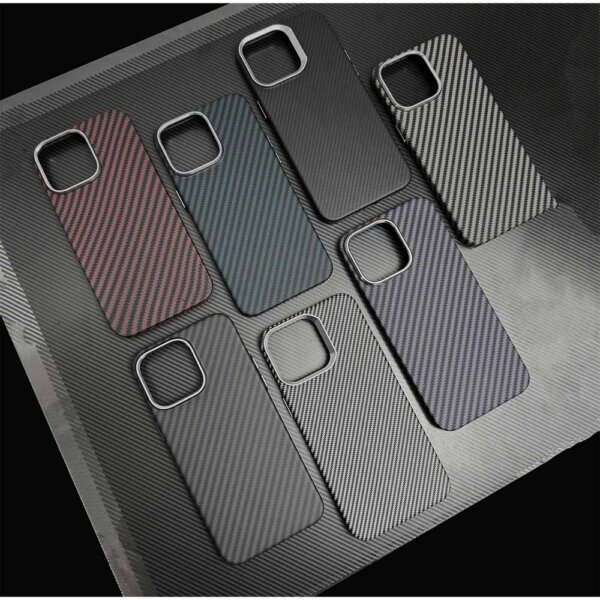
عملية صب المواد المركبة من ألياف الكربون بالضغط الساخن
يعتمد مصنعنا على عملية الضغط الساخن المتقدمة لألياف الكربون مع قالب فولاذي P20، مما يضمن الكفاءة العالية والدقة والمتانة والفعالية من حيث التكلفة لإنتاج عالي الجودة.
A carbon fiber robotic exoskeleton is a wearable robotic system designed to enhance human strength, endurance, and mobility. By combining lightweight carbon fiber structures with motors, sensors, and intelligent control systems, these exoskeletons assist users with lifting, walking, and repetitive physical tasks while reducing fatigue.
Often compared to science-fiction concepts, modern powered exoskeletons are already used across industrial workplaces, medical rehabilitation environments, and defense-related research programs. Their effectiveness comes from integrating aerospace-grade carbon fiber composites with advanced robotics developed by experienced الشركات المصنعة لمركبات الكربون.
Carbon fiber is widely recognized for its نسبة قوة إلى وزن استثنائية, offering significantly higher stiffness than many traditional metals while remaining substantially lighter. Key advantages include:
These characteristics make carbon fiber especially suitable for wearable robotics, where excessive weight or rigidity would reduce comfort and increase injury risk.
Our carbon composite manufacturing process—developed within a professional مصنع المركب المخصص— is designed to produce high-strength, lightweight structural frames optimized for robotic exoskeleton applications.
In many cases, this includes closed-mold techniques such as the RTM carbon fiber process, which enables precise fiber placement, consistent wall thickness, and excellent surface quality—key requirements for wearable robotic structures.
A robotic exoskeleton typically consists of four core subsystems:
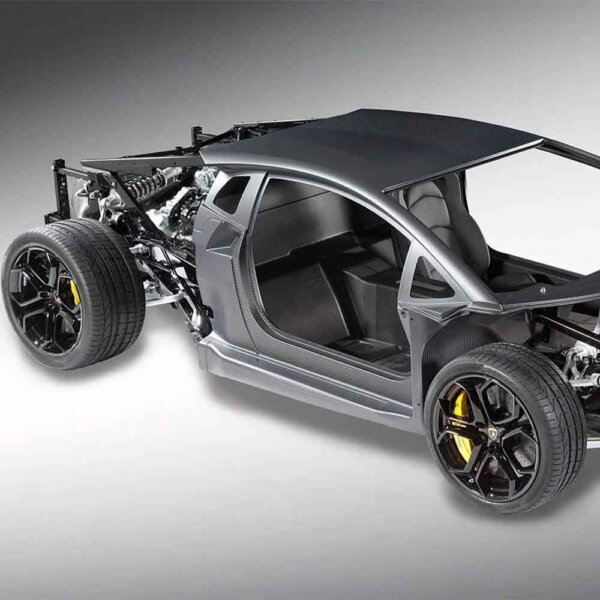
The structural backbone of the system. Carbon fiber reinforcement forms load-bearing components that follow human anatomy, allowing natural movement while maintaining strength under mechanical load. Similar structural principles are also applied in advanced سيارات مصنوعة من ألياف الكربون where weight reduction and stiffness are critical.
These components provide assisted motion and load support. Common actuator systems include:
Motion sensors track joint position, speed, and force. Intelligent control algorithms interpret these signals to provide near real-time responsiveness, enabling smooth and intuitive assistance.
Some advanced research platforms explore bio-signal interfaces, such as EMG-based muscle sensing, which remain under active development and evaluation.
Most powered exoskeletons use lithium-ion battery systems designed for several hours of operation. Depending on configuration, some systems support battery replacement without full system removal.
Different applications require different exoskeleton designs. Below is a simplified overview:
Designed to support workers in warehouses, factories, and construction environments.
Typical Applications
Systems in this category are designed to significantly reduce perceived physical load, helping lower strain during extended work periods. Industrial programs report meaningful reductions in musculoskeletal stress when systems are properly integrated.
Used in clinical and therapeutic settings to assist individuals recovering from neurological or musculoskeletal conditions.
Typical Applications
Medical robotic systems are commonly deployed in hospitals and rehabilitation centers, where structured programs report improved therapy efficiency and patient engagement compared to conventional methods.
Developed for load-bearing support and endurance enhancement in demanding environments.
Typical Applications
Defense organizations and government-funded research programs have evaluated exoskeleton technologies for durability, load support, and operational endurance in controlled testing environments.
Lightweight systems intended for daily support rather than powered strength amplification.
Typical Applications
These systems are often passive or semi-active and focus on comfort, ease of use, and long-term wearability.
| ميزة | صناعي | طبي | Defense | Consumer |
|---|---|---|---|---|
| Typical Weight | ~12 lbs | ~8 lbs | ~15 lbs | ~6 lbs |
| Load Assistance | عالي | معتدل | عالي | قليل |
| Battery Duration | Several hours | Several hours | Extended | محدود |
| Actuation | Electric / Hydraulic | Electric | Electromechanical | Passive |
| Primary Use | Workplace support | Rehabilitation | Load endurance | Daily assistance |
Specifications vary by configuration and application.
Exoskeleton systems are designed to redistribute mechanical load away from vulnerable joints and the spine, reducing physical strain during demanding tasks.
By assisting movement and load handling, users can perform tasks more efficiently while maintaining consistent output.
Organizations may benefit from reduced injury-related downtime, improved workforce sustainability, and more efficient task allocation.
Assistive systems can help users regain mobility, maintain independence, and perform daily activities with greater confidence.
Key considerations include:
Specialized applications—such as pediatric rehabilitation or prosthetic integration—often require ألياف الكربون المخصصة structures developed by an experienced carbon composite manufacturer.
Exoskeleton programs may involve compliance with:
Designs are typically developed to align with applicable standards, with certification pursued based on application scope and regulatory requirements.
Ongoing research suggests continued advancement toward more intuitive, lightweight, and user-friendly systems.
We work alongside robotics teams, engineers, and system integrators to deliver custom carbon fiber structures for exoskeleton platforms, supported by in-house composite engineering and production capabilities.
Our designs focus on strength, durability, and ergonomic integration, supporting projects across industrial, medical, and research applications.
How much does a carbon fiber exoskeleton cost? Pricing varies widely depending on complexity and application, ranging from entry-level assistive systems to advanced industrial or research platforms.
How long does the battery last? Most powered systems operate for several hours, depending on load and usage profile.
Is training required? Passive systems require minimal training. Active systems typically include onboarding and operational guidance.
What maintenance is required? Carbon fiber structures require minimal maintenance, with periodic inspection recommended for professional systems.
Whether you are developing an industrial support system، أ medical rehabilitation platform, or an advanced research exoskeleton, we can support your project from concept to production.
The future of strength and mobility is being built today. Build it with carbon fiber. Build it with us.
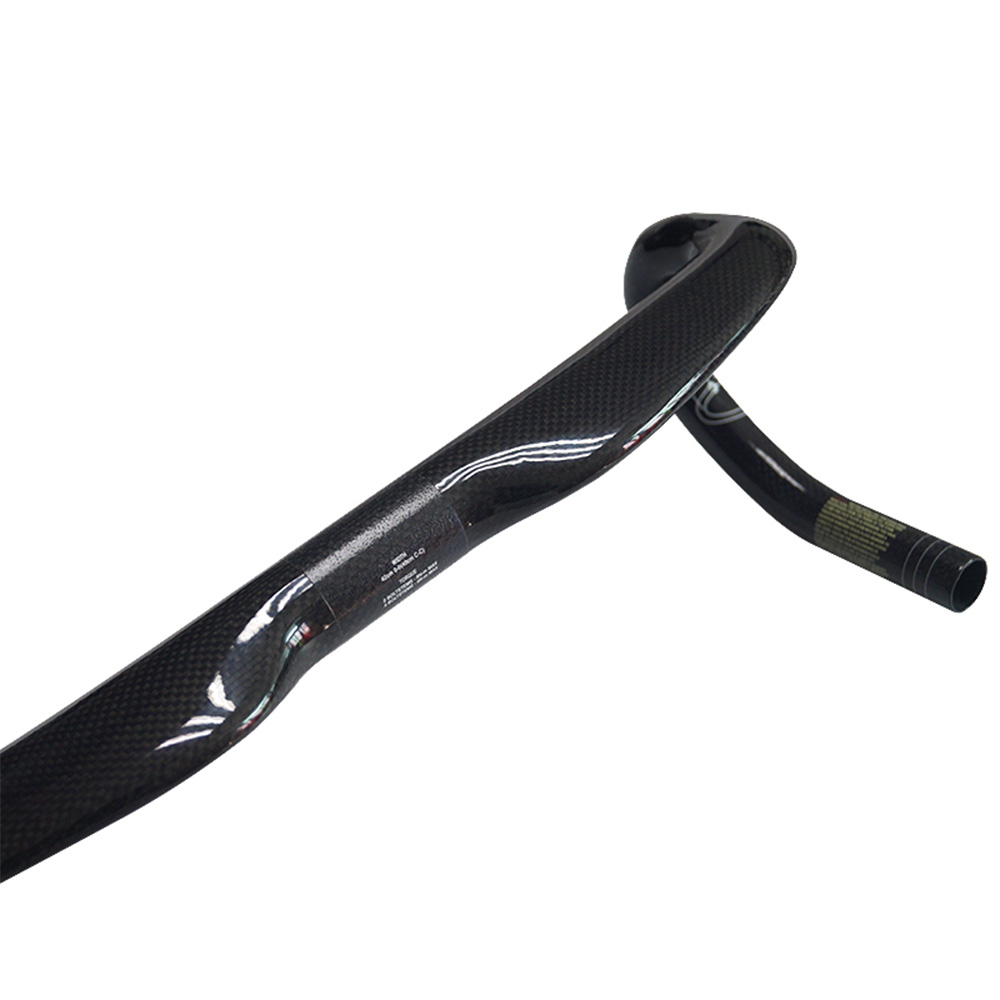
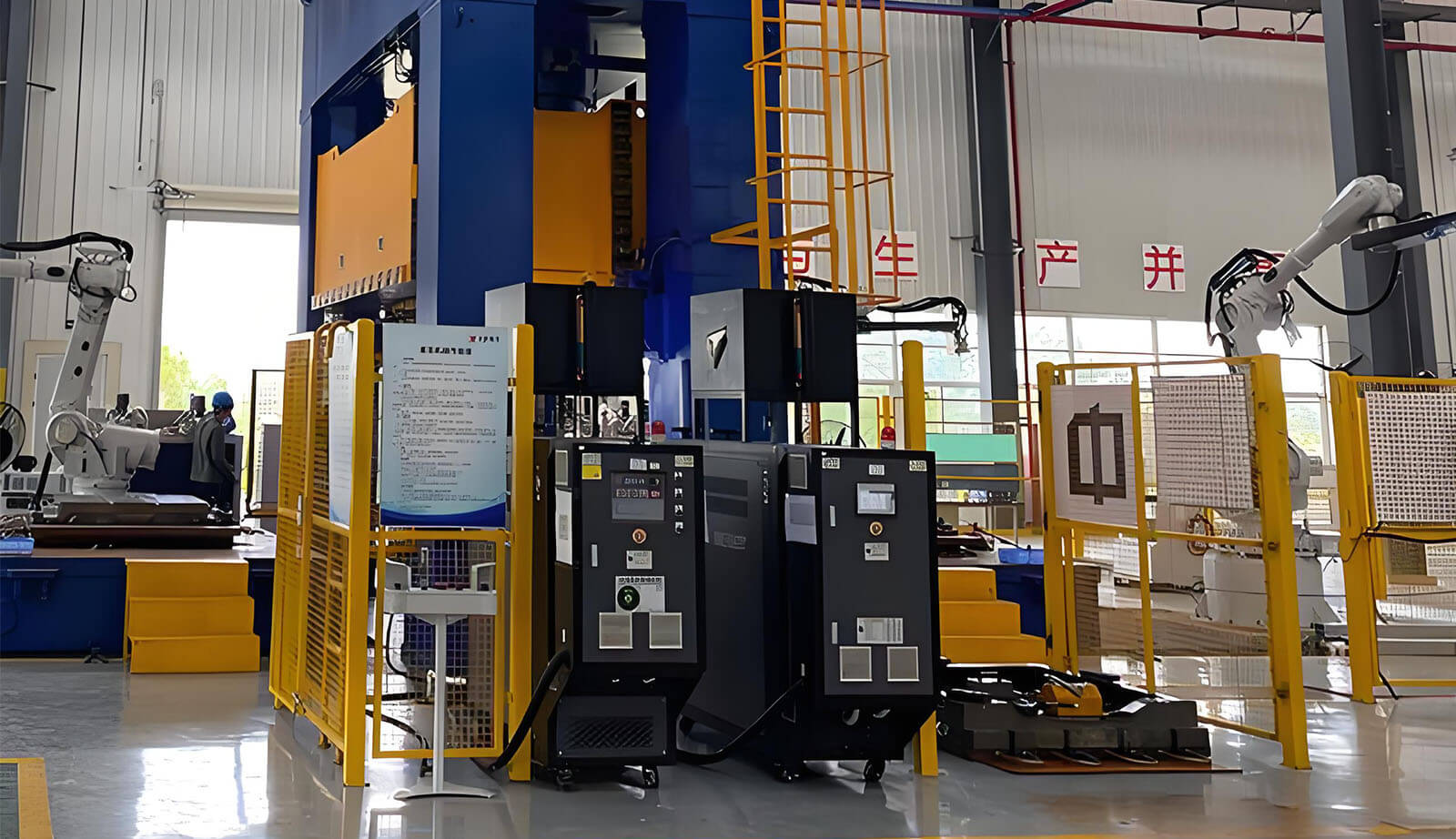
يعتمد مصنعنا على عملية الضغط الساخن المتقدمة لألياف الكربون مع قالب فولاذي P20، مما يضمن الكفاءة العالية والدقة والمتانة والفعالية من حيث التكلفة لإنتاج عالي الجودة.
يُشغّل مصنعنا أكثر من 100 جهاز ضغط ساخن، باستخدام قوالب ألومنيوم وتقنية الحث الفراغي لتشكيل ألياف الكربون بدقة. تُعزز الحرارة والضغط العاليان المتانة والثبات والجودة المثالية.
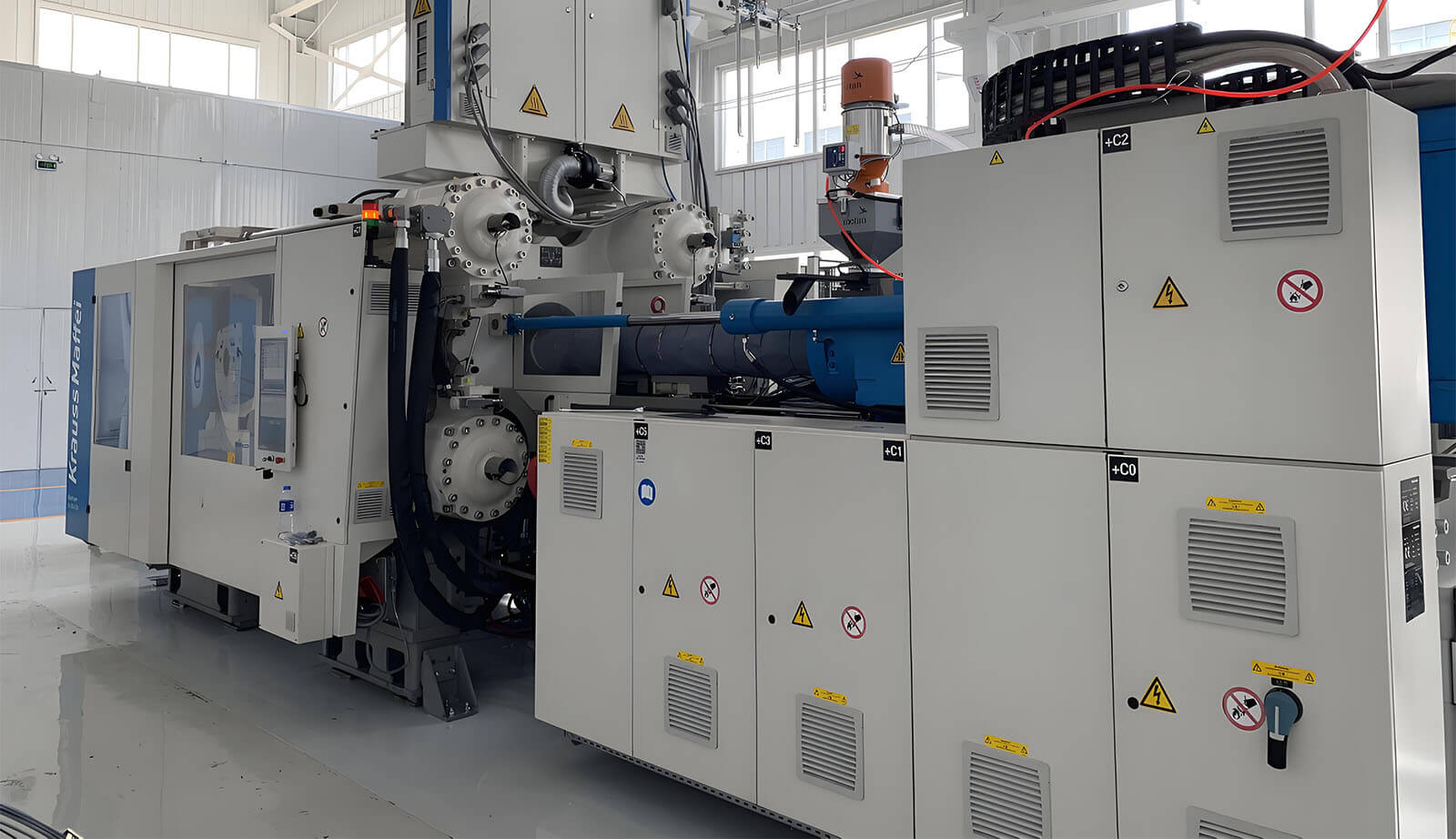
يعمل مركز أبحاث ألياف الكربون لدينا على تعزيز الابتكار في مجال الطاقة الجديدة والذكاء والتصميم خفيف الوزن، باستخدام المواد المركبة المتقدمة وألياف Krauss Maffei FiberForm لإنشاء حلول متطورة تركز على العملاء.
فيما يلي إجابات للأسئلة الشائعة من مصنع منتجات ألياف الكربون ذي الخبرة
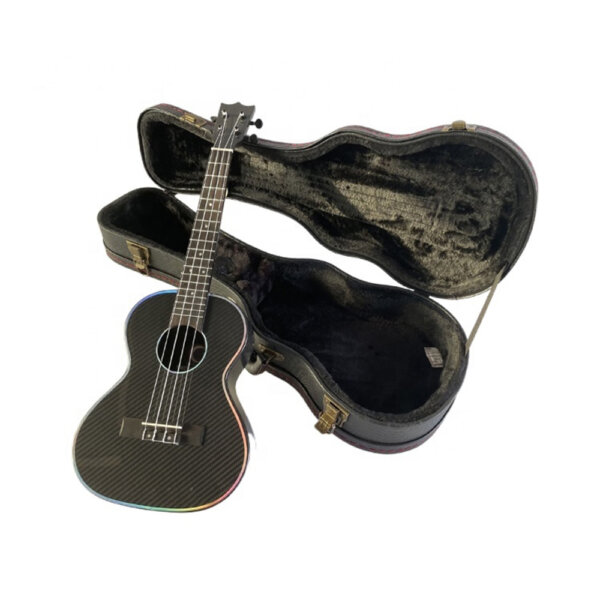
نحن ننتج مجموعة واسعة من مكونات ألياف الكربون، بما في ذلك أجزاء السيارات، وأجزاء الدراجات النارية، ومكونات الفضاء، والاكسسوارات البحرية، والمعدات الرياضية، والتطبيقات الصناعية.
نحن نستخدم بشكل أساسي ألياف الكربون عالية الجودة والمقواة مسبقًا والمركبات عالية الأداء المقواة بألياف الكربون ذات السحب الكبير لضمان القوة والمتانة وخصائص الوزن الخفيف.
نعم، منتجاتنا مطلية بطبقات واقية من الأشعة فوق البنفسجية لضمان المتانة طويلة الأمد والحفاظ على مظهرها المصقول.
نعم، منشآتنا ومعداتنا قادرة على إنتاج مكونات ألياف الكربون كبيرة الحجم مع الحفاظ على الدقة والجودة.
ما هي فوائد استخدام منتجات ألياف الكربون؟
توفر ألياف الكربون نسبة استثنائية من القوة إلى الوزن، ومقاومة للتآكل، وصلابة، واستقرار حراري، ومظهر عصري أنيق.
نحن نقدم خدماتنا لقطاعات السيارات والدراجات النارية والفضاء والبحرية والطبية والرياضة والصناعية مع التركيز على مكونات ألياف الكربون خفيفة الوزن وعالية الأداء.
نعم، نحن نقدم حلول ألياف الكربون المخصصة والمصممة وفقًا لمواصفاتك، بما في ذلك التصميمات والأحجام والأنماط الفريدة.
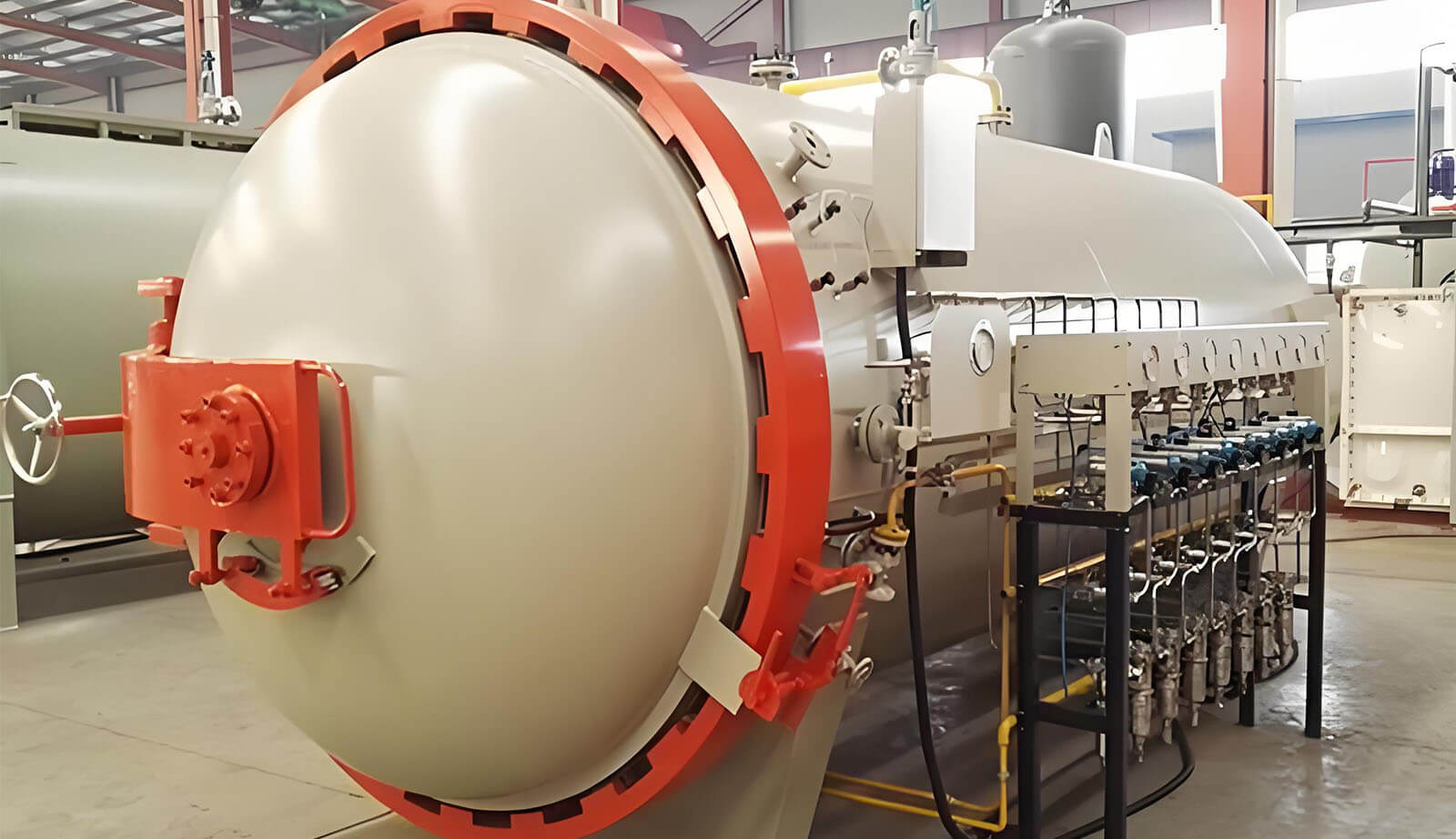
نحن نستخدم تقنيات متقدمة مثل صب الأوتوكلاف، والضغط الساخن، والتعبئة المفرغة من الهواء، لضمان الدقة والاستقرار والجودة في كل منتج. مع العجائب التي يقدمها موضوع Hello Elementor، نحاول التأكد من أنه يعمل بشكل رائع مع جميع الموضوعات الرئيسية أيضًا.
نحن نستخدم قوالب الألومنيوم والفولاذ P20، المصممة للمتانة والدقة العالية، لإنشاء مكونات ألياف الكربون المعقدة والدقيقة.
تخضع منتجاتنا لفحوصات مراقبة الجودة الصارمة، بما في ذلك دقة الأبعاد، وسلامة المواد، واختبار الأداء، لتلبية معايير الصناعة.