Why Race Teams Choose Carbon Fiber Bucket Seats
You want to go faster. Every racer knows this truth: weight is the enemy. When you shave 18 pounds off your car, you don’t just improve lap times. You change how your vehicle corners, brakes, and accelerates.
Asientos de carreras de fibra de carbono solve this problem. These aren’t just pretty parts for show cars. They’re serious tools built by experienced fabricantes de compuestos de carbono who understand motorsport demands.
Let me explain why pro teams and weekend warriors alike trust these seats.
What Makes Carbon Fiber Seats Special?
Extreme Weight Savings
A typical steel racing seat weighs 25 pounds or more. Meanwhile, carbon fiber bucket seats tip the scales at just 7 to 12 pounds. That’s a Reducción de peso del 60% right there.
Where does this weight go? Straight into better performance:
- Aceleración más rápida from improved power-to-weight ratio
- Quicker direction changes during cornering
- Better weight distribution for chassis balance
- Centro de gravedad reducido for stability
Aerospace-Grade Strength
Don’t let the light weight fool you. These seats use 3K and 12K carbon fiber weave with epoxy resin—the same materials found in Formula 1 cars and fighter jets.
Algunos fabricantes añaden Kevlar hybrid layers for extra impact resistance. The result? A seat that flexes with chassis loads instead of cracking like old steel brackets do.
Technical Specifications That Matter
| Característica | Standard Specs | Por qué es importante |
|---|
| Material | 3K/12K carbon fiber + epoxy resin | Combines strength with minimal weight |
| Peso | 7–12 lbs (vs. 25+ lbs steel) | Shaves critical pounds from your build |
| Resistencia al calor | Hasta 300°F | No melted seats during desert racing |
| Certificaciones | FIA 8862-2009, SFI 39.2 | Legally race-ready for WEC and GT3 events |
| Montaje | Side-mount or bottom-mount | Works with NASCAR and FIA roll cages |
| Garantía | 5-year carbon, 2-year hardware | Race it hard with confidence |
Safety Standards You Can Trust
FIA-Approved Racing Seats
When you’re pushing limits at tracks like Nürburgring o Spa 24h, safety isn’t optional. That’s why top seats carry FIA 8862-2009 certification. This standard requires:
- Crash testing at 30+ mph impacts
- Fire-resistant seat covers that meet flame spread limits
- Anti-submarine strap compatibility to prevent sliding
- HANS-compatible design for neck support systems
Older seats might only have FIA 8855-1999 approval. That’s fine for club racing, but serious competitors want the newer standard.
SFI Foundation Approval
For drag racing and oval track events, you’ll see SFI 39.2 certification. El NHRA requires this for many classes. It proves your seat can handle the violent g-forces of quarter-mile runs.
Perfect Seats for Every Racing Style
Track Day and Circuit Racing
You’re chasing lap times at your local track. Maybe it’s a time attack event or just open lapping. Either way, you need aggressive bolstering that holds you tight through sweepers.
Fixed-back racing seats work best here. They don’t recline because you don’t need that. What you need is:
- Lateral support during high-speed cornering
- Lumbar support for those 30-minute sessions
- Seat ventilation holes so you don’t overheat
Marcas como Sparco, Recaro, y Bride Japan dominate this space. Their GT3-style seats mimic what you’ll find in Le Mans prototypes.
Rally and Off-Road Racing
Rally racing seats face brutal punishment. Think about WRC stages where cars fly over jumps and slam into ruts. Your seat takes all that impact.
For events like Baja 1000 o Dakar, you need:
- Reinforced shells to resist vibration fatigue
- UV-stable resin that won’t degrade in desert sun
- Seat padding options with memory foam for comfort
The carbon fiber construction naturally dampens vibrations better than steel. Your back will thank you after 500 miles of rough terrain.
Drifters need something different. You’re constantly throwing the car sideways and looking out the side window. A 30-degree recline gives you better visibility for tandem control.
Look for seats with:
- Side bolster support that wraps around your ribs
- Seat width sizing that fits snugly without crushing you
- Multi-point harness slots for 5-point or 6-point belts
Many drift teams run fibra de carbono personalizada seats tailored to their exact body shape. That’s where working with a fábrica de composites a medida pays off.
Endurance Racing
When you’re driving 12-hour stints at Le Mans o Daytona, comfort becomes critical. Driver fatigue kills lap times—and sometimes drivers.
Reclining carbon seats help here. They let you adjust the seat back angle for different drivers sharing the car. Combined with:
- Diseño ergonómico based on sports medicine research
- Posture support that prevents slouching
- Reducción de ruido features for less mental fatigue
Pro teams like those in IMSA SportsCar Championship spend serious money getting this right.
Drag Racing and Straight-Line Speed
Carreras de resistencia puts massive g-forces on your spine during launches and parachute deployment. Your seat needs to prevent injury during those violent moments.
That means:
- 6-point harness compatibility with anti-submarine straps
- Head restraint systems for whiplash protection
- Seat mounting brackets rated for 40+ g impacts
El NASCAR Cup Series uses similar requirements. Their seats bolt into approved roll cages with specific spacing rules.
Installation and Compatibility
Mounting Options Explained
You’ll find two main types:
Side-Mount Seats
- Bolt through the sides into your roll cage
- Better for tight cockpits
- Common in formula cars y prototype cars
Bottom-Mount Seats
- Attach through the base like OEM seats
- Easier for street-legal cars
- Work with most touring cars y Coches GT
Most manufacturers include aluminum brackets in the box. However, verify they fit your specific chassis. A fabricante de compuestos de carbono can fabricate custom mounts if needed.
Roll Cage Compatibility
Your seat must work with your cage. Check these details:
- FIA/NASA-approved cage dimensions
- Chassis stiffness requirements for mounting points
- Roll cage compatibility with seat back height
Para LMP cars y IndyCar builds, the cage literally wraps around the seat. You can’t just bolt any seat in there.
Harness Integration
Racing harnesses thread through your seat. Make sure yours has:
- Harness slots in the correct positions
- 4-point, 5-point, or 6-point harness compatibilidad
- 3-point harness options if you want street legality
The slots need proper spacing for HANS device tethers. Otherwise, your head and neck restraint won’t work correctly.
Materials and Construction Quality
Carbon Fiber Weave Patterns
Not all carbon looks the same. Here’s what the patterns mean:
Tejido de sarga 2×2
- Classic checkerboard look
- Good balance of strength and flexibility
- Most common in aftermarket seats
Fibra de carbono 3K
- 3,000 filaments per bundle
- Finer weave pattern
- Better for complex curves
Fibra de carbono de 12K
- 12,000 filaments per bundle
- Stronger but less flexible
- Used in high-stress areas
Many seats use t700 carbon fiber, which offers excellent tensile strength for motorsports.
Sistemas de resina
El resina epoxídica matters as much as the carbon itself. Quality resin provides:
- Resistencia química to fuel and oil spills
- Resistencia a la corrosión in salty environments
- Resistencia al calor hasta 300°F
Cheap seats use polyester resin that cracks under UV exposure. Don’t skimp here.
Proceso de fabricación
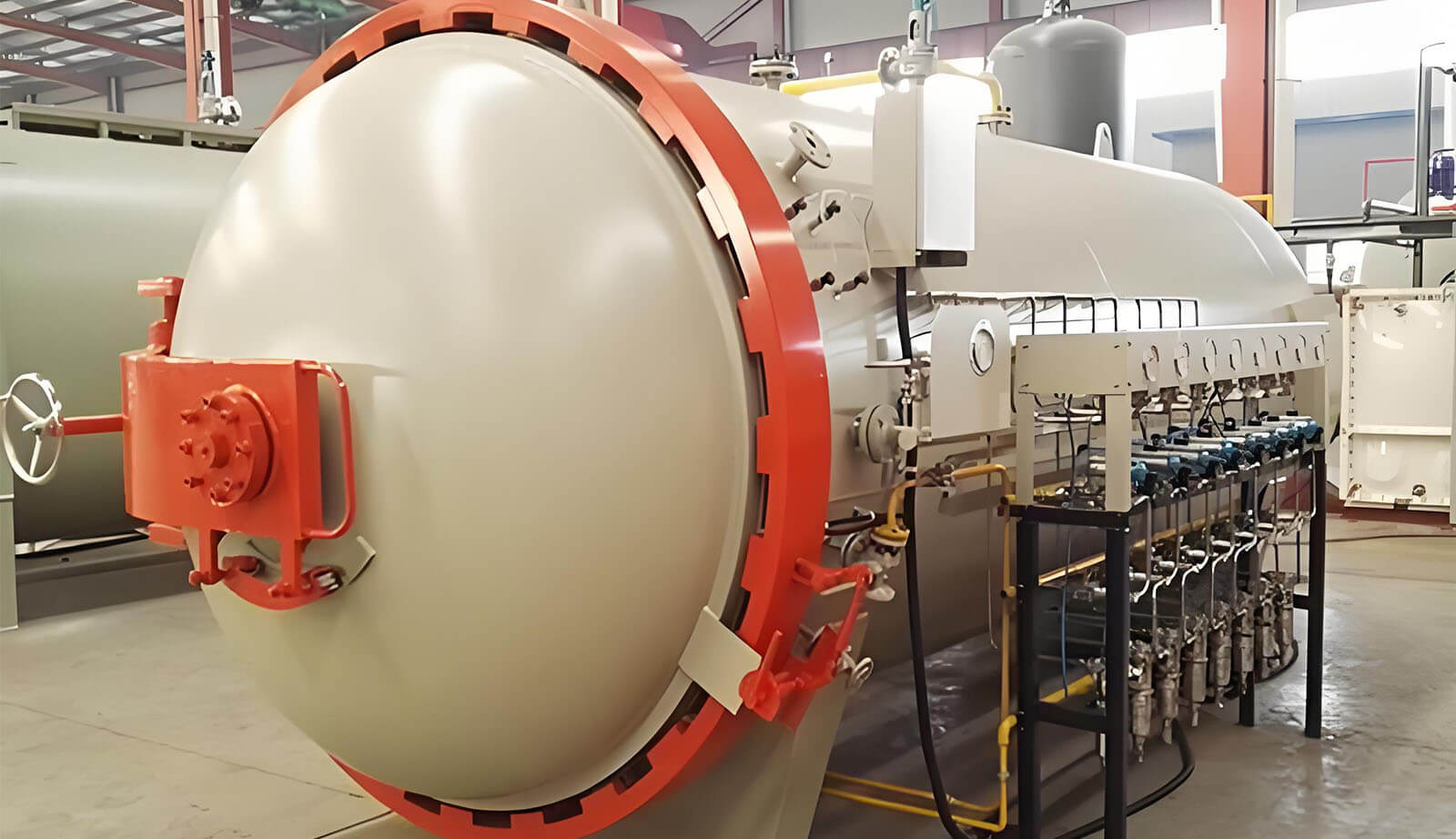
The best seats use curado en autoclave at high pressure and temperature. This creates denser, stronger parts than simple fibra de carbono preimpregnada layups.
Some manufacturers now use 3D-printed seat molds to achieve perfect ergonomics. The technology allows custom racing seat fabrication matched to laser scans of your body.
Popular Brands and Options
Premium Manufacturers
Sparco
- Italian heritage from Formula 1
- Wide range of FIA homologated seats
- Price: $1,200–$2,800
Recaro
- German engineering excellence
- Famous for seat ergonomic design
- Price: $1,500–$3,500
OMP Racing
- Another Italian motorsport legend
- Strong in rally y touring car categories
- Price: $900–$2,200
Bride Japan
- Cult favorite in drift and time attack
- Aggressive styling with deep bolsters
- Price: $1,800–$3,200
Budget-Friendly Options
Cobra Seats (UK)
- Solid quality for club racing
- Price: $800–$1,400
Kirkey Racing (USA)
- Simple designs, proven reliability
- Popular in oval track and drag racing
- Price: $600–$1,200
Status Racing
- Newer brand with modern designs
- Bueno para track-only cars
- Price: $750–$1,600
Fitting Your Body Type
Seat Width Sizing
Measure your hips before buying. Sizes typically run:
- Pequeño: 12–14 inches (lightweight drivers)
- Medio: 14–16 inches (most adults)
- Grande: 16–18 inches (bigger builds)
- XL: 18+ inches (tall or heavy drivers)
A too-narrow seat crushes your ribs. A too-wide seat lets you slide around, defeating the purpose.
Seat Weight Capacity
Most carbon seats handle 200–250 pounds safely. Heavier drivers should verify the seat weight capacity rating.
The carbon fiber itself is strong enough. The concern is the mounting points and how forces distribute through the shell.
Custom Fit Options
For ultimate comfort, consider construcciones a medida. A fábrica de composites a medida can create a seat from a body cast or 3D scan.
This matters for:
- Endurance racing where comfort equals speed
- Drivers with injuries needing special support
- Professional teams optimizing every detail
Street vs. Track Applications
Road Legal Cars
Want a carbon seat in your daily driver? It’s possible but requires compromises:
Reclining mechanisms add weight but provide comfort. Look for models with DOT-compliant mounting systems.
You’ll sacrifice some lateral support compared to fixed-back designs. But you gain:
- Easier entry and exit
- Better visibility for parking
- Comfort for passengers
Muchos coches de fibra de carbono from manufacturers like McLaren y Porsche use hybrid designs—carbon shells with adjustable mechanisms.
Track-Only Cars
Here’s where you go all-out. A dedicated coche de pista doesn’t need street compromises:
- Fixed-back racing seats save maximum weight
- No recline mechanisms to break
- Tighter harness routing
- Lower seating position for better aerodinámica
This setup works for:
- Time attack construye
- Hill climb coches
- Circuit racing specials
- Vintage cars converted to track use
Cuidado y mantenimiento
Cleaning Carbon Fiber Seats
Keep your investment looking fresh:
- Usar jabón suave and warm water
- Limpiar con microfiber cloths solo
- Avoid abrasive cleaners or brushes
- Dry thoroughly to prevent water spots
For stubborn dirt from track days, a gentle degreaser works on the padding. Never use harsh chemicals on the carbon shell itself.
Inspection Schedule
Check these items regularly:
Before each race:
- Mounting bolt torque specs
- Harness slot wear
- Shell for cracks or delamination
Seasonally:
- Padding compression and wear
- Bracket condition
- Mounting point stress cracks
After crashes:
- Full professional inspection
- Replace if any damage found
- Don’t risk a compromised seat
Storage Tips
If you store your race car:
- Keep seats out of direct sunlight
- Avoid extreme temperature swings
- Store in a climate-controlled space
- Cover with breathable fabric
UV exposure degrades the resin over time. A $2,000 seat deserves proper care.
Price and Value Comparison
Budget Tier ($600–$1,200)
Obtendrás:
- Básico carbon fiber seat shells
- Minimal padding
- A menudo FIA 8855-1999 certification (older standard)
- Simple mounting hardware
Bueno para:
- Club racing y días de pista
- Presupuesto drift cars y autocross
- Amateur drivers building experience
Mid-Range ($1,200–$2,000)
Obtendrás:
- Better ergonomics
- FIA 8862-2009 certification
- Multiple padding options
- Stronger mounting brackets
Bueno para:
- Regional racing serie
- SCCA y NASA competencia
- Serious track enthusiasts
Premium ($2,000–$3,500+)
Obtendrás:
- Custom seat fabrication opciones
- Professional team quality
- Advanced materials like Carbono Kevlar
- Lifetime warranty programs
Bueno para:
- Professional motorsport
- Factory teams y works drivers
- Hypercars y supercoches
- Endurance racing campaigns
Return on Investment
Think about it this way: That $2,000 seat saves 18 pounds. To cut that weight elsewhere:
- Carbon fiber hood: $1,500 (saves 15 lbs)
- Carbon fiber wheels: $5,000+ (saves 20 lbs total)
- Titanium exhaust: $3,000 (saves 25 lbs)
The seat delivers weight savings at a competitive price point. Plus it improves driver control and safety—benefits you can’t measure in dollars alone.
Aplicaciones especiales
Electric Race Cars
E-mobility racing like Formula E needs every advantage. Battery packs add serious weight, so lightweight racing seats become even more critical.
Carbon seats help offset those heavy lithium cells. They also provide vibration damping for the instant torque delivery.
Sim Racing
Yes, serious sim racing competitors use real racing seats. Why? Because muscle memory matters.
Practice at home in the same seating position you’ll use at the track. Your body learns proper posture y lateral support expectations.
Many sim racers mount carbon seats to dedicated rigs with motion platforms. It’s the ultimate training tool.
Classic and Vintage Racing
Restomods y classic racing builds often add modern safety equipment. A carbon seat fits the vintage aesthetic while meeting current FIA standards.
You keep the car’s character but add life-saving technology. It’s the perfect blend of old and new.
Custom Builds and SEMA
Show cars at SEMA push boundaries. Builders use fibra de carbono personalizada seats as art pieces—hand-laid with custom weaves and colored resin.
These seats combine:
- CFD-optimized designs for airflow
- Moldes impresos en 3D for unique shapes
- Custom stitching and upholstery
- Integrated electronics for heating or sensors
They prove carbon fiber isn’t just functional—it’s beautiful.
Errores comunes que se deben evitar
Wrong Size Selection
I’ve seen too many racers buy seats that don’t fit. Measure yourself. Try seats at shops if possible. A poorly fitted seat hurts performance and comfort.
Skipping Certification
Don’t buy uncertified seats for real racing. Tech inspection will fail you. That cheap eBay seat isn’t worth the hassle.
Improper Installation
Mounting bolts have torque specs for a reason. Over-tighten and you crack the carbon. Under-tighten and the seat moves during crashes.
Hire a professional if you’re unsure. Your life depends on correct installation.
Neglecting Harnesses
A great seat with a worn-out harness is dangerous. Replace harnesses per manufacturer schedules—usually every 3–5 years regardless of visible wear.
The Future of Racing Seats
Materiales avanzados
Manufacturers experiment with:
- Mejora del grafeno carbon for 20% more strength
- Hybrid composites mixing carbon, Kevlar, and aramid fibers
- Materiales inteligentes that stiffen on impact
Integrated Technology
Expect to see:
- Biometric sensors tracking heart rate and fatigue
- Heating elements for cold weather racing
- Active bolsters that adjust during cornering
- Crash detection systems alerting safety crews
Sostenibilidad
As motorsport goes green, seat makers explore:
- Fibra de carbono reciclada from aerospace scraps
- Bio-based resins from plant materials
- Circular economy programs for end-of-life seats
Making Your Decision
Elegir lo correcto carbon fiber racing seat comes down to your specific needs. Ask yourself:
What’s my primary use?
- Weekend track days?
- Competitive racing?
- Street and track hybrid?
What’s my budget?
- Entry level: $600–$1,200
- Serious racer: $1,200–$2,000
- Professional grade: $2,000+
What certifications do I need?
- FIA 8862-2009 for international racing
- SFI 39.2 for drag racing
- None for track days (but still recommended)
How important is comfort?
- Short sprints: Maximum support over comfort
- Endurance: Balance support and padding
- Street use: Prioritize adjustability
Tus próximos pasos
Ready to upgrade your racing setup? Here’s what to do:
- Measure your body con cuidado
- Check your race series rules for certification requirements
- Verify your roll cage measurements
- Set a realistic budget including mounting hardware
- Order from reputable suppliers who understand motorsport
The right seat transforms your driving experience. You’ll feel more connected to the car. Your lap times will improve. Most importantly, you’ll be safer when things go wrong.
Whether you’re chasing championships in WEC, bombing through stages in WRC, or just enjoying días de pista with friends—a quality carbon fiber racing seat is one of the smartest upgrades you can make.
Our team works with professional racing teams, builders, and OEM partners to develop carbon fiber components that meet real motorsport standards—not just cosmetic upgrades.
Start your build right. Choose carbon fiber. Race faster. Race safer.
Looking for expert guidance on carbon fiber products? Our team at chinacarbonfibers.com specializes in high-performance composite solutions for motorsports. Contact us to discuss your specific racing needs.