Risposta rapida: La fibra di carbonio non si ammaccata e non torna alla forma originale come la lamiera. Un impatto può lasciare un’ammaccatura superficiale, ma può anche causare la rottura della matrice in resina, la rottura delle fibre o la separazione degli strati del laminato (delaminazione) senza segni visibili. I danni estetici alla vernice trasparente possono spesso essere riparati. Qualsiasi danno che raggiunga il laminato — o qualsiasi danno su una parte portante — richiede un’ispezione adeguata prima di decidere se procedere con la riparazione o la sostituzione.
La fibra di carbonio può davvero ammaccarsi o staccarsi?
La lamiera subisce una deformazione plastica sotto l'impatto: si allunga e l'ammaccatura rimane perché il metallo non ha modo di tornare da solo alla forma originale. Questo è anche il motivo per cui la riparazione delle ammaccature senza verniciatura (riportando il metallo alla forma originale tramite trazione o pressione) funziona sulle automobili.
La plastica rinforzata con fibra di carbonio (CFRP) è un laminato composito indurito, non una lamiera duttile. Non reagisce agli urti allo stesso modo e non può essere “ripristinata” con strumenti o tecniche metalliche per la riparazione delle ammaccature. Quando un componente in CFRP subisce un urto, possono verificarsi invece una o più delle seguenti situazioni:
- Il rivestimento trasparente o gelcoat presenta scheggiature, graffi o crepe, mentre il laminato sottostante rimane intatto
- La matrice in resina si crepa senza che le fibre si spezzino
- Le singole fibre si rompono, il che riduce direttamente la capacità di carico del componente in quella zona
- Gli strati adiacenti si separano l'uno dall'altro (delaminazione) — spesso senza alcun segno visibile evidente
- Nei componenti con anima a sandwich (anima in schiuma o a nido d’ape tra due strati di laminato), l’anima subisce una deformazione locale che può apparire come una “ammaccatura” superficiale poco profonda, nascondendo però danni interni più gravi
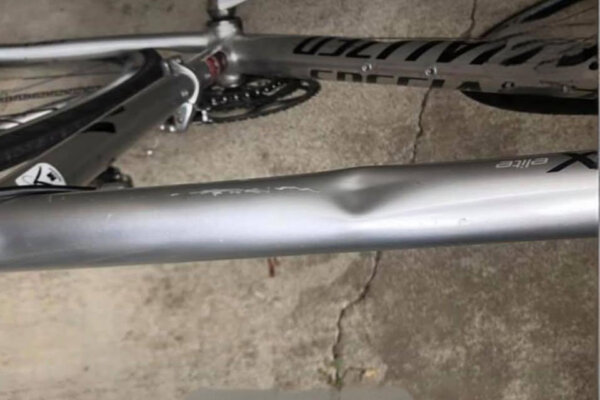
Una depressione visibile su un componente in fibra di carbonio potrebbe significare semplicemente che lo strato trasparente è graffiato. Potrebbe però anche indicare che il laminato sottostante è strutturalmente compromesso. Non è possibile stabilirlo con certezza solo guardandolo — ed è proprio questo il problema principale nel trattare la questione come se si trattasse di un’ammaccatura su metallo.
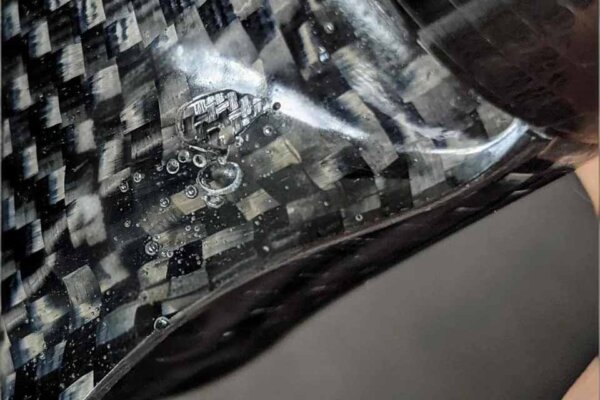
Danni estetici vs. danni strutturali: cosa controllare effettivamente
L'energia da impatto in un laminato tende a diffondersi tra gli strati piuttosto che rimanere concentrata nel punto di contatto, per cui un segno piccolo e apparentemente insignificante può nascondere un'area molto più ampia di delaminazione interna. Nel settore aerospaziale e in quello delle competizioni motoristiche, questo fenomeno è talmente ben noto da avere un nome proprio: Danni da impatto appena visibili (BVID) — danni strutturalmente reali ma non visibili a occhio nudo.
Utilizzatelo come primo passo di screening, non come autorizzazione definitiva in materia di sicurezza:
| Ciò che vedi o provi | Danni probabili | Azione consigliata |
|---|---|---|
| Graffio o scheggiatura sulla vernice trasparente; il motivo a trama appare integro | Solo danni alla finitura estetica | Pulire, documentare e rivolgersi a un professionista della riverniciatura per la riparazione della superficie |
| Leggera depressione superficiale, nessuna crepa, il pannello risulta ancora rigido al tatto | Probabilmente si tratta di un problema estetico; il laminato sembra intatto | Farlo ispezionare prima di procedere alla levigatura, alla stuccatura o di continuare a utilizzarlo a fini strutturali |
| Macchie bianche o opache in prossimità del punto di impatto, con finitura opaca o leggermente colorata | Fessurazioni della resina o rottura delle fibre | Prima di continuare a utilizzarlo, far eseguire un’ispezione da parte di un professionista |
| Crepe visibili o che si possono sentire con l'unghia, schegge, fibre a vista | Fessurazioni del laminato, probabilmente dovute alla rottura delle fibre | Interrompere l'utilizzo del componente; è necessaria una perizia strutturale da parte di un professionista |
| Zona morbida o spugnosa, scricchiolio udibile, separazione visibile degli strati | Delaminazione o schiacciamento dell’anima | Non caricare il pezzo; è necessaria una valutazione da parte di un professionista |
| Qualsiasi delle condizioni sopra indicate su una parte portante o rilevante per la sicurezza (componente del telaio, staffa strutturale, telaio della bicicletta, casco, parte delle sospensioni) | Gravità da accertare senza ispezione | Non rimettere in servizio il prodotto basandosi solo sull'aspetto; attenersi alle procedure di ispezione previste dal produttore originale (OEM) o da un ente qualificato |
Un controllo visivo può individuare segni evidenti di allarme. Tuttavia, non può dimostrare che un laminato sia strutturalmente integro: una verifica effettuata esercitando una pressione con la mano o valutando se “sembra rigido” non costituisce un’autorizzazione di sicurezza per alcun elemento portante. Per i componenti strutturali, un’ispezione qualificata prevede in genere prove di percussione, ispezioni a ultrasuoni, termografia o altri metodi di controllo non distruttivo (NDT) adeguati alla struttura del componente.
Documentare accuratamente i danni è di aiuto a chiunque debba valutarli in seguito. Fotografare l'area in condizioni di buona illuminazione, annotare il punto di impatto e le dimensioni approssimative, indicare se il componente era sotto carico al momento dell'evento e verificare la presenza di crepe nel rivestimento, scolorimenti, rotture della trama o eventuali alterazioni del profilo superficiale.
Cosa si può ragionevolmente fare in caso di danni estetici alla superficie
Se — e solo se — la parte non è strutturale e avete verificato che il laminato e le fibre sottostanti siano intatti, una rifinitura estetica può ripristinarne l’aspetto senza intaccare il laminato strutturale. Un esempio tipico è il seguente:
- Pulito pulire accuratamente la superficie, rimuovendo sporco, olio e cera, in modo che nulla comprometta l'adesione
- Preparare la superficie con un'abrasione leggera e controllata — sufficiente a far aderire il materiale di riparazione, ma non tale da danneggiare la trama sottostante
- Applicare uno stucco o una vernice trasparente compatibili, attenendosi scrupolosamente alle indicazioni della scheda tecnica per quanto riguarda i rapporti di miscelazione, il tempo di lavorabilità e la temperatura di indurimento
- Lasciare asciugare completamente come indicato nelle specifiche del prodotto — affrettare questa fase è una causa comune di risultati estetici insoddisfacenti
- Concludi gradualmente, procedendo con grane di carta vetrata sempre più fini prima della lucidatura e di una nuova applicazione di vernice trasparente
Questo intervento ripristina l'aspetto estetico. Non ricollega le fibre spezzate né ripristina il trasferimento del carico in un'area delaminata; pertanto, dovrebbe essere utilizzato solo nei casi in cui si sia già accertato che il danno è esclusivamente estetico.
Non utilizzare pistole termiche, attrezzi metallici per la riparazione delle ammaccature né trapani per “rimuovere” un’ammaccatura dalla fibra di carbonio. I sistemi a base di resina indurita presentano un profilo di indurimento e una temperatura di transizione vetrosa ben definiti; il riscaldamento locale non controllato non costituisce un processo controllato e non rappresenta un metodo affidabile per correggere un difetto del laminato. Le tecniche di riparazione delle ammaccature con il metallo non sono applicabili a un laminato composito. Carteggiare fino a scoprire l’intreccio senza seguire una procedura di riparazione qualificata può trasformare un difetto riparabile in uno più grave. Un riempimento estetico può nascondere il danno sottostante, ma non lo risolve.
Quando hai bisogno di un'ispezione o di una riparazione professionale di materiali compositi
Rivolgiti a uno specialista qualificato nella riparazione di materiali compositi — non a un'officina generica e non a un kit fai-da-te — quando si verifica una delle seguenti situazioni:
- Il componente è sottoposto a sollecitazioni strutturali o rilevanti per la sicurezza
- Si notano crepe visibili, delaminazione, schegge o fibre a vista
- C'è una zona morbida, spugnosa o ammaccata
- Il componente è stato coinvolto in un impatto più violento, anche se il segno visibile sembra di lieve entità
- Il componente è montato su un telaio di bicicletta, un casco, un componente del telaio di un veicolo, un elemento delle sospensioni o un’applicazione analoga in cui la sicurezza è fondamentale
Come funziona effettivamente una riparazione strutturale con materiali compositi
Una riparazione a regola d'arte segue generalmente una procedura simile a quella descritta di seguito, anche se i dettagli variano a seconda del componente, del tipo di laminato e del sistema di resina:
- Ispezione dei danni — valutazione visiva abbinata a un metodo di controllo non distruttivo (prova di percussione, ultrasuoni o termografia) per individuare l’effettiva estensione della delaminazione e del danno alle fibre, che spesso è maggiore di quanto lasci intendere il segno visibile
- Rimozione del materiale danneggiato — rifilatura fino al laminato integro, solitamente con un giunto a scarpa (rastremato) o a gradino, in modo che gli strati di riparazione possano trasferire il carico in modo uniforme alla struttura circostante
- Piano di lavoro per la riparazione — nuovi strati di fibra di carbonio selezionati e orientati in modo da corrispondere all’orientamento delle fibre e al numero di strati del laminato originale per quella zona
- Lay-up — resina per laminazione a umido o materiale preimpregnato, a seconda del processo adottato dall’officina e dei requisiti del pezzo
- Consolidamento e guarigione — insacchettamento sottovuoto per eliminare l'aria intrappolata e consolidare gli strati; polimerizzazione in autoclave (calore e pressione) laddove sono richieste massima resistenza e uniformità
- Finitura — levigatura, preparazione della superficie e rifinitura per uniformare la riparazione con la parte circostante
Si tratta di un intervento di natura sostanzialmente diversa rispetto al riempimento di una cavità superficiale; ecco perché la riparazione strutturale viene definita, programmata e preventivata separatamente rispetto alla rifinitura estetica.
Per quanto riguarda gli aeromobili, gli sport motoristici, i telai delle biciclette e altri componenti critici per la sicurezza, la procedura di riparazione approvata dal costruttore, l’approvazione tecnica e le normative applicabili hanno la precedenza su qualsiasi guida generale, compresa la presente.
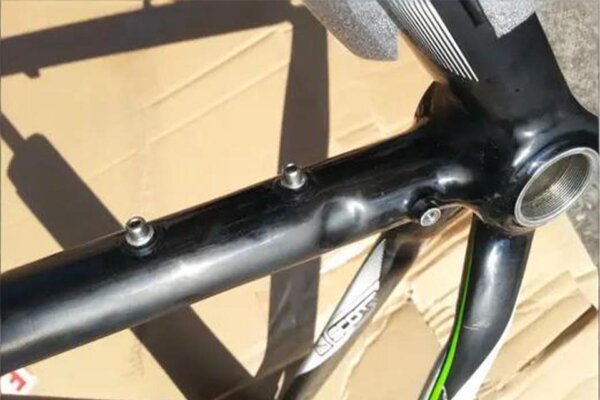
Riparazione o sostituzione
| Fattore | Favorisce la riparazione | Sostituzione dei favori |
|---|---|---|
| Entità del danno | Una volta posato, il laminato può essere ispezionato integralmente | Delaminazione estesa, più strati interessati oppure stampo/anima gravemente deformati |
| Ruolo parziale | Non strutturale o sottoposto a carichi moderati, con lamellare in ottime condizioni | Componenti critici per la sicurezza (telaio, sospensioni, struttura portante, casco) |
| Costruzione originale | Layup noto, riproducibile con strati corrispondenti | Layup sconosciuto, oppure stampi/disegni originali non disponibili |
| Complessità della finitura | Si sfuma in modo impercettibile | Intreccio a vista, tolleranze ristrette o geometria insolita che rende difficile una riparazione invisibile |
| Economia | Il costo della riparazione è chiaramente ragionevole rispetto al valore del pezzo | Il costo della riparazione è pari o superiore a quello del ricambio |
| Fiducia | L'ispezione conferma che il laminato è in buone condizioni | L’ispezione non permette di verificare appieno le condizioni interne |
Quando si tratta di ricambi personalizzati, a bassa tiratura, per il mondo delle corse o fuori produzione, la possibilità di sostituirli dipende spesso dalla capacità di un'officina di riprodurre il pezzo con precisione — e non solo dal fatto che il danno sia riparabile. Si tratta di una questione diversa rispetto a quella che si affronta normalmente in un'officina di riparazione, ed è proprio in questi casi che diventa fondamentale rivolgersi direttamente al produttore.
Cosa incide sul costo — e perché non pubblicheremo una tabella dei prezzi
Non esiste un prezzo standard affidabile per “una riparazione di un'ammaccatura su fibra di carbonio”. Il costo dipende da:
- Che il danno sia solo estetico o si estenda fino al laminato — questo è il fattore determinante, poiché la riparazione strutturale comporta la rimozione del materiale, la posa di nuovi strati e una polimerizzazione controllata, anziché un semplice riempimento superficiale
- L'accessibilità alla zona danneggiata e la necessità o meno di smontare il componente per intervenire su di esso
- Complessità della finitura — abbinamento a una trama a vista, a una specifica finitura lucida/opaca o al colore della vernice
- A prescindere dal fatto che il componente sia strutturale, il che di solito richiede un controllo di processo più rigoroso e l'approvazione dei risultati delle ispezioni
- Se sia necessario procedere al reverse engineering del componente partendo da un campione, da un disegno o da una scansione, anziché ripararlo
- Tariffe orarie locali e specializzazione delle officine
Le fasce di prezzo generiche non tengono conto di nulla di tutto ciò, e una cifra fissa pubblicata su una pagina senza una fonte verificata può facilmente essere interpretata erroneamente come un preventivo. Se desiderate conoscere il costo effettivo, inviateci i dettagli del ricambio per ottenere una valutazione dettagliata, anziché fare affidamento su una fascia di prezzo pubblicata — vedi sotto.
Dove si manifesta questo tipo di danno
Settore automobilistico e sport motoristici — parti di auto in fibra di carbonio come cofani in fibra di carbonio, i pannelli del tetto, gli spoiler, gli splitter e i diffusori sono esposti agli urti nei parcheggi e ai detriti presenti sulla strada; nelle competizioni, subiscono urti diretti. Ciò vale per tutte le piattaforme, compresi i marchi ad alte prestazioni come McLaren e Lamborghini dove i pannelli della carrozzeria in fibra di carbonio sono comuni — sebbene i meccanismi di danneggiamento qui descritti valgano indipendentemente dalla marca o dal modello. I pannelli estetici sono spesso riparabili o riverniciabili; i componenti strutturali (splitter e pannelli del sottoscocca con percorsi di carico effettivi, parti adiacenti al telaio) richiedono invece una valutazione adeguata del danno.
Moto — Le carenature, i coperchi del serbatoio e i parafanghi subiscono spesso danni in caso di cadute a bassa velocità. Si tratta per lo più di danni estetici, ma è opportuno controllare che le carenature dotate di punti di fissaggio strutturali non presentino crepe in corrispondenza dei dispositivi di fissaggio.
Attrezzature sportive e per attività all'aperto — I telai delle biciclette e i caschi dovrebbero, in linea di massima, essere sottoposti a un controllo da parte di un professionista dopo ogni urto di una certa entità, viste le conseguenze che potrebbero derivare da un cedimento strutturale non individuato.
Attrezzature industriali — Gli alloggiamenti, i pannelli strutturali e i tubi in fibra di carbonio sono meno esposti a urti casuali, ma possono subire danni dovuti alla movimentazione o al trasporto che richiedono un’ispezione prima che il componente venga rimesso in servizio.
Aerospaziale — Le strutture composite degli aeromobili devono essere sottoposte a riparazioni strutturali secondo le procedure approvate dal costruttore e le normative aeronautiche applicabili, utilizzando metodi di controllo non distruttivo (NDT) adeguati alla struttura. Si tratta di informazioni di contesto generale, non di una categoria di riparazioni che la maggior parte dei lettori effettuerà autonomamente.
Prevenzione dei danni da urto
- Pellicola protettiva per vernici (PPF) sulle aree particolarmente esposte, quali i bordi d’attacco, i deflettori e i pannelli inferiori, può contribuire a ridurre graffi, scheggiature da pietrisco e piccoli danni superficiali alla finitura. Non sostituisce tuttavia una manipolazione accurata e non impedisce che un impatto di notevole entità raggiunga il laminato sottostante.
- Manipolazione e conservazione con cura — in pratica, la maggior parte dei danni deriva dal fatto che i componenti vengono urtati, fatti cadere o contro cui vengono appoggiati degli attrezzi durante la manutenzione, non da urti violenti
- Evitare lo stoccaggio a temperature estreme, poiché alcuni sistemi di resina possono risentire di un'esposizione prolungata al calore
- Ispezione visiva periodica in caso di fessurazioni precoci della vernice trasparente, scolorimento dovuto ai raggi UV o segni di sollecitazione in prossimità dei punti di fissaggio e degli elementi di fissaggio, dove si concentrano i carichi
Richiedi una valutazione o un pezzo di ricambio
Se un componente non è adatto alla riparazione — o se semplicemente si preferisce averne uno nuovo realizzato secondo le specifiche originali — è in questi casi che un colloquio con il reparto produzione risulta più utile rispetto a uno con l'officina.
Come produttore di fibra di carbonio personalizzata, ci occupiamo di stampaggio in autoclave con preimpregnati, stampaggio a compressione, infusione sotto vuoto e lay-up a umido, tecniche selezionate in base ai requisiti strutturali del componente, alla finitura e al volume di produzione, oltre a operazioni di rifilatura CNC, foratura e incollaggio/assemblaggio dei componenti finiti. Il nostro team può lavorare utilizzando come riferimento un vostro pezzo danneggiato esistente, file CAD o STEP oppure una scansione 3D — vedi la nostra esperienza nel campo dell'ingegneria e della produzione per saperne di più su come vengono gestiti progetti come questo.
Per ricevere una risposta utile, invia:
- Denominazione del componente e applicazione
- Fotografie dei danni, in condizioni di buona illuminazione
- Dimensioni esterne e spessore, se noti
- Punti di fissaggio e quantità necessaria
- Finitura richiesta
- Qualsiasi disegno o file CAD disponibile
Verificheremo se il passo successivo più opportuno sia una riparazione estetica della superficie, l’invio a un professionista per una valutazione del composito, oppure un fibra di carbonio personalizzata pezzi di ricambio — anche per produzioni una tantum o in piccole serie, nei casi in cui non sia pratico effettuare un nuovo ordine presso un produttore OEM.
Domande frequenti
Puoi estrarre un'ammaccatura in fibra di carbonio come il metallo?
Di solito no. La fibra di carbonio è un laminato composito indurito, non un pannello di lamiera duttile, quindi gli strumenti e le tecniche utilizzati per riparare le ammaccature sulla lamiera non sono applicabili. Un’ammaccatura può essere puramente estetica, oppure può indicare la presenza di fibre schiacciate o di delaminazione al di sotto: l’aspetto da solo non basta a stabilire quale delle due ipotesi sia quella corretta.
La riparazione con resina epossidica ripristina la resistenza originaria?
Non automaticamente. Riempire una depressione può ripristinare l’aspetto estetico, ma non ricollega le fibre spezzate né riproduce il percorso di carico del laminato originale. Una vera e propria riparazione strutturale richiede la rimozione del materiale danneggiato e la ricostruzione del laminato con nuovi strati, in linea con la struttura originale.
Il calore può riparare un'ammaccatura nella fibra di carbonio?
Non come fase autonoma da eseguire fai-da-te. Il calore controllato fa parte di alcuni processi professionali di indurimento e consolidamento, ma il riscaldamento locale non controllato con una pistola termica non è un metodo affidabile per correggere un difetto del laminato e può influire sul sistema di resina in modi non visibili dall’esterno.
È possibile riparare il telaio di una bicicletta in fibra di carbonio dopo un urto?
Alcuni telai possono essere valutati e riparati da uno specialista, ma qualsiasi ammaccatura visibile, crepa, punto molle o segno di urto in prossimità di un giunto deve essere considerato innanzitutto un problema di sicurezza. Non rimettere in servizio un telaio basandoti esclusivamente su una riparazione estetica o su una verifica al tatto: fallo ispezionare.
È meglio riparare o sostituire un cofano o uno spoiler in fibra di carbonio?
Dipende dal fatto che il danno sia limitato alla finitura o si estenda fino al laminato, oltre che dall’accessibilità del componente, dalla complessità della finitura e dal rapporto tra il costo della riparazione e quello della sostituzione. Inviateci foto e misure per una valutazione prima di decidere il metodo di riparazione.
È possibile produrre un ricambio in fibra di carbonio?
In molti casi, sì: la risposta dipende dalla geometria, dai disegni disponibili o da un campione del pezzo, dalla quantità, dal sistema di materiali richiesto e dalla finitura. Contattate il nostro team di ingegneri fornendo questi dettagli, in modo che possiamo confermare il processo di produzione più adatto.