Perché scegliere la fibra di carbonio per il vostro impianto solare?
Volete che i vostri pannelli solari durino a lungo. È necessario che rimangano affidabili durante le tempeste, i carichi di neve e l'esposizione prolungata al sole. Ecco dove sistemi di montaggio solare in fibra di carbonio offrono un'alternativa convincente alle strutture metalliche tradizionali.
I materiali convenzionali hanno dei limiti. L'acciaio aggiunge un peso significativo ed è vulnerabile alla corrosione. L'alluminio è più leggero ma può deformarsi nel tempo e soffre in ambienti costieri difficili. Il polimero rinforzato con fibra di carbonio (CFRP), invece, unisce elevata resistenza, peso ridotto e durata a lungo termine.
Come produttore di compositi in carbonio Con una profonda esperienza nei compositi strutturali, progettiamo sistemi di montaggio in fibra di carbonio per le applicazioni solari più esigenti, dove i materiali convenzionali non sono all'altezza.
Cosa rende diversi i supporti solari in fibra di carbonio?
Leggero ma strutturalmente robusto
La fibra di carbonio offre un'eccezionale rapporto forza-peso. Rispetto ai tradizionali sistemi di montaggio solare in alluminio, le strutture in fibra di carbonio possono in genere riducono il peso strutturale di circa il 40-60%, a seconda della configurazione del sistema e dell'applicazione.
Per i tetti, questa riduzione è significativa. La riduzione del carico morto aiuta a proteggere le strutture del tetto, amplia le possibilità di installazione per gli edifici più vecchi e riduce lo stress strutturale a lungo termine.
Nonostante il loro peso ridotto, i sistemi di montaggio in fibra di carbonio sono progettato per supportare i carichi di progetto specifici del sito, inclusi:
- Carichi di vento fino a 150 mph, soggetto a layout e convalida ingegneristica
- Carichi di neve fino a 40 psf, a seconda della portata e della configurazione
- Carichi distribuiti da impianti fotovoltaici residenziali e commerciali
Questi sistemi sono progettati in base agli standard strutturali applicabili e convalidati attraverso calcoli specifici per il progetto.
Resistenza alle intemperie per design
I compositi in fibra di carbonio offrono eccellente resistenza alla corrosione, all'umidità e all'esposizione ai raggi UV. A differenza dei supporti solari metallici che possono corrodersi in ambienti costieri o industriali, le strutture in CFRP mantengono prestazioni meccaniche stabili nel tempo.
I test e l'utilizzo sul campo dimostrano prestazioni affidabili in un'ampia gamma di temperature, tipicamente da Da -40°F a 185°F, La fibra di carbonio è quindi adatta per installazioni in zone desertiche, costiere e a clima freddo.
Poiché la fibra di carbonio non è metallica, è intrinsecamente resistente alla nebbia salina, all'esposizione chimica e alla corrosione galvanica, vantaggi fondamentali per i sistemi di montaggio fotovoltaici (PV) a lungo termine.
Riduzione del carico sulle strutture del tetto
I sistemi di montaggio leggeri sono particolarmente utili per tetti in tegole, edifici obsoleti e progetti di retrofit. Riducendo il peso complessivo del sistema, i supporti in fibra di carbonio consentono installazioni solari in scenari in cui i sistemi metallici tradizionali potrebbero superare i limiti strutturali.
Questa efficienza di peso amplia la gamma di edifici che possono adottare in modo sicuro soluzioni solari residenziali e commerciali.
Caratteristiche tecniche che contano
Di seguito è riportato un tipico confronto a livello di materiale per riferimento. Le prestazioni effettive del sistema dipendono dalla progettazione e dalle condizioni del progetto.
| Caratteristica | Fibra di carbonio | Alluminio | Acciaio |
|---|
| Peso strutturale | Molto basso | Moderato | Alto |
| Resistenza alla corrosione | Eccellente | Moderato (limitato alle zone costiere) | Basso |
| Espansione termica | Molto basso | Moderato | Alto |
| Conducibilità elettrica | Non conduttivo | Conduttivo | Conduttivo |
| Vita utile prevista | 30+ anni | 15-20 anni | 10-15 anni |
Capacità di carico su cui contare
I sistemi di montaggio solari in fibra di carbonio sono progettato per soddisfare i requisiti di carico di vento e neve specifici del sito, comprese le regioni esposte a uragani o a forti nevicate.
La capacità di carico per punto di montaggio è determinata da:
- Lunghezza della campata
- Layout della matrice
- Metodo di installazione
- Norme di progettazione applicabili (ad esempio, ASCE 7-16)
Questo approccio garantisce l'affidabilità della struttura senza un eccesso di progettazione e senza l'uso di materiali inutili.
Stabilità termica nelle varie stagioni
L'espansione e la contrazione termica sono cause comuni di stress a lungo termine nei sistemi di montaggio in metallo. La fibra di carbonio presenta espansione termica molto bassa, contribuendo a mantenere l'allineamento e a ridurre l'affaticamento in caso di cicli di temperatura ripetuti.
La natura non conduttiva della fibra di carbonio riduce inoltre al minimo l'adesione del ghiaccio nei climi freddi e limita la deformazione dovuta al calore negli ambienti caldi.
Come vengono prodotti questi sistemi
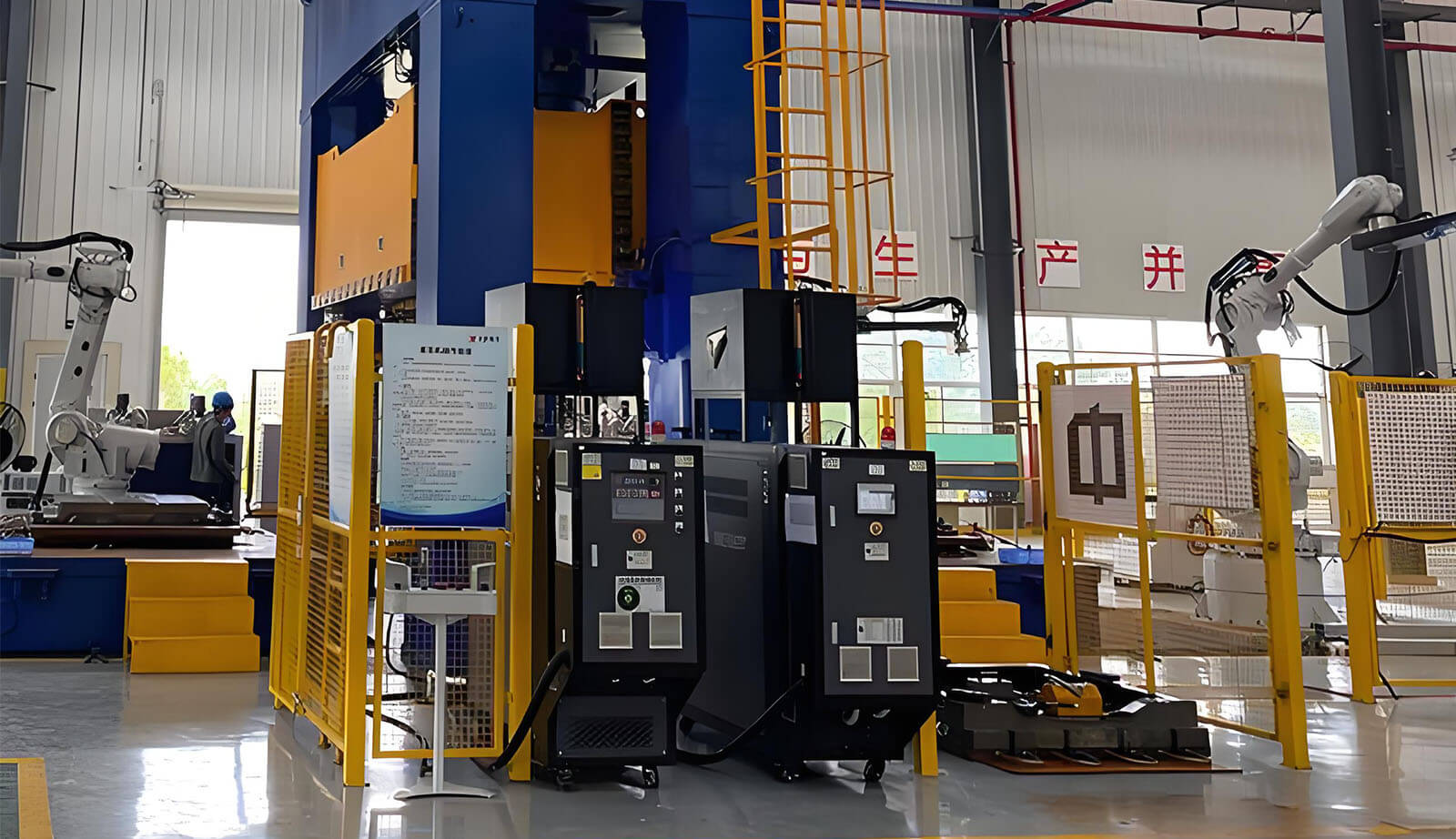
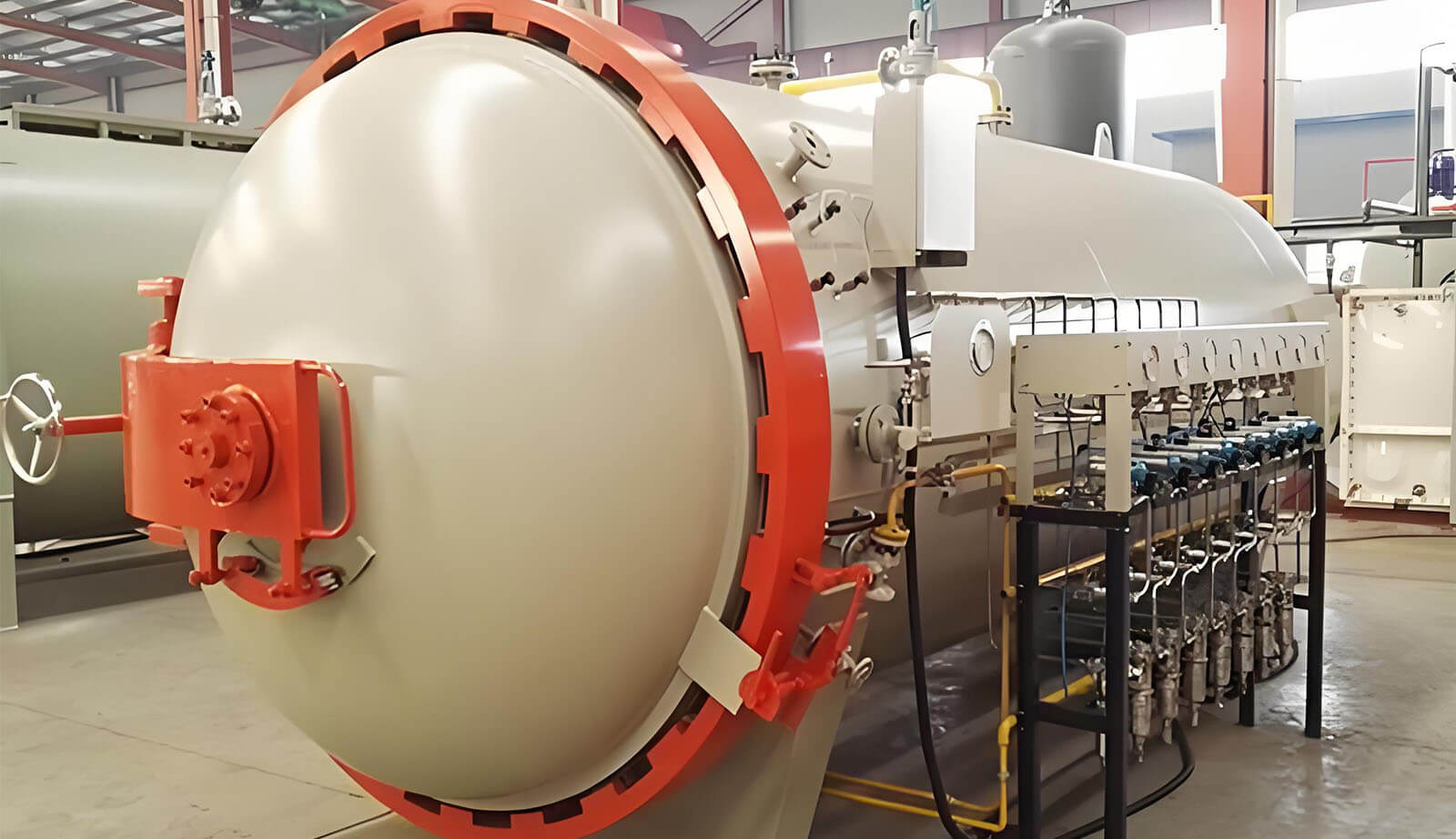
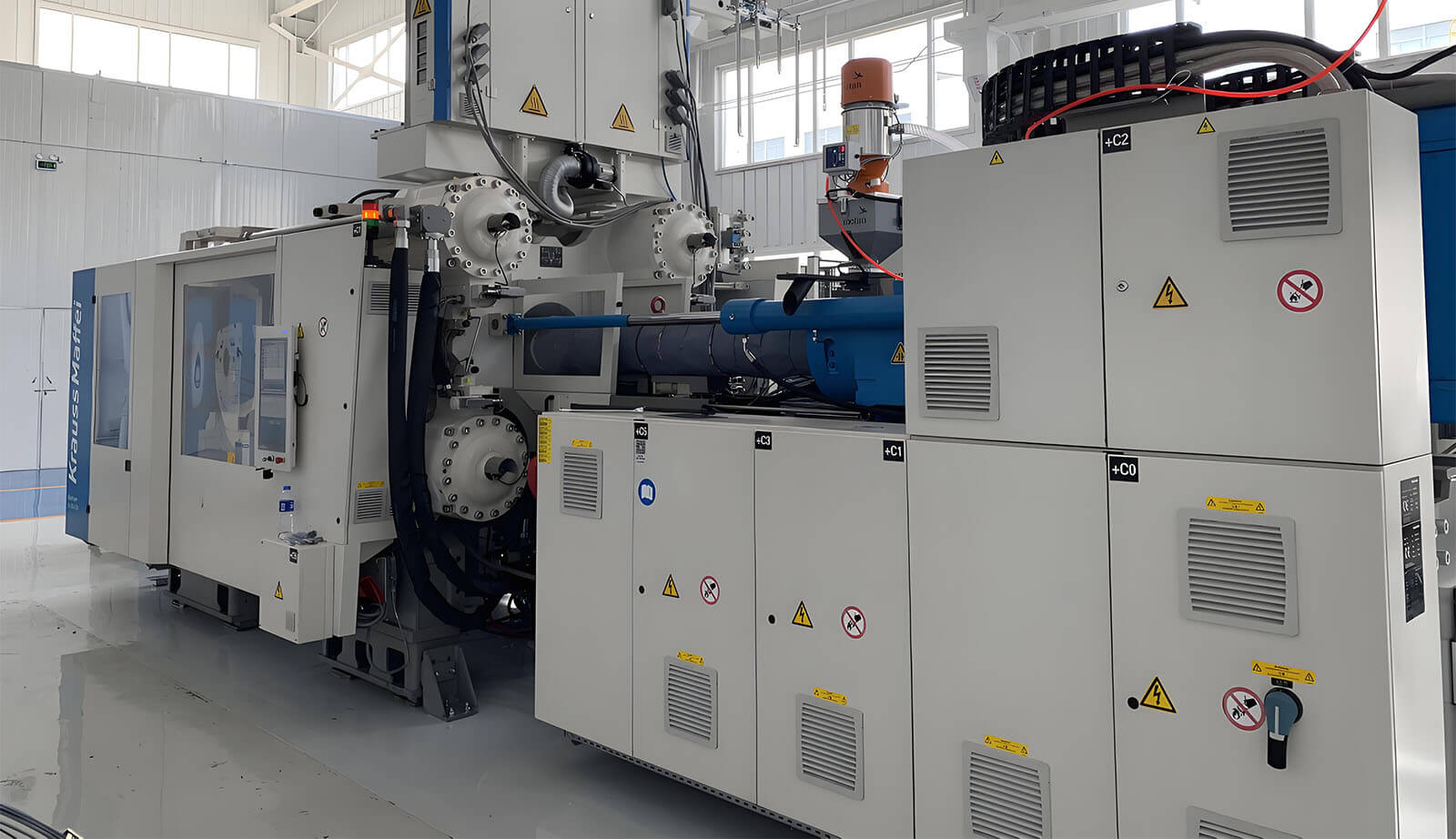
Come fabbrica di compositi personalizzati, Applichiamo i principi di produzione dei compositi nel settore aerospaziale e automobilistico alle applicazioni di montaggio solare.
Le stesse metodologie ingegneristiche utilizzate in auto in fibra di carbonio-tra cui la selezione dei materiali, la progettazione dei laminati e il controllo della qualità- sono applicate per garantire prestazioni strutturali costanti.
Ogni componente di montaggio è sottoposto a controlli dimensionali e di processo per garantire la ripetibilità e l'affidabilità a lungo termine.
Design modulare per un'installazione pratica
I sistemi di montaggio solari in fibra di carbonio sono progettati per installazione e scalabilità efficienti. I componenti modulari consentono la flessibilità delle configurazioni su tetto e a terra.
Le caratteristiche tipiche includono:
- Inclinazione regolabile (circa 10°-60°)
- Interfacce per morsetti pre-ingegnerizzate
- Punti di connessione preforati
- Connettori di giunzione strutturali per array estesi
Questi progetti modulari riducono i tempi di installazione mantenendo l'integrità strutturale.
Standard e conformità
I componenti del sistema sono progettato per essere conforme agli standard internazionali pertinenti, compresi i requisiti UL 2703 e IEC. È possibile fornire certificazione e test di terze parti su richiesta, a seconda dell'ambito e della configurazione del progetto.
Per le applicazioni specifiche di una regione, il supporto ingegneristico può riguardare:
- Zone di uragani ad alta velocità (HVHZ)
- Considerazioni sismiche
- Requisiti del codice edilizio locale
Scenari applicativi in cui la fibra di carbonio eccelle
Ambienti costieri e corrosivi
La resistenza della fibra di carbonio alla nebbia salina e all'umidità la rende adatta alle installazioni costiere dove i sistemi metallici subiscono un degrado accelerato.
Solare commerciale e di pubblica utilità
Per gli impianti solari di grandi dimensioni, il peso ridotto della struttura riduce i costi di trasporto e semplifica la gestione in loco. Le strutture modulari in fibra di carbonio consentono inoltre una distribuzione scalabile su grandi superfici.
Impianti solari galleggianti
Gli impianti fotovoltaici galleggianti beneficiano di strutture di montaggio leggere e non conduttive. La resistenza della fibra di carbonio all'umidità e alla corrosione rappresenta una soluzione affidabile per le installazioni in acqua.
Carico di neve e regioni montane
La bassa conducibilità termica riduce l'accumulo di ghiaccio e contribuisce a mantenere la stabilità strutturale in caso di ripetuti cicli di gelo e disgelo nelle regioni ad alta densità di neve.
FV integrato negli edifici (BIPV)
Le applicazioni solari architettoniche richiedono linee pulite e un impatto visivo minimo. I sistemi di montaggio in fibra di carbonio si integrano bene con i design degli edifici moderni e con i concetti BIPV avanzati.
Sistemi solari portatili e specializzati
I sistemi di montaggio leggeri in materiale composito sono adatti per installazioni solari mobili, temporanee o remote, dove l'efficienza del trasporto e la rapidità di installazione sono fondamentali.
Costo e valore del ciclo di vita
I sistemi di montaggio solari in fibra di carbonio comportano in genere un investimento iniziale più elevato rispetto alle alternative in alluminio. Tuttavia, il costo totale del ciclo di vita è spesso inferiore a causa di:
- Vita utile prolungata
- Requisiti minimi di manutenzione
- Riduzione dei guasti dovuti alla corrosione
- Minori sforzi per il trasporto e l'installazione
Per i progetti a lungo termine, le prestazioni del ciclo di vita spesso superano il costo iniziale del materiale.
Garanzia e assistenza
I sistemi sono supportati da un Garanzia limitata di 10 anni che copre i materiali e le prestazioni strutturali, in base ai termini e alle condizioni standard.
Considerazioni sull'installazione
Valutazione del tetto
Anche con i sistemi di montaggio leggeri, le condizioni del tetto e la capacità di carico devono sempre essere valutate prima dell'installazione.
Ottimizzazione dell'inclinazione
Le configurazioni di inclinazione regolabili consentono di ottimizzare gli angoli solari stagionali, migliorando il rendimento energetico a diverse latitudini.
Messa a terra elettrica
Sebbene la fibra di carbonio non sia conduttiva, i moduli fotovoltaici e gli impianti elettrici devono comunque essere messi a terra in conformità alle norme elettriche vigenti.
Prospettiva di sostenibilità
I sistemi di montaggio in fibra di carbonio sono in linea con gli obiettivi di sostenibilità a lungo termine. La loro durata riduce i cicli di sostituzione e la produzione di compositi evita l'elevata intensità energetica associata alla fusione dell'alluminio.
I processi di produzione seguono pratiche ambientali controllate e i materiali compositi possono essere riutilizzati a fine vita.
Tecnologie solari compatibili
I sistemi di montaggio in fibra di carbonio sono compatibili con:
- Pannelli monocristallini e policristallini
- Moduli a film sottile e bifacciali
- Sistemi ad inclinazione fissa e ad inseguimento
Si integrano con i moderni inverter, le soluzioni di accumulo di energia e i sistemi di monitoraggio.
Come iniziare
Ogni progetto inizia con una revisione del design basata su:
- Specifiche del pannello
- Ambiente di installazione
- Carichi locali di vento e neve
- Configurazione di montaggio preferita
Come specialista in fibra di carbonio personalizzata soluzioni, supportiamo applicazioni di montaggio solare sia standard che completamente personalizzate.
Pensieri finali
I sistemi di montaggio solari in fibra di carbonio rappresentano un soluzione di nuova generazione per le infrastrutture di energia rinnovabile, in particolare nelle applicazioni in cui la leggerezza, la resistenza alla corrosione e la durata nel tempo sono fondamentali.
Applicando i collaudati principi dell'ingegneria dei compositi al montaggio solare, questi sistemi offrono un'alternativa affidabile alle strutture metalliche tradizionali, senza compromettere le prestazioni o la durata.
Se state valutando materiali avanzati per impianti solari ad alte prestazioni, i sistemi di montaggio in fibra di carbonio meritano di essere presi in seria considerazione.