Carbon Fiber Manufacturing for Wind Turbine and Renewable Energy Applications
Carbon fiber wind turbine components and CFRP structural parts for wind power equipment are among the most demanding composite applications. They must resist fatigue, cyclic loading, outdoor exposure, moisture, UV, temperature changes and long-term structural stress over many years of service.
Carbon fiber reinforced polymer, also known as CFRP, is used in wind power applications where glass fiber alone may not provide enough stiffness, weight reduction or fatigue performance. In modern wind turbine blade structures, carbon fiber is most commonly used in spar caps, blade reinforcement laminates and other load-critical areas where fiber direction, laminate thickness and bonding quality directly affect structural performance.
Wij produceren koolstofvezel onderdelen op maat for wind power and renewable energy equipment. Our work covers carbon fiber reinforcement laminates, CFRP structural panels, protective housings, carbon fiber tubes, custom profiles, small wind turbine blade prototypes and composite parts for engineering development projects.
Unlike mass-production spar cap suppliers that focus mainly on long pultruded planks for utility-scale blade programs, we are more suitable for custom CFRP components, prototype reinforcement laminates, small-batch structural parts, protective housings and engineering development projects where flexible tooling and process selection are required.
Our factory supports OEM and custom composite manufacturing projects from prototype to small or medium batch production, including material selection, mold design, layup planning, CNC trimming, bonding and surface finishing.
Wind Power CFRP Manufacturing Capabilities at a Glance
| Vermogen | Details |
|---|
| Main products | Reinforcement laminates, CFRP panels, tubes, protective covers, small blade prototypes |
| Suitable projects | Prototypes, engineering samples, small-to-medium batch production |
| Materialen | T300, T700, T800, UD carbon fiber, woven carbon fiber, carbon/glass hybrid |
| Processes | Prepreg, autoclave, vacuum bagging, resin infusion, hot press, CNC trimming |
| Not ideal for | Mass production of very long utility-scale pultruded spar caps or complete large wind turbine blades |
What Carbon Fiber Parts Can Be Used in Wind Power Equipment?
Carbon fiber is not required for every part of a wind turbine. It is most valuable in components where weight reduction, stiffness, fatigue resistance and dimensional stability are important.
Carbon Fiber Spar Caps and Reinforcement Laminates
The spar cap is the main load-bearing element inside a wind turbine blade. It runs along the length of the blade and carries bending loads generated by wind pressure and blade rotation. Carbon fiber is used in this area because it offers high stiffness with lower weight compared with glass fiber.
For wind turbine spar cap applications, unidirectional carbon fiber is usually preferred because the primary load direction is lengthwise. Fiber alignment, resin content, laminate thickness, bonding surface preparation and void control are critical to the final structural performance.
For utility-scale wind turbine blades, long continuous spar caps are most commonly produced by pultrusion — a process that pulls continuous carbon fiber rovings through a heated die to produce cured laminates with highly aligned unidirectional fibers and consistent cross-section dimensions. Since around the mid-2010s, pultruded carbon fiber planks have become increasingly common for utility-scale wind turbine spar caps because they provide better fiber alignment, consistent cross-section quality and improved production repeatability compared with many hand layup or infusion-based alternatives.
Our suitable scope is mainly custom carbon fiber reinforcement laminates, prototype spar cap sections, structural plates and blade reinforcement components. For very long continuous pultruded spar cap production, technical feasibility must be confirmed based on drawings, target length, material specification and quantity before quotation.
Blade Reinforcement Plates and Structural Laminates
Carbon fiber flat plates and structural laminates can be used to reinforce specific areas of a wind turbine blade, including trailing edge sections, leading edge reinforcement zones, shear web areas, root transition areas and localized high-stress regions.
We manufacture custom carbon fiber reinforcement plates using different layup designs, such as unidirectional layup, cross-ply layup, ±45° layup and quasi-isotropic layup. These parts are typically bonded into the blade structure or used as test laminates during product development.
Typical applications include:
- Blade reinforcement plates
- Structural test coupons
- CFRP repair patches
- Bonded reinforcement laminates
- Prototype blade structure samples
- Engineering validation panels
CFRP Structural Panels
CFRP structural panels can be used in wind power equipment where low weight, high stiffness and corrosion resistance are required. These panels may be used for protective covers, control equipment housings, nacelle-related components, inspection covers or lightweight structural enclosures.
Depending on the project, panels can be produced as solid carbon fiber laminates, carbon/glass hybrid laminates or sandwich panels with foam or honeycomb cores. The right structure depends on bending stiffness, weight target, impact resistance, surface finish and cost requirements.
Our experience with structural carbon fiber panels in automotive and industrial applications and industrial applications also helps us control stiffness, surface finish and bonding quality in wind power CFRP panels.
Carbon Fiber Tubes and Profiles
Carbon fiber tubes and profiles are used in wind power and renewable energy equipment for sensor mounts, inspection tools, cable protection structures, lightweight frames, test fixtures and custom support components.
We can manufacture round tubes, square tubes, rectangular tubes and custom profiles depending on mold feasibility and quantity. Common processes include roll wrapping, bladder molding, filament winding, compression molding, vacuum bagging and bonding of multi-part assemblies.
For custom non-standard profiles, mold-based composite manufacturing is usually the most practical approach. For continuous standard profiles where cross-section, quantity and tolerance justify the process, pultrusion may also be considered.
Nacelle Covers and Protective Housings
Wind power equipment often requires covers, access panels, protective housings and inspection hatches that must resist outdoor exposure, moisture, UV and long-term vibration.
Carbon fiber can reduce weight compared with metal structures while maintaining good stiffness and corrosion resistance. However, for large non-structural covers, fiberglass or carbon/glass hybrid laminates may be more cost-effective than full carbon fiber.
We kunnen produceren:
- CFRP protective covers
- Access hatches
- Inspection panels
- Electrical equipment housings
- Generator cooling duct sections
- Lightweight composite enclosures
- Custom covers for renewable energy equipment
Small Wind Turbine Blades and Prototype Parts
For small wind turbines, research equipment, UAV-related wind energy systems or prototype testing projects, complete carbon fiber blade sets may be feasible. These are usually much smaller than utility-scale wind turbine blades and can be manufactured with prepreg layup, vacuum bagging or resin infusion depending on size and performance requirements.
For utility-scale turbine blades, we focus on carbon fiber components, reinforcement laminates, test sections and sub-structures rather than full blade production.
Engineering Considerations for Wind Power CFRP Parts
Selecting the right carbon fiber material and manufacturing process for a wind power component is not only about tensile strength or fiber grade. Structural performance depends on several interrelated engineering factors that must be considered together.
Fiber Direction and Load Path
Carbon fiber is highly anisotropic — meaning its properties are very different depending on the direction relative to the fibers. Unidirectional carbon fiber (UD) is strong and stiff along the 0° fiber direction, but its transverse strength, interlaminar shear strength and impact resistance are much lower.
In wind turbine spar caps, the primary load is longitudinal bending, so UD carbon fiber with fibers running along the blade length is the correct choice. However, if a component also carries torsional loads, shear loads or has to resist impact, additional ±45° plies, 90° plies or woven fabric layers need to be incorporated into the layup design.
Ignoring load path analysis and using only UD carbon fiber in all directions is one of the most common design errors in CFRP structural parts. Every layup schedule should be driven by the actual load case, not just by fiber availability or cost alone.
Bending Stiffness and Laminate Architecture
For many wind power components, bending stiffness is more important than raw tensile strength. Structural stiffness depends on both the elastic modulus of the material and the geometry of the cross-section — particularly the distance of the material from the neutral axis.
This is why sandwich panels, where thin carbon fiber face sheets are separated by a lightweight foam or honeycomb core, can provide very high bending stiffness at low weight and often outperform a much thicker solid laminate of the same mass. For wind turbine nacelle covers, protective panels and large enclosure structures, sandwich construction is often more efficient than solid CFRP laminates.
For spar caps and other primarily axially loaded components, solid UD laminates are more appropriate because the load is tensile and compressive along the fiber direction rather than in bending across the section thickness.
Compression Strength and Fiber Alignment Quality
Wind turbine blades do not only carry tensile loads. During operation, one face of the spar cap is in tension and the other is in compression. Compression strength of CFRP laminates is significantly more sensitive to manufacturing quality than tensile strength.
Fiber waviness, void content, resin-rich zones and thickness variation all reduce compression performance more than they affect tensile performance. This is one of the key reasons why pultrusion has become a widely used manufacturing route for utility-scale spar cap production — the process produces more consistent fiber alignment and cross-section control than hand layup or infusion of thick UD laminates.
For prototype spar cap sections and reinforcement laminates produced by prepreg or infusion, fiber waviness control and compaction quality must be carefully managed during the layup and curing process.
Bonding and Interlaminar Strength
Many carbon fiber wind power components are not used in isolation. They are bonded into larger blade structures or equipment assemblies using structural adhesives. The bond line quality is often the weakest point in the assembly — not the carbon fiber laminate itself.
Key factors that affect bonding performance include:
- Surface preparation method, such as peel ply removal, sanding and solvent cleaning
- Surface contamination control, including mold release residue, dust and moisture
- Adhesive selection and compatibility with the substrate resin system
- Bondline thickness control and void content in the adhesive layer
- Curing temperature and pressure for the adhesive joint
For wind power reinforcement plates and bonded CFRP assemblies, bonding surface preparation should be specified in the drawing or process document, not left as an afterthought during assembly.
Wind turbine components experience cyclic loading for 20 to 30 years of service life. Initial static strength is not sufficient to confirm suitability — fatigue performance under repeated stress cycles must be evaluated for structural components.
Carbon fiber composites generally show good fatigue performance under tension-tension loading when properly manufactured. However, the following environmental factors can degrade performance over time:
- Moisture absorption into the epoxy resin matrix, reducing Tg and interlaminar properties
- UV degradation of surface resin, particularly on unprotected outer plies
- Thermal cycling causing microcracking at ply interfaces over time
- Salt spray exposure in offshore environments affecting adhesive bond lines and exposed edges
For wind power CFRP parts intended for long outdoor service, resin selection, surface coating specification and edge sealing should be considered alongside the laminate design.
How We Select the Right Manufacturing Process
Not every carbon fiber part requires the same process. Selecting the right manufacturing method depends on the part type, geometry, structural requirements, quantity and cost target. Using an inappropriate process — for example, wet layup for a tight-tolerance structural laminate — can result in poor fiber volume fraction, high void content and inconsistent mechanical performance.
The following table summarizes our general process selection logic for wind power CFRP components:
| Onderdeeltype | Aanbevolen proces | Reason |
|---|
| Spar cap sections and UD reinforcement laminates | Prepreg/autoclave or prepreg/hot press | Better fiber volume control, lower void content, more consistent compression performance than wet layup |
| Long continuous spar cap planks | Pultrusion (specialist process — feasibility review required) | Best fiber alignment and dimensional consistency for high-volume continuous production |
| Prototype reinforcement plates and test coupons | Prepreg/autoclave or hot press | Better thickness control and fiber volume for structural validation |
| Large protective covers and nacelle panels | Resin infusion (VARTM) or vacuum bagging | More practical for large parts; lower tooling cost than autoclave |
| Small wind turbine blades | Prepreg layup, vacuum bagging or resin infusion | Depends on blade size, structural requirement and production quantity |
| Carbon fiber tubes and structural profiles | Roll wrapping, bladder molding or filament winding | Better fiber orientation control for tubular and hollow structures |
| Sandwich panels for covers and enclosures | Vacuum bagging or resin infusion with core bonding | Efficient process for large lightweight panels with foam or honeycomb core |
| Non-structural housings and covers | Carbon/glass hybrid laminate, vacuum bagging or wet layup | Better cost-performance ratio when full carbon fiber is not required |
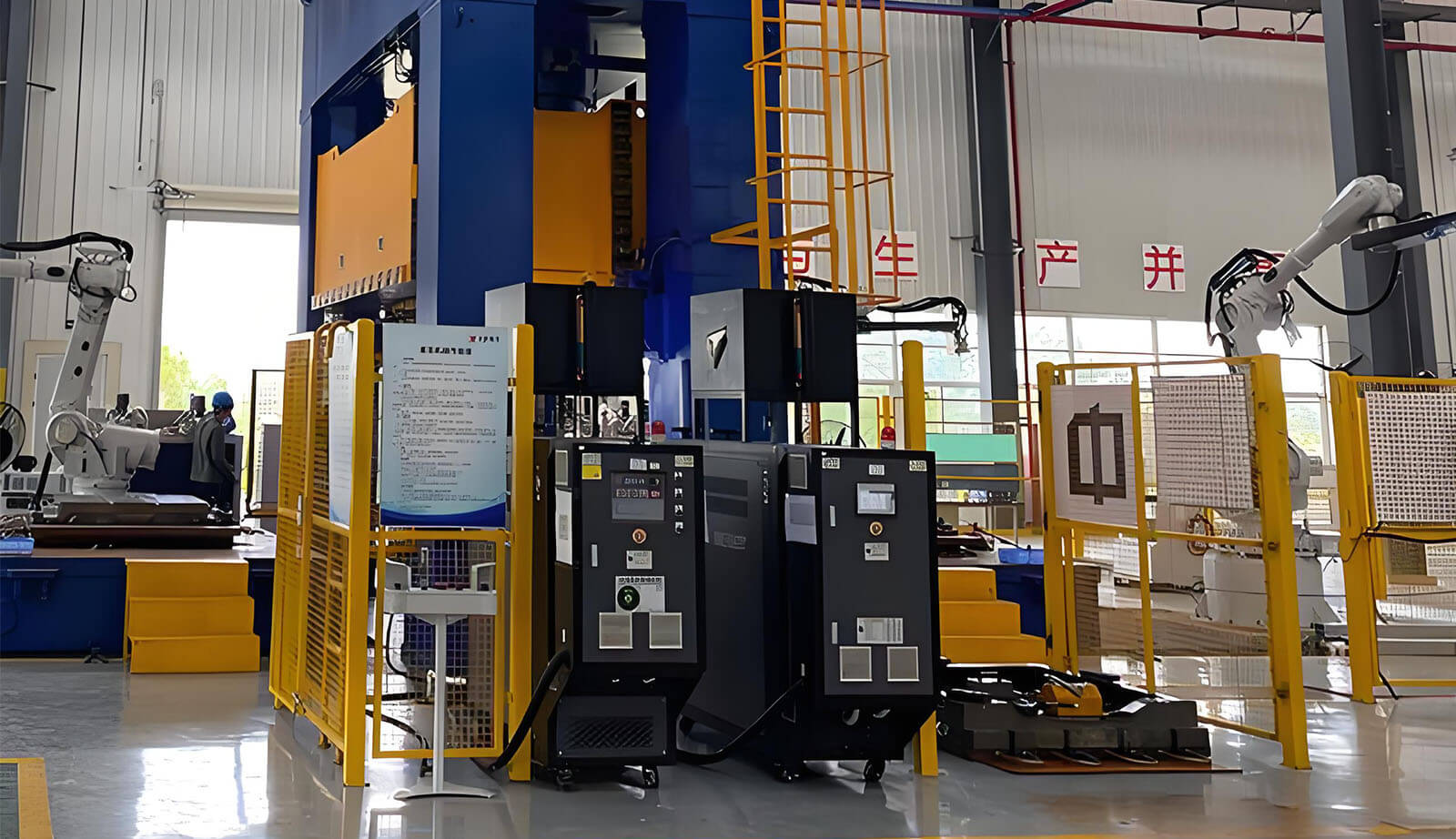
This process selection logic also applies to mold design. Parts requiring tight dimensional tolerance need metal tooling such as aluminum or steel. Prototype and low-volume parts can use FRP or epoxy tooling to reduce upfront cost. Parts going into hot press or autoclave need tooling matched to the curing temperature.
Reference Capability and Specification Range
The exact specification of a carbon fiber wind power component depends on the drawing, laminate design, process, resin system, fiber grade, mold type and testing requirements. The following values are reference ranges for early project discussion only. Final values must be confirmed by engineering review and material datasheets.
| Item | Reference Range / Option | Opmerkingen |
|---|
| Fiber options | T300, T700, T800 or equivalent | Final selection depends on strength, stiffness and budget |
| Vezelvorm | UD carbon fiber, woven carbon fiber, carbon/glass hybrid | UD is preferred for axial stiffness |
| Harssysteem | Standard epoxy or high-Tg epoxy | High-Tg resin can be used for higher temperature requirements |
| Laminate thickness | Approximately 1 mm to 30 mm | Thicker laminates require process review |
| Flat plate size | Custom size based on mold and process | Large panels may be segmented and bonded |
| Single-piece part size | Usually up to about 3 meters for many custom processes | Larger structures require feasibility review |
| Fiber volume fraction (Vf) | Approx. 50–65% depending on process | Higher Vf generally improves stiffness but requires better process control |
| Typical void content | Process-dependent | Prepreg/autoclave typically achieves lower void content than wet layup |
| Tensile modulus (UD laminate, ref.) | 70–150 GPa depending on fiber grade and layup | T300 lagere range, T800 hogere range; bevestigen door datasheet |
| Trekkracht (UD-laminaat, ref.) | 800–1.800 MPa afhankelijk van vezeltype en Vf | Voor structureel ontwerp, gebruik alleen waarden uit de materiaaldatasheet |
| Service temperatuur | Afhankelijk van de Tg van de hars | Hoge Tg epoxies kunnen worden geselecteerd voor verhoogde temperaturen of buitentoepassingen |
| Opties voor hechtoppervlak | Opgeknapte, peel ply verwijderd, klaar voor primer | Specificatie van het hechtoppervlak is belangrijk voor bladversterking en gelamineerde assemblages |
| Afwerking oppervlak | Ruw, geschuurd, primer, glanzende lak, matte lak | Structurele hechtoppervlakken worden meestal afzonderlijk voorbereid |
| Typische procesopties | Prepreg, autoclave, vacuümverpakking, natte lay-up, harsinfusie, heet persen | Proces hangt af van geometrie en prestatie-eisen |
| Tolerantie | Projectafhankelijk | Strakke toleranties vereisen CNC-bemesting en geschikte gereedschappen |
| Testen | Visuele inspectie, diktemeting, dimensionale inspectie, monstercouponnen indien nodig | Extra tests kunnen worden geregeld volgens de eisen van de klant |
Deze waarden zijn geen gecertificeerde productspecificaties. Het zijn referentiebereiken voor vroege haalbaarheidsdiscussies. De uiteindelijke mechanische prestaties moeten worden bevestigd door materiaaldatasheets, laminaatontwerp, procesvalidatie en klantgoedgekeurde tests.
Waarom koolstofvezel wordt gebruikt in de structuren van windturbinebladen
Gewichtsvermindering
Het verminderen van de bladmassa helpt de zwaartekrachtbelasting, inertiële belasting en vermoeidheidbelasting op de rotor, de hub, de gondel en de toren te verminderen. In lange bladstructuren kunnen zelfs kleine gewichtsreducties een groot effect hebben op het algehele systeemontwerp.
Koolstofvezel heeft een veel hogere stijfheid-gewichtsverhouding dan glasvezel, wat het nuttig maakt in bladsecties waar gewicht en vervormingscontrole cruciaal zijn. Onderzoek ondersteund door het Amerikaanse ministerie van Energie geeft aan dat koolstofvezel spar caps kan realiseren met een massa-reductie van ongeveer 25% vergeleken met equivalente glasvezelontwerpen.
Hogere stijfheid
De stijfheid van het blad is belangrijk voor het behouden van de aerodynamische vorm en ervoor te zorgen dat er voldoende ruimte tussen het blad en de toren is. Naarmate de bladen langer worden, wordt vervormingscontrole moeilijker.
Koolstofvezel biedt een hogere modulus dan glasvezel, waardoor ingenieurs de stijfheid kunnen verbeteren zonder al te veel gewicht toe te voegen. Dit is een van de belangrijkste redenen waarom koolstofvezel wordt gebruikt in spar caps en andere dragende bladstructuren.
Weerstand tegen vermoeiing
Windturbinebladen ervaren continu cyclische belasting tijdens de werking. Vermoeidheidweerstand is daarom een van de belangrijkste ontwerpeisen.
Koolstofvezelcomposieten kunnen sterke vermoeidheidsprestaties leveren wanneer ze goed zijn ontworpen en vervaardigd. De uiteindelijke vermoeidheidsrespons hangt echter sterk af van het lay-up ontwerp, het harsysteem, het void-gehalte, de vezeluitlijning en de kwaliteitscontrole — niet alleen op de keuze van het vezeltype.
Corrosiebestendigheid
Koolstofvezelcomposieten roesten niet zoals staal of aluminium. Dit maakt CFRP nuttig voor buiten-, kust- en offshore-omgevingen waar vocht, zoutnevel en temperatuurcyclus metalen onderdelen kunnen aantasten.
Voor toepassingen in windenergie kan corrosieweerstand onderhoudsproblemen verminderen voor kappen, behuizingen, panelen en niet-metalen structurele componenten.
Ondersteuning voor langere en efficiëntere bladontwerpen
Moderne windturbinebladen worden steeds langer omdat een groter veeggebied meer windenergie kan opvangen. Langere bladen vereisen betere stijfheid en lagere gewichten.
Koolstofvezel maakt een turbine niet automatisch in staat om veel meer vermogen te genereren. De echte waarde ligt in het helpen van ingenieurs om lichtere, stuggere en vermoeidheid-resistente structuren te ontwerpen, vooral in bladzones waar glasvezel praktische grenzen bereikt.
Koolstofvezel versus glasvezel voor toepassingen in windenergie
| Eigendom | Koolstofvezel | Glasvezel |
|---|
| Dichtheid | Onder | Hoger |
| Stijfheid | Hoger (T700: ~230 GPa; T800: ~290 GPa) | Lager (E-glas: ~70–80 GPa) |
| Vermoeidheidsprestaties | Over het algemeen beter wanneer goed ontworpen | Goed, maar lager in toepassingen met hoge stijfheid |
| Kosten | Hoger | Onder |
| Beste gebruik | Spar caps, versterkingslaminaten, belastingkritische structuren | Bladschalen, schalen, hoezen en lagere stressstructuren |
| Ontwerpbenadering | Gebruikt waar stijfheid en gewichtsreductie de kosten rechtvaardigen | Gebruikt waar kosteneffectiviteit belangrijker is |
De meeste moderne structuren van windturbinebladen gebruiken materialen selectief. Koolstofvezel wordt gebruikt waar stijfheid en gewichtsreductie de kosten rechtvaardigen. Glasvezel wordt nog steeds veel gebruikt in bladschalen en lagere stressgebieden omdat het kosteneffectief en bewezen is.
Voor sommige projecten bieden koolstof/glas hybride laminaten een praktische balans tussen prestatie en kosten.
Productieprocessen die we ondersteunen
Prepreg en autoclave-molding
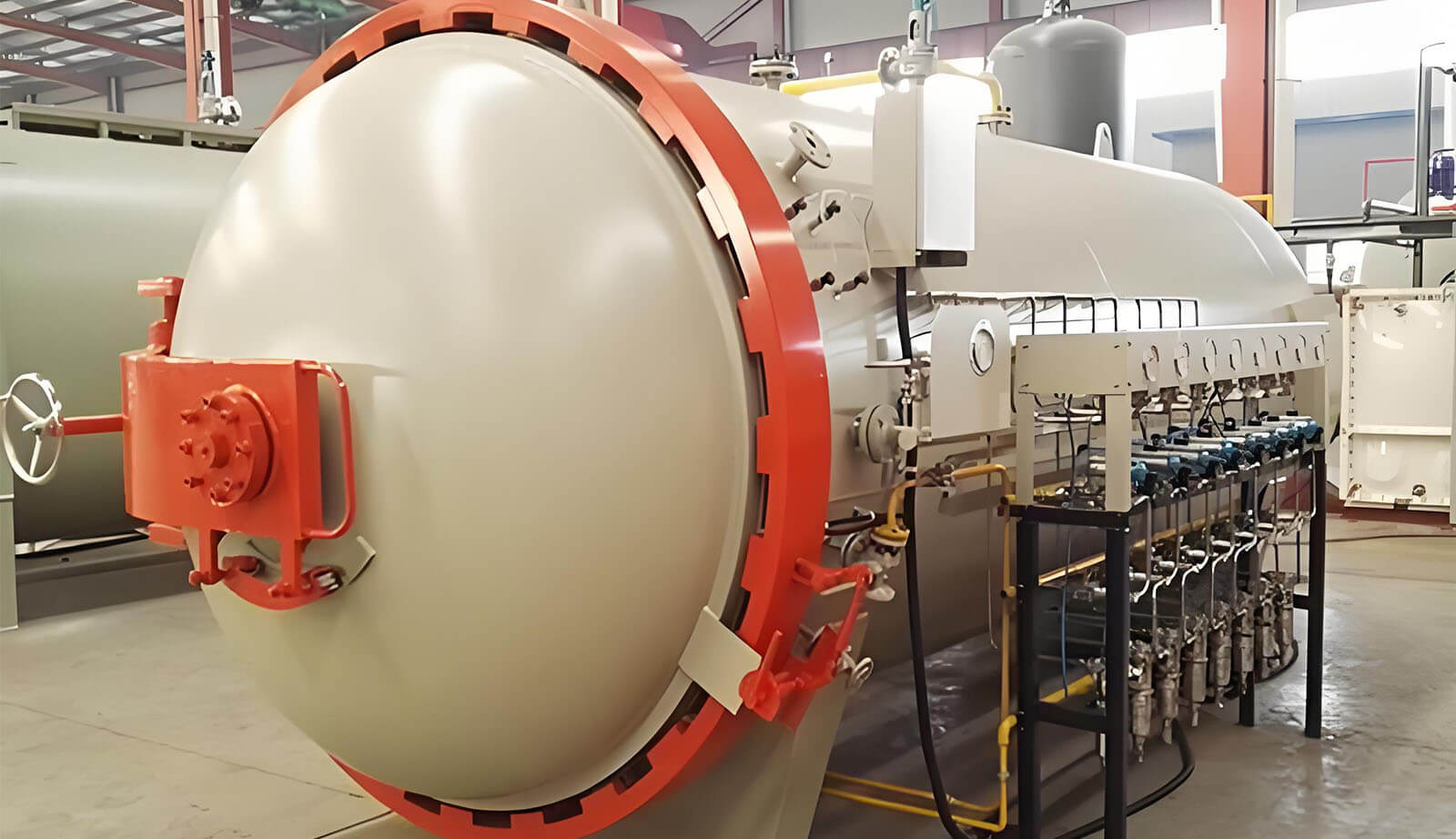
Prepreg koolstofvezel is voorgeïmpregneerd met gecontroleerd harsgehalte en uitgehard onder hitte en druk. Dit proces is geschikt voor hoogperformante structurele onderdelen, prototype bladsecties, versterkingslaminaten en componenten die een laag void-gehalte en goede dimensionale stabiliteit vereisen.
Prepreg en autoclave-molding zijn geschikt wanneer het project vereist:
- Hogere vezelvolumecontrole
- Betere laminatenconsistentie
- Hoogwaardige oppervlakteafwerking
- Structurele prestaties voor prototype of kleine series
Vacuumverpakking en natte laagopbouw
Vacuumverpakking en natte laagopbouw zijn praktisch voor grotere covers, behuizingen, panelen en niet-kritische structuren. Droge koolstofvezel of hybride stof wordt in de mal geplaatst, hars wordt aangebracht en het laminaat wordt onder vacuümdruk uitgehard.
Dit proces is flexibeler en kosteneffectiever dan autoclave-molding voor veel op maat gemaakte onderdelen, vooral wanneer het onderdeel groot is of geen controle op luchtafvoer op luchtniveau vereist.
Harsinfusie
Hars-infusie, ook wel bekend als VARTM, wordt gebruikt voor grotere panelen, covers en structurele componenten waar gecontroleerde harsstroom en goede laminatenkwaliteit vereist zijn.
Droge vezellaags worden in de mal geplaatst, verzegeld onder vacuüm, en hars wordt door het laminaat getrokken. Dit proces kan geschikt zijn voor middelgrote covers van windenergie-apparatuur, CFRP-panelen en koolstof-/glas-hybride structuren.
Hete persvorming
Hete persvorming is geschikt voor vlakke of licht gebogen koolstofvezelplaten, versterkingslaminaten en herhaalbare onderdelen met striktere dimensionale controle.
Gematchede metalen gereedschappen kunnen betere herhaalbaarheid en oppervlaktekwaliteit bieden, maar de gereedschapskosten zijn hoger dan FRP- of epoxymallen. Dit proces is meestal geschikter voor productieonderdelen dan unieke prototypes.
CNC-trimmen en secundaire verlijming
Na uitharding vereist veel CFRP-onderdelen trimming, boren, randafwerking en voorbereiding voor verlijming. We ondersteunen CNC-trimmen, gaatjesmechanisatie, randafdichting, oppervlaktefrezen van verlijming, oplosmiddelreiniging en assemblage van samengestelde structuren met meerdere onderdelen.
Voor windkrachtcomponenten is de voorbereiding van de verlijmoppervlakte bijzonder belangrijk, omdat veel versterkingsplaten en panelen in grotere structuren zijn verlijmd.
Pultrusie — Industriecontext voor spar caps
Pultrusie wordt veel gebruikt als belangrijkste productieproces voor lange continue koolstofvezel spar cap-laminaten in utility-scale windturbinebladen. Het proces trekt continue koolstofvezelrovings door een harsbad en een verwarmde mal, waardoor uitgeharde profielen ontstaan met sterk gealigneerde unidirectionele vezels en consistente doorsnede-afmetingen.
Sinds het midden van de jaren 2010 zijn gepultrudeerde koolstofvezelplanken steeds gebruikelijker geworden voor spar caps in utility-scale windturbines, omdat ze een betere vezelalignering, consistente doorsnede-kwaliteit en verbeterde productieherhaalbaarheid bieden in vergelijking met veel handlaag- of infusie-gebaseerde alternatieven. Het proces vermindert vezelgolvigheid — een belangrijke factor voor de prestatie van compressiekracht — en maakt lange continues productieruns mogelijk met stabiele dimensionale controle.
Als uw project lange continue gepultrudeerde koolstofvezel spar cap-materialen vereist, stuur dan tekeningen en technische vereisten zodat we de juiste productie-route kunnen bevestigen en of interne productie of coördinatie met een specialistische leverancier de juiste benadering voor uw project is.
Materiaalopties
| Materiaal | Beschrijving | Typische toepassing |
|---|
| T300 koolstofvezel | Standaard modulus, kosteneffectieve koolstofvezel | Algemene panelen, covers, niet-kritische structuren |
| T700 koolstofvezel | Hogere treksterkte, veelgebruikt in structurele CFRP | Versterkingslaminaten, buizen, structurele platen |
| T800 koolstofvezel | Hogere prestatie-optie voor veeleisende toepassingen | Hoogwaardige en stijve componenten |
| Unidirectionele koolstofvezel | Vezels voornamelijk in één richting gealigneerd | Spar cap-secties, axiale stijfheidslaminaten |
| 3K geweven koolstofvezel | In balans geweven stof met zichtbare koolstofuitstraling | Buitenlagen, covers, zichtbare oppervlakken |
| Koolstof-/glas-hybride laminaat | Combineert koolstofvezel en glasvezel | Kostengecontroleerde structurele onderdelen |
| Hoog-Tg epoxyhars | Epoxysysteem met hogere temperatuurbestendigheid | Buitendienst, structurele componenten, warmte-exposure gebieden |
Materiaalkeuze moet gebaseerd zijn op mechanische vereisten, service-omgeving, kostendoel en productieproces. Voor structurele componenten moet de klant, indien mogelijk, de vereiste materiaaleisen of prestatiedoelen aanleveren.
Malmogelijkheden voor Windenergiecomponenten
De juiste mal hangt af van de formaat, productievolume, toleranties, oppervlakteafwerking en uithardingsproces.
| Type mal | Geschikt voor | Typisch gebruik |
|---|
| FRP-mold | Prototype en kleine serie | Covers, panelen, unieke onderdelen |
| Epoxy gereedschapsmal | Middelgrote serie en betere stabiliteit | Behuizingen, aangepaste panelen, prototype productie |
| Aluminium-mold | Hogere nauwkeurigheid en betere herhaalbaarheid | Structurele platen, precisiecomponenten |
| Stalen mal | Hete pers en productie in hogere volumes | Herhaalbare gegoten componenten |
Voor prototype werk kan FRP of epoxy gereedschap de initiële kosten verlagen. Voor herhaalproductie zijn hogere temperatuur uitharding, hete persvorming of strikte toleranties meestal geschikter met aluminium of staal gereedschappen.
Kwaliteitscontrole voor koolstofvezel Onderdelen voor Windenergie
Windenergiecomponenten moeten met gecontroleerde processtappen worden vervaardigd, omdat kleine fouten in het aanbrengen, de dikte, uitharding of verlijming de prestaties op lange termijn kunnen beïnvloeden.
Layup Control
Ply count, fiber orientation and layer sequence are checked during production. This is especially important for unidirectional carbon fiber laminates because incorrect fiber direction can significantly reduce axial stiffness and structural performance in a UD-dominated laminate.
Thickness Inspection
Cured laminate thickness is measured at defined positions and compared with the design target. Thickness variation can indicate issues with resin content, compaction pressure, fiber volume or voids.
Dimensionale inspectie
Parts are measured according to the drawing or 3D model. Depending on the part complexity, inspection may use calipers, templates, jigs, fixtures or CMM equipment.
Bonding Surface Preparation
Many wind power carbon fiber parts are bonded into larger assemblies. Bonding surfaces can be sanded, cleaned and prepared according to the required bonding process. Good bonding preparation — including peel ply removal, sanding, solvent cleaning and primer application where specified — helps improve adhesion, durability and long-term structural reliability.
Surface Finish Inspection
Parts are visually checked for defects such as dry spots, resin-rich areas, pinholes, porosity, delamination, impact marks and fiber distortion.
Sample Testing and Trial Assembly
For structural projects, coupon samples or first-article parts can be prepared for customer testing. Trial assembly can also be arranged when mating parts or fixtures are available.
To provide an accurate quotation, please send as much of the following information as possible:
- 3D files, such as STEP, STP or IGES
- 2D drawings, such as PDF or DXF
- Required dimensions and tolerances
- Target material or fiber grade
- Resin system requirement
- Laminate schedule, if already defined
- Required thickness and fiber orientation
- Vereiste oppervlakteafwerking
- Hoeveelheid voor prototype- en serieproductie
- Application environment, such as onshore, offshore, UV exposure or temperature range
- Structural load requirement, if available
- Testing or inspection requirements
- Whether the part is for prototype, repair, retrofit or production use
If no drawing is available, we can review physical samples, reference dimensions or concept sketches and advise whether the project is suitable for custom carbon fiber manufacturing.
Typical Application Scenarios
Blade Component Supplier Projects
Blade component suppliers and engineering teams may require carbon fiber spar cap samples, reinforcement laminates, bonded test panels and structural coupons for design validation before larger production investment.
Wind Power Equipment OEM Projects
Wind power equipment manufacturers may need lightweight CFRP covers, access panels, protective housings, sensor brackets, duct sections or structural panels for nacelle systems, electrical equipment and renewable energy installations.
Small Wind Turbine Development
Small wind turbine developers may require complete blade prototypes, carbon fiber blade sections, reinforcement plates or lightweight structural components for sub-10-meter rotor designs.
Blade Repair and Retrofit Projects
Blade repair companies may require carbon fiber repair patches, reinforcement plates, bonded CFRP laminates or prototype retrofit structures for repair method testing and validation.
Renewable Energy Research Projects
Universities, laboratories and engineering companies may require carbon fiber samples, test coupons, prototype laminates or small composite assemblies for material testing and renewable energy research.
Veelgestelde vragen (FAQ)
Can you manufacture complete wind turbine blades?
We can manufacture complete blades for small wind turbines and prototype testing projects, depending on blade size and design requirements.
For utility-scale wind turbine blades, we focus on carbon fiber components, reinforcement laminates, prototype sections and blade sub-structures rather than complete 50-meter or 80-meter blade assemblies.
Can you make carbon fiber spar caps?
We can manufacture carbon fiber spar cap sections, unidirectional reinforcement laminates and structural test samples according to customer drawings and layup requirements.
For long continuous pultruded spar caps used in utility-scale wind turbine blades, the production method, length, tolerance and quantity must be reviewed separately before confirmation. Please send your drawings and technical requirements and we will advise on the suitable production route.
Do you have pultrusion capability?
Pultrusion is the standard manufacturing process for long continuous carbon fiber spar cap laminates in the wind industry, and we are familiar with its role in blade structural design.
For projects requiring pultruded carbon fiber profiles or spar cap planks, please send drawings and technical specifications including cross-section dimensions, required length, tolerance, material system and order quantity. We will confirm whether in-house production or coordination with a specialist pultrusion supplier is the right approach for your project.
What wind power projects are not suitable for your factory?
We are not the best fit for mass production of very long utility-scale pultruded spar caps or complete 50-meter-plus wind turbine blades. These projects require dedicated continuous pultrusion lines or large blade manufacturing infrastructure that is outside our current scope.
Our strength is custom CFRP components, prototype spar cap sections, reinforcement laminates, protective housings, small wind turbine blades and small-to-medium batch composite parts where flexible tooling and process selection add more value than high-volume standardized production.
What size carbon fiber parts can you produce?
For many custom composite processes, we can produce parts up to approximately 3 meters in a single piece. Larger parts may need to be produced in sections and bonded.
Final size capability depends on the part shape, mold design, curing process, thickness and tolerance requirement.
Can you work from 3D drawings or samples?
Yes. We can work from STEP, STP, IGES, DXF and PDF drawings. We can also review physical samples for reverse engineering and mold development. For structural parts, drawings and laminate specifications are strongly recommended.
Which manufacturing process is best for wind power parts?
The best process depends on the part size, geometry, structural load, surface finish, tolerance and quantity.
Prepreg and autoclave molding are suitable for high-performance structural parts and prototypes. Resin infusion is suitable for larger panels and covers. Hot press molding is suitable for repeatable plates and smaller precision components. Vacuum bagging and wet layup can be suitable for covers, housings and non-critical structures. For spar cap laminates specifically, pultrusion is the widely used process for utility-scale continuous production.
Can you manufacture carbon fiber and fiberglass hybrid parts?
Yes. Carbon/glass hybrid laminates can reduce cost while keeping better stiffness and strength than full fiberglass structures. This can be useful when only part of the structure needs carbon fiber reinforcement.
Can you provide material testing?
Material testing can be arranged according to project requirements. For structural components, customers may request sample coupons, thickness measurement, dimensional inspection, trial assembly or third-party testing. The exact testing plan should be confirmed before production.
Why choose a custom composite manufacturer instead of a standard spar cap supplier?
Standard pultruded spar cap suppliers focus on high-volume continuous production of a defined cross-section and length. This is appropriate for large blade manufacturers running repeatable programs at scale.
For engineering teams that need prototype sections, non-standard reinforcement laminates, small-batch CFRP parts, testing samples, covers and housings, or components with custom geometry, a fabrikant van koolstofvezel op maat offers more flexibility in material selection, layup design, tooling options and production quantity. This is where we add the most value.
Over onze fabriek
SCOMP Composite is a carbon fiber manufacturer based in China. We manufacture custom CFRP components for customers across multiple industries, including aerospace, energy, automotive and industrial applications.
Beyond wind power, our carbon fiber manufacturing experience covers koolstofvezel motorfietsonderdelen such as fairings, frames and structural covers, as well as carbon fiber automotive components including body panels, structural reinforcements and interior parts. This cross-industry experience means our engineering team is familiar with a wide range of laminate designs, surface finish requirements, bonding processes and production constraints — knowledge that translates directly into better outcomes for wind power CFRP projects.
Onze main product range covers custom carbon fiber parts from prototype through small and medium batch production, with mold making, layup, curing, CNC trimming, bonding and surface finishing.
Engineering Review and Project Notes
This page covers custom carbon fiber components for wind power and renewable energy equipment. Final material selection, laminate design and production method must be confirmed according to drawings, load requirements and project specifications.
This page was reviewed by the composite engineering team at SCOMP Composite, with focus on CFRP material selection, molding process feasibility, layup design considerations and wind power application requirements.
For quotation, please send drawings, dimensions, material requirements and expected quantity to our engineering team.
Email: [email protected]
Phone / WhatsApp: +86 136 2619 1009