
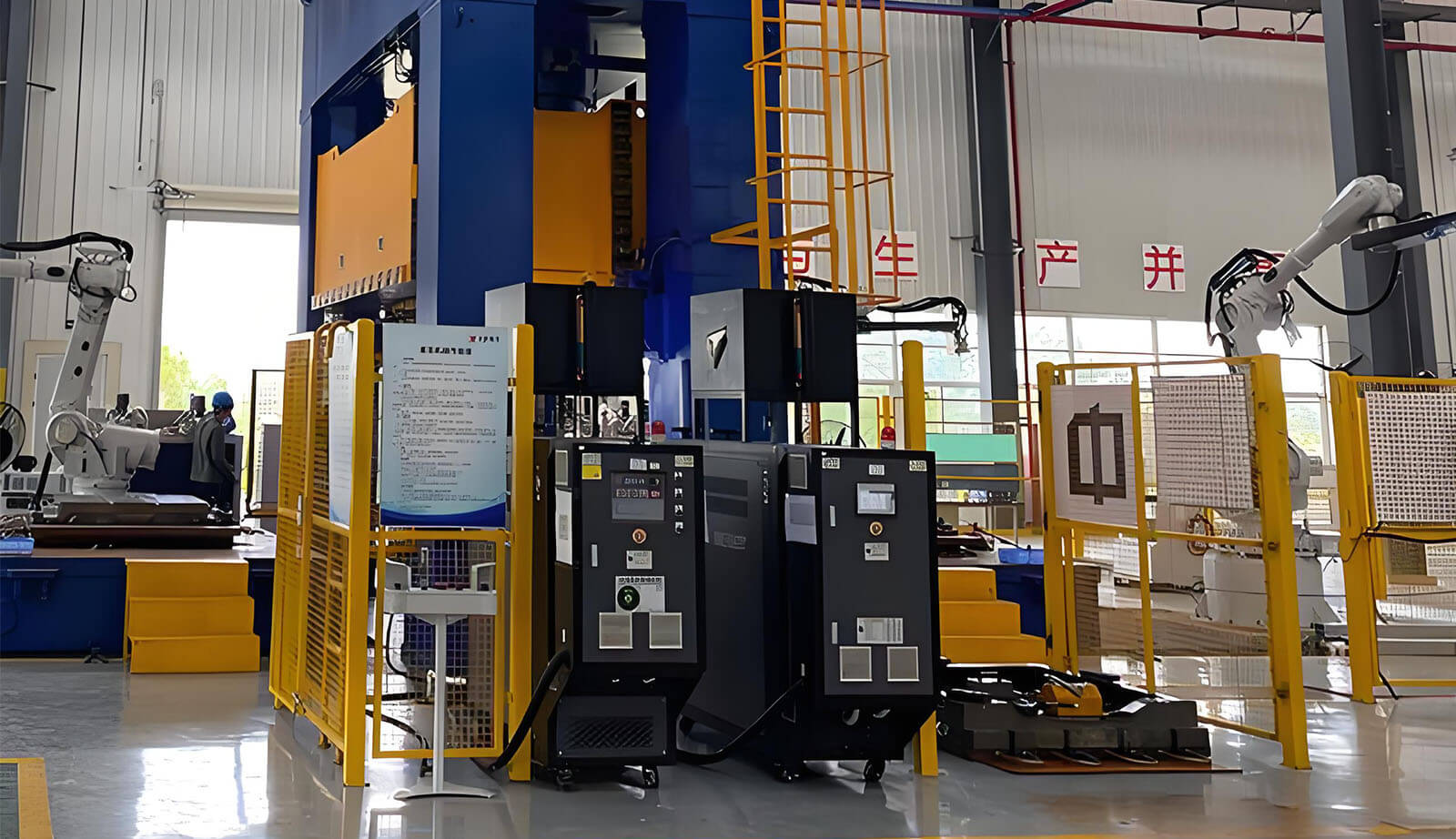
탄소 섬유 복합재료 핫 프레싱 성형 프로세스
우리 공장은 고효율, 정밀도, 내구성 및 비용 효율성을 보장하는 P20 강철 몰드를 사용하여 첨단 탄소 섬유 핫 프레스 공정을 운영하고 있습니다.
풍력 발전 장비용 탄소 섬유 풍력 터빈 부품 및 CFRP 구조 부품은 가장 까다로운 복합재 애플리케이션 중 하나입니다. 이들은 피로, 주기적 하중, 야외 노출, 습기, UV, 온도 변화 및 수년 간의 장기 구조 스트레스를 견뎌야 합니다.
탄소 섬유 강화 고분자(CFRP)는 유리 섬유만으로는 충분한 강성, 중량 감소 또는 피로 성능을 제공할 수 없는 풍력 발전 애플리케이션에 사용됩니다. 현대 풍력 터빈 블레이드 구조에서 탄소 섬유는 스파 캡, 블레이드 보강 라미네이트 및 하중에 중요한 영역에서 가장 일반적으로 사용되며, 섬유 방향, 라미네이트 두께 및 접착 품질이 구조적 성능에 직접적인 영향을 미칩니다.
우리는 제조합니다 맞춤형 탄소 섬유 구성 요소 풍력 발전 및 재생 에너지 장비를 위한. 우리의 작업은 탄소 섬유 보강 라미네이트, CFRP 구조 패널, 보호 하우징, 탄소 섬유 튜브, 맞춤형 프로파일, 소형 풍력 터빈 블레이드 프로토타입 및 엔지니어링 개발 프로젝트를 위한 복합 부품을 포함합니다.
대량 생산 스파 캡 공급업체와 달리, 우리는 유틸리티 규모 블레이드 프로그램을 위해 긴 풀트루드 플랭크에 주로 집중하는 것이 아니라 맞춤형 CFRP 구성 요소, 프로토타입 보강 라미네이트, 소규모 구조 부품, 보호 하우징 및 유연한 공구 및 공정 선택이 필요한 엔지니어링 개발 프로젝트에 더 적합합니다.
우리 공장은 프로토타입부터 소규모 또는 중간 배치 생산까지 OEM 및 맞춤형 복합재 제조 프로젝트를 지원하며, 자재 선택, 몰드 설계, 레이업 계획, CNC 트리밍, 접합 및 표면 마감 작업을 포함합니다.
| 기능 | 세부정보 |
|---|---|
| 주요 제품 | 보강 라미네이트, CFRP 패널, 튜브, 보호 커버, 소형 블레이드 프로토타입 |
| 적합한 프로젝트 | 프로토타입, 엔지니어링 샘플, 소규모에서 중간 배치 생산 |
| 자료 | T300, T700, T800, UD 탄소 섬유, 직조 탄소 섬유, 탄소/유리 하이브리드 |
| 공정 | 프리프레그, 오토클레이브, 진공 포장, 수지 주입, 핫 프레스, CNC 트리밍 |
| 이상적이지 않은 경우 | 매우 긴 유틸리티 규모 풀트루드 스파 캡 또는 전체 대형 풍력 터빈 블레이드의 대량 생산 |
탄소 섬유는 풍력 터빈의 모든 부품에 필요하지 않습니다. 중량 감소, 강성, 피로 저항 및 치수 안정성이 중요한 부품에서 가장 가치가 있습니다.
스파 캡은 풍력 터빈 블레이드 내부에서 주 하중을 지탱하는 요소입니다. 이는 블레이드 길이를 따라 뻗어 있으며 바람 압력과 블레이드 회전으로 발생하는 굽힘 하중을 지탱합니다. 탄소 섬유는 유리 섬유에 비해 더 낮은 중량으로 높은 강성을 제공하기 때문에 이 영역에 사용됩니다.
풍력 터빈 스파 캡 응용에 대해 단일 방향 탄소 섬유가 일반적으로 선호됩니다. 주 하중 방향이 길이 방향이므로 섬유 정렬, 수지 함량, 라미네이트 두께, 접합 표면 준비 및 공극 제어가 최종 구조적 성능에 중요합니다.
유틸리티 규모 풍력 터빈 블레이드의 경우, 긴 연속 스파 캡은 일반적으로 풀트루전을 통해 생산됩니다. 이 과정에서는 연속 탄소 섬유 로빙을 가열된 다이를 통해 끌어당겨 굳은 라미네이트를 생산하여 고르게 정렬된 단일 방향 섬유와 일관된 단면 치수를 제공합니다. 2010년대 중반부터 풀트루드 탄소 섬유 판재가 유틸리티 규모 풍력 터빈 스파 캡에 점점 더 흔해지고 있으며, 이는 더 나은 섬유 정렬, 일관된 단면 품질, 향상된 생산 반복성을 제공하기 때문입니다.
우리의 적합한 범위는 주로 맞춤형 탄소 섬유 보강 라미네이트, 프로토타입 스파 캡 섹션, 구조판 및 블레이드 보강 부품입니다. 매우 긴 연속 풀트루드 스파 캡 생산의 경우, 견적 전에 도면, 목표 길이, 재료 사양 및 수량에 따라 기술적 타당성을 확인해야 합니다.
탄소 섬유 평판 및 구조 라미네이트는 풍력 터빈 블레이드의 특정 영역을 보강하는 데 사용할 수 있습니다. 여기에는 후방 가장자리 섹션, 전방 가장자리 보강 구역, 전단 웹 영역, 뿌리 전이 영역 및 국소 고스트레스 지역이 포함됩니다.
우리는 다양한 레이업 디자인을 이용하여 맞춤형 탄소 섬유 보강 판을 제조합니다. 여기에는 단일 방향 레이업, 교차 레이업, ±45° 레이업 및 준동종 레이업이 포함됩니다. 이 부품은 일반적으로 블레이드 구조에 접합되거나 제품 개발 중 테스트용 라미네이트로 사용됩니다.
일반적인 응용 프로그램에는 다음이 포함됩니다:
CFRP 구조 패널은 낮은 중량, 높은 강성 및 내식성이 요구되는 풍력 발전 장비에서 사용할 수 있습니다. 이러한 패널은 보호 커버, 제어 장비 하우징, 나셀 관련 구성 요소, 점검 커버 또는 경량 구조 인클로저에 사용될 수 있습니다.
프로젝트에 따라 패널은 고형 탄소 섬유 라미네이트, 탄소/유리 하이브리드 라미네이트 또는 폼이나 벌집 코어가 있는 샌드위치 패널로 생산될 수 있습니다. 적합한 구조는 굽힘 강도, 중량 목표, 충격 저항, 표면 마감 및 비용 요구 사항에 따라 결정됩니다.
자동차 및 산업 애플리케이션에 대한 구조 탄소 섬유 패널에 대한 우리의 경험은 산업 애플리케이션에서도 풍력 발전 CFRP 패널의 강도, 표면 마감 및 접착 품질을 제어하는 데 도움이 됩니다. and industrial applications also helps us control stiffness, surface finish and bonding quality in wind power CFRP panels.
Carbon fiber tubes and profiles are used in wind power and renewable energy equipment for sensor mounts, inspection tools, cable protection structures, lightweight frames, test fixtures and custom support components.
We can manufacture round tubes, square tubes, rectangular tubes and custom profiles depending on mold feasibility and quantity. Common processes include roll wrapping, bladder molding, filament winding, compression molding, vacuum bagging and bonding of multi-part assemblies.
For custom non-standard profiles, mold-based composite manufacturing is usually the most practical approach. For continuous standard profiles where cross-section, quantity and tolerance justify the process, pultrusion may also be considered.
Wind power equipment often requires covers, access panels, protective housings and inspection hatches that must resist outdoor exposure, moisture, UV and long-term vibration.
Carbon fiber can reduce weight compared with metal structures while maintaining good stiffness and corrosion resistance. However, for large non-structural covers, fiberglass or carbon/glass hybrid laminates may be more cost-effective than full carbon fiber.
제조할 수 있습니다:
For small wind turbines, research equipment, UAV-related wind energy systems or prototype testing projects, complete carbon fiber blade sets may be feasible. These are usually much smaller than utility-scale wind turbine blades and can be manufactured with prepreg layup, vacuum bagging or resin infusion depending on size and performance requirements.
For utility-scale turbine blades, we focus on carbon fiber components, reinforcement laminates, test sections and sub-structures rather than full blade production.
Selecting the right carbon fiber material and manufacturing process for a wind power component is not only about tensile strength or fiber grade. Structural performance depends on several interrelated engineering factors that must be considered together.
Carbon fiber is highly anisotropic — meaning its properties are very different depending on the direction relative to the fibers. Unidirectional carbon fiber (UD) is strong and stiff along the 0° fiber direction, but its transverse strength, interlaminar shear strength and impact resistance are much lower.
In wind turbine spar caps, the primary load is longitudinal bending, so UD carbon fiber with fibers running along the blade length is the correct choice. However, if a component also carries torsional loads, shear loads or has to resist impact, additional ±45° plies, 90° plies or woven fabric layers need to be incorporated into the layup design.
Ignoring load path analysis and using only UD carbon fiber in all directions is one of the most common design errors in CFRP structural parts. Every layup schedule should be driven by the actual load case, not just by fiber availability or cost alone.
For many wind power components, bending stiffness is more important than raw tensile strength. Structural stiffness depends on both the elastic modulus of the material and the geometry of the cross-section — particularly the distance of the material from the neutral axis.
This is why sandwich panels, where thin carbon fiber face sheets are separated by a lightweight foam or honeycomb core, can provide very high bending stiffness at low weight and often outperform a much thicker solid laminate of the same mass. For wind turbine nacelle covers, protective panels and large enclosure structures, sandwich construction is often more efficient than solid CFRP laminates.
For spar caps and other primarily axially loaded components, solid UD laminates are more appropriate because the load is tensile and compressive along the fiber direction rather than in bending across the section thickness.
Wind turbine blades do not only carry tensile loads. During operation, one face of the spar cap is in tension and the other is in compression. Compression strength of CFRP laminates is significantly more sensitive to manufacturing quality than tensile strength.
Fiber waviness, void content, resin-rich zones and thickness variation all reduce compression performance more than they affect tensile performance. This is one of the key reasons why pultrusion has become a widely used manufacturing route for utility-scale spar cap production — the process produces more consistent fiber alignment and cross-section control than hand layup or infusion of thick UD laminates.
For prototype spar cap sections and reinforcement laminates produced by prepreg or infusion, fiber waviness control and compaction quality must be carefully managed during the layup and curing process.
Many carbon fiber wind power components are not used in isolation. They are bonded into larger blade structures or equipment assemblies using structural adhesives. The bond line quality is often the weakest point in the assembly — not the carbon fiber laminate itself.
Key factors that affect bonding performance include:
For wind power reinforcement plates and bonded CFRP assemblies, bonding surface preparation should be specified in the drawing or process document, not left as an afterthought during assembly.
Wind turbine components experience cyclic loading for 20 to 30 years of service life. Initial static strength is not sufficient to confirm suitability — fatigue performance under repeated stress cycles must be evaluated for structural components.
Carbon fiber composites generally show good fatigue performance under tension-tension loading when properly manufactured. However, the following environmental factors can degrade performance over time:
For wind power CFRP parts intended for long outdoor service, resin selection, surface coating specification and edge sealing should be considered alongside the laminate design.
Not every carbon fiber part requires the same process. Selecting the right manufacturing method depends on the part type, geometry, structural requirements, quantity and cost target. Using an inappropriate process — for example, wet layup for a tight-tolerance structural laminate — can result in poor fiber volume fraction, high void content and inconsistent mechanical performance.
The following table summarizes our general process selection logic for wind power CFRP components:
| 부품 유형 | 권장 공정 | 이유 |
|---|---|---|
| 스파 캡 섹션 및 UD 보강 라미네이트 | 프리프레그/오토클레이브 또는 프리프레그/핫 프레스 | 습식 레이업보다 더 나은 섬유 부피 제어, 낮은 기공 함량, 더 일관된 압축 성능 |
| 긴 연속 스파 캡 플랭크 | 풀트루전(전문 절차 — 타당성 검토 필요) | 대량의 연속 생산을 위한 최상의 섬유 정렬 및 치수 일관성 |
| 프로토타입 보강판 및 테스트 쿠폰 | 프리프레그/오토클레이브 또는 핫 프레스 | 구조 검증을 위한 두께 및 섬유 부피 개선 |
| 대형 보호 커버 및 낙젯 패널 | 레스인 주입(VARTM) 또는 진공 포장 | 대형 부품에 더 실용적; 오토클레이브보다 낮은 공구 비용 |
| 소형 풍력 터빈 블레이드 | 프리프레그 레이업, 진공 포장 또는 레진 주입 | 블레이드 크기, 구조적 요구 사항 및 생산 수량에 따라 다름 |
| 탄소 섬유 튜브 및 구조 프로파일 | 롤 감기, 블래더 성형 또는 필라멘트 감기 | 튜브 및 중공 구조에 대한 더 나은 섬유 방향 제어 |
| 커버 및 인클로저용 샌드위치 패널 | 코어 접착과 함께 진공 포장 또는 수지 주입 | 폼 또는 허니콤 코어가 있는 대형 경량 패널을 위한 효율적인 공정 |
| 비구조적 하우징 및 커버 | 탄소/유리 혼합 라미네이트, 진공 포장 또는 습식 레이업 | 전면 탄소 섬유가 필요하지 않을 때 더 나은 비용-성능 비율 |
이 공정 선택 논리는 금형 설계에도 적용됩니다. 치수 허용오차가 엄격한 부품은 알루미늄 또는 강철과 같은 금속 공구가 필요합니다. 프로토타입 및 저급 부품은 초기 비용을 줄이기 위해 FRP 또는 에폭시 공구를 사용할 수 있습니다. 핫 프레스 또는 오토클레이브에 들어가는 부품은 경화 온도에 맞는 공구가 필요합니다.
탄소 섬유 풍력 발전 구성 요소의 정확한 사양은 도면, 라미네이트 설계, 공정, 수지 시스템, 섬유 등급, 금형 유형 및 테스트 요구 사항에 따라 달라집니다. 다음 값은 초기 프로젝트 논의를 위한 참조 범위일 뿐입니다. 최종 값은 엔지니어링 검토 및 재료 데이터 시트로 확인해야 합니다.
| 항목 | 참조 범위/옵션 | 참고 |
|---|---|---|
| 섬유 옵션 | T300, T700, T800 또는 동등한 | 최종 선택은 강도, 강성과 예산에 따라 다릅니다. |
| 섬유 형태 | UD 탄소 섬유, 직조 탄소 섬유, 탄소/유리 혼합 | UD는 축 방향 강도를 선호합니다. |
| 레진 시스템 | 표준 에폭시 또는 고온 Tg 에폭시 | 고온 요구 사항을 위해 고온 Tg 수지를 사용할 수 있습니다. |
| 라미네이트 두께 | 약 1mm에서 30mm까지 | 두꺼운 라미네이트는 공정 검토가 필요합니다. |
| 평판 크기 | 금형 및 공정에 따라 맞춤형 크기 | 대형 패널은 분할 및 접합될 수 있습니다. |
| 단일 부품 크기 | 많은 맞춤형 공정의 경우 보통 약 3미터까지 | 더 큰 구조물은 타당성 검토가 필요합니다. |
| 섬유 부피 비율(Vf) | 공정에 따라 약 50–65% | 높은 Vf는 일반적으로 강도를 개선하지만 더 나은 공정 제어가 필요합니다. |
| 전형적인 기공 함량 | 공정에 따라 다름 | Prepreg/autoclave typically achieves lower void content than wet layup |
| Tensile modulus (UD laminate, ref.) | 70–150 GPa depending on fiber grade and layup | T300 lower range, T800 upper range; confirm by datasheet |
| Tensile strength (UD laminate, ref.) | 800–1,800 MPa depending on fiber grade and Vf | For structural design, use material datasheet values only |
| Service temperature | Depends on resin Tg | High-Tg epoxy can be selected for elevated-temperature or outdoor environments |
| Bonding surface options | Sanded, peel ply removed, primer-ready | Bonding surface specification is important for blade reinforcement and bonded assemblies |
| 표면 마감 | Raw, sanded, primer, gloss clear coat, matte clear coat | Structural bonding surfaces are usually prepared separately |
| Typical process options | Prepreg, autoclave, vacuum bagging, wet layup, resin infusion, hot press | Process depends on geometry and performance requirements |
| Tolerance | 프로젝트에 따라 다름 | Tight tolerance requires CNC trimming and suitable tooling |
| 테스트 | Visual inspection, thickness check, dimensional inspection, sample coupons if required | Additional testing can be arranged according to customer requirements |
These values are not certified product specifications. They are reference ranges for early feasibility discussion. Final mechanical performance must be confirmed by material datasheets, laminate design, process validation and customer-approved testing.
Reducing blade mass helps reduce gravitational load, inertial load and fatigue load on the rotor, hub, nacelle and tower. In long blade structures, even small weight reductions can have a large effect on the overall system design.
Carbon fiber has a much higher stiffness-to-weight ratio than glass fiber, which makes it useful in blade sections where weight and deflection control are critical. Research supported by the U.S. Department of Energy indicates that carbon fiber spar caps can achieve approximately 25% blade mass reduction compared to equivalent glass fiber designs.
Blade stiffness is important for maintaining aerodynamic shape and ensuring enough tip clearance between the blade and tower. As blades become longer, deflection control becomes more difficult.
Carbon fiber provides higher modulus than glass fiber, allowing engineers to improve stiffness without adding as much weight. This is one of the key reasons carbon fiber is used in spar caps and other load-bearing blade structures.
Wind turbine blades experience continuous cyclic loading during operation. Fatigue resistance is therefore one of the most important design requirements.
Carbon fiber composites can provide strong fatigue performance when properly designed and manufactured. However, final fatigue behavior depends heavily on layup design, resin system, void content, fiber alignment and quality control — not on fiber grade selection alone.
Carbon fiber composites do not rust like steel or aluminum. This makes CFRP useful for outdoor, coastal and offshore environments where moisture, salt spray and temperature cycling can affect metal parts.
For wind power applications, corrosion resistance can reduce maintenance concerns for covers, housings, panels and non-metallic structural components.
Modern wind turbine blades continue to become longer because a larger swept area can capture more wind energy. Longer blades require better stiffness and lower weight.
Carbon fiber does not automatically make a turbine generate many times more power. Its real value is helping engineers design lighter, stiffer and more fatigue-resistant structures, especially in blade areas where glass fiber reaches practical limits.
| 속성 | 탄소 섬유 | Glass Fiber |
|---|---|---|
| 밀도 | Lower | 더 높음 |
| 강성 | Higher (T700: ~230 GPa; T800: ~290 GPa) | Lower (E-glass: ~70–80 GPa) |
| 피로 성능 | Generally better when properly designed | Good, but lower in high-stiffness applications |
| 비용 | 더 높음 | Lower |
| 최상의 사용 | Spar caps, reinforcement laminates, load-critical structures | Blade skins, shells, covers and lower-stress structures |
| Design approach | Used where stiffness and weight reduction justify the cost | Used where cost efficiency is more important |
Most modern wind turbine blade structures use materials selectively. Carbon fiber is used where stiffness and weight reduction justify the cost. Glass fiber is still widely used in blade shells and lower-stress areas because it is cost-effective and proven.
For some projects, carbon/glass hybrid laminates provide a practical balance between performance and cost.
프리프레그 탄소 섬유는 제어된 수지 함량으로 사전 임부되어 열과 압력 하에 경화됩니다. 이 공정은 고성능 구조 부품, 프로토타입 블레이드 섹션, 보강 적층재 및 낮은 공극 함량과 우수한 치수 안정성이 요구되는 구성 요소에 적합합니다.
프리프레그 및 오토클레이브 성형은 프로젝트에서 다음이 필요할 때 적합합니다:
진공 백킹 및 습식 레이업은 더 큰 커버, 하우징, 패널 및 비신뢰성 구조에 실용적입니다. 건조 탄소 섬유 또는 하이브리드 패브릭이 금형에 배치되고 수지가 적용되며, 적층재가 진공 압력 하에 경화됩니다.
이 공정은 많은 맞춤형 부품에 대해 오토클레이브 성형보다 더 유연하고 비용 효과적이며, 특히 부품이 크거나 항공 우주 수준의 공극 제어를 요구하지 않을 때 더욱 그렇습니다.
수지 주입(VARTM)이라고도 알려진 이 공정은 제어된 수지 흐름과 우수한 적층 품질이 요구되는 더 큰 패널, 커버 및 구조 구성 요소에 사용됩니다.
건조 섬유층이 금형에 배치되어 진공 하에 봉인되고, 수지가 적층재를 통해 흡입됩니다. 이 과정은 중간 크기의 풍력 장비 커버, CFRP 패널 및 탄소/유리 하이브리드 구조에 적합할 수 있습니다.
핫 프레스 성형은 평평하거나 부드럽게 곡선이 있는 탄소 섬유 판, 보강 적층재 및 더 좁은 치수 제어를 가진 반복 가능한 부품에 적합합니다.
맞춤형 금속 툴링은 더 나은 반복성과 표면 품질을 제공할 수 있지만, 툴링 비용이 FRP 또는 에폭시 금형보다 더 높습니다. 이 공정은 일반적으로 일회성 프로토타입보다 생산 부품에 더 적합합니다.
경화 후, 많은 CFRP 부품은 절단, 드릴링, 엣지 마감 및 접착 준비가 필요합니다. 우리는 CNC 절단, 구멍 가공, 엣지 밀봉, 접착 표면 샌딩, 용제 청소 및 다부품 복합 구조의 조립을 지원합니다.
풍력 부품의 경우, 접착 표면 준비가 특히 중요합니다. 많은 보강 판과 패널이 더 큰 구조에 접착되기 때문입니다.
풀트루전은 유틸리티 스케일 풍력 터빈 블레이드용 긴 연속 탄소 섬유 스파 캡 적층재의 주요 제조 경로로 널리 사용됩니다. 이 과정은 연속 탄소 섬유 로빙을 수지 목욕과 가열된 다이를 통해 당겨서 경화된 프로필을 생산하며, 고도로 정렬된 일방향 섬유와 일관된 단면 치수를 갖습니다.
2010년대 중반경부터, 풀트루전된 탄소 섬유 판이 유틸리티 스케일 풍력 터빈 스파 캡에 점점 더 많이 사용되고 있으며, 이는 섬유 정렬, 일관된 단면 품질 및 개선된 생산 반복성을 제공합니다. 이 공정은 섬유의 물결 모양을 줄이며, 이는 압축 강도 성능에 중요한 요소이며, 안정적인 치수 제어로 긴 연속 생산을 가능하게 합니다.
프로젝트에서 긴 연속 풀트루전된 탄소 섬유 스파 캡 재료가 필요하다면, 도면과 기술 요구 사항을 보내주시면 적합한 생산 경로와 자체 생산 여부 또는 전문 공급업체와의 조정이 적절한 접근인지 확인할 수 있습니다.
| 재료 | 설명 | 일반적인 애플리케이션 |
|---|---|---|
| T300 탄소 섬유 | 표준 모듈러스, 비용 효율적인 탄소 섬유 | 일반 패널, 커버, 비신뢰성 구조 |
| T700 탄소 섬유 | 더 높은 인장 강도, 구조적 CFRP에서 널리 사용됨 | 보강 적층재, 튜브, 구조 판 |
| T800 탄소 섬유 | 요구되는 응용 분야를 위한 높은 성능 선택 | 고강도 및 고강성 구성 요소 |
| 일방향 탄소 섬유 | 섬유가 주로 한 방향으로 정렬됨 | 스파 캡 섹션, 축 방향 강성 적층재 |
| 3K 직조 탄소 섬유 | 눈에 띄는 탄소 외관의 균형 잡힌 직조 패브릭 | 외부 층, 커버, 눈에 띄는 표면 |
| 탄소/유리 하이브리드 적층재 | 탄소 섬유와 유리 섬유를 결합 | 비용이 통제된 구조 부품 |
| 고온 Tg 에폭시 수지 | 더 높은 온도 저항성을 가진 에폭시 시스템 | 야외 서비스, 구조 부품, 열 노출 영역 |
재료 선택은 기계적 요구 사항, 서비스 환경, 비용 목표 및 제조 공정을 기준으로 해야 합니다. 구조적 구성 요소의 경우, 고객은 가능할 경우 요구되는 재료 표준 또는 성능 목표를 제공해야 합니다.
적절한 금형은 부품 크기, 생산량, 허용오차, 표면 마감 및 경화 공정에 따라 다릅니다.
| 금형 유형 | 적합 대상 | 일반적인 용도 |
|---|---|---|
| FRP 금형 | 프로토타입 및 소량 생산 | 커버, 패널, 일회성 부품 |
| 에폭시 공구 몰드 | 중간 배치 및 더 나은 안정성 | 하우징, 맞춤형 패널, 프로토타입 생산 |
| 알루미늄 금형 | 더 높은 정확도 및 더 좋은 반복성 | 구조 판, 정밀 구성 요소 |
| 스틸 몰드 | 핫 프레스 및 대량 생산 | 반복 가능한 성형 부품 |
For prototype work, FRP or epoxy tooling can reduce initial cost. For repeat production, higher temperature curing, hot press molding or tight tolerances, aluminum or steel tooling is usually more suitable.
Wind power components must be manufactured with controlled process steps because small errors in layup, thickness, curing or bonding can affect long-term performance.
Ply count, fiber orientation and layer sequence are checked during production. This is especially important for unidirectional carbon fiber laminates because incorrect fiber direction can significantly reduce axial stiffness and structural performance in a UD-dominated laminate.
Cured laminate thickness is measured at defined positions and compared with the design target. Thickness variation can indicate issues with resin content, compaction pressure, fiber volume or voids.
Parts are measured according to the drawing or 3D model. Depending on the part complexity, inspection may use calipers, templates, jigs, fixtures or CMM equipment.
Many wind power carbon fiber parts are bonded into larger assemblies. Bonding surfaces can be sanded, cleaned and prepared according to the required bonding process. Good bonding preparation — including peel ply removal, sanding, solvent cleaning and primer application where specified — helps improve adhesion, durability and long-term structural reliability.
Parts are visually checked for defects such as dry spots, resin-rich areas, pinholes, porosity, delamination, impact marks and fiber distortion.
For structural projects, coupon samples or first-article parts can be prepared for customer testing. Trial assembly can also be arranged when mating parts or fixtures are available.
To provide an accurate quotation, please send as much of the following information as possible:
If no drawing is available, we can review physical samples, reference dimensions or concept sketches and advise whether the project is suitable for custom carbon fiber manufacturing.
Blade component suppliers and engineering teams may require carbon fiber spar cap samples, reinforcement laminates, bonded test panels and structural coupons for design validation before larger production investment.
Wind power equipment manufacturers may need lightweight CFRP covers, access panels, protective housings, sensor brackets, duct sections or structural panels for nacelle systems, electrical equipment and renewable energy installations.
Small wind turbine developers may require complete blade prototypes, carbon fiber blade sections, reinforcement plates or lightweight structural components for sub-10-meter rotor designs.
Blade repair companies may require carbon fiber repair patches, reinforcement plates, bonded CFRP laminates or prototype retrofit structures for repair method testing and validation.
Universities, laboratories and engineering companies may require carbon fiber samples, test coupons, prototype laminates or small composite assemblies for material testing and renewable energy research.
We can manufacture complete blades for small wind turbines and prototype testing projects, depending on blade size and design requirements.
For utility-scale wind turbine blades, we focus on carbon fiber components, reinforcement laminates, prototype sections and blade sub-structures rather than complete 50-meter or 80-meter blade assemblies.
We can manufacture carbon fiber spar cap sections, unidirectional reinforcement laminates and structural test samples according to customer drawings and layup requirements.
For long continuous pultruded spar caps used in utility-scale wind turbine blades, the production method, length, tolerance and quantity must be reviewed separately before confirmation. Please send your drawings and technical requirements and we will advise on the suitable production route.
Pultrusion is the standard manufacturing process for long continuous carbon fiber spar cap laminates in the wind industry, and we are familiar with its role in blade structural design.
For projects requiring pultruded carbon fiber profiles or spar cap planks, please send drawings and technical specifications including cross-section dimensions, required length, tolerance, material system and order quantity. We will confirm whether in-house production or coordination with a specialist pultrusion supplier is the right approach for your project.
We are not the best fit for mass production of very long utility-scale pultruded spar caps or complete 50-meter-plus wind turbine blades. These projects require dedicated continuous pultrusion lines or large blade manufacturing infrastructure that is outside our current scope.
Our strength is custom CFRP components, prototype spar cap sections, reinforcement laminates, protective housings, small wind turbine blades and small-to-medium batch composite parts where flexible tooling and process selection add more value than high-volume standardized production.
많은 맞춤형 복합재 공정에서, 우리는 약 3미터까지 단일 조각으로 부품을 생산할 수 있습니다. 더 큰 부품은 섹션으로 제작하고 접합해야 할 수 있습니다.
최종 크기 능력은 부품 형태, 금형 설계, 경화 과정, 두께 및 허용오차 요구 사항에 따라 달라집니다.
예. 우리는 STEP, STP, IGES, DXF 및 PDF 도면으로 작업할 수 있습니다. 또한 구조 부품에 대한 도면과 적층 사양은 강력하게 권장됩니다.
최고의 공정은 부품 크기, 형상, 구조적 하중, 표면 마감, 허용오차 및 수량에 따라 달라집니다.
프리프레그 및 오토클레이브 성형은 고성능 구조 부품 및 프로토타입에 적합합니다. 수지 주입은 더 큰 패널과 덮개에 적합합니다. 핫 프레스 성형은 반복 가능한 판 및 소형 정밀 부품에 적합합니다. 진공 포장 및 습식 레이업은 덮개, 하우징 및 비중요 구조물에 적합할 수 있습니다. 스파르 캡 적층물의 경우, 풀트루전은 유틸리티 규모의 연속 생산에 널리 사용되는 공정입니다.
예. 탄소/유리 하이브리드 적층물은 구조적으로 전적으로 유리 섬유 구성으로 더 나은 강성과 강도를 유지하면서 비용을 줄일 수 있습니다. 구조의 일부에만 탄소 섬유 보강이 필요한 경우 유용할 수 있습니다.
재료 테스트는 프로젝트 요구 사항에 따라 조정할 수 있습니다. 구조 부품의 경우, 고객은 샘플 쿠폰, 두께 측정, 치수 검사, 시험 조립 또는 제3자 테스트를 요청할 수 있습니다. 정확한 테스트 계획은 생산 전에 확인되어야 합니다.
표준 풀트루션 스파르 캡 공급업체는 정의된 단면 및 길이에 대해 대량 지속적인 생산에 중점을 둡니다. 이는 반복 가능한 프로그램을 대규모로 진행하며 대형 블레이드 제조업체에 적합합니다.
프로토타입 섹션, 비표준 보강 적층물, 소량 CFRP 부품, 시험 샘플, 덮개 및 하우징 또는 맞춤형 형상을 가진 구성 요소가 필요한 엔지니어링 팀에게는 맞춤형 탄소 섬유 제조업체 재료 선택, 레이업 설계, 공구 옵션 및 생산 수량에서 더 많은 유연성을 제공합니다. 이것이 우리가 가장 큰 가치를 더하는 부분입니다.
SCOMP Composite 는 중국에 본사를 둔 탄소 섬유 제조업체입니다. 우리는 항공우주, 에너지, 자동차 및 산업 응용 분야를 포함한 여러 산업의 고객을 위해 맞춤형 CFRP 구성 요소를 제조합니다.
풍력 발전을 넘어서, 우리의 탄소 섬유 제조 경험은 탄소 섬유 모터사이클 부품 페어링, 프레임 및 구조적 덮개는 물론, 바디 패널, 구조적 보강재 및 내부 부품을 포함한 탄소 섬유 자동차 구성 요소까지 포함합니다. 이러한 산업 간 경험은 우리의 엔지니어링 팀이 다양한 적층물 설계, 표면 마감 요구 사항, 접합 공정 및 생산 제약에 익숙하다는 것을 의미하며, 이는 풍력 발전 CFRP 프로젝트의 더 나은 결과로 직접적으로 연결됩니다.
우리 주요 제품 범위 프로토타입부터 소량 및 중량 생산에 이르는 맞춤형 탄소 섬유 부품을 다룹니다. 이는 금형 제작, 레이업, 경화, CNC 트리밍, 접합 및 표면 마감이 포함됩니다.
이 페이지는 풍력 및 재생 가능 에너지 장비를 위한 맞춤형 탄소 섬유 구성 요소를 다룹니다. 최종 재료 선택, 적층 설계 및 생산 방법은 도면, 하중 요구 사항 및 프로젝트 사양에 따라 확인되어야 합니다.
이 페이지는 SCOMP Composite의 복합재 엔지니어링 팀에 의해 검토되었습니다. CFRP 재료 선택, 성형 공정의 타당성, 레이업 설계 고려사항 및 풍력 발전 응용 요구 사항에 중점을 두었습니다.
견적을 원하시면 도면, 치수, 재료 요구 사항 및 예상 수량을 당사 엔지니어링 팀에 보내주십시오.
이메일: [email protected]
전화 / WhatsApp: +86 136 2619 1009
우리 공장은 고효율, 정밀도, 내구성 및 비용 효율성을 보장하는 P20 강철 몰드를 사용하여 첨단 탄소 섬유 핫 프레스 공정을 운영하고 있습니다.
우리 공장은 100개 이상의 핫 압력 오토클레이브를 운영하며, 탄소 섬유를 정밀하게 형성하기 위해 알루미늄 몰드와 진공 유도 방식을 사용합니다. 고온과 압력이 강도, 안정성 및 완벽한 품질을 향상시킵니다.
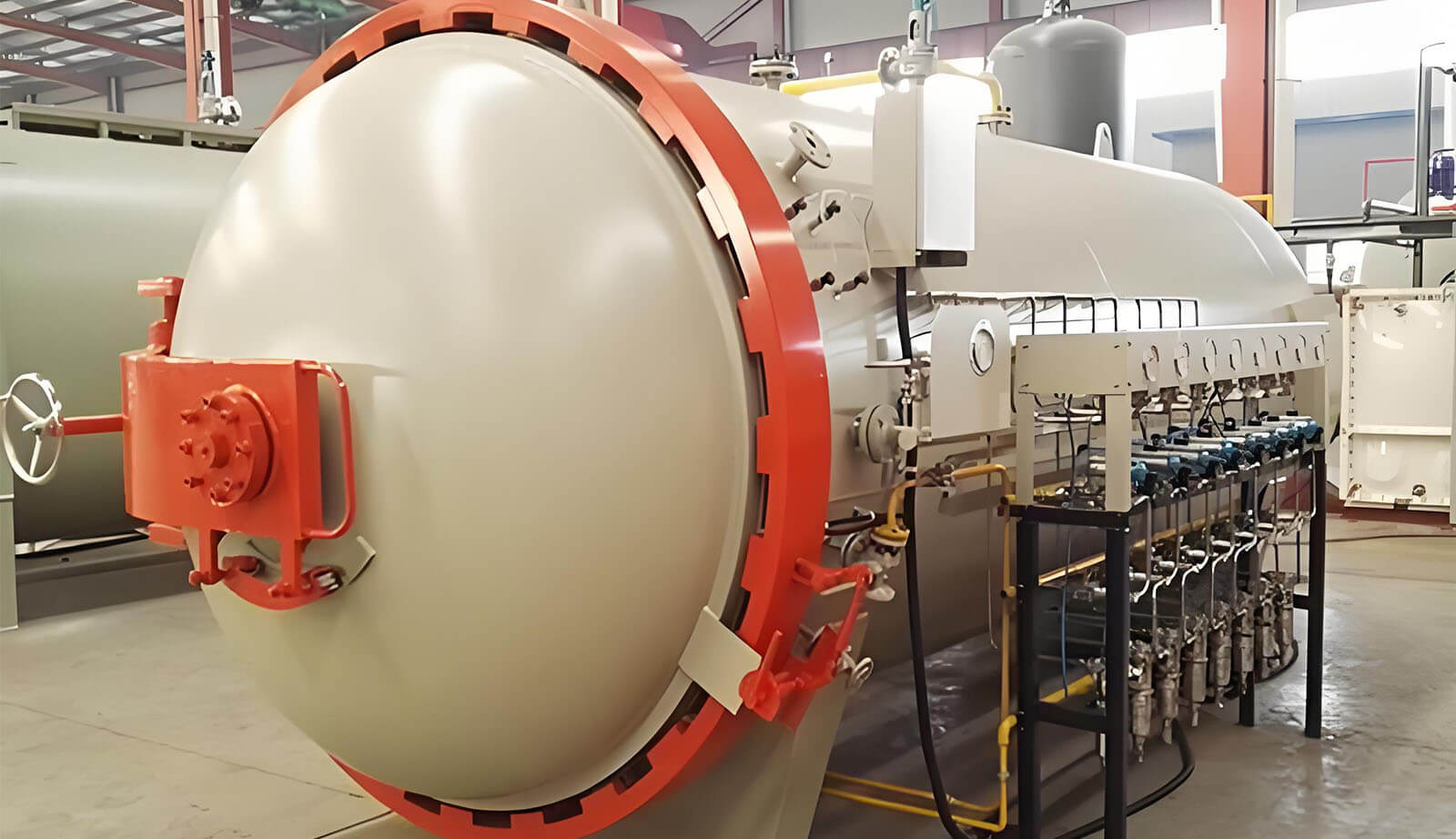
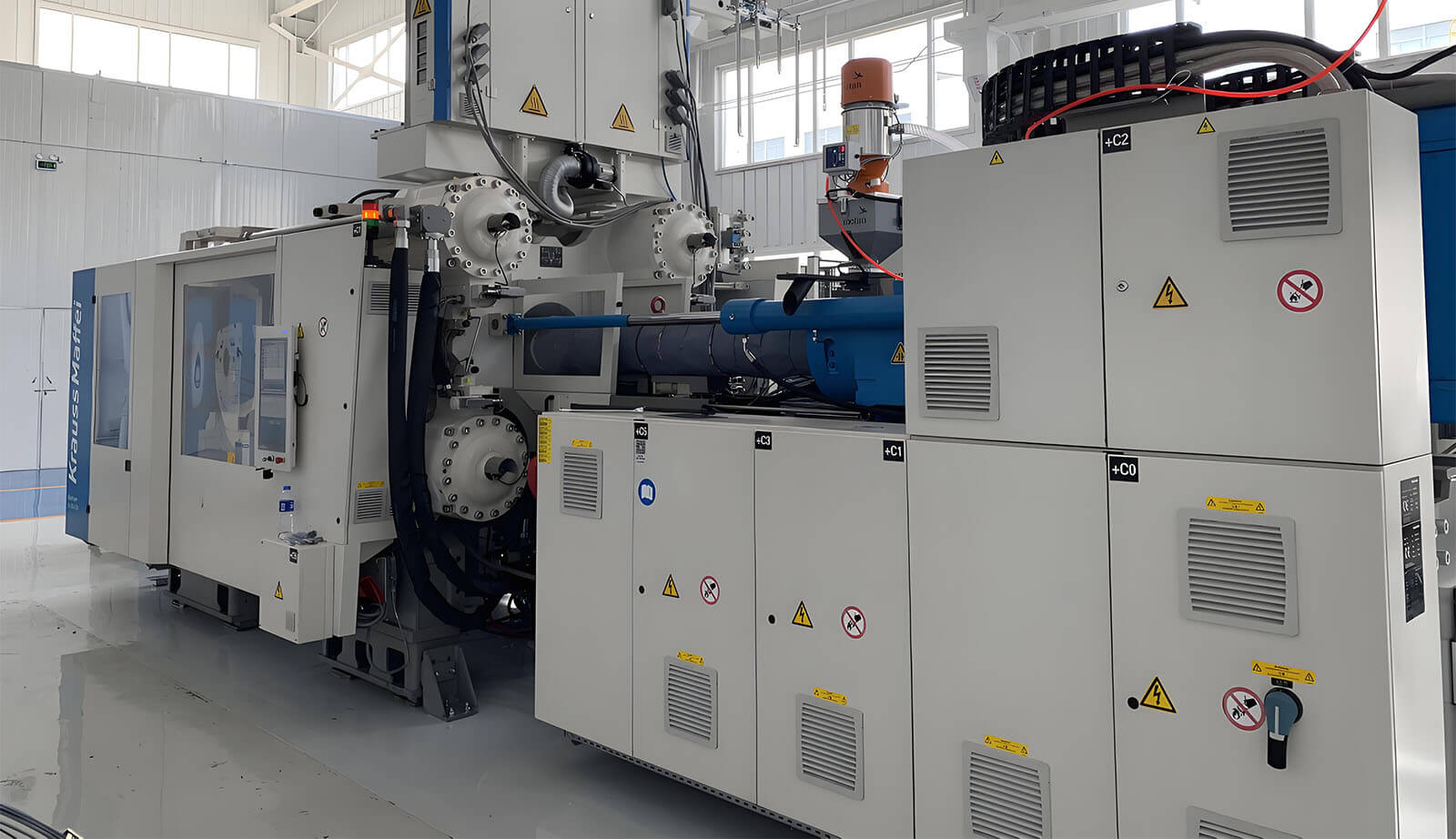
탄소 섬유 연구 센터는 첨단 복합재와 크라우스 마페이 파이버 폼을 사용하여 새로운 에너지, 인텔리전스, 경량 설계의 혁신을 주도하며 고객 중심의 최첨단 솔루션을 개발합니다.
경험이 풍부한 탄소 섬유 제품 공장에서 자주 묻는 질문에 대한 답변입니다.
우리는 자동차 부품, 오토바이 부품, 항공 우주 부품, 해양 액세서리, 스포츠 장비 및 산업 용도를 포함한 다양한 카본 파이버 구성 요소를 생산합니다.
우리는 주로 고품질 프리프레그 카본 파이버와 대형 카본 파이버 강화 고성능 복합재를 사용하여 강도, 내구성 및 경량 특성을 보장합니다.
네, 우리의 제품은 UV 보호 마감 처리되어 장기간 내구성을 보장하고 광택 있는 외관을 유지합니다.
네, 우리의 시설과 장비는 정밀도와 품질을 유지하면서 대형 카본 파이버 구성 요소를 생산할 수 있습니다.
카본 파이버 제품을 사용하면 어떤 이점이 있나요?
카본 파이버는 뛰어난 강도 대 중량 비율, 부식 저항, 강성, 열적 안정성 및 세련되고 현대적인 외관을 제공합니다.
우리는 경량 및 고성능 탄소 섬유 구성 요소에 중점을 두고 자동차, 오토바이, 항공우주, 해양, 의료, 스포츠 및 산업 분야에 서비스를 제공합니다.
예, 우리는 고유한 디자인, 크기 및 패턴을 포함하여 귀하의 사양에 맞춘 맞춤형 탄소 섬유 솔루션을 제공합니다.
우리는 오토클레이브 성형, 핫 프레싱 및 진공 포장과 같은 첨단 기술을 활용하여 모든 제품에서 정밀도, 안정성 및 품질을 보장합니다. Hello Elementor 테마로 멋진 경험을 제공하기 위해 모든 주요 테마와 잘 작동하도록 노력하고 있습니다.
우리는 복잡하고 정밀한 탄소 섬유 구성 요소를 생성하기 위해 내구성과 높은 정확성을 위해 설계된 알루미늄 및 P20 강철 몰드를 사용합니다.
우리 제품은 치수 정확성, 재료 무결성 및 성능 테스트를 포함한 엄격한 품질 관리 검사를 거쳐 산업 표준을 충족합니다.