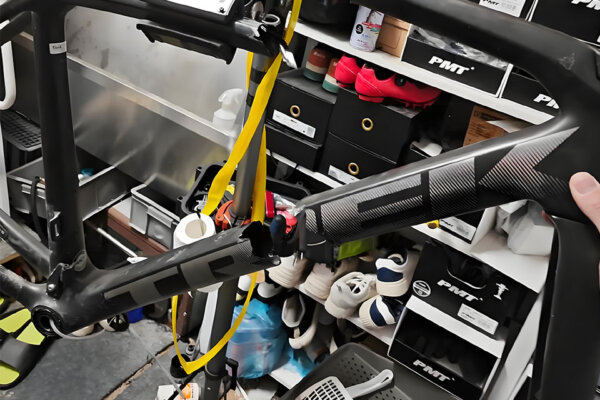
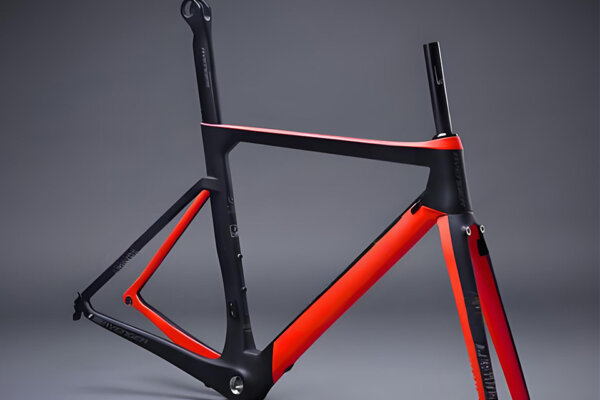
Was ist ein Carbonfaser-Fahrgestell?
Stellen Sie sich vor, Sie bauen ein Auto, das 50% leichter sondern dreimal stärker als Stahl. Das ist es, was ein Kohlefaser-Chassis tut. Das ist keine Magie, das ist Wissenschaft.
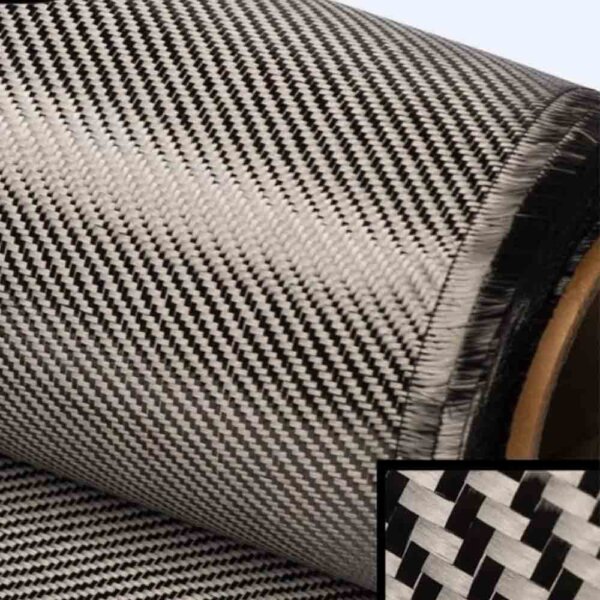
A Kohlefaser-Chassis bildet das Rückgrat Ihres Fahrzeugs. Im Gegensatz zu schweren Stahlrahmen, verwendet dieser kohlenstofffaserverstärkter Kunststoff (CFK). Wir weben winzige Kohlenstofffäden zusammen mit Epoxidharz. Das Ergebnis? Eine Struktur, die unglaublich leicht und dennoch robust genug ist, um Abstürze zu überstehen.
Warum Supercar- und EV-Marken Carbonfaser-Fahrgestelle verwenden
McLaren, Ferrari, und Lamborghini verwenden Kohlefaser nicht nur, um cool auszusehen. Sie verwenden es, weil es funktioniert. Ihr Supersportwagen-Fahrgestell muss leicht für die Geschwindigkeit, aber stark für die Sicherheit sein. A Monocoque-Fahrwerk aus Kohlefaser erfüllt beide Kriterien.
Sogar Tesla erforscht Kohlenstoffverbundstoffe für Elektrofahrzeuge. Warum? Weil leichtere Autos mit der gleichen Batterieladung weiter fahren. Das ist intelligente Technik.
Wie Carbonfaser-Fahrgestelle hergestellt werden
Der Herstellungsprozess
Unser individuelle Verbundfaserfabrik verwendet mehrere Methoden, um Ihr Fahrgestell zu erstellen:
Prepreg Kohlenstofffaser-Layup
- Wir beginnen mit Kohlefaserplatten, die bereits mit Harz gefüllt sind.
- Arbeiter legen jede Schicht sorgfältig von Hand auf
- Die Webmuster der Fasern überlappen sich, um Stärke in alle Richtungen zu erzeugen.
Aushärtung im Autoklaven
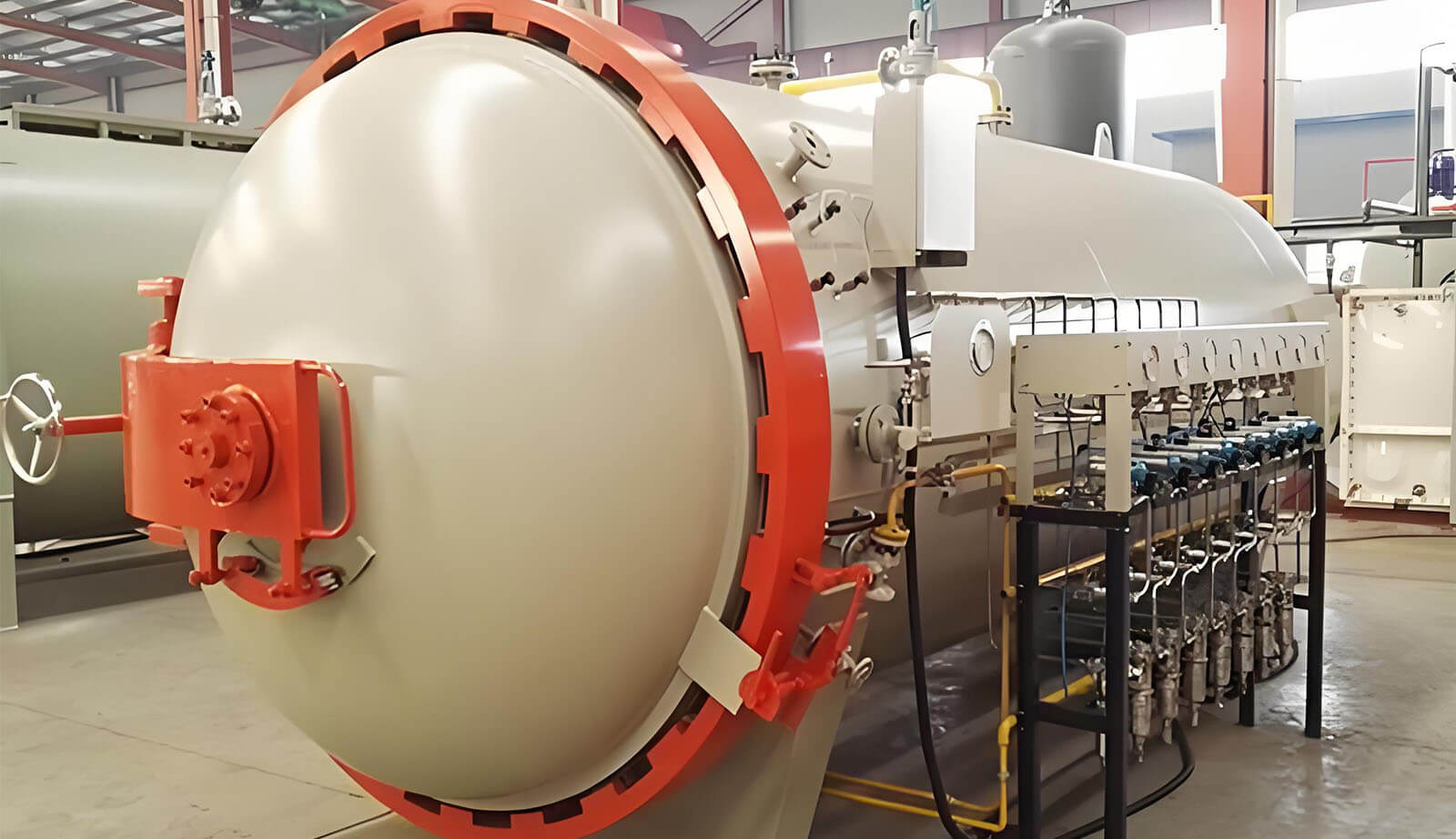
- Das geschichtete Chassis kommt in einen riesigen Ofen, den Autoklaven.
- Hoher Druck und Hitze (ca. 120°C) härten das Harz
- Diese Härtungsprozess dauert mehrere Stunden, schafft aber die stärkste Verbindung
Harzinjektionsverfahren (RTM)
- Für komplexe Formen verwenden wir geschlossene Gussformen
- Flüssiges Harz fließt durch trockene Kohlenstofffasern
- Diese Methode eignet sich hervorragend für Carbon-Rohrrahmen Entwürfe
Formpressen für Strukturteile
- Schnell und kostengünstig für einfachere Teile
- Perfekt für Fahrwerksverstärkung Stücke
- Häufig verwendet in Aftermarket-Carbonteile
Qualitätskontrolle, Prüfung und technische Validierung
Wir bauen es nicht einfach und versenden es. Jedes Chassis durchläuft einen Prozess:
- Ultraschallprüfung um versteckte Risse zu finden
- Zerstörungsfreie Prüfung (NDT) zur Überprüfung der Qualität der Verbindung
- Finite-Elemente-Analyse (FEA) Einsatz von Computern zur Vorhersage von Stresspunkten
- Modalanalyse zur Messung der Schwingungsantwort
Carbonfaser-Chassis Technische Daten
Kohlefaser vs. Aluminium vs. Stahl (Vergleichstabelle)
| Eigentum | Kohlefaser | Aluminium | Stahl |
|---|
| Gewichtseinsparung | 40-60% Feuerzeug | Basislinie | 50% schwerer |
| Zugfestigkeit | 500-700 MPa | 200-300 MPa | 400-500 MPa |
| Steifigkeit (Modulus) | 70-150 GPa | 69 GPa | 200 GPa |
| Korrosionsbeständigkeit | Ausgezeichnet | Messe | Schlecht |
| Temperaturbereich | -50°C bis +120°C | -40°C bis +90°C | -30°C bis +100°C |
Hohes Verhältnis von Steifigkeit zu Gewicht bedeutet, dass sich Ihr Fahrwerk unter Belastung weniger durchbiegt. Das verbessert das Fahrverhalten. Ihr Auto liegt besser in den Kurven. Es reagiert schneller auf Lenkeingaben.
Thermische Stabilität ist im Rennsport wichtig. Kohlefaser dehnt sich bei Temperaturschwankungen kaum aus oder zieht sich zusammen. Die Geometrie der Aufhängung bleibt Runde für Runde gleich.
Ermüdungsfestigkeit garantiert Langlebigkeit. Stahl wird durch wiederholte Belastung irgendwann rissig. Kohlefaser kann Millionen von Zyklen überstehen, ohne zu versagen.
Praktische Anwendungen von Carbonfaser-Fahrwerken
Motorsport und FIA-regulierte Rennen
Formel 1 Teams geben Millionen für die Perfektionierung ihrer Motorsport-Rahmen Konstruktionen. Jedes Auto hat eine Sicherheitszelle aus Kohlefaser, die Monocoque-Fahrwerk. Warum?
- FIA 8862 die Vorschriften erfordern dies zum Schutz der Fahrer
- Absorption der Aufprallenergie sorgt für Sicherheit bei Aufprallgeschwindigkeiten von 200+ mph
- Torsionssteifigkeit verhindert ein Verwinden des Fahrwerks bei harter Kurvenfahrt
Le Mans-Prototypen und IndyCar schreiben auch Karbonfaserkästen vor. Dies sind nicht einfach nur Rennwagen - sie sind rollende Labore, in denen die Technologie von morgen getestet wird.
Fahrgestelldesign für Elektrofahrzeuge (EV)
Die EV-Fahrwerk profitiert massiv von Kohlefaser. Hier ist der Grund dafür:
- Gewichtsreduzierung verlängert die Batteriereichweite um 10-15%
- Geringeres Gewicht bedeutet kleinere (billigere) Batterien für die gleiche Reichweite
- Besser Schwingungsdämpfung schützt empfindliche Elektronik
- NVH-Reduzierung (Lärm, Vibration, Härte) verbessert den Komfort
Rimac baut hybride Karbon-Aluminium-Strukturen für sein Hypercar. BMW hat in seinen Modellen i3 und i8 viel Kohlefaser verwendet. Sie nennen es das “Carbon Life Module”.”
Luft- und Raumfahrt, Robotik und Industriestrukturen
Unser Carbonverbundhersteller Fachwissen erstreckt sich auf:
- Materialien für Drohnenfahrgestelle für kommerzielle und militärische UAVs
- Robotik-Strukturkomponenten für Industriewaffen
- Satellitenrahmen, die Vibrationen beim Start überstehen müssen
- Fahrrad-Carbonrahmen für den professionellen Rennsport
Boeing und Airbus ähnliche Verbundwerkstoffe in Flugzeugen zu verwenden. SpaceX setzt Kohlefaser in Raketenkomponenten ein. Wenn es leicht und stark sein soll, ist Kohlefaser die Antwort.
Carbonfaser-Chassis Design-Optionen
Monocoque-Fahrwerk
- Einteiliges Gehäusedesign
- Verwendet in Karosserieteile für exotische Autos und Sicherheitszellen
- Bietet beste Schlagfestigkeit
- Teurer, aber leichter
- Beispiele: McLaren Monocage, Pagani Huayra Carbo-Titan-Struktur. Die Markenbeispiele dienen nur als Referenz für die Industrie und stellen keine Zugehörigkeit dar.
Spaceframe-Design
- Netzwerk von miteinander verbundenen Röhren
- Leichtere Reparatur einzelner Abschnitte
- Erschwinglicher für Sonderanfertigungen
- Häufig in Modifikationen für Rennstreckenfahrzeuge
- Benutzt von KTM X-Bow und BAC Mono
Hybride Verbundwerkstoff-Strukturen
Manchmal mischen wir Materialien, um das beste Ergebnis zu erzielen:
- Aluminiumwabenkerne mit Kohlefaserhäuten (Sandwichelementbauweise)
- Mit Graphen verstärkte Kohlenstofffaser für zusätzliche Stärke
- Thermoplastische Verbundwerkstoffe die bei Beschädigung wiederhergestellt werden können
- Geschmiedeter Kohlenstoff (verwendet von Lamborghini) für komplexe Formen
Fertigungsmöglichkeiten für kundenspezifische Carbonfaser-Fahrgestelle
Als ein führendes individuelle Verbundfaserfabrik, bieten wir an:
- Optimierung der Faserausrichtung basierend auf Ihren Stressmustern
- Benutzerdefiniert Stapelreihenfolge der Lagen für spezifische Festigkeitsanforderungen
- 3D-gedruckte Kohlefaser Verbindungen für komplexe Geometrien
- Integration von Intelligente Kohlenstofffaser-Sensoren für die strukturelle Gesundheitsüberwachung
Geschwindigkeit und Beschleunigung
Die Physik ist einfach: Leichtere Autos beschleunigen schneller. A leichtes Chassisdesign bedeutet:
- Weniger Energie für Geschwindigkeits- oder Richtungsänderungen erforderlich
- Kürzere Bremswege
- Besser Kraftstoffeffizienz in Verbrennungsmotoren
- Größere Reichweite von Elektrofahrzeugen
Präzision in der Handhabung
Torsionssteifigkeit bestimmt, wie stark sich Ihr Fahrwerk unter Last verwindet. Carbonfasern sind hoch spezifischer Modul bedeutet:
- Schärferes Einschwenkverhalten
- Besser vorhersehbares Verhalten an der Grenze
- Besser aerodynamische Effizienz (das Fahrgestell verbiegt sich weniger, wodurch die ideale Aerodynamik erhalten bleibt)
- Gleichbleibende Handhabung unabhängig von Last und Temperatur
Modern Crash-Test-Leistung Normen sind brutal. Kohlefaser zeichnet sich aus, weil:
- Es absorbiert Energie, indem es auf kontrollierte Weise zerbricht.
- Klebstoffe für strukturelle Verklebungen Verteilung der Aufprallkräfte auf große Flächen
- Das Material verformt sich nicht dauerhaft wie Metall (es hält entweder oder bricht sauber)
- Kann so gestaltet werden, dass es SAE J2340 Normen für die Crash-Tauglichkeit
- Kann so gestaltet werden, dass es FIA Vorschriften für den professionellen Rennsport
Kosten, Wert und ROI von Carbonfaser-Fahrgestellen
Carbonfaser-Chassis Kostenaufschlüsselung
Seien wir ehrlich: Kohlefaser ist nicht billig. Hier ist der Grund dafür:
Rohmaterialien: Toray Industries, Hexcel Corporation, und SGL Kohlenstoff hochwertige Fasern produzieren. T800 Kohlefaser kostet deutlich mehr als T300.
Arbeit: Handauflegen erfordert qualifizierte Techniker. Automatisierte Faserplatzierung (AFP) senkt die Kosten, erfordert aber teure Ausrüstung.
Werkzeuge: Gussformen und Autoklaven stellen große Investitionen dar.
Die endgültigen Kosten hängen von der Geometrie, der Materialqualität, der Komplexität der Werkzeuge und den Validierungsanforderungen ab.
Wenn es Sinn macht
Kohlefaser zahlt sich aus, wenn:
- Die Leistung rechtfertigt einen höheren Preis (Supersportwagen-Fahrgestell)
- Die Stückzahlen sind gering (Sonderanfertigungen und limitierte Auflagen)
- Gewichtseinsparungen schaffen messbare Vorteile (motorsport, Luft- und Raumfahrt)
- Sie erforschen Carbonfaser-Autos für Wettbewerbsvorteile
OEM vs. Aftermarket Carbon
OEM-Carbonteile aus der Fabrik kommen:
- Speziell für Ihr Fahrzeug entwickelt
- Garantien und Crash-Zertifizierungen einschließen
- Mehr kosten, aber perfekt integrieren
Aftermarket-Karbonteile Angebot:
- Erschwinglichere Preise
- Anpassungsmöglichkeiten
- Möglichkeit der DIY-Installation
- Kann eine professionelle Anpassung erfordern
Wartung, Reparatur und Lebensdauer
Pflege für Ihr Carbon-Fahrwerk
Kohlefaser ist robust, braucht aber die richtige Pflege:
Regelmäßige Inspektionen
- Prüfung auf Mikrorissbildung nach Stößen
- Achten Sie auf Delaminierung an Belastungspunkten
- Monitor für UV-Zersetzung wenn sie dem Sonnenlicht ausgesetzt sind
Reinigung und Schutz
- Nur pH-neutrale Reiniger verwenden
- UV-schützende Klarlacke auftragen
- Vermeiden Sie abrasive Werkzeuge, die die Oberfläche zerkratzen
Reparaturen Wir bieten Lösungen für die Reparatur von Kohlenstofffasern bei kleineren, nicht strukturellen Schäden:
- Kleine Risse können mit frischem Harz ausgebessert werden
- Delaminierte Stellen erfordern professionelle Vakuumverpackung
- Größere strukturelle Schäden erfordern oft den Austausch von Teilen
Umweltbezogene Überlegungen
Recycelte Kohlefaser wird immer mehr verfügbar:
- Herausforderungen der Wiederverwertbarkeit aus dem ausgehärteten Harz stammen
- Neu nachhaltige Harzalternativen Hilfe
- Biobasierte Kohlenstofffaser Forschung ist vielversprechend
- Vollständig Analyse des Lebenszyklus von Kohlenstofffasern weist geringere Emissionen auf als der wiederholte Austausch von Stahl
Materialien im Vergleich: Warum Kohlenstoff gewinnt
Kohlefaser vs. Aluminium
Aluminium Fahrgestelle sind weit verbreitet, weil sie erschwinglich sind. Aber Kohlefaser bietet:
- 40% weniger Gewicht
- Höher Biegebruchfestigkeit und Scherfestigkeit
- Besser Daten zur Ermüdungslebensdauer (Aluminium bekommt mit der Zeit Risse)
- Überlegene Crash-Energie-Absorption
- Nein Risiken der galvanischen Korrosion bei ordnungsgemäßer Isolierung
Audi R8 verwendet eine Aluminium Spaceframe mit einigen Carbonplatten. Vollcarbon kostet mehr, bringt aber mehr Leistung.
Kohlefaser vs. Stahl
Stahl ist billig und leicht zu schweißen. Kohlefaser kontert mit:
- 60% Gewichtseinsparung
- Vollständig Korrosionsbeständigkeit (Stahl rostet)
- Besser Wärmeausdehnungskoeffizient (stabilere Abmessungen)
- Höher Dichtevergleiche Carbon bevorzugen (gleiche Festigkeit, viel weniger Gewicht)
NASCAR erlaubt nun begrenzte Verbundkörper weil die Sicherheitsvorteile der Kohlefaser die Tradition überwiegen.
Aufkommende Technologien
Intelligente Materialien
Die Zukunft umfasst:
Selbstheilende Verbundwerkstoffe
- Eingebettete Harzkapseln zerbrechen bei Rissbildung
- Automatisches Auffüllen und Reparieren kleinerer Schäden
- Geprüft von Oak Ridge National Lab
Integrierte Sensoren
- Faser-Bragg-Gitter messen Dehnungen in Echtzeit
- Warnung der Fahrer vor strukturellen Problemen vor dem Ausfall
- MIT-Labor für Selbstorganisation erforscht adaptive Strukturen
Fortschrittliche Fertigung
AI-gesteuerte Design-Optimierung
- Maschinelles Lernen prognostiziert optimale Fasergewebemuster
- Reduziert den Materialabfall um 30%
- Erzeugt Steifigkeits-Gewichts-Diagramme für jede Entwurfsiteration
Fortschritte in der Additiven Fertigung
- Czinger 21C verwendet 3D-gedruckte Kohlefaser Knotenpunkte
- Kombiniert mit traditionellem Layup für das Beste aus beiden Welten
- CNC-Bearbeitung für Kohlefasern schafft präzise Toleranzen
Nachhaltige Innovation
Forscher bei Fraunhofer-Institut und Universität von Delaware arbeiten:
- Nano-Verstärkte Verbundwerkstoffe mit Graphen
- Harze auf Pflanzenbasis sollen Erdöl-Epoxide ersetzen
- Besser Wiederverwendbarkeit durch thermoplastische Matrizen
- Nachhaltige Kohlenstofffaser aus erneuerbaren Quellen
Anwendungen nach Branchen
| Industrie | Anwendungsfall | Hauptvorteil |
|---|
| Automobilindustrie | Carbonfaserautos, Carbon-Optionen für Luxusautos | Geschwindigkeit + Sicherheit |
| Motorsport | F1, LMP1, IndyCar Monocoques | FIA-Konformität + Schutz |
| Luft- und Raumfahrt | UAV-Rahmen, Satellitenstrukturen | Gewichtskritische Missionen |
| Marine | Rümpfe von Rennjachten, Tauchboote | Korrosionsbeständigkeit |
| Verteidigung | Komponenten gepanzerter Fahrzeuge | Explosionsschutz |
| Industriell | Robotik Arme, Fertigungsmittel | Präzise Steifigkeit |
Wie man anfängt
Für Rennteams
Wenn Sie ein wettbewerbsfähiges Fahrzeug bauen:
- Definieren Sie Ihre Vorschriften (FIA, SAE, oder Anforderungen der Sanktionsbehörde)
- Wählen Sie zwischen Monocoque oder röhrenförmig Bauwesen
- Arbeiten Sie mit unseren Ingenieuren an der Optimierung Stapelreihenfolge der Lagen
- Zeitplan Rollenprüfstandsprüfung vor dem Wettbewerb
Für Sonderanfertigungen
Sie erstellen ein einmaliges Projekt? Wir helfen Ihnen dabei:
- Kundenspezifisches Carbon-Chassis Designberatung
- Die Wahl zwischen T700/T800 Noten für Ihr Budget
- DIY-Herstellung von Kohlenstofffasern Unterstützung und Materialien
- Veredelung nach der Aushärtung nach Ihren ästhetischen Vorlieben
Für Hersteller von Elektrofahrzeugen
Entwickeln Sie das nächste große EV? Überlegen Sie:
- Hybride Verbundwerkstoffe (Kohlenstoff + Aluminium) für die Kostenbilanz
- Sandwich-Paneel-Konstruktion für Batterieschränke
- Wärmeleitfähigkeit Management rund um die Elektronik
- Normen zum Feuerwiderstand Konformität
Warum sollten Sie sich für unsere Kohlefaserlösungen entscheiden?
Als einer der führenden Carbonverbundhersteller, liefern wir:
✓ Zertifizierte Qualität: ISO und FIA-Zertifizierungsverfahren Einhaltung ✓ Sachverständige Technik: Finite-Elemente-Analyse für jedes Design ✓ Flexible Produktion: Vom einmaligen Zoll bis zur Kleinserie ✓ Material-Optionen: T300 zu T1100 Fasern, mehrere Harzsysteme ✓ Vollständige Prüfung: Ergebnisse der Schlagprüfung, Zugfestigkeit Überprüfung, Überschallprüfung
Unsere Fertigungsvorteile
- Formpressen für kostengünstige Teile
- Aushärtung im Autoklaven für hochwertige Komponenten
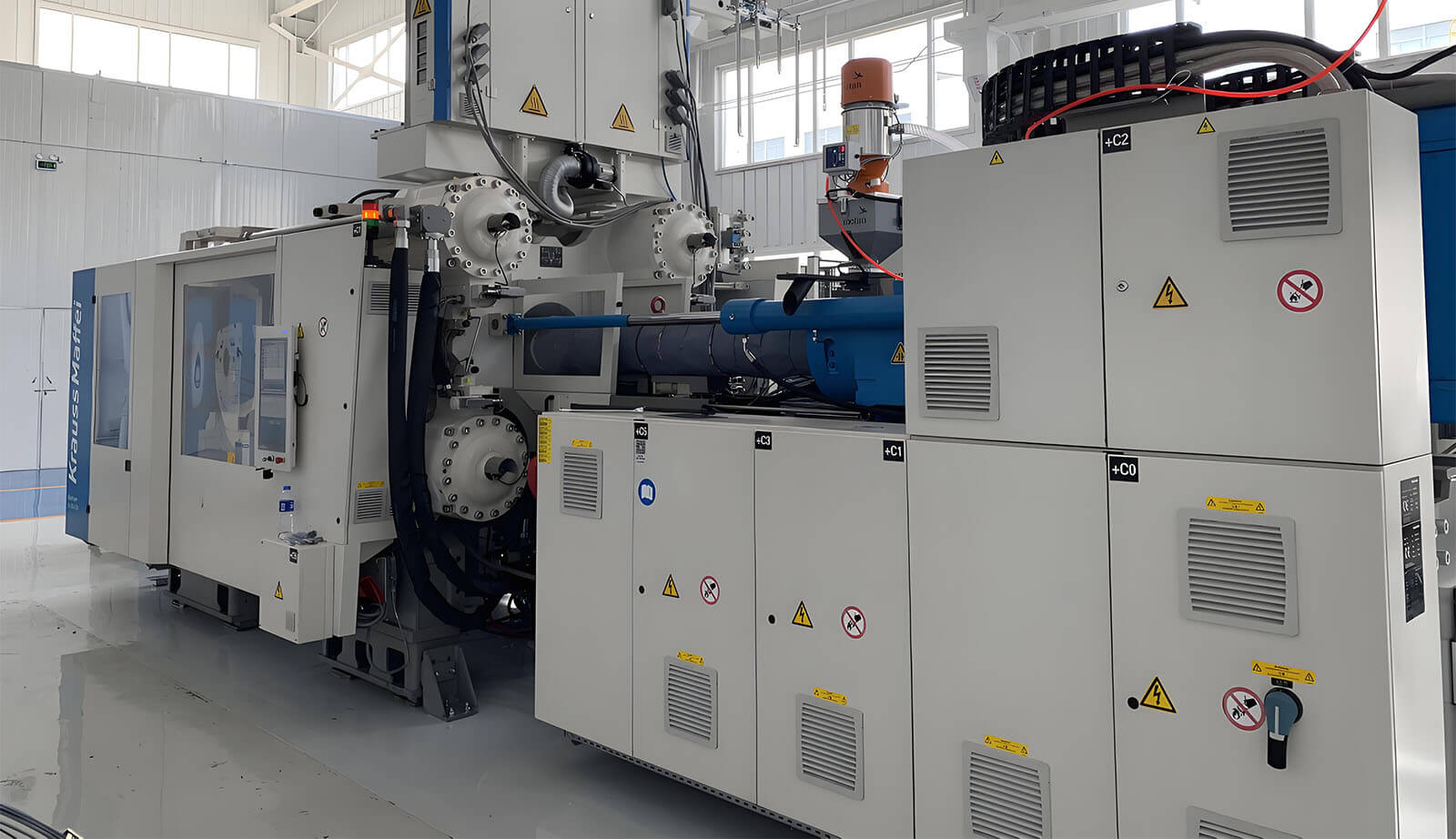
- Spritzgießen von Kunstharz für komplexe Formen
- Hausintern zerstörungsfreie Prüfung Labor
- CNC-Bearbeitung Fähigkeiten zur präzisen Nachbearbeitung
Technische Unterstützung und Ressourcen
Wir liefern eine vollständige Dokumentation:
- Spannungs-Dehnungs-Eigenschaften Datenblätter
- Anisotrope Eigenschaften Leitfäden für die Gestaltung
- Klebstoffe für strukturelle Verklebungen Kompatibilitätstabellen
- Kompatibilität der Farben Empfehlungen
- Bedenken hinsichtlich der elektrischen Leitfähigkeit Minderungsstrategien
Prüfung und Validierung
Jedes Fahrgestell enthält:
- Torsionssteifigkeit Messungen
- Schwingungsdämpfung Analyse
- Koeffizient der thermischen Ausdehnung Testen
- Ermüdungsfestigkeit Zyklusdaten
- Vollständig Crash-Test-Leistung Berichte (falls zutreffend)
Ihr Angebot erhalten
Bereit, Ihr Projekt zu transformieren mit maßgefertigte Kohlefaser? Das ist es, was wir brauchen:
- Details zur Bewerbung (Fahrzeugtyp, erwartete Lasten)
- Anforderungen an die Abmessungen (CAD-Dateien, falls vorhanden)
- Leistungsziele (Gewichtseinsparungen Ziele, Stärkeanforderungen)
- Haushaltsparameter (Flexibilität der Materialgüte)
- Zeitplan (Prototyp vs. Produktion)
Kontaktieren Sie unser Team noch heute. Wir bringen Sie mit dem richtigen Verbundwerkstoffe für Ihre spezifischen Bedürfnisse. Egal, ob Sie das nächste Gebäude Koenigsegg Konkurrenten oder ein innovatives Drohnen-Fahrgestell, haben wir Lösungen für Projekte wie das Ihre entwickelt.
Die Quintessenz
Kohlefaser-Chassis Technologie ist nicht mehr nur etwas für millionenschwere Hypercars. Die Kosten sinken. Die Herstellung wird besser. Nachhaltige Kohlenstofffaser Initiativen machen sie grüner.
Von Sicherheitsstrukturen der Formel E zu Elektrofahrzeug-Fahrgestell Plattformen, definiert Kohlefaser die moderne Hochleistungstechnik. Seine unübertroffene hohes Steifigkeits-Gewichts-Verhältnis, Vorgesetzter Schlagfestigkeit, und bewährt Crash-Energie-Absorption machen es zum Material der Wahl, wenn es auf Leistung ankommt.
Ihr Projekt verdient das Beste. Wählen Sie Kohlefaser. Wählen Sie Stärke ohne Gewicht. Wählen Sie die Zukunft.
Starten Sie Ihr Kohlefaser-Chassis-Projekt noch heute mit den Experten, die Komponenten für Rennteams, Luft- und Raumfahrtprogramme und Automobilinnovatoren weltweit geliefert haben. Kontakt zu unserer Composite-Fabrik und lassen Sie uns gemeinsam etwas Außergewöhnliches schaffen.
Geschrieben von:
Ingenieurteam - China Carbon Fibers
Mehr als 15 Jahre Erfahrung in der Herstellung von Kohlefaserverbundwerkstoffen Projekte in den Bereichen Automobil, Motorsport, Luft- und Raumfahrt und Robotik