Warum sollten Sie Kohlefaser für Ihre Solaranlage wählen?
Sie wollen, dass Ihre Solarmodule lange halten. Sie müssen auch bei Stürmen, Schneelasten und langfristiger Sonneneinstrahlung zuverlässig funktionieren. Das ist der Grund Solarbefestigungssysteme aus Kohlefaser bieten eine überzeugende Alternative zu herkömmlichen Metallstrukturen.
Konventionelle Materialien haben ihre Grenzen. Stahl erhöht das Gewicht und ist anfällig für Korrosion. Aluminium ist leichter, kann sich aber im Laufe der Zeit verformen und leidet unter den rauen Bedingungen in Küstengebieten. Kohlenstofffaserverstärktes Polymer (CFK) hingegen kombiniert hohe Festigkeit, geringes Gewicht und lange Haltbarkeit.
Als Carbonverbundhersteller Mit unserer langjährigen Erfahrung in der Herstellung von Verbundwerkstoffen entwickeln wir Montagesysteme aus Kohlefaser für anspruchsvolle Solaranwendungen, bei denen herkömmliche Materialien nicht ausreichen.
Was macht Carbonfaser-Solarhalterungen anders?
Leichtgewichtig, aber strukturell robust
Kohlefaser bietet eine außergewöhnliche Stärke-Gewichts-Verhältnis. Im Vergleich zu herkömmlichen Aluminium-Solarmontagesystemen können Kohlefaserstrukturen verringern in der Regel das Strukturgewicht um etwa 40-60%, je nach Systemkonfiguration und Anwendung.
Bei Dächern ist diese Verringerung erheblich. Ein geringeres Eigengewicht trägt zum Schutz der Dachstrukturen bei, erweitert die Installationsmöglichkeiten für ältere Gebäude und verringert die langfristige strukturelle Belastung.
Trotz ihres geringen Gewichts sind Kohlefaser-Montagesysteme entwickelt, um standortspezifische Designlasten zu unterstützen, einschließlich:
- Windlasten bis zu 150 mph, vorbehaltlich Layout und technischer Validierung
- Schneelasten bis zu 40 psf, je nach Spannweite und Konfiguration
- Verteilte Lasten aus privaten und gewerblichen PV-Anlagen
Diese Systeme werden auf der Grundlage geltender Baunormen entworfen und durch projektspezifische Berechnungen validiert.
Witterungsbeständigkeit durch Design
Kohlefaserverbundwerkstoffe bieten hervorragende Beständigkeit gegen Korrosion, Feuchtigkeit und UV-Strahlung. Im Gegensatz zu Solarhalterungen aus Metall, die in küstennahen oder industriellen Umgebungen korrodieren können, behalten CFK-Strukturen über lange Zeit eine stabile mechanische Leistung.
Tests und der Einsatz in der Praxis zeigen eine zuverlässige Leistung über einen breiten Temperaturbereich, typischerweise von -40°F bis 185°F, Dadurch eignet sich Kohlefaser gut für Installationen in der Wüste, an der Küste und in kalten Klimazonen.
Da Kohlefaser nicht metallisch ist, ist sie von Natur aus resistent gegen Salzsprühnebel, chemische Einflüsse und galvanische Korrosion - ein entscheidender Vorteil für Langzeit-Photovoltaik-Montagesysteme.
Geringere Belastung der Dachkonstruktionen
Leichte Befestigungssysteme sind besonders wertvoll für Ziegeldächer, alternde Gebäude und Nachrüstungsprojekte. Durch die Verringerung des Gesamtgewichts des Systems ermöglichen Kohlefaserhalterungen Solarinstallationen in Situationen, in denen herkömmliche Metallsysteme strukturelle Grenzen überschreiten können.
Diese Gewichtseffizienz erweitert den Bereich der Gebäude, in denen Solarlösungen für Wohn- und Geschäftsgebäude sicher eingesetzt werden können.
Technische Merkmale, auf die es ankommt
Nachfolgend finden Sie eine typischer Vergleich auf Materialebene als Referenz. Die tatsächliche Systemleistung hängt von der technischen Auslegung und den Projektbedingungen ab.
| Merkmal | Kohlefaser | Aluminium | Stahl |
|---|
| Strukturelles Gewicht | Sehr niedrig | Mäßig | Hoch |
| Korrosionsbeständigkeit | Ausgezeichnet | Mäßig (in Küstenregionen begrenzt) | Niedrig |
| Thermische Ausdehnung | Sehr niedrig | Mäßig | Hoch |
| Elektrische Leitfähigkeit | Nicht leitfähig | Leitfähig | Leitfähig |
| Erwartete Nutzungsdauer | 30+ Jahre | 15-20 Jahre | 10-15 Jahre |
Tragfähigkeit, auf die Sie sich verlassen können
Carbonfaser-Solarmontagesysteme sind entworfen, um standortspezifische Wind- und Schneelastanforderungen zu erfüllen, einschließlich Regionen, die Wirbelstürmen oder starken Schneefällen ausgesetzt sind.
Die Tragfähigkeit pro Befestigungspunkt wird bestimmt durch:
- Länge der Spannweite
- Array-Layout
- Einbauverfahren
- Anwendbare Konstruktionsnormen (z. B. ASCE 7-16)
Dieser Ansatz gewährleistet strukturelle Zuverlässigkeit ohne Überdesign oder unnötigen Materialeinsatz.
Thermische Stabilität über die Jahreszeiten hinweg
Thermische Ausdehnung und Kontraktion sind häufige Ursachen für langfristige Spannungen in Metallbefestigungssystemen. Kohlefaser weist auf sehr geringe thermische Ausdehnung, Dadurch wird die Ausrichtung beibehalten und die Ermüdung bei wiederholten Temperaturzyklen verringert.
Die nichtleitende Natur der Kohlefaser minimiert auch die Eisanhaftung in kalten Klimazonen und begrenzt die hitzebedingte Verformung in heißen Umgebungen.
Wie diese Systeme hergestellt werden
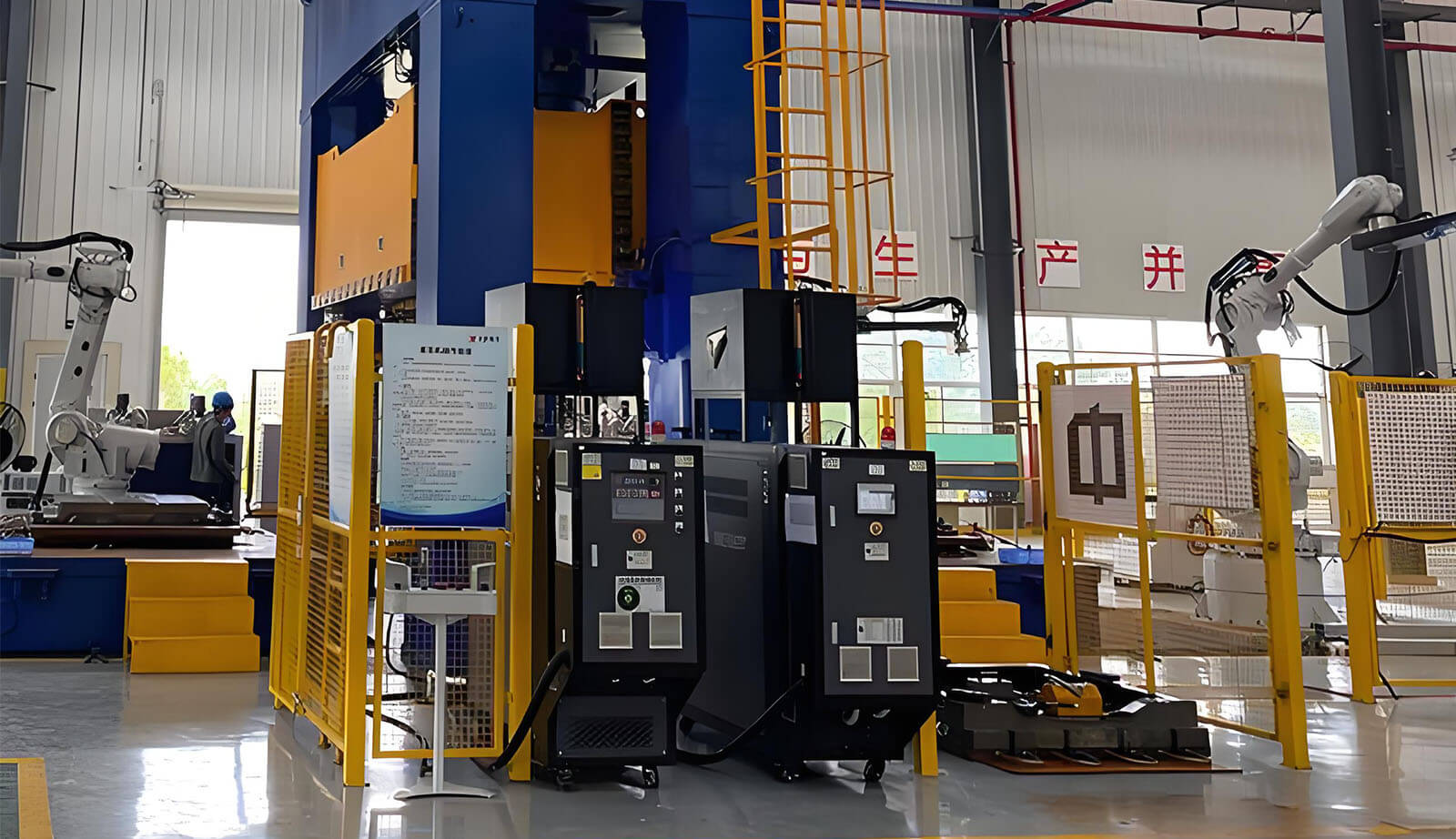
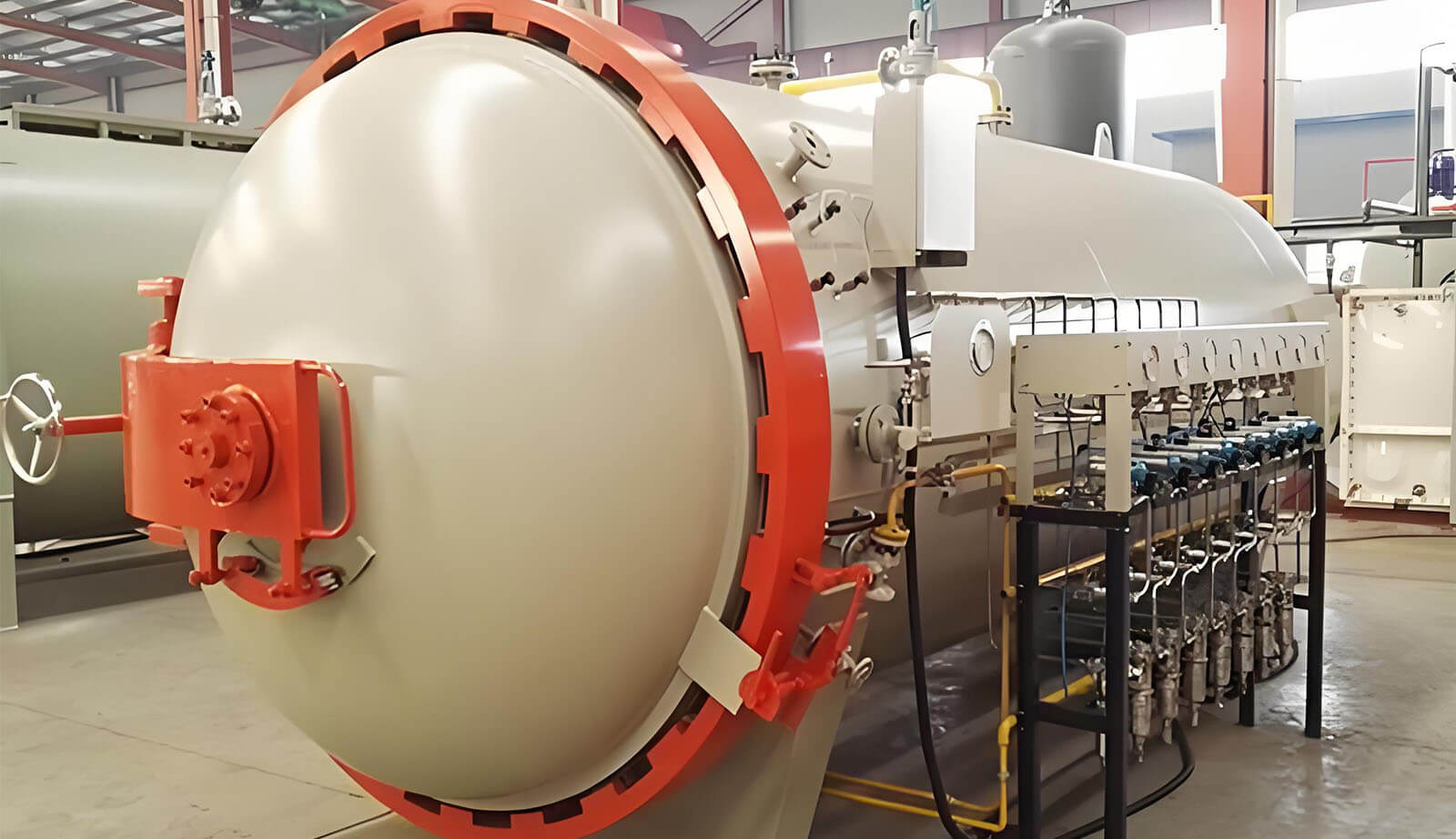
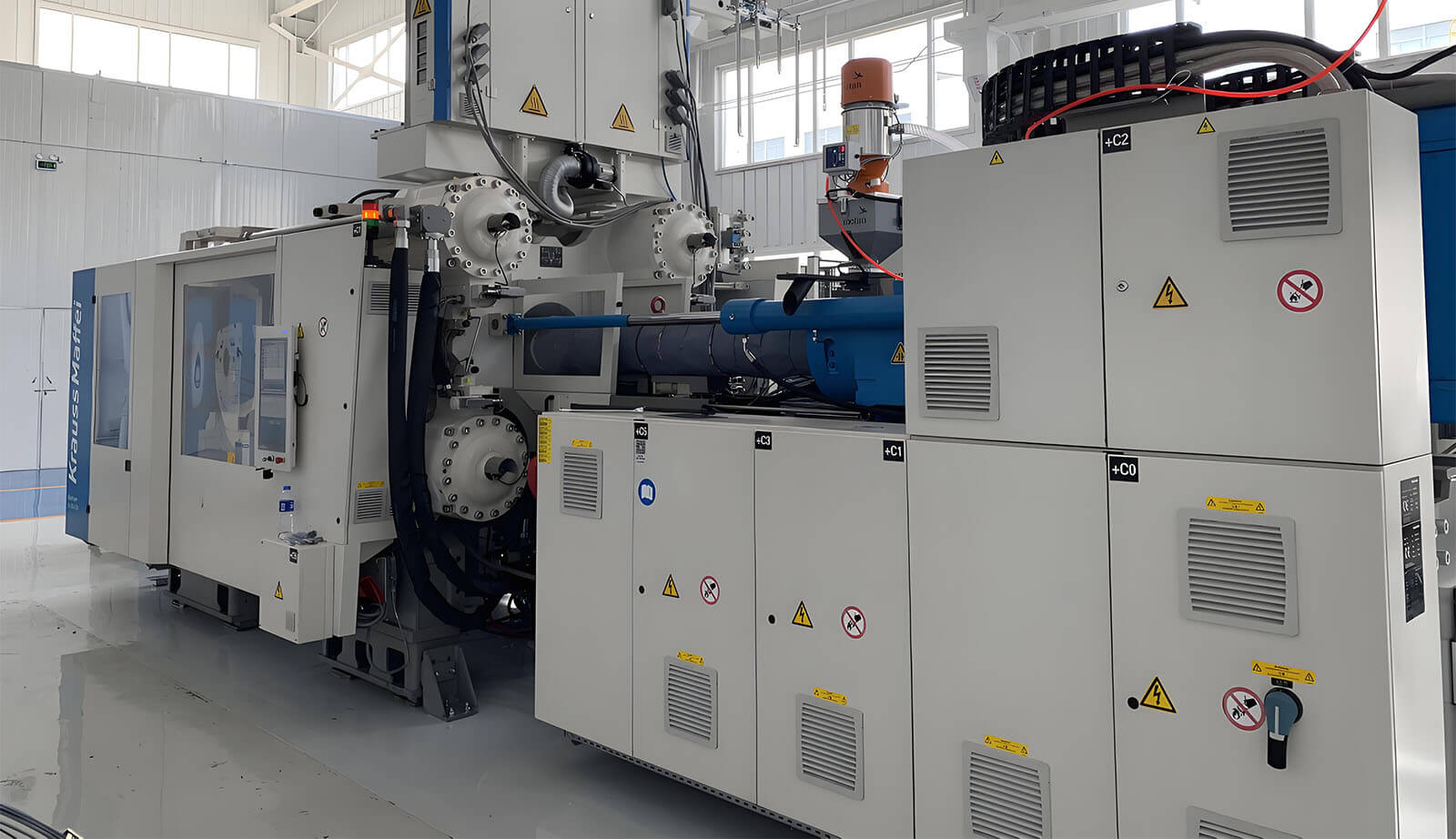
Als individuelle Verbundfaserfabrik, Wir wenden die Prinzipien der Herstellung von Verbundwerkstoffen für die Luft- und Raumfahrt und den Motorsport auf Solarbefestigungsanwendungen an.
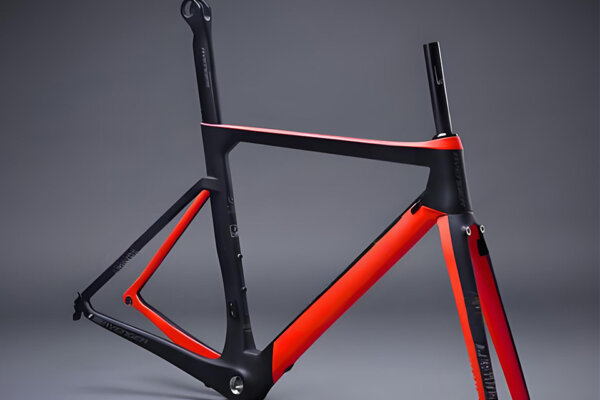
Die gleichen technischen Methoden, die in Carbonfaser-Autos-einschließlich Materialauswahl, Laminatdesign und Qualitätskontrolle- werden angewendet, um eine gleichbleibende strukturelle Leistung zu gewährleisten.
Jede Montagekomponente wird einer Maßprüfung und Prozesskontrolle unterzogen, um Wiederholbarkeit und langfristige Zuverlässigkeit zu gewährleisten.
Modulares Design für praktische Installation
Carbonfaser-Solarmontagesysteme sind konzipiert für effiziente Installation und Skalierbarkeit. Modulare Komponenten ermöglichen Flexibilität bei Aufdach- und Freiflächenkonfigurationen.
Typische Merkmale sind:
- Einstellbare Neigungsmöglichkeiten (ca. 10°-60°)
- Vorgefertigte Klemmschnittstellen
- Vorgebohrte Anschlusspunkte
- Strukturelle Spleißverbinder für erweiterte Arrays
Diese modulare Bauweise verkürzt die Installationszeit und erhält gleichzeitig die strukturelle Integrität.
Normen und Einhaltung
Systemkomponenten sind so konzipiert, dass sie den einschlägigen internationalen Normen entsprechen, einschließlich UL 2703 und IEC-Anforderungen. Zertifizierung und Prüfung durch Dritte können angeboten werden auf Anfrage, je nach Projektumfang und -konfiguration.
Für regionalspezifische Anwendungen kann technische Unterstützung angeboten werden:
- Hochgeschwindigkeits-Hurricane-Zonen (HVHZ)
- Seismische Überlegungen
- Anforderungen der örtlichen Bauvorschriften
Anwendungsszenarien, in denen Kohlefaser sich auszeichnet
Küstengebiete und korrosive Umgebungen
Aufgrund ihrer Widerstandsfähigkeit gegen Salzsprühnebel und Feuchtigkeit eignen sich Kohlefasern gut für Installationen in Küstennähe, wo Metallsysteme einem beschleunigten Abbau unterliegen.
Gewerbliche Solaranlagen und Solaranlagen für den Versorgungsbereich
Bei großen Solaranlagen senkt das geringere Gewicht der Struktur die Transportkosten und vereinfacht die Handhabung vor Ort. Modulare Kohlefaserstrukturen unterstützen auch den skalierbaren Einsatz auf großen Grundflächen.
Schwimmende Solaranlagen
Schwimmende PV-Systeme profitieren von leichten, nicht leitenden Montagestrukturen. Die Feuchtigkeits- und Korrosionsbeständigkeit von Carbonfasern bietet eine zuverlässige Lösung für wasserbasierte Installationen.
Schneelast und Gebirgsregionen
Die niedrige Wärmeleitfähigkeit verringert die Eisbildung und trägt dazu bei, die strukturelle Stabilität bei wiederholten Frost-Tau-Zyklen in schneereichen Regionen zu erhalten.
Gebäudeintegrierte PV (BIPV)
Architektonische Solaranwendungen erfordern klare Linien und minimale optische Auswirkungen. Carbonfaser-Montagesysteme passen gut zu modernen Gebäudedesigns und fortschrittlichen BIPV-Konzepten.
Tragbare und spezialisierte Solarsysteme
Leichte Montagesysteme aus Verbundwerkstoffen eignen sich für mobile, temporäre oder abgelegene Solaranlagen, bei denen es auf Transporteffizienz und schnellen Einsatz ankommt.
Kosten vs. Lebenszykluswert
Carbonfaser-Solarmontagesysteme sind in der Regel mit einer höheren Anfangsinvestition verbunden als Alternativen aus Aluminium. Allerdings, die gesamten Lebenszykluskosten sind oft niedriger durch:
- Verlängerte Nutzungsdauer
- Minimale Wartungsanforderungen
- Geringere korrosionsbedingte Ausfälle
- Geringerer Transport- und Installationsaufwand
Bei langfristigen Projekten überwiegt die Leistung über den gesamten Lebenszyklus oft die Kosten für das Material.
Garantie und Support
Die Systeme werden unterstützt von einem 10 Jahre beschränkte Garantie die sich auf die materielle und strukturelle Leistung beziehen, vorbehaltlich der üblichen Bedingungen und Konditionen.
Überlegungen zur Installation
Bewertung des Daches
Auch bei leichten Montagesystemen sollten die Dachbeschaffenheit und die Tragfähigkeit vor der Montage immer geprüft werden.
Optimierung der Neigung
Einstellbare Neigungskonfigurationen ermöglichen die Optimierung für saisonale Sonneneinstrahlungen und verbessern die Energieausbeute in unterschiedlichen Breitengraden.
Elektrische Erdung
Obwohl Kohlefaser nicht leitend ist, müssen PV-Module und elektrische Systeme dennoch gemäß den geltenden elektrischen Vorschriften geerdet werden.
Perspektive der Nachhaltigkeit
Montagesysteme aus Kohlenstofffasern lassen sich gut mit langfristigen Nachhaltigkeitszielen vereinbaren. Ihre Langlebigkeit reduziert die Austauschzyklen, und die Herstellung von Verbundwerkstoffen vermeidet die hohe Energieintensität, die mit der Aluminiumschmelze verbunden ist.
Die Herstellungsprozesse folgen kontrollierten Umweltpraktiken, und die Verbundwerkstoffe können am Ende ihrer Lebensdauer wiederverwendet werden.
Kompatible Solartechnologien
Carbonfaser-Montagesysteme sind kompatibel mit:
- Monokristalline und polykristalline Paneele
- Dünnschicht- und bifaciale Module
- Systeme mit fester Neigung und Nachführung
Sie lassen sich mit modernen Wechselrichtern, Energiespeicherlösungen und Überwachungssystemen integrieren.
Erste Schritte
Jedes Projekt beginnt mit einer Entwurfsprüfung auf der Grundlage von:
- Spezifikationen des Panels
- Installationsumgebung
- Lokale Wind- und Schneelasten
- Bevorzugte Montagekonfiguration
Als Spezialist für kundenspezifische Kohlefaser Lösungen unterstützen wir sowohl Standard- als auch vollständig kundenspezifische Solarbefestigungsanwendungen.
Fazit
Carbonfaser-Solarmontagesysteme stellen eine Lösung der nächsten Generation für die Infrastruktur für erneuerbare Energien, Besonders bei Anwendungen, bei denen es auf geringes Gewicht, Korrosionsbeständigkeit und langfristige Haltbarkeit ankommt.
Durch die Anwendung bewährter Prinzipien der Verbundwerkstofftechnik auf die Solarmontage bieten diese Systeme eine zuverlässige Alternative zu herkömmlichen Metallkonstruktionen - ohne Kompromisse bei Leistung und Langlebigkeit.
Wenn Sie fortschrittliche Materialien für Hochleistungs-Solaranlagen in Betracht ziehen, sind Montagesysteme aus Kohlefaser eine ernsthafte Überlegung wert.