Perché i team di gara scelgono i sedili in fibra di carbonio
Si vuole andare più veloci. Ogni pilota conosce questa verità: Il peso è il nemico. Quando si tolgono 18 chili alla propria auto, non si migliorano solo i tempi sul giro. Si cambia il modo in cui il veicolo curva, frena e accelera.
Sedili da corsa in fibra di carbonio risolvere questo problema. Non si tratta solo di pezzi belli per auto da esposizione. Sono strumenti seri, costruiti da esperti produttori di compositi in carbonio che conoscono le esigenze degli sport motoristici.
Vi spiego perché sia le squadre professionistiche che i guerrieri del weekend si affidano a questi sedili.
Cosa rende speciali i sedili in fibra di carbonio?
Estrema riduzione del peso
Un tipico sedile da corsa in acciaio pesa 25 o più chili. Nel frattempo, Sedili a secchiello in fibra di carbonio La bilancia pesa tra i 7 e i 12 chili. Si tratta di un Riduzione del peso del 60% proprio lì.
Dove va a finire questo peso? Direttamente in prestazioni migliori:
- Accelerazione più rapida dal miglioramento del rapporto peso-potenza
- Cambi di direzione più rapidi in curva
- Migliore distribuzione del peso per il bilanciamento del telaio
- Centro di gravità ridotto per la stabilità
Resistenza aerospaziale
Non lasciatevi ingannare dal peso ridotto. Questi sedili utilizzano Trama in fibra di carbonio 3K e 12K con resina epossidica, gli stessi materiali che si trovano nelle auto di Formula 1 e nei jet da combattimento.
Alcuni produttori aggiungono Ibrido di kevlar per una maggiore resistenza agli urti. Il risultato? Un sedile che si flette con i carichi del telaio invece di rompersi come fanno le vecchie staffe in acciaio.
Specifiche tecniche che contano
| Caratteristica | Specifiche standard | Perché è importante |
|---|
| Materiale | Fibra di carbonio 3K/12K + resina epossidica | Combina forza e peso minimo |
| Peso | 7-12 libbre (contro 25+ libbre di acciaio) | Riduce i chili critici della vostra corporatura |
| Resistenza al calore | Fino a 300°F | Nessun sedile fuso durante le gare nel deserto |
| Certificazioni | FIA 8862-2009, SFI 39.2 | Legalmente pronto per le gare WEC e GT3 |
| Montaggio | Montaggio laterale o dal basso | Funziona con i roll cage NASCAR e FIA |
| Garanzia | 5 anni di carbonio, 2 anni di hardware | Gareggiare con sicurezza |
Standard di sicurezza affidabili
Sedili da corsa approvati dalla FIA
Quando si superano i limiti su circuiti come Nürburgring o Spa 24h, La sicurezza non è un optional. Ecco perché i sedili superiori portano Certificazione FIA 8862-2009. Questo standard richiede:
- Test d'urto a impatti di oltre 30 miglia orarie
- Coprisedili resistenti al fuoco che rispettano i limiti di propagazione della fiamma
- Cinghia antisommergibile compatibilità per evitare lo scivolamento
- Compatibile con HANS progettazione di sistemi di supporto per il collo
I sedili più vecchi potrebbero avere solo FIA 8855-1999 approvazione. Questo va bene per le gare di club, ma i concorrenti seri vogliono uno standard più recente.
Approvazione della Fondazione SFI
Per le gare di accelerazione e gli eventi su pista ovale, si vedranno Certificazione SFI 39.2. Il NHRA richiede questo per molti corsi. Dimostra che il sedile è in grado di sopportare le violente forze g del quarto di miglio.
Sedili perfetti per ogni stile di corsa
Giornata in pista e gare in circuito
Siete a caccia di tempi sul giro nel vostro circuito locale. Forse si tratta di un attacco a tempo o semplicemente di lappatura aperta. In ogni caso, è necessario rinforzo aggressivo che vi tiene stretti attraverso gli spazzini.
Sedili da corsa con schienale fisso funzionano al meglio in questo caso. Non sono reclinabili perché non ne avete bisogno. Ciò di cui avete bisogno è:
- Supporto laterale durante la curva ad alta velocità
- Supporto lombare per le sessioni di 30 minuti
- Fori di ventilazione del sedile per non surriscaldarsi
Marche come Sparco, Recaro, e Sposa Giappone dominano questo spazio. Il loro Sedili in stile GT3 imitare quello che si trova in Prototipi di Le Mans.
Rally e corse fuori strada
Sedili da corsa da rally affrontare una punizione brutale. Pensate a WRC in cui le auto volano sopra i salti e sbattono contro i solchi. Il vostro sedile sopporta tutti gli impatti.
Per eventi come Baja 1000 o Dakar, è necessario:
- Gusci rinforzati per resistere all'affaticamento da vibrazioni
- Resina stabile ai raggi UV che non si degrada al sole del deserto
- Opzioni di imbottitura del sedile con schiuma di memoria per il massimo comfort
La struttura in fibra di carbonio smorza naturalmente le vibrazioni meglio dell'acciaio. La vostra schiena vi ringrazierà dopo 500 miglia di terreno accidentato.
I piloti hanno bisogno di qualcosa di diverso. Si è costretti a lanciare l'auto di lato e a guardare fuori dal finestrino laterale. A Reclinazione a 30 gradi vi offre una migliore visibilità per controllo tandem.
Cercare sedili con:
- Supporto laterale per il cuscino che avvolge le costole
- Dimensioni della larghezza del sedile che si adatta perfettamente senza schiacciarvi
- Imbracatura a più punti slot per cinture a 5 o a 6 punti
Molti team di drifting eseguono fibra di carbonio personalizzata sedili su misura per la loro esatta forma del corpo. È qui che la collaborazione con un fabbrica di compositi personalizzati è ripagato.
Corse di resistenza
Quando si guida per 12 ore a Le Mans o Daytona, il comfort diventa fondamentale. La stanchezza del conducente uccide i tempi sul giro e talvolta anche i piloti.
Sedili reclinabili in carbonio aiuto qui. Consentono di regolare il angolo dello schienale per diversi conducenti che condividono l'auto. Abbinato a:
- Design ergonomico basati sulla ricerca in medicina dello sport
- Supporto alla postura che impedisce l'inclinazione
- Riduzione del rumore caratteristiche che riducono l'affaticamento mentale
Squadre professionistiche come quelle di Campionato IMSA SportsCar spendere soldi seri per ottenere il giusto risultato.
Drag Racing e velocità in linea retta
Corse di accelerazione Il sedile è un'arma che esercita un'enorme forza g sulla colonna vertebrale durante i lanci e l'apertura del paracadute. Il sedile deve impedire infortunio durante quei momenti di violenza.
Ciò significa che:
- Imbracatura a 6 punti compatibilità con cinghie antisommergibile
- Poggiatesta sistemi di protezione dal colpo di frusta
- Staffe di montaggio del sedile classificati per impatti di 40+ g
Il Serie NASCAR Cup utilizza requisiti simili. I loro sedili si fissano a gabbie a rulli omologate con regole di distanza specifiche.
Installazione e compatibilità
Spiegazione delle opzioni di montaggio
Ne esistono due tipi principali:
Sedili laterali
- Bullone attraverso i lati nella gabbia di sicurezza
- Meglio per le cabine di pilotaggio strette
- Comune in auto di formula e prototipi di auto
Sedili con montaggio sul fondo
- Si fissano attraverso la base come i sedili OEM
- Più facile per auto omologate per la strada
- Lavorare con la maggior parte dei auto da turismo e Auto GT
La maggior parte dei produttori include staffe in alluminio nella confezione. Tuttavia, verificate che siano adatti al vostro telaio specifico. A produttore di compositi in carbonio Se necessario, possiamo realizzare supporti personalizzati.
Compatibilità con la gabbia di contenimento
Il sedile deve funzionare con la gabbia. Controllare questi dettagli:
- Approvato dalla FIA/NASA Dimensioni della gabbia
- Rigidità del telaio requisiti per i punti di montaggio
- Compatibilità con la gabbia di sicurezza con altezza dello schienale
Per Auto LMP e IndyCar La gabbia avvolge letteralmente il sedile. Non è possibile imbullonare un sedile qualsiasi.
Integrazione del cablaggio
Le imbracature da corsa passano attraverso il sedile. Assicuratevi che il vostro sia dotato di:
- Slot per imbracatura nelle posizioni corrette
- Imbracatura a 4 punti, 5 punti o 6 punti compatibilità
- Imbracatura a 3 punti opzioni se si vuole la legalità della strada
Le fessure devono essere adeguatamente distanziate per Dispositivo HANS legami. In caso contrario, il sistema di ritenuta per la testa e il collo non funzionerà correttamente.
Qualità dei materiali e della costruzione
Modelli di trama della fibra di carbonio
Non tutto il carbonio ha lo stesso aspetto. Ecco cosa significano i modelli:
Trama Twill 2×2
- Classico look a scacchiera
- Buon equilibrio tra forza e flessibilità
- Più comune nei sedili aftermarket
Fibra di carbonio 3K
- 3.000 filamenti per fascio
- Trama più fine
- Meglio per le curve complesse
Fibra di carbonio 12K
- 12.000 filamenti per fascio
- Più forte ma meno flessibile
- Utilizzato in aree ad alto stress
Molti sedili utilizzano t700 fibra di carbonio, che offre un'eccellente resistenza alla trazione per gli sport motoristici.
Sistemi di resina
Il resina epossidica è importante quanto il carbonio stesso. La resina di qualità fornisce:
- Resistenza chimica alle fuoriuscite di carburante e olio
- Resistenza alla corrosione in ambienti salati
- Resistenza al calore fino a 300°F
I sedili economici utilizzano una resina di poliestere che si screpola con l'esposizione ai raggi UV. Non lesinate su questo punto.
Processo di produzione
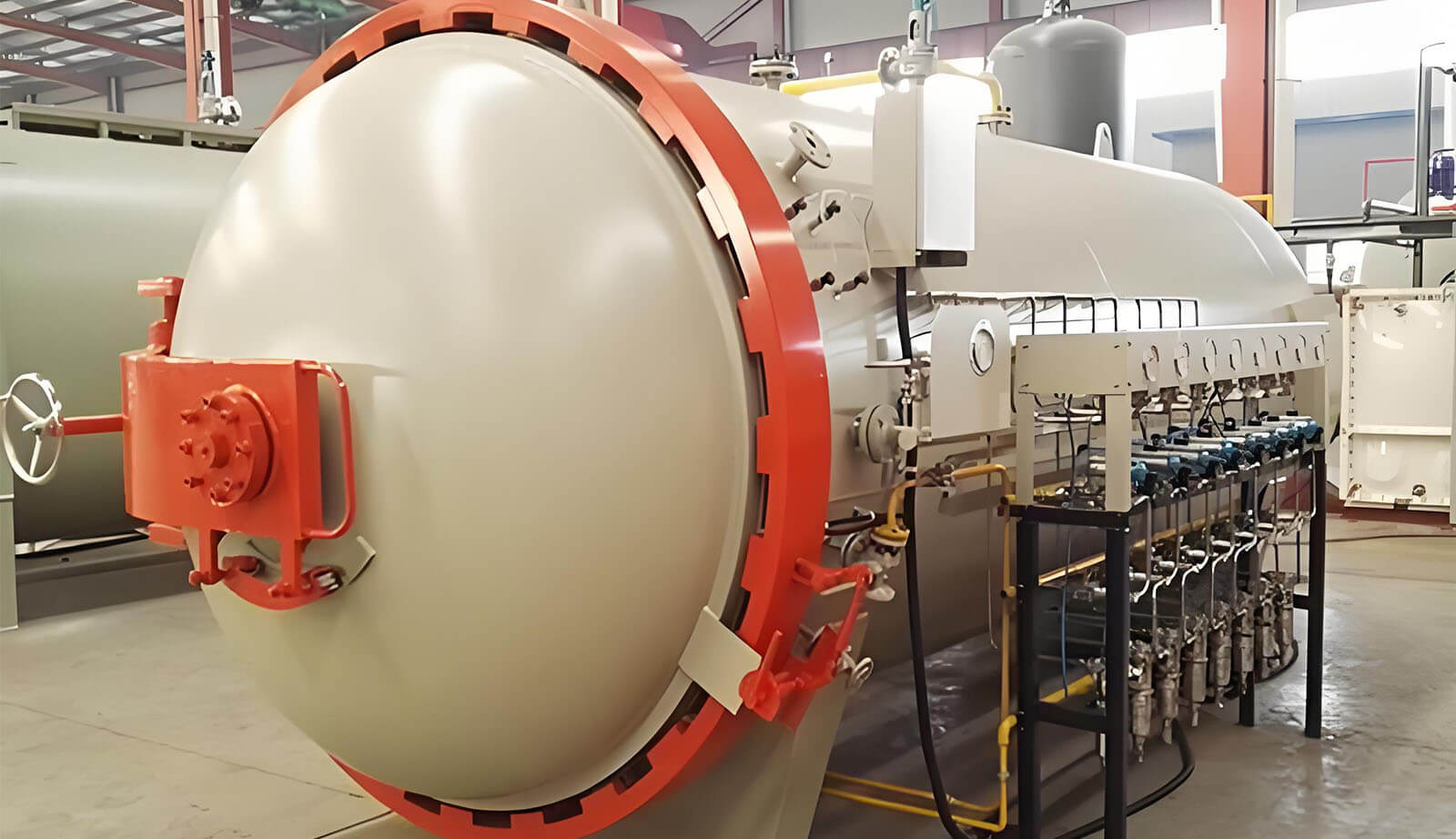
I sedili migliori utilizzano indurimento in autoclave ad alta pressione e temperatura. In questo modo si creano parti più dense e resistenti rispetto alla semplice fibra di carbonio pre-impregnata layup.
Alcuni produttori utilizzano ora Stampi per sedili stampati in 3D per ottenere un'ergonomia perfetta. La tecnologia consente fabbricazione di sedili da corsa personalizzati abbinati a scansioni laser del vostro corpo.
Marche e opzioni più diffuse
Produttori Premium
Sparco
- Patrimonio italiano dalla Formula 1
- Ampia gamma di Sedili omologati FIA
- Prezzo: $1.200-$2.800
Recaro
- Eccellenza ingegneristica tedesca
- Famoso per design ergonomico del sedile
- Prezzo: $1.500-$3.500
OMP Racing
- Un'altra leggenda del motorsport italiano
- Forte in rally e auto da turismo categorie
- Prezzo: $900-$2.200
Sposa Giappone
- La preferita dai cult del drift e del time attack
- Stile aggressivo con bolster profondi
- Prezzo: $1.800-$3.200
Opzioni a basso costo
Sedili Cobra (REGNO UNITO)
- Qualità solida per le gare di club
- Prezzo: $800-$1.400
Kirkey Racing (USA)
- Design semplice, affidabilità comprovata
- Popolare nelle corse su pista ovale e nelle gare di accelerazione
- Prezzo: $600-$1.200
Stato delle corse
- Marchio più recente con design moderno
- Buono per auto solo pista
- Prezzo: $750-$1.600
Adattamento al tipo di corpo
Dimensioni della larghezza del sedile
Misurare i fianchi prima dell'acquisto. Le taglie sono in genere:
- Piccolo: 12-14 pollici (conducenti leggeri)
- Medio: 14-16 pollici (la maggior parte degli adulti)
- Grande: 16-18 pollici (corporature più grandi)
- XL: 18+ pollici (conducenti alti o pesanti)
Un sedile troppo stretto schiaccia le costole. Un sedile troppo largo vi fa scivolare, vanificando lo scopo.
Capacità di peso del sedile
La maggior parte dei sedili in carbonio è in grado di gestire in modo sicuro 200-250 libbre. I conducenti più pesanti dovrebbero verificare la capacità di peso del sedile valutazione.
La fibra di carbonio in sé è abbastanza resistente. Il problema sono i punti di montaggio e la distribuzione delle forze attraverso il guscio.
Opzioni di vestibilità personalizzate
Per il massimo comfort, prendete in considerazione costruzioni personalizzatepuntale da 13 mm fabbrica di compositi personalizzati può creare un sedile partendo da un calco del corpo o da una scansione 3D.
Questo è importante per:
- Gare di resistenza dove il comfort è uguale alla velocità
- Conducenti con lesioni che necessitano di un supporto speciale
- Squadre professionali ottimizzando ogni dettaglio
Applicazioni su strada e su pista
Auto omologate su strada
Volete un sedile in carbonio sulla vostra auto di tutti i giorni? È possibile, ma richiede dei compromessi:
Meccanismi reclinabili aggiungono peso ma garantiscono il comfort. Cercate modelli con Conformità ai requisiti DOT sistemi di montaggio.
Rispetto ai modelli a schienale fisso, si rinuncia a un po' di sostegno laterale. Ma si guadagna:
- Ingresso e uscita più facili
- Migliore visibilità per il parcheggio
- Comfort per i passeggeri
Molti auto in fibra di carbonio da produttori come McLaren e Porsche utilizzano design ibridi, gusci in carbonio con meccanismi regolabili.
Auto solo in pista
È qui che si fa sul serio. Una pagina dedicata auto da pista non ha bisogno di compromessi stradali:
- Sedili da corsa con schienale fisso risparmiare il peso massimo
- Nessun meccanismo di reclinazione da rompere
- Percorso del cablaggio più stretto
- Posizione di seduta più bassa per una migliore aerodinamica
Questa configurazione funziona per:
- Attacco a tempo costruzioni
- Salita in collina auto
- Corse in circuito speciali
- Auto d'epoca convertito all'uso in pista
Cura e manutenzione
Pulizia dei sedili in fibra di carbonio
Mantenete il vostro investimento fresco:
- Utilizzo sapone neutro e acqua calda
- Pulire con panni in microfibra solo
- Evitare detergenti o spazzole abrasive
- Asciugare accuratamente per evitare macchie d'acqua
Per lo sporco ostinato delle giornate in pista, uno sgrassatore delicato funziona sull'imbottitura. Non utilizzare mai prodotti chimici aggressivi sulla scocca in carbonio.
Programma di ispezione
Controllate regolarmente questi elementi:
Prima di ogni gara:
- Specifiche di coppia dei bulloni di montaggio
- Usura della fessura del cablaggio
- La conchiglia non presenta crepe o delaminazioni
Stagionalmente:
- Compressione e usura dell'imbottitura
- Condizioni della staffa
- Cricche da stress nel punto di montaggio
Dopo gli incidenti:
- Ispezione professionale completa
- Sostituire se si riscontrano danni
- Non rischiate un sedile compromesso
Suggerimenti per la conservazione
Se conservate la vostra auto da corsa:
- Tenere i sedili lontani dalla luce diretta del sole
- Evitare sbalzi di temperatura estremi
- Conservare in uno spazio climatizzato
- Rivestimento in tessuto traspirante
L'esposizione ai raggi UV degrada la resina nel tempo. Un sedile $2.000 merita una cura adeguata.
Confronto tra prezzi e valori
Livello economico ($600-$1.200)
Ottenete:
- Base scocche in fibra di carbonio
- Imbottitura minima
- Spesso FIA 8855-1999 certificazione (standard più vecchio)
- Hardware di montaggio semplice
Ideale per:
- Corse di club e giornate in pista
- Bilancio auto da drift e autocross
- Amatoriale esperienza di costruzione di autisti
Mid-Range ($1,200–$2,000)
Ottenete:
- Migliore ergonomia
- FIA 8862-2009 certificazione
- Molteplici opzioni di imbottitura
- Staffe di montaggio più robuste
Ideale per:
- Corse regionali serie
- SCCA e NASA concorso
- Grave appassionati di pista
Premium ($2,000–$3,500+)
Ottenete:
- Realizzazione di sedili su misura opzioni
- Qualità del team professionale
- Materiali avanzati come Carbonio Kevlar
- Programmi di garanzia a vita
Ideale per:
- Sport motoristici professionali
- Squadre di fabbrica e driver di lavoro
- Hypercars e supercar
- Gare di resistenza campagne
Ritorno sull'investimento
Pensateci in questo modo: Quel sedile $2.000 fa risparmiare 18 libbre. Per tagliare quel peso altrove:
- Cappuccio in fibra di carbonio: $1.500 (risparmio di 15 libbre)
- Ruote in fibra di carbonio: $5.000+ (risparmio di 20 libbre in totale)
- Scarico in titanio: $3.000 (risparmio di 25 libbre)
Il sedile consente di risparmiare peso a un prezzo competitivo. Inoltre, migliora il controllo e la sicurezza del conducente: vantaggi che non si possono misurare solo in dollari.
Applicazioni speciali
Auto da corsa elettriche
Mobilità elettrica corsa come Formula E ha bisogno di ogni vantaggio. I pacchi batteria aggiungono peso, quindi sedili da corsa leggeri diventano ancora più critici.
I sedili in carbonio aiutano a compensare le pesanti celle al litio. Inoltre, forniscono smorzamento delle vibrazioni per l'erogazione istantanea della coppia.
Sim Racing
Sì, serio sim racing i concorrenti utilizzano veri sedili da corsa. Perché? Perché la memoria muscolare è importante.
Esercitatevi a casa nella stessa posizione di seduta che userete in pista. Il corpo impara la corretta postura e supporto laterale aspettative.
Molti piloti di simulazione montano sedili in carbonio su impianti dedicati con piattaforme di movimento. È lo strumento di allenamento definitivo.
Corse classiche e d'epoca
Restomods e corse classiche spesso aggiungono moderni dispositivi di sicurezza. Una sella in carbonio si adatta all'estetica vintage e soddisfa le esigenze attuali. Standard FIA.
Si mantiene il carattere dell'auto, ma si aggiunge la tecnologia salvavita. È un mix perfetto di vecchio e nuovo.
Costruzioni personalizzate e SEMA
Auto in mostra presso SEMA spingersi oltre i limiti. I costruttori utilizzano fibra di carbonio personalizzata sedili come opere d'arte, rivestiti a mano con trame personalizzate e resina colorata.
Questi sedili combinano:
- Ottimizzato con la CFD progetti per il flusso d'aria
- Stampi stampati in 3D per forme uniche
- Cuciture e rivestimenti personalizzati
- Elettronica integrata per il riscaldamento o i sensori
Dimostrano che la fibra di carbonio non è solo funzionale, ma anche bella.
Errori comuni da evitare
Selezione della taglia sbagliata
Ho visto troppi corridori acquistare sedili che non si adattano. Prendete le misure. Se possibile, provate i sedili nei negozi. Un sedile mal montato nuoce alle prestazioni e al comfort.
Saltare la certificazione
Non acquistate sedili non certificati per le gare vere e proprie. L'ispezione tecnica vi boccerà. I sedili economici di eBay non valgono la pena.
Installazione non corretta
I bulloni di montaggio hanno specifiche di coppia per un motivo. Se si stringono troppo, si rompe il carbonio. Se si stringono troppo poco, il sedile si muove durante le cadute.
Rivolgetevi a un professionista se non siete sicuri. La vostra vita dipende dalla corretta installazione.
Trascurare le imbracature
Un ottimo seggiolino con un'imbracatura usurata è pericoloso. Sostituite le imbracature secondo le scadenze previste dal produttore, di solito ogni 3-5 anni, indipendentemente dall'usura visibile.
Il futuro dei sedili da corsa
Materiali avanzati
I produttori sperimentano:
- Potenziamento del grafene carbonio per 20% maggiore resistenza
- Compositi ibridi miscelazione di carbonio, Kevlar e fibre aramidiche
- Materiali intelligenti che si irrigidiscono all'impatto
Tecnologia integrata
Aspettatevi di vedere:
- Sensori biometrici monitoraggio della frequenza cardiaca e della fatica
- Elementi di riscaldamento per le corse in condizioni di freddo
- Cuscinetti attivi che si regolano in curva
- Rilevamento degli incidenti sistemi di allerta per le squadre di sicurezza
Sostenibilità
Mentre gli sport motoristici diventano ecologici, i produttori di sedili si mettono alla ricerca:
- Fibra di carbonio riciclata da scarti aerospaziali
- Resine a base biologica da materiali vegetali
- Economia circolare programmi per i posti di fine vita
Prendere una decisione
Scegliere il giusto sedile da corsa in fibra di carbonio è in funzione delle vostre esigenze specifiche. Chiedetevi:
Qual è il mio uso principale?
- Giornate in pista nel fine settimana?
- Gareggiare a livello agonistico?
- Ibrido da strada e da pista?
Qual è il mio budget?
- Livello base: $600-$1.200
- Pilota serio: $1.200-$2.000
- Grado professionale: $2,000+
Di quali certificazioni ho bisogno?
- FIA 8862-2009 per le gare internazionali
- SFI 39.2 per gare di accelerazione
- Nessuna per le giornate in pista (ma comunque consigliata)
Quanto è importante il comfort?
- Sprint brevi: Massimo sostegno più che comfort
- Resistenza: Sostegno e imbottitura dell'equilibrio
- Uso stradale: Privilegiare la regolabilità
I vostri prossimi passi
Siete pronti ad aggiornare il vostro assetto da corsa? Ecco cosa fare:
- Misurare il corpo con attenzione
- Controllare le regole della propria serie di gare per i requisiti di certificazione
- Verificare la gabbia di protezione misure
- Stabilire un budget realistico compresa la ferramenta di montaggio
- Ordinare da fornitori affidabili che capiscono il motorsport
Il sedile destro trasforma la vostra esperienza di guida. Vi sentirete più connessi all'auto. I tempi sul giro miglioreranno. E soprattutto, sarete più sicuri quando le cose andranno male.
Se state inseguendo i campionati in WEC, il bombardamento attraverso le fasi in WRC, o semplicemente godersi giornate in pista con gli amici, un sedile da corsa in fibra di carbonio di qualità è uno degli aggiornamenti più intelligenti che possiate fare.
Il nostro team collabora con team di gara professionali, costruttori e partner OEM per sviluppare componenti in fibra di carbonio che soddisfino i veri standard del motorsport, non solo aggiornamenti estetici.
Iniziate bene la vostra costruzione. Scegliete la fibra di carbonio. Gareggiate più velocemente. Gareggiate più sicure.
Cercate una guida esperta sui prodotti in fibra di carbonio? Il nostro team di chinacarbonfibers.com è specializzata in soluzioni composite ad alte prestazioni per gli sport motoristici. Contattateci per discutere le vostre specifiche esigenze di gara.