Углеродное волокно и кевлар — это высокоэффективные композитные материалы, однако они предназначены для разных задач. углеродное волокно выбирается в тех случаях, когда детали требуются высокая жесткость, низкий вес, стабильность размеров и высококачественная видимая поверхность. Кевлар выбирается в тех случаях, когда деталь должна обладать ударопрочностью, износостойкостью, вязкостью и способностью поглощать энергию.
Для многих деталей, используемых в реальных условиях, ни один из этих материалов в отдельности не является оптимальным решением. A гибридный композит из углерода и кевлара сочетает в себе жесткость углеродного волокна и ударопрочность кевлара, благодаря чему этот материал стал стандартным выбором для изготовления обтекателей мотоциклов, гоночных панелей, защитных пластин, защитных кожухов и зон, подверженных ударам на морских судах.
В данном руководстве проводится сравнение углеродного волокна и кевлара, углерод-кевлара и углеродного волокна, а также всех трёх материалов со стекловолокном — как с точки зрения самих материалов, так и с точки зрения технологий производства.
Быстрый ответ
| Если вашим приоритетом является… | Выберите… |
|---|---|
| Жесткость, небольшой вес, превосходный внешний вид | углеродное волокно |
| Ударопрочность, стойкость к истиранию, поглощение энергии | Кевлар |
| Как жесткость, так и устойчивость к повреждениям | Гибридный карбон-кевлар |
| Более низкая стоимость, общие эксплуатационные характеристики композитных материалов | Стекловолокно |
Полная сравнительная таблица: углеродное волокно, кевлар и углерод-кевлар
Типичные значения — фактические характеристики зависят от марки волокна, системы смол, схемы укладки и процесса отверждения.
| Недвижимость | Углеродное волокно (CFRP) | Кевлар / Арамид | Гибрид углерода и кевлара |
|---|---|---|---|
| Главное преимущество | Жесткость и небольшой вес | Ударопрочность и износостойкость | Соотношение жесткости и вязкости |
| Плотность (типичная) | 1,55–1,80 г/см³ | ~1,44 г/см³ | ~1,50–1,65 г/см³ |
| Прочность на разрыв (типичное волокно) | 3 500–7 000 МПа в зависимости от марки | 3 000–3 600 МПа в зависимости от марки | Зависит от коэффициента укладки |
| Жесткость / модуль Юнга | Высокая — намного жестче, чем кевлар | Значительно ниже, чем у углеродного волокна | От среднего до высокого |
| Относительное удлинение при разрыве | Низкий уровень — разрушение из-за хрупкости | Чем выше — тем лучше поглощение энергии | Средний |
| Устойчивость к ударам | Умеренная — может расколоться при сильном ударе | Превосходно | Лучше, чем чистое углеродное волокно |
| Устойчивость к истиранию | Умеренный | Превосходно | Хорошее до отличного |
| Прочность на сжатие | Хорошо | Менее прочный — имеет склонность к деформации | Зависит от конструкции слоя |
| Устойчивость к ультрафиолетовому излучению | Хорошо сочетается с защитным слоем из смолы / прозрачного лака | Плохо — теряет свои свойства без защиты от ультрафиолета | Требуется защита с помощью смолы / покрытия |
| Термостойкость | Волокно термостойко; свойства готового композита зависят от температуры стекновения (Tg) смолы — для применения в условиях высоких температур требуется высокотемпературная эпоксидная смола | Волокно обладает термостойкостью; свойства композита зависят от системы смол | То же самое — ограничено количеством смолы |
| Влагостойкость | Хорошо сочетается с подходящей эпоксидной смолой | Повышенное впитывание влаги, особенно по незагерметизированным краям | Зависит от типа смолы и герметизации кромок |
| Обрабатываемость | Проще обрезать, сверлить и обрабатывать на станках с ЧПУ | Сложно — на срезанных краях волокна пушатся | Тверже, чем чистое углеродное волокно |
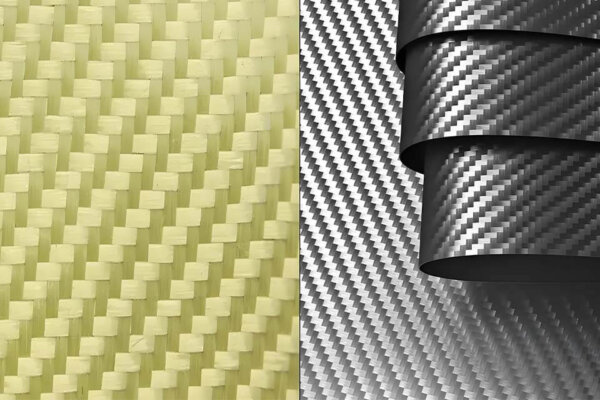
| Внешний вид | Черная отделка: плетеная, кованая или из углеродного волокна UD | Желтое / золотистое арамидное плетение | Гибридное плетение черного и золотого цветов |
| Относительная стоимость | Высокий | Высокий | Больше, чем каждая из них в отдельности |
| Лучшее применение | Конструктивные, декоративные и облегчённые детали | Зоны защиты, ударопрочности и износостойкости | Автоспорт, мотоциклы, морская техника, защитные кожухи |
Что такое углеродное волокно?
Углеродное волокно изготавливается из очень тонких нитей, состоящих из атомов углерода, диаметр которых обычно составляет от 5 до 10 микрометров. Волокна получают из исходного материала — чаще всего из полиакрилонитрила (PAN) — в ходе многоступенчатого процесса термической обработки, в ходе которого удаляется всё, кроме углерода. В результате получается волокно, в котором атомы углерода прочно связаны вдоль оси волокна, что и объясняет высокую жесткость углеродного волокна в направлении его продольной оси.
На практике углеродное волокно никогда не используется в чистом виде. Его смешивают со смолой — как правило, эпоксидной — для получения полимер, армированный углеродным волокном (CFRP). Характеристики ламината зависят от марки волокна, типа ткани, состава смолы, объемной доли волокна и процесса отверждения.
Марки углеродного волокна — что означают цифры
Различные марки оптимизированы для достижения разных целевых показателей производительности:
| Тип оценки | Прочность на разрыв (типичное значение) | Модуль упругости (типичное значение) | Общее использование |
|---|---|---|---|
| Стандартный модуль (например, тип T300) | ~3500 МПа | ~230 ГПа | Общие конструктивные детали, кузовные панели |
| Модуль средней прочности (например, типа T700/T800) | ~4 900–5 600 МПа | ~230–294 ГПа | Аэрокосмическая отрасль, гонки на высокопроизводительных автомобилях |
| С высоким модулем упругости (например, типа M40) | ~4 400 МПа | ~392 ГПа | Аэрокосмическая отрасль и робототехника, где жесткость имеет решающее значение |
| С сверхвысоким модулем упругости (например, типа M60) | ~3 800 МПа | ~588 ГПа | Прецизионные приборы, спутниковые конструкции |
Примечание: с увеличением модуля упругости удлинение уменьшается — волокна с более высоким модулем упругости также более хрупкие. Для изготовления большинства композитных деталей для автомобилей и мотоциклов используются материалы со стандартным и промежуточным модулем упругости.
Почему углеродное волокно может растрескиваться при ударе
Хрупкость углеродного волокна при ударах вне плоскости представляет собой реальное ограничение при проектировании. Когда на панель из углепластика действует сосредоточенная нагрузка — удар камнем, столкновение или падение инструмента — она не деформируется, как металл. Она растрескивается или расслаивается. Именно поэтому во внутренних слоях в зонах, подверженных ударам, даже в деталях с преобладанием углеродного волокна, используются слои из кевлара или гибридные конструкции.
Что такое кевлар?
Кевлар — это синтетическое пара-арамидное волокно, зарегистрированное компанией DuPont в качестве товарного знака и впервые примененное в коммерческих целях в начале 1970-х годов. В производстве композитных материалов термин “Кевлар” часто используется в качестве общего обозначения армирующего арамидного волокна, хотя для различных областей применения существуют разные марки этого материала.
Ключевое свойство, отличающее кевлар от углеродного волокна, — это относительное удлинение до разрыва. В то время как стандартное углеродное волокно разрывается при относительном удлинении около 1,5–1,9%, марки кевлара могут достигать 2,4–4,0% перед разрушением. Это означает, что кевлар поглощает и рассеивает энергию за счет растяжения волокон, а не за счет хрупкого разрушения — именно поэтому он демонстрирует столь высокую эффективность в баллистической защите и при ударопрочных нагрузках.
Марки кевлара — основные типы
| Класс | Основное назначение | Характеристика |
|---|---|---|
| Кевлар 29 | Бронежилеты, веревки, защитная одежда | Максимальная вязкость, более низкий модуль упругости |
| Кевлар 49 | Композитные конструкции, судостроение, авиакосмическая отрасль | Более высокий модуль упругости, широко применяемый в жестких композитных материалах |
| Кевлар 149 | Композитные материалы, для которых жесткость имеет решающее значение | Кевлар с максимальным модулем упругости |
| Кевлар KM2+ | Броневые панели | Оптимизировано для поглощения энергии |
Для жестких композитных деталей — корпусов лодок, обтекателей, защитных панелей — Кевлар 49 является наиболее широко используемым сортом.
Основное ограничение: кевлар при сжатии
Кевлар демонстрирует низкие характеристики при сжимающих нагрузках. В отличие от углеродного волокна, структура которого выдерживает как растяжение, так и сжатие, арамидные волокна деформируются под действием сжимающей нагрузки. Это делает кевлар непригодным в качестве единственного конструкционного волокна в несущих балках, лонжеронах шасси или конструкциях, для которых жесткость имеет решающее значение. Если жесткость является одним из требований к конструкции, в ламинат необходимо включить углеродное волокно.
Что такое углеродный кевлар?
Карбон-кевлар — это не одно волокно. Это конструкция гибридного композита в котором углеродное волокно и кевлар (арамид) объединены в одном ламинате или ткани. Эти два вида волокон можно комбинировать несколькими способами:
- Тканый гибридный материал: Углеродные и кевларовые нити сплетены в одно полотно, образуя характерный черно-золотой узор
- Многослойный ламинат: Отдельные слои углеродного волокна и кевлара укладываются в заданной последовательности — каждый материал размещается там, где его свойства наиболее востребованы
- Локальное усиление: Основную конструкцию составляет углеродное волокно; кевлар добавляется только в определённые зоны удара
Почему инженеры используют углеродный кевлар
Углеродное волокно и кевлар — каждый из этих материалов решает одну проблему, но создает другую:
- Чистое углеродное волокно → жесткое и легкое, но при сильном ударе трескается
- Чистый кевлар → превосходная прочность, но низкая жесткость и сложность в обработке
Композит «Carbon Kevlar» сочетает в себе прочность на сжатие и жесткость углеродного волокна, а также ударопрочность кевлара и устойчивость к повреждениям — способность сохранять целостность после локального сбоя, а не выходить из строя полностью.
Именно благодаря этим свойствам углеродный кевлар является стандартным материалом в:
- Обтекатели мотоциклов (особенно внутренние слои и панели, подверженные ударам)
- Кузовные панели и монококи гоночных автомобилей
- Корпуса морских судов в зонах удара носа и киля
- Защитные конструкционные панели
- Защитные пластины и защитные элементы днища
- Композитные детали для ралли и бездорожья
- Багаж премиум-класса, каркасы для дронов, промышленные защитные ограждения
Типичная схема укладки углеродного кевлара
Наиболее распространенный профессиональный подход:
| Слой | Материал | Назначение |
|---|---|---|
| Наружная поверхность | 1–2 слоя углеродного волокна | Жесткость, качество поверхности, внешний вид |
| Внутренняя поверхность | 1–2 нити кевлара | Поглощение удара, локализация повреждений |
| Ядро (при необходимости) | Пенопласт или сотовая структура | Обеспечить жесткость при минимальном весе |
Этот композитный материал обрезать сложнее, чем чистое углеродное волокно — внутренний слой из кевлара распушивается по краю разреза и требует герметизации или обвязки. Это реальная производственная проблема, которую следует учитывать при выборе материала.
Сравнение прочности: углеродное волокно и кевлар
“Прочность” — это не однозначное число. Углеродное волокно и кевлар поочередно превосходят друг друга по прочности в зависимости от условий нагрузки.
Упругая прочность
Оба материала обладают высокой прочностью на разрыв. Типичное углеродное волокно со средним модулем упругости в композите демонстрирует значительно более высокие значения прочности на разрыв, чем «Кевлар 49» в сопоставимых конфигурациях — однако при реальном проектировании деталей прочность на разрыв вдоль оси волокна редко является единственным вариантом нагрузки.
Характеристики детали также зависят от направления волокон, схемы укладки, системы смол, объемной доли волокон, геометрии детали и направления нагрузки. Неправильно спроектированный ламинат из углеродного волокна может выйти из строя раньше, чем правильно спроектированный гибридный ламинат.
Жесткость (модуль Юнга)
Углеродное волокно значительно жестче, чем кевлар. Именно по этой причине углеродное волокно используется в аэрокосмической отрасли, автоспорте, при производстве робототехнических манипуляторов, прецизионных приборов и высокопроизводительных автомобильных деталей.
Конструктивная панель из углеродного волокна при той же нагрузке прогибается примерно в два раза меньше, чем аналогичная панель из кевлара. В случаях, когда требуется точное сохранение формы — например, при изготовлении аэродинамических поверхностей, элементов крыла или креплений для оптических приборов — жесткость обычно является определяющим требованием, и углеродное волокно в этом случае является оптимальным выбором.
Прочность на сжатие
Композиты из углеродного волокна демонстрируют хорошие характеристики при сжатии. Композиты из кевлара, напротив, демонстрируют плохие характеристики — волокна деформируются, а не сопротивляются нагрузке. Это является основной причиной, по которой кевлар не используется в качестве единственного конструкционного волокна в несущих элементах, подвергающихся сжатию.
Для конструкционных балок, лонжеронов шасси, труб и деталей, в которых преобладает сжатие, углеродное волокно является оптимальным материалом.
Устойчивость к ударам
Именно в этом заключается решающее преимущество кевлара. В ходе испытаний на ударную вязкость и сопротивление разрушению ламинаты из кевлара до момента разрушения способны поглощать значительно больше энергии на единицу веса, чем стандартные ламинаты из углеродного волокна. Волокна кевлара растягиваются и деформируются, а не разрушаются внезапно — именно поэтому композитные панели из кевлара при ударе, как правило, вмятываются и деформируются, в то время как панели из углеродного волокна растрескиваются и разбиваются.
Для применения в баллистических и взрывозащитных системах: кевлар является базовым материалом. Углеродное волокно не демонстрирует сопоставимых характеристик в баллистических испытаниях и при разрушении образует опасные острые осколки.
Устойчивость к истиранию
Кевлар значительно превосходит углеродное волокно по стойкости к истиранию. Благодаря своей волокнистой структуре и высокой прочности кевлар обладает устойчивостью к царапинам, износу от скольжения и поверхностному истиранию — именно поэтому его используют в мотоциклетной экипировке, промышленных перчатках, защитных пластинах и панелях защиты днища.
Кевлар против углеродного волокна: вес
| Материал | Типичная плотность |
|---|---|
| Композитный материал из углеродного волокна (CFRP) | 1,55–1,80 г/см³ |
| Кевларовый композит (AFRP) | 1,35–1,45 г/см³ |
| Гибридный карбон-кевлар | ~1,50–1,65 г/см³ |
| Алюминий 6061 | 2,70 г/см³ |
| Конструкционная сталь | 7,85 г/см³ |
Плотность кевларового волокна несколько ниже, чем у углеродного волокна, поэтому кевлар по объему немного легче. Однако, Вес готовой детали зависит от конструкции всего ламината, а не только плотность волокон.
Поскольку кевлар менее жёсткий, чем углеродное волокно, деталь из кевлара, рассчитанная на ту же жёсткость, что и деталь из углеродного волокна, требует большей толщины материала, что приводит к увеличению её веса. В случаях, когда жёсткость имеет решающее значение, детали из углеродного волокна, как правило, оказываются легче аналогичных деталей из кевлара, поскольку для достижения требуемой жёсткости требуется меньшая толщина материала.
Лучше задать не вопрос “какое волокно легче?”, а “Какой ламинат обеспечивает требуемые эксплуатационные характеристики при минимальном общем весе?” Ответ зависит от того, определяется ли конструкция жесткостью или ударной нагрузкой.
Углеродное волокно против кевлара: стоимость
Оба материала относятся к категории композитных материалов премиум-класса. По стоимости ни один из них даже близко не сравнится со стекловолокном.
| Материал | Стоимость сырой клетчатки (приблизительная) | Основной фактор, влияющий на затраты |
|---|---|---|
| Стандартное углеродное волокно (T300/T700) | $15–25 / кг | Производство волокон, обработка в автоклаве |
| Выскомодульный углеродный волокно | $80–300+ / кг | Специализированные марки волокон |
| Кевлар 49 | $20–35 / кг | Производство волокон, более сложная последующая обработка |
| Гибридная ткань из углерода и кевлара | $30–60 / кг | Совокупная стоимость волокон |
| Стекловолокно типа E-glass | $2–5 / кг | Широко доступное, простое производство |
Кевлар дешевле углеродного волокна?
Для стандартных марок стоимость сырья в целом сопоставима. Разница в стоимости готовой детали обусловлена следующими факторами:
- Обработка: Препрег из углеродного волокна, подвергаемый обработке в автоклаве, значительно удорожает производство по сравнению с методами «мокрого» наложения или инфузии. Кевлар чаще всего обрабатывают методами «мокрого» наложения или вакуумной инфузии, что позволяет снизить затраты на технологический процесс, но не всегда — общую стоимость детали.
- Механическая обработка: Кевлар сложнее обрезать, просверлить и аккуратно обработать. Трудозатраты выше, чем при изготовлении аналогичных деталей из углеродного волокна.
- Отходы и переделка: Обработка краёв кевларом требует больше времени и тщательности, что приводит к увеличению затрат на рабочую силу в расчёте на одну деталь.
Основные факторы, влияющие на решение о покупке: Что касается жестких конструкционных деталей из композитных материалов, следует ожидать, что стоимость углеродного волокна и кевлара будет примерно одинаковой — разница в стоимости волокон меньше, чем разница в производственных затратах. Гибридные детали из углеродного волокна и кевлара, как правило, стоят дороже, чем детали из одного из этих материалов, ввиду более сложного технологического процесса изготовления.
Тепло, ультрафиолет и влага: углеродное волокно против кевлара
Термостойкость
Ключевой момент: Термостойкость любой готовой композитной детали ограничивается в первую очередь система смол, а не волокно. И углеродное волокно, и кевларовое волокно способны выдерживать гораздо более высокие температуры, чем стандартные эпоксидные смолы.
Стандартный эпоксидный ламинат, как правило, выдерживает непрерывную эксплуатацию при температурах до 120–150 °C. Для применения вблизи двигателей, выхлопных систем, тормозов или промышленных источников тепла подходит высокотемпературная эпоксидная смола или смоляная система необходимо указать — сам по себе выбор углеродного волокна или кевларового волокна не делает деталь термостойкой.
Если в вашей области применения предусмотрены повышенные температуры, в первую очередь необходимо задать следующие вопросы: какова требуемая рабочая температура и какая система смол предусмотрена?
Устойчивость к ультрафиолетовому излучению
В этом заключается самый существенный недостаток кевлара. Арамидные волокна разрушаются под воздействием ультрафиолетового излучения. Без защиты от УФ-излучения поверхности из кевларового композита со временем теряют прочность, желтеют и разрушаются при нахождении на открытом воздухе.
Композитные материалы на основе углеродного волокна обладают значительно более высокой устойчивостью к ультрафиолетовому излучению. Поверхность смолы по-прежнему нуждается в защитном прозрачном слое или краске, блокирующих ультрафиолетовое излучение, однако само углеродное волокно по сути инертно к ультрафиолету.
При любом применении на открытом воздухе — будь то кузова автомобилей, обтекатели мотоциклов или судовые детали — панели из кевлара или углеродного кевлара необходимо защитить поверхностью из устойчивой к УФ-излучению смолы, краской или прозрачным лаком. Это обязательное требование.
Влагостойкость
Композиты из углеродного волокна при использовании качественной эпоксидной смолы поглощают очень мало влаги. Композиты из кевлара могут поглощать больше влаги, особенно в местах незагерметизированных обрезанных краев и просверленных отверстий. Поглощение влаги постепенно снижает температуру стеклования (Tg) смоляной матрицы и может привести к ухудшению механических свойств при длительном воздействии влаги.
Для морских деталей, наружных конструкций и промышленных применений в условиях высокой влажности: герметизация кромок, тщательный подбор смолы и нанесение барьерного покрытия имеют важное значение для деталей из кевлара или углеродного кевлара.
Углерод-кевлар против углеродного волокна: когда стоит выбрать гибрид
Это одно из самых популярных сравнений в данной тематике — и именно на него в большинстве статей дается неудовлетворительный ответ.
Предпочтите углерод-кевлар чистому углеродному волокну в следующих случаях:
- У этой детали имеется четко обозначенная зона удара, в которой углеродное волокно само по себе могло бы растрескаться или разлететься на куски
- Вам нужно устойчивость к повреждениям — деталь должна оставаться целой после локального повреждения, а не выходить из строя полностью
- Данное изделие представляет собой обтекатель для мотоцикла, гоночную защитную пластину, корпус судна, ударную панель, кузов для ралли или защитную оболочку
- Характерный черно-золотой узор гибридного плетения является частью замысла дизайнеров
Останавливайтесь на чистом углеродном волокне в следующих случаях:
- Жесткость и стабильность размеров являются основными конструктивными требованиями
- Качество отделки поверхности имеет решающее значение — через тонкие слои углеродного волокна может просвечивать желтое волокно кевлара
- Сжимающая нагрузка является основным вариантом нагрузки
- Данная деталь требует чистой обработки на станках с ЧПУ с соблюдением жестких допусков
- Вес имеет решающее значение, а риск повреждения при ударе невелик (конструкционные детали для аэрокосмической отрасли, прецизионные приборы)
- Вам нужна максимально чистая поверхность из углеродного напыления
Чего ожидать от производства углеродного кевлара
Детали с гибридными слоями из углеродного кевлара:
- Невозможно выполнить ЧПУ-обрезку так аккуратно, как в случае с чистым углеродным волокном — на краях разреза слоя кевлара образуется ворс
- На обрезанных краях необходимо обеспечить герметизацию, наклеить кромку или нанести дополнительный слой смолы
- На их изготовление уходит больше времени, чем на изготовление аналогичных деталей из углеродного волокна
- Может наблюдаться небольшое различие в текстуре поверхности, если слой кевлара находится рядом с наружной стороной
Это вполне обоснованные соображения. Деталь из углеродного кевлара — это не просто деталь из углеродного волокна с лучшими характеристиками — её изготовление требует большего внимания со стороны производителя.
Области применения: углеродное волокно и кевлар в различных отраслях промышленности
Автомобильные запчасти
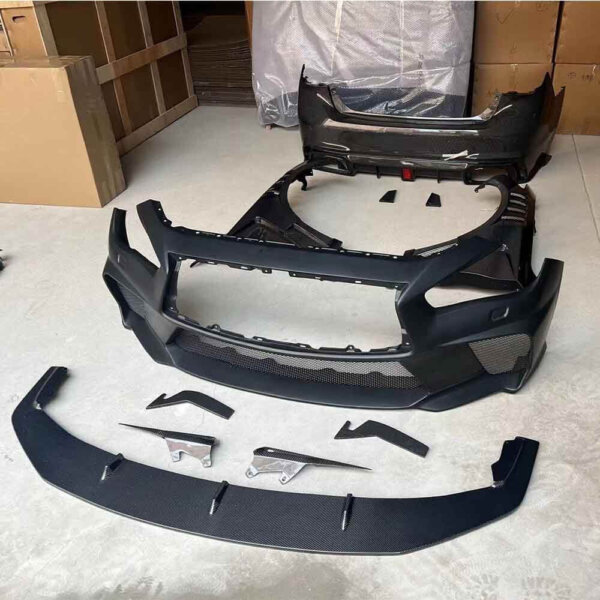
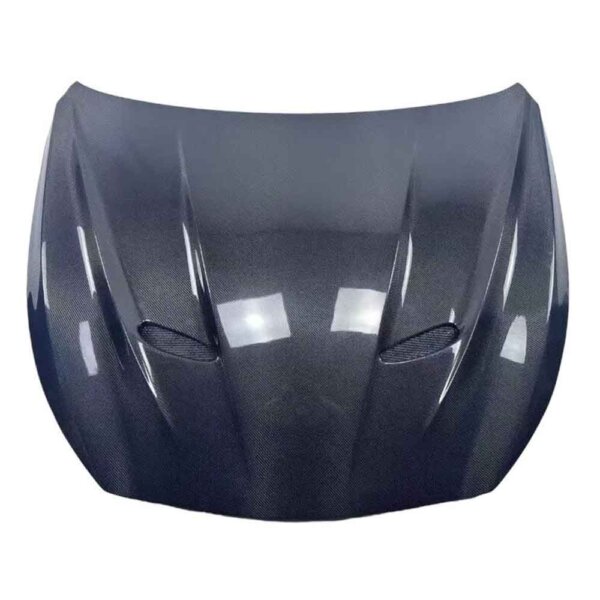
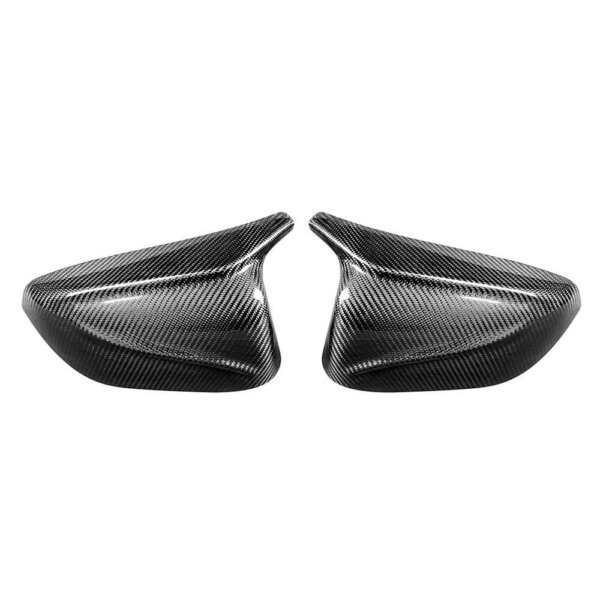
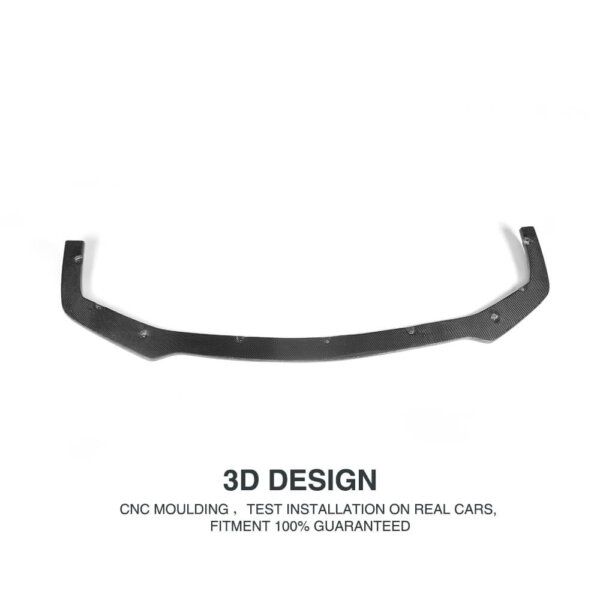
Углеродное волокно является стандартным материалом для автомобильные обвесы, капоты, крыши, диффузоры, спойлеры, сплиттеры, корпуса зеркал и элементы отделки салона где жесткость, снижение веса и превосходный внешний вид Вот требования.
Кевлар или углеродный кевлар применяется в тех случаях, когда приоритетным требованием является ударопрочность:
- Панели днища и защитные накладки
- Усиление пола и противопожарной перегородки в гоночных автомобилях
- Внутренние слои панелей, подверженных повреждениям при столкновении
- Запчасти для ралли и защитные чехлы
Распространенный подход: видимая внешняя поверхность из углеродного волокна + армирование из кевлара на нижней стороне сплиттера или панели днища, что позволяет повысить ударопрочность без изменения внешнего вида.
Запчасти для мотоциклов
Углеродное волокно используется для обтекатели, хвостовые секции, крышки баков, крылья, защитные обтекатели и гоночная обшивка — сочетание облегченной конструкции и высококачественной отделки.
Кевлар или углеродный кевлар используется для:
- Слои усиления внутреннего обтекателя в гоночных применениях
- Участки панелей, подверженные риску повреждения при столкновении, где первый удар не должен привести к разрушению детали
- Защитные панели днища, поддоны и защитные кожухи днища
В хорошо спроектированном гоночном обтекателе на внешней поверхности может использоваться видимое углеродное волокно, а в местах, наиболее подверженных контакту с землей при падении на бок, — внутренний слой из кевлара. Слой из кевлара удерживает обтекатель в целости после растрескивания внешнего углеродного слоя, не давая осколкам попасть на гонщика и двигатель.
Запчасти для морской техники
Кевлар широко используется в высокопроизводительных каноэ и байдарках, где устойчивость к ударам о камни и износостойкость важнее, чем предельная жесткость. Корпус из кевлара изгибается и возвращается в исходное положение; корпус из углеродного волокна того же веса при этом треснул бы.
Углеродное волокно предпочтительно использовать для:
- Конструкционные обшивки гоночных корпусов
- Секции парусной мачты
- Опоры гидрокрыльев и конструкции крыльев
- Морские компоненты, для которых жесткость имеет решающее значение
Гибридные материалы из углеродного кевлара широко используются в корпусах высокопроизводительных круизных яхт и конструкциях многокорпусных судов — они обладают высокой жесткостью в обычных условиях плавания, но при этом достаточно прочные, чтобы выдержать посадку на мель или столкновение.
Детали для промышленности и робототехники
Углеродное волокно является стандартным материалом для изготовления робототехнических манипуляторов, кожухов оборудования, облегчённого контрольно-измерительного оборудования, прецизионных рам и компонентов систем автоматизации, в которых жесткость конструкции и снижение веса являются ключевыми факторами, определяющими эксплуатационные характеристики.
Кевлар или углеродный кевлар используется для:
- Защитные ограждения для оборудования и промышленные кожухи
- Износостойкие чехлы
- Защитные экраны и защитные панели
- Промышленное контрольно-измерительное оборудование, которое может подвергаться падениям или неаккуратному обращению
Детали для аэрокосмической отрасли и дронов
Углеродное волокно занимает доминирующее положение в области применения композитных материалов в аэрокосмической отрасли, поскольку соотношение жесткости к весу является основным эксплуатационным требованием. Рычаги дронов, каркасы БПЛА, аэрокосмические кронштейны, панели спутников и обшивки конструкций почти всегда изготавливаются из углеродного волокна.
Кевлар может применяться в отдельных областях аэрокосмической отрасли, где требуется устойчивость к пробитию или ударопрочность — например, для защиты нижней части корпуса, удерживающих колец двигателя или зон, подверженных баллистической угрозе, — однако он не является стандартным конструкционным материалом.
Что касается потребительских и коммерческих дронов: углеродное волокно, как правило, является оптимальным выбором для обеспечения жесткости каркаса и стабильности полёта. Для участков каркаса, подверженных ударам, можно рассмотреть использование кевлара или углерод-кевлара, при этом следует учитывать, что их жесткость будет несколько ниже, чем у аналогичной конструкции, полностью изготовленной из углеродного волокна.
Средства защиты
Кевлар является основным материалом для обеспечения баллистической защиты — бронежилетов, корпусов шлемов, бронированных панелей транспортных средств. Его механизм поглощения энергии (разрыв волокон под действием растяжения на протяжении множества слоев) эффективно останавливает снаряды.
Для конструкционные защитные панели — наружные оболочки шлемов, щитки для голеней, промышленные защитные чехлы — часто используется конструкция с наружным слоем из углеродного волокна и внутренним слоем из кевлара. Углеродное волокно обеспечивает форму и жесткость; кевлар поглощает удары и предотвращает попадание острых осколков углеродного волокна на пользователя.
Примечание: ни один материал сам по себе не является “пуленепробиваемым”. Для обеспечения баллистической защиты требуется сертифицированная система, в которой правильно подобраны материалы, количество слоев и стандарты конструкции.
Спортивное оборудование
Ракетки для пиклбола из углеродного волокна и другое спортивное снаряжение для ракетных видов спорта отличаются жесткой отдачей, небольшим весом и четким ощущением при ударе — их предпочитают игроки, для которых важны мощность и контроль.
Ракетки из кевлара отличаются лучшей амортизацией ударов, более мягким ощущением при игре и гашением вибраций — их предпочитают игроки, для которых важны чувство мяча и комфорт для рук.
В большинстве высокопроизводительных весел используется гибридная конструкция, сочетающая оба материала: углеродное волокно обеспечивает прочность конструкции, а кевлар применяется в зонах, подверженных интенсивному износу или сильным ударам.
Углеродное волокно против кевлара против стекловолокна
| Материал | Прочность на разрыв (типичное волокно) | Модуль Юнга | Плотность | Устойчивость к ударам | Относительная стоимость |
|---|---|---|---|---|---|
| углеродное волокно | 3 500–7 000 МПа | 200–800 ГПа | 1,75 г/см³ | Умеренный | Высокий |
| Кевлар 49 | ~3 000 МПа | ~125 ГПа | 1,44 г/см³ | Превосходно | Высокий |
| Стекловолокно типа E-glass | ~2 000–3 450 МПа | ~70–85 ГПа | 2,58 г/см³ | Хорошо | Низкий |
Стекловолокно значительно тяжелее углеродного волокна или кевлара, но его стоимость на килограмм в 5–10 раз ниже, и оно хорошо подходит для общего применения в композитных материалах, где снижение веса не является основным требованием.
Выбирайте стекловолокно в следующих случаях:
- Стоимость является основным ограничивающим фактором
- Данная деталь не требует повышенной жесткости или снижения веса
- Устойчивость к ультрафиолетовому излучению, влаге и химическим веществам имеет большое значение, при этом не требуется переплачивать
- Деталь имеет большие размеры, и снижение веса не оправдывает затраты на использование углеродного волокна
Краткое резюме в одной строке:
Углеродное волокно — для жесткости и снижения веса. Кевлар — для прочности и защиты. Стекловолокно — для экономичности и общей долговечности. Углерод-кевлар — когда требуются и жесткость, и прочность.
Различия в производстве: что важно при изготовлении деталей
Ниже приведены выводы, основанные на непосредственном опыте производства. Выбор материала влияет на каждый этап процесса — а не только на свойства готовой детали.
Резка и обрезка
углеродное волокно Материал легко режется твердосплавными фрезами, инструментами с алмазным покрытием или с помощью водоструйной резки. Обрезка с помощью ЧПУ не представляет сложности при наличии надлежащей системы пылеудаления. Края разреза получаются ровными и их можно отшлифовать до гладкости.
Кевлар не поддается резке. Высокопрочные волокна не разрезаются ровно — они отклоняются в сторону от режущего инструмента, а на краях образуется ворс. Для эффективной резки требуются острые зубчатые ножницы для сухой ткани, а также твердосплавные или керамические фрезы для отвержденных ламинатов. Резка водоструйным методом зачастую является самым чистым способом при серийном производстве.
Гибридный карбон-кевлар обладает такой же устойчивостью к разрезанию, как и кевлар. По сравнению с аналогичной деталью из углеродного волокна требуется дополнительное время на обрезку и обработку кромок.
ЧПУ-обработка
Композитные плиты из углеродного волокна можно обрабатывать на станках с ЧПУ — сверлить отверстия, фрезеровать кромки, прорезать пазы — при условии использования подходящего твердосплавного инструмента и организации пылеудаления. Ламинаты, содержащие кевлар, значительно сложнее обрабатывать с высоким качеством. Для обеспечения точности Углеродное волокно, обработанное на станке с ЧПУ Что касается пластин, то ламинат из чистого углеродного волокна легче поддается контролю, чем любой гибрид с кевларом.
Отделка поверхности
Глянцевая или матовая черная тканая поверхность из углеродного волокна с прозрачным лаковым покрытием — это отделка премиум-класса, которую можно получить с помощью стандартных технологий производства композитных материалов.
Кевлар и углеродный кевлар требуют более тщательного ухода. Арамидные волокна не шлифуются так гладко, как углеродные. Желтые кевларовые волокна могут просвечивать сквозь тонкие слои смолы или становиться заметными на отшлифованных краях. Для деталей, где требуется однородная чёрная поверхность с высоким блеском, необходимо использовать наружные слои из углеродного волокна — кевлар должен оставаться внутренним структурным или армирующим слоем.
Совместимость смол и выбор технологического процесса
И углеродное волокно, и кевлар совместимы с эпоксидными смолами. Для изготовления несущих композитных деталей эпоксидные смолы являются явно предпочтительным выбором — они обеспечивают лучшую адгезию, меньшее содержание пустот и более стабильные механические свойства по сравнению с полиэфирными или винилэфирными смолами.
| Процесс | Углеродное волокно | Кевлар | Углеродный кевлар |
|---|---|---|---|
| Препрег + автоклав | Стандарт для запчастей премиум-класса | Возможно | Используются в качестве внутренних вкладышей в автоспорте |
| Вакуумная инфузия | Обычно используется для крупных деталей | Общие | Общие |
| Мокрая укладка | Бюджетный вариант | Применение в морской и бронетехнической отраслях | Морской |
| Компрессионное формование | Автомобилестроение с большими объёмами производства | Сложно из-за резки | Трудности |
| Постобработка на станках с ЧПУ | Чистый | Сложно — фаззинг | Трудности |
При изготовлении деталей из углеродного препрега в автоклаве можно достичь объемной доли волокон 60%+ и содержания пустот ниже 1%, что соответствует механическим свойствам, приведенным в таблицах выше. При вакуумной инфузии объемная доля волокон обычно составляет 45–55%, при этом механические свойства остаются достаточно хорошими, но несколько ниже.
Какой материал выбрать?
| Ваше требование | Лучший выбор |
|---|---|
| Максимальная жесткость, минимальный вес | углеродное волокно |
| Премиум-отделка под черный карбон | углеродное волокно |
| Точность формы / стабильность размеров | углеродное волокно |
| Ударопрочность, поглощение энергии | Кевлар |
| Устойчивость к истиранию и износу | Кевлар |
| Защита от пуль и проникновения | Система на основе кевлара |
| Сочетание жесткости и ударопрочности | Гибридный карбон-кевлар |
| Зоны безопасности для автогонок / мотоциклов / морского транспорта | Гибридный карбон-кевлар |
| Крупные детали по доступной цене | Стекловолокно |
| Соотношение цены и качества для повседневного использования | Стекловолокно или гибрид стекловолокна и углерода |
Практическая стратегия проектирования гибридных систем
Для многих проектов по изготовлению композитных материалов на заказ оптимальным решением является специально разработанный гибридный ламинат, а не использование одного и того же материала во всех слоях. Распространенные заводские подходы:
- Видимая деталь автомобиля: внешний слой из углеродного волокна + внутренний слой из стекловолокна (оптимизация затрат при сохранении высококачественной отделки)
- Гоночный обтекатель: внешний слой из углеродного волокна + внутренний слой из кевлара (вес с учетом ударопрочности)
- Защитная пластина: несущие слои из углеродного волокна + износостойкий слой из кевлара на изнашиваемой поверхности
- Корпус морского судна: несущая обшивка из углеродного волокна + кевлар в зоне удара носовой части
- Промышленное покрытие: стекловолокно для оптимизации затрат + локальное армирование углеродным волокном в местах крепления, подверженных высоким нагрузкам
Чтобы подобрать подходящий ламинат для вашей детали, при подаче заявки наиболее полезной будет следующая информация: Запрос на изготовление изделий из углеродного волокна по индивидуальному заказу:
- Файл STEP / STP или 2D-чертеж с размерами
- Требуемая толщина стенки или целевой вес
- Тип нагрузки (конструктивная, эстетическая, защитная)
- Условия воздействия высоких температур и ультрафиолетового излучения
- Способ монтажа и требования к вставкам
- Требования к чистоте поверхности
- Объем производства
Часто задаваемые вопросы: углеродное волокно против кевлара
Кевлар прочнее углеродного волокна?
Это зависит от вида прочности. По ударопрочности, вязкости и износостойкости кевлар демонстрирует лучшие показатели. По жесткости, прочности на сжатие и прочности на растяжение на единицу площади углеродное волокно, как правило, превосходит кевлар. Ни один из этих материалов нельзя просто назвать “более прочным” — они разрушаются по-разному в зависимости от условий нагрузки.
Углеродное волокно прочнее кевлара?
Что касается жесткости и сжимающей нагрузки, то да. Углеродное волокно со средним модулем упругости обладает более высокими показателями прочности на разрыв, чем «Кевлар 49» в стандартном композитном исполнении, а также значительно более высоким модулем упругости. Однако хрупкий характер разрушения углеродного волокна означает, что при резком ударе оно может расколоться без предупреждения, в то время как «Кевлар» в таких случаях деформируется и поглощает энергию.
Кевлар легче углеродного волокна?
Плотность кевларового волокна несколько ниже, чем у углеродного. Однако в случае деталей, для которых жесткость имеет решающее значение, панели из углеродного волокна на практике оказываются более легкими, поскольку для достижения требуемой жесткости им требуется меньшая толщина. В случае деталей, подверженных ударам, где жесткость не является первостепенным фактором, кевлар позволяет обеспечить эквивалентную защиту при меньшем весе.
Кевлар дешевле углеродного волокна?
Стоимость сырья для стандартных марок в целом сопоставима. Стоимость готовой детали в значительной степени зависит от технологического процесса. На обрезку, сверление и финишную обработку деталей из кевлара уходит больше времени, что приводит к увеличению затрат на рабочую силу. Препрег из углеродного волокна, обрабатываемый в автоклаве, стоит дорого, однако высококачественные детали из углеродного волокна, изготовленные методом инфузии, могут быть конкурентоспособны по цене по сравнению с деталями из кевлара.
Что такое углеродный кевлар?
«Карбон-кевлар» — это гибридный композит, в котором углеродное волокно и кевлар (арамид) объединены в одном ламинате или тканом материале. Это не отдельное волокно — это стратегия проектирования материала. Углеродное волокно обеспечивает жесткость и стабильность формы; кевлар повышает ударопрочность и устойчивость к повреждениям. Широко применяется в обтекателях мотоциклов, гоночных панелях, защитных пластинах и судовых конструкциях.
Углеродный кевлар прочнее углеродного волокна?
Не во всех отношениях. Углерод-кевлар обладает большей ударопрочностью и устойчивостью к повреждениям, чем чистое углеродное волокно. Чистое углеродное волокно, как правило, более жесткое, и с его помощью легче добиться аккуратной внешней отделки. То, какой из этих материалов “прочнее”, зависит от типа нагрузки.
Можно ли использовать углеродное волокно и кевлар вместе?
Да — именно этим и являются гибридные композиты из углерода и кевлара. Эти два материала совместимы с одними и теми же системами эпоксидных смол и могут отвердевать одновременно в рамках одного слоя. Наиболее распространенный подход заключается в использовании внешнего слоя из углерода для обеспечения качества поверхности и жесткости, а внутреннего слоя из кевлара — для поглощения ударов и локализации повреждений.
Почему кевлар режется сложнее, чем углеродное волокно?
Кевларовые волокна обладают очень высокой прочностью на разрыв и сопротивляются резке, изгибаясь вокруг кромок инструмента, а не разрываясь ровно. Это приводит к появлению ворсинок на кромках отвержденных ламинатов и быстрому износу стандартного инструмента. Для правильной резки в производственных условиях требуются специализированные инструменты, острые кромки и зачастую резка струей воды.
Разрушается ли кевлар под воздействием солнечного света?
Да. Арамидные волокна подвергаются разрушению под воздействием ультрафиолетового излучения. Незащищенные поверхности из кевларового композита теряют прочность и становятся хрупкими при длительном пребывании на открытом воздухе. При любом применении на открытом воздухе детали из кевлара и углеродного кевлара необходимо защищать с помощью устойчивой к ультрафиолету смолы, краски или прозрачного лака.
Кевлар — это пуленепробиваемый материал? А углеродное волокно — пуленепробиваемое?
Кевлар широко используется в сертифицированных системах баллистической защиты, однако сам по себе материал не является пуленепробиваемым. Для обеспечения баллистической защиты требуется комплексная сертифицированная система: подходящий материал, необходимое количество слоев, соответствующий стандарт конструкции и сертификат испытаний. Углеродное волокно не используется в качестве основного баллистического материала — при его хрупком разрушении образуются опасные острые осколки, вместо того чтобы поглощать энергию снаряда.
Углеродное волокно, кевлар или стекловолокно — что выбрать?
Углеродное волокно — для обеспечения максимальной жесткости и снижения веса. Кевлар — для обеспечения ударопрочности и износостойкости. Стекловолокно — для изготовления недорогих композитных деталей, где не требуется экстремальная производительность. Углерод-кевлар — в случаях, когда требуются как жесткость, так и прочность. Во многих серийных деталях все три материала используются в разных зонах одного и того же ламината.
Какие файлы необходимы для изготовления детали из углеродного волокна или кевлара по индивидуальному заказу?
Файл STEP/STP или 2D-чертеж с общими размерами и толщиной стенок. Также будут полезны фотографии исходной детали или места установки. Если у вас есть конкретные требования к весу, жесткости, термостойкости или качеству поверхности, укажите их в запросе. Мы рассмотрим их и порекомендуем подходящий материал и технологию изготовления.
Связанные руководства
- Китайские углеродные волокна — обзор завода
- Углеродное волокно против стекловолокна: полное сравнение
- Изготовление изделий из углеродного волокна на заказ
- Автомобильные детали из углеродного волокна
- Запчасти для мотоциклов из углеродного волокна
- Изделия из углеродного волокна на заказ
- Кованое углеродное волокно
- О нашей фабрике