Warum sich Rennteams für Carbonfaser-Schalensitze entscheiden
Sie wollen schneller werden. Jeder Rennfahrer kennt diese Wahrheit: Gewicht ist der Feind. Wenn Sie 18 Pfund von Ihrem Auto abnehmen, verbessern Sie nicht nur Ihre Rundenzeiten. Sie verändern das Kurvenverhalten, die Bremsen und die Beschleunigung Ihres Fahrzeugs.
Rennsitze aus Kohlefaser lösen dieses Problem. Dies sind nicht nur hübsche Teile für Ausstellungsfahrzeuge. Es sind ernstzunehmende Werkzeuge, die von erfahrenen Herstellern von Carbon-Verbundstoffen die die Anforderungen des Motorsports verstehen.
Ich möchte Ihnen erklären, warum Profiteams und Wochenendausflügler gleichermaßen auf diese Sitze vertrauen.
Was macht Carbonfasersitze so besonders?
Extreme Gewichtseinsparungen
Ein typischer Rennsitz aus Stahl wiegt 25 Pfund oder mehr. Inzwischen, Kohlefaser-Schalensitze wiegen nur noch zwischen 7 und 12 Pfund. Das ist ein 60% Gewichtsreduzierung genau dort.
Wohin fließt dieses Gewicht? Direkt in eine bessere Leistung:
- Schnellere Beschleunigung durch verbessertes Leistungsgewicht
- Schnellere Richtungswechsel bei Kurvenfahrten
- Bessere Gewichtsverteilung für Fahrwerkswucht
- Niedrigerer Gewichtsschwerpunkt für Stabilität
Luft- und Raumfahrttaugliche Festigkeit
Lassen Sie sich nicht vom geringen Gewicht täuschen. Diese Sitze verwenden 3K- und 12K-Kohlefasergeflecht mit Epoxidharz - dem gleichen Material, das in Formel-1-Autos und Kampfjets verwendet wird.
Einige Hersteller fügen hinzu Kevlar-Hybrid Schichten für zusätzliche Stoßfestigkeit. Das Ergebnis? Ein Sitz, der sich mit der Belastung des Fahrgestells biegt, anstatt zu brechen, wie es bei alten Stahlbügeln der Fall ist.
Technische Spezifikationen, auf die es ankommt
| Merkmal | Standard-Spezifikationen | Warum es wichtig ist |
|---|
| Material | 3K/12K Kohlefaser + Epoxidharz | Kombiniert Stärke mit minimalem Gewicht |
| Gewicht | 7-12 lbs (gegenüber 25+ lbs Stahl) | Spart wichtige Pfunde von Ihrem Körperbau |
| Hitzebeständigkeit | Bis zu 300°F | Keine geschmolzenen Sitze bei Wüstenrennen |
| Zertifizierungen | FIA 8862-2009, SFI 39.2 | Rechtlich renntauglich für WEC- und GT3-Veranstaltungen |
| Montage | Seitenmontage oder Bodenmontage | Funktioniert mit NASCAR- und FIA-Überrollkäfigen |
| Garantie | 5 Jahre Carbon, 2 Jahre Hardware | Mit Zuversicht in den Wettkampf |
Sicherheitsstandards, denen Sie vertrauen können
FIA-zugelassene Rennsitze
Wenn Sie auf Strecken wie Nürburgring oder Spa 24h, Sicherheit ist keine Option. Deshalb tragen die oberen Sitze FIA 8862-2009 Zertifizierung. Dieser Standard erfordert:
- Crash-Tests bei Aufprallgeschwindigkeiten von 30+ mph
- Feuerbeständige Sitzbezüge die die Grenzwerte für die Flammenausbreitung einhalten
- Anti-Submarine-Gurt Kompatibilität, um ein Verrutschen zu verhindern
- HANS-kompatibel Design für Nackenstützsysteme
Ältere Sitze haben möglicherweise nur FIA 8855-1999 Genehmigung. Für Clubrennen ist das in Ordnung, aber ernsthafte Wettbewerber wollen den neueren Standard.
Genehmigung der SFI-Stiftung
Bei Drag Racing und Oval Track Events sehen Sie SFI 39.2-Zertifizierung. Die NHRA verlangt dies für viele Klassen. Es beweist, dass Ihr Sitz den heftigen G-Kräften bei Viertelmeilenfahrten standhält.
Perfekte Sitze für jeden Rennstil
Track Day und Rundstreckenrennen
Du jagst Rundenzeiten auf deiner örtlichen Rennstrecke. Vielleicht ist es eine Zeitangriff Veranstaltung oder nur offenes Läppen. So oder so, Sie brauchen aggressive Verpolsterung der dich durch Kehrmaschinen festhält.
Rennsitze mit fester Rückenlehne funktionieren hier am besten. Sie lassen sich nicht verstellen, weil man das nicht braucht. Was Sie brauchen, ist:
- Seitliche Stütze bei Kurvenfahrten mit hoher Geschwindigkeit
- Lendenwirbelstütze für diese 30-minütigen Sitzungen
- Sitzbelüftungslöcher damit Sie nicht überhitzen
Marken wie Sparco, Recaro, und Braut Japan beherrschen diesen Raum. Ihre Sitze im GT3-Stil nachahmen, was Sie in Le Mans-Prototypen.
Rallye- und Geländesport
Rallye-Rennsitze werden brutal bestraft. Überlegen Sie WRC Phasen, in denen die Autos über Sprünge fliegen und in Spurrillen einschlagen. Ihr Sitz hält all diese Stöße aus.
Für Veranstaltungen wie Baja 1000 oder Dakar, benötigen Sie:
- Verstärkte Schalen gegen Schwingungsermüdung
- UV-stabiles Harz die sich in der Wüstensonne nicht zersetzen
- Optionen für die Sitzpolsterung mit Memory-Schaum für mehr Komfort
Die Kohlefaserkonstruktion dämpft Vibrationen auf natürliche Weise besser als Stahl. Ihr Rücken wird es Ihnen nach 500 Meilen in unwegsamem Gelände danken.
Drifter brauchen etwas anderes. Man wirft das Auto ständig zur Seite und schaut aus dem Seitenfenster. A 30-Grad-Lehne gibt Ihnen eine bessere Sichtbarkeit für Tandemsteuerung.
Suchen Sie nach Sitzen mit:
- Seitenwangenstütze die sich um deine Rippen wickelt
- Größe der Sitzbreite die gut sitzt, ohne Sie zu erdrücken
- Mehrpunkt-Gurtzeug Schlitze für 5-Punkt- oder 6-Punkt-Gurte
Viele Drift-Teams betreiben maßgefertigte Kohlefaser Sitze, die genau auf ihre Körperform zugeschnitten sind. Hier ist die Zusammenarbeit mit einem individuelle Verbundfaserfabrik zahlt sich aus.
Langstreckenrennen
Wenn Sie 12 Stunden am Stück fahren Le Mans oder Daytona, wird der Komfort entscheidend. Ermüdung des Fahrers kostet Rundenzeiten - und manchmal auch den Fahrer.
Verstellbare Carbon-Sitze hier helfen. Mit ihnen können Sie die Sitzlehnenwinkel für verschiedene Fahrer, die sich das Auto teilen. Kombiniert mit:
- Ergonomische Gestaltung auf der Grundlage sportmedizinischer Forschung
- Unterstützung der Körperhaltung die das Hängenbleiben verhindert
- Rauschunterdrückung Merkmale für weniger geistige Ermüdung
Profi-Teams wie die in IMSA SportsCar-Meisterschaft viel Geld ausgeben, um das richtig zu machen.
Drag Racing und geradlinige Geschwindigkeit
Drag Racing wirkt beim Start und bei der Fallschirmöffnung eine enorme G-Kraft auf Ihre Wirbelsäule. Ihr Sitz muss Folgendes verhindern Verletzung während dieser gewalttätigen Momente.
Das bedeutet:
- 6-Punkt-Gurt Kompatibilität mit Anti-Submarine-Gurte
- Kopfstütze Systeme zum Schutz vor Schleudertrauma
- Halterungen für den Sitz ausgelegt für Stöße von 40+ g
Die NASCAR Cup-Serie verwendet ähnliche Anforderungen. Ihre Sitze werden in zugelassene Überrollkäfige mit spezifischen Abstandsregeln eingebaut.
Installation und Kompatibilität
Erläuterung der Montageoptionen
Es gibt zwei Haupttypen:
Seitenmontierte Sitze
- Schrauben Sie durch die Seiten in den Überrollkäfig
- Besser für enge Cockpits
- Häufig in Formelfahrzeuge und Prototyp-Fahrzeuge
Bottom-Mount-Sitze
- Befestigung durch die Basis wie bei OEM-Sitzen
- Einfacher für straßenzugelassene Fahrzeuge
- Arbeit mit den meisten Tourenwagen und GT-Fahrzeuge
Die meisten Hersteller bieten Aluminium-Konsolen in der Schachtel. Vergewissern Sie sich jedoch, dass sie zu Ihrem speziellen Gehäuse passen. A Carbonverbundhersteller können bei Bedarf kundenspezifische Halterungen anfertigen.
Überrollkäfig-Kompatibilität
Ihr Sitz muss mit Ihrem Käfig zusammenpassen. Überprüfen Sie diese Details:
- FIA/NASA-zugelassen Abmessungen des Käfigs
- Steifigkeit des Fahrwerks Anforderungen an die Befestigungspunkte
- Kompatibilität mit Überrollkäfigen mit Rückenlehnenhöhe
Für LMP-Fahrzeuge und IndyCar baut, wickelt sich der Käfig buchstäblich um den Sitz. Man kann nicht einfach irgendeinen Sitz da reinschrauben.
Integration der Gurte
Renngurte werden durch den Sitz geführt. Stellen Sie sicher, dass Ihre hat:
- Schlitze für Gurtzeug an den richtigen Stellen
- 4-Punkt-, 5-Punkt- oder 6-Punkt-Gurt Kompatibilität
- 3-Punkt-Gurt Optionen, wenn Sie die Legalität auf der Straße wünschen
Die Schlitze müssen den richtigen Abstand haben für HANS-Gerät Haltegurte. Andernfalls funktioniert Ihre Kopf- und Nackenstütze nicht richtig.
Materialien und Bauqualität
Kohlenstofffaser-Webmuster
Nicht jeder Kohlenstoff sieht gleich aus. Hier ist, was die Muster bedeuten:
2×2 Köperbindung
- Klassisches Schachbrettmuster
- Gute Balance zwischen Kraft und Flexibilität
- Am häufigsten bei Nachrüstsitzen
3K Kohlefaser
- 3.000 Fäden pro Bündel
- Feineres Bindungsmuster
- Besser für komplexe Kurven
12K Kohlefaser
- 12.000 Fäden pro Bündel
- Stärker, aber weniger flexibel
- Einsatz in stark beanspruchten Bereichen
Viele Sitze verwenden t700 Kohlefaser, das eine hervorragende Zugfestigkeit für den Motorsport bietet.
Harz-Systeme
Die Epoxidharz ist genauso wichtig wie der Kohlenstoff selbst. Qualitätsharz bietet:
- Chemische Beständigkeit zu Kraftstoff- und Ölunfällen
- Korrosionsbeständigkeit in salzhaltiger Umgebung
- Hitzebeständigkeit bis zu 300°F
Billige Sitze bestehen aus Polyesterharz, das unter UV-Belastung reißt. Knausern Sie hier nicht.
Herstellungsprozess
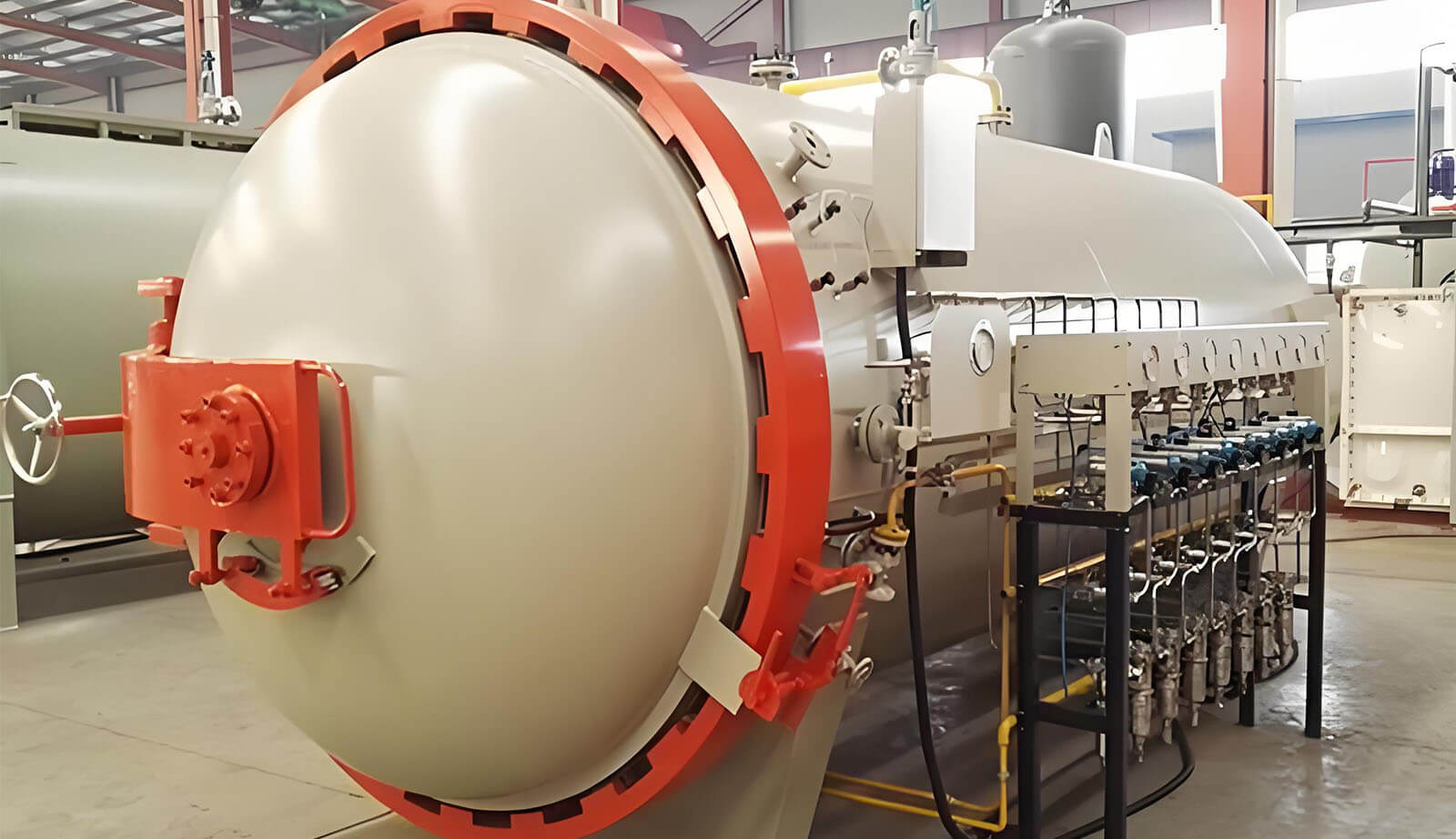
Die besten Sitze verwenden Autoklavhärtung bei hohem Druck und hoher Temperatur. Dadurch entstehen dichtere und festere Teile als bei einfachen vorimprägnierte Kohlefaser Auflegen.
Einige Hersteller verwenden jetzt 3D-gedruckte Formen für Sitze um eine perfekte Ergonomie zu erreichen. Die Technologie ermöglicht Kundenspezifische Herstellung von Rennsitzen mit Laserscans Ihres Körpers abgeglichen.
Beliebte Marken und Optionen
Premium-Hersteller
Sparco
- Italienisches Erbe aus der Formel 1
- Breite Palette von FIA-zugelassene Sitze
- Preis: $1.200-$2.800
Recaro
- Deutsche Ingenieurskunst
- Berühmt für Ergonomisches Sitzdesign
- Preis: $1,500-$3,500
OMP-Rennen
- Eine weitere italienische Motorsportlegende
- Stark in Rallye und Tourenwagen Kategorien
- Preis: $900-$2,200
Braut Japan
- Kultstatus bei Drift und Zeitrennen
- Aggressives Styling mit tiefen Polstern
- Preis: $1.800-$3.200
Budget-freundliche Optionen
Cobra Sitze (UK)
- Solide Qualität für Clubrennen
- Preis: $800-$1.400
Kirkey-Rennen (USA)
- Einfache Konstruktion, bewährte Zuverlässigkeit
- Beliebt bei Ovalbahn- und Drag-Rennen
- Preis: $600-$1.200
Status Rennsport
- Neuere Marke mit modernem Design
- Gut für Nur-Rennstrecken-Fahrzeuge
- Preis: $750-$1.600
Passend zu Ihrem Körpertyp
Dimensionierung der Sitzbreite
Messen Sie vor dem Kauf Ihre Hüften. Größen fallen normalerweise aus:
- Klein: 12-14 Zoll (leichte Fahrer)
- Mittel: 14-16 Zoll (die meisten Erwachsenen)
- Groß: 16-18 Zoll (größere Körpergrößen)
- XL: 18+ Zoll (große oder schwere Fahrer)
Ein zu schmaler Sitz quetscht Ihre Rippen. Ein zu breiter Sitz lässt Sie herumrutschen, was den Zweck zunichte macht.
Gewichtskapazität des Sitzes
Die meisten Carbon-Sitze halten 200-250 Pfund sicher aus. Schwerere Fahrer sollten sich vergewissern, dass die Sitzgewichtskapazität Bewertung.
Die Kohlefaser selbst ist stark genug. Das Problem sind die Befestigungspunkte und wie sich die Kräfte in der Schale verteilen.
Individuelle Anpassungsoptionen
Für ultimativen Komfort empfehlen wir Sonderanfertigungen. Ein individuelle Verbundfaserfabrik kann einen Sitz aus einem Körperabdruck oder einem 3D-Scan erstellen.
Dies ist wichtig für:
- Langstreckenrennen wo Komfort gleich Geschwindigkeit ist
- Fahrer mit Verletzungen förderungsbedürftig
- Professionelle Teams jedes Detail zu optimieren
Anwendungen für Straße und Rennstrecke
Straßenzugelassene Autos
Möchten Sie einen Carbon-Sitz in Ihrem Auto? Das ist möglich, erfordert aber Kompromisse:
Mechanismen zum Zurücklehnen erhöhen das Gewicht, bieten aber Komfort. Suchen Sie nach Modellen mit DOT-konform Befestigungssysteme.
Im Vergleich zu Modellen mit fester Rückenlehne verlieren Sie etwas an Seitenhalt. Aber Sie gewinnen:
- Leichtere Ein- und Ausreise
- Bessere Sichtbarkeit beim Parken
- Komfort für Fahrgäste
Viele Carbonfaser-Autos von Herstellern wie McLaren und Porsche verwenden Hybridkonstruktionen - Karbonschalen mit verstellbaren Mechanismen.
Autos nur für die Rennstrecke
Hier können Sie aufs Ganze gehen. Eine engagierte Schienenfahrzeug braucht keine Kompromisse bei der Straße:
- Rennsitze mit fester Rückenlehne maximales Gewicht sparen
- Keine kaputten Verstellmechanismen
- Straffere Verlegung des Kabelbaums
- Niedrigere Sitzposition für bessere Aerodynamik
Diese Einstellung funktioniert für:
- Zeitangriff baut
- Bergrennen Autos
- Rundstreckenrennen Sonderangebote
- Oldtimer umgerüstet für den Einsatz auf der Rennstrecke
Pflege und Wartung
Reinigung von Kohlefaser-Sitzen
Lassen Sie Ihre Investition frisch aussehen:
- Verwenden Sie milde Seife und warmes Wasser
- Wischen Sie mit Mikrofasertücher nur
- Vermeiden Sie scheuernde Reinigungsmittel oder Bürsten
- Gründlich trocknen, um Wasserflecken zu vermeiden
Bei hartnäckigem Schmutz von Rennstreckentagen hilft ein sanfter Entfetter für die Polsterung. Verwenden Sie niemals scharfe Chemikalien für die Karbonhülle selbst.
Zeitplan für die Inspektion
Überprüfen Sie diese Punkte regelmäßig:
Vor jedem Rennen:
- Drehmoment der Befestigungsschrauben
- Abnutzung der Gurtschlitze
- Schale auf Risse oder Delaminationen
Saisonbedingt:
- Kompression und Verschleiß der Polsterung
- Zustand der Klammer
- Spannungsrisse am Montagepunkt
Nach Abstürzen:
- Vollständige professionelle Inspektion
- Auswechseln, wenn eine Beschädigung festgestellt wird
- Riskieren Sie keinen beschädigten Sitz
Tipps zur Aufbewahrung
Wenn Sie Ihr Rennauto lagern:
- Halten Sie die Sitze von direktem Sonnenlicht fern
- Vermeiden Sie extreme Temperaturschwankungen
- Lagerung in einem klimatisierten Raum
- Bezug mit atmungsaktivem Stoff
Durch UV-Einwirkung wird das Harz mit der Zeit abgebaut. Ein $2.000-Sitz verdient eine gute Pflege.
Preis- und Leistungsvergleich
Haushaltsstufe ($600-$1.200)
Sie erhalten:
- Grundlegend Kohlefaser-Sitzschalen
- Minimale Polsterung
- Häufig FIA 8855-1999 Zertifizierung (älterer Standard)
- Einfaches Befestigungsmaterial
Gut für:
- Club-Rennen und Rennstreckentage
- Budget Driftautos und Autocross
- Amateur Erfahrung beim Bau von Fahrern
Mid-Range ($1,200–$2,000)
Sie erhalten:
- Bessere Ergonomie
- FIA 8862-2009 Zertifizierung
- Mehrere Polsterungsoptionen
- Stärkere Befestigungsklammern
Gut für:
- Regionale Rennen Serie
- SCCA und NASA Wettbewerb
- Seriös Gleisliebhaber
Premium ($2,000–$3,500+)
Sie erhalten:
- Maßgeschneiderte Sitzanfertigung Optionen
- Professionelle Teamqualität
- Fortschrittliche Materialien wie Carbon Kevlar
- Programme mit lebenslanger Garantie
Gut für:
- Profi-Motorsport
- Werksteams und Werksfahrer
- Hypercars und Supersportwagen
- Langstreckenrennen Kampagnen
Rentabilität der Investition
Stellen Sie sich das einmal so vor: Dieser $2.000-Sitz spart 18 Pfund. Um dieses Gewicht an anderer Stelle einzusparen:
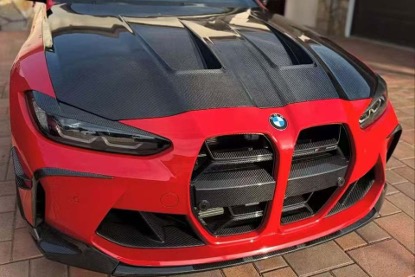
- Kohlefaserhaube: $1,500 (spart 15 Pfund)
- Räder aus Kohlefaser: $5,000+ (spart insgesamt 20 lbs)
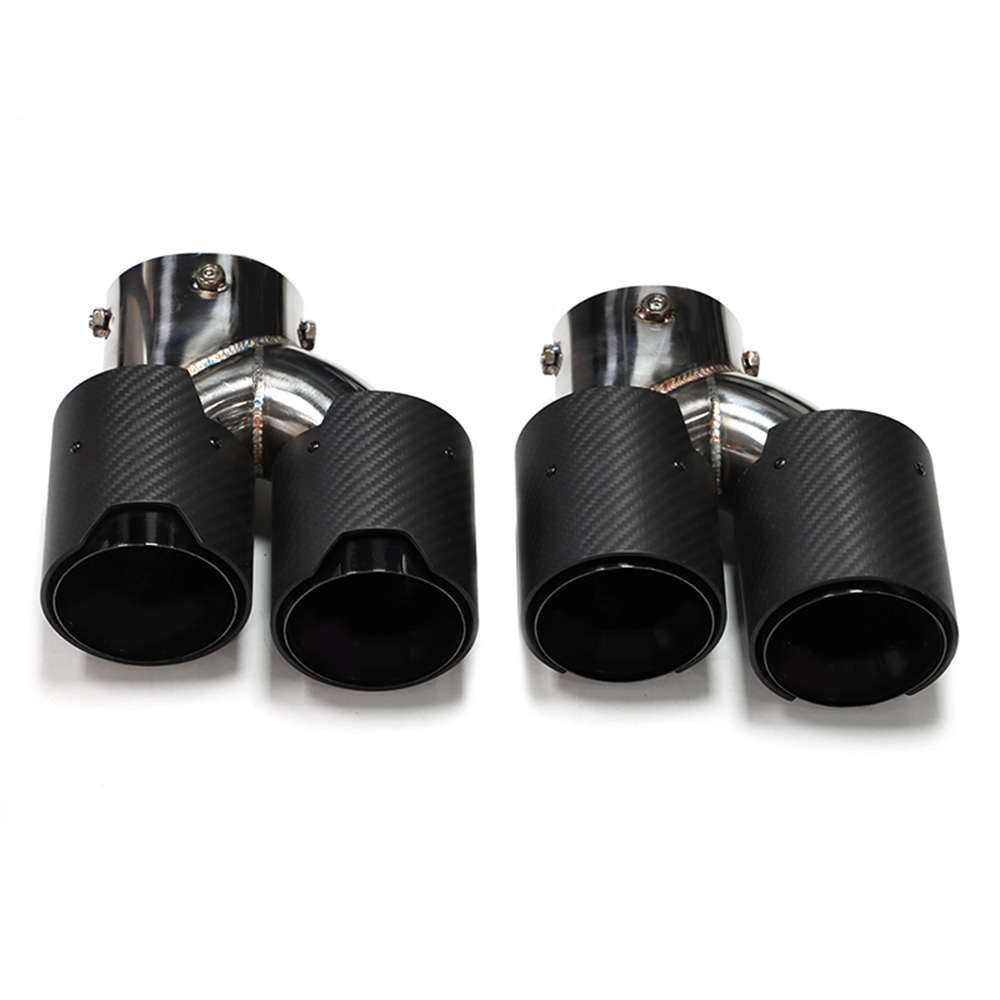
- Titan-Auspuff: $3,000 (spart 25 lbs)
Der Sitz bietet Gewichtseinsparungen zu einem wettbewerbsfähigen Preis. Außerdem verbessert er die Kontrolle des Fahrers und die Sicherheit - Vorteile, die man nicht allein in Geld messen kann.
Besondere Anwendungen
Elektrische Rennwagen
E-Mobilität Rennen wie Formel E braucht jeden Vorteil. Akkupacks bringen viel Gewicht mit sich, daher leichte Rennsitze noch kritischer werden.
Carbonsitze helfen, die schweren Lithiumzellen auszugleichen. Sie bieten außerdem Schwingungsdämpfung für die sofortige Drehmomentabgabe.
Sim-Rennen
Ja, ernsthaft Rennsimulation Die Wettbewerber verwenden echte Rennsitze. Und warum? Weil das Muskelgedächtnis zählt.
Üben Sie zu Hause in der gleichen Sitzposition, die Sie auch auf der Rennstrecke einnehmen werden. Ihr Körper lernt die richtige Körperhaltung und Seitenhalt Erwartungen.
Viele Rennsimulanten montieren Karbonsitze an spezielle Rigs mit Bewegungsplattformen. Das ist das ultimative Trainingsgerät.
Klassischer und klassischer Rennsport
Restomods und klassischer Rennsport bauen oft moderne Sicherheitsausrüstungen ein. Ein Carbon-Sitz passt zur Vintage-Ästhetik und entspricht gleichzeitig den aktuellen FIA-Normen.
Der Charakter des Autos bleibt erhalten, aber es kommt lebensrettende Technologie hinzu. Es ist die perfekte Mischung aus Alt und Neu.
Sonderanfertigungen und SEMA
Autos zeigen unter SEMA Grenzen verschieben. Bauherren verwenden maßgefertigte Kohlefaser Sitze als Kunstwerke - handgeflochten mit maßgeschneiderten Geflechten und gefärbtem Harz.
Diese Sitze kombinieren:
- CFD-optimiert Entwürfe für den Luftstrom
- 3D-gedruckte Gussformen für einzigartige Formen
- Individuelle Nähte und Polsterung
- Integrierte Elektronik für Heizung oder Sensoren
Sie beweisen, dass Kohlefaser nicht nur funktional, sondern auch schön ist.
Häufig zu vermeidende Fehler
Falsche Größenauswahl
Ich habe schon zu viele Rennfahrer gesehen, die Sitze gekauft haben, die nicht passen. Messen Sie selbst nach. Probieren Sie die Sitze wenn möglich in einem Geschäft aus. Ein schlecht sitzender Sitz schadet der Leistung und dem Komfort.
Skipping-Zertifizierung
Kaufen Sie keine ungeprüften Sitze für echte Rennen. Die technische Inspektion wird Sie durchfallen lassen. Der billige eBay-Sitz ist den Ärger nicht wert.
Unsachgemäßer Einbau
Die Befestigungsschrauben haben nicht ohne Grund ein bestimmtes Drehmoment. Zu fest anziehen und Sie knacken das Carbon. Zu wenig angezogen und der Sitz bewegt sich bei Stürzen.
Beauftragen Sie einen Fachmann, wenn Sie unsicher sind. Ihr Leben hängt von der richtigen Installation ab.
Vernachlässigung von Geschirren
Ein toller Sitz mit einem verschlissenen Gurt ist gefährlich. Ersetzen Sie die Gurte gemäß den Herstellerangaben - in der Regel alle 3 bis 5 Jahre, unabhängig von der sichtbaren Abnutzung.
Die Zukunft der Rennsitze
Fortschrittliche Materialien
Hersteller experimentieren mit:
- Graphen-verstärkte Kohlenstoff für 20% mehr Festigkeit
- Hybride Verbundwerkstoffe Mischung von Kohlenstoff-, Kevlar- und Aramidfasern
- Intelligente Materialien die sich beim Aufprall versteifen
Integrierte Technologie
Erwarten Sie:
- Biometrische Sensoren Überwachung von Herzfrequenz und Müdigkeit
- Heizelemente für Rennen bei kaltem Wetter
- Aktive Nackenrollen die sich bei Kurvenfahrt anpassen
- Crash-Erkennung Systeme zur Alarmierung des Sicherheitspersonals
Nachhaltigkeit
Der Motorsport wird grün, die Sitzhersteller erforschen es:
- Recycelte Kohlefaser aus Luft- und Raumfahrtreststoffen
- Biobasierte Harze aus pflanzlichen Materialien
- Kreislaufwirtschaft Programme für End-of-Life-Sitze
Ihre Entscheidung
Die Wahl des richtigen Kohlefaser-Rennsitz hängt von Ihren spezifischen Bedürfnissen ab. Fragen Sie sich selbst:
Was ist mein Hauptverwendungszweck?
- Track Days am Wochenende?
- Wettkämpfe?
- Hybrid für Straße und Rennstrecke?
Wie hoch ist mein Budget?
- Einstiegsklasse: $600-$1.200
- Ernsthafter Rennfahrer: $1,200-$2,000
- Professionelle Qualität: $2,000+
Welche Bescheinigungen benötige ich?
- FIA 8862-2009 für internationale Rennen
- SFI 39.2 für Drag Racing
- Keine für Track Days (aber dennoch empfohlen)
Wie wichtig ist der Komfort?
- Kurze Sprints: Maximale Unterstützung statt Komfort
- Ausdauer: Gleichgewichtsstütze und Polsterung
- Straßeneinsatz: Vorrang für Anpassungsfähigkeit
Ihre nächsten Schritte
Sind Sie bereit, Ihr Rennsystem aufzurüsten? Hier ist, was zu tun ist:
- Messen Sie Ihren Körper sorgfältig
- Überprüfen Sie die Regeln Ihrer Rennserie für Zertifizierungsanforderungen
- Überprüfen Sie Ihren Überrollkäfig Messungen
- Setzen Sie ein realistisches Budget fest einschließlich Befestigungsmaterial
- Bestellung bei seriösen Anbietern die den Motorsport verstehen
Der richtige Sitz verändert Ihr Fahrerlebnis. Sie fühlen sich mehr mit dem Auto verbunden. Ihre Rundenzeiten werden sich verbessern. Vor allem aber sind Sie sicherer, wenn etwas schiefgeht.
Ob Sie nun Meisterschaften in WEC, durch die Stadien der Bombardierung in WRC, oder einfach nur zu genießen Rennstreckentage mit Freunden - ein hochwertiger Rennsitz aus Kohlefaser ist eines der cleversten Upgrades, die Sie vornehmen können.
Unser Team arbeitet mit professionellen Rennteams, Konstrukteuren und OEM-Partnern zusammen, um Kohlefaserkomponenten zu entwickeln, die echten Motorsportstandards entsprechen - und nicht nur kosmetische Upgrades.
Beginnen Sie Ihren Bau richtig. Wählen Sie Kohlefaser. Fahren Sie schneller. Sicherer fahren.
Suchen Sie nach fachkundiger Beratung zu Kohlenstofffaserprodukten? Unser Team bei chinacarbonfibers.com ist spezialisiert auf Hochleistungs-Verbundstofflösungen für den Motorsport. Setzen Sie sich mit uns in Verbindung, um Ihre spezifischen Rennanforderungen zu besprechen.