Pourquoi choisir la fibre de carbone pour votre installation solaire ?
Vous voulez que vos panneaux solaires durent. Ils doivent rester fiables malgré les tempêtes, les charges de neige et l'exposition prolongée au soleil. C'est pourquoi les systèmes de montage solaire en fibre de carbone offrent une alternative convaincante aux structures métalliques traditionnelles.
Les matériaux conventionnels ont des limites. L'acier ajoute un poids important et est vulnérable à la corrosion. L'aluminium est plus léger mais peut se déformer avec le temps et souffre des environnements côtiers difficiles. Le polymère renforcé de fibres de carbone (PRFC), en revanche, combine haute résistance, faible poids et durabilité à long terme.
En tant que fabricant de composites en carbone Forts d'une grande expérience dans les composites structurels, nous concevons des systèmes de montage en fibre de carbone destinés à des applications solaires exigeantes pour lesquelles les matériaux conventionnels ne suffisent pas.
En quoi les supports solaires en fibre de carbone sont-ils différents ?
Léger mais structurellement robuste
La fibre de carbone offre une rapport résistance/poids. Par rapport aux systèmes de montage solaire conventionnels en aluminium, les structures en fibre de carbone peuvent réduisent généralement le poids de la structure d'environ 40-60%, en fonction de la configuration du système et de l'application.
Pour les toits, cette réduction est significative. La réduction de la charge permanente permet de protéger les structures des toits, d'élargir les possibilités d'installation pour les bâtiments plus anciens et de réduire les contraintes structurelles à long terme.
Malgré leur faible poids, les systèmes de montage en fibre de carbone sont conçu pour supporter les charges de conception spécifiques au site, y compris :
- Charges de vent jusqu'à 150 mph, sous réserve de la validation de la mise en page et de l'ingénierie
- Charges de neige jusqu'à 40 psf, en fonction de la portée et de la configuration
- Charges distribuées provenant de panneaux photovoltaïques résidentiels et commerciaux
Ces systèmes sont conçus sur la base des normes structurelles applicables et validés par des calculs spécifiques au projet.
Résistance aux intempéries par conception
Les composites à base de fibres de carbone offrent excellente résistance à la corrosion, à l'humidité et à l'exposition aux UV. Contrairement aux supports solaires métalliques qui peuvent se corroder dans les environnements côtiers ou industriels, les structures en PRFC conservent des performances mécaniques stables dans le temps.
Les essais et l'utilisation sur le terrain démontrent la fiabilité des performances dans une large gamme de températures, typiquement de De -40°F à 185°F, La fibre de carbone est donc bien adaptée aux installations dans les déserts, sur les côtes et dans les climats froids.
La fibre de carbone n'étant pas métallique, elle est intrinsèquement résistante au brouillard salin, à l'exposition chimique et à la corrosion galvanique - des avantages clés pour les systèmes de montage photovoltaïques (PV) à long terme.
Réduction de la charge sur les structures de toit
Les systèmes de montage légers sont particulièrement utiles pour toits en tuiles, bâtiments vieillissants et projets de rénovation. En réduisant le poids total du système, les supports en fibre de carbone permettent des installations solaires dans des scénarios où les systèmes métalliques traditionnels peuvent dépasser les limites structurelles.
Cette efficacité en termes de poids élargit la gamme des bâtiments qui peuvent adopter en toute sécurité des solutions solaires résidentielles et commerciales.
Les caractéristiques techniques qui comptent
Vous trouverez ci-dessous un comparaison type au niveau des matériaux à titre de référence. Les performances réelles du système dépendent de la conception technique et des conditions du projet.
| Caractéristique | Fibre de carbone | Aluminium | Acier |
|---|
| Poids structurel | Très faible | Modéré | Élevé |
| Résistance à la corrosion | Excellent | Modérée (limitée dans les zones côtières) | Faible |
| Dilatation thermique | Très faible | Modéré | Élevé |
| Conductivité électrique | Non conducteur | Conducteur | Conducteur |
| Durée de vie prévue | 30 ans et plus | 15-20 ans | 10-15 ans |
Une capacité de charge sur laquelle vous pouvez compter
Les systèmes de montage solaire en fibre de carbone sont conçu pour répondre aux exigences spécifiques du site en matière de charge de vent et de neige, y compris les régions exposées aux ouragans ou aux fortes chutes de neige.
La capacité de charge par point de montage est déterminée par :
- Longueur de la travée
- Disposition des tableaux
- Méthode d'installation
- Normes de conception applicables (par exemple, ASCE 7-16)
Cette approche garantit la fiabilité de la structure sans surconception ni utilisation inutile de matériaux.
Stabilité thermique au fil des saisons
La dilatation et la contraction thermiques sont des causes courantes de tensions à long terme dans les systèmes de montage métalliques. La fibre de carbone présente très faible dilatation thermique, Le système d'étanchéité à l'air est un élément essentiel du système d'étanchéité à l'air.
La nature non conductrice de la fibre de carbone minimise également l'adhérence de la glace dans les climats froids et limite les déformations liées à la chaleur dans les environnements chauds.
Comment ces systèmes sont-ils fabriqués ?
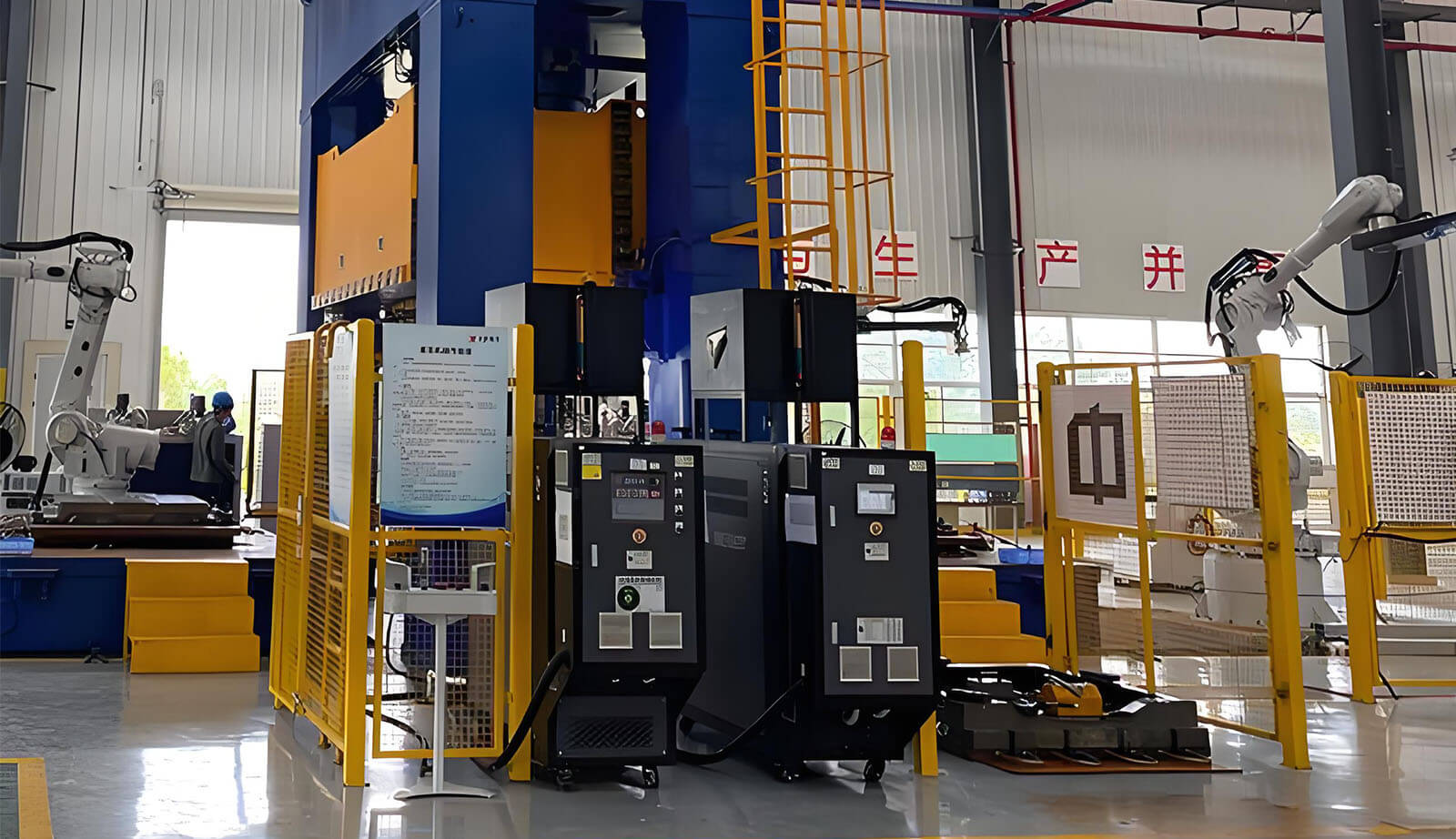
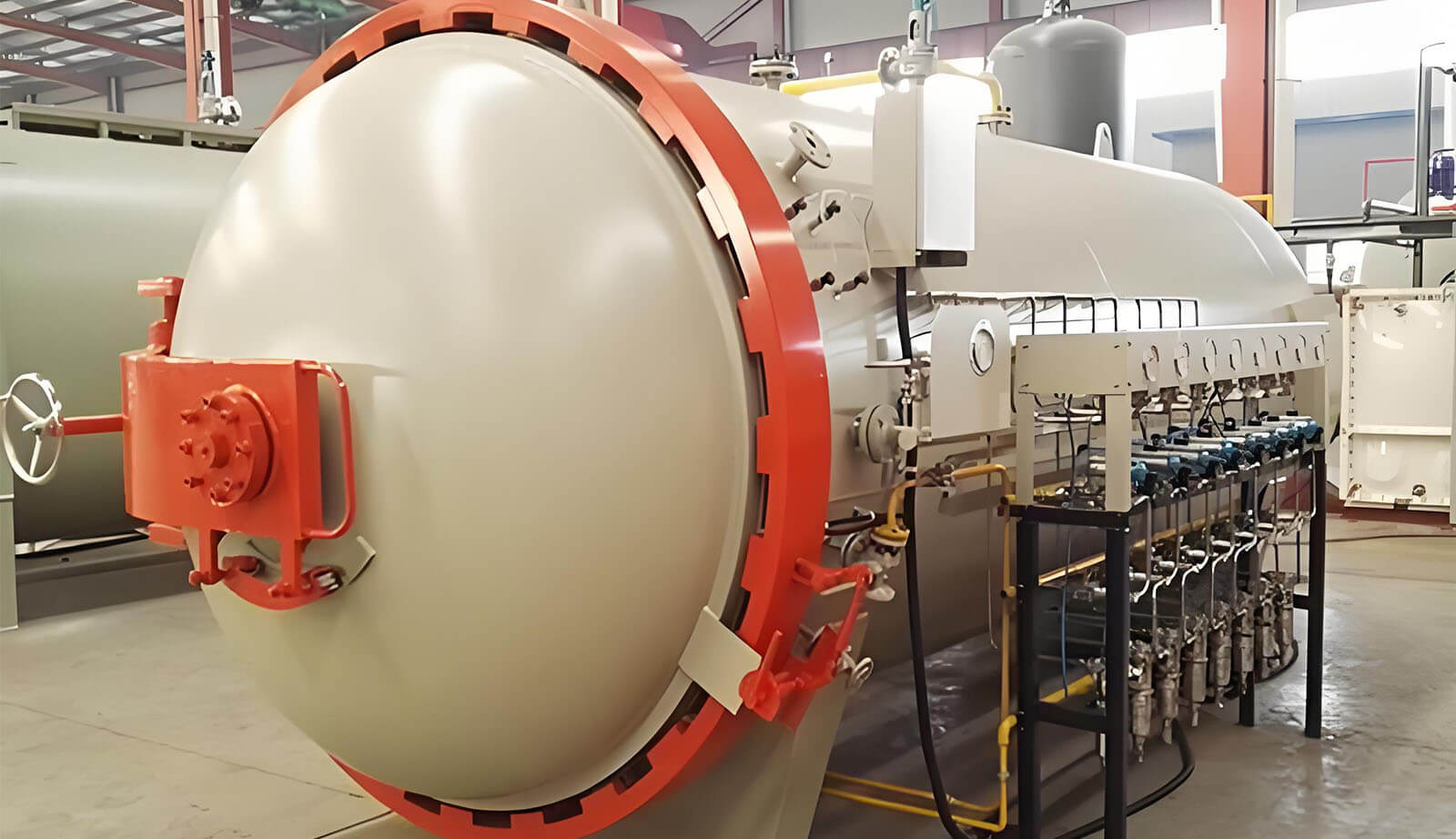
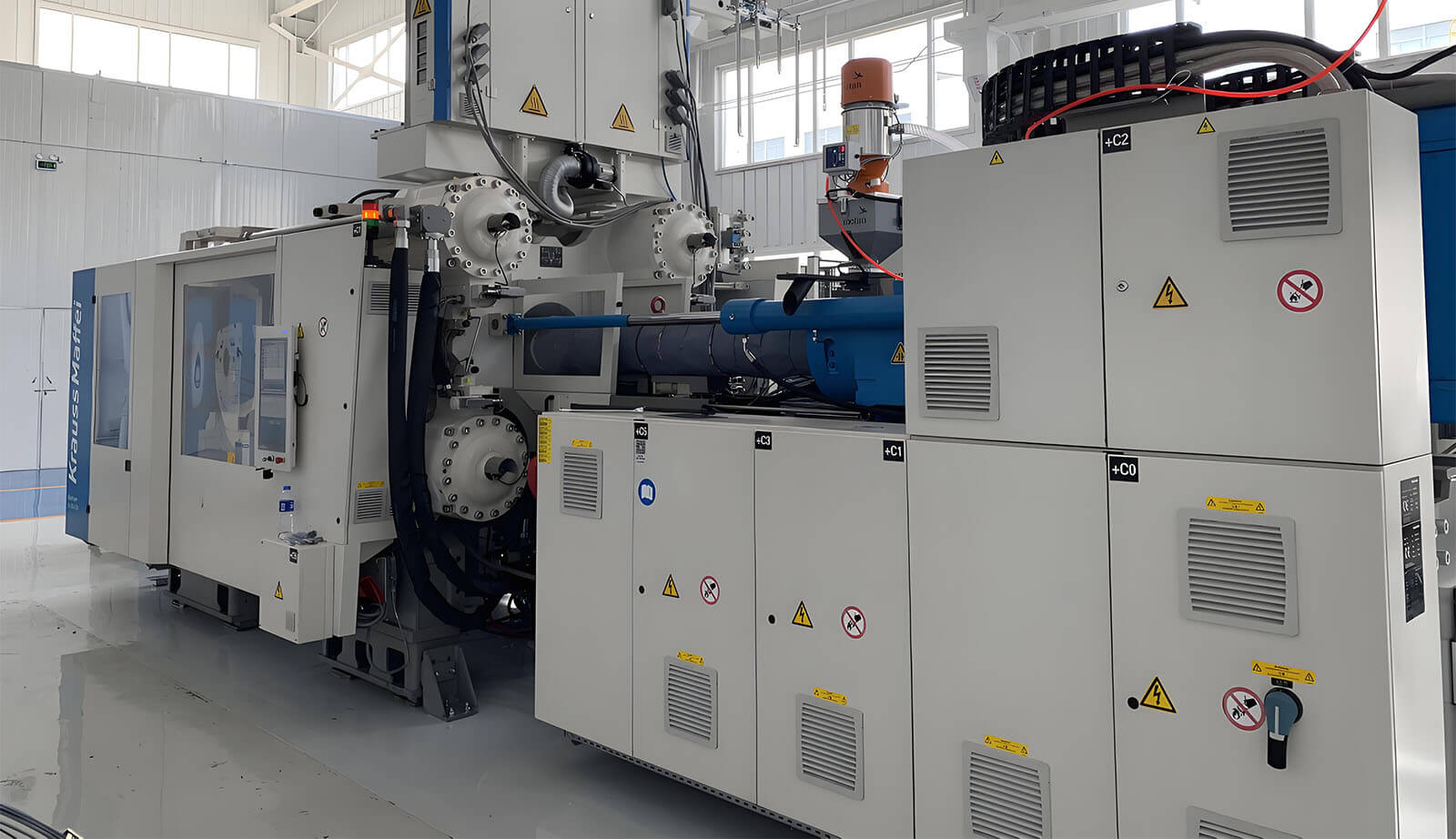
En tant que usine de composites sur mesure, Nous appliquons les principes de fabrication des composites de l'aérospatiale et du sport automobile aux applications de montage solaire.
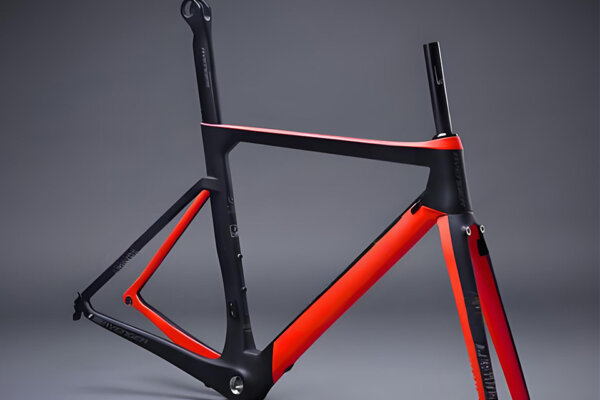
Les mêmes méthodologies d'ingénierie que celles utilisées dans les voitures en fibre de carbone-y compris la sélection des matériaux, la conception des stratifiés et le contrôle de la qualité- sont appliqués pour garantir des performances structurelles constantes.
Chaque composant de montage fait l'objet d'une inspection dimensionnelle et d'un contrôle des processus afin de garantir la répétabilité et la fiabilité à long terme.
Conception modulaire pour une installation pratique
Les systèmes de montage solaire en fibre de carbone sont conçus pour installation efficace et évolutive. Les composants modulaires permettent une grande flexibilité dans les configurations sur le toit et au sol.
Les caractéristiques typiques sont les suivantes
- Options d'inclinaison réglables (environ 10°-60°)
- Interfaces de serrage préconçues
- Points de connexion pré-percés
- Connecteurs d'épissures structurelles pour les réseaux étendus
Ces conceptions modulaires réduisent le temps d'installation tout en préservant l'intégrité structurelle.
Normes et conformité
Les composants du système sont conçus pour se conformer aux normes internationales pertinentes, y compris les exigences de l'UL 2703 et de la CEI. La certification et les essais par une tierce partie peuvent être fournis sur demande, en fonction de la portée et de la configuration du projet.
Pour les applications spécifiques à une région, l'assistance technique peut porter sur les points suivants :
- Zones d'ouragans à haute vélocité (HVHZ)
- Considérations sismiques
- Exigences du code du bâtiment local
Scénarios d'application où la fibre de carbone excelle
Environnements côtiers et corrosifs
La résistance de la fibre de carbone au brouillard salin et à l'humidité la rend bien adaptée aux installations côtières où les systèmes métalliques subissent une dégradation accélérée.
Solaire commercial et utilitaire
Pour les grandes installations solaires, la réduction du poids de la structure diminue les coûts de transport et simplifie la manipulation sur site. Les structures modulaires en fibre de carbone permettent également un déploiement évolutif sur de grandes surfaces.
Installations solaires flottantes
Les systèmes photovoltaïques flottants bénéficient de structures de montage légères et non conductrices. La résistance de la fibre de carbone à l'humidité et à la corrosion offre une solution fiable pour les installations en milieu aquatique.
Charge de neige et régions de montagne
La faible conductivité thermique réduit l'accumulation de glace et contribue à maintenir la stabilité structurelle lors des cycles répétés de gel et de dégel dans les régions à neige abondante.
PV intégré au bâtiment (BIPV)
Les applications solaires architecturales exigent des lignes épurées et un impact visuel minimal. Les systèmes de montage en fibre de carbone s'intègrent bien aux conceptions modernes des bâtiments et aux concepts BIPV avancés.
Systèmes solaires portables et spécialisés
Les systèmes de montage composites légers conviennent aux installations solaires mobiles, temporaires ou éloignées pour lesquelles l'efficacité du transport et le déploiement rapide sont essentiels.
Coût et valeur du cycle de vie
Les systèmes de montage solaire en fibre de carbone impliquent généralement un investissement initial plus élevé que les alternatives en aluminium. Cependant, les systèmes de montage solaire en fibre de carbone nécessitent un investissement initial plus élevé que les systèmes en aluminium, le coût total du cycle de vie est souvent inférieur en raison de :
- Durée de vie prolongée
- Exigences minimales en matière d'entretien
- Réduction des défaillances liées à la corrosion
- Réduction des coûts de transport et d'installation
Pour les projets à long terme, les performances du cycle de vie l'emportent souvent sur le coût initial des matériaux.
Garantie et assistance
Les systèmes sont soutenus par un Garantie limitée de 10 ans couvrant les performances matérielles et structurelles, sous réserve des conditions générales.
Considérations relatives à l'installation
Évaluation de la toiture
Même avec des systèmes de montage légers, l'état du toit et la capacité de charge doivent toujours être évalués avant l'installation.
Optimisation de l'inclinaison
Les configurations d'inclinaison réglables permettent d'optimiser les angles d'ensoleillement saisonniers, améliorant ainsi le rendement énergétique sous différentes latitudes.
Mise à la terre électrique
Bien que la fibre de carbone ne soit pas conductrice, les modules photovoltaïques et les systèmes électriques doivent toujours être mis à la terre conformément aux codes électriques en vigueur.
Perspective de durabilité
Les systèmes de montage en fibre de carbone s'inscrivent parfaitement dans les objectifs de développement durable à long terme. Leur durabilité réduit les cycles de remplacement, et la fabrication des composites évite la forte intensité énergétique associée à la fusion de l'aluminium.
Les processus de fabrication suivent des pratiques environnementales contrôlées et les matériaux composites peuvent être réutilisés à la fin de leur durée de vie.
Technologies solaires compatibles
Les systèmes de montage en fibre de carbone sont compatibles avec :
- Panneaux monocristallins et polycristallins
- Modules à couche mince et bifaciaux
- Systèmes à inclinaison fixe et systèmes de poursuite
Ils s'intègrent aux onduleurs modernes, aux solutions de stockage d'énergie et aux systèmes de surveillance.
Pour commencer
Chaque projet commence par un examen de la conception basé sur.. :
- Spécifications du panneau
- Environnement d'installation
- Charges locales de vent et de neige
- Configuration de montage préférée
En tant que spécialiste de fibre de carbone personnalisée nous prenons en charge les applications de montage solaire standard et entièrement personnalisées.
Pensées finales
Les systèmes de montage solaire en fibre de carbone représentent une solution de nouvelle génération pour les infrastructures d'énergie renouvelable, Les produits de l'industrie de l'acier sont très appréciés, en particulier dans les applications où la légèreté, la résistance à la corrosion et la durabilité à long terme sont des critères essentiels.
En appliquant les principes éprouvés de l'ingénierie des composites au montage solaire, ces systèmes offrent une alternative fiable aux structures métalliques traditionnelles, sans compromettre les performances ou la longévité.
Si vous évaluez des matériaux avancés pour des installations solaires de haute performance, les systèmes de montage en fibre de carbone méritent d'être pris en considération.