Hvad er et robotskelet af kulfiber?
Et exoskelet af kulfiberrobot er et bærbart robotsystem, der er designet til at forbedre menneskets styrke, udholdenhed og mobilitet. Ved at kombinere Letvægtsstrukturer i kulfiber Med motorer, sensorer og intelligente kontrolsystemer hjælper disse exoskeletter brugerne med at løfte, gå og udføre gentagne fysiske opgaver, samtidig med at de reducerer træthed.
Moderne motoriserede exoskeletter, der ofte sammenlignes med science fiction-koncepter, bruges allerede på industriarbejdspladser, i medicinske rehabiliteringsmiljøer og i forsvarsrelaterede forskningsprogrammer. Deres effektivitet kommer af at integrere kulfiberkompositter af luftfartskvalitet med avanceret robotteknologi udviklet af erfarne kulstofkompositproducenter.
Hvorfor kulfiber er vigtigt
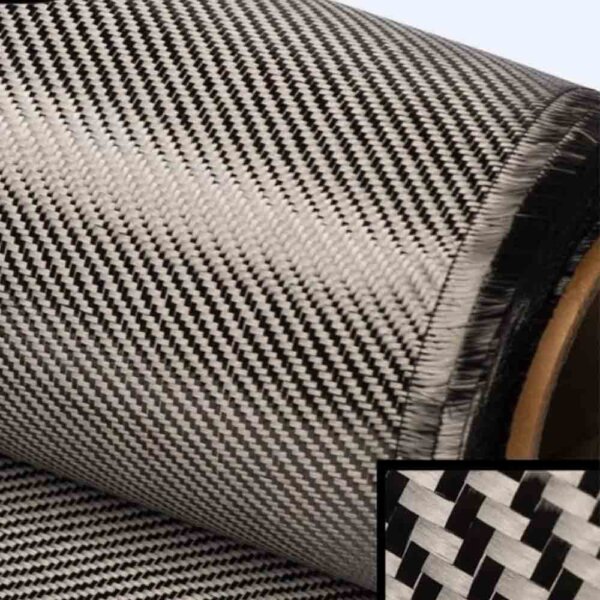
Kulfiber er bredt anerkendt for sin enestående styrke-til-vægt-forhold, Det giver en betydeligt højere stivhed end mange traditionelle metaller, samtidig med at det er væsentligt lettere. De vigtigste fordele omfatter:
- Høj strukturel stivhed ved lav vægt
- Modstandsdygtighed over for korrosion og miljøpåvirkning
- Kontrolleret fleksibilitet for ergonomisk bevægelse
Disse egenskaber gør kulfiber særligt velegnet til bærbare robotter, hvor overdreven vægt eller stivhed ville reducere komforten og øge risikoen for skader.
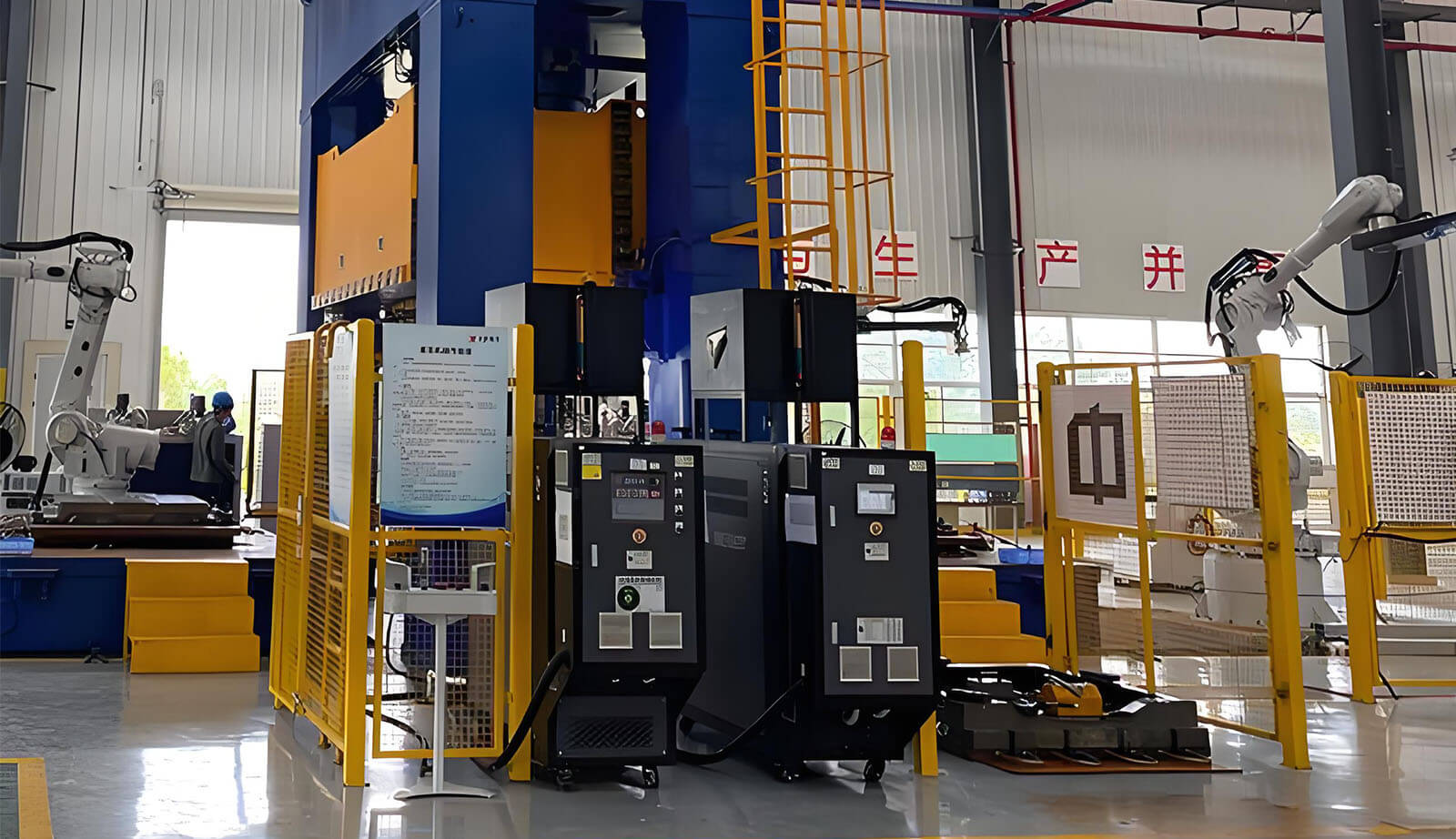
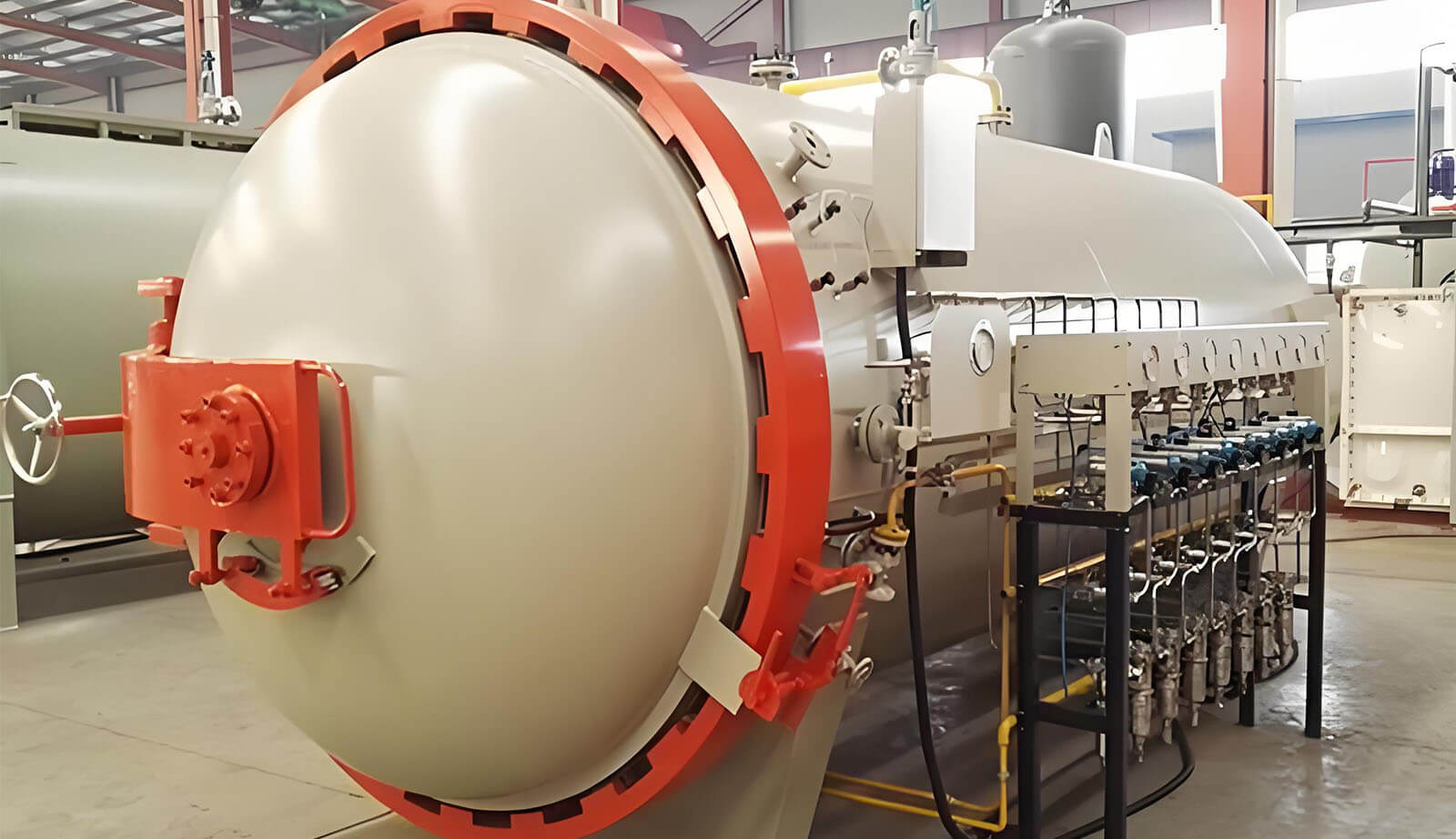
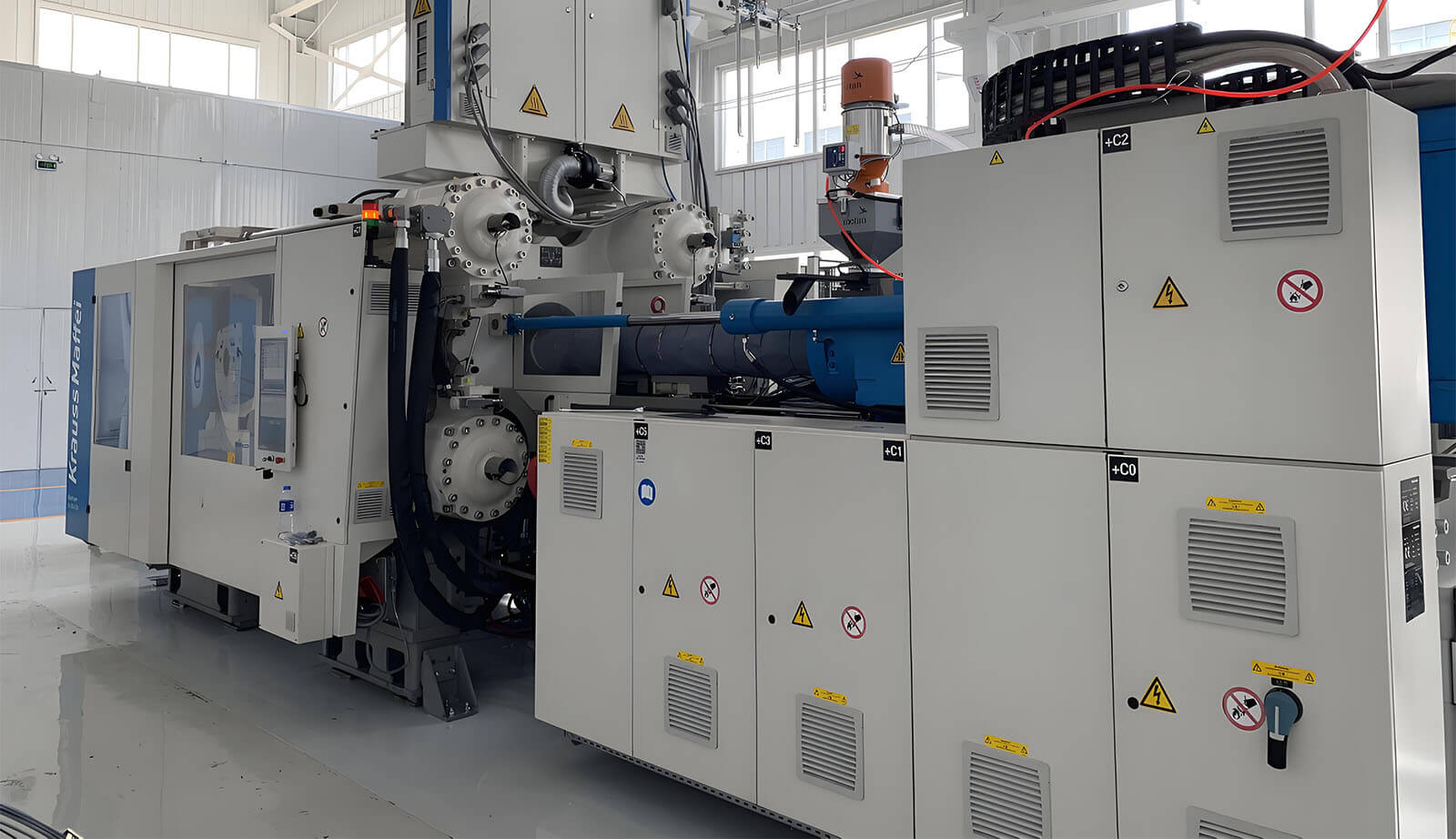
Vores fremstillingsproces for kulstofkomposit - udviklet inden for en professionel tilpasset kompositfabrik- er designet til at producere lette strukturrammer med høj styrke, der er optimeret til robot-eksoskeletter.
I mange tilfælde omfatter dette teknikker med lukket form som f.eks. RTM-processen for kulfiber, hvilket muliggør præcis fiberplacering, ensartet vægtykkelse og fremragende overfladekvalitet - vigtige krav til bærbare robotstrukturer.
Hvordan fungerer et robot-eksoskelet?
Et robotskelet består typisk af fire centrale undersystemer:
1. Ramme af kulfiber
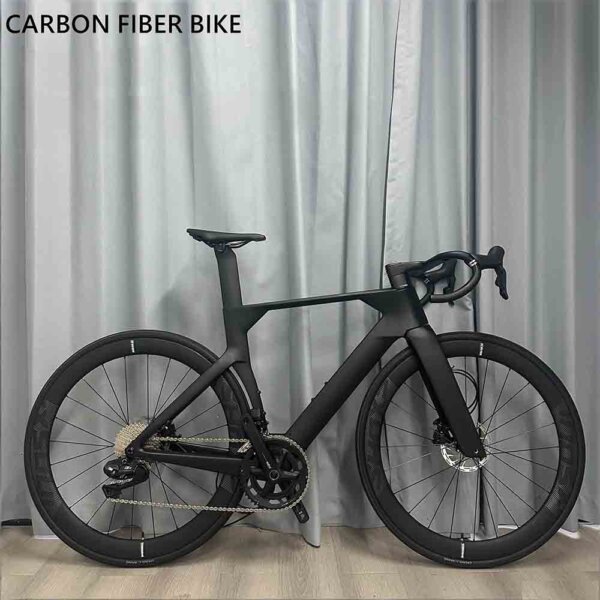
Systemets strukturelle rygrad. Kulfiberforstærkning danner bærende komponenter, der følger den menneskelige anatomi og tillader naturlig bevægelse, samtidig med at styrken opretholdes under mekanisk belastning. Lignende strukturelle principper anvendes også i avancerede kulfiberbiler hvor vægtreduktion og stivhed er afgørende.
2. Motorer og aktuatorer
Disse komponenter giver assisteret bevægelse og belastningsstøtte. Almindelige aktuatorsystemer omfatter:
- Elektriske motorer til jævn, støjsvag drift
- Hydrauliske systemer til applikationer med høj kraft
- Pneumatiske systemer med kontrolleret lufttryk
3. Sensorer og intelligent styring
Bevægelsessensorer sporer leddenes position, hastighed og kraft. Intelligente kontrolalgoritmer fortolker disse signaler for at give respons i næsten realtid, hvilket muliggør jævn og intuitiv assistance.
Nogle avancerede forskningsplatforme udforsker interfaces til biosignaler, såsom EMG-baseret muskelsensorik, som stadig er under aktiv udvikling og evaluering.
4. Batterisystem
De fleste eldrevne exoskeletter bruger litium-ion-batterisystemer, der er designet til flere timers drift. Afhængigt af konfigurationen understøtter nogle systemer udskiftning af batteriet uden at fjerne hele systemet.
Typer af exoskeletter af kulfiber
Forskellige anvendelser kræver forskellige exoskelet-designs. Nedenfor er en forenklet oversigt:
Industrielle exoskeletter (hjælp til arbejdspladsen)
Designet til at støtte arbejdere på lagre, fabrikker og i byggemiljøer.
Typiske anvendelser
- Gentagne løft og håndtering
- Betjening af overliggende værktøj
- Reduktion af træthed
Systemer i denne kategori er designet til at reducere den opfattede fysiske belastning betydeligt, hvilket hjælper med at mindske belastningen i længere arbejdsperioder. Industrielle programmer rapporterer meningsfulde reduktioner i muskuloskeletal stress, når systemerne er korrekt integreret.
Medicinske exoskeletter (rehabilitering og mobilitet)
Bruges i kliniske og terapeutiske sammenhænge til at hjælpe personer med at komme sig efter neurologiske eller muskuloskeletale tilstande.
Typiske anvendelser
- Gangtræning og assisteret gang
- Rehabilitering efter slagtilfælde og rygmarvsskade
- Kontrolleret bevægelsesterapi
Medicinske robotsystemer anvendes ofte på hospitaler og rehabiliteringscentre, hvor strukturerede programmer rapporterer om forbedret behandlingseffektivitet og patientengagement sammenlignet med konventionelle metoder.
Udviklet til bærende støtte og forbedring af udholdenhed i krævende miljøer.
Typiske anvendelser
- Omfordeling af udstyrets belastning
- Udvidet mobilitet under tungt udstyr
- Forskning i forbedring af menneskets udholdenhed
Forsvarsorganisationer og statsfinansierede forskningsprogrammer har evalueret exoskelet-teknologier for holdbarhed, belastningsstøtte og operationel udholdenhed i kontrollerede testmiljøer.
Eksoskeletter til forbrugere og hjælpemidler
Letvægtssystemer beregnet til daglig støtte snarere end kraftfuld styrkeforstærkning.
Typiske anvendelser
- Hjælp til kropsholdning
- Støtte til den nederste del af ryggen
- Mobilitetsstøtte til ældre brugere
Disse systemer er ofte passive eller semi-aktive og fokuserer på komfort, brugervenlighed og langtidsholdbarhed.
Oversigt over produktspecifikationer
| Funktion | Industriel | Medicinsk | Forsvar | Forbruger |
|---|
| Typisk vægt | ~12 kg | ~8 pund | ~15 kg | ~6 pund |
| Hjælp til indlæsning | Høj | Moderat | Høj | Lav |
| Batteriets varighed | Flere timer | Flere timer | Udvidet | Begrænset |
| Aktivering | Elektrisk / hydraulisk | Elektrisk | Elektromekanisk | Passiv |
| Primær anvendelse | Støtte til arbejdspladsen | Rehabilitering | Udholdenhed ved belastning | Daglig assistance |
Specifikationerne varierer efter konfiguration og anvendelse.
Fordele ved exoskeletter af kulfiber
Reduktion af risikoen for skader
Exoskelet-systemer er designet til at omfordele den mekaniske belastning væk fra sårbare led og rygsøjlen, hvilket reducerer den fysiske belastning under krævende opgaver.
Produktivitet og udholdenhed
Ved at hjælpe med bevægelse og lasthåndtering kan brugerne udføre opgaver mere effektivt og samtidig opretholde et ensartet output.
Omkostningseffektivitet
Organisationer kan drage fordel af reduceret skadesrelateret nedetid, forbedret arbejdsstyrkens bæredygtighed og mere effektiv opgavefordeling.
Forbedringer af livskvaliteten
Hjælpemiddelsystemer kan hjælpe brugere med at genvinde mobilitet, bevare uafhængighed og udføre daglige aktiviteter med større selvtillid.
Anvendelsesscenarier fra den virkelige verden
- Logistik og oplagring: Lasthåndtering og hjælp til gentagne løft
- Byggeri: Støtte til overliggende værktøj og hjælp til kropsholdning
- Sundhedspleje: Kontrolleret gangrehabilitering og støtte til terapi
- Nødhjælp og redning: Stabilitet og hjælp til belastning i farlige miljøer
- Landbrug: Støtte til bøjning og løft ved længerevarende udendørs arbejde
Sådan vælger du det rigtige exoskelet
De vigtigste overvejelser omfatter:
- Tiltænkt brug (industriel, medicinsk, hjælpemidler, forskning)
- Nødvendig laststøtte og mobilitetsområde
- Budget og implementeringsskala
- Behov for tilpasset strukturelt design eller tilpasning
Specialiserede anvendelser - såsom pædiatrisk rehabilitering eller proteseintegration - kræver ofte skræddersyet carbon fiber strukturer udviklet af en erfaren producent af kulstofkomposit.
Overvejelser om standarder og certificering
Exoskeleton-programmer kan indebære overholdelse af:
- Regler for medicinsk udstyr (f.eks. FDA, CE)
- Kvalitetssystemer (f.eks. ISO 13485)
- Miljø- og holdbarhedsstandarder (f.eks. MIL-STD-test)
Designet udvikles typisk i overensstemmelse med gældende standarder, og certificeringen er baseret på anvendelsesområde og lovkrav.
Fremtidige tendenser inden for exoskelet-teknologi
- Bløde robotdragter med fleksible tekstiler og sensorer
- AI-drevet adaptiv kontrol forbedrer personalisering over tid
- Energieffektive aktiverings- og batterisystemer
- Udvidet tilgængelighed gennem modulært og skalerbart design
Den igangværende forskning tyder på en fortsat udvikling mod mere intuitive, lette og brugervenlige systemer.
Hvorfor vælge vores kulfiber-eksoskelettløsninger?
Vi arbejder sammen med robotteams, ingeniører og systemintegratorer for at levere Tilpassede kulfiberstrukturer til exoskeletale platforme, understøttet af intern komposit-teknik og produktionskapacitet.
Vores evner omfatter:
- Kulfibermaterialer af luft- og rumfartskvalitet
- Strukturelt design optimeret til bærbar robotteknologi
- Udvikling af prototyper og serieproduktion
- OEM / ODM produktionsstøtte
Vores design fokuserer på styrke, holdbarhed og ergonomisk integration og understøtter projekter på tværs af industrielle, medicinske og forskningsmæssige anvendelser.
Ofte stillede spørgsmål
Hvor meget koster et exoskelet af kulfiber? Priserne varierer meget afhængigt af kompleksitet og anvendelse, lige fra hjælpesystemer på indgangsniveau til avancerede industri- eller forskningsplatforme.
Hvor længe holder batteriet? De fleste eldrevne systemer fungerer i flere timer, afhængigt af belastning og brugsprofil.
Er der brug for træning? Passive systemer kræver minimal træning. Aktive systemer omfatter typisk onboarding og driftsvejledning.
Hvilken vedligeholdelse er nødvendig? Kulfiberstrukturer kræver minimal vedligeholdelse, og det anbefales at foretage regelmæssig inspektion af professionelle systemer.
Start dit exoskelet-projekt
Uanset om du er ved at udvikle en industrielt støttesystem, a platform for medicinsk rehabilitering, eller en avanceret forskning i exoskeletter, Vi kan støtte dit projekt fra koncept til produktion.
Næste skridt
- Anmod om en teknisk konsultation
- Diskutere OEM/ODM-udviklingskrav
- Definer strukturelt design og materialespecifikationer
Fremtidens styrke og mobilitet bliver bygget i dag. Byg den med kulfiber. Byg den med os.