

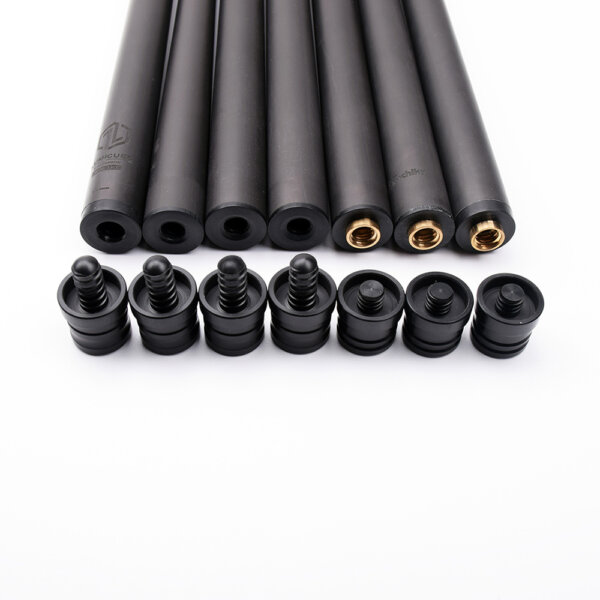
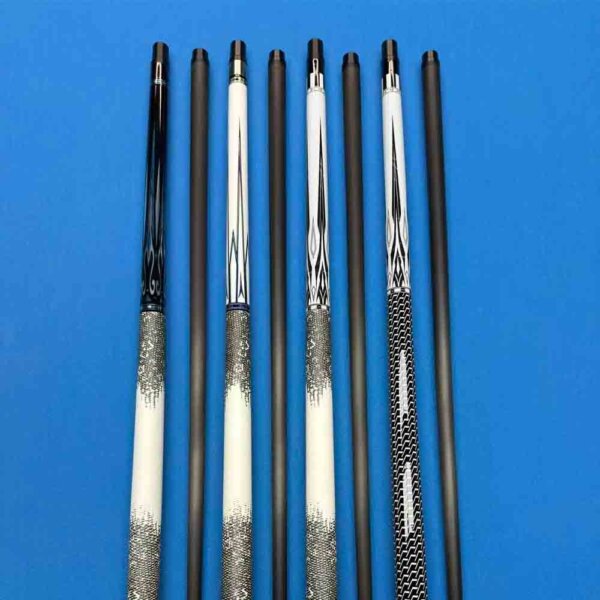
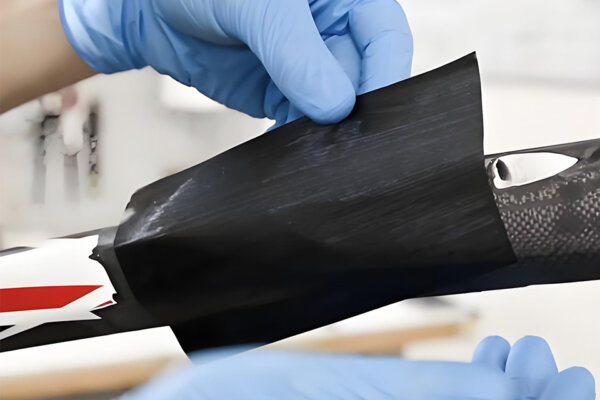
Kulfiberkompositmateriale Varmpressende støbningsproces
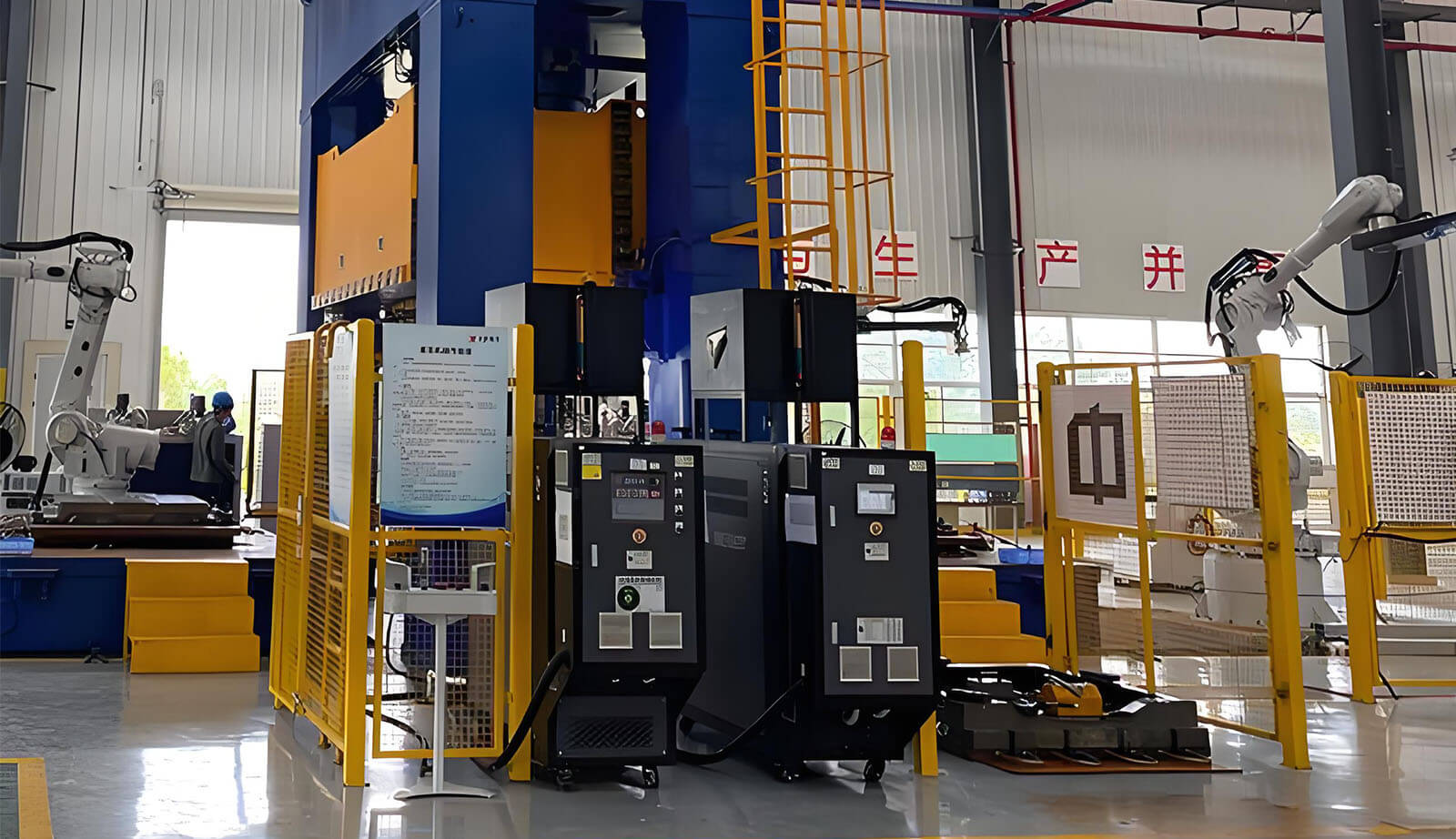
Vores fabrik anvender en avanceret kulfiber varmpresseproces med en P20 stålform, der sikrer høj effektivitet, præcision, holdbarhed og omkostningseffektivitet for kvalitetsproduktion.
Carbon fiber extrusion—including continuous pultrusion, thermoplastic composite extrusion, reactive extrusion, and extrusion-based additive manufacturing—has matured into one of the most advanced manufacturing routes for producing lightweight, high-stiffness, corrosion-resistant structural profiles.
Industries transitioning from aluminum extrusions now demand materials that deliver higher specific strength, near-zero thermal expansion, improved fatigue endurance, and superior dimensional stability. Carbon fiber composite profiles meet this requirement through controlled fiber orientation, engineered resin matrices, optimized fiber volume fraction (FVF), and precision die design.
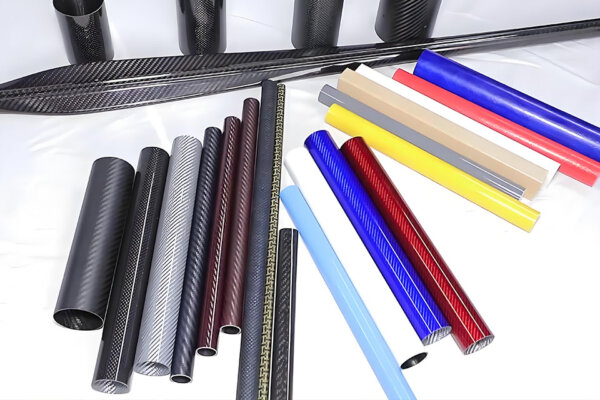
At the beginning of this article, we briefly note that Chinacarbonfibers is among the composite manufacturers (Producent af kulstofkomposit) capable of producing custom carbon fiber extruded tubes, rods, beams, and box sections—but the focus of this guide is not on sales. It is to help engineers, designers, and procurement teams fully understand the science, engineering, processes, and application logic behind carbon fiber extrusion.
Unlike metal extrusion (where molten metal is pushed through a die), carbon fiber extrusion refers to shaping continuous fiber-reinforced polymer composites using:
Each approach manipulates carbon fibers—typically derived from PAN precursors, pitch-based precursors, and processed through stabilization, carbonization, and graphitization—into high-performance structural profiles.
Carbon fiber extrusion integrates the following composite science elements:
These determine the final mechanical, thermal, and electrical performance of the extruded composite.
When requiring tailored solutions, some engineers rely on specialfremstillet kompositfabrik services to match fiber architecture and resin systems to specific performance targets.
| Ejendom | Kulfiberkomposit | Aluminum 6061-T6 | Fordel |
|---|---|---|---|
| Tæthed | 1.5–1.6 g/cm³ | 2,7 g/cm³ | ~42% lighter |
| Specific Strength | 600–1200 MPa/(g/cm³) | ~115 MPa/(g/cm³) | 5–10× higher |
| Specific Modulus | 70–150 GPa/(g/cm³) | ~26 GPa/(g/cm³) | 3–6× higher |
| CTE (Longitudinal) | –1 to +0.5 µm/m-K | 23.6 µm/m-K | near-zero expansion |
| Korrosion | Inert | Needs anodizing | maintenance-free |
| Fatigue failure | No yield point | Yielding & cracking | much longer life |
Strength-to-weight ratio Directly tied to continuous fiber alignment and high FVF.
Thermal stability Low coefficient of thermal expansion → stability in:
Fatigue endurance CFRP avoids metal fatigue because:
Corrosion resistance Carbon/epoxy systems are inert—crucial for marine & chemical environments.
Vibration damping 5× better damping than aluminum → quieter, more stable systems.
For automotive engineers, see examples in kulfiber biler.
Pultrusion is the most widely used continuous carbon fiber extrusion method.
Uses engineering polymers such as:
Can use:
A cutting-edge method where polymer curing occurs via exothermic chain reaction inside the die.
Controlled by:
Performance includes:
Industry key entities:
Process parameters that control defects:
For deeper tube specifications, refer to Carbon Fiber Tube China — Buyers Guide, Prices, Specs, and Suppliers.
Unidirectional (UD) rods with maximum axial stiffness.
Fiber architectures available:
For fully customized shapes, engineers frequently explore tilpasset kulfiber løsninger.
To understand fabrication techniques such as trimming and cutting, see: How to Cut Carbon Fiber Tube.
Provide:
Submit:
We advise:
Small batches for:
Typical lead times:
Quality checks include:
Q1: Is carbon fiber extrusion more expensive than aluminum? A: Initially, yes. However, the total cost of ownership is often lower when considering performance benefits: reduced energy consumption (lightweighting), zero maintenance (no corrosion), longer lifespan, and system-level savings (smaller actuators, less support structure).
Q2: How do I join or machine carbon fiber profiles? A: They can be machined (drilling, milling) with carbide tools and proper dust extraction. Joining is achieved via adhesive bonding (epoxy, methacrylate) or specialized mechanical fasteners. We provide detailed technical guides.
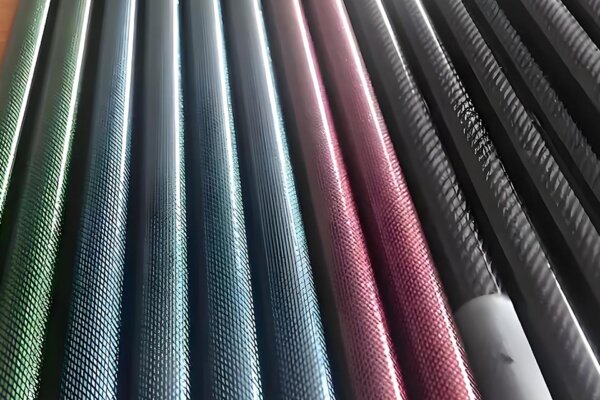
Q3: Can you match a specific color or surface finish? A: Yes. We offer various surface finishes (glossy, textured, painted) and can incorporate colored films or coatings during the extrusion process.
Q4: What are the minimum order quantities (MOQ)? A: For standard profiles, MOQ can be as low as 50 meters. For custom dies and profiles, please contact us for project-specific evaluation.
Q5: Do you provide material certifications? A: Absolutely. We supply full material traceability, batch testing reports, and can comply with industry-specific standards (e.g., aerospace, medical).
While the majority of this article provides purely technical and engineering insight, Chinacarbonfibers offers full-stack composite profile manufacturing:
Kontakt os E-mail: [email protected] WhatsApp: +86 13626191009
Vores fabrik anvender en avanceret kulfiber varmpresseproces med en P20 stålform, der sikrer høj effektivitet, præcision, holdbarhed og omkostningseffektivitet for kvalitetsproduktion.
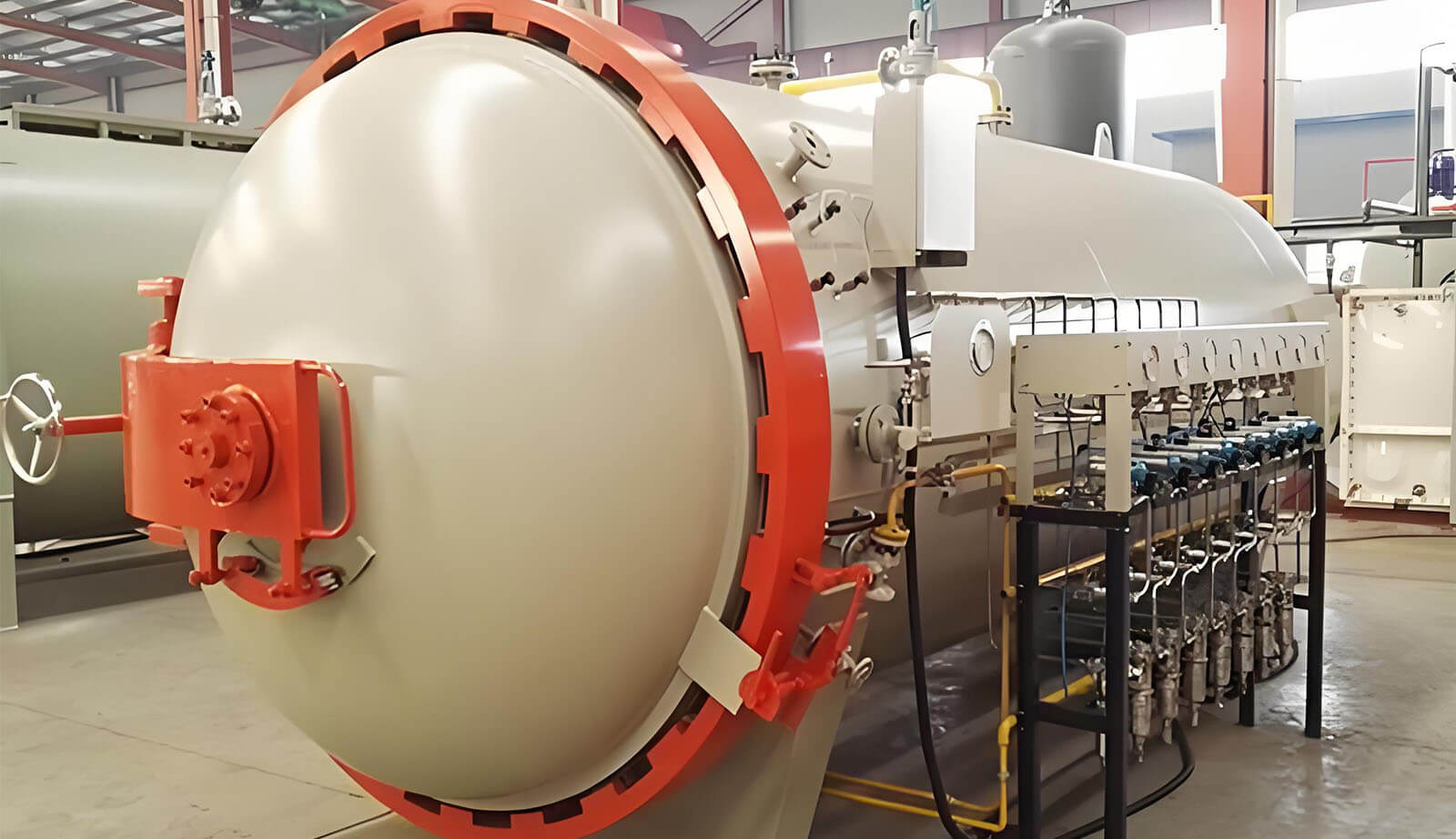
Vores fabrik kører mere end 100 varmtryksautoklaver ved hjælp af aluminiumsforme og vakuuminduktion til at forme kulfiber med præcision. Høj varme og tryk øger styrke, stabilitet og fejlfri kvalitet.
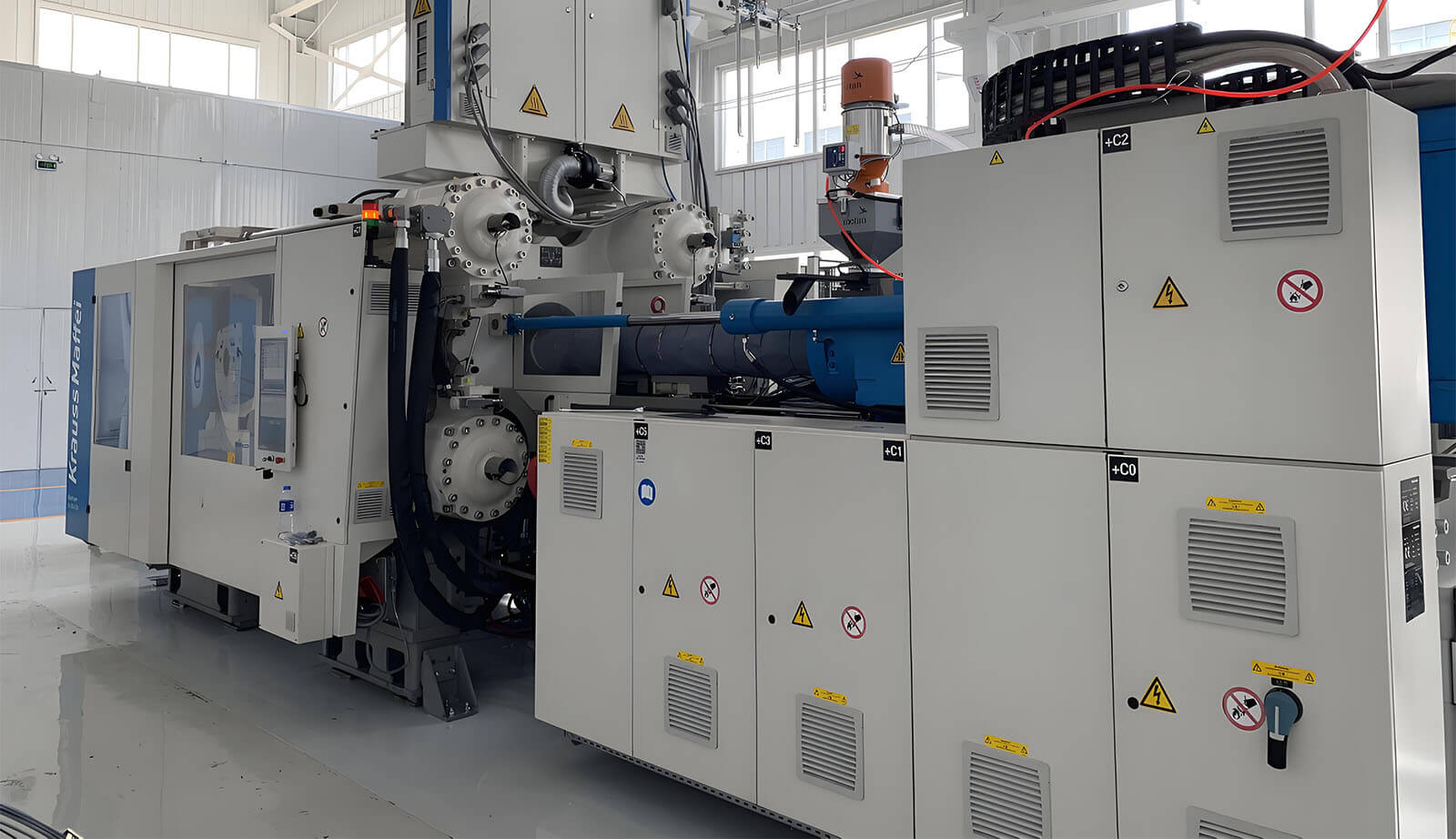
Vores Carbon Fiber Research Center driver innovation inden for ny energi, intelligens og letvægtsdesign ved at bruge avancerede kompositter og Krauss Maffei Fiber Form til at skabe banebrydende, kundefokuserede løsninger.
Her er svarene på de ofte stillede spørgsmål fra den erfarne kulfiberfabrik
Vi producerer en bred vifte af kulfiberkomponenter, herunder bildele, motorcykeldele, luftfartskomponenter, marinetilbehør, sportsudstyr og industrielle applikationer.
Vi bruger primært prepreg-kulfiber af høj kvalitet og kulfiberforstærkede højtydende kompositter med stort træk for at sikre styrke, holdbarhed og letvægtsegenskaber.
Ja, vores produkter er belagt med UV-beskyttende finish for at sikre langvarig holdbarhed og bevare deres polerede udseende.
Ja, vores faciliteter og udstyr er i stand til at producere kulfiberkomponenter i store størrelser og samtidig bevare præcision og kvalitet.
Hvad er fordelene ved at bruge kulfiberprodukter?
Kulfiber tilbyder enestående styrke-til-vægt-forhold, korrosionsbestandighed, stivhed, termisk stabilitet og et slankt, moderne udseende.
Vi henvender os til bil-, motorcykel-, rumfarts-, marine-, medicinsk-, sport- og industrisektorer med fokus på lette og højtydende kulfiberkomponenter.
Ja, vi leverer tilpasset kulfiber løsninger, der er skræddersyet til dine specifikationer, herunder unikke designs, størrelser og mønstre.
Vi bruger avancerede teknologier såsom autoklavestøbning, varmpresning og vakuumposning, hvilket sikrer præcision, stabilitet og kvalitet i hvert produkt. vidundere med Hello Elementor-temaet, vi forsøger at sikre, at det også fungerer godt med alle de store temaer.
Vi bruger aluminiums- og P20-stålforme, designet til holdbarhed og høj nøjagtighed, til at skabe komplekse og præcise kulfiberkomponenter.
Vores produkter gennemgår streng kvalitetskontrol, herunder dimensionsnøjagtighed, materialeintegritet og ydeevnetest, for at opfylde industristandarder.