
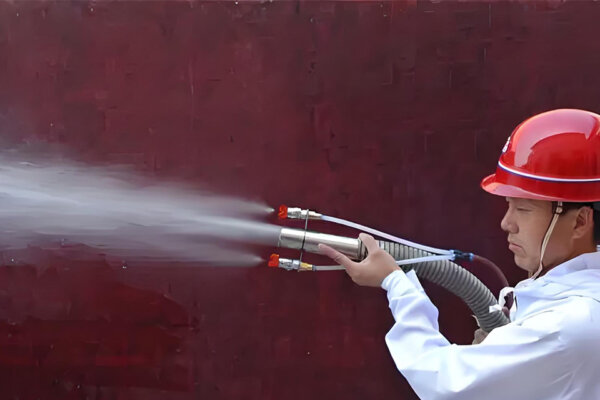
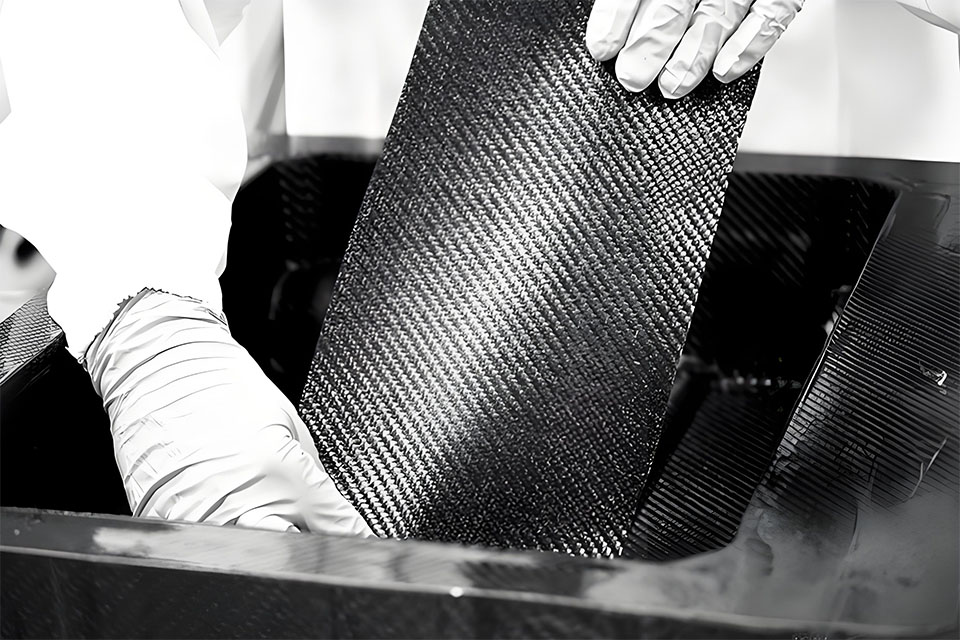
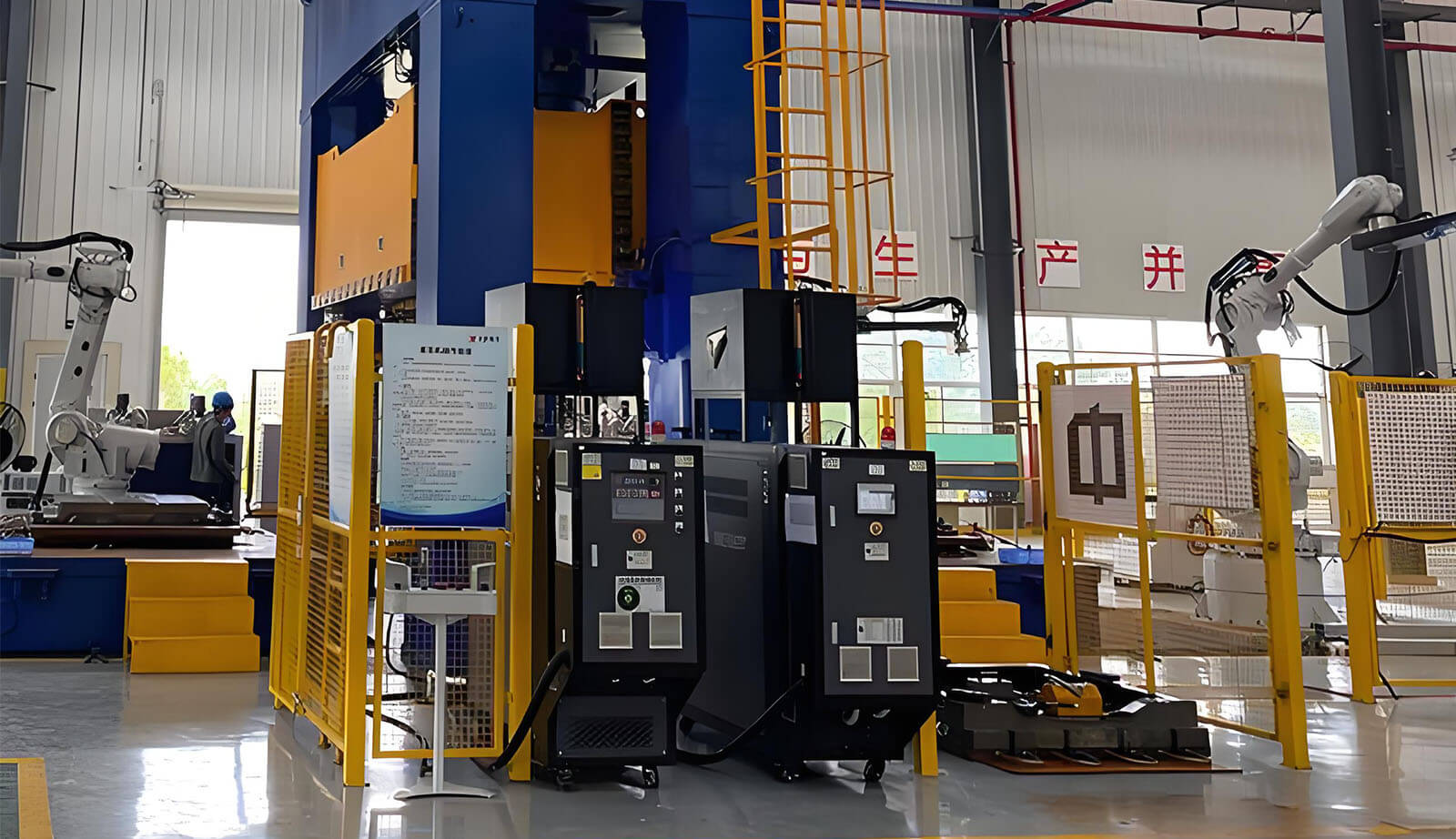
炭素繊維複合材料のホットプレス成形プロセス
当社工場では、P20 鋼製金型を使用した高度な炭素繊維ホットプレス工程を採用しており、高品質生産のための高効率、高精度、耐久性、コスト効率を保証しています。
Carbon composite ski poles are lightweight ski equipment made from カーボンファイバー materials. These poles help skiers move better on snow. They weigh less than metal poles. They are stronger than plastic poles. Many pro skiers use them.
Carbon fiber ski poles use the same materials as race cars and airplanes. The carbon-reinforced shafts bend but do not break easily. They absorb shock when you hit bumps. Your arms feel less tired after a long day.
| 特徴 | Carbon Composite | アルミニウム |
|---|---|---|
| 重さ | 180-350g per pole | 300-500g per pole |
| 振動 | Low shock transfer | High shock transfer |
| 耐久性 | Resists bending | Dents easily |
| 価格 | $80-$300 | $30-$100 |
| 最適な用途 | Racing, backcountry | Beginners, resort skiing |
Graphite ski poles 使用 fiberglass mixed with carbon. They cost less but weigh more. Pure high-modulus carbon poles give the best strength. A カーボンコンポジットメーカー makes poles using aerospace-grade carbon. This material is 5x stronger than steel but weighs less than wood.
Manufacturers start with unidirectional carbon layup sheets. These sheets stack in layers. Each layer points in one direction. This makes poles stiff ski poles but not brittle.
の resin infusion process glues the layers together. Hot ovens bake the poles at 300°F. This creates a thermoplastic composite poles structure. The final product passes ISO standards for ski poles tests.
Factories use molds to create tapered ski poles. The top is wider than the bottom. This design improves torsional rigidity. Poles twist less when you push hard.
Engineers test the flex rating for ski poles. They bend each pole 10,000 times. Good poles keep their shape. Bad poles crack or splinter. Our カスタムコンポジット工場 tests every batch before shipping.
Workers attach ergonomic grips made from foam or cork. They install quick-release straps that let you drop poles fast. They add reinforced tips made from hardened steel. Finally, they snap on powder baskets または racing baskets.
Downhill racing poles are the lightest models. They weigh 180-250g per pole. FIS-approved models meet competition rules. Brands like Leki, Swix、 そして Atomic make top racing poles.
Slalom ski poles are shorter for quick turns. Giant slalom poles are longer for big turns. Both use fixed-length ski poles so racers know exactly where their hands sit.
特徴:
All-mountain ski poles work on groomed runs and off-piste ski poles terrain. They balance weight and strength. Most weigh 280-320g per pole.
Backcountry ski poles often have adjustable ski poles features. You make them shorter for uphill climbs. You make them longer for downhill runs. Touring ski poles fold into three pieces for backpack storage.
特徴:
Park ski poles need to survive crashes. They use hybrid carbon ski poles construction. This mixes carbon with fiberglass for extra 耐衝撃性. Shorter poles (100-120cm) help with tricks.
特徴:
いくつかの cross-country ski poles use carbon for elite racers. These poles are very long (140-160cm). They help push forward on flat ground. The carbon makes them light enough to swing fast.
特徴:
Leki 作る premium carbon ski poles used by Mikaela Shiffrin。 Leki Carbon FX model weighs 210g. It uses high-modulus carbon poles technology. Prices start at $200.
Black Diamond focuses on backcountry ski poles。 Black Diamond Expedition Carbon has three adjustable sections. It folds to 40cm for storage. Weight: 320g per pole. Price: $180.
Swix 作る race-specific ski poles for World Cup athletes. The Swix Quantum Carbon weighs 205g. It has a カーボンファイバー織り模様 you can see through the clear coating. Price: $250.
Rossignol offers all-mountain のようなモデルがある。 Rossignol Hero Carbon. These poles cost $120-$160. They use intermediate-modulus carbon for a good price-to-performance ratio.
Atomic を作る Atomic Redster Carbon for slalom racing. At 195g, it’s one of the lightest ski poles available. Lindsey Vonn used Atomic poles during her career. Price: $220.
カーボンファイバー has the best weight-to-strength ratio of any ski pole material. Engineers measure this with the tensile modulus test. Good poles score 500+ GPa (gigapascals). This means they are very strong but still light.
The same technology appears in カーボンファイバーカー. Race cars use carbon to go faster. Skiers use carbon to ski faster.
ねじり剛性 means poles don’t twist. When you plant a pole in hard snow, it should stay straight. Unidirectional carbon layup creates this stiffness.
Some poles have a flex rating number. Lower numbers mean stiffer poles. Racers want 1-2 flex. Freestylers want 3-4 flex for some bend.
Fatigue life of carbon poles measures how long they last. Good poles handle 50,000+ bends without cracking. Cheap poles fail after 10,000 bends.
の carbon layup technology affects this. More layers mean longer life but more weight. Most poles use 8-12 carbon layers.
Carbon poles can crack if you hit rocks hard. Hybrid carbon ski poles mix fiberglass at stress points. This adds 耐衝撃性. The pole might dent but won’t shatter.
Reinforced tips made from steel protect the bottom. Some poles have carbon/glass fiber blend sections in the lower shaft.
Shock-absorbing ski poles reduce arm pain. When you ski on ice, vibrations travel up the pole. Carbon absorbs 60% of these shocks. Aluminum only absorbs 20%.
Harmonic dampening technology uses the natural properties of carbon fiber. The material flexes slightly to absorb energy. Your arms feel less tired after 10 runs.
Flip a pole upside down. Hold the tip. Your elbow should bend at 90 degrees. This is your correct length.
General sizing:
Ski pole sizing chart:
| 高さ | Alpine Length | Backcountry Length | Racing Length |
|---|---|---|---|
| 5’0″ (152cm) | 100-105cm | 105-110cm | 95-100cm |
| 5’4″ (163cm) | 110-115cm | 115-120cm | 105-110cm |
| 5’8″ (173cm) | 115-120cm | 120-125cm | 110-115cm |
| 6’0″ (183cm) | 120-125cm | 125-130cm | 115-120cm |
| 6’4″ (193cm) | 130-135cm | 135-140cm | 125-130cm |
Carbon fiber handles come in three styles:
Ergonomic grips have angled shapes that fit your hand. They reduce wrist strain. Anti-slip grips have textured surfaces.
Quick-release straps let you drop poles fast in emergencies. Pull a tab and your hand slides out. This helps during falls or avalanches.
Traditional straps loop around your wrist. They keep poles attached when you plant them. Moisture-wicking straps dry fast and don’t smell bad.
Match baskets to snow conditions:
ほとんど interchangeable baskets twist on and off. You can swap them in 10 seconds. Keep multiple sets in your car.
Cost of carbon ski poles ranges widely:
Why the price difference?
For most skiers, a $120-$160 pole works great. Only racers need $250+ poles.
Downhill racing poles help you tuck efficiently. Short poles stay out of the way at 80+ mph. Slalom ski poles punch gates without breaking. Giant slalom poles balance speed and control.
Pro racers like Marcel Hirscher そして Bode Miller used carbon poles for racing. They shaved seconds by reducing weight. At the Winter X Games, athletes choose poles that survive crashes.
Key tips:
Carbon poles for backcountry make long tours easier. Lighter poles mean less energy used. Adjustable ski poles work best for varied terrain.
At resorts like Whistler Blackcomb そして Chamonix, guides recommend carbon for steep descents. Candide Thovex uses carbon in his extreme freeride videos.
Key tips:
All-mountain ski poles handle everything from groomers to moguls. Popular at St. Moritz そして Kitzbühel, these poles suit 90% of skiers.
Key tips:
Carbon poles for freestyle need extra durability. When hitting rails and boxes, poles take abuse. K2 Carbon Freestyle and similar models use hybrid carbon 工事。
Key tips:
Preventing carbon pole damage:
Carbon pole stress fractures appear as fine lines. If you see cracks:
Replacing carbon pole baskets:
When to replace ski poles:
モダン カスタムカーボンファイバー processes create better poles each year. Innovations in ski pole tech 含む:
当社工場では、P20 鋼製金型を使用した高度な炭素繊維ホットプレス工程を採用しており、高品質生産のための高効率、高精度、耐久性、コスト効率を保証しています。
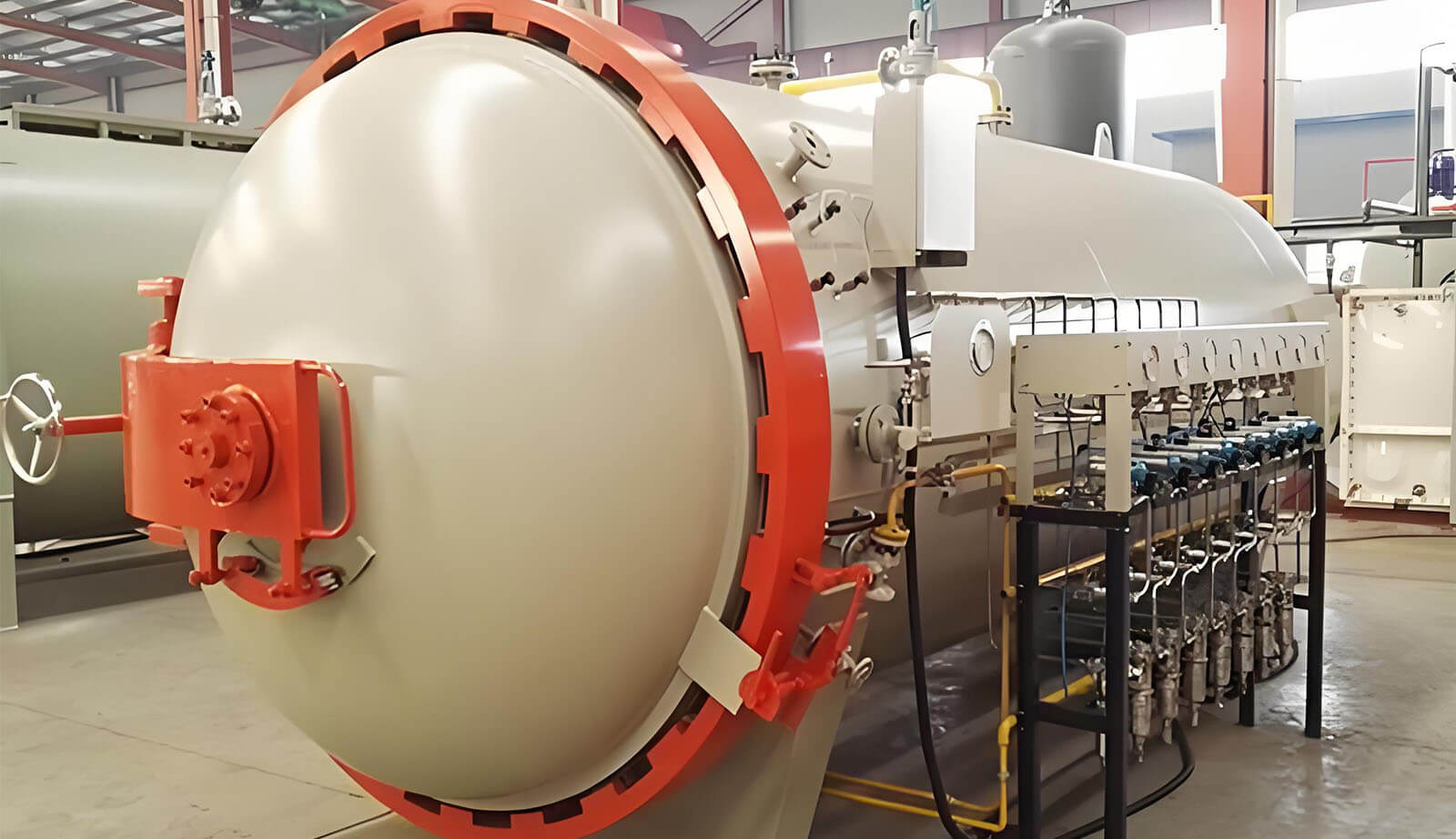
当社の工場では、100 台以上の高温高圧オートクレーブを稼働させ、アルミニウムの型と真空誘導法を使用してカーボン ファイバーを精密に成形しています。高熱と高圧により、強度、安定性、完璧な品質が向上します。
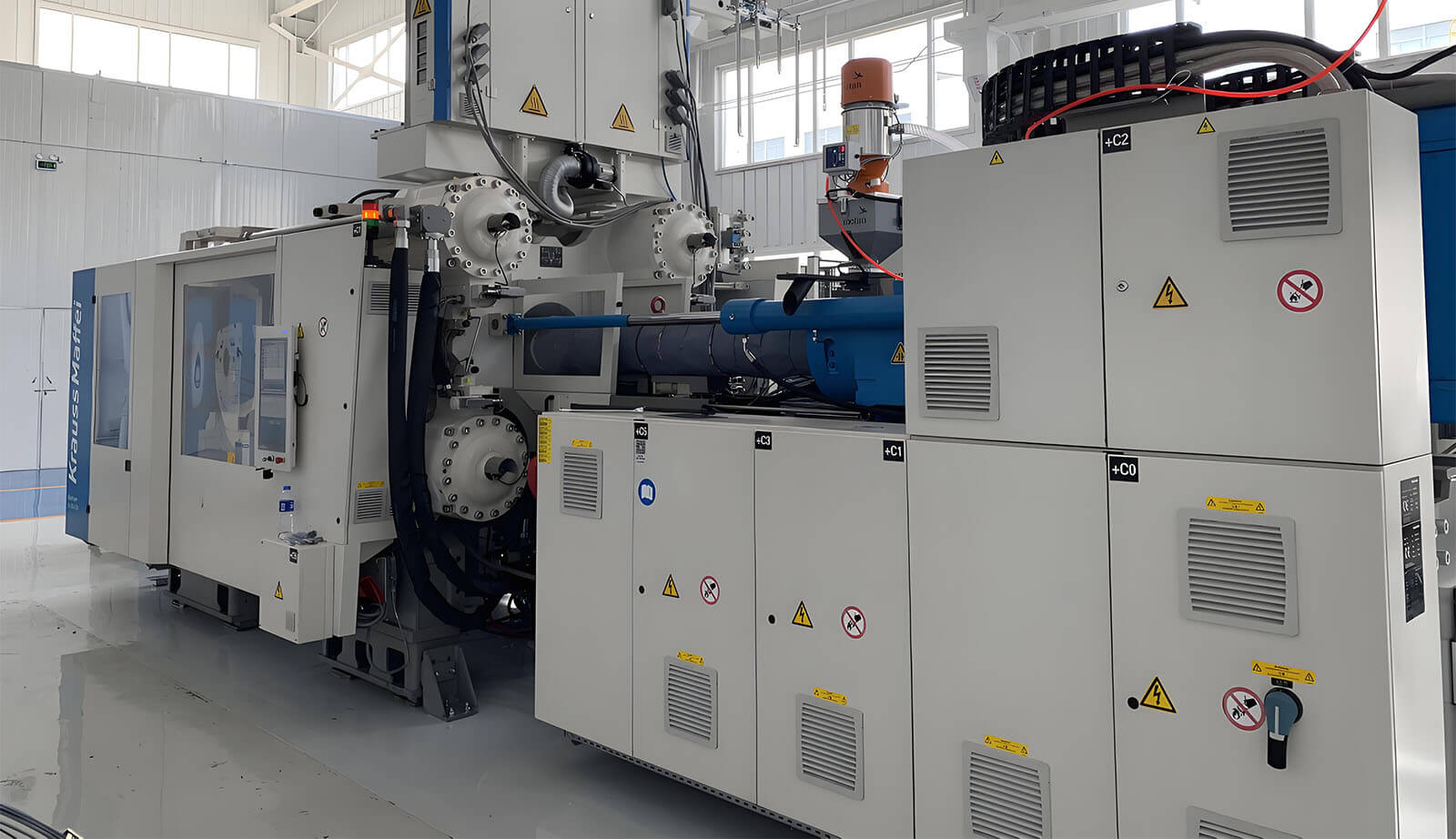
当社の炭素繊維研究センターは、先進的な複合材と Krauss Maffei ファイバーフォームを使用して、新エネルギー、インテリジェンス、軽量設計のイノベーションを推進し、最先端の顧客重視のソリューションを生み出しています。
経験豊富な炭素繊維製品工場からのよくある質問への回答は次のとおりです。
当社は、自動車部品、オートバイ部品、航空宇宙部品、船舶アクセサリー、スポーツ用品、産業用途など、幅広い炭素繊維部品を製造しています。
当社では、強度、耐久性、軽量特性を確保するために、主に高品質のプリプレグ炭素繊維とラージトウ炭素繊維強化高性能複合材料を使用しています。
はい、当社の製品は UV 保護仕上げでコーティングされており、耐久性が長持ちし、磨き上げられた外観が維持されます。
はい、弊社の設備は精度と品質を維持しながら大型の炭素繊維部品を生産する能力を備えています。
カーボンファイバー製品を使用する利点は何ですか?
カーボンファイバーは、優れた強度対重量比、耐腐食性、剛性、熱安定性、そして洗練されたモダンな外観を備えています。
当社は、軽量で高性能なカーボンファイバー部品を中心に、自動車、オートバイ、航空宇宙、海洋、医療、スポーツ、産業の各分野にサービスを提供しています。
はい。 カスタムカーボンファイバー ユニークなデザイン、サイズ、パターンなど、お客様の仕様に合わせたソリューションを提供します。
当社では、オートクレーブ成形、ホットプレス、真空バッグなどの高度な技術を活用し、すべての製品の精度、安定性、品質を確保しています。Hello Elementor テーマで素晴らしい成果を上げている当社では、このテーマがすべての主要テーマでも問題なく動作するように努めています。
当社では、耐久性と高精度を実現するように設計されたアルミニウムと P20 スチールの金型を使用して、複雑で精密なカーボン ファイバー部品を製造しています。
当社の製品は、業界標準を満たすために、寸法精度、材料の完全性、性能テストなどの厳格な品質管理チェックを受けています。