

炭素繊維複合材料のホットプレス成形プロセス
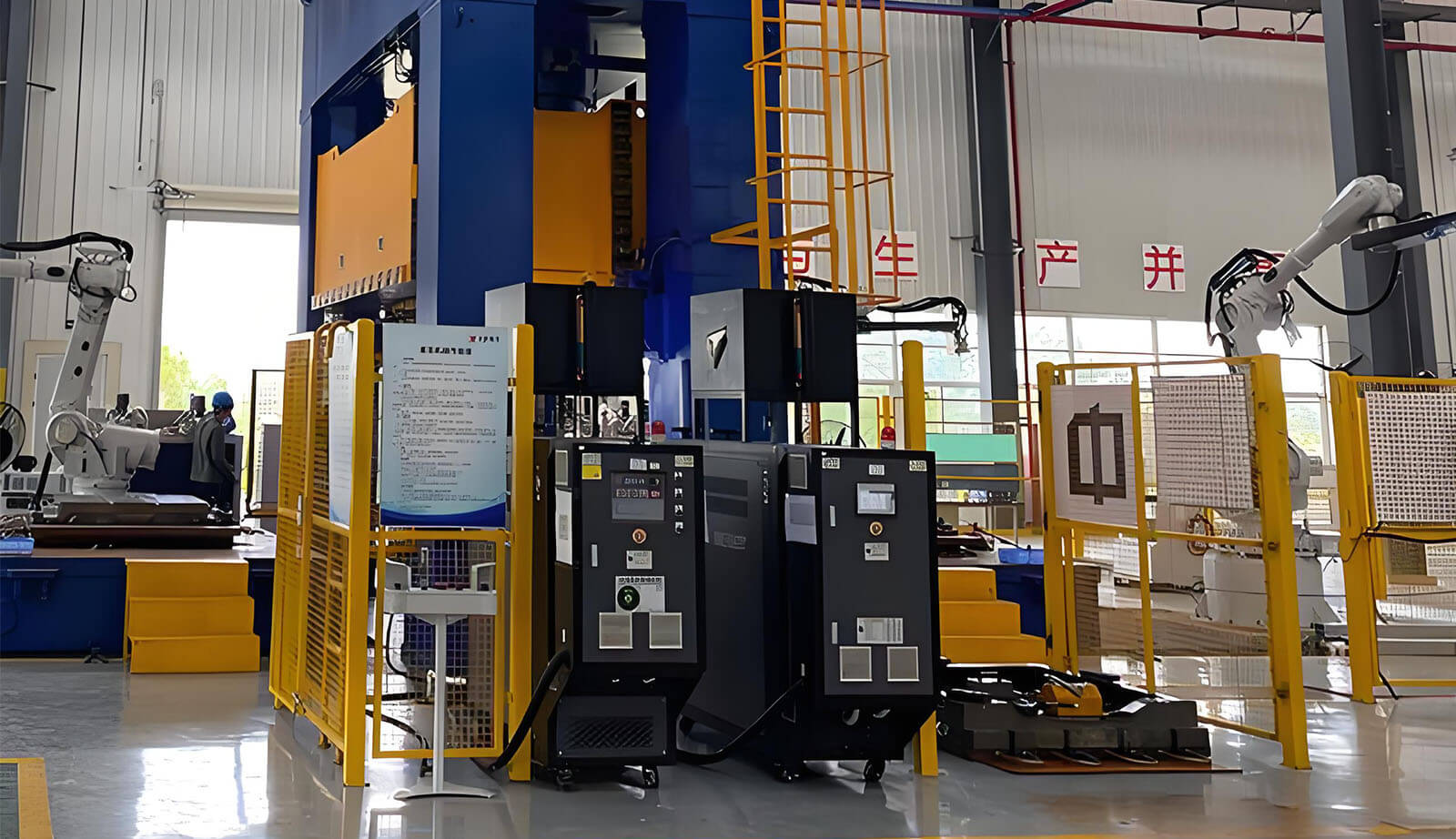
当社工場では、P20 鋼製金型を使用した高度な炭素繊維ホットプレス工程を採用しており、高品質生産のための高効率、高精度、耐久性、コスト効率を保証しています。
A carbon fiber robotic exoskeleton is a wearable robotic system designed to enhance human strength, endurance, and mobility. By combining lightweight carbon fiber structures with motors, sensors, and intelligent control systems, these exoskeletons assist users with lifting, walking, and repetitive physical tasks while reducing fatigue.
Often compared to science-fiction concepts, modern powered exoskeletons are already used across industrial workplaces, medical rehabilitation environments, and defense-related research programs. Their effectiveness comes from integrating aerospace-grade carbon fiber composites with advanced robotics developed by experienced カーボンコンポジットメーカー.
Carbon fiber is widely recognized for its 卓越した強度対重量比, offering significantly higher stiffness than many traditional metals while remaining substantially lighter. Key advantages include:
These characteristics make carbon fiber especially suitable for wearable robotics, where excessive weight or rigidity would reduce comfort and increase injury risk.
Our carbon composite manufacturing process—developed within a professional カスタムコンポジット工場— is designed to produce high-strength, lightweight structural frames optimized for robotic exoskeleton applications.
In many cases, this includes closed-mold techniques such as the RTM carbon fiber process, which enables precise fiber placement, consistent wall thickness, and excellent surface quality—key requirements for wearable robotic structures.
A robotic exoskeleton typically consists of four core subsystems:
The structural backbone of the system. Carbon fiber reinforcement forms load-bearing components that follow human anatomy, allowing natural movement while maintaining strength under mechanical load. Similar structural principles are also applied in advanced カーボンファイバーカー where weight reduction and stiffness are critical.
These components provide assisted motion and load support. Common actuator systems include:
Motion sensors track joint position, speed, and force. Intelligent control algorithms interpret these signals to provide near real-time responsiveness, enabling smooth and intuitive assistance.
Some advanced research platforms explore bio-signal interfaces, such as EMG-based muscle sensing, which remain under active development and evaluation.
Most powered exoskeletons use lithium-ion battery systems designed for several hours of operation. Depending on configuration, some systems support battery replacement without full system removal.
Different applications require different exoskeleton designs. Below is a simplified overview:
Designed to support workers in warehouses, factories, and construction environments.
Typical Applications
Systems in this category are designed to significantly reduce perceived physical load, helping lower strain during extended work periods. Industrial programs report meaningful reductions in musculoskeletal stress when systems are properly integrated.
Used in clinical and therapeutic settings to assist individuals recovering from neurological or musculoskeletal conditions.
Typical Applications
Medical robotic systems are commonly deployed in hospitals and rehabilitation centers, where structured programs report improved therapy efficiency and patient engagement compared to conventional methods.
Developed for load-bearing support and endurance enhancement in demanding environments.
Typical Applications
Defense organizations and government-funded research programs have evaluated exoskeleton technologies for durability, load support, and operational endurance in controlled testing environments.
Lightweight systems intended for daily support rather than powered strength amplification.
Typical Applications
These systems are often passive or semi-active and focus on comfort, ease of use, and long-term wearability.
| 特徴 | 産業 | 医学 | Defense | Consumer |
|---|---|---|---|---|
| Typical Weight | ~12 lbs | ~8 lbs | ~15 lbs | ~6 lbs |
| Load Assistance | 高い | 中程度 | 高い | 低い |
| Battery Duration | Several hours | Several hours | Extended | 限定 |
| Actuation | Electric / Hydraulic | Electric | Electromechanical | Passive |
| Primary Use | Workplace support | Rehabilitation | Load endurance | Daily assistance |
Specifications vary by configuration and application.
Exoskeleton systems are designed to redistribute mechanical load away from vulnerable joints and the spine, reducing physical strain during demanding tasks.
By assisting movement and load handling, users can perform tasks more efficiently while maintaining consistent output.
Organizations may benefit from reduced injury-related downtime, improved workforce sustainability, and more efficient task allocation.
Assistive systems can help users regain mobility, maintain independence, and perform daily activities with greater confidence.
Key considerations include:
Specialized applications—such as pediatric rehabilitation or prosthetic integration—often require カスタムカーボンファイバー structures developed by an experienced carbon composite manufacturer.
Exoskeleton programs may involve compliance with:
Designs are typically developed to align with applicable standards, with certification pursued based on application scope and regulatory requirements.
Ongoing research suggests continued advancement toward more intuitive, lightweight, and user-friendly systems.
We work alongside robotics teams, engineers, and system integrators to deliver custom carbon fiber structures for exoskeleton platforms, supported by in-house composite engineering and production capabilities.
Our designs focus on strength, durability, and ergonomic integration, supporting projects across industrial, medical, and research applications.
How much does a carbon fiber exoskeleton cost? Pricing varies widely depending on complexity and application, ranging from entry-level assistive systems to advanced industrial or research platforms.
How long does the battery last? Most powered systems operate for several hours, depending on load and usage profile.
Is training required? Passive systems require minimal training. Active systems typically include onboarding and operational guidance.
What maintenance is required? Carbon fiber structures require minimal maintenance, with periodic inspection recommended for professional systems.
Whether you are developing an industrial support system、 medical rehabilitation platform, or an advanced research exoskeleton, we can support your project from concept to production.
The future of strength and mobility is being built today. Build it with carbon fiber. Build it with us.
当社工場では、P20 鋼製金型を使用した高度な炭素繊維ホットプレス工程を採用しており、高品質生産のための高効率、高精度、耐久性、コスト効率を保証しています。
当社の工場では、100 台以上の高温高圧オートクレーブを稼働させ、アルミニウムの型と真空誘導法を使用してカーボン ファイバーを精密に成形しています。高熱と高圧により、強度、安定性、完璧な品質が向上します。
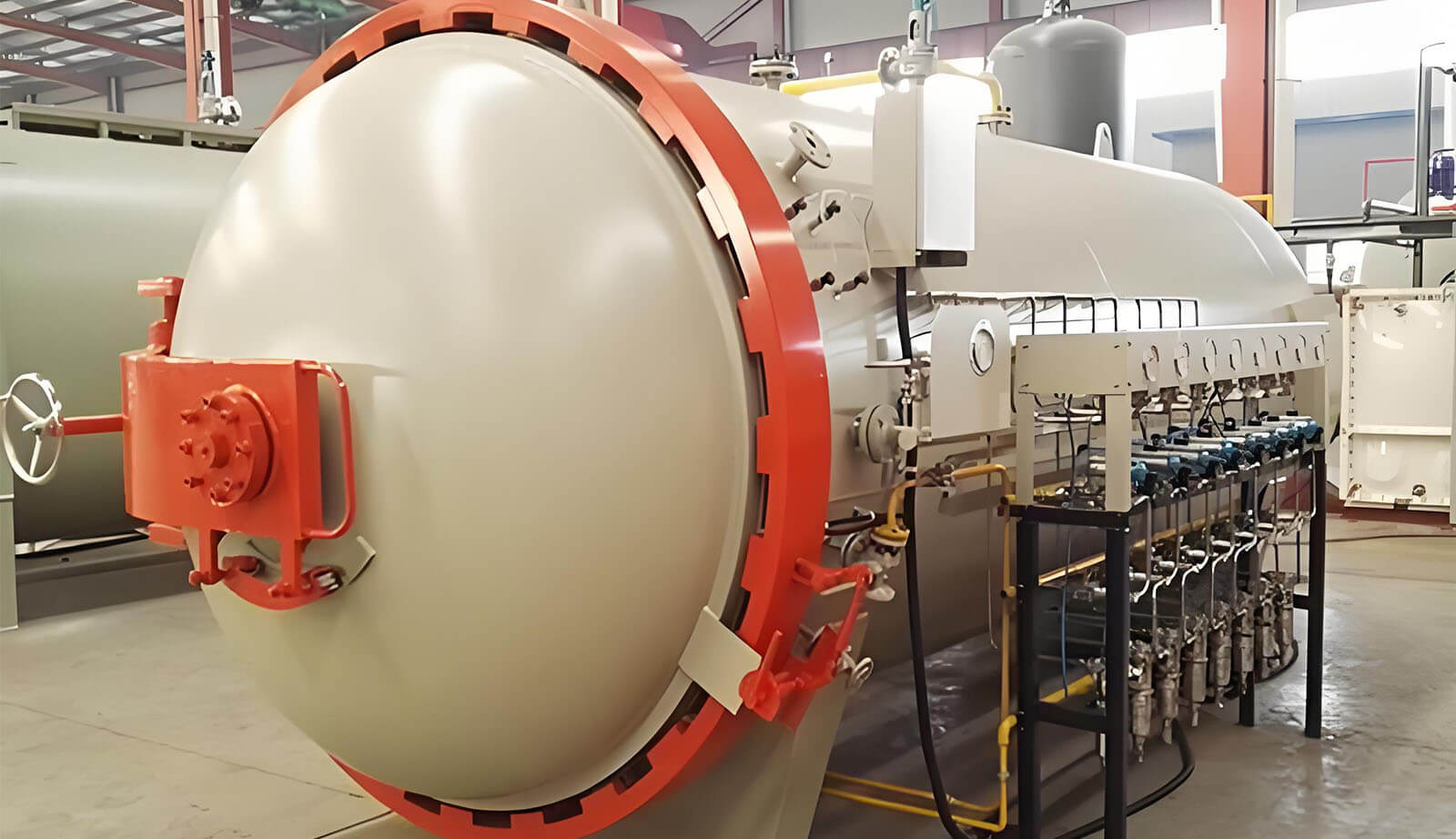
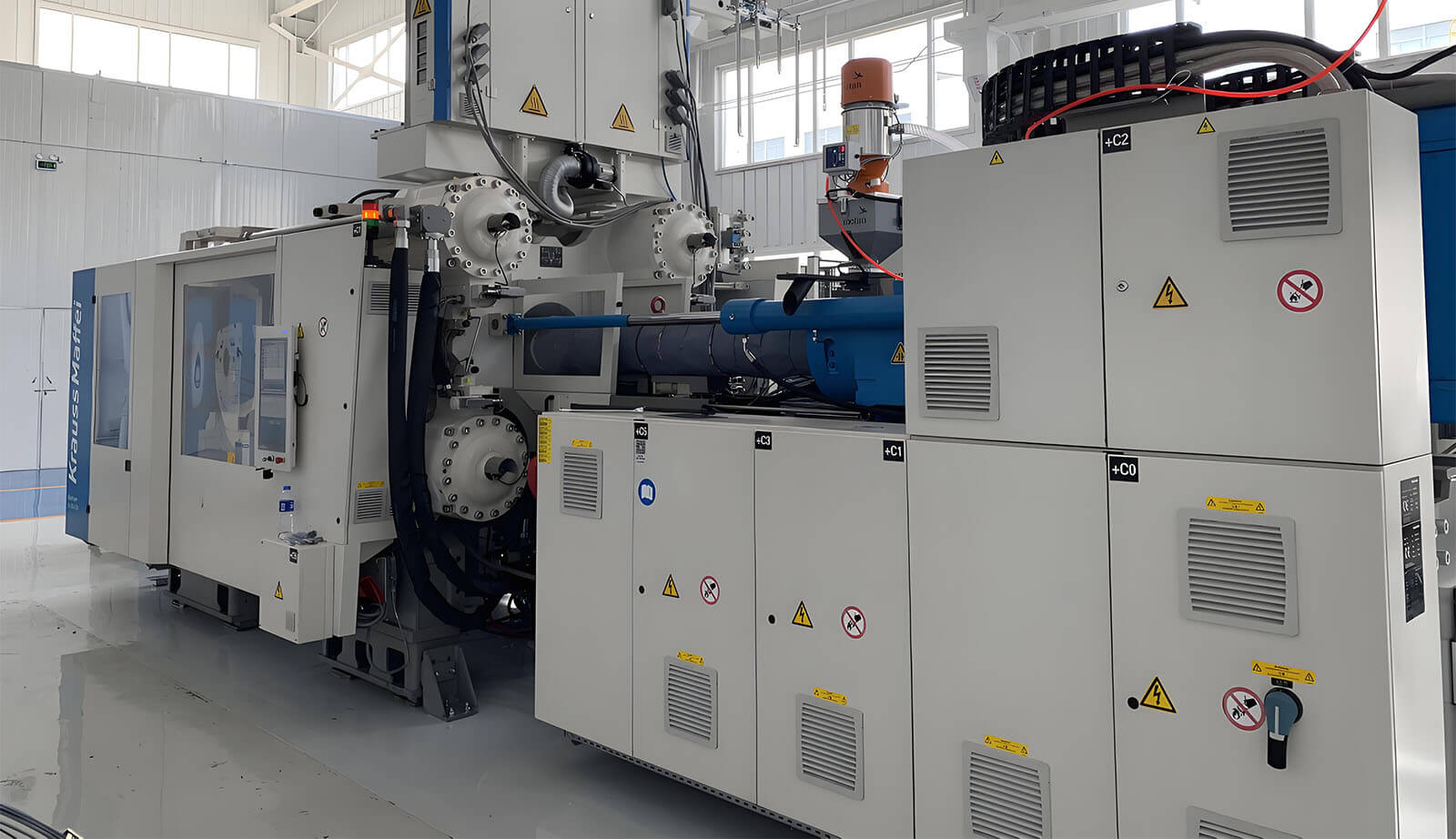
当社の炭素繊維研究センターは、先進的な複合材料と Krauss Maffei FiberForm を使用して、新エネルギー、インテリジェンス、軽量設計におけるイノベーションを推進し、最先端の顧客重視のソリューションを生み出しています。
経験豊富な炭素繊維製品工場からのよくある質問への回答は次のとおりです。
当社は、自動車部品、オートバイ部品、航空宇宙部品、船舶アクセサリー、スポーツ用品、産業用途など、幅広い炭素繊維部品を製造しています。
当社では、強度、耐久性、軽量特性を確保するために、主に高品質のプリプレグ炭素繊維とラージトウ炭素繊維強化高性能複合材料を使用しています。
はい、当社の製品は UV 保護仕上げでコーティングされており、耐久性が長持ちし、磨き上げられた外観が維持されます。
はい、弊社の設備は精度と品質を維持しながら大型の炭素繊維部品を生産する能力を備えています。
カーボンファイバー製品を使用する利点は何ですか?
カーボンファイバーは、優れた強度対重量比、耐腐食性、剛性、熱安定性、そして洗練されたモダンな外観を備えています。
当社は、軽量で高性能なカーボンファイバー部品を中心に、自動車、オートバイ、航空宇宙、海洋、医療、スポーツ、産業の各分野にサービスを提供しています。
はい、当社では独自のデザイン、サイズ、パターンなど、お客様の仕様に合わせたカスタムカーボンファイバーソリューションを提供しています。
当社では、オートクレーブ成形、ホットプレス、真空バッグなどの高度な技術を活用し、すべての製品の精度、安定性、品質を確保しています。Hello Elementor テーマで素晴らしい成果を上げている当社では、このテーマがすべての主要テーマでも問題なく動作するように努めています。
当社では、耐久性と高精度を実現するように設計されたアルミニウムと P20 スチールの金型を使用して、複雑で精密なカーボン ファイバー部品を製造しています。
当社の製品は、業界標準を満たすために、寸法精度、材料の完全性、性能テストなどの厳格な品質管理チェックを受けています。