
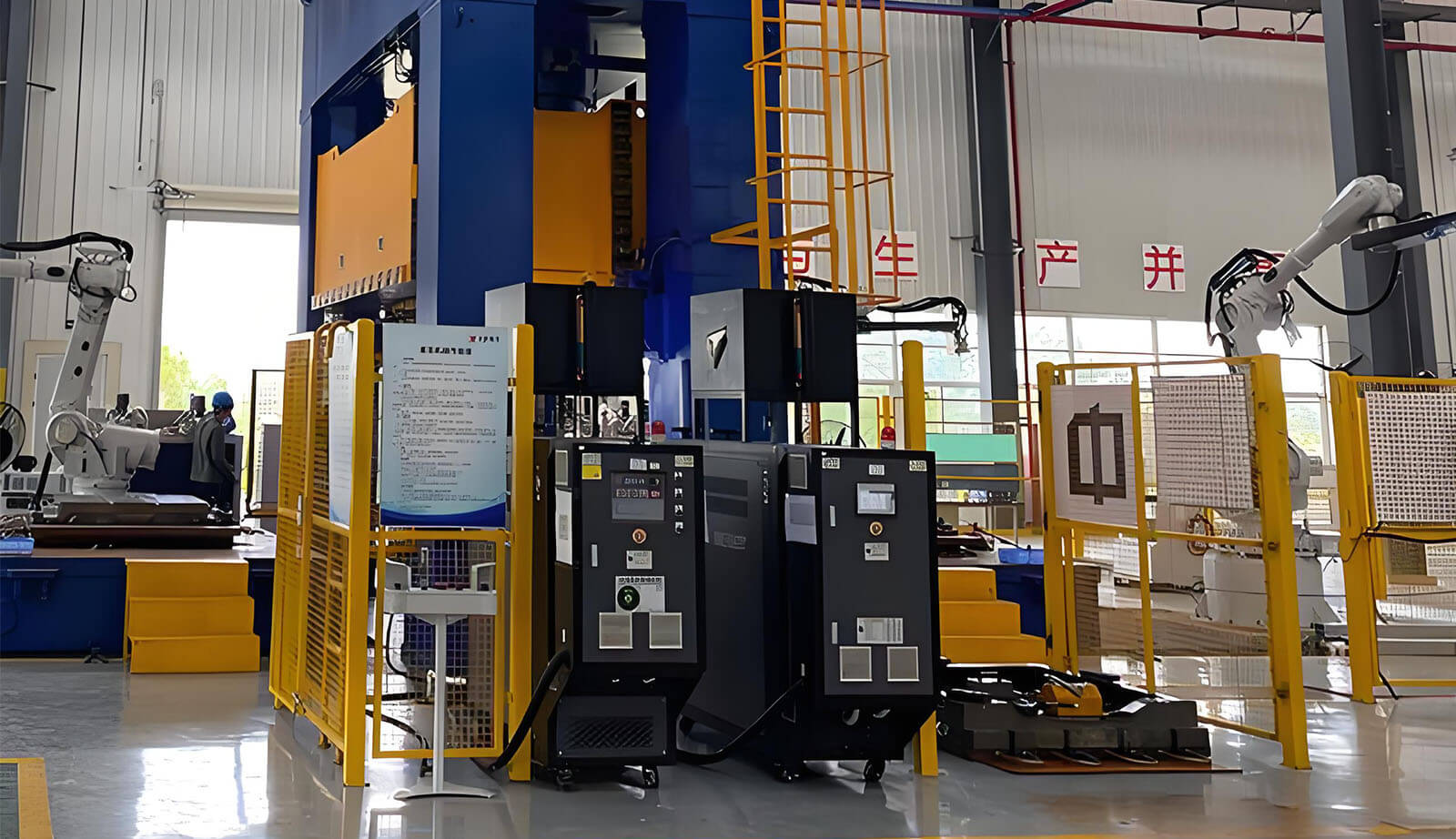
カーボンファイバー複合材料のホットプレス成形工程
当工場はP20鋼型を用いた先進的なカーボンファイバーホットプレス工程を採用し、高効率、精密、耐久性、コスト効果を実現し高品質な生産を確保しています。
ソーラーパネルは長持ちさせたいものです。暴風雨や積雪、長時間の日照にも耐えられる信頼性が必要です。そこで カーボンファイバー・ソーラー・マウントシステム は、従来の金属構造に代わる魅力的な選択肢を提供する。.
従来の素材には限界がある。鋼鉄は重量が増し、腐食に弱い。アルミニウムは軽量だが、時間とともに変形し、沿岸の過酷な環境では不利になる。炭素繊維強化ポリマー(CFRP)は、対照的に、次のような特徴を兼ね備えている。 高強度、軽量、長期耐久性.
として カーボン複合材料製造業者 構造用複合材料で深い経験を持つ当社は、従来の材料では不十分な、要求の厳しいソーラー用途向けに設計された炭素繊維マウントシステムを設計しています。.
カーボンファイバーは、非常に優れた特性を備えている。 強度重量比. .従来のアルミニウム製ソーラー架台に比べ、カーボンファイバー製架台は、以下のような利点があります。 通常、構造重量は約40-60%減少する。, システム構成と用途による。.
屋上の場合、この削減効果は大きい。死荷重の低減は屋根構造の保護に役立ち、古い建物への設置の可能性を広げ、長期的な構造的ストレスを軽減する。.
軽量であるにもかかわらず、カーボンファイバー・マウントシステムは サイト固有の設計荷重をサポートするように設計されている、を含む:
これらのシステムは、適用される構造規格に基づいて設計され、プロジェクト固有の計算によって検証されます。.
炭素繊維複合材料は以下を提供する 優れた耐食性、耐湿性、耐紫外線性. .沿岸部や産業環境で腐食する可能性のある金属製ソーラー架台とは異なり、CFRP構造は長期にわたって安定した機械的性能を維持します。.
試験と現場での使用により、一般的に以下のような広い温度範囲で信頼性の高い性能が実証されています。 -40°F~185°F, そのため、炭素繊維は砂漠や沿岸、寒冷地での使用に適している。.
炭素繊維は非金属であるため、塩水噴霧、化学薬品への暴露、電解腐食に対して本質的に耐性があり、長期的な太陽光発電(PV)マウントシステムにとって重要な利点となる。.
軽量マウントシステムは、次のような場合に特に有効である。 瓦屋根、老朽化した建物、改修プロジェクト. .システム全体の重量を減らすことで、炭素繊維マウントは、従来の金属製システムでは構造上の限界を超える可能性があるシナリオでのソーラー設置を可能にします。.
この重量効率によって、住宅用および商業用のソーラー・ソリューションを安全に採用できる建物の範囲が広がる。.
以下はその一例である。 典型的な材料レベルの比較 をご参照ください。実際のシステム性能は、エンジニアリング設計およびプロジェクト条件によって異なる。.
| 特徴 | カーボンファイバー | アルミニウム | 鋼 |
|---|---|---|---|
| 構造重量 | 非常に低い | 中程度 | 高 |
| 耐食性 | 素晴らしい | 中程度(沿岸地域に限る) | ロー |
| 熱膨張 | 非常に低い | 中程度 | 高 |
| 電気伝導度 | 非導電性 | 導電性 | 導電性 |
| 期待耐用年数 | 30年以上 | 15~20年 | 10~15年 |
カーボンファイバー製ソーラー架台は その土地特有の風荷重と積雪荷重の要件を満たすように設計されている。, ハリケーンや大雪に見舞われる地域も含まれる。.
取り付けポイントあたりの耐荷重は、以下の方法で決定される:
このアプローチにより、過剰な設計や不必要な材料の使用をすることなく、構造的な信頼性を確保することができる。.
熱膨張と熱収縮は、金属マウントシステムにおける長期的な応力の一般的な原因です。炭素繊維は 非常に低い熱膨張, アライメントを維持し、繰り返される温度サイクルによる疲労を軽減する。.
また、炭素繊維は非導電性であるため、寒冷地では氷の付着を最小限に抑え、高温環境では熱による変形を抑えることができる。.
として カスタム複合材料工場, 私たちは、航空宇宙とモータースポーツの複合材製造の原理を太陽電池マウント・アプリケーションに応用しています。.
で使用されているのと同じ工学的方法論である。 カーボンファイバー車-材料の選択、ラミネートの設計、品質管理など、一貫した構造性能を保証するために適用される。.
各取付部品は、再現性と長期信頼性を保証するために、寸法検査と工程管理を受けています。.
カーボンファイバー・ソーラー・マウントシステムは、次のような用途に設計されています。 効率的な設置と拡張性. .モジュラー・コンポーネントにより、屋上設置や地上設置に柔軟に対応できる。.
代表的な特徴は以下の通り:
これらのモジュラー設計は、構造的完全性を維持しながら、設置時間を短縮します。.
システム・コンポーネント 関連する国際規格に準拠した設計, UL 2703およびIEC要求事項を含む。認証および第三者試験も可能です。 ご要望に応じて, プロジェクトの範囲と構成による。.
地域固有のアプリケーションについては、エンジニアリング・サポートが対応する:
炭素繊維は塩水噴霧や湿度に対する耐性があるため、金属製システムの劣化が加速する沿岸部での使用に適している。.
大規模な太陽電池アレイの場合、構造体の重量を減らすことで輸送コストを削減し、現場での取り扱いを簡素化します。モジュール式の炭素繊維構造は、広い設置面積でのスケーラブルな展開もサポートします。.
浮体式太陽光発電システムは、軽量で非導電性の架台構造から恩恵を受けます。炭素繊維の耐湿性と耐腐食性は、水上設置に信頼性の高いソリューションを提供します。.
熱伝導率が低いため氷の蓄積が少なく、積雪の多い地域で凍結融解を繰り返しても構造的安定性を保つことができる。.
建築用太陽光発電の用途では、すっきりとしたラインと視覚的な影響を最小限に抑えることが求められます。カーボンファイバー製マウントシステムは、近代的な建築デザインや先進的なBIPVコンセプトとよく調和します。.
軽量コンポジットマウントシステムは、輸送効率と迅速な展開が重要な移動式、仮設、遠隔地の太陽光発電設備に適しています。.
カーボンファイバー製ソーラー架台は通常、アルミニウム製架台よりも初期投資が高い。しかし, 総ライフサイクルコストはより低いことが多い による:
長期的なプロジェクトの場合、ライフサイクル性能は、多くの場合、初期の材料コストに勝る。.
システムは 10年保証 標準的な契約条件に従い、材料および構造的性能をカバーする。.
軽量マウントシステムであっても、設置前に必ず屋根の状態と耐荷重を評価する必要があります。.
調整可能なチルト構成により、季節ごとの太陽角度に最適化することができ、異なる緯度にわたってエネルギー収量を向上させることができる。.
炭素繊維は非導電性ですが、PVモジュールと電気システムは、適用される電気法規に従って接地する必要があります。.
カーボンファイバー・マウントシステムは、長期的な持続可能性の目標に合致しています。その耐久性により交換サイクルが短縮され、複合材製造はアルミニウム製錬に伴う高いエネルギー強度を回避します。.
製造工程は管理された環境慣行に従い、複合材料は耐用年数の終了後に再利用することができる。.
カーボンファイバー・マウントシステムに対応:
最新のインバーター、エネルギー貯蔵ソリューション、監視システムと統合される。.
各プロジェクトは、デザインレビューから始まる:
のスペシャリストとして カスタムカーボンファイバー ソリューションでは、標準的なソーラーマウント・アプリケーションと完全にカスタマイズされたソーラーマウント・アプリケーションの両方をサポートしています。.
カーボンファイバー・ソーラー・マウント・システムは 再生可能エネルギーインフラのための次世代ソリューション, 特に、軽量設計、耐食性、長期耐久性が重要な用途に適している。.
実績のある複合工学の原理をソーラー架台に応用することで、これらのシステムは、性能や寿命を損なうことなく、従来の金属構造に代わる信頼性の高い選択肢を提供します。.
高性能ソーラー設備用の先端素材を評価するなら、炭素繊維マウントシステムは真剣に検討する価値がある。.
当工場はP20鋼型を用いた先進的なカーボンファイバーホットプレス工程を採用し、高効率、精密、耐久性、コスト効果を実現し高品質な生産を確保しています。
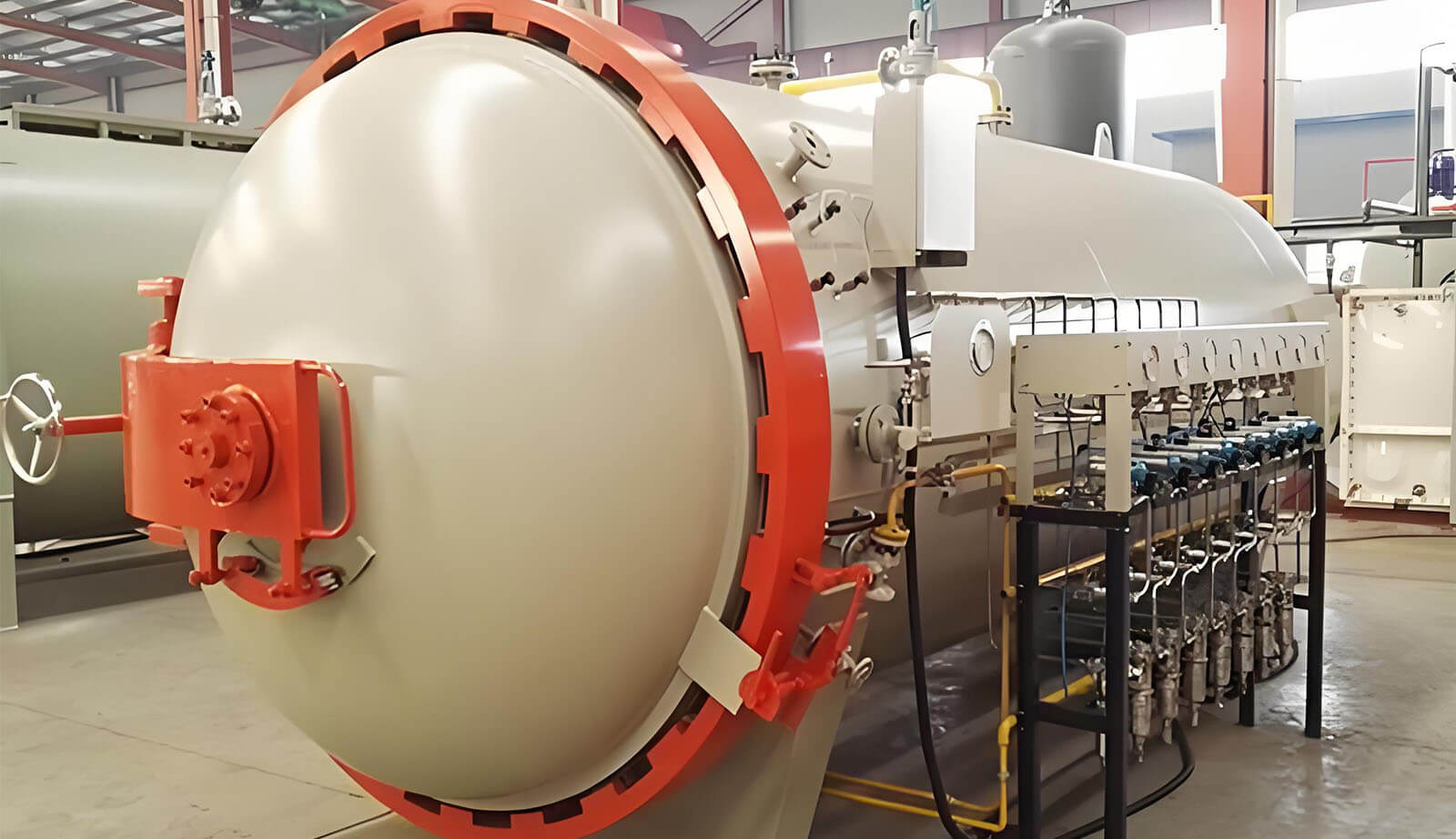
当工場は100台以上の高圧加熱オートクレーブを稼働させ、アルミ型と真空誘導を用いて精密にカーボンファイバーを成形しています。高温・高圧により強度と安定性、完璧な品質が向上します。
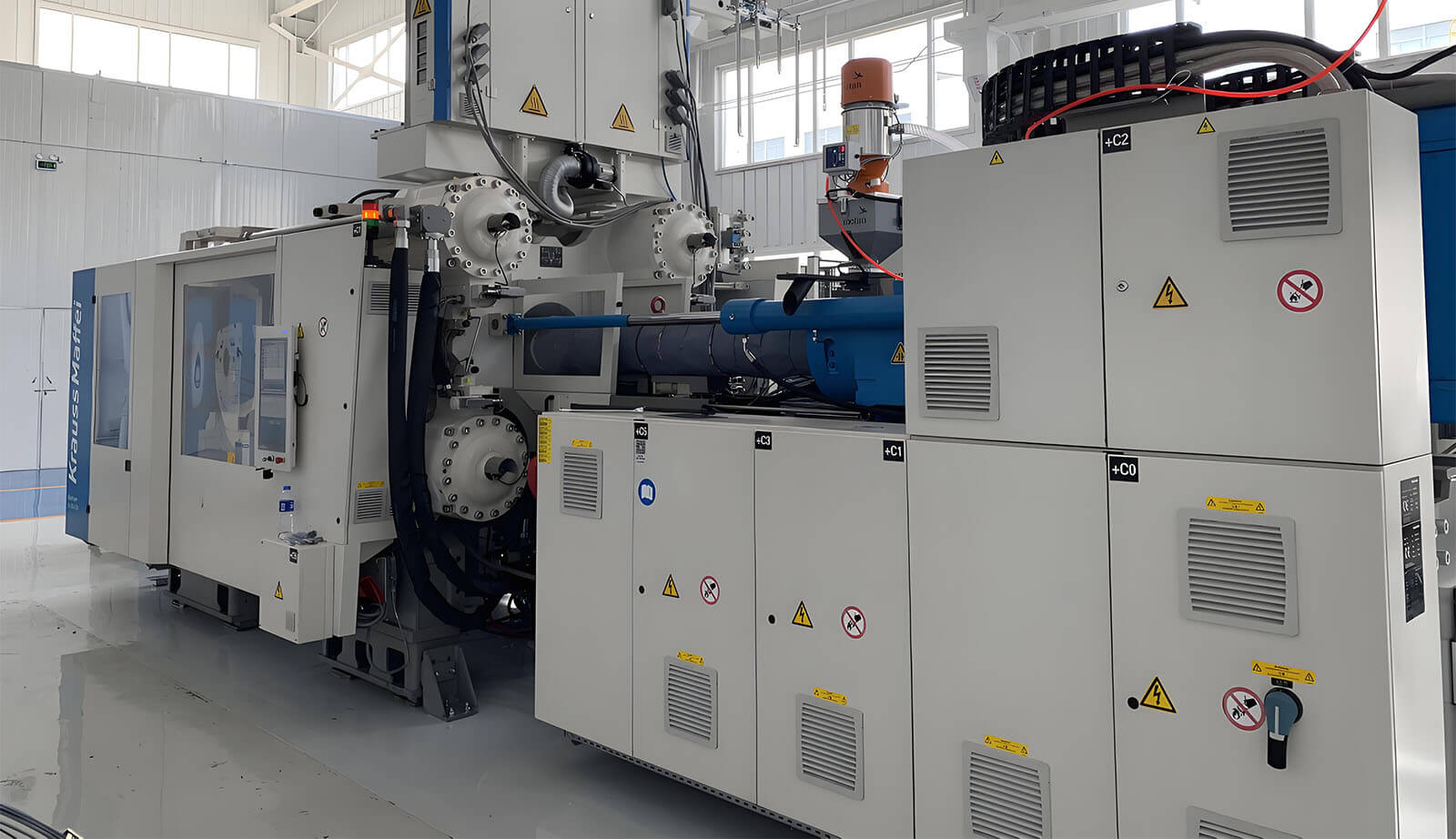
当社のカーボンファイバー研究センターは、新エネルギー、知能化、軽量設計の革新を推進し、先進的な複合材料とクラウスマッフェイ ファイバーフォームを使用して最先端かつ顧客志向のソリューションを提供します。
経験豊富なカーボンファイバー製品工場からのよくある質問への回答をご案内します。
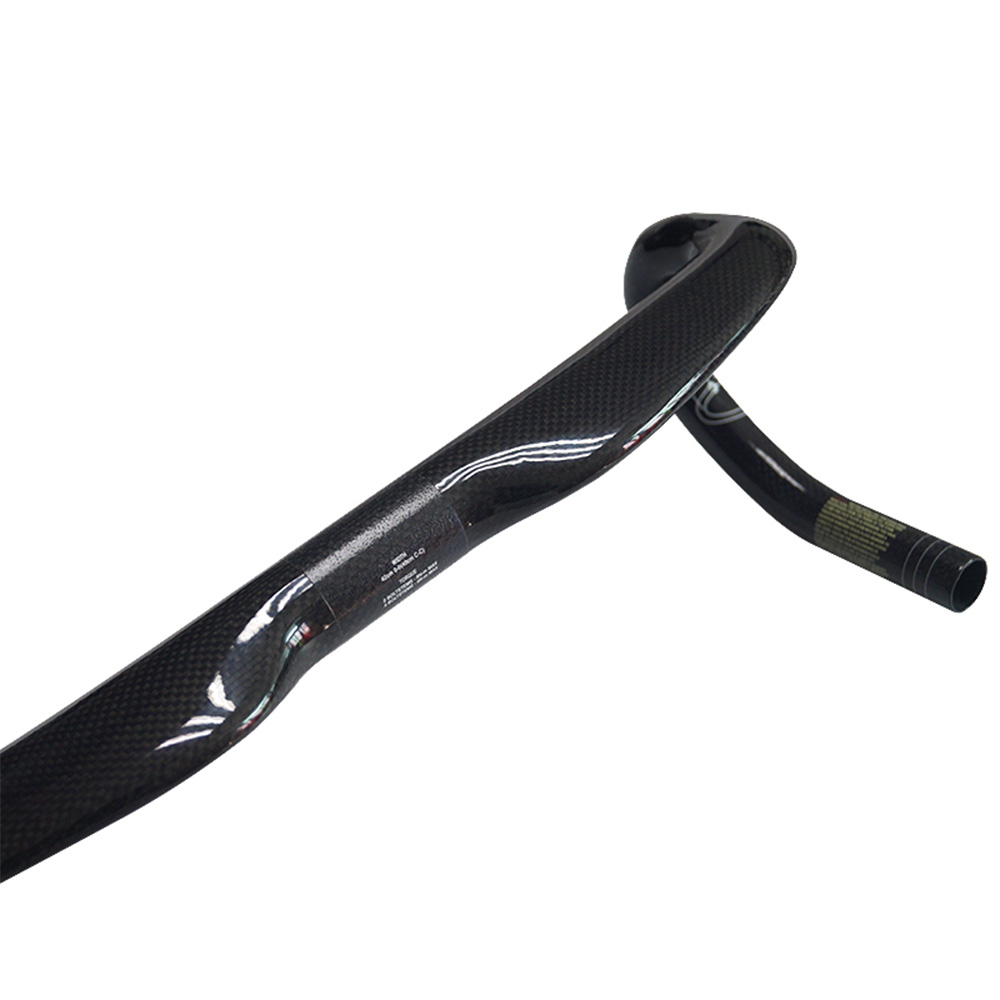
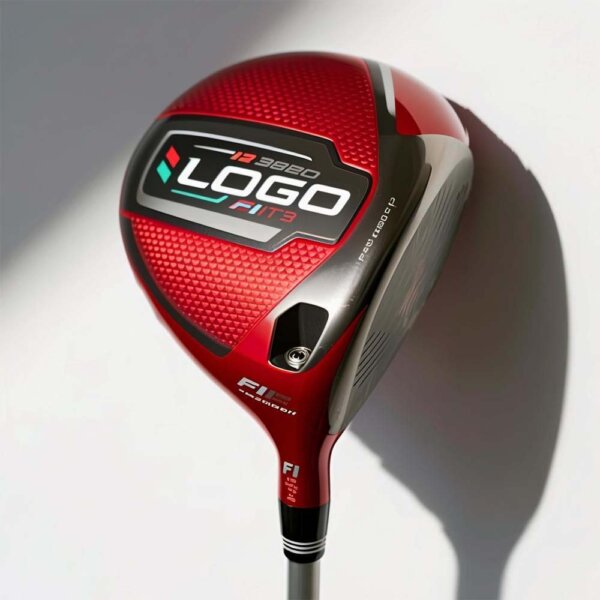
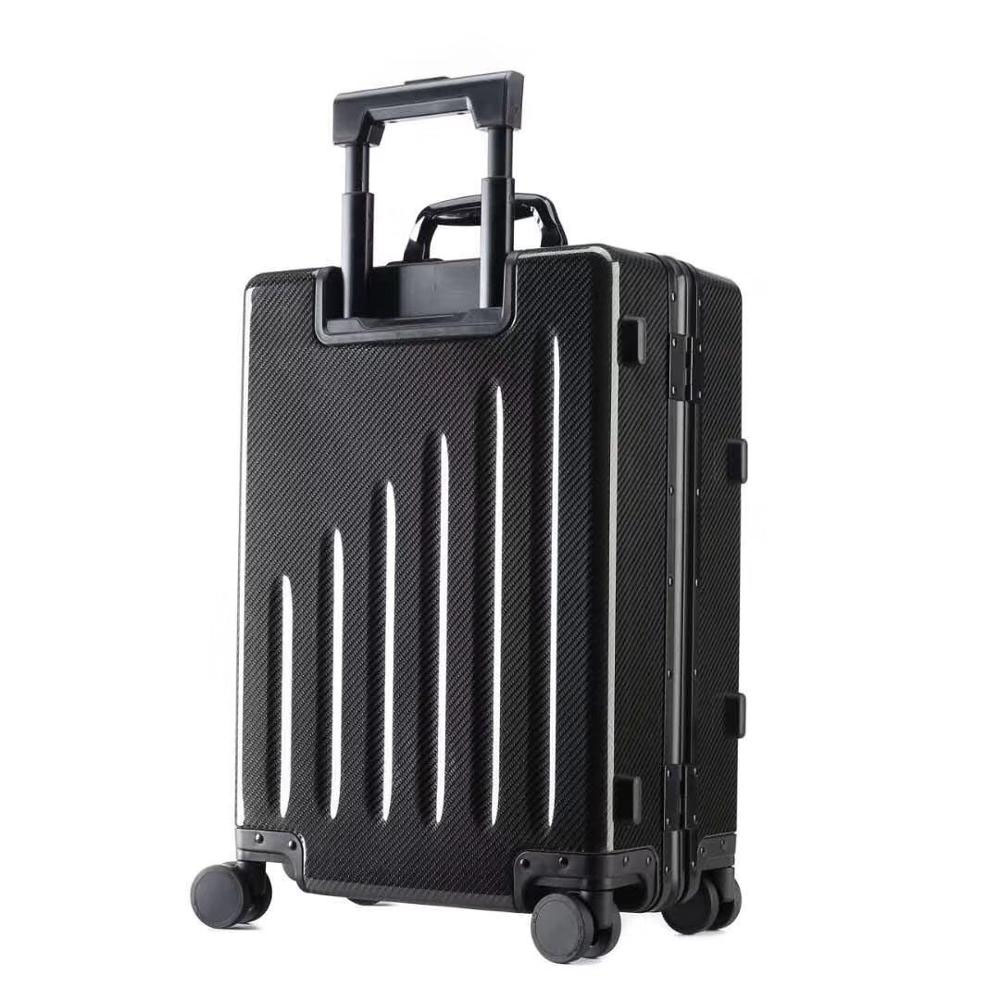
自動車部品、オートバイ部品、航空宇宙部品、海洋アクセサリー、スポーツ用品、産業用途など、幅広いカーボンファイバーコンポーネントを製造しています。
主に高品質のプリプレグカーボンファイバーと大トウカーボンファイバー強化高性能複合材料を使用し、強度、耐久性、軽量特性を確保しています。
はい、当社の製品はUV保護仕上げが施されており、長持ちする耐久性を保ち、光沢のある外観を維持します。
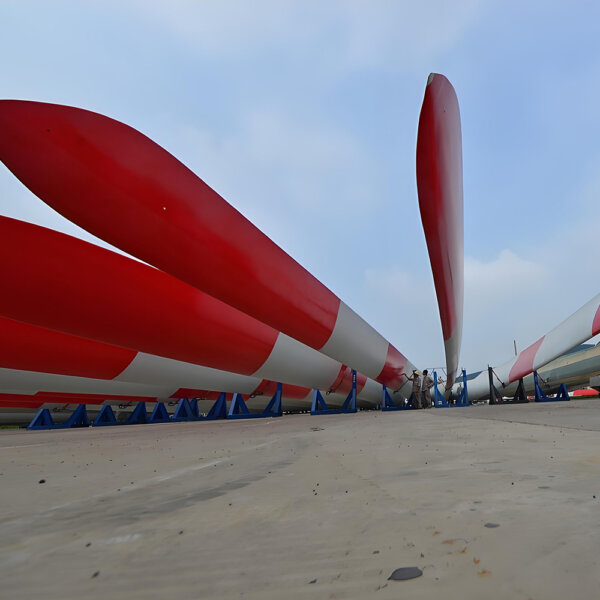
はい、当社の設備と機器は精度と品質を維持しながら大型カーボンファイバーコンポーネントの製造が可能です。
カーボンファイバー製品の利点は何ですか?
カーボンファイバーは優れた強度対重量比、耐腐食性、剛性、熱安定性、そして洗練された現代的な外観を提供します。
自動車、オートバイ、航空宇宙、海洋、医療、スポーツ、工業分野に対応し、軽量で高性能なカーボンファイバー部品を提供しています。
はい、私たちは独自のデザイン、サイズ、パターンを含む、お客様の仕様に合わせたカスタムカーボンファイバーソリューションを提供しています。
オートクレーブ成形、ホットプレス、真空バッグ成形などの先進技術を用い、精度、安定性、品質を確保した製品づくりを行っています。
耐久性と高精度を備えたアルミ型およびP20鋼型を使用し、複雑で精密なカーボンファイバー部品を製造しています。
寸法精度、材料の完全性、性能試験など厳格な品質管理を実施し、業界基準を満たしています。