

炭素繊維複合材料のホットプレス成形プロセス
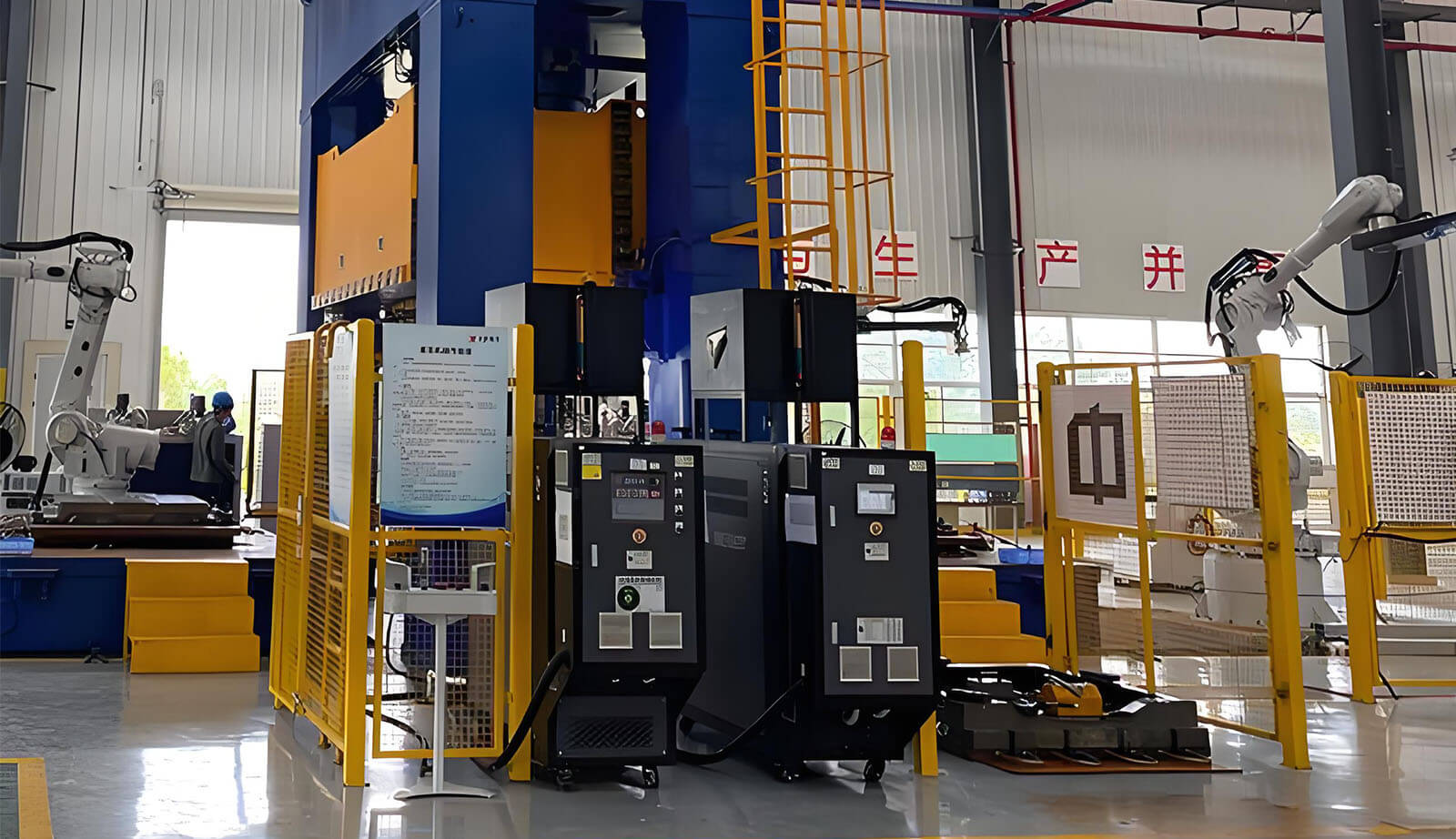
当社工場では、P20 鋼製金型を使用した高度な炭素繊維ホットプレス工程を採用しており、高品質生産のための高効率、高精度、耐久性、コスト効率を保証しています。
Lightweight composite materials have become essential in modern high-performance automotive design. A carbon fiber hood (carbon bonnet) is one of the most effective upgrades for the Toyota Supra platform — whether you drive a GR Supra A90/A91, a MK5, or a JZA80 with a legendary 2JZ engine. Many owners upgrading their hoods also explore broader カーボンファイバーカー options to optimize exterior performance.
Unlike many articles that focus only on appearance, this guide provides a complete engineering deep dive, covering:
Structural behavior of CFRP Airflow & heat extraction Fitment for A90/A91 and JZA80 Dry vs wet vs double-sided carbon Venting styles (TS / TSII / TSIII / TV / VS / TR / KB) Safety, hood pins, latch load, and gas strut compatibility Thermal behavior (engine bay temperatures, resin performance) Crash behavior of composite hoods Road-legal compliance Shipping, packaging, maintenance, and FAQ This is the most comprehensive Supra carbon fiber hood guide available — written from a composite engineering perspective.
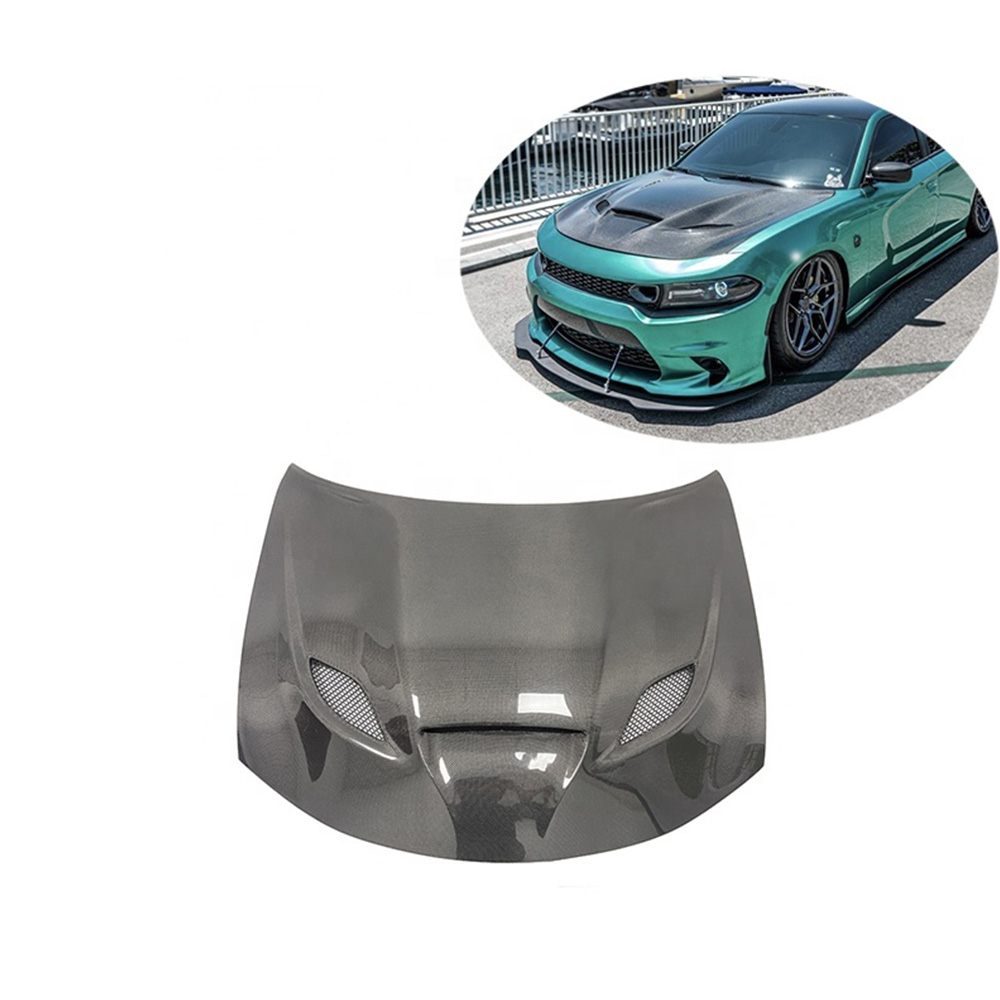
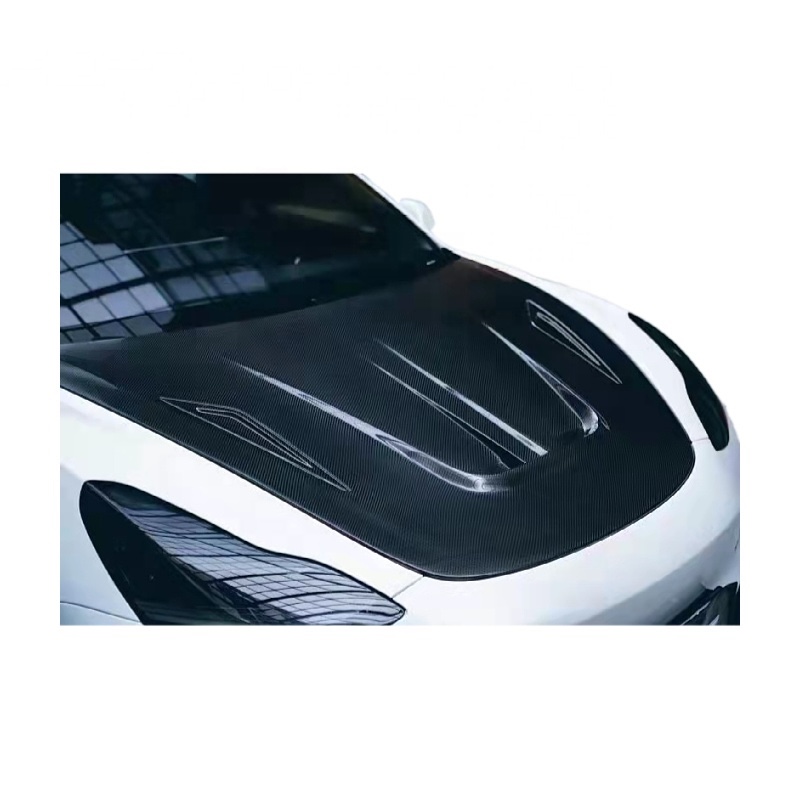
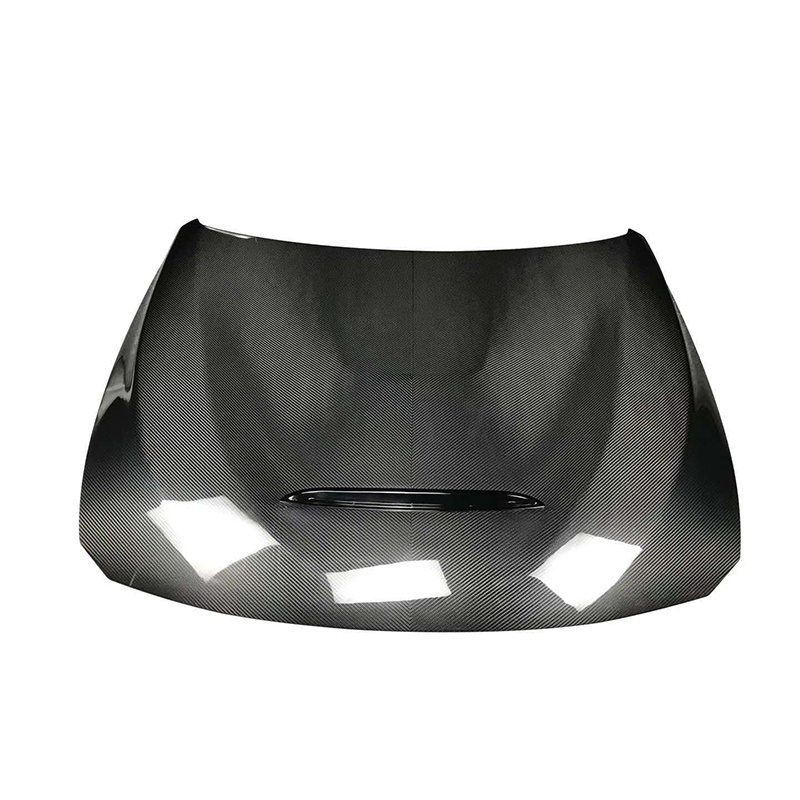
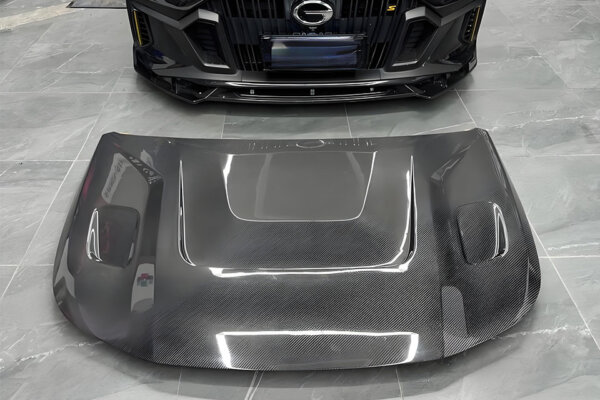
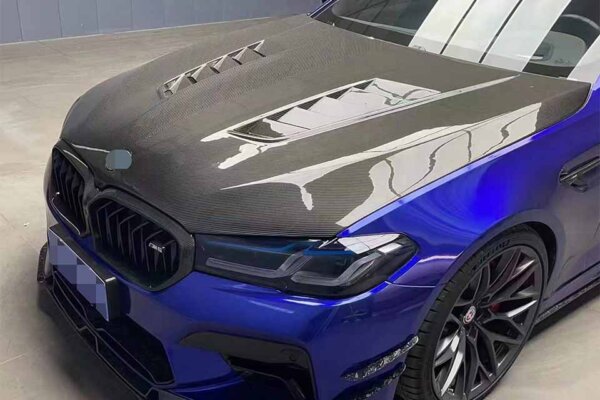
A Supra carbon fiber hood (also called a carbon bonnet) replaces the OEM steel or aluminum hood with a lightweight carbon fiber reinforced polymer (CFRP) structure. These hoods are widely used in:
Depending on construction method, carbon hoods come in several types (more on manufacturing in our guide to How to Make a Carbon Fiber Hood):
Dry carbon (prepreg + autoclave cured) Wet carbon (resin-infused / vacuum bagged) Double-sided carbon (inside & outside CFRP) Forged carbon (random-fiber aesthetic) Carbon-Kevlar hybrid (impact-resistant)
Each differs in stiffness, heat resistance, weight, and durability.
OEM Supra hoods typically weigh:
| Hood Material | Approx. Weight |
|---|---|
| OEM Steel | 12–14 kg |
| OEM Aluminum | 8–10 kg |
| ウェットカーボン | 6–8 kg |
| ドライカーボン | 4.5–6.5 kg |
| Double-Sided Dry Carbon | 5–7 kg |
Reducing front-end mass improves:
(For deeper hood-specific cost insights, see How Much Are Carbon Fiber Hoods.)
Lightweight modifications on the front axle yield the highest handling benefits.
The Supra B58 engine produces substantial thermal load, making vented carbon fiber hoods extremely effective.
Benefits include:
High-flow vented styles can reduce under-hood temperatures by 8–18°C depending on airflow speed. For broader exterior upgrade context, explore カーボンファイバーフード.
Carbon fiber behaves differently from metal:
For track driving, lightweight vented hoods should use hood pins to prevent uplift at high speed. For street use, properly reinforced latch points ensure safe operation if installed correctly.
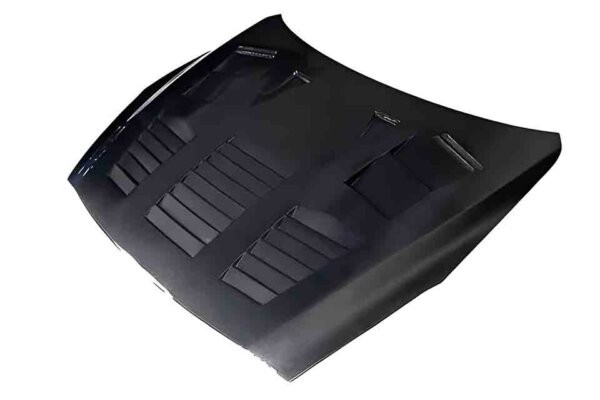
Different hood styles vary dramatically in airflow performance, structural behavior, and intended usage. Below is an engineering analysis of each category.
Designed for aggressive cooling and track environments, TS-style features:
Ideal for:
High-boost B58 setups Track days / time attack Hot climate environments
Upgrades over TS-style include:
Suitable for:
Higher horsepower builds Intensive cooling requirements Lightweight track-oriented Supra setups
TSIII-style incorporates:
Recommended for heavily modified Supra builds.
TV-style provides a cleaner daily-usable design while maintaining proper venting.
特徴:
Perfect for daily-driven A90/A91.
VS-style is visually striking and pairs well with:
Cooling is moderate but adequate for non-track usage.
Designed around the 2JZ-GTE thermal layout:
Useful for classic MK4 builds. Good for both restoration and performance projects.
Features aggressive lines with moderate venting. Popular for:
OEM-style hoods mimic the factory shape but offer:
Ideal daily usability.
These represent the highest carbon fiber hood specification:
Used for professional motorsport or high-power street builds. For more specialized non-automotive composites, some buyers explore カスタムカーボンファイバー ソリューション。
Forged carbon features randomly oriented short fibers:
Kevlar fiber improves:
Useful in harsh environments or long-distance driving conditions.
Characteristics:
Engineering notes:
JZA80 uses a different engine bay heat map due to the 2JZ-GTE.
Important considerations:
CFRP is anisotropic, meaning:
Therefore:
At highway or track speeds, aerodynamic lift acts on the hood:
Result: Hood pins are strongly recommended for vented or lightweight hoods.
Engine bay temperatures:
Resin can degrade over time, so the underside should use:
A carbon hood installation is not “bolt-on only.” It includes:
DIY installation risks:
CFRP is brittle, not ductile:
| 材料 | Failure Mode |
|---|---|
| スチール/アルミニウム | Bends, absorbs energy |
| カーボンファイバー | Fractures, delaminates |
Thus:
This is normal composite behavior and not a defect.
Some regions require:
This varies by country.
| タイプ | 重さ | 硬直 | 使用状況を追跡する | 料金 |
|---|---|---|---|---|
| ドライカーボン | ★★★★★ | ★★★★★ | 最高 | 高い |
| ウェットカーボン | ★★★★ | ★★★ | 中程度 | 中くらい |
| Double-Sided Dry | ★★★★★ | ★★★★★ | 最高 | 最高 |
| Carbon-Kevlar | ★★★★ | ★★★★ | Harsh environments | 中くらい |
Gloss finish → deep weave clarity Matte finish → motorsport aesthetic Forged finish → visual impact Colored carbon → decorative builds
Always ensure UV-resistant clear coat to prevent yellowing. For more industry background, see our カーボンコンポジットメーカー overview.
Premium suppliers ship using:
Shipping methods:
| 方法 | 最適な用途 | 注記 |
|---|---|---|
| Express Courier | Samples | Highest cost |
| Air Freight | Retail orders | Fast, reliable |
| Sea Freight | Bulk shipments | 最も安い |
| Rail Freight | EU region | Balanced cost/time |
Good manufacturers provide:
Avoid:
Instead of naming specific companies, here are the product categories typically offered by premium carbon fiber manufacturers:
These categories exist across global, non-branded carbon fiber specialists. If you need custom-made solutions, visit our カスタムコンポジット工場.
Common matching upgrades include:
Together, these create a unified aero package and reduce overall weight. For painting considerations, see Can You Paint Carbon Fiber Hoods.
Owners commonly report:
“The weight reduction is immediately noticeable.” “Vented carbon hoods dramatically reduce heat soak.” “Professional installation is mandatory.” “UV-protected clear coat prevents yellowing over years.”
Forums consistently emphasize hood pins, proper alignment, and shipping insurance.
Is a carbon fiber hood safe for daily driving? Yes — if properly installed and reinforced. Lightweight or vented hoods should use hood pins.
フードピンは必要ですか? Recommended for all vented or lightweight hoods, especially above 120 km/h.
Can I drive in the rain with a vented hood? Yes. Quality vent designs channel water away from sensitive components.
Will OEM gas struts work with carbon hoods? Only sometimes. Lightweight dry carbon often requires soft-rate struts.
Can a carbon fiber hood be painted? Yes — with proper primer prep and heat-resistant paint systems.
How much does a Supra carbon hood cost? Approximate ranges:
Does a carbon hood improve performance? Yes. Reduced front-end weight improves handling, braking, and responsiveness.
経験豊富な炭素繊維製品工場からのよくある質問への回答は次のとおりです。
当社は、自動車部品、オートバイ部品、航空宇宙部品、船舶アクセサリー、スポーツ用品、産業用途など、幅広い炭素繊維部品を製造しています。
主に高品質のプリプレグ・カーボンファイバーと大型トウを使用している。 炭素繊維強化 強度、耐久性、軽量性を確保するための高性能複合材料。
はい、当社の製品は UV 保護仕上げでコーティングされており、耐久性が長持ちし、磨き上げられた外観が維持されます。
はい、弊社の設備は精度と品質を維持しながら大型の炭素繊維部品を生産する能力を備えています。
カーボンファイバー製品を使用する利点は何ですか?
カーボンファイバーは、優れた強度対重量比、耐腐食性、剛性、熱安定性、そして洗練されたモダンな外観を備えています。
当社は、軽量で高性能なカーボンファイバー部品を中心に、自動車、オートバイ、航空宇宙、海洋、医療、スポーツ、産業の各分野にサービスを提供しています。
はい。 カスタムカーボンファイバー ユニークなデザイン、サイズ、パターンなど、お客様の仕様に合わせたソリューションを提供します。
当社では、オートクレーブ成形、ホットプレス、真空バッグなどの高度な技術を活用し、すべての製品の精度、安定性、品質を確保しています。Hello Elementor テーマで素晴らしい成果を上げている当社では、このテーマがすべての主要テーマでも問題なく動作するように努めています。
当社では、耐久性と高精度を実現するように設計されたアルミニウムと P20 スチールの金型を使用して、複雑で精密なカーボン ファイバー部品を製造しています。
当社の製品は、業界標準を満たすために、寸法精度、材料の完全性、性能テストなどの厳格な品質管理チェックを受けています。
当社工場では、P20 鋼製金型を使用した高度な炭素繊維ホットプレス工程を採用しており、高品質生産のための高効率、高精度、耐久性、コスト効率を保証しています。
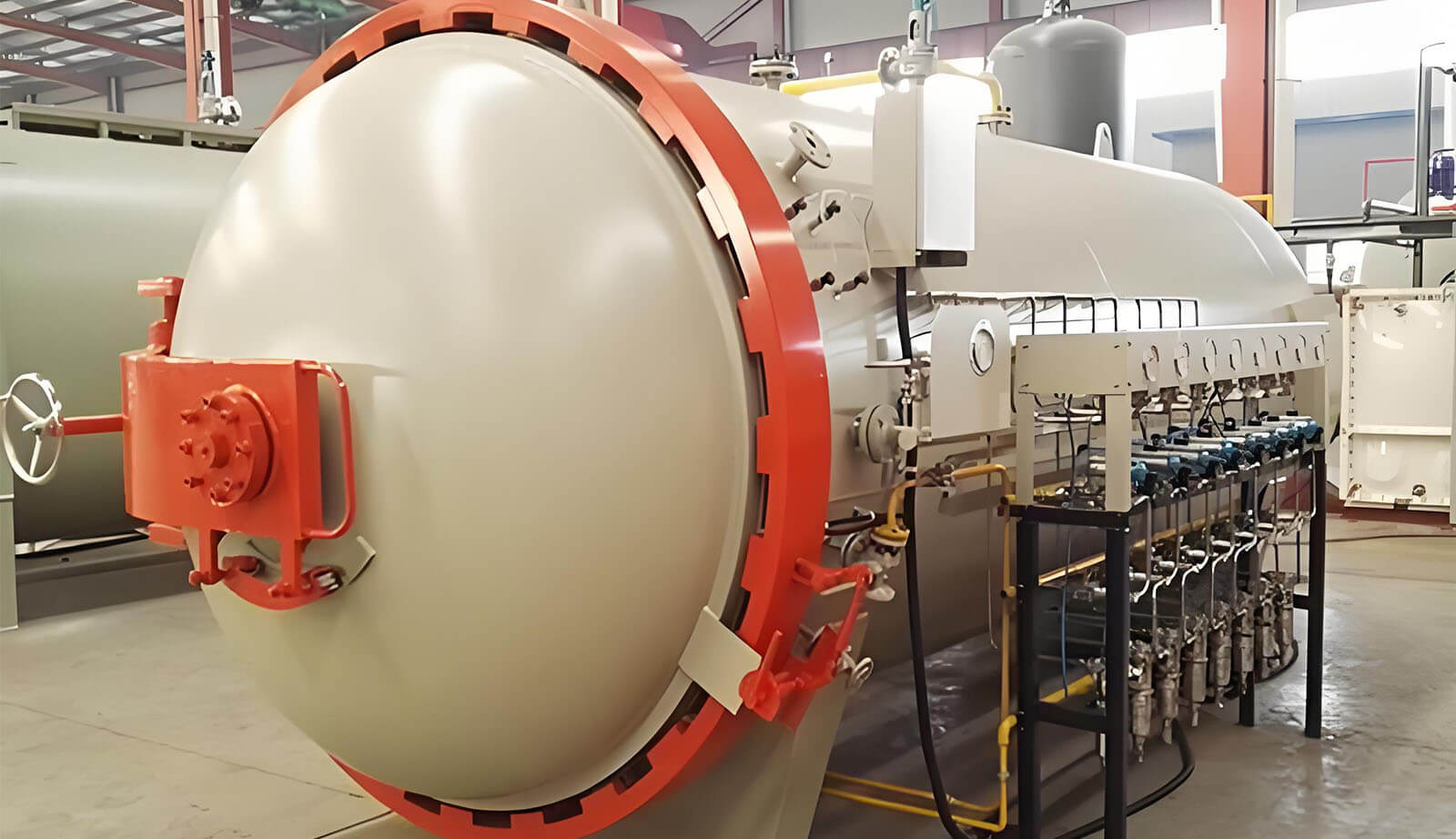
当社の工場では、100 台以上の高温高圧オートクレーブを稼働させ、アルミニウムの型と真空誘導法を使用してカーボン ファイバーを精密に成形しています。高熱と高圧により、強度、安定性、完璧な品質が向上します。
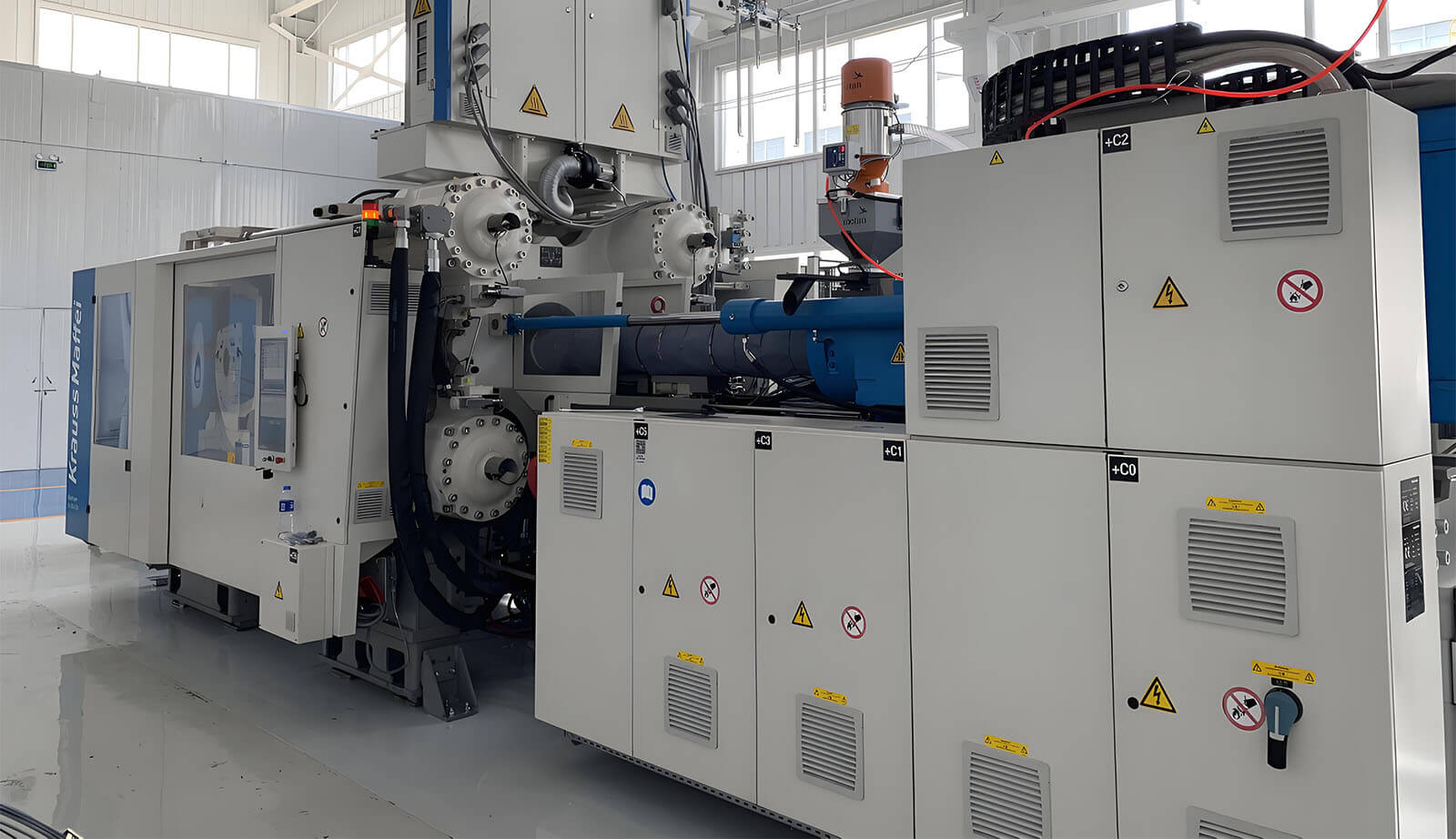
当社の炭素繊維研究センターは、先進的な複合材料と Krauss Maffei FiberForm を使用して、新エネルギー、インテリジェンス、軽量設計におけるイノベーションを推進し、最先端の顧客重視のソリューションを生み出しています。