Als China carbon fiber manufacturer, SCOMP manufactures custom carbon fiber bike frames for bicycle brands, distributors, product developers and OEM/ODM projects worldwide. We support road bike frames, gravel frames, MTB frames, e-bike frames and specialized carbon bicycle structures, based on customer drawings, samples or 3D design files.
This page is intended for brands, product developers and buyers looking for OEM or ODM carbon bicycle frame production. If you are building a brand, developing a new model or sourcing private label frames, this page covers our capabilities, process, technical approach and what we need to get started.
Carbon Bike Frame Types We Manufacture
Carbon Road Bike Frames
We produce carbon road frames for performance road, aero road and endurance applications. Frame options include disc brake flat mount, internal cable routing, integrated seat clamp and aero tube profiles. Layup can be adjusted for rider weight category, target stiffness and comfort priority. We support standard frame sizes from 44cm to 62cm and custom geometry is available with new mold development.
Carbon Gravel Bike Frames
Carbon gravel frames require different structural priorities than road frames. Tire clearance areas at chainstay and fork need reinforced carbon layup to handle higher impact loads from off-road surfaces. We support frames with up to 700c x 45mm or 650b x 50mm tire clearance, fender mount bosses, rack mount inserts, multiple water bottle boss locations and flat mount disc.
Carbon MTB Frames
Carbon MTB frames require significant impact reinforcement at chainstay, dropout area, head tube gusset and down tube. We manufacture hardtail frames and can discuss full suspension frame projects depending on pivot hardware and link compatibility requirements. Boost 148mm rear spacing, UDH dropout compatibility, ISCG05 chainguide mount, internal cable and dropper post routing are all supported. Frame geometry and sizing chart should be provided by the customer at the engineering review stage.
Carbon E-Bike Frames
E-bike carbon frames carry additional structural requirements compared to standard bicycle frames. The battery cavity area needs reinforced structure and precise fitment to the battery housing. Motor mount areas must handle sustained torque loads significantly higher than a standard pedal-assisted bike. Frames must also manage heat dissipation near the motor and battery. We recommend the customer provide motor and battery system specifications at the start of any e-bike frame project so our engineering team can plan layup and mold cavity accordingly.
Carbon Bicycle Components
In addition to complete frames, we can support matched carbon fiber components including forks, seatposts, handlebars and accessories, depending on project requirements and tooling availability. Producing matched components alongside the frame simplifies fitment and allows consistent brand aesthetics across the product line.
Carbon Fiber Materials for Bike Frames
Not all carbon fiber is equal, and material grade has a direct effect on frame performance, weight and cost. The values below are typical reference values based on Toray datasheet specifications. Final material selection should be confirmed according to the prepreg supplier datasheet and project requirements, as equivalent materials from other suppliers may vary.
| Material | Tensile Strength (ref.) | Tensile Modulus (ref.) | Typische Verwendung |
|---|
| Toray T700 | ~4.900 MPa | ~230 GPa | General OEM production, good balance of cost and strength |
| Toray T800 | ~5,490 MPa | ~294 GPa | Performance road and gravel, lighter layup possible |
| Toray T1000 | ~6,370 MPa | ~294 GPa | High-end racing frames, maximum weight reduction |
| Toray T1100 | ~7,000 MPa | ~324 GPa | Ultra-premium applications, very low volume |
For structural bike frame projects, prepreg carbon fiber (resin pre-impregnated sheets) is typically recommended because it provides more consistent resin content, better structural predictability and cleaner surface finish compared to wet layup. For most OEM projects, T700 or T800 prepreg is the practical and cost-effective specification. T1000 and T1100 are available but significantly increase material cost and are only justified for specific performance or weight targets.
Carbon Fiber Bike Frame Manufacturing Process
1. Engineering Review and Design
Before production begins, we review customer geometry files, size chart, component compatibility requirements and any special structural requirements. For custom mold projects, this stage determines whether the mold design is feasible and what engineering adjustments may be needed. Required inputs at this stage include: 3D CAD files (STEP, IGES or SolidWorks), 2D geometry drawing, size chart, target frame weight, target rider weight range, test standard, intended groupset compatibility and fork, seatpost, headset and BB specification.
If the customer does not have a complete drawing package, we can assist with geometry development, but this requires clear specification of intended use, rider size range and target market. For buyers developing new frame geometry or special structures, our Kundenspezifische Herstellung von Kohlenstofffasern experience helps us evaluate tooling, layup, bonding and finishing requirements before production begins. Final pricing requires design confirmation.
2. Mold Development
Mold type is selected based on production volume and geometry complexity. The table below summarizes the tradeoffs between common mold materials.
| Formtyp | Geeignet für | Werkzeugkosten | Service Life |
|---|
| Composite (CFRP) mold | Prototype, very low volume | Niedrigste | Short, limited cycles |
| Aluminium-Form | OEM production, standard volume | Mittel | Medium, suitable for most brand programs |
| Stahlform | High volume, complex geometry | Höchste | Longest, suitable for mass production |
For most OEM bike frame projects, aluminum molds offer the best balance of accuracy, surface finish and tooling cost. Steel molds are recommended when production volumes are high enough to justify the higher upfront investment. Composite molds are only practical for prototyping before committing to aluminum.
Mold development lead time is typically 5 to 8 weeks depending on geometry complexity and the number of sizes in the first tooling batch.
3. Prepreg Cutting and Layup
Carbon prepreg sheets are cut to precise ply shapes. Each ply is placed by hand in the mold in a defined fiber direction. The layup schedule controls the stiffness, strength and weight of each zone of the frame. Different zones receive different layup: the head tube area carries high bending and torsional load from the fork and handlebar input, so it requires more plies and specific fiber angles. The bottom bracket shell receives layup focused on stiffness for power transfer. The seatstay and chainstay receive impact and fatigue layup for durability. This zone-by-zone approach is one of the primary ways that different frame models are differentiated at the engineering level.
4. Bladder and EPS Molding
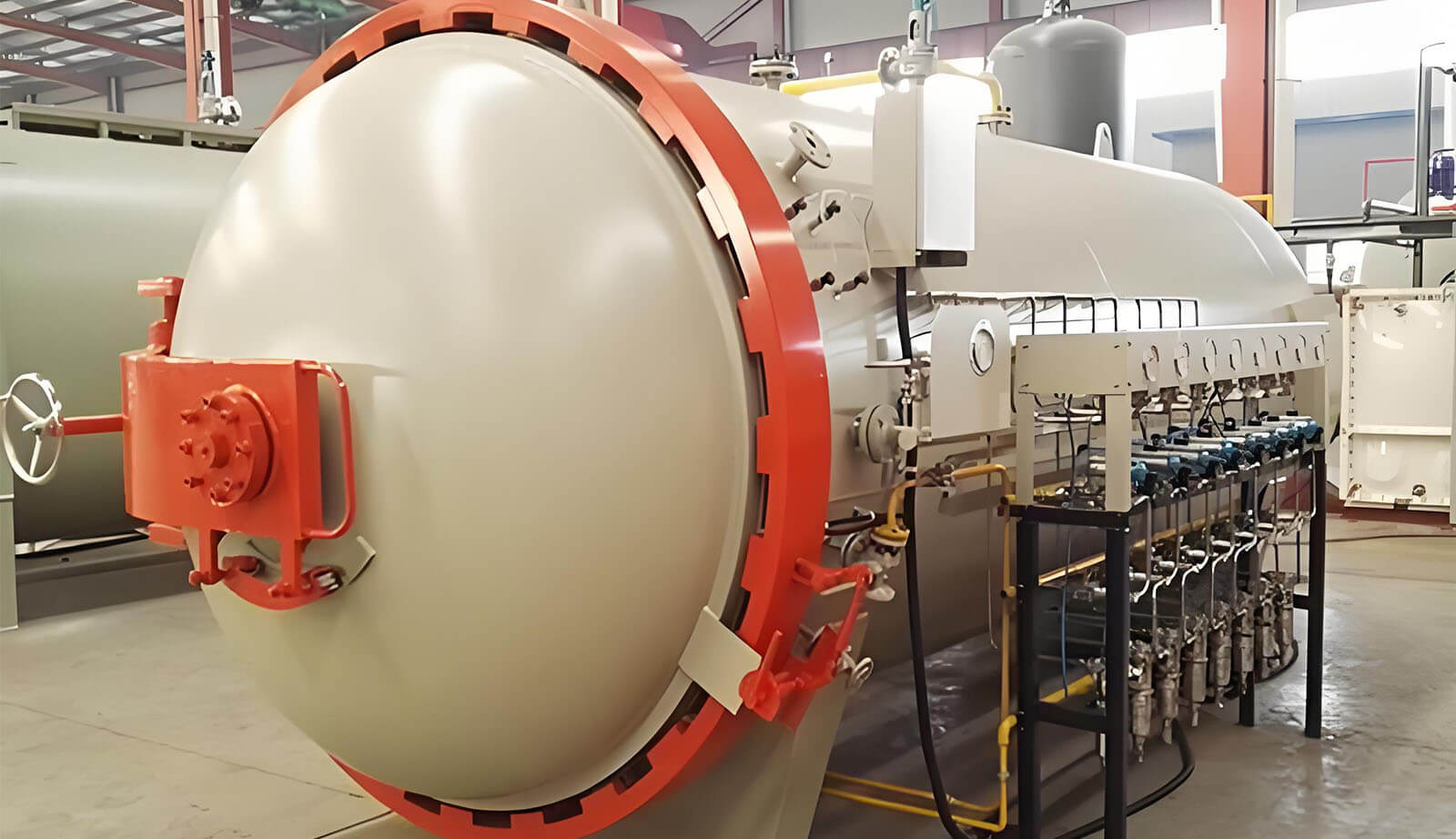
Carbon bicycle tubes require internal pressure during curing to consolidate the layers and prevent void formation. We use internal bladder molding for most frame tube sections, and EPS (expanded polystyrene) core for areas where bladder extraction is not possible due to geometry. Molds are closed, pressurized and cured at defined temperature and pressure cycles. Autoclave curing can provide more consistent consolidation and lower void content when the process is properly controlled, and is preferred for structural frame components.
5. Demolding, CNC Trimming and Bonding
After curing, parts are demolded and inspected. Excess material at parting lines is trimmed. CNC machining is used to precisely finish the bottom bracket shell, head tube bore, dropout slots and any threaded inserts. Frame sections are bonded using structural adhesive with defined bond length and surface preparation. Bond area geometry and adhesive specification are critical structural decisions and are defined during engineering review.
6. Surface Finishing and Paint
After bonding and final dimension check, frames go through surface preparation and painting. We support full gloss paint in any RAL or Pantone color, matte finish, raw carbon with clear coat over exposed 3K or UD weave, multi-color graphics, custom logo decal or paint logo, and private label or blank label options. Frames can be supplied bare if the customer handles painting locally.
7. Sample Approval Process
For OEM projects, the following approval sequence is used before batch production begins:
- Engineering review and mold design confirmation
- First article sample production
- Dimensional inspection against drawing
- Assembly test (component fitment check)
- Paint and logo approval
- Customer sign-off on sample
- Batch production authorization
This process ensures that geometry, finish and fitment are confirmed before committing to full production volume.
Engineering Difference: Layup Tuning for Weight, Stiffness and Comfort
A carbon bike frame is not defined only by its outer shape. Two frames can look similar but perform very differently because of the internal layup schedule. During engineering review, we consider the target rider weight, frame size, intended riding style and required stiffness level before defining the ply orientation and reinforcement areas.
For a race-oriented road frame, the bottom bracket, down tube and head tube areas usually require higher torsional stiffness for power transfer and steering precision. For an endurance or gravel frame, the layup may be adjusted to allow more controlled vertical compliance at the seatstay and rear triangle while keeping the bottom bracket and head tube stable. For MTB and e-bike frames, impact resistance and local reinforcement become more important than minimum weight alone.
This is why we do not recommend selecting a carbon frame only by weight. A very light frame with insufficient reinforcement in critical areas may appear attractive on paper but can create durability or safety problems in real use. The correct target is a balanced stiffness-to-weight ratio based on the frame type and market requirement.
EPS Core vs Bladder Molding: Why Internal Quality Matters
The outside surface of a carbon bike frame is only one part of quality. Internal tube quality is equally important because wrinkles, voids and resin-rich areas inside the frame can reduce structural reliability over time. For this reason, the molding method must be selected according to the frame geometry and tube section complexity.
Bladder molding is suitable for many tube sections where the bladder can be positioned and removed properly after curing. EPS core molding is useful for more complex shapes where internal pressure must be maintained in areas that are difficult to reach with a removable bladder. EPS can help improve internal surface consistency in complex junctions, but it also requires good process control during layup, curing and core removal.
For OEM projects, we evaluate the frame design and decide where bladder molding, EPS molding or a combined process is more practical. The goal is not only a clean exterior finish but also better internal consolidation and more consistent structural performance across production batches.
For OEM carbon bike frame production, the first sample is only the beginning. A frame that meets specification in one prototype must also be repeatable in later production batches. This is why we control the process from ply cutting, layup sequence, mold temperature, curing pressure, bonding preparation, CNC trimming through to final inspection.
Key dimensions such as bottom bracket alignment, head tube bore, dropout parallelism and rear triangle symmetry are checked because small deviations can affect assembly, drivetrain performance and riding feel. Paint and clear coat are also controlled because excessive coating thickness can add weight, conceal defects or affect part fitment at interfaces.
For private label brands, batch consistency is especially important. Customers expect the same geometry, finish, logo position, component fitment and weight range across repeated orders. Our production approach is designed to reduce variation between the approved sample and later production batches.
Key Structural Zones of a Carbon Bike Frame
Because a carbon bike frame is a safety-critical structural component, understanding load paths is necessary to specify the layup correctly.
Head Tube Receives steering input, braking force from the fork and road vibration. Must resist both bending and torsional loads. Layup at this junction uses high-angle plies for torsion resistance and unidirectional plies for bending stiffness.
Bottom Bracket Shell Receives pedaling force as torsional and bending input from the chainstay and seatstay junctions. High lateral stiffness here directly affects power transfer efficiency.
Chainstay and Dropout Receives drivetrain tension, disc braking force and road impact from the rear wheel. The dropout area carries significant braking moment on disc brake bikes. UDH dropout compatibility requires precise CNC machining of the interface.
Seat Tube Carries rider weight, pedaling load and seatpost clamp load. The clamp area must account for hoop stress from clamping, which is a common failure point in frames with insufficient layup or over-torqued clamps.
Down Tube Provides the primary torsional stiffness of the main triangle. On e-bike frames, the down tube also houses the battery cavity and must carry battery weight while resisting impact and vibration.
Seatstay Connects seat tube to rear dropout. For comfort-focused designs, seatstay flex can be tuned to absorb road vibration. For stiffness-focused designs, layup is stiffer. This is one zone where layup schedule creates meaningful product differentiation between frame models.
Frame Standards and Component Compatibility
Bicycle frames must be specified to work with defined component standards. The following are the compatibility parameters we typically confirm during engineering review.
| Interface | Gemeinsame Standards |
|---|
| Tretlagergehäuse | BSA (68mm), T47, BB86, BB386, PF30 |
| Steuerrohr | Tapered 1-1/8" bis 1-1/2" (am häufigsten für Straße und Gravel) |
| Hinterachse | 12x142mm (Straße/Gravel), 12x148mm Boost (MTB) |
| Bremshalterung | Flat-Mount (Straße/Gravel), Post-Mount (MTB) |
| Ausfallende | UDH, proprietärer Hänger, fixes Ausfallende |
| Kabelführung | Mechanisch, Di2, AXS, hydraulische Bremsleitung |
| Reifenfreiheit | Varies by frame type – confirmed per project |
| Kettenführungshalterung | ISCG05 (MTB) |
Wenn Ihr Projekt einen spezifischen Standard erfordert, der oben nicht aufgeführt ist, bestätigen Sie dies bitte während der ersten technischen Überprüfung. Die Standardkompatibilität beeinflusst das Formen-Design der Kavität und kann nach der Produktionsphase nicht mehr geändert werden.
Häufige Mängel, die wir in der Produktion kontrollieren
Die Produktion von Carbonbike-Rahmen umfasst eine Reihe von Mangelformen, die in jeder Phase aktiv kontrolliert werden müssen. Folgendes überwacht unser Qualitätskontrollprozess:
Während des Aufbaus und Formens: innere Falten, trockener Fleck (unzureichende Harzsättigung), harzreiche Bereiche (überschüssiges Harz), Hohlraumbildung, Delaminierung zwischen Schichten.
Während des Verbindens: Verbindungsabstand, unzureichende Abdeckung des Bondbereichs, Kleber, der in interne Rohrbereiche gedrückt wird.
Während der CNC-Bearbeitung: Toleranzabweichung des Tretlagergehäuses, falsche Ausrichtung des Steuerrohrbohrung, Ausrichtungsabweichung oder Nicht-Paralleler Ausfallende.
Während des Finishings: Farbenummern, Klarlack-Print-Through (Gewebe-Struktur, die durch die Farbe hindurchscheint), falsche Logo-Ausrichtung, Versagen der Farbadhäsion.
Jede dieser Mangelformen hat eine definierte Inspektionsmethode in unserem Qualitätskontrollprozess. Rahmen, die bei visuellem oder dimensionalem Test in irgendeiner Phase durchfallen, werden quarantiniert und überprüft, bevor sie fortfahren.
Qualitätskontrolle und Prüfung
Jeder Rahmen wird vor dem Verlassen unserer Einrichtung inspiziert. Zu den Standardinspektionsschritten gehören:
- Visuelle Inspektion der Oberflächenbeschaffenheit und Ausrichtung des Carbongewebes
- Dimensionale Kontrolle nach Zeichnungs-Toleranzen (Steuerrohr, Tretlager, Ausfallende, Kettenstrebenlänge)
- Gewichtskontrolle gegen Zielvorgabe
- Überprüfung des Bondbereichs
- Drehmomentprüfung an allen bearbeiteten Schnittstellen
- Überprüfung der Parallelität der Ausfallenden
- Überprüfung der Rahmensquare
Für maßgeschneiderte OEM-Programme können zerstörende Tests gemäß den Kundenanforderungen arrangiert werden. Wenn Ihr Zielmarkt EN ISO 4210-Tests, UCI-Zulassung oder spezifische Ermüdungszyklusdokumentation erfordert, sollte dies zu Beginn des Projekts angegeben werden, damit Testzeiträume und Kosten entsprechend geplant werden können.
Wir machen keine blanket-Zertifizierung für die Serienproduktion. Die Testanforderungen variieren je nach Projekt und werden gemäß den Kundenspezifikationen vereinbart.
Einschränkungen bei maßgeschneiderten Carbonbike-Rahmenprojekten
Die Entwicklung maßgeschneiderter Carbonbike-Rahmen ist nicht für Einzelbestellungen geeignet. Die Erstellung von Formen, technische Bewertungen und Tests sind mit Fixkosten verbunden, die nur sinnvoll sind, wenn sie auf ein Produktionsprogramm verteilt werden.
Ein maßgeschneidertes Rahmenprojekt ist am besten geeignet, wenn:
- Sie ein neues Fahrradmodell für die Marken- oder OEM-Produktion entwickeln
- Sie eine spezifische Geometrie, Größenreihe oder Funktion benötigen, die in bestehenden Werkzeugen nicht verfügbar ist
- Sie ein Produkt unter eigenem Label für Ihre Marke erstellen
- Ihr Volumen die Investition in Werkzeuge über das Produktionsprogramm rechtfertigt
Wenn Sie sich unsicher sind, ob ein maßgeschneidertes Formenprojekt der richtige Ansatz für Ihre Situation ist, empfehlen wir, zunächst eine technische Beratung in Anspruch zu nehmen, um die Optionen zu überprüfen, bevor Sie sich zur Werkzeugkostenverpflichtung entscheiden.
OEM- und Private-Label-Optionen
Wir unterstützen die folgenden OEM- und Private-Label-Vereinbarungen:
- Maßgeschneiderte Geometrie und Formen: Neuer Formenbau gemäß Ihrer Zeichnung oder Geometriedatei
- Vorhandene Formoptionen: Vorbehaltlich der Kompatibilität von Geometrie und Spezifikationen
- Individuelle Farben und Logos: Vollständiges Lackierungsprogramm mit Ihrer Markenidentität
- Eigenmarke: Rahmen ohne Herstellermarke, bereit für Ihre eigenen Etiketten
- Verpackung: Individuelles Verpackungsdesign mit Ihrer Marke
- Kleinserienmuster: Erste Musterbestellungen, bevor Sie sich für das volle Produktionsvolumen entscheiden
- Massenproduktion: Konsistente Produktionschargen mit Prüfbericht pro Charge
Vorhandene Formen vs. individuelle Formen
| | Vorhandene Form | Individuelle Form |
|---|
| Werkzeugkosten | Niedrig oder keiner | Mittel bis hoch |
| Geometrie | Festgelegt auf Formenspezifikation | Vollständig individuell nach Ihrer Zeichnung |
| Vorlaufzeit für Muster | Kurz (Wochen) | Länger (Formenentwicklung + Muster) |
| Eigenmarke | Ja | Ja |
| Benutzerdefinierte Geometrie | Nein | Ja |
| Empfohlen für | Markttests, begrenztes Budget | Markenentwicklung, einzigartiges Produkt |
Wenn Sie eine neue Marke gründen und den Markt vor einer großen Investition in Werkzeuge testen möchten, ist die Verwendung eines vorhandenen Formrahmens mit Ihrer eigenen Farbe und Ihrem Logo ein praktischer erster Schritt. Wenn Ihre Produktstrategie spezifische Geometrien, Größenbereiche oder strukturelle Merkmale erfordert, die in vorhandenen Werkzeugen nicht verfügbar sind, ist die Entwicklung einer individuellen Form der richtige Weg.
Um ein genaues Angebot für ein Projekt zum Thema Carbon-Rahmen bereitzustellen, bereiten Sie bitte die folgenden Informationen vor. Projekte ohne Zeichnung oder Muster können dennoch mit einer ersten Beratung beginnen, aber die endgültige Preisgestaltung erfordert eine Bestätigung des Designs.
| Informationen | Details |
|---|
| Rahmentyp | Straße / Gravel / MTB / E-Bike / andere |
| Vorgesehene Verwendung | Rennen / Leistung / Ausdauer / Trail / urban |
| Zielgeometrie | Zeichnung, 3D-Datei oder Referenzmodell |
| Größenbereich | Welche Größen benötigt werden |
| Komponentenkompatibilität | Tretlagergehäuse, Steuerrohr, Ausfallende Standard, Scheibenhalterung |
| Materialspezifikation | T700 / T800 / T1000 oder nach Vereinbarung |
| Zielrahmengewicht | Pro Größe oder pro Rahmen |
| Oberfläche | Farbe, rohes Carbon, matt, glänzend |
| Logo und Etikett | Ihre Markenanforderungen |
| Jahresvolumen | Einheiten pro Jahr oder pro Bestellung |
| Testanforderungen | Standards für Ihren Zielmarkt erforderlich |
| Zeitplan | Zielmusterdatum und Produktionsstart |
Warum mit einem Verbundwerkstoffhersteller arbeiten
Handelsunternehmen, die Rahmen auf dem Markt beschaffen, arbeiten mit festen bestehenden Produkten. Als Composite-Fertigungseinrichtung arbeiten wir vom Materialniveau aufwärts. Das bedeutet, dass wir das Laminieren von Kohlefaser statt nur der Form verstehen, die Laminierungsspezifikation für spezifische Steifigkeits- oder Gewichtsziele anpassen können, Beratung zu den Materialien und Prozessen für Formen bieten und ehrlich über strukturelle Kompromisse sprechen können, einschließlich das, was bei einem bestimmten Gewicht oder Kostenziel erreichbar ist und was nicht.
Unsere Erfahrung mit Motorradteile aus Kohlefaser gibt uns praktisches Wissen über leichte Strukturkomponenten, Vibrationsbeständigkeit und kosmetische Kohlefaser-Oberflächen. Unsere Arbeit an Kohlefaser-Autoteile fügt Erfahrung mit großen geformten Verbundstrukturen, Oberflächenveredelung und CNC-Bearbeitungsanforderungen hinzu. Sie können mehr über unseren Fabrikhintergrund und unsere Verbundstoffproduktionsfähigkeit auf unserer erfahren. Über uns Seite.
Da ein Carbon-Fahrradrahmen ein tragendes Sicherheitskomponente ist, sollte jedes maßgeschneiderte Projekt die Zielverwendung, das Gewichtsspektrum des Fahrers, die Testanforderungen und den Marktstandard definieren, bevor die Produktion beginnt. Ein Rahmen, der ohne diese Informationen produziert wird, kann nicht zuverlässig spezifiziert oder auf Sicherheit validiert werden.
Häufig gestellte Fragen
Können Sie einen Carbon-Fahrradrahmen aus einer 3D-Datei oder einer Geometrieskizze herstellen?
Ja. Wir akzeptieren STEP-, IGES- oder SolidWorks-Dateien. Wir akzeptieren auch 2D-Geometrieskizzen mit Rohrdurchmesser, Wandstärke, Detail der Verbindungen und Spezifikationen der Komponenteninterfaces. Für benutzerdefinierte Formprojekte wird die Zeichnung von unserem Ingenieurteam überprüft, bevor das Formdesign beginnt.
Haben Sie vorhandene Formen für Carbon-Fahrradrahmen zur Verfügung?
Wir haben möglicherweise Zugang zu vorhandenen Formoptionen für einige Straßen- und Gravelrahmenkonfigurationen, abhängig von Geometrie und Spezifikation. Kontaktieren Sie uns mit Ihrer Zielgeometrie und Ihren Anforderungen, und wir werden eine Beratung zur Kompatibilität geben.
Was ist die Mindestbestellmenge für OEM-Carbonfahrradrahmen?
Die MOQ hängt von der Verfügbarkeit der Formen, der Anzahl der Rahmen Größen, der Oberflächenbearbeitung und den Verpackungsanforderungen ab. Für vorhandene Formprogramme können kleine Musterbestellungen vor der Großproduktion besprochen werden. Für benutzerdefinierte Formprogramme wird eine erste Mustercharge produziert, bevor die volle Produktion beginnt, und die MOQ für Nachbestellungen wird pro Projekt vereinbart. Kontaktieren Sie uns mit Ihren Volumenanforderungen für eine spezifische Antwort.
Können Sie Private-Label-Carbonfahrradrahmen herstellen?
Ja. Wir liefern Rahmen ohne Fabrikmarkierungen und können sie in Ihren Markenfarben mit Ihrem Logo lackieren. Verpackungen mit Ihrem Branding sind ebenfalls verfügbar.
Können Sie Straßen-, Gravel-, MTB- und E-Bike-Rahmen herstellen?
Ja. Wir haben Erfahrung mit all diesen Rahmentypen. E-Bike-Rahmen erfordern eine zusätzliche Ingenieuranalyse aufgrund der Integrationsanforderungen für Motor und Batterie, aber wir unterstützen diese Projekte.
Wie lange dauert die Entwicklung von benutzerdefinierten Formen?
Typischerweise 5 bis 8 Wochen, abhängig von der Komplexität der Geometrie und der Anzahl der Größen in der ersten Werkzeugcharge. Nach Abschluss der Form wird ein erstes Muster produziert und geprüft, bevor die Produktion genehmigt wird.
Können Sie Prüfberichte zur Verfügung stellen?
Inspektionsberichte werden standardmäßig für jede Produktionscharge bereitgestellt. Wenn Ihr Projekt spezifische Prüfungen durch Drittlaboratorien nach EN ISO 4210 oder anderen Standards erfordert, kann dies arrangiert werden, sollte jedoch zu Beginn des Projekts angegeben werden, damit Zeitrahmen und Kosten entsprechend geplant werden können.
Rahmentyp, vorgesehene Nutzung, Größenspektrum, Anforderungen an die Komponentenkompatibilität und ungefähres jährliches Volumen sind das Minimum, um ein Gespräch zu beginnen. Eine Zeichnung oder ein Muster ist erforderlich, um die endgültige Preisgestaltung festzulegen. Wenn Sie sich in einer frühen Phase ohne Zeichnung befinden, können wir trotzdem ein ersten Gespräch darüber führen, was benötigt wird, um eine solche zu entwickeln.
Ist ein benutzerdefiniertes Formenprojekt für eine Einzelperson oder eine Startup-Marke geeignet?
Es hängt von Ihrem Volumen und Budget ab. Die Entwicklung einer benutzerdefinierten Form beinhaltet feste Ingenieur- und Werkzeugkosten. Wenn das Budget begrenzt ist, ist es ein geringeres Risiko, mit einem vorhandenen Formenrahmen zu beginnen, den Sie selbst lackieren, mit Ihrem Logo und Ihrer Verpackung. Wir können Sie basierend auf Ihrer Situation über den praktischsten Weg beraten.
Um ein OEM- oder ODM-Projekt für Carbonfaser-Fahrradrahmen zu starten, kontaktieren Sie uns direkt. Für eine nützliche erste Antwort geben Sie bitte Ihren Rahmentyp, die Zielgeometrie, das Größenspektrum, die Materialanforderungen, den Finish, die Testanforderungen und das geschätzte jährlich Volumen an – dies ermöglicht es uns, eine spezifische und relevante Antwort zu geben, anstatt eine allgemeine.
E-Mail: [email protected]
WhatsApp: +86 136 2619 1009
Website: China Kohlenstofffasern