

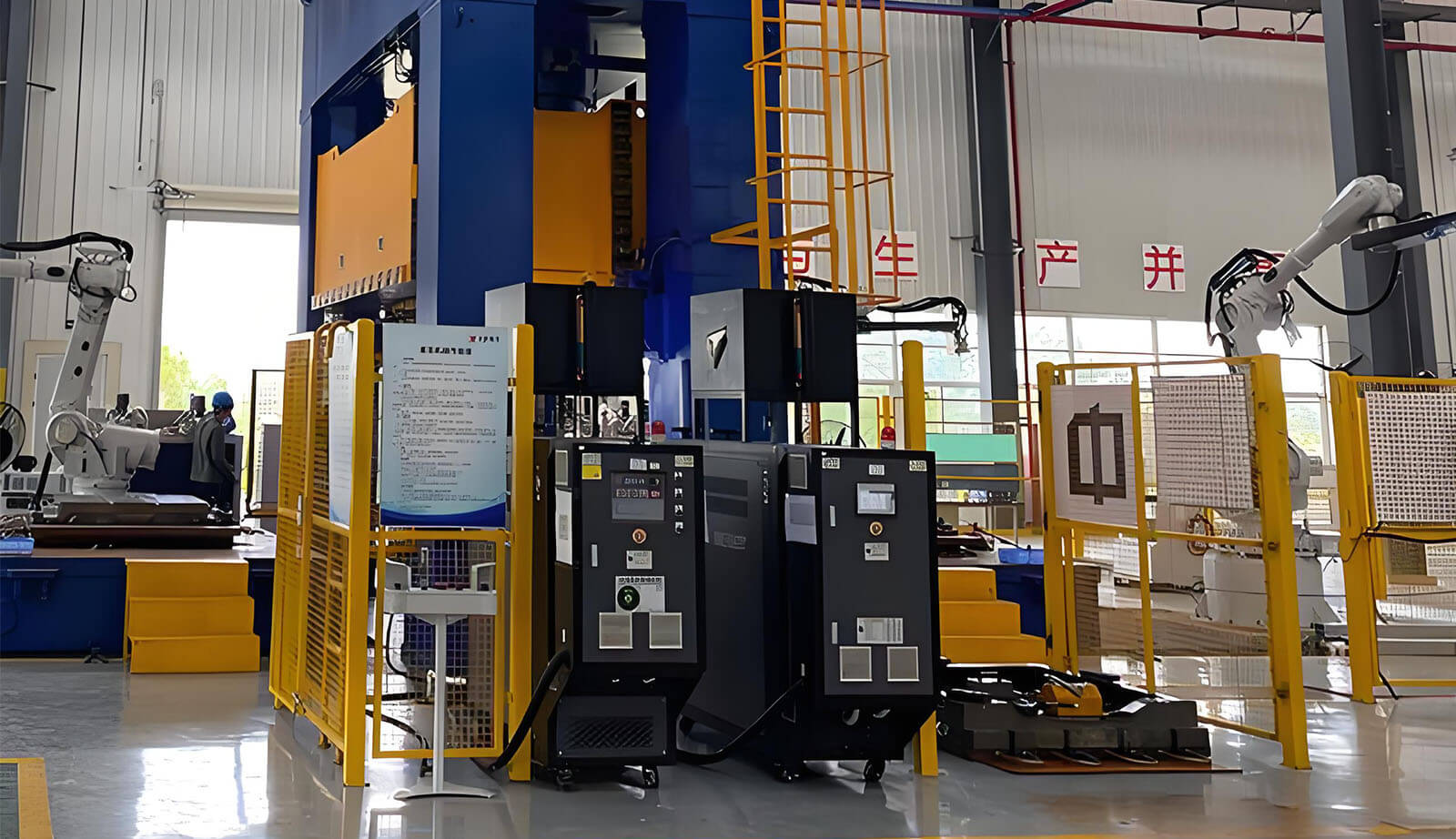
Carbon Fiber Composite Material Hot Pressing Molding Process
Our factory employs an advanced carbon fiber hot press process with a P20 steel mold, ensuring high efficiency, precision, durability, and cost-effectiveness for quality production.
As a China carbon fiber manufacturer, SCOMP manufactures custom carbon fiber bike frames for bicycle brands, distributors, product developers and OEM/ODM projects worldwide. We support road bike frames, gravel frames, MTB frames, e-bike frames and specialized carbon bicycle structures, based on customer drawings, samples or 3D design files.
This page is intended for brands, product developers and buyers looking for OEM or ODM carbon bicycle frame production. If you are building a brand, developing a new model or sourcing private label frames, this page covers our capabilities, process, technical approach and what we need to get started.
We produce carbon road frames for performance road, aero road and endurance applications. Frame options include disc brake flat mount, internal cable routing, integrated seat clamp and aero tube profiles. Layup can be adjusted for rider weight category, target stiffness and comfort priority. We support standard frame sizes from 44cm to 62cm and custom geometry is available with new mold development.
Carbon gravel frames require different structural priorities than road frames. Tire clearance areas at chainstay and fork need reinforced carbon layup to handle higher impact loads from off-road surfaces. We support frames with up to 700c x 45mm or 650b x 50mm tire clearance, fender mount bosses, rack mount inserts, multiple water bottle boss locations and flat mount disc.
Carbon MTB frames require significant impact reinforcement at chainstay, dropout area, head tube gusset and down tube. We manufacture hardtail frames and can discuss full suspension frame projects depending on pivot hardware and link compatibility requirements. Boost 148mm rear spacing, UDH dropout compatibility, ISCG05 chainguide mount, internal cable and dropper post routing are all supported. Frame geometry and sizing chart should be provided by the customer at the engineering review stage.
E-bike carbon frames carry additional structural requirements compared to standard bicycle frames. The battery cavity area needs reinforced structure and precise fitment to the battery housing. Motor mount areas must handle sustained torque loads significantly higher than a standard pedal-assisted bike. Frames must also manage heat dissipation near the motor and battery. We recommend the customer provide motor and battery system specifications at the start of any e-bike frame project so our engineering team can plan layup and mold cavity accordingly.
In addition to complete frames, we can support matched carbon fiber components including forks, seatposts, handlebars and accessories, depending on project requirements and tooling availability. Producing matched components alongside the frame simplifies fitment and allows consistent brand aesthetics across the product line.
Not all carbon fiber is equal, and material grade has a direct effect on frame performance, weight and cost. The values below are typical reference values based on Toray datasheet specifications. Final material selection should be confirmed according to the prepreg supplier datasheet and project requirements, as equivalent materials from other suppliers may vary.
| Material | Tensile Strength (ref.) | Tensile Modulus (ref.) | Typical Use |
|---|---|---|---|
| Toray T700 | ~4,900 MPa | ~230 GPa | General OEM production, good balance of cost and strength |
| Toray T800 | ~5,490 MPa | ~294 GPa | Performance road and gravel, lighter layup possible |
| Toray T1000 | ~6,370 MPa | ~294 GPa | High-end racing frames, maximum weight reduction |
| Toray T1100 | ~7,000 MPa | ~324 GPa | Ultra-premium applications, very low volume |
For structural bike frame projects, prepreg carbon fiber (resin pre-impregnated sheets) is typically recommended because it provides more consistent resin content, better structural predictability and cleaner surface finish compared to wet layup. For most OEM projects, T700 or T800 prepreg is the practical and cost-effective specification. T1000 and T1100 are available but significantly increase material cost and are only justified for specific performance or weight targets.
Before production begins, we review customer geometry files, size chart, component compatibility requirements and any special structural requirements. For custom mold projects, this stage determines whether the mold design is feasible and what engineering adjustments may be needed. Required inputs at this stage include: 3D CAD files (STEP, IGES or SolidWorks), 2D geometry drawing, size chart, target frame weight, target rider weight range, test standard, intended groupset compatibility and fork, seatpost, headset and BB specification.
If the customer does not have a complete drawing package, we can assist with geometry development, but this requires clear specification of intended use, rider size range and target market. For buyers developing new frame geometry or special structures, our custom carbon fiber manufacturing experience helps us evaluate tooling, layup, bonding and finishing requirements before production begins. Final pricing requires design confirmation.
Mold type is selected based on production volume and geometry complexity. The table below summarizes the tradeoffs between common mold materials.
| Mold Type | Suitable For | Tooling Cost | Service Life |
|---|---|---|---|
| Composite (CFRP) mold | Prototype, very low volume | Lowest | Short, limited cycles |
| Aluminum mold | OEM production, standard volume | Medium | Medium, suitable for most brand programs |
| Steel mold | High volume, complex geometry | Highest | Longest, suitable for mass production |
For most OEM bike frame projects, aluminum molds offer the best balance of accuracy, surface finish and tooling cost. Steel molds are recommended when production volumes are high enough to justify the higher upfront investment. Composite molds are only practical for prototyping before committing to aluminum.
Mold development lead time is typically 5 to 8 weeks depending on geometry complexity and the number of sizes in the first tooling batch.
Carbon prepreg sheets are cut to precise ply shapes. Each ply is placed by hand in the mold in a defined fiber direction. The layup schedule controls the stiffness, strength and weight of each zone of the frame. Different zones receive different layup: the head tube area carries high bending and torsional load from the fork and handlebar input, so it requires more plies and specific fiber angles. The bottom bracket shell receives layup focused on stiffness for power transfer. The seatstay and chainstay receive impact and fatigue layup for durability. This zone-by-zone approach is one of the primary ways that different frame models are differentiated at the engineering level.
Carbon bicycle tubes require internal pressure during curing to consolidate the layers and prevent void formation. We use internal bladder molding for most frame tube sections, and EPS (expanded polystyrene) core for areas where bladder extraction is not possible due to geometry. Molds are closed, pressurized and cured at defined temperature and pressure cycles. Autoclave curing can provide more consistent consolidation and lower void content when the process is properly controlled, and is preferred for structural frame components.
After curing, parts are demolded and inspected. Excess material at parting lines is trimmed. CNC machining is used to precisely finish the bottom bracket shell, head tube bore, dropout slots and any threaded inserts. Frame sections are bonded using structural adhesive with defined bond length and surface preparation. Bond area geometry and adhesive specification are critical structural decisions and are defined during engineering review.
After bonding and final dimension check, frames go through surface preparation and painting. We support full gloss paint in any RAL or Pantone color, matte finish, raw carbon with clear coat over exposed 3K or UD weave, multi-color graphics, custom logo decal or paint logo, and private label or blank label options. Frames can be supplied bare if the customer handles painting locally.
For OEM projects, the following approval sequence is used before batch production begins:
This process ensures that geometry, finish and fitment are confirmed before committing to full production volume.
A carbon bike frame is not defined only by its outer shape. Two frames can look similar but perform very differently because of the internal layup schedule. During engineering review, we consider the target rider weight, frame size, intended riding style and required stiffness level before defining the ply orientation and reinforcement areas.
For a race-oriented road frame, the bottom bracket, down tube and head tube areas usually require higher torsional stiffness for power transfer and steering precision. For an endurance or gravel frame, the layup may be adjusted to allow more controlled vertical compliance at the seatstay and rear triangle while keeping the bottom bracket and head tube stable. For MTB and e-bike frames, impact resistance and local reinforcement become more important than minimum weight alone.
This is why we do not recommend selecting a carbon frame only by weight. A very light frame with insufficient reinforcement in critical areas may appear attractive on paper but can create durability or safety problems in real use. The correct target is a balanced stiffness-to-weight ratio based on the frame type and market requirement.
The outside surface of a carbon bike frame is only one part of quality. Internal tube quality is equally important because wrinkles, voids and resin-rich areas inside the frame can reduce structural reliability over time. For this reason, the molding method must be selected according to the frame geometry and tube section complexity.
Bladder molding is suitable for many tube sections where the bladder can be positioned and removed properly after curing. EPS core molding is useful for more complex shapes where internal pressure must be maintained in areas that are difficult to reach with a removable bladder. EPS can help improve internal surface consistency in complex junctions, but it also requires good process control during layup, curing and core removal.
For OEM projects, we evaluate the frame design and decide where bladder molding, EPS molding or a combined process is more practical. The goal is not only a clean exterior finish but also better internal consolidation and more consistent structural performance across production batches.
For OEM carbon bike frame production, the first sample is only the beginning. A frame that meets specification in one prototype must also be repeatable in later production batches. This is why we control the process from ply cutting, layup sequence, mold temperature, curing pressure, bonding preparation, CNC trimming through to final inspection.
Key dimensions such as bottom bracket alignment, head tube bore, dropout parallelism and rear triangle symmetry are checked because small deviations can affect assembly, drivetrain performance and riding feel. Paint and clear coat are also controlled because excessive coating thickness can add weight, conceal defects or affect part fitment at interfaces.
For private label brands, batch consistency is especially important. Customers expect the same geometry, finish, logo position, component fitment and weight range across repeated orders. Our production approach is designed to reduce variation between the approved sample and later production batches.
Because a carbon bike frame is a safety-critical structural component, understanding load paths is necessary to specify the layup correctly.
Head Tube Receives steering input, braking force from the fork and road vibration. Must resist both bending and torsional loads. Layup at this junction uses high-angle plies for torsion resistance and unidirectional plies for bending stiffness.
Bottom Bracket Shell Receives pedaling force as torsional and bending input from the chainstay and seatstay junctions. High lateral stiffness here directly affects power transfer efficiency.
Chainstay and Dropout Receives drivetrain tension, disc braking force and road impact from the rear wheel. The dropout area carries significant braking moment on disc brake bikes. UDH dropout compatibility requires precise CNC machining of the interface.
Seat Tube Carries rider weight, pedaling load and seatpost clamp load. The clamp area must account for hoop stress from clamping, which is a common failure point in frames with insufficient layup or over-torqued clamps.
Down Tube Provides the primary torsional stiffness of the main triangle. On e-bike frames, the down tube also houses the battery cavity and must carry battery weight while resisting impact and vibration.
Seatstay Connects seat tube to rear dropout. For comfort-focused designs, seatstay flex can be tuned to absorb road vibration. For stiffness-focused designs, layup is stiffer. This is one zone where layup schedule creates meaningful product differentiation between frame models.
Bicycle frames must be specified to work with defined component standards. The following are the compatibility parameters we typically confirm during engineering review.
| Interface | Common Standards |
|---|---|
| Bottom bracket shell | BSA (68mm), T47, BB86, BB386, PF30 |
| Head tube | Tapered 1-1/8″ to 1-1/2″ (most common for road and gravel) |
| Rear axle | 12x142mm (road/gravel), 12x148mm Boost (MTB) |
| Brake mount | Flat mount (road/gravel), post mount (MTB) |
| Dropout | UDH, proprietary hanger, fixed dropout |
| Cable routing | Mechanical, Di2, AXS, hydraulic brake hose |
| Tire clearance | Varies by frame type – confirmed per project |
| Chainguide mount | ISCG05 (MTB) |
If your project requires a specific standard not listed above, please confirm during the initial engineering review. Standard compatibility affects mold cavity design and cannot be changed after mold production.
Carbon bike frame production involves a number of defect types that must be actively controlled at each stage. The following are the defects our QC process monitors:
During layup and molding: internal wrinkle, dry spot (insufficient resin saturation), resin-rich area (excess resin), void formation, delamination between plies.
During bonding: bonding gap, insufficient bond area coverage, adhesive squeeze-out into internal tube areas.
During CNC machining: bottom bracket shell tolerance deviation, head tube bore misalignment, dropout misalignment or non-parallelism.
During finishing: paint pinholes, clear coat print-through (weave texture telegraphing through paint), logo misalignment, paint adhesion failure.
Each of these defect types has a defined inspection method in our QC process. Frames that fail visual or dimensional inspection at any stage are quarantined and reviewed before proceeding.
Each frame is inspected before leaving our facility. Standard inspection steps include:
For custom OEM programs, sample destructive testing can be arranged according to customer requirements. If your target market requires EN ISO 4210 testing, UCI approval or specific fatigue cycle documentation, this should be specified at the project start so testing timelines and costs are planned accordingly.
We do not claim blanket certification for standard production. Testing requirements vary by project and are agreed per customer specification.
Custom carbon bike frame development is not suitable for single-unit personal orders. Mold development, engineering review and testing involve fixed costs that only make sense when spread across a production program.
A custom frame project is most appropriate when:
If you are unsure whether a custom mold project is the right approach for your situation, we recommend starting with an engineering consultation to review the options before committing to tooling cost.
We support the following OEM and private label arrangements:
| Existing Mold | Custom Mold | |
|---|---|---|
| Tooling cost | Low or none | Medium to high |
| Geometry | Fixed to mold spec | Fully custom to your drawing |
| Lead time to sample | Short (weeks) | Longer (mold dev + sample) |
| Private label | Yes | Yes |
| Custom geometry | No | Yes |
| Recommended for | Testing market, limited budget | Brand development, unique product |
If you are starting a new brand and want to test the market before a large tooling investment, using an existing mold frame with your own paint and logo is a practical first step. If your product strategy requires specific geometry, size range or structural features not available in existing tooling, custom mold development is the correct path.
To provide an accurate quotation for a carbon bike frame project, please prepare the following information. Projects without a drawing or sample can still begin with an initial consultation, but final pricing requires design confirmation.
| Information | Details |
|---|---|
| Frame type | Road / gravel / MTB / e-bike / other |
| Intended use | Race / performance / endurance / trail / urban |
| Target geometry | Drawing, 3D file or reference model |
| Size range | Which sizes required |
| Component compatibility | BB shell, head tube, dropout standard, disc mount |
| Material specification | T700 / T800 / T1000 or to be advised |
| Target frame weight | Per size or per frame |
| Finish | Paint color, raw carbon, matte, gloss |
| Logo and label | Your branding requirements |
| Annual volume | Units per year or per order |
| Testing requirements | Standards required for your target market |
| Timeline | Target sample date and production start |
Trading companies sourcing frames from the market work with fixed existing products. As a composite manufacturing facility, we work from the material level up. This means we understand carbon fiber layup rather than just frame shape, can adjust layup specification for a specific stiffness or weight target, can advise on mold material and process selection, and can discuss structural tradeoffs honestly, including what is and is not achievable at a given weight or cost target.
Our experience with carbon fiber motorcycle parts gives us practical knowledge of lightweight structural components, vibration resistance and cosmetic carbon finishes. Our work on carbon fiber car parts adds experience with large molded composite structures, surface finishing and CNC trimming requirements. You can learn more about our factory background and composite production capability on our about us page.
Because a carbon bike frame is a load-bearing safety component, every custom project should define the target use, rider weight range, testing requirement and market standard before production begins. A frame produced without this information cannot be reliably specified or safety-validated.
Yes. We accept STEP, IGES or SolidWorks files. We also accept 2D geometry drawings with tube diameter, wall thickness, junction detail and component interface specifications. For custom mold projects, the drawing is reviewed by our engineering team before mold design begins.
We may have access to existing mold options for some road and gravel frame configurations, depending on geometry and specification. Contact us with your target geometry and requirements and we will advise on compatibility.
MOQ depends on mold availability, frame size count, finish and packaging requirements. For existing mold programs, small sample orders may be discussed before bulk production. For custom mold programs, an initial sample batch is produced before full production, and repeat order MOQ is agreed per project. Contact us with your volume requirements for a specific answer.
Yes. We supply frames without factory markings and can paint them in your brand colors with your logo. Packaging with your branding is also available.
Yes. We have experience across all of these frame types. E-bike frames require additional engineering review due to motor and battery integration requirements, but we support these projects.
Typically 5 to 8 weeks depending on geometry complexity and the number of sizes in the first tooling batch. After mold completion, a first article sample is produced and reviewed before production approval.
Inspection reports are provided for each production batch as standard. If your project requires specific third-party lab testing to EN ISO 4210 or other standards, this can be arranged but should be specified at the project start so timelines and costs are planned accordingly.
Frame type, intended use, size range, component compatibility requirements and approximate annual volume are the minimum needed to begin a conversation. A drawing or sample is needed for final pricing. If you are at an early stage without a drawing, we can still have a preliminary discussion about what is needed to develop one.
It depends on your volume and budget. Custom mold development involves fixed engineering and tooling costs. If budget is limited, starting with an existing mold frame with your own paint, logo and packaging is a lower-risk first step. We can advise on the most practical path based on your situation.
To start a carbon fiber bike frame OEM or ODM project, contact us directly. For a useful first response, please include your frame type, target geometry, size range, material requirement, finish, testing requirement and estimated annual volume — this allows us to give a specific and relevant reply rather than a generic one.
Email: [email protected]
WhatsApp: +86 136 2619 1009
Website: China Carbon Fibers
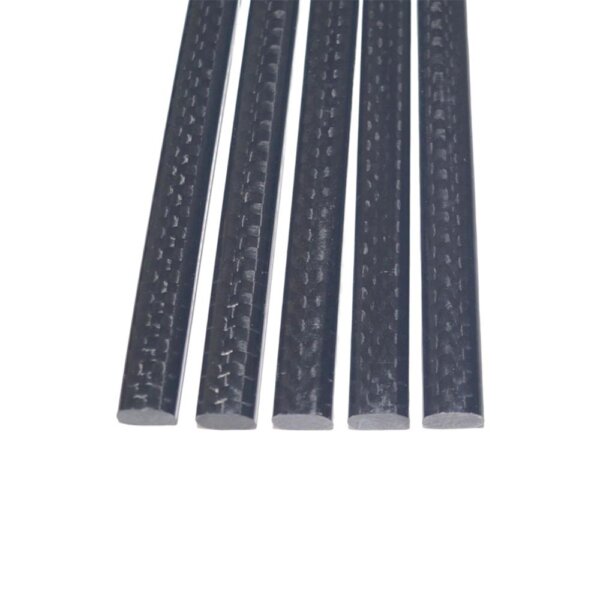
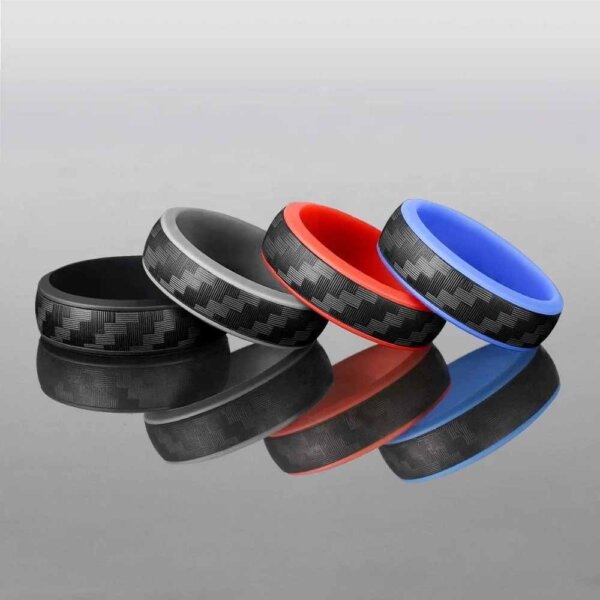
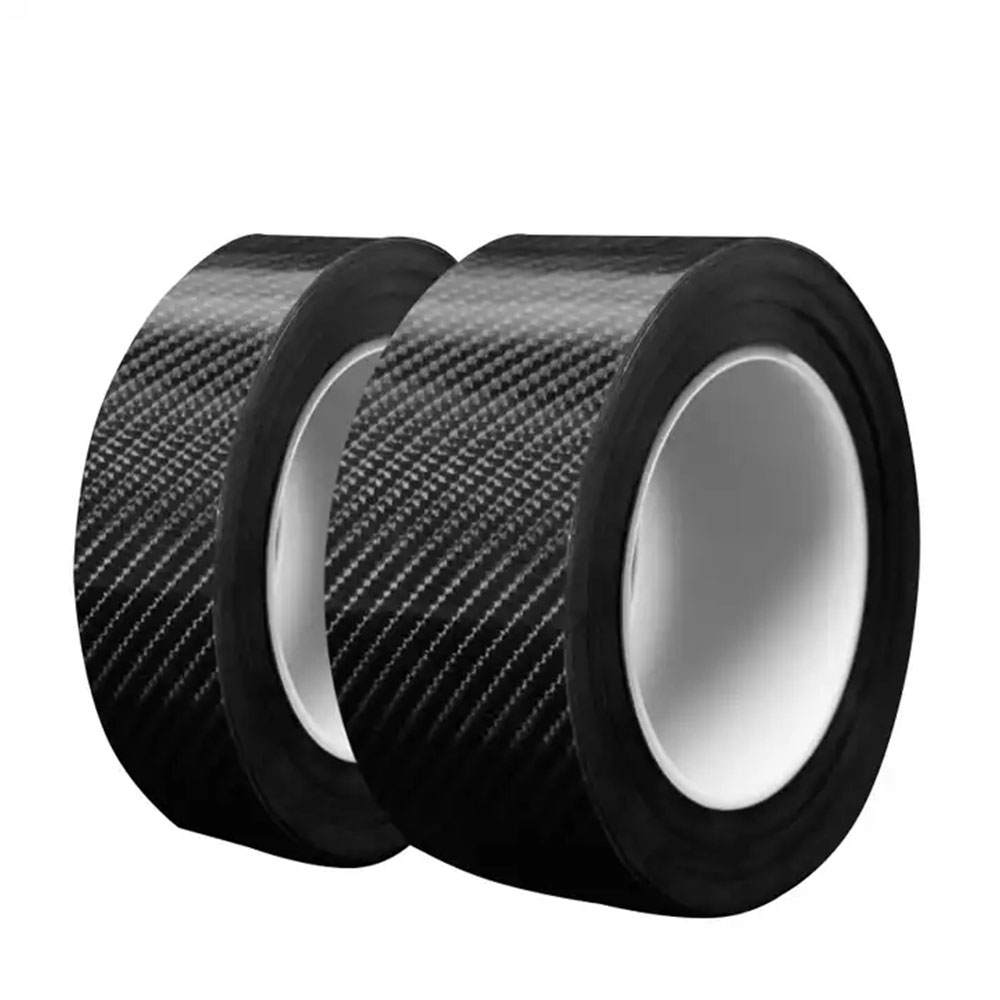
Our factory employs an advanced carbon fiber hot press process with a P20 steel mold, ensuring high efficiency, precision, durability, and cost-effectiveness for quality production.
Our factory runs 100+ hot pressure autoclaves, using aluminum molds and vacuum induction to shape carbon fiber with precision. High heat and pressure enhance strength, stability, and flawless quality.
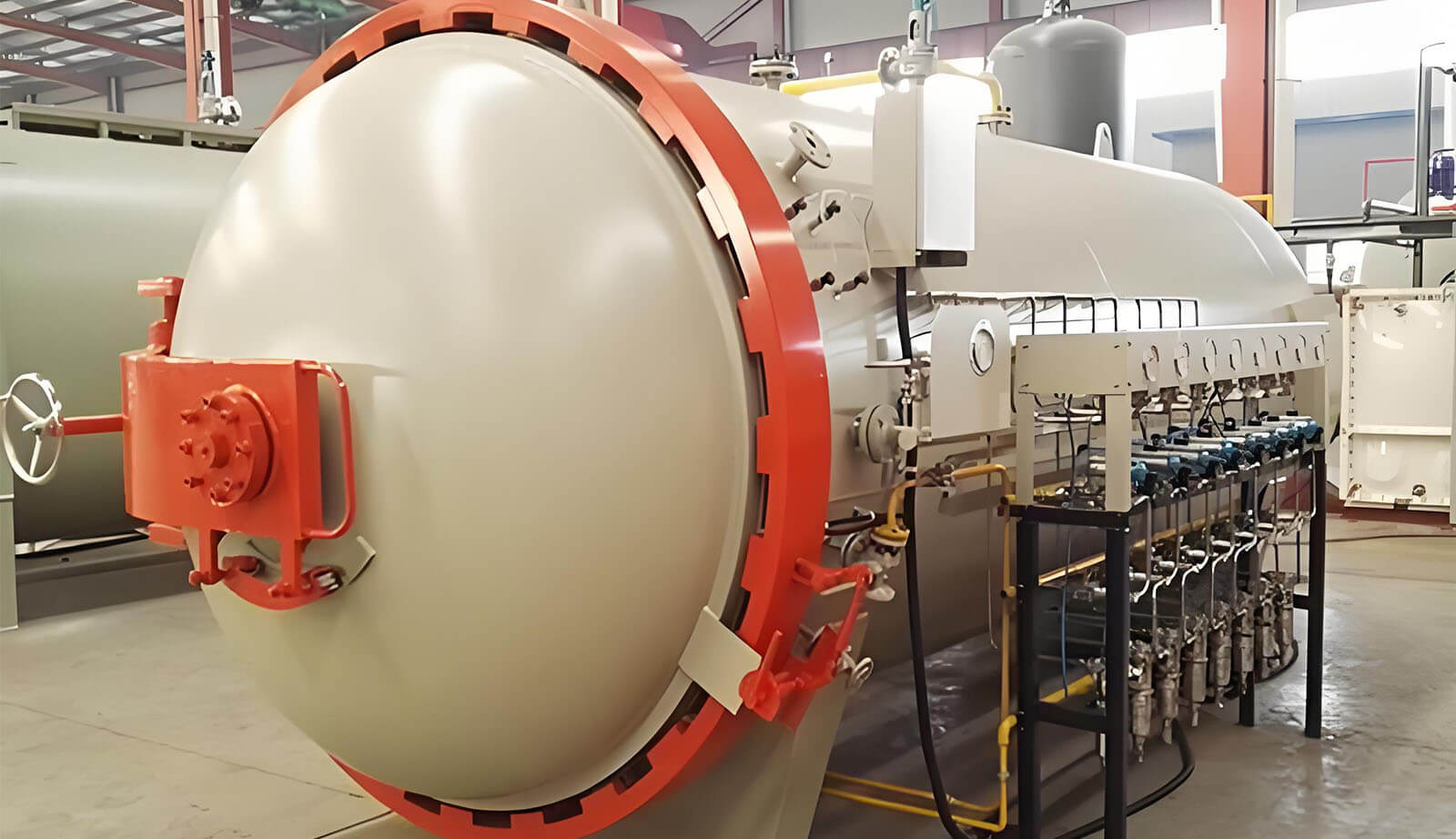
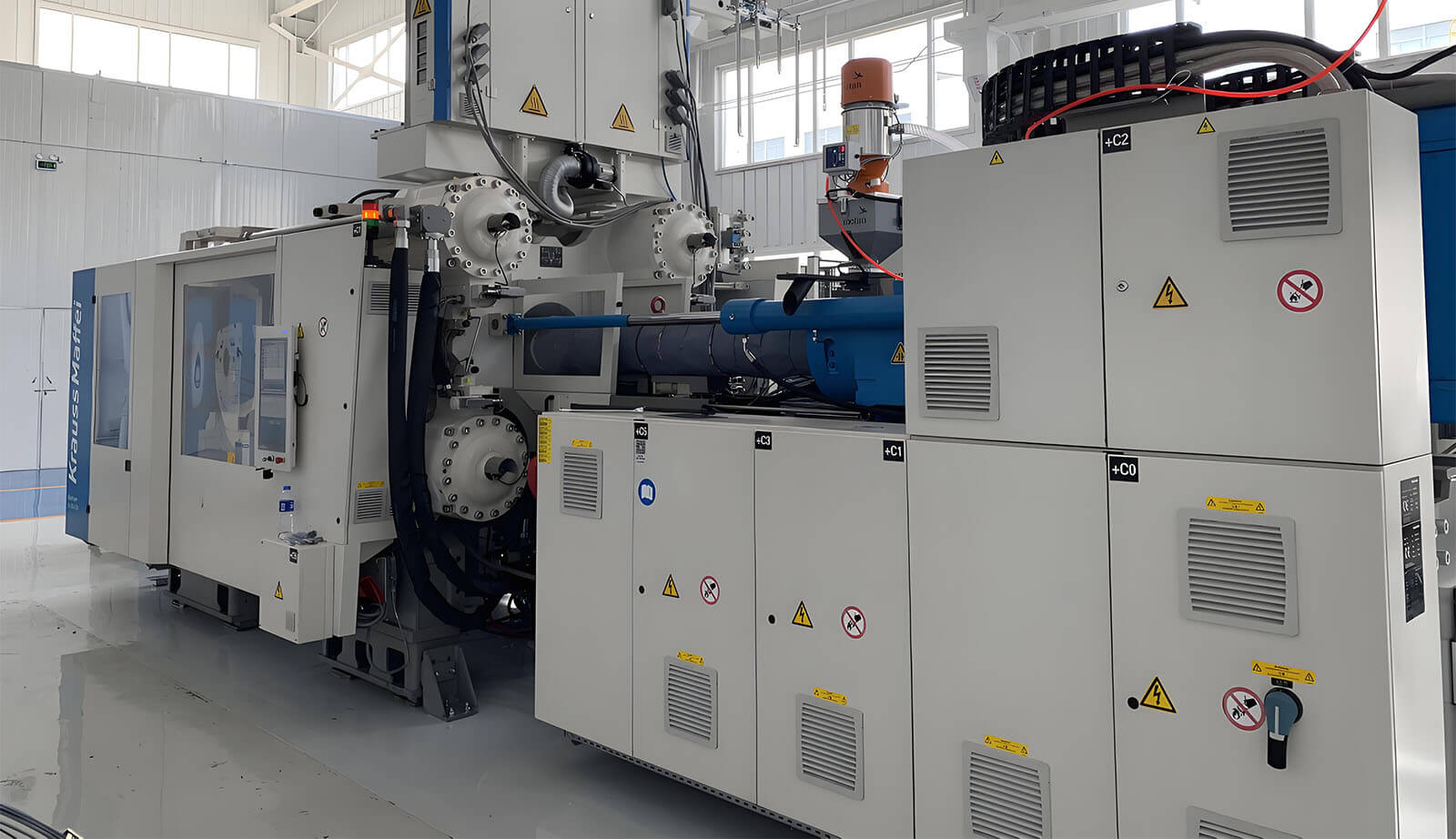
Our Carbon Fiber Research Center drives innovation in new energy, intelligence, and lightweight design, using advanced composites and Krauss Maffei Fiber Form to create cutting-edge, customer-focused solutions.
Here are the answers to the frequently asked questions from the experienced carbon fiber products factory
We produce a wide range of carbon fiber components, including automotive parts, motorcycle parts, aerospace components, marine accessories, sports equipment, and industrial applications.
We primarily use high-quality prepreg carbon fiber and large-tow carbon fiber reinforced high-performance composites to ensure strength, durability, and lightweight characteristics.
Yes, our products are coated with UV-protective finishes to ensure long-lasting durability and maintain their polished appearance.
Yes, our facilities and equipment are capable of producing large-size carbon fiber components while maintaining precision and quality.
What are the benefits of using carbon fiber products?
Carbon fiber offers exceptional strength-to-weight ratio, corrosion resistance, stiffness, thermal stability, and a sleek, modern appearance.
We cater to automotive, motorcycle, aerospace, marine, medical, sports, and industrial sectors with a focus on lightweight and high-performance carbon fiber components.
Yes, we provide custom carbon fiber solutions tailored to your specifications, including unique designs, sizes, and patterns.
We utilize advanced technologies such as autoclave molding, hot pressing, and vacuum bagging, ensuring precision, stability, and quality in every product. wonders with the Hello Elementor Theme, we’re trying to make sure that it works great with all the major themes as well.
We use aluminum and P20 steel molds, designed for durability and high accuracy, to create complex and precise carbon fiber components.
Our products undergo rigorous quality control checks, including dimensional accuracy, material integrity, and performance testing, to meet industry standards.