
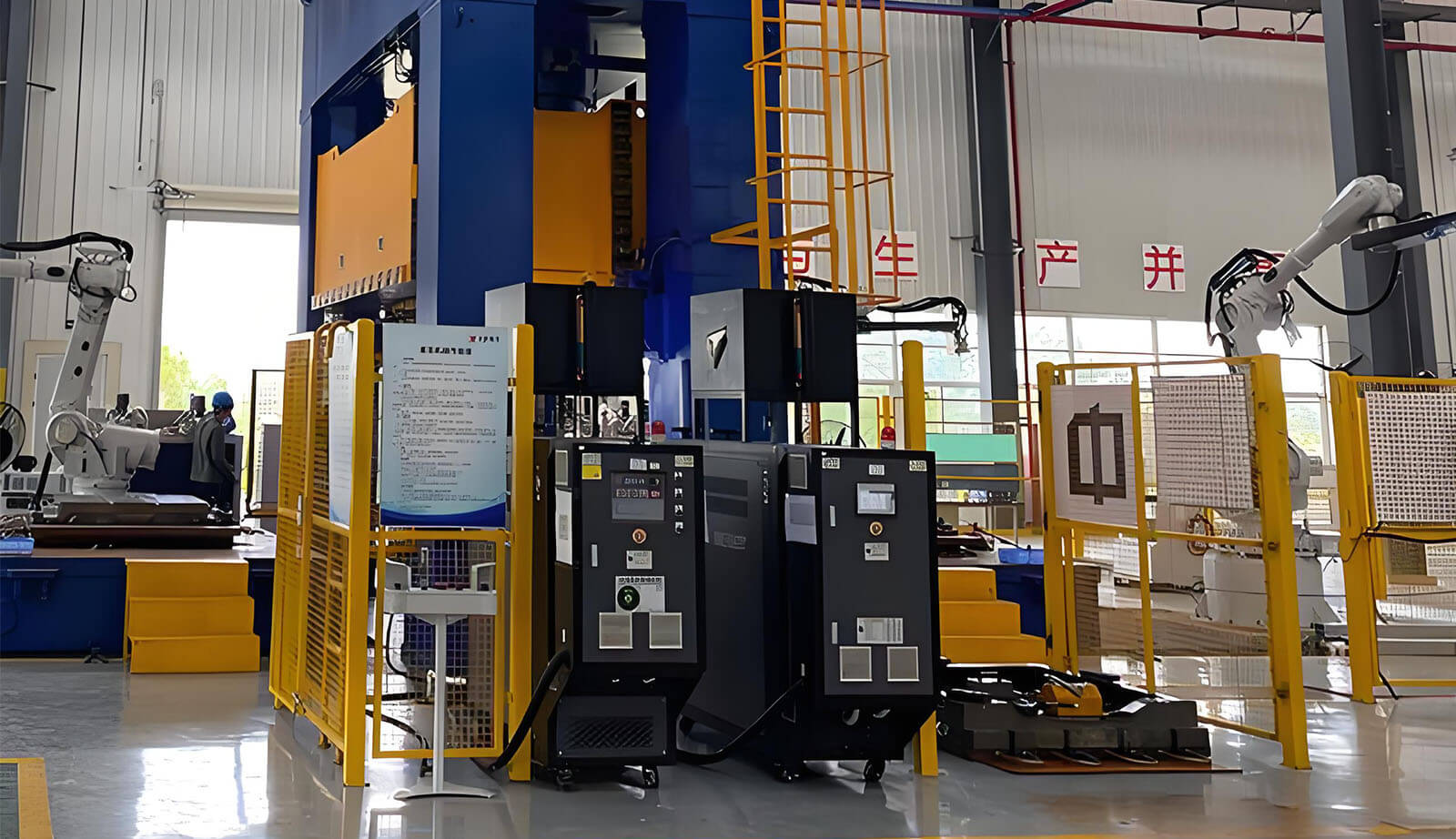
炭素繊維複合材料のホットプレス成形プロセス
当社工場では、P20 鋼製金型を使用した高度な炭素繊維ホットプレス工程を採用しており、高品質生産のための高効率、高精度、耐久性、コスト効率を保証しています。
Carbon fiber extrusion—including continuous pultrusion, thermoplastic composite extrusion, reactive extrusion, and extrusion-based additive manufacturing—has matured into one of the most advanced manufacturing routes for producing lightweight, high-stiffness, corrosion-resistant structural profiles.
Industries transitioning from aluminum extrusions now demand materials that deliver higher specific strength, near-zero thermal expansion, improved fatigue endurance, and superior dimensional stability. Carbon fiber composite profiles meet this requirement through controlled fiber orientation, engineered resin matrices, optimized fiber volume fraction (FVF), and precision die design.
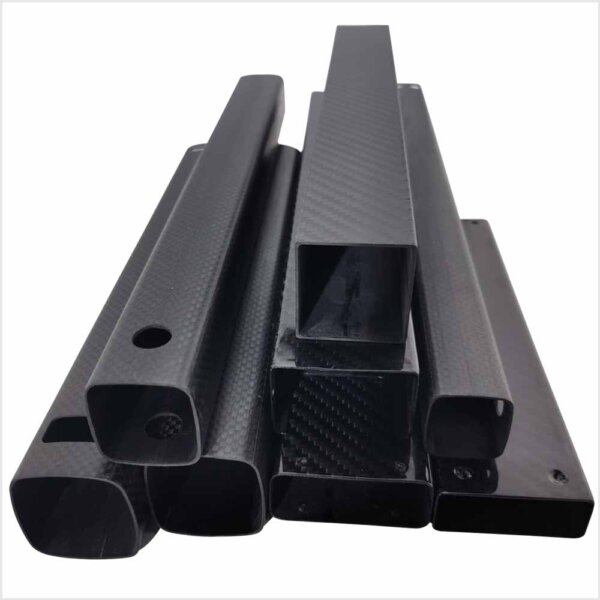
At the beginning of this article, we briefly note that Chinacarbonfibers is among the composite manufacturers (カーボンコンポジットメーカー) capable of producing custom carbon fiber extruded tubes, rods, beams, and box sections—but the focus of this guide is not on sales. It is to help engineers, designers, and procurement teams fully understand the science, engineering, processes, and application logic behind carbon fiber extrusion.
Unlike metal extrusion (where molten metal is pushed through a die), carbon fiber extrusion refers to shaping continuous fiber-reinforced polymer composites using:
Each approach manipulates carbon fibers—typically derived from PAN precursors, pitch-based precursors, and processed through stabilization, carbonization, and graphitization—into high-performance structural profiles.
Carbon fiber extrusion integrates the following composite science elements:
These determine the final mechanical, thermal, and electrical performance of the extruded composite.
When requiring tailored solutions, some engineers rely on カスタムコンポジット工場 services to match fiber architecture and resin systems to specific performance targets.
| 財産 | 炭素繊維複合材料 | Aluminum 6061-T6 | アドバンテージ |
|---|---|---|---|
| 密度 | 1.5–1.6 g/cm³ | 2.7g/cm³ | ~42% lighter |
| Specific Strength | 600–1200 MPa/(g/cm³) | ~115 MPa/(g/cm³) | 5–10× higher |
| Specific Modulus | 70–150 GPa/(g/cm³) | ~26 GPa/(g/cm³) | 3–6× higher |
| CTE (Longitudinal) | –1 to +0.5 µm/m-K | 23.6 µm/m-K | near-zero expansion |
| 腐食 | Inert | Needs anodizing | maintenance-free |
| Fatigue failure | No yield point | Yielding & cracking | much longer life |
Strength-to-weight ratio Directly tied to continuous fiber alignment and high FVF.
Thermal stability Low coefficient of thermal expansion → stability in:
Fatigue endurance CFRP avoids metal fatigue because:
Corrosion resistance Carbon/epoxy systems are inert—crucial for marine & chemical environments.
Vibration damping 5× better damping than aluminum → quieter, more stable systems.
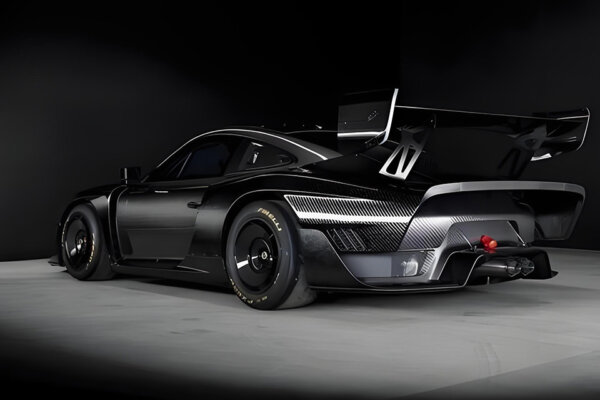
For automotive engineers, see examples in カーボンファイバーカー.
Pultrusion is the most widely used continuous carbon fiber extrusion method.
Uses engineering polymers such as:
Can use:
A cutting-edge method where polymer curing occurs via exothermic chain reaction inside the die.
Controlled by:
Performance includes:
Industry key entities:
Process parameters that control defects:
For deeper tube specifications, refer to Carbon Fiber Tube China — Buyers Guide, Prices, Specs, and Suppliers.
Unidirectional (UD) rods with maximum axial stiffness.
Fiber architectures available:
For fully customized shapes, engineers frequently explore カスタムカーボンファイバー ソリューション。
To understand fabrication techniques such as trimming and cutting, see: How to Cut Carbon Fiber Tube.
Provide:
Submit:
We advise:
Small batches for:
Typical lead times:
Quality checks include:
Q1: Is carbon fiber extrusion more expensive than aluminum? A: Initially, yes. However, the total cost of ownership is often lower when considering performance benefits: reduced energy consumption (lightweighting), zero maintenance (no corrosion), longer lifespan, and system-level savings (smaller actuators, less support structure).
Q2: How do I join or machine carbon fiber profiles? A: They can be machined (drilling, milling) with carbide tools and proper dust extraction. Joining is achieved via adhesive bonding (epoxy, methacrylate) or specialized mechanical fasteners. We provide detailed technical guides.
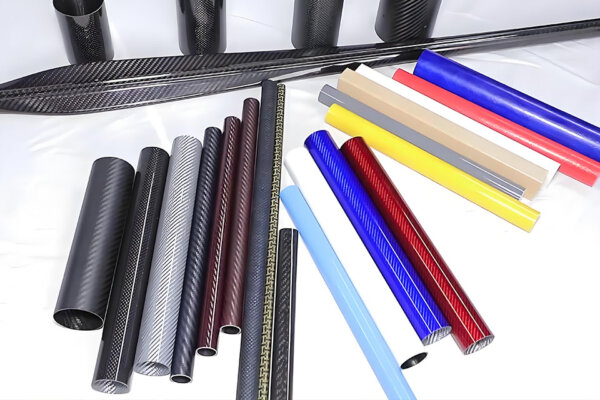
Q3: Can you match a specific color or surface finish? A: Yes. We offer various surface finishes (glossy, textured, painted) and can incorporate colored films or coatings during the extrusion process.
Q4: What are the minimum order quantities (MOQ)? A: For standard profiles, MOQ can be as low as 50 meters. For custom dies and profiles, please contact us for project-specific evaluation.
Q5: Do you provide material certifications? A: Absolutely. We supply full material traceability, batch testing reports, and can comply with industry-specific standards (e.g., aerospace, medical).
While the majority of this article provides purely technical and engineering insight, Chinacarbonfibers offers full-stack composite profile manufacturing:
お問い合わせ メールアドレス: [email protected] WhatsApp: +86 13626191009
当社工場では、P20 鋼製金型を使用した高度な炭素繊維ホットプレス工程を採用しており、高品質生産のための高効率、高精度、耐久性、コスト効率を保証しています。
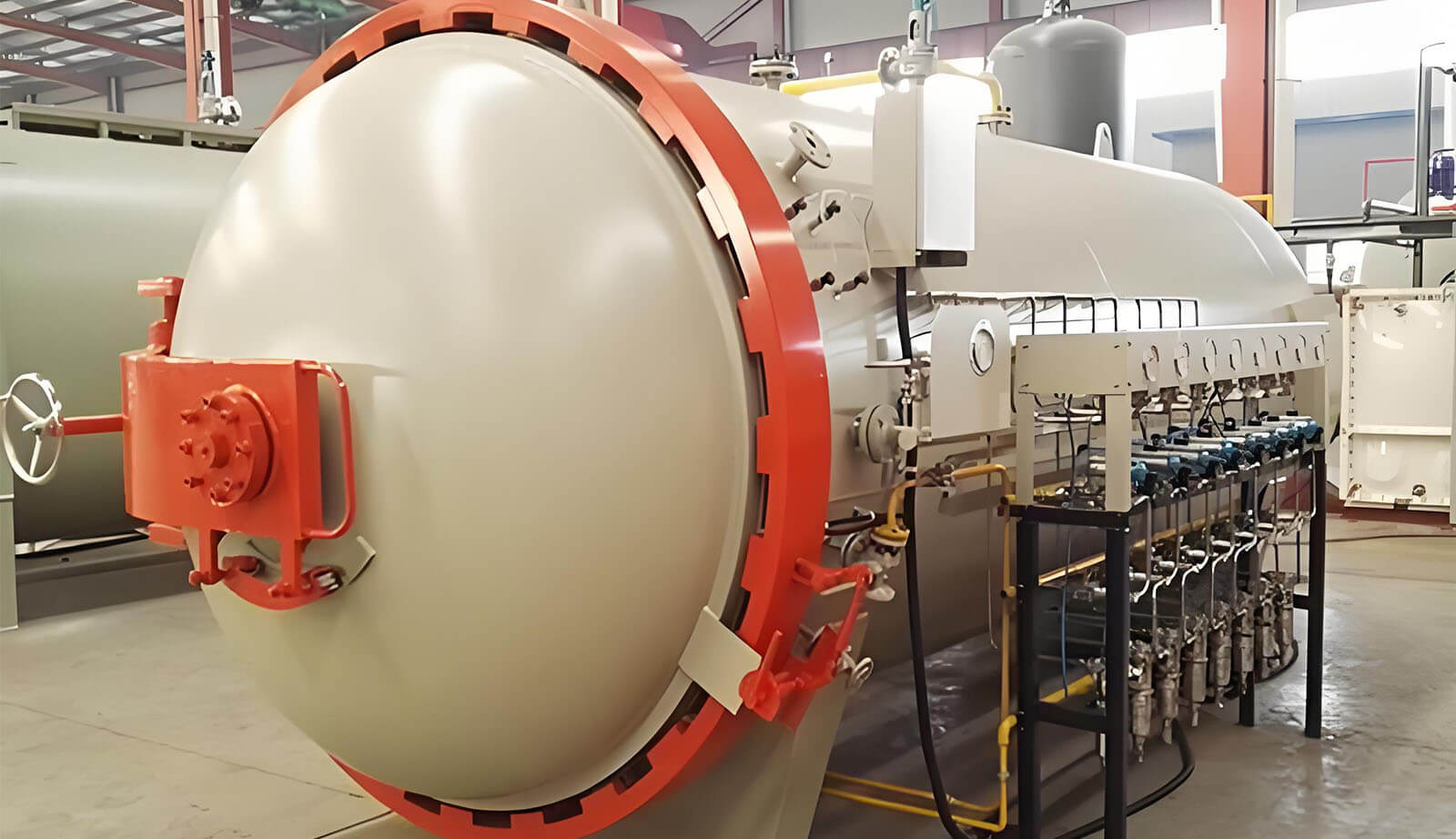
当社の工場では、100 台以上の高温高圧オートクレーブを稼働させ、アルミニウムの型と真空誘導法を使用してカーボン ファイバーを精密に成形しています。高熱と高圧により、強度、安定性、完璧な品質が向上します。
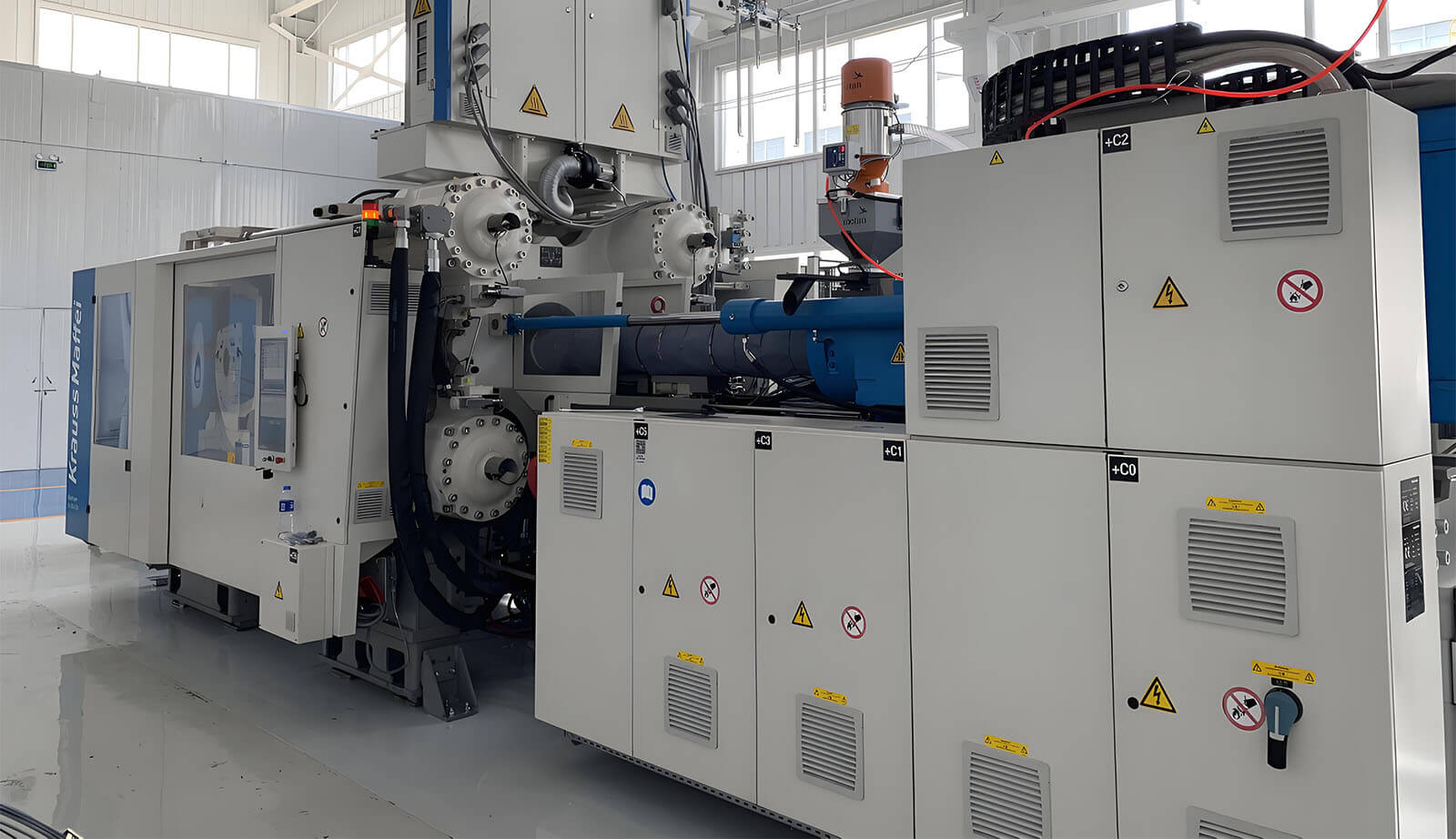
当社の炭素繊維研究センターは、先進的な複合材と Krauss Maffei ファイバーフォームを使用して、新エネルギー、インテリジェンス、軽量設計のイノベーションを推進し、最先端の顧客重視のソリューションを生み出しています。
経験豊富な炭素繊維製品工場からのよくある質問への回答は次のとおりです。
当社は、自動車部品、オートバイ部品、航空宇宙部品、船舶アクセサリー、スポーツ用品、産業用途など、幅広い炭素繊維部品を製造しています。
当社では、強度、耐久性、軽量特性を確保するために、主に高品質のプリプレグ炭素繊維とラージトウ炭素繊維強化高性能複合材料を使用しています。
はい、当社の製品は UV 保護仕上げでコーティングされており、耐久性が長持ちし、磨き上げられた外観が維持されます。
はい、弊社の設備は精度と品質を維持しながら大型の炭素繊維部品を生産する能力を備えています。
カーボンファイバー製品を使用する利点は何ですか?
カーボンファイバーは、優れた強度対重量比、耐腐食性、剛性、熱安定性、そして洗練されたモダンな外観を備えています。
当社は、軽量で高性能なカーボンファイバー部品を中心に、自動車、オートバイ、航空宇宙、海洋、医療、スポーツ、産業の各分野にサービスを提供しています。
はい。 カスタムカーボンファイバー ユニークなデザイン、サイズ、パターンなど、お客様の仕様に合わせたソリューションを提供します。
当社では、オートクレーブ成形、ホットプレス、真空バッグなどの高度な技術を活用し、すべての製品の精度、安定性、品質を確保しています。Hello Elementor テーマで素晴らしい成果を上げている当社では、このテーマがすべての主要テーマでも問題なく動作するように努めています。
当社では、耐久性と高精度を実現するように設計されたアルミニウムと P20 スチールの金型を使用して、複雑で精密なカーボン ファイバー部品を製造しています。
当社の製品は、業界標準を満たすために、寸法精度、材料の完全性、性能テストなどの厳格な品質管理チェックを受けています。