カスタムカーボンファイバーキューシャフトチューブおよびシャフトブランクの製造業者

目次

ビリヤードブランドおよびキューメーカー向けのOEMカーボンファイバーキューシャフトチューブ

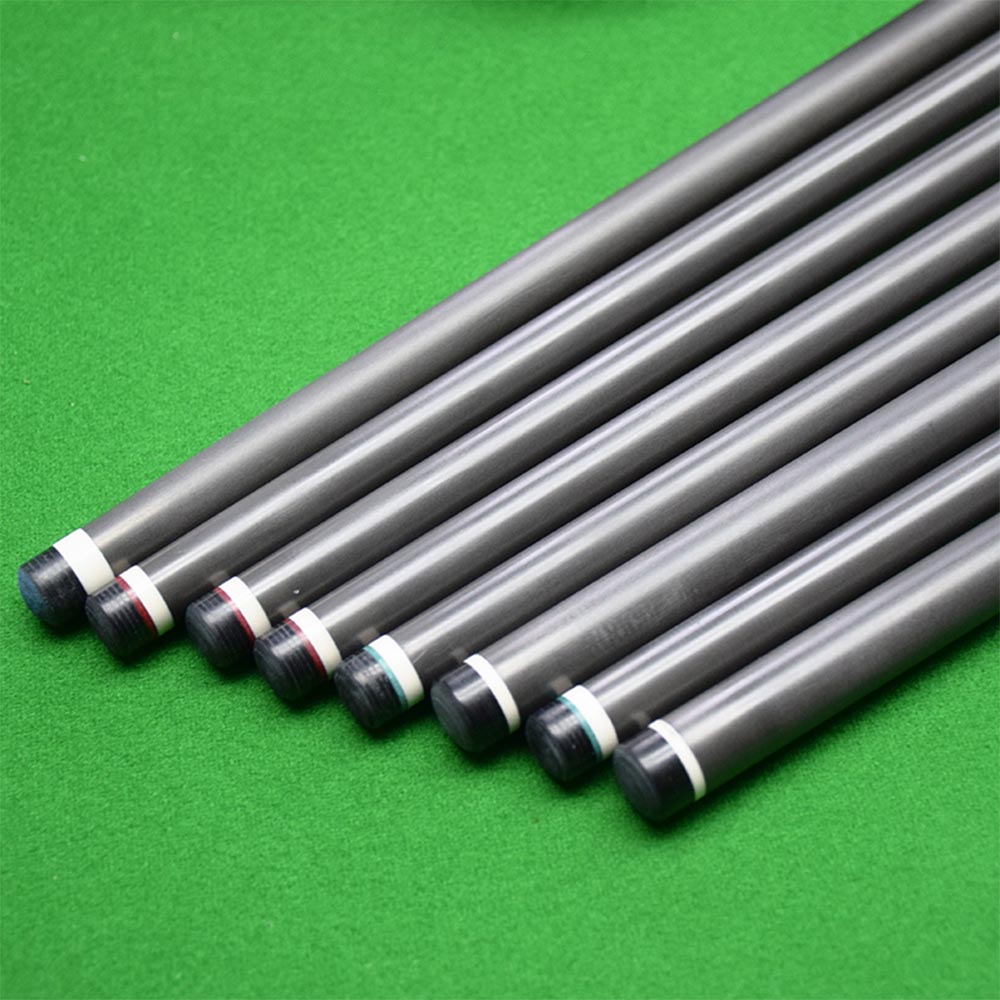
私たちは製造します 習慣 炭素繊維キューのシャフトは チューブ と シャフトブランク ビリヤードブランド、キューメーカー、および卸売バイヤー向け。完全に仕上げられたキューシャフトや、自社工房用の半完成品チューブブランクが必要な場合でも、当社の工場は、正確な公差、柔軟な仕様、プライベートラベルオプションで両方をサポートします。

当社の生産施設は、 カスタム炭素繊維製造 自動車、スポーツ機器、UAV、産業用途向けに特化しています。キューシャフトチューブは、この幅広い複合材料の経験から恩恵を受けます—特にラミネートの一貫性、硬化制御、および真っ直ぐさの公差管理において。

必要とする場合、 カーボンファイバーキューシャフト 製品ライン向けのチューブ、ブレークキュー用チューブ、ジャンプキュー用チューブ、またはキューバット用チューブの調達について、このページでは当社の提供内容、製造方法、注文の仕方について説明します。

カーボンファイバーキューシャフトチューブとは?

のような団体がこれらのキューをすべての競技プレイに承認しています。曲がりがないということは shaft tube は、プールキューシャフトの構造的コアを形成する中空の複合材料のチューブです。これは、完成したキューシャフトとは異なり、次の点で異なります:

  • フェルールまたはチップが取り付けられていない
  • 最終的なテーパーが機械加工または研磨されていない
  • バットエンドにジョイントが取り付けられていない
  • ロゴやブランドが適用されていない

キューメーカーやビリヤードブランドは、しばしば シャフトブランク または シャフトチューブを directly from a composite factory, then complete the final machining, fitting, and branding in their own facility. This gives them full control over taper geometry, feel, and branding while benefiting from the structural consistency of a factory-made carbon fiber tube.

当社は両方を提供します:

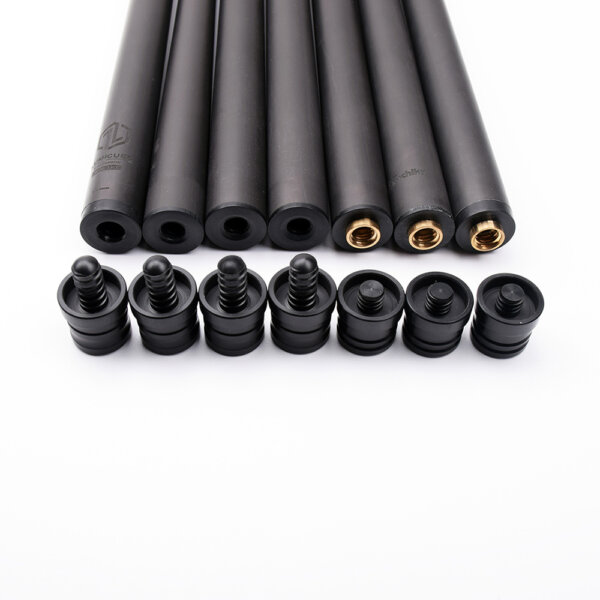
  • 半完成のカーボンファイバーキューシャフトチューブ — 長さにカットされ、外径に研磨された真っ直ぐなチューブ、最終機械加工の準備が整っています。
  • より完成されたシャフトブランク — 前テーパーが形成され、フェルールエリアが準備され、ジョイントエンドがお客様の仕様に応じて寸法指定されたチューブ。

完成したキューシャフトとシャフトブランク — どちらが必要ですか?

 キューシャフト完了シャフトブランク / シャフトチューブ
誰のためのものかディストリビューター、小売業者、エンドユーザーキュー製作者、OEMブランド、プライベートラベルバイヤー
テーパー完全に仕上げられ、サンディング済み生または部分的にテーパー付き
フェルール取り付け済み未取り付け
ジョイント取り付け済みまたは機械加工済み寸法仕様提供、未取り付け
ロゴ利用可能バイヤーまたは工場による適用
MOQより低い仕様によって異なる
リードタイム7〜15日新しい仕様の場合は10〜20日

もしあなたがキュー製作者で、シャフトを自分で仕上げてブランドを付けたいなら、 シャフトチューブまたはシャフトブランク が正しい選択です。もし、販売用の製品ラインのためにすぐに販売可能なシャフトを仕入れたい場合は、あなたの図面に基づいてより完成されたシャフトを生産できます。

カスタム仕様のサポート

バイヤーの図面、サンプルシャフト、または詳細な仕様書に基づいてカスタムオーダーを受け付けています。以下は、要素をカスタマイズできる主要なパラメータです。

直径と壁

  • 外径: 11.5 mmから14 mm(ほとんどのキューシャフトは12.0〜13.0 mmの範囲に該当)
  • 内径: 空洞またはフォームコアの構造が利用可能
  • 壁厚: 硬さと感触の目標に応じて1.0 mmから3.0 mm

長さ

  • 標準的なシャフト長: 29インチ(737 mm)
  • カスタム長さ: 28〜31インチ
  • 切断公差: ±0.5 mm

テーパーデザイン

  • プロテーパー(シャフトのほとんどの長さで一貫した直径、先端近くの小さなテーパー)
  • 円錐テーパー(ジョイント端から先端までの緩やかなテーパー)
  • バイヤーの図面またはサンプルシャフトに基づくカスタムテーパー
  • 前端直径とジョイント端直径は別々に指定
  • 最終テーパリングを自分で行うキュー製作者のために、仕様にサンディング許容量を記載

ジョイントエンド

  • ブランクジョイントエンド(バイヤーが独自のジョイントを取り付け)
  • 特定のジョイントピン互換性用に寸法化されたジョイントエンド(5/16×18、5/16×14、3/8×10、Uni-Loc、Radialなど)

ティップとフェルールエリア

  • 生のティップ端(バイヤーがフェルールとティップを取り付け)
  • フェルールエリアは、バイヤーのフェルール外径に合わせて事前段階または事前ドリル済み

表面仕上げ

  • マット
  • サテン
  • 光沢(高光沢クリアコート)
  • 生のサンディング済み(コーティングなし、自己仕上げするキュー製作者向け)

ロゴとブランディング

  • レーザー彫刻
  • パッド印刷
  • 熱伝導
  • プライベートブランド包装

標準仕様範囲

以下の表は、私たちのキューシャフトチューブ生産の一般的な範囲を示しています。すべてのパラメータはあなたの仕様に合わせて調整可能です。

項目一般的な範囲カスタムオプション
ティップ端外径11.5〜14.0 mm(11.8 / 12.4 / 12.5 / 13.0 / 13.3 / 13.9 mmが一般的なサイズ)カスタムODは図面による
Joint-end outer diameter21.0–22.0 mm / approx. 0.842 inCustom joint-end OD
長さ28–31 in / 710–790 mm (30 in and 31 in most common)Cut to buyer drawing
肉厚1.0–3.0 mm (.035 in is a common reference for playing shaft blanks)Adjusted by stiffness and impact target
コアHollow / hard closed-cell foam filledCustom foam density or hybrid structure
テーパーPro taper / conical taperBuyer drawing or sample shaft
Cross-sectionRound (standard) / Hex (available)Custom profile on request
表面Matte / satin / glossy / raw sandedCustom logo and coating
重量Approx. 3.4–3.8 oz for standard playing shaft blanks; varies by OD, wall and coreControlled by hollow / foam-filled structure and layup
MOQSample batch 10–50 pcsDepends on tooling and specification

Carbon Fiber Layup and Tube Structure

The structural and playing characteristics of a carbon fiber cue shaft tube depend largely on how the carbon fiber layers are arranged. We work with buyers to select the right layup for their target feel and stiffness.

繊維配向

  • Unidirectional (UD) carbon fiber layers run along the shaft axis and increase axial stiffness, contributing to a stiffer, more direct hit feel
  • Off-axis layers at ±15°, ±30°, or ±45° add torsional resistance and help distribute impact forces around the tube wall
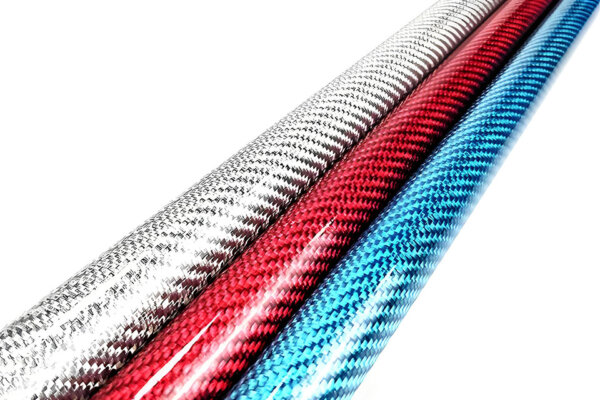
  • Outer cosmetic layers determine the visible surface pattern — 3K twill, plain weave, or UD surface with no visible weave

Core construction

  • Hollow core construction reduces weight and is the standard choice for lightweight playing shafts
  • Foam core construction adds internal support, reduces the hollow resonance sound, and can improve feel feedback on contact
  • Wall thickness and layup sequence together determine the final balance between stiffness, weight, and feedback character

Material options

  • Standard modulus carbon fiber (T300-grade): widely used, good balance of stiffness, strength, and cost
  • Intermediate modulus carbon fiber (T700-grade): stiffer and slightly lighter for the same wall thickness
  • High modulus carbon fiber: for low-deflection applications where maximum axial stiffness is the design target
  • Hybrid layup with fiberglass or Kevlar layers if specific impact resistance or damping properties are required

We can share our standard layup schedules or work from your existing shaft design if you supply a cross-section drawing or material specification.

Carbon Fiber Material Properties Relevant to Cue Shafts

Understanding the physical properties of carbon fiber composite helps buyers make better specification decisions.

Density and weight. Carbon fiber composite materials typically have a density of 1.6–1.8 g/cm³ depending on fiber volume fraction and resin system. This is significantly lower than aluminum (2.7 g/cm³) or steel (7.8 g/cm³), which is why carbon fiber shaft blanks can achieve the same structural performance at much lower weight than metal alternatives.

Dimensional stability. Compared with wood, carbon fiber composite is far less sensitive to humidity changes. It does not swell, shrink, or warp in the same way as natural wood grain, which helps brands achieve more consistent shaft straightness and batch repeatability across different storage and playing environments.

UV and corrosion resistance. Carbon fiber does not corrode, and the composite structure is suitable for long-term indoor sports equipment use. For visible shaft surfaces, matte, satin, or glossy clear coatings help protect the resin surface and maintain appearance over time.

Temperature resistance. Epoxy-based carbon fiber composites maintain structural integrity at temperatures well above normal use conditions. Our curing process reaches temperatures sufficient to ensure full resin cross-linking, which also means the finished shaft is stable under heat exposure from sunlight or storage in warm environments.

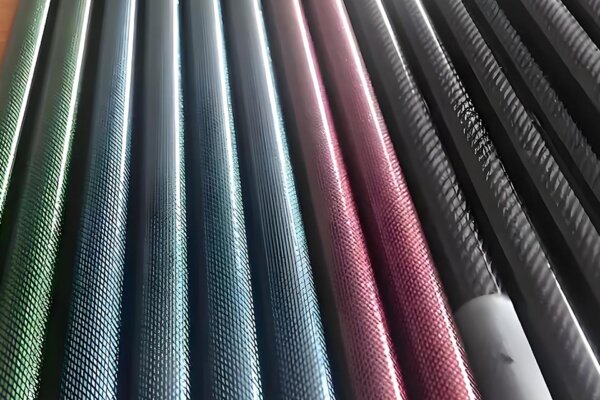
Surface weave options. The visible surface of the shaft blank depends on the outer cosmetic layer selected. 3K twill weave gives the classic diagonal crosshatch pattern. 3K plain weave gives a tighter, more uniform grid pattern. A UD surface layer shows no visible fiber pattern and appears as a smooth, solid color. All three options are available in matte, satin, or glossy finish.

Mechanical Factors That Affect Cue Shaft Performance

A carbon fiber cue shaft tube is not only a cosmetic carbon tube. Its playing performance depends on the relationship between fiber orientation, wall thickness, tip-end mass, core structure, and taper geometry. Understanding these factors helps buyers specify the right tube for their product.

Axial stiffness is mainly controlled by unidirectional carbon fiber layers, fiber modulus, and wall thickness. A stiffer axial structure improves power transfer and creates a more stable hit, but too much stiffness in the wrong layup can make the shaft feel harsh or unforgiving on mis-hits.

ねじり剛性 is affected by off-axis layers such as ±30° or ±45°. These layers help the shaft resist twisting during off-center hits and improve structural stability, particularly around the joint area and tip end where contact forces are concentrated.

Tip-end mass plays an important role in low-deflection shaft design. A lower front-end mass reduces cue ball deviation on off-center hits. However, this must be balanced against impact strength, ferrule support area, and long-term durability. Removing too much mass from the front end can compromise structural reliability under repeated break shots.

振動減衰 is influenced by the resin system, core filling, wall thickness, and layup sequence. Hollow shafts are typically lighter but may produce a higher-frequency resonance on contact. Foam-filled shafts tend to dampen this and provide a more solid feedback character. Neither is universally better — it depends on the player feel the buyer is targeting.

耐衝撃性 is especially important for break cue shafts and jump cue shafts. For these applications, we recommend a stronger layup, thicker wall, or foam-filled construction rather than an ultra-light hollow tube. We do not recommend using a very thin hollow tube for break cue shaft applications, because break shots create significantly higher impact loads than normal playing shots.

How We Help Buyers Tune Shaft Feel

Different brands target different playing characteristics. Some buyers want a stiff, direct hit for a break shaft product line. Others want a softer, more forgiving feedback for a playing shaft aimed at recreational players. Most premium shaft brands land somewhere specific on this spectrum and want their product to be consistent across batches.

We help OEM buyers adjust shaft feel through several variables that can be modified within the same tube format:

  • UD carbon fiber ratio — increasing the proportion of unidirectional layers raises axial stiffness and produces a more direct, solid hit
  • Off-axis layer angle and count — adjusting ±30° or ±45° layers affects torsional stability and how the shaft responds to off-center contact
  • Wall thickness at the tip end and joint end — thinning the tip-end wall reduces front mass and can shift the deflection character; thickening the joint-end wall adds structural rigidity near the pin
  • Hollow vs foam-filled core — switching from hollow to foam-filled changes the resonance character and feel weight without changing the outer profile
  • Taper geometry and sanding allowance — a longer front taper behaves differently from a short one even at the same tip OD
  • Approved sample as production reference — once the buyer confirms a sample that matches their target feel, we lock it as the production reference and compare every batch against it

This approach means OEM buyers are not limited to buying the same standard blank used by every other seller. If your brand has a specific shaft feel you are trying to achieve or replicate, contact us with your target specifications and we will discuss the layup and construction options that are most likely to get there.

Process Options for Carbon Fiber Cue Shaft Tubes

Different manufacturing processes produce different results in cost, consistency, stiffness, and surface quality. We select the appropriate process based on the buyer’s performance target and volume requirements.

プロセスおすすめ制限事項
Roll-wrapped prepreg tubeHigh-end cue shaft blanksAccurate layup control, good strength-to-weight ratio, customizable stiffnessHigher cost than basic tube production
Pressure-wrapped tubeOEM shaft tubes, small to medium batchGood layer compaction, flexible specsRequires OD sanding or coating after curing
Hollow constructionLightweight playing shaftsLower weight, fast feedback feelMay produce hollow resonance if layup is not optimized
Foam-filled constructionPlaying, break, and jump shaftsMore solid hit, better damping, improved impact feelSlightly heavier than hollow construction
Pultruded carbon tubeSimple straight tube applicationsLower cost, stable long-length productionNot suitable for custom taper, joint-end design, or cue-specific feel requirements

For most OEM cue shaft tube projects, we use roll-wrapped or pressure-wrapped prepreg construction. Pultrusion is available for basic tube supply where cue-specific performance is not the main requirement. For a broader overview of tube types and specifications, see our カスタム・カーボン・チューブ ページを参照されたい。.

Our production facility uses hot presses, curing ovens, vacuum systems, CNC trimming equipment, and composite finishing tools. For appropriate projects, prepreg curing under controlled pressure is used to ensure consistent fiber compaction and dimensional stability.

Straightness, Deflection, and Feel

Straightness is the most critical quality dimension for a cue shaft tube. A shaft that is not straight will affect aim, tip contact, and playability regardless of how well the layup is designed.

Our straightness control process:

  • Mandrel straightness is verified before each layup
  • キュアリングは、キュアサイクル中の歪みを防ぐために制御された圧力下で行われます。
  • 各シャフトチューブは、脱型後に平面検査プレートとVブロックの直線度ゲージでチェックされます。
  • 許容できる直線度公差:全シャフト長にわたり≤ 0.3 mm。

偏向について: 偏向(オフセンターヒット時のキューボールの偏差)は、シャフトの剛性、先端の質量、先端での外径、テーパー形状によって影響を受けます。具体的な偏向減少率は公表していませんが、これらの数値はシャフトのテスト方法や比較に使用する基準シャフトによって異なるためです。可能な限り、あなたのレイアップ、外径、壁厚、および先端幾何学を、再現または改善しようとしている既存のシャフトに合わせることができます。サンプルシャフトを送信していただければ、主要な寸法を逆算し、レイアップオプションについて話し合うことができます。

製造工程

私たちのカーボンファイバーキューシャフトチューブの製造は、一貫した文書化された手順に従います。

  1. マンドレルの準備 — スチールまたはアルミニウムのマンドレルが対象内径に加工され、離型剤でコーティングされます。
  2. カーボンファイバーのカッティングとレイアップ — プリプレグカーボンファイバーシートがパターンに切り出され、承認されたレイアップスケジュールに従ってマンドレルに層ごとに巻かれます。
  3. 圧力巻きまたは真空バッグ梱包 — 巻かれたマンドレルは、空隙を取り除き、層間の結合を確保するために圧力下で圧縮されます。
  4. 養生 — チューブは、当社の生産炉やホットプレスで制御された温度と圧力で硬化させられます。硬化サイクルのパラメータは使用される樹脂システムに基づいて設定されます。
  5. 脱型 — 硬化されたチューブは、注意深くマンドレルから取り出されます。
  6. CNCトリミング — チューブはCNC装置を使用して長さに切断されます。
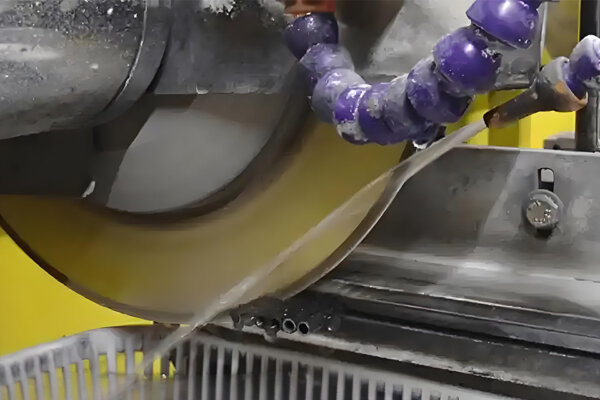
  7. 外径のサンディングまたはセンターレス研削 — 外径を公差に合わせます。
  8. テーパー加工 — 指定があれば、前方テーパーは購入者の図面に従って研削またはサンディングされます。
  9. 表面仕上げ — マット、サテン、光沢、または生のサンディング仕上げが適用されます。
  10. ロゴの適用 — 指定があれば、レーザー刻印、パッド印刷、または熱転写が行われます。
  11. 最終検査 — 各シャフトは梱包前に直線度、直径、長さ、重量、表面品質が確認されます。

キューシャフトチューブの品質管理

各生産バッチは、出荷前に以下のチェックを受けます:

  • 真っ直ぐさ — Vブロックチェックとロール直線度チェック。各シャフトは平面上で転がされ、Vブロック上でダイヤルインジケーターを用いて偏心がチェックされます。許容公差は全シャフト長にわたり≤ 0.3 mm。
  • 外径 — シャフト全長にわたり複数ポイントでのマイクロメーター測定、公差±0.05 mm。
  • 先端の壁厚 — フェルールまたは先端接触が発生する場所での一貫性がチェックされます。
  • 長さ — 規格に対して確認し、公差±0.5 mm。
  • 重量 — 各シャフトは個別に計量され、バッチの平均値と範囲が記録されます。
  • ジョイント端の同心度 — ジョイント端が特定のジョイントピンに寸法指定されている場合に確認されます。
  • 表面仕上げ — 外観および触覚による検査で、欠陥、剥がれ、不均一な塗装、または露出した繊維を確認します。
  • 重量分布チェック — 完成したシャフト製品について、重量と同心度を確認し、シャフト軸に沿った明らかな質量分布の不整合を特定します。
  • バッチ比較 — 各バッチは承認された最初のサンプルと主要な寸法について比較されます。
  • 衝撃試験 — ブレイクキューおよびジャンプキューのバッチからのサンプルが、バッチリリース前に衝撃耐性のテストを受けます。

要求に応じて寸法レポートやバッチ記録を提供できます。大規模な生産注文に対しては、出荷前の第三者検査を手配することができます。

プロトタイプ開発プロセス

新しいキューシャフト製品を開発しているバイヤーのために、構造化された開発手順に従います:

  1. バイヤーが図面、仕様書、または参照用のサンプルシャフトを送信します。
  2. 工場が外径、内径、テーパー形状、ジョイント端の要件、重量目標、感触のメモを確認します。
  3. 最初のサンプルバッチを生産します(通常は複雑さに応じて5–20個)。
  4. バイヤーは、感触、偏向特性、音、表面、および寸法の正確さについてサンプルをテストします。
  5. フィードバックをレビューし、必要に応じてレイアップ、壁厚、テーパー、または仕上げを調整します。
  6. 修正されたサンプルを製造し、確認します。
  7. 承認されたサンプルが生産参照としてロックされます。
  8. 承認されたサンプルに対してバッチ記録を持つ完全バッチ生産が進行します。

このプロセスは、生産されたシャフトが承認された仕様と一致していることを保証し、バイヤーにその後の注文の品質管理のための明確な参照点を提供します。

表面仕上げオプション

終了説明ブレークショットに最適
マット低光沢、滑らかな質感、反射しない自然な低摩擦グリップを好むプレーヤー
サテン中光沢、バランスの取れた外観と質感ほとんどの小売用キューシャフト
グロッシーハイグロスクリアコートプレミアムな外観、ディスプレイ製品
生のサンディングコーティングなし、400–600グリット仕上げ自分で仕上げやブランドを施すキュー製作者
カスタムカスタム色、カラフルなコーティング、またはツートーンプライベートラベルまたはブランド固有のビジュアル要件

アプリケーション

当社のカーボンファイバーキューシャフトチューブは、以下のアプリケーションで使用されます:

  • プールキューのプレイシャフト — 8ボール、9ボール、ストレートプール用のプレイシャフト; 標準OD範囲12.0–12.9 mm; プロテーパーまたは円錐テーパー; 中空または硬質閉セルフィルム充填
  • ブレークキューシャフト — パワー伝達と衝撃耐性のためのより厚い壁構造; 一般的は13.3–13.9 mm OD; フォーム充填構造を推奨
  • ブレークとジャンプを組み合わせたキューシャフト — 二目的のブレーク/ジャンプキュー用の短くて硬い構造; 特定のODおよびテーパー要件
  • ジャンプキューシャフト — ジャンプショット用の短くて硬いシャフト; 小さな外径バージョンも利用可能
  • 六角形断面シャフトブランク — 最終加工中のグリップを簡単にするための六角ブランクを好むキュー製作者用の六角プロファイルチューブ
  • キューバットチューブとハンドルスリーブ — 2ピースキューのバットセクション用の構造チューブ; 大きなOD範囲
  • プールキューエクステンション — キューシャフトに埋め込まれたネジまたはねじ込み式インサートを介して接続されるカーボンファイバーエクステンションチューブ; 3Kプレーンまたはツイール表面が利用可能
  • キュー製作者用のシャフトブランク — ブティックキュー製作家やワークショップブランド向けの半完成品チューブ; テーパーありまたはなしで提供
  • プライベートラベルビリヤード製品 — バイヤーのブランド、パッケージング、および仕様に基づく完全な生産ラン

その他のビリヤードおよびキュー製作アプリケーション

標準的なプールキューシャフトチューブを超えて、関連するビリヤードおよびキュー製作アプリケーション用のカーボンファイバーチューブも製造できます:

  • カロムキューシャフトチューブ — カロムビリヤードおよび三クッションキューのプロジェクト用、通常は小さいODおよび特定のテーパー要件
  • スヌーカキューエクステンションチューブ — スヌーカキューシステム用の軽量リアエクステンションおよびカスタムアクセサリー
  • ビリヤードアクセサリーハンドル — ブリッジヘッドハンドル、メカニカルブリッジエクステンション、および類似のアクセサリー
  • ハイブリッドウッドカーボンキュー構造 — カーボンファイバーを木製外装内の内部強化材として使用するか、構造コアにオーバースリーブとして使用
  • トレーニングキューシャフト — トレーニング補助具や練習機器を開発しているブランド向け
  • カスタム低ボリュームシャフト開発 — 数百個/年が必要な小規模ブランドまたはブティックキュー製作プロジェクト

ここにリストされていないアプリケーションについては、要件をお問い合わせいただければ、当社の製造能力に該当するかどうかをお知らせします。

カーボンファイバーシャフトチューブと木製シャフト — ブランド向けの主要な違い

木製からカーボンファイバーに移行している多くのキューブランドは、ブランクまたはチューブレベルでの両材料の比較について質問があります。違いは、製品開発とバイヤーとのコミュニケーションの両方に関して重要です。

Dimensional stability. 木製シャフトは、湿度と温度の変化によって膨張し収縮します。冬に真っ直ぐなメープルシャフトは、湿度の高い夏の環境でわずかに反りが生じる可能性があります。カーボンファイバー複合素材は、これらの変化に対してはるかに敏感ではなく、自然の木目のように膨らんだり収縮したり歪んだりしないため、様々な環境でプレイするエンドユーザーにとっても、製造および一貫性が大幅に向上します。

バッチの一貫性。 木製ブランクは、同じバッチ内でも木目の密度、剛性、および重量が異なります。カーボンファイバーシャフトチューブは、繰り返し可能な製造プロセスから生産されます — 同じレイアップ、同じマンドレル、同じ硬化サイクル — つまり、バッチからバッチへの一貫性が大幅に高くなります。すべてのユニットが同じ感触を持つ必要があるブランドにとって、これは大きな利点です。

Maintenance requirements. Wood shafts typically require regular sanding, conditioning, and careful storage to maintain performance. Carbon fiber shaft tubes require none of this. The surface finish is stable and does not need re-treatment.

Weight control. Carbon fiber composite has a higher material density than wood, but it can be engineered as a hollow or foam-filled thin-wall tube. This allows brands to control shaft weight, front-end mass, stiffness, and balance more precisely than natural wood blanks. Instead of relying on wood grain variation, the final weight can be adjusted through wall thickness, layup, core structure, and taper design.

Feel character. Carbon fiber shafts transmit feedback differently from wood. The hit feel is generally described as more direct and solid, with less vibration absorption than wood. Whether this is an advantage depends on the player segment the brand is targeting. We can adjust the feel character through layup and core construction choices as described in the tuning section above.

Designs We Do Not Recommend

Not every carbon fiber tube design is suitable for cue shaft use. Based on our composite manufacturing experience, we generally do not recommend:

  • Very thin hollow tubes for break cue shafts — repeated impact loads from break shots are significantly higher than normal playing shots, and a thin hollow wall may not provide adequate structural margin
  • Pultruded tubes for premium low-deflection playing shafts — pultrusion offers limited control over fiber angle and taper geometry, making it unsuitable for shafts where feel and deflection character are critical
  • Overly light tip-end designs without adequate ferrule support area — reducing front-end mass beyond a certain point can compromise ferrule bonding strength and long-term durability
  • Cosmetic-only carbon tubes not built to cue shaft tolerances — straightness, wall thickness consistency, and batch repeatability matter in cue shaft production in ways they do not for purely decorative tube applications
  • Using the same layup for playing shafts, break shafts, and jump shafts — each application has different impact loads, feel requirements, and structural priorities, and a single layup rarely serves all three well

If you are unsure which design is appropriate for your product, we are happy to review your application and advise before sampling.

Buyer Types We Support

We mainly work with:

  • Billiard brands developing private label carbon fiber cue shafts for retail or club distribution
  • Cue makers who need semi-finished carbon fiber shaft blanks for their own machining, finishing, and branding
  • Wholesale distributors sourcing standard or custom cue shaft tubes for resale into the billiard market
  • Sports equipment companies developing new billiard product lines or expanding into carbon fiber cue products
  • OEM buyers who need repeatable batch production with consistent dimensions and documented quality records
  • Boutique cue workshops testing small-volume custom shaft designs before committing to larger production runs

見積りに必要な情報

To provide an accurate quote quickly, please prepare the following information:

1. 必要なシャフトの種類: 完成したキューシャフト / シャフトブランク / 生のチューブのみ
2. 外径 — チップ 終わり  ジョイント 終わり もし テーパー状
3. 内側 直径 または 肉厚
4. 長さ
5. テーパー タイプ: プロテーパー / 円錐形 / カスタム図面
6. ジョイント 終わり: ブランク 終わり / 寸法指定 への 特定のジョイントピン タイプ
7. 表面 終了: マット / サテン / グロス / 未加工 研磨済み
8. ロゴ  包装要件、 もし いずれも
9. 目標数量: サンプル / 小ロット / 生産量
10. 目標重量(シャフトあたり)、 もし 指定された
11. 感触メモ または 参照 シャフト、 もし 利用可能

If you have a sample shaft you want us to match, sending it to our facility is the most efficient way to begin. We will measure the key dimensions and discuss layup options before quoting.

Why Work With a Carbon Fiber Composite Factory?

Sourcing directly from a composite manufacturer — rather than a cue-specific supplier or a trading company — gives OEM buyers several practical advantages.

Control over material and construction. You can specify layup schedule, wall thickness, fiber grade, and core structure. You are not limited to a fixed catalogue item designed for general retail.

Private label capability. We produce under your brand with your packaging and specifications. There is no requirement to use our name or branding on the product.

Scalable production. From sample runs of 10–20 shafts through to production volumes of several thousand pieces per batch. We can support a growing product line without changing suppliers.

Factory traceability. Material batch records, production records, and dimension reports are available for quality-sensitive buyers and those who need documentation for import compliance.

Composite manufacturing depth. We produce carbon fiber components across multiple industries. The process knowledge gained in automotive, UAV, and industrial composite work — particularly in curing control, layup consistency, and dimensional stability — is applied directly to cue shaft tube production. Learn more about our facility and capabilities on our carbon fiber composite factory ページを参照されたい。.

FAQ

What is the minimum order quantity for custom carbon fiber cue shaft tubes?

For standard specifications, samples start at 10–20 pieces. For fully custom specifications with new mandrel tooling, we recommend a sample run of 20–50 pieces before committing to full production.

既に持っているシャフトに合ったものを作れますか?

はい。サンプルシャフトを送っていただければ、主要な寸法を測定し、一致するチューブを製作できます。製造を開始する前に仕様を確認しますので、製造公差の調整が必要になる場合があります。

チューブだけを供給しますか、それともジョイントとフェルールも取り付けられますか?

チューブのみを供給することもできますし、製造プロセスの一部としてジョイントエンドとフェルールの寸法を決めることもできます。独自のジョイントシステムを使用される場合は、寸法またはジョイントピンのサンプルが必要です。

一般的なリードタイムはどのくらいですか?

サンプルのリードタイムは通常、新しい仕様の場合、10~15営業日です。生産のリードタイムは数量や現在のスケジュールによって異なり、一般的に15~25営業日です。注文時にリードタイムを確認します。

シャフトにカスタムロゴを彫刻または印刷できますか?

はい。レーザー彫刻、パッド印刷、熱転写が可能です。見積もりを依頼する際には、ベクターファイル形式(AI、EPS、または高解像度PNG)でロゴファイルを提供してください。

シャフト表面に見えるカーボンファイバーの織り模様は何ですか?

標準的な外観層は3Kツイル織りで、クラシックなクロスハッチカーボンファイバーの外観を提供します。プレーンウィーブ、UD表面(視認できる織り模様なし)、または表面の反射を最小限に抑えたマット仕上げのバージョンも製造可能です。

真直度の保証はありますか?

すべてのシャフトチューブの真直度を測定しており、公差は全長で≤ 0.3 mmです。この公差を越えるシャフトは梱包前に拒否されます。

工場を訪問したり、第三者の検査を手配したりできますか?

工場訪問は事前に手配できます。生産注文については、必要に応じて出荷前に第三者検査サービスと調整可能です。

同じ注文でカーボンファイバーシャフトのブランクと完成品の両方を供給できますか?

はい。あるバイヤーは自分の工房生産用にシャフトブランクを調達しながら、同時に小売用に完成品を注文します。タイミングが合えば、同じ工場から両方を履行し、一度の出荷にまとめることができます。分割注文の手配についてご相談ください。

カーボンファイバーキューシャフトチューブとシャフトブランクの違いは何ですか?

キューシャフトチューブは通常、シャフトの構造的な基盤として使用される生のまたは半完成のカーボンファイバー製チューブです。テーパーがない、フェルールエリアの準備がない、ジョイントエンドの寸法が決められていない場合があります。シャフトブランクは通常、最終的なシャフトの形に近く、テーパー付け、外径研磨、またはプレパードチップとジョイントエリアが既に含まれている場合があります。両者の正確な境界はバイヤーの製造プロセスによって異なります。一部のキューメーカーは完全に生のチューブを好み、他のメーカーは最終研磨とフィッティングだけを必要とするブランクを求めます。

中空チューブとフォーム充填チューブの違いは何ですか?

中空のチューブは軽量で、接触時のフィードバックが速い傾向があります。フォーム充填されたチューブは少し重く、内部共鳴音を減衰させることができ、より堅実な感触を提供します。適切な選択はシャフトの種類とターゲットとするプレーヤーの感触に依存します。ブレイクキューやジャンプキューの用途には、軽量の中空デザインよりもフォーム充填または厚壁構造が一般的に適切です。

お問い合わせください。

私たちはビリヤードブランド、キューメーカー、卸売業者、プライベートラベルバイヤーと連携しています。あなたも完全な... カーボンファイバーキューシャフト、私たちは同じ施設から完成したシャフトと生のシャフトチューブの両方を供給できます。仕様をお送りいただければ、1営業日以内にお返事します。

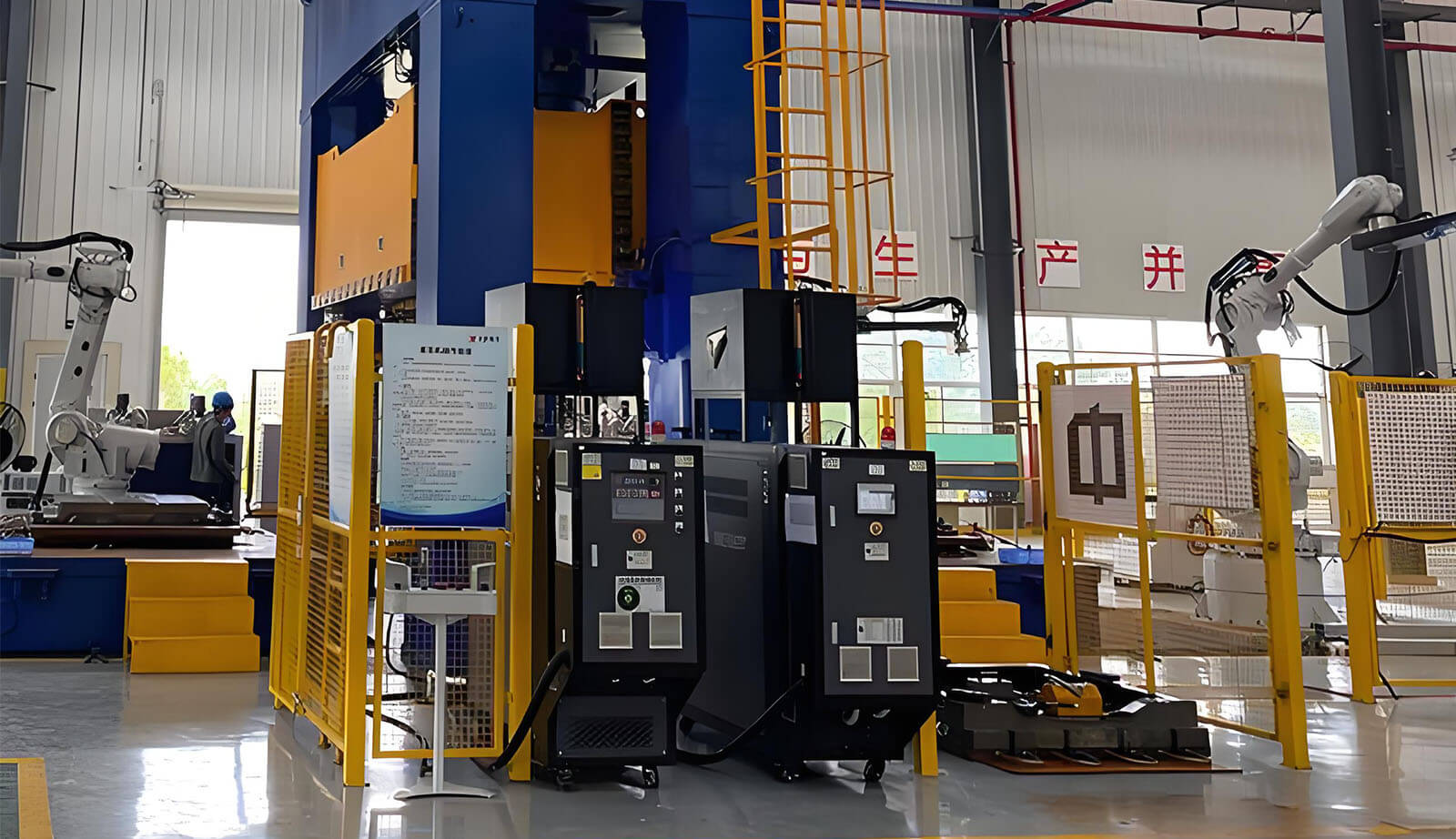
炭素繊維ホットプレス金型温度コントローラ

カーボンファイバー複合材料のホットプレス成形工程

当工場はP20鋼型を用いた先進的なカーボンファイバーホットプレス工程を採用し、高効率、精密、耐久性、コスト効果を実現し高品質な生産を確保しています。

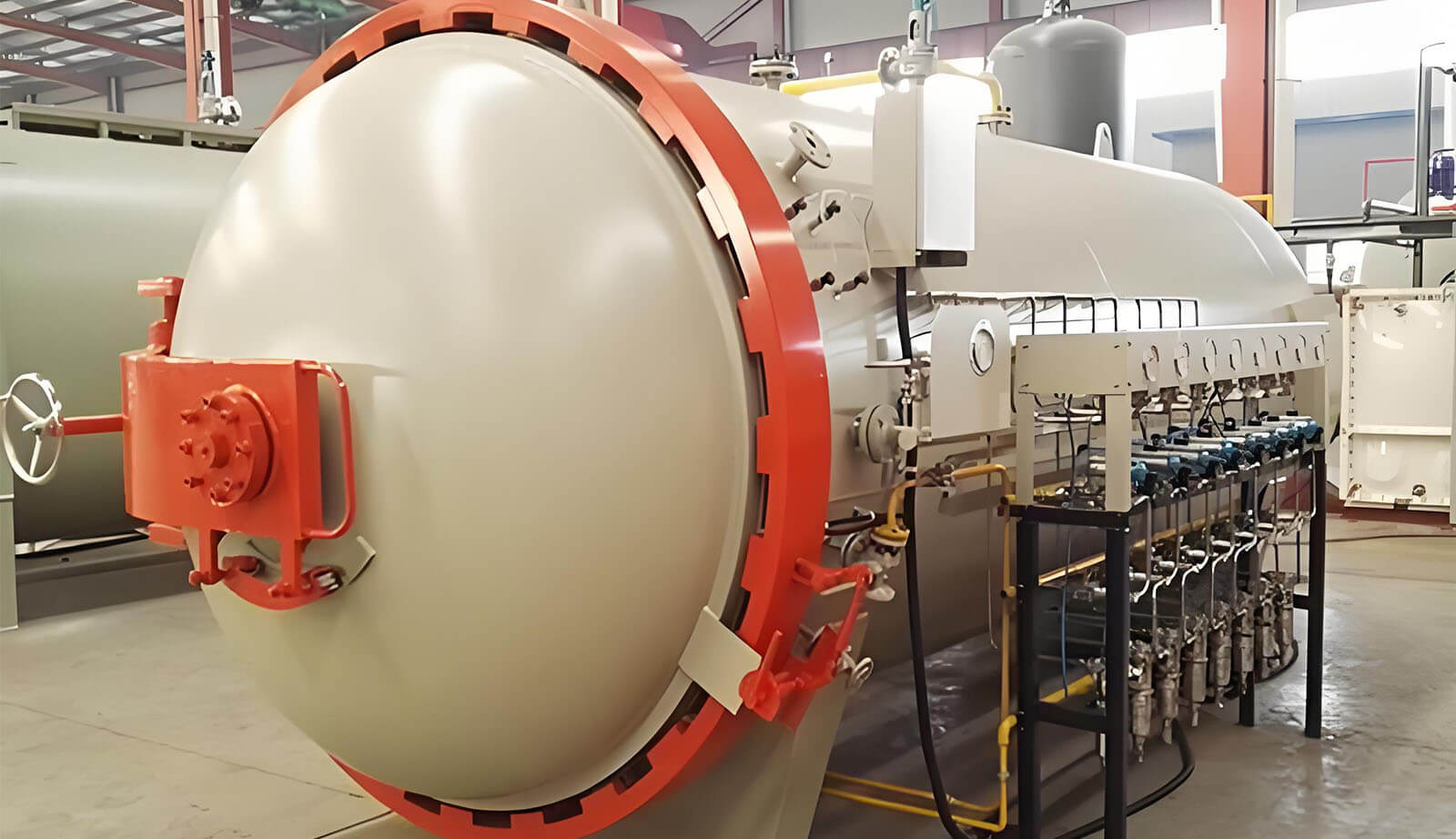
カーボンファイバーオートクレーブ

当工場は100台以上の高圧加熱オートクレーブを稼働させ、アルミ型と真空誘導を用いて精密にカーボンファイバーを成形しています。高温・高圧により強度と安定性、完璧な品質が向上します。

炭素繊維オートクレーブ
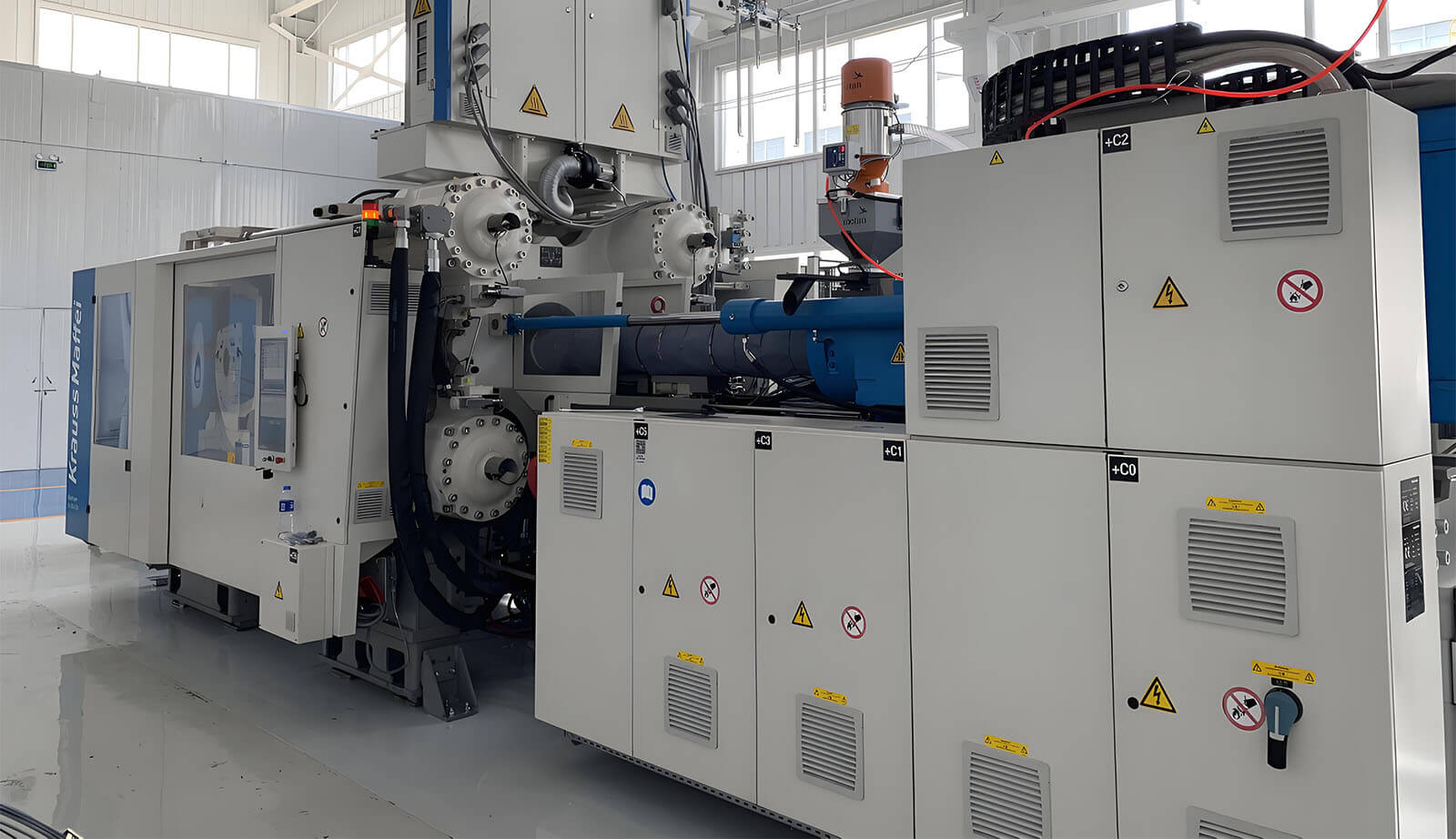
炭素繊維工学技術研究所

カーボンファイバー工学技術研究センター

当社の炭素繊維研究センターは、新エネルギー、インテリジェンス、軽量設計のイノベーションを推進し、先進の複合材料とKrauss Maffei Fiber Formを使用して、最先端の顧客重視のソリューションを生み出しています。.

よくある質問

経験豊富なカーボンファイバー製品工場からのよくある質問への回答をご案内します。

自動車部品、オートバイ部品、航空宇宙部品、海洋アクセサリー、スポーツ用品、産業用途など、幅広いカーボンファイバーコンポーネントを製造しています。

主に高品質のプリプレグカーボンファイバーと大トウカーボンファイバー強化高性能複合材料を使用し、強度、耐久性、軽量特性を確保しています。

はい、当社の製品はUV保護仕上げが施されており、長持ちする耐久性を保ち、光沢のある外観を維持します。

はい、当社の設備と機器は精度と品質を維持しながら大型カーボンファイバーコンポーネントの製造が可能です。

カーボンファイバー製品の利点は何ですか?
カーボンファイバーは優れた強度対重量比、耐腐食性、剛性、熱安定性、そして洗練された現代的な外観を提供します。

自動車、オートバイ、航空宇宙、海洋、医療、スポーツ、工業分野に対応し、軽量で高性能なカーボンファイバー部品を提供しています。

はい、提供しております カスタムカーボンファイバー 独自のデザイン、サイズ、パターンを含む、お客様の仕様に合わせたソリューションです。

オートクレーブ成形、ホットプレス、真空バッグ成形などの先進技術を用い、精度、安定性、品質を確保した製品づくりを行っています。

耐久性と高精度を備えたアルミ型およびP20鋼型を使用し、複雑で精密なカーボンファイバー部品を製造しています。

寸法精度、材料の完全性、性能試験など厳格な品質管理を実施し、業界基準を満たしています。

上部へスクロール