
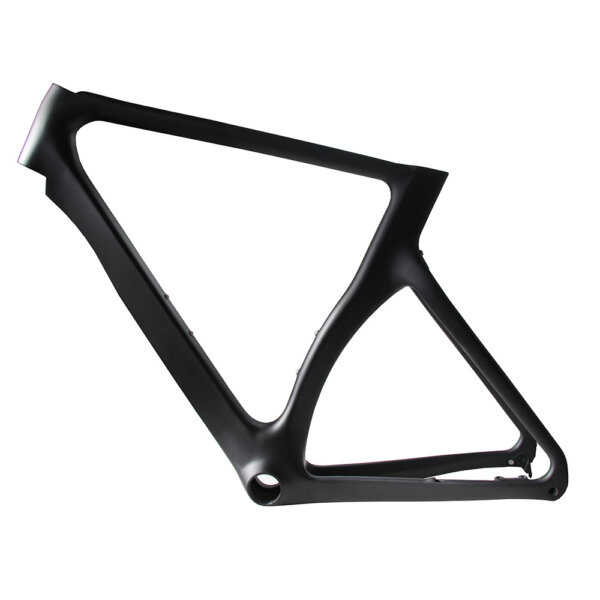
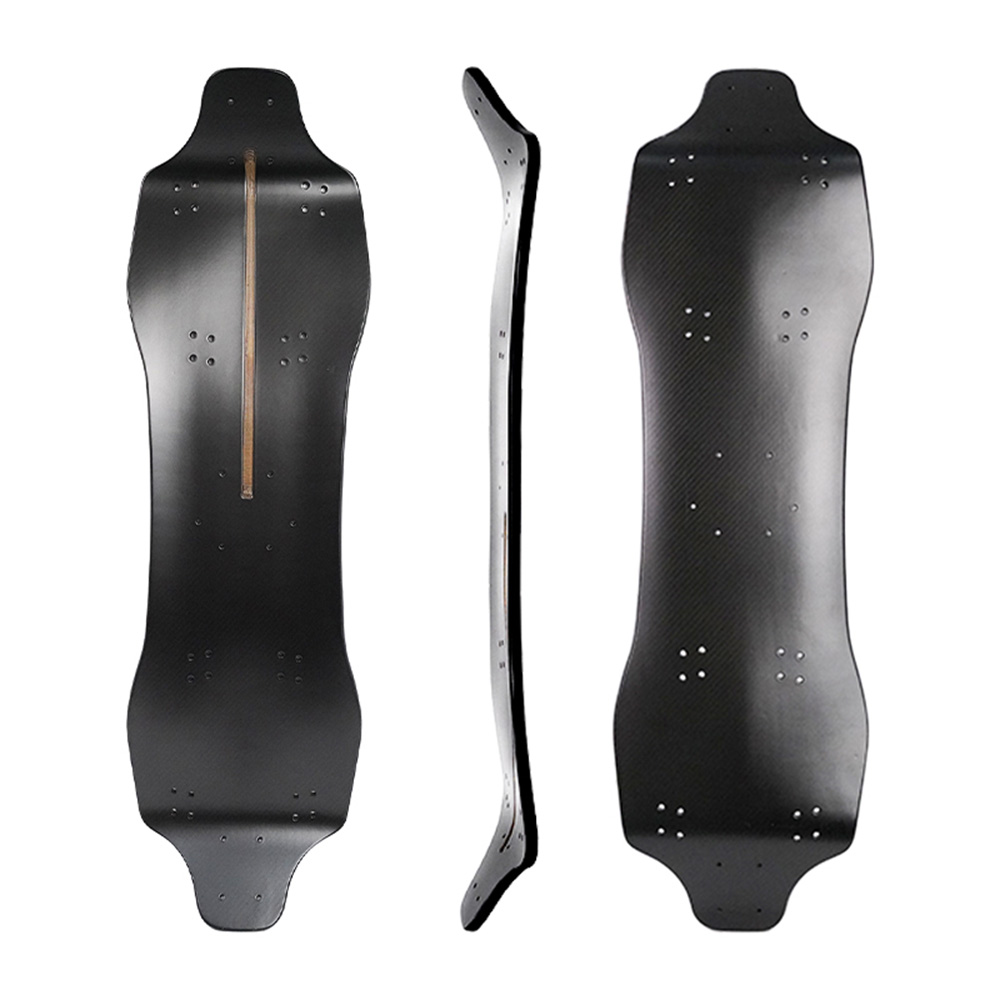
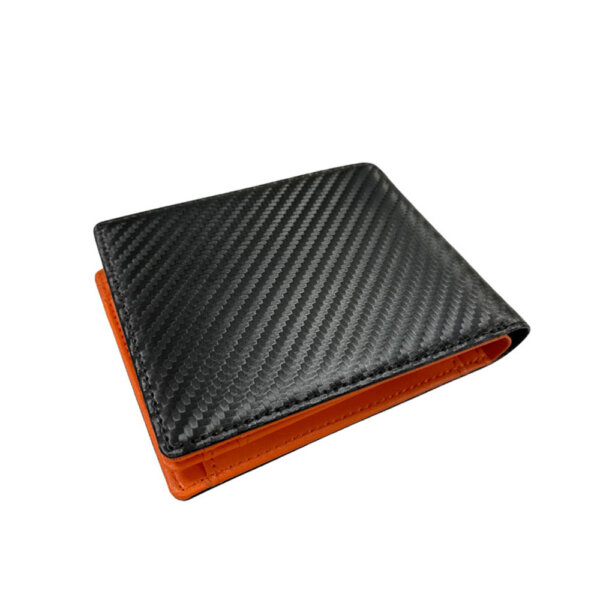

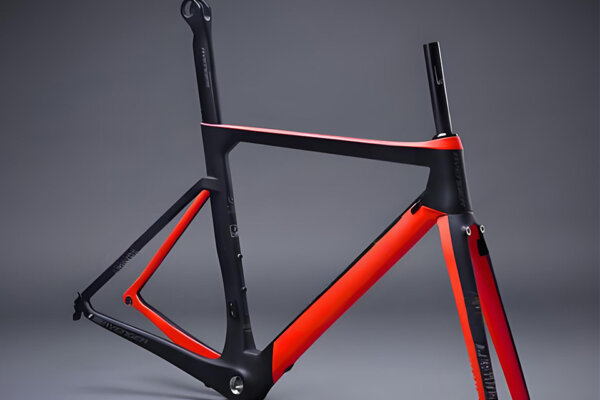
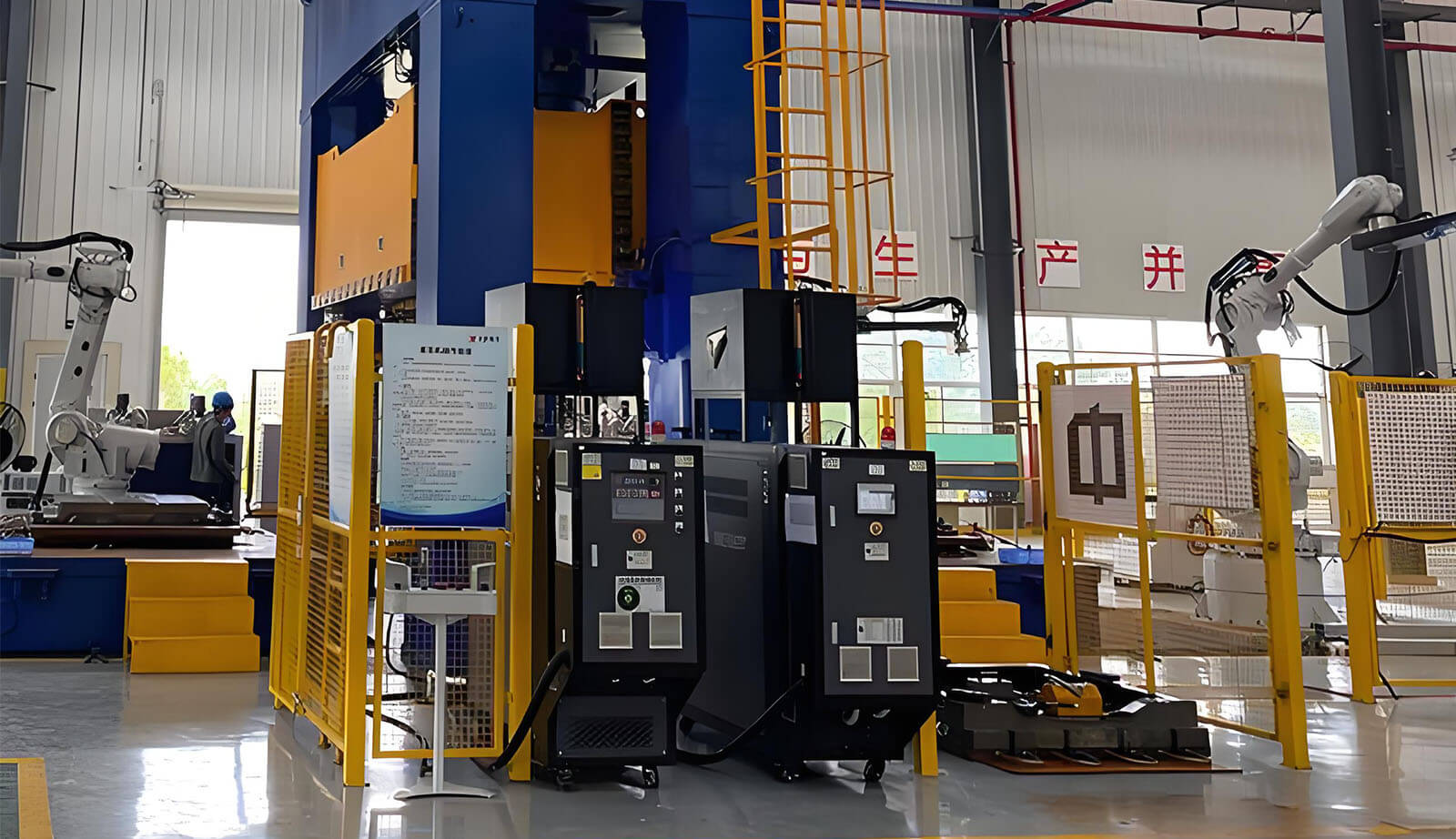
탄소섬유 복합소재 핫프레싱 성형 공정
당사 공장에서는 P20 강철 금형을 사용한 첨단 탄소 섬유 핫 프레스 공정을 채택하여 고품질 생산을 위한 높은 효율성, 정밀성, 내구성 및 비용 효율성을 보장합니다.
A carbon fiber robotic exoskeleton is a wearable robotic system designed to enhance human strength, endurance, and mobility. By combining lightweight carbon fiber structures with motors, sensors, and intelligent control systems, these exoskeletons assist users with lifting, walking, and repetitive physical tasks while reducing fatigue.
Often compared to science-fiction concepts, modern powered exoskeletons are already used across industrial workplaces, medical rehabilitation environments, and defense-related research programs. Their effectiveness comes from integrating aerospace-grade carbon fiber composites with advanced robotics developed by experienced 탄소 복합재 제조업체.
Carbon fiber is widely recognized for its 탁월한 중량 대비 강도 비율, offering significantly higher stiffness than many traditional metals while remaining substantially lighter. Key advantages include:
These characteristics make carbon fiber especially suitable for wearable robotics, where excessive weight or rigidity would reduce comfort and increase injury risk.
Our carbon composite manufacturing process—developed within a professional 맞춤형 복합 공장— is designed to produce high-strength, lightweight structural frames optimized for robotic exoskeleton applications.
In many cases, this includes closed-mold techniques such as the RTM carbon fiber process, which enables precise fiber placement, consistent wall thickness, and excellent surface quality—key requirements for wearable robotic structures.
A robotic exoskeleton typically consists of four core subsystems:
The structural backbone of the system. Carbon fiber reinforcement forms load-bearing components that follow human anatomy, allowing natural movement while maintaining strength under mechanical load. Similar structural principles are also applied in advanced 탄소섬유 자동차 where weight reduction and stiffness are critical.
These components provide assisted motion and load support. Common actuator systems include:
Motion sensors track joint position, speed, and force. Intelligent control algorithms interpret these signals to provide near real-time responsiveness, enabling smooth and intuitive assistance.
Some advanced research platforms explore bio-signal interfaces, such as EMG-based muscle sensing, which remain under active development and evaluation.
Most powered exoskeletons use lithium-ion battery systems designed for several hours of operation. Depending on configuration, some systems support battery replacement without full system removal.
Different applications require different exoskeleton designs. Below is a simplified overview:
Designed to support workers in warehouses, factories, and construction environments.
Typical Applications
Systems in this category are designed to significantly reduce perceived physical load, helping lower strain during extended work periods. Industrial programs report meaningful reductions in musculoskeletal stress when systems are properly integrated.
Used in clinical and therapeutic settings to assist individuals recovering from neurological or musculoskeletal conditions.
Typical Applications
Medical robotic systems are commonly deployed in hospitals and rehabilitation centers, where structured programs report improved therapy efficiency and patient engagement compared to conventional methods.
Developed for load-bearing support and endurance enhancement in demanding environments.
Typical Applications
Defense organizations and government-funded research programs have evaluated exoskeleton technologies for durability, load support, and operational endurance in controlled testing environments.
Lightweight systems intended for daily support rather than powered strength amplification.
Typical Applications
These systems are often passive or semi-active and focus on comfort, ease of use, and long-term wearability.
| 특징 | 산업 | 의료 | Defense | Consumer |
|---|---|---|---|---|
| Typical Weight | ~12 lbs | ~8 lbs | ~15 lbs | ~6 lbs |
| Load Assistance | 높은 | 보통 | 높은 | 낮은 |
| Battery Duration | Several hours | Several hours | Extended | 제한된 |
| Actuation | Electric / Hydraulic | Electric | Electromechanical | Passive |
| Primary Use | Workplace support | Rehabilitation | Load endurance | Daily assistance |
Specifications vary by configuration and application.
Exoskeleton systems are designed to redistribute mechanical load away from vulnerable joints and the spine, reducing physical strain during demanding tasks.
By assisting movement and load handling, users can perform tasks more efficiently while maintaining consistent output.
Organizations may benefit from reduced injury-related downtime, improved workforce sustainability, and more efficient task allocation.
Assistive systems can help users regain mobility, maintain independence, and perform daily activities with greater confidence.
Key considerations include:
Specialized applications—such as pediatric rehabilitation or prosthetic integration—often require 커스텀 탄소 섬유 structures developed by an experienced carbon composite manufacturer.
Exoskeleton programs may involve compliance with:
Designs are typically developed to align with applicable standards, with certification pursued based on application scope and regulatory requirements.
Ongoing research suggests continued advancement toward more intuitive, lightweight, and user-friendly systems.
We work alongside robotics teams, engineers, and system integrators to deliver custom carbon fiber structures for exoskeleton platforms, supported by in-house composite engineering and production capabilities.
Our designs focus on strength, durability, and ergonomic integration, supporting projects across industrial, medical, and research applications.
How much does a carbon fiber exoskeleton cost? Pricing varies widely depending on complexity and application, ranging from entry-level assistive systems to advanced industrial or research platforms.
How long does the battery last? Most powered systems operate for several hours, depending on load and usage profile.
Is training required? Passive systems require minimal training. Active systems typically include onboarding and operational guidance.
What maintenance is required? Carbon fiber structures require minimal maintenance, with periodic inspection recommended for professional systems.
Whether you are developing an industrial support system, 아 medical rehabilitation platform, or an advanced research exoskeleton, we can support your project from concept to production.
The future of strength and mobility is being built today. Build it with carbon fiber. Build it with us.
당사 공장에서는 P20 강철 금형을 사용한 첨단 탄소 섬유 핫 프레스 공정을 채택하여 고품질 생산을 위한 높은 효율성, 정밀성, 내구성 및 비용 효율성을 보장합니다.
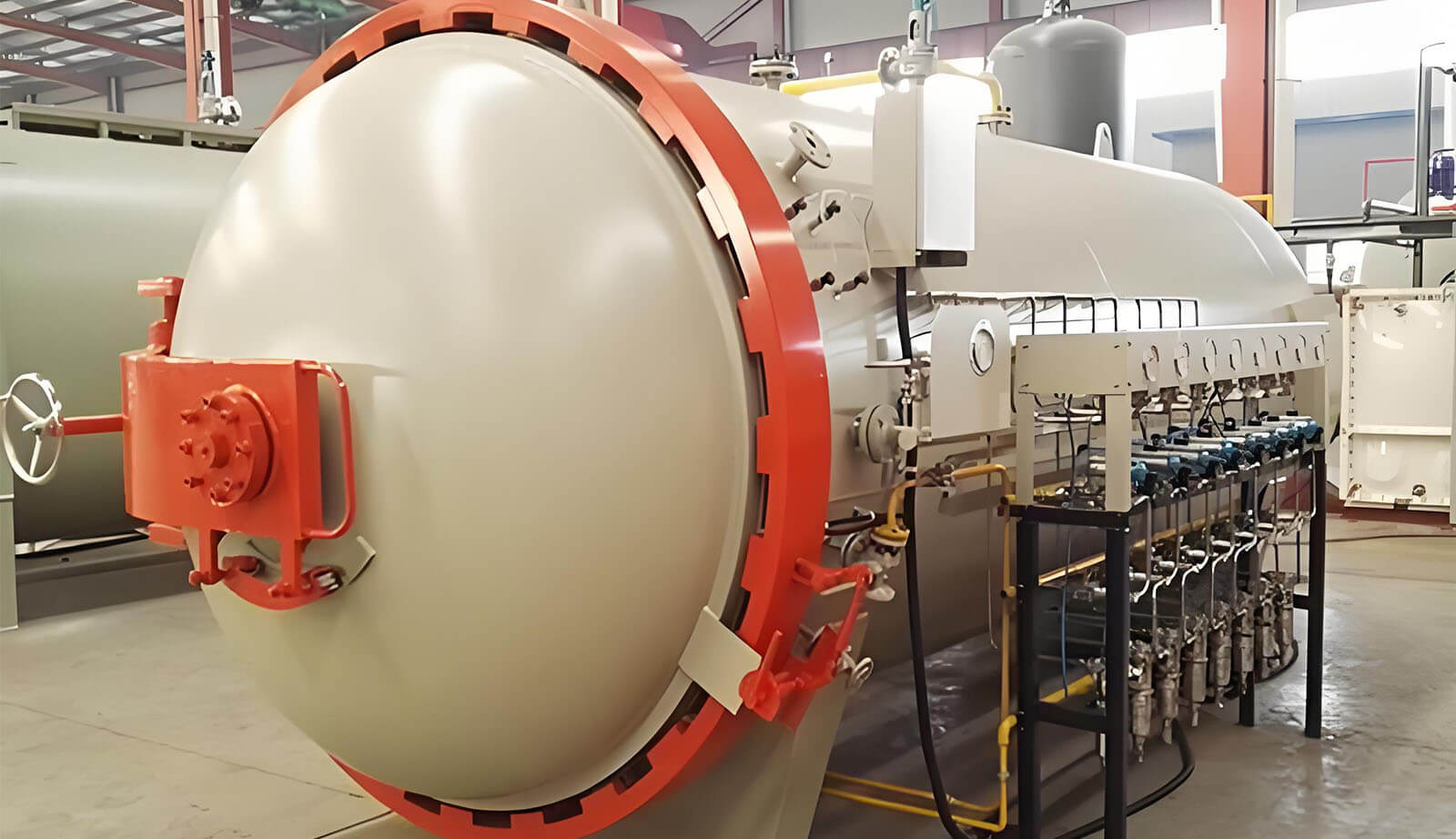
저희 공장은 100개 이상의 고온 압력 오토클레이브를 운영하며, 알루미늄 몰드와 진공 유도를 사용하여 정밀하게 탄소 섬유를 성형합니다. 높은 열과 압력은 강도, 안정성 및 완벽한 품질을 향상시킵니다.
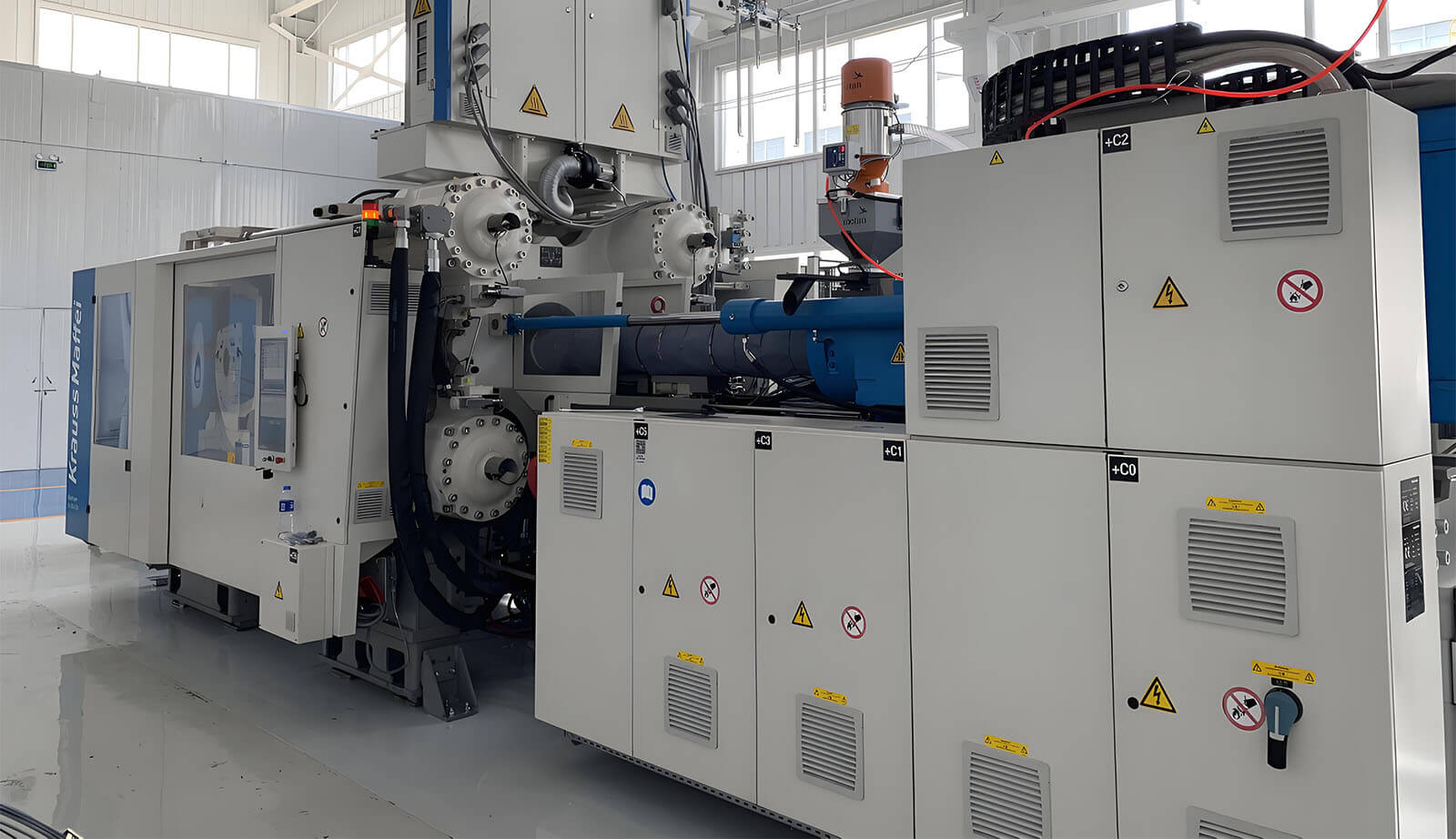
당사의 탄소섬유 연구 센터는 첨단 복합소재와 Krauss Maffei FiberForm을 활용해 새로운 에너지, 지능, 경량 설계 분야의 혁신을 주도하여 최첨단 고객 중심 솔루션을 창출합니다.
경험이 풍부한 탄소섬유 제품 공장에서 자주 묻는 질문에 대한 답변을 소개합니다.
당사는 자동차 부품, 오토바이 부품, 항공우주 부품, 선박 액세서리, 스포츠 장비, 산업용 애플리케이션을 포함한 광범위한 탄소 섬유 부품을 생산합니다.
우리는 주로 고품질 프리프레그 탄소 섬유와 대형 견인 탄소 섬유로 강화된 고성능 복합재를 사용하여 강도, 내구성 및 경량 특성을 보장합니다.
네, 당사 제품은 오래 지속되는 내구성을 보장하고 광택 있는 외관을 유지하기 위해 자외선 차단 마감 처리가 되어 있습니다.
네, 당사의 시설과 장비는 정밀도와 품질을 유지하면서 대형 탄소 섬유 부품을 생산할 수 있습니다.
탄소 섬유 제품을 사용하면 어떤 이점이 있나요?
탄소 섬유는 뛰어난 강도 대 중량 비율, 내식성, 강성, 열 안정성, 세련되고 현대적인 외관을 제공합니다.
당사는 가볍고 고성능 탄소 섬유 구성품에 중점을 두고 자동차, 오토바이, 항공우주, 해양, 의료, 스포츠 및 산업 부문을 대상으로 서비스를 제공합니다.
네, 저희는 고유한 디자인, 크기, 패턴을 포함하여 귀하의 사양에 맞는 맞춤형 탄소 섬유 솔루션을 제공합니다.
저희는 오토클레이브 성형, 핫 프레싱, 진공 포장과 같은 첨단 기술을 활용하여 모든 제품의 정밀성, 안정성 및 품질을 보장합니다. Hello Elementor 테마와 함께 사용하면 모든 주요 테마에서도 원활하게 작동하도록 하려고 노력합니다.
우리는 내구성과 높은 정확성을 위해 설계된 알루미늄과 P20 강철 금형을 사용하여 복잡하고 정밀한 탄소 섬유 부품을 제작합니다.
당사 제품은 업계 표준을 충족하기 위해 치수 정확도, 재료 무결성, 성능 테스트를 포함한 엄격한 품질 관리 검사를 거칩니다.