
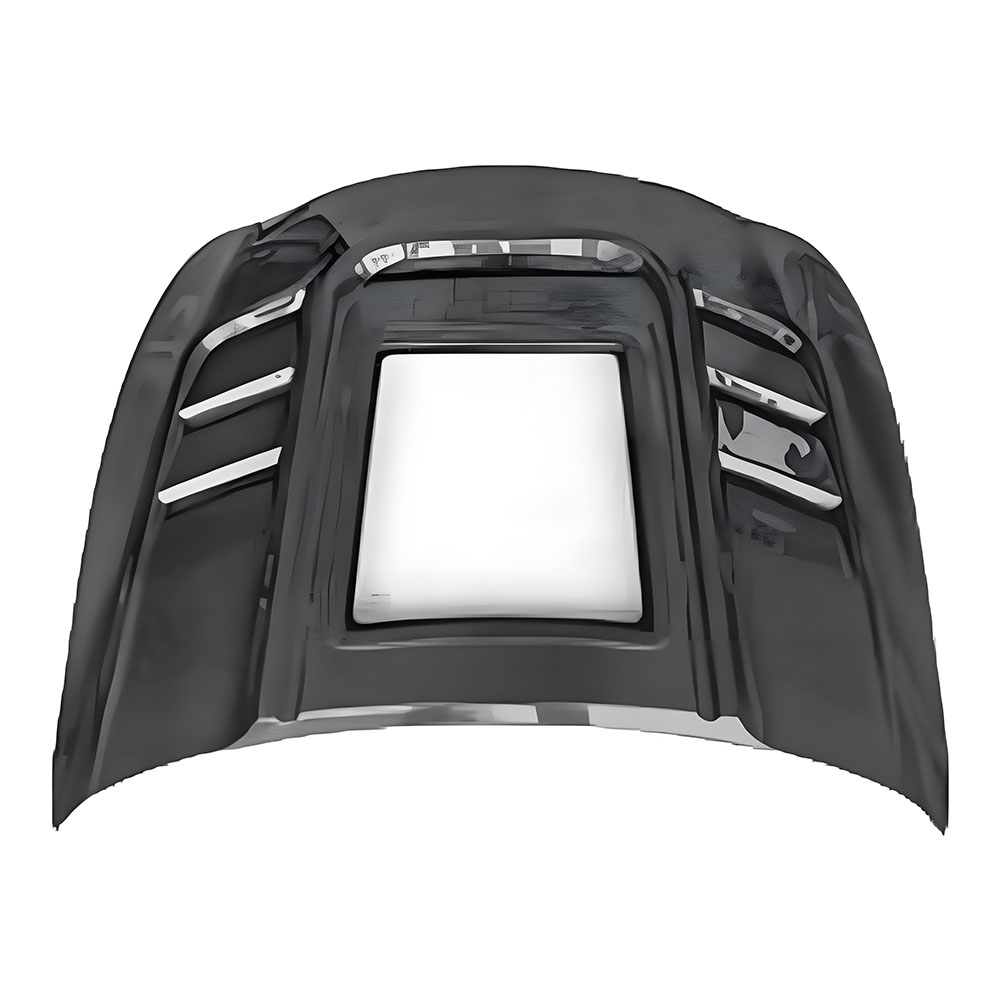
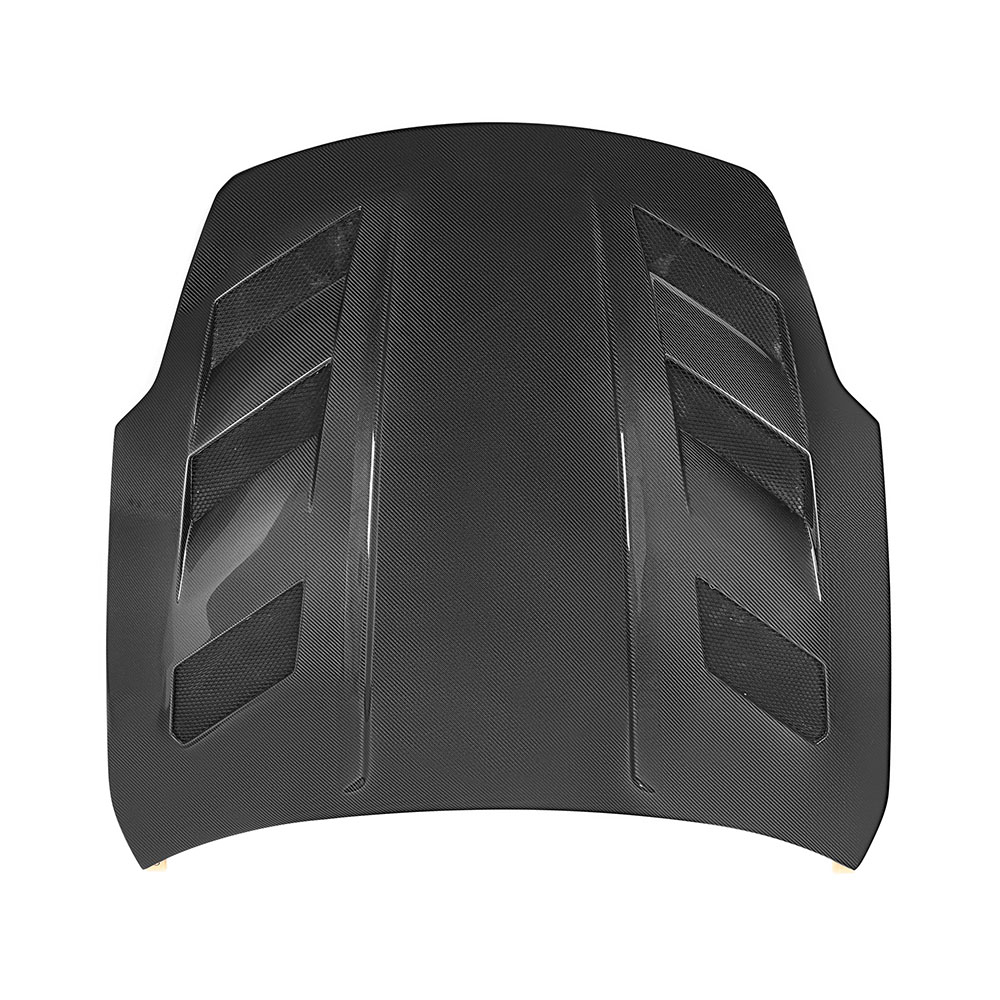
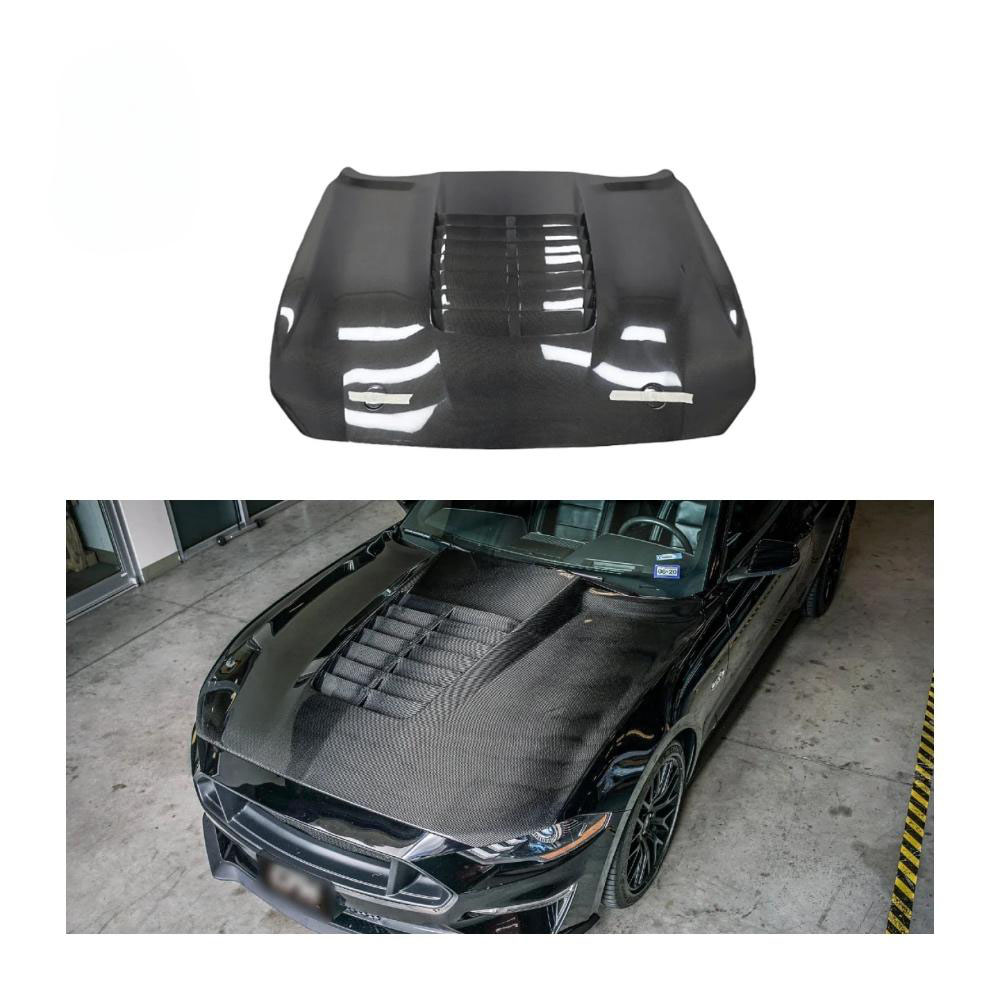
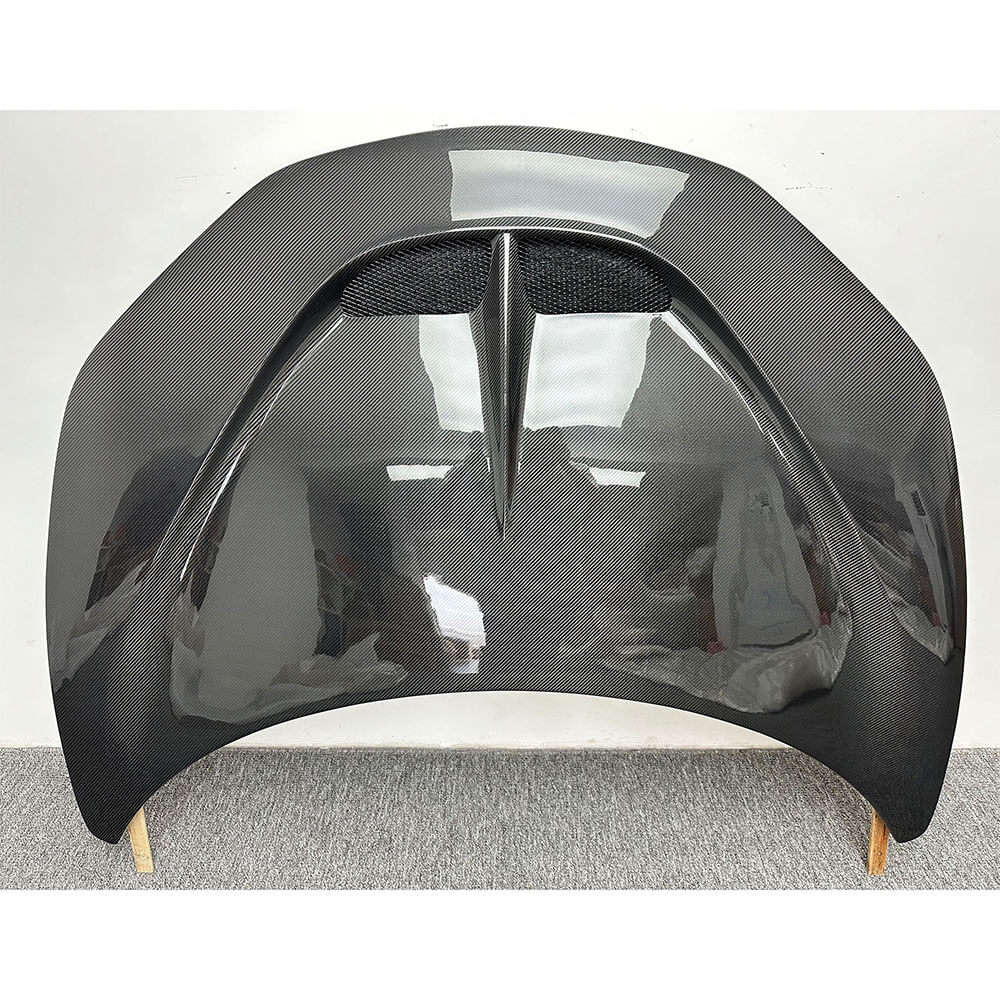
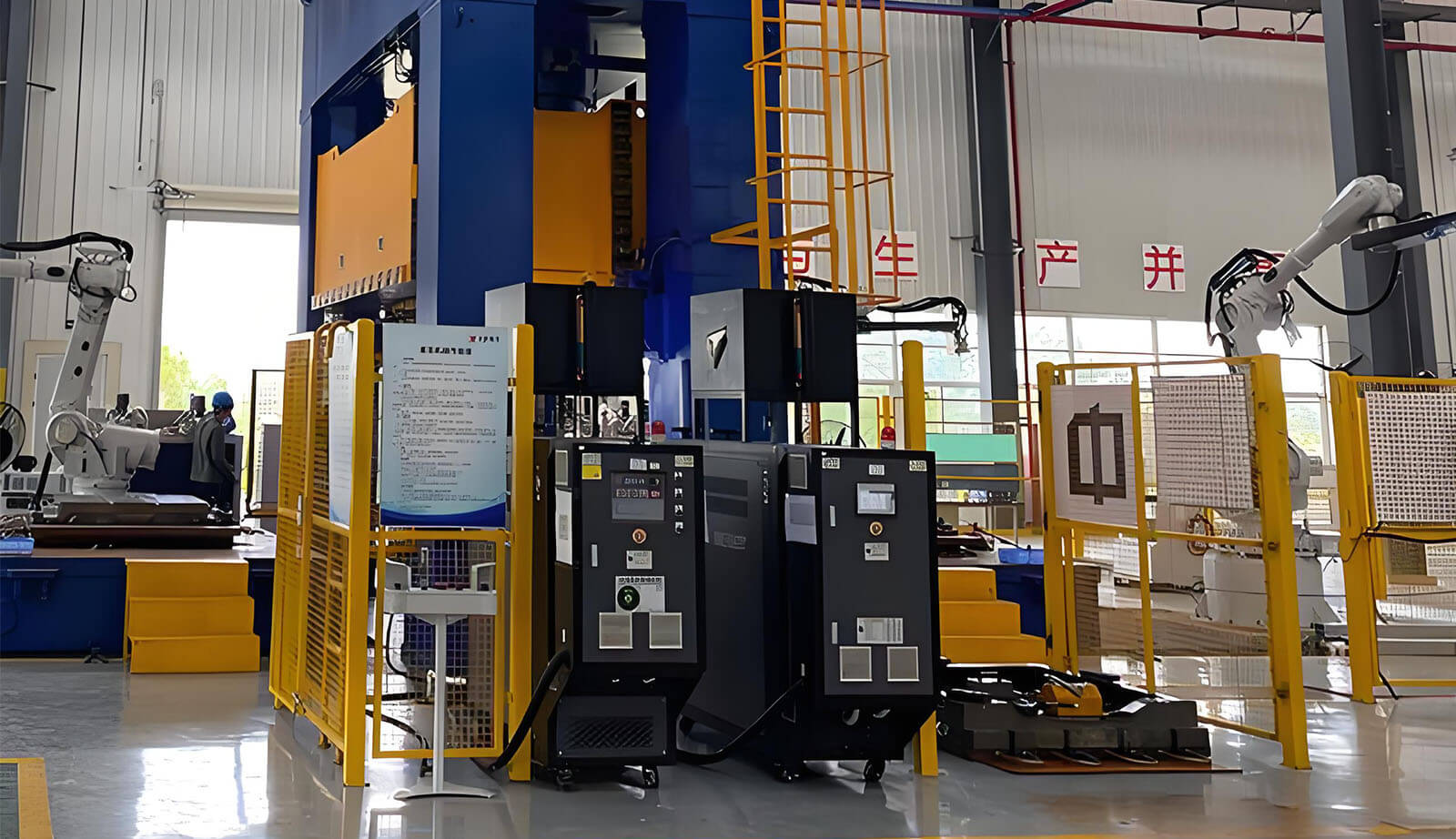
탄소섬유 복합소재 핫프레싱 성형 공정
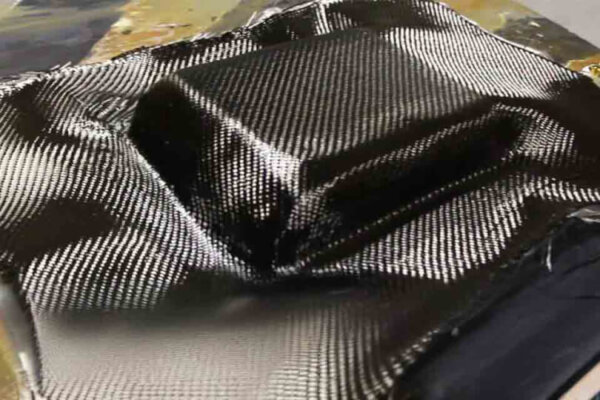
당사 공장에서는 P20 강철 금형을 사용한 첨단 탄소 섬유 핫 프레스 공정을 채택하여 고품질 생산을 위한 높은 효율성, 정밀성, 내구성 및 비용 효율성을 보장합니다.
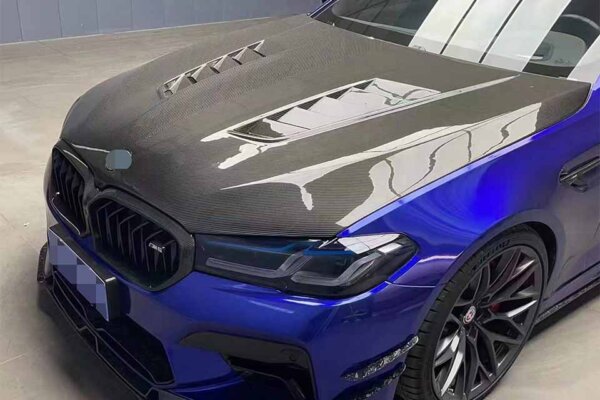
Lightweight composite materials have become essential in modern high-performance automotive design. A carbon fiber hood (carbon bonnet) is one of the most effective upgrades for the Toyota Supra platform — whether you drive a GR Supra A90/A91, a MK5, or a JZA80 with a legendary 2JZ engine. Many owners upgrading their hoods also explore broader 탄소섬유 자동차 options to optimize exterior performance.
Unlike many articles that focus only on appearance, this guide provides a complete engineering deep dive, covering:
Structural behavior of CFRP Airflow & heat extraction Fitment for A90/A91 and JZA80 Dry vs wet vs double-sided carbon Venting styles (TS / TSII / TSIII / TV / VS / TR / KB) Safety, hood pins, latch load, and gas strut compatibility Thermal behavior (engine bay temperatures, resin performance) Crash behavior of composite hoods Road-legal compliance Shipping, packaging, maintenance, and FAQ This is the most comprehensive Supra carbon fiber hood guide available — written from a composite engineering perspective.
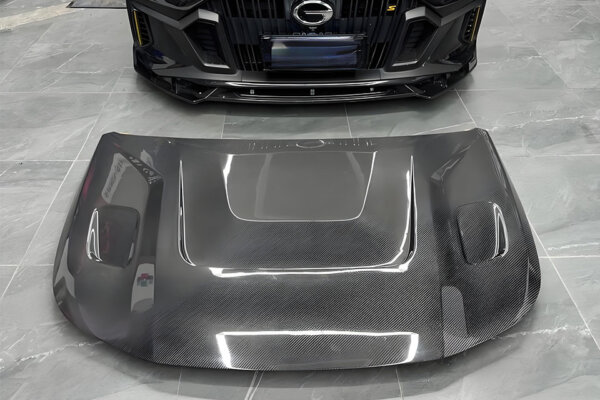
A Supra carbon fiber hood (also called a carbon bonnet) replaces the OEM steel or aluminum hood with a lightweight carbon fiber reinforced polymer (CFRP) structure. These hoods are widely used in:
Depending on construction method, carbon hoods come in several types (more on manufacturing in our guide to How to Make a Carbon Fiber Hood):
Dry carbon (prepreg + autoclave cured) Wet carbon (resin-infused / vacuum bagged) Double-sided carbon (inside & outside CFRP) Forged carbon (random-fiber aesthetic) Carbon-Kevlar hybrid (impact-resistant)
Each differs in stiffness, heat resistance, weight, and durability.
OEM Supra hoods typically weigh:
| Hood Material | Approx. Weight |
|---|---|
| OEM Steel | 12–14 kg |
| OEM Aluminum | 8–10 kg |
| 습식 탄소 | 6–8 kg |
| 건조탄소 | 4.5–6.5 kg |
| Double-Sided Dry Carbon | 5–7 kg |
Reducing front-end mass improves:
(For deeper hood-specific cost insights, see How Much Are Carbon Fiber Hoods.)
Lightweight modifications on the front axle yield the highest handling benefits.
The Supra B58 engine produces substantial thermal load, making vented carbon fiber hoods extremely effective.
Benefits include:
High-flow vented styles can reduce under-hood temperatures by 8–18°C depending on airflow speed. For broader exterior upgrade context, explore 탄소섬유 후드.
Carbon fiber behaves differently from metal:
For track driving, lightweight vented hoods should use hood pins to prevent uplift at high speed. For street use, properly reinforced latch points ensure safe operation if installed correctly.
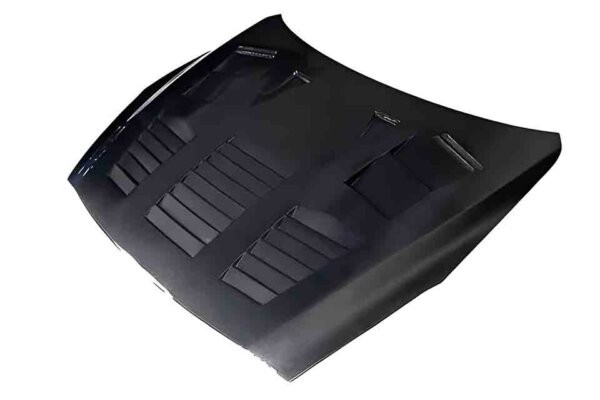
Different hood styles vary dramatically in airflow performance, structural behavior, and intended usage. Below is an engineering analysis of each category.
Designed for aggressive cooling and track environments, TS-style features:
Ideal for:
High-boost B58 setups Track days / time attack Hot climate environments
Upgrades over TS-style include:
Suitable for:
Higher horsepower builds Intensive cooling requirements Lightweight track-oriented Supra setups
TSIII-style incorporates:
Recommended for heavily modified Supra builds.
TV-style provides a cleaner daily-usable design while maintaining proper venting.
특징:
Perfect for daily-driven A90/A91.
VS-style is visually striking and pairs well with:
Cooling is moderate but adequate for non-track usage.
Designed around the 2JZ-GTE thermal layout:
Useful for classic MK4 builds. Good for both restoration and performance projects.
Features aggressive lines with moderate venting. Popular for:
OEM-style hoods mimic the factory shape but offer:
Ideal daily usability.
These represent the highest carbon fiber hood specification:
Used for professional motorsport or high-power street builds. For more specialized non-automotive composites, some buyers explore 커스텀 탄소 섬유 솔루션.
Forged carbon features randomly oriented short fibers:
Kevlar fiber improves:
Useful in harsh environments or long-distance driving conditions.
Characteristics:
Engineering notes:
JZA80 uses a different engine bay heat map due to the 2JZ-GTE.
Important considerations:
CFRP is anisotropic, meaning:
Therefore:
At highway or track speeds, aerodynamic lift acts on the hood:
Result: Hood pins are strongly recommended for vented or lightweight hoods.
Engine bay temperatures:
Resin can degrade over time, so the underside should use:
A carbon hood installation is not “bolt-on only.” It includes:
DIY installation risks:
CFRP is brittle, not ductile:
| 재료 | Failure Mode |
|---|---|
| 스틸/알루미늄 | Bends, absorbs energy |
| 탄소섬유 | Fractures, delaminates |
Thus:
This is normal composite behavior and not a defect.
Some regions require:
This varies by country.
| 유형 | 무게 | 단단함 | 트랙 사용 | 비용 |
|---|---|---|---|---|
| 건조탄소 | ★★★★★ | ★★★★★ | 최상의 | 높은 |
| 습식 탄소 | ★★★★ | ★★★ | 보통 | 중간 |
| Double-Sided Dry | ★★★★★ | ★★★★★ | 최상의 | 최고 |
| Carbon-Kevlar | ★★★★ | ★★★★ | Harsh environments | 중간 |
Gloss finish → deep weave clarity Matte finish → motorsport aesthetic Forged finish → visual impact Colored carbon → decorative builds
Always ensure UV-resistant clear coat to prevent yellowing. For more industry background, see our 탄소 복합재 제조업체 overview.
Premium suppliers ship using:
Shipping methods:
| 방법 | 가장 좋은 | 노트 |
|---|---|---|
| Express Courier | Samples | Highest cost |
| Air Freight | Retail orders | Fast, reliable |
| Sea Freight | Bulk shipments | 가장 저렴한 |
| Rail Freight | EU region | Balanced cost/time |
Good manufacturers provide:
Avoid:
Instead of naming specific companies, here are the product categories typically offered by premium carbon fiber manufacturers:
These categories exist across global, non-branded carbon fiber specialists. If you need custom-made solutions, visit our 맞춤형 복합 공장.
Common matching upgrades include:
Together, these create a unified aero package and reduce overall weight. For painting considerations, see Can You Paint Carbon Fiber Hoods.
Owners commonly report:
“The weight reduction is immediately noticeable.” “Vented carbon hoods dramatically reduce heat soak.” “Professional installation is mandatory.” “UV-protected clear coat prevents yellowing over years.”
Forums consistently emphasize hood pins, proper alignment, and shipping insurance.
Is a carbon fiber hood safe for daily driving? Yes — if properly installed and reinforced. Lightweight or vented hoods should use hood pins.
후드 핀이 필요한가요? Recommended for all vented or lightweight hoods, especially above 120 km/h.
Can I drive in the rain with a vented hood? Yes. Quality vent designs channel water away from sensitive components.
Will OEM gas struts work with carbon hoods? Only sometimes. Lightweight dry carbon often requires soft-rate struts.
Can a carbon fiber hood be painted? Yes — with proper primer prep and heat-resistant paint systems.
How much does a Supra carbon hood cost? Approximate ranges:
Does a carbon hood improve performance? Yes. Reduced front-end weight improves handling, braking, and responsiveness.
경험이 풍부한 탄소섬유 제품 공장에서 자주 묻는 질문에 대한 답변을 소개합니다.
당사는 자동차 부품, 오토바이 부품, 항공우주 부품, 선박 액세서리, 스포츠 장비, 산업용 애플리케이션을 포함한 광범위한 탄소 섬유 부품을 생산합니다.
우리는 주로 고품질 프리프레그 탄소 섬유와 대형 토우를 사용합니다. 탄소 섬유 강화 고성능 복합 소재를 사용하여 강도, 내구성, 경량 특성을 보장합니다.
네, 당사 제품은 오래 지속되는 내구성을 보장하고 광택 있는 외관을 유지하기 위해 자외선 차단 마감 처리가 되어 있습니다.
네, 당사의 시설과 장비는 정밀도와 품질을 유지하면서 대형 탄소 섬유 부품을 생산할 수 있습니다.
탄소 섬유 제품을 사용하면 어떤 이점이 있나요?
탄소 섬유는 뛰어난 강도 대 중량 비율, 내식성, 강성, 열 안정성, 세련되고 현대적인 외관을 제공합니다.
당사는 가볍고 고성능 탄소 섬유 구성품에 중점을 두고 자동차, 오토바이, 항공우주, 해양, 의료, 스포츠 및 산업 부문을 대상으로 서비스를 제공합니다.
예, 다음을 제공합니다. 커스텀 탄소 섬유 고유한 디자인, 크기, 패턴 등 고객의 사양에 맞춘 솔루션을 제공합니다.
저희는 오토클레이브 성형, 핫 프레싱, 진공 포장과 같은 첨단 기술을 활용하여 모든 제품의 정밀성, 안정성 및 품질을 보장합니다. Hello Elementor 테마와 함께 사용하면 모든 주요 테마에서도 원활하게 작동하도록 하려고 노력합니다.
우리는 내구성과 높은 정확성을 위해 설계된 알루미늄과 P20 강철 금형을 사용하여 복잡하고 정밀한 탄소 섬유 부품을 제작합니다.
당사 제품은 업계 표준을 충족하기 위해 치수 정확도, 재료 무결성, 성능 테스트를 포함한 엄격한 품질 관리 검사를 거칩니다.
당사 공장에서는 P20 강철 금형을 사용한 첨단 탄소 섬유 핫 프레스 공정을 채택하여 고품질 생산을 위한 높은 효율성, 정밀성, 내구성 및 비용 효율성을 보장합니다.
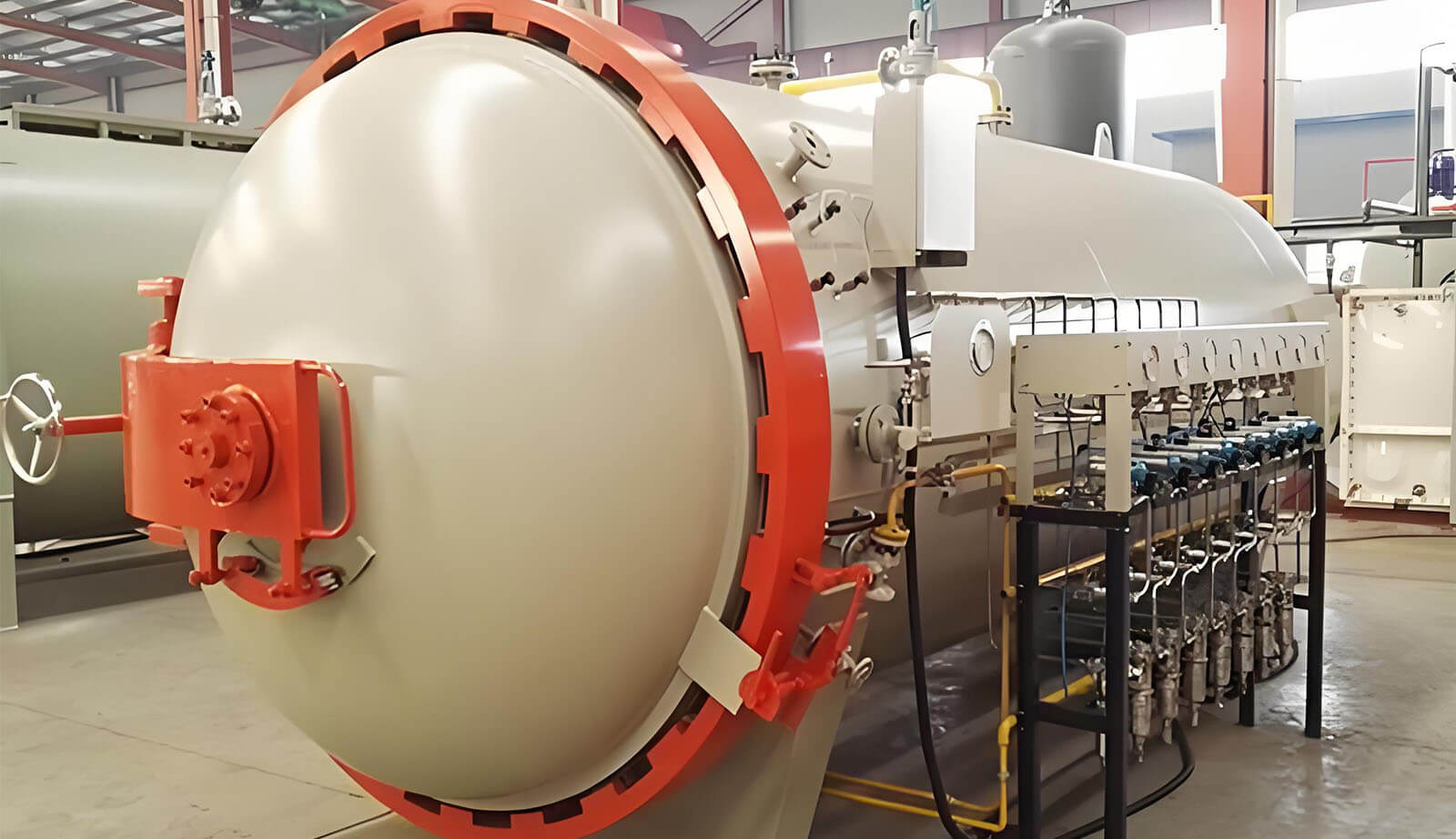
저희 공장은 100개 이상의 고온 압력 오토클레이브를 운영하며, 알루미늄 몰드와 진공 유도를 사용하여 정밀하게 탄소 섬유를 성형합니다. 높은 열과 압력은 강도, 안정성 및 완벽한 품질을 향상시킵니다.
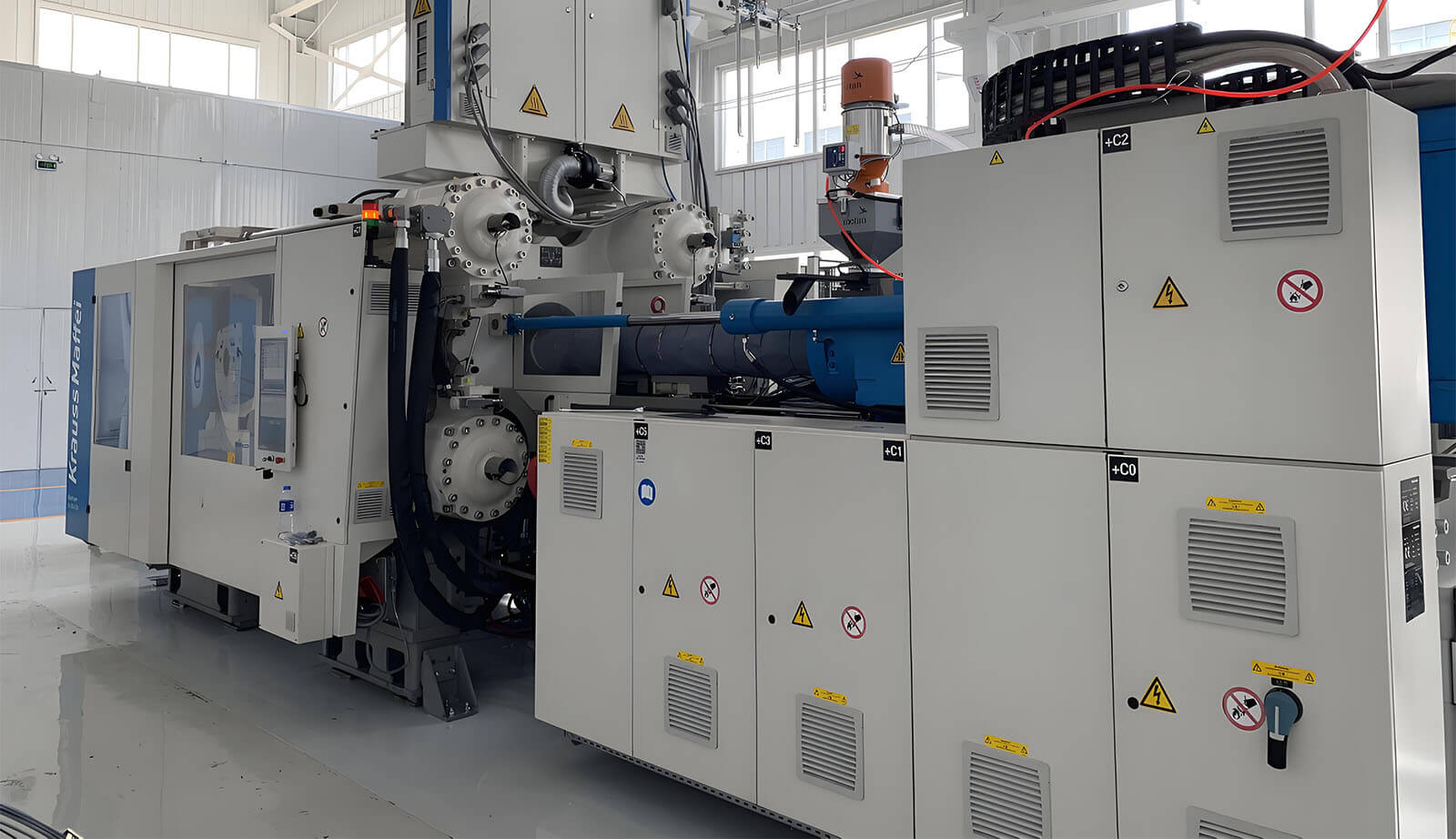
당사의 탄소섬유 연구 센터는 첨단 복합소재와 Krauss Maffei FiberForm을 활용해 새로운 에너지, 지능, 경량 설계 분야의 혁신을 주도하여 최첨단 고객 중심 솔루션을 창출합니다.