
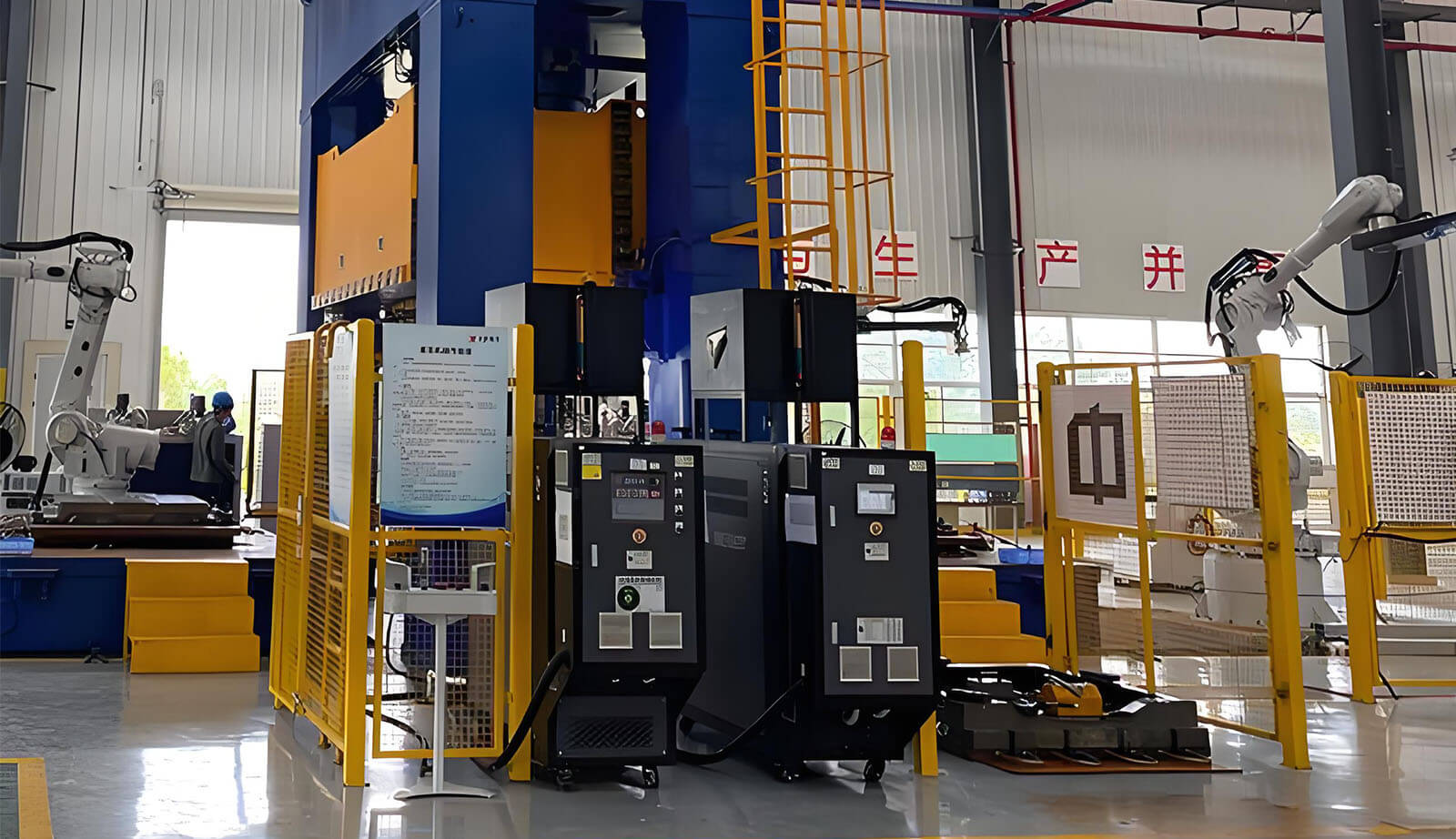
カーボンファイバー複合材料のホットプレス成形工程
当工場はP20鋼型を用いた先進的なカーボンファイバーホットプレス工程を採用し、高効率、精密、耐久性、コスト効果を実現し高品質な生産を確保しています。
風力発電機器のためのカーボンファイバー風力タービンコンポーネントおよびCFRP構造部品は、最も要求される複合材料のアプリケーションの1つです。それは疲労、循環荷重、屋外曝露、湿気、UV、温度変化、および長期間の構造ストレスに耐えなければならない。
カーボンファイバー強化ポリマー、CFRPとも呼ばれ、ガラスファイバーだけでは十分な剛性、軽量化、疲労性能を提供できない風力発電アプリケーションで使用されます。現代の風力タービンブレード構造では、カーボンファイバーは主にスパーキャップ、ブレード補強ラミネート、および繊維の方向、ラミネートの厚さ、および接着品質が構造性能に直接影響を与える荷重重要な領域で使用されます。
私たちは製造します カスタムカーボンファイバー部品 風力発電および再生可能エネルギー機器のため。私たちの作業は、カーボンファイバー補強ラミネート、CFRP構造パネル、保護ハウジング、カーボンファイバー管、カスタムプロファイル、小型風力タービンブレードプロトタイプ、および工学開発プロジェクトのための複合部品をカバーします。
主にユーティリティ規模のブレードプログラムのための長いプルトルーデットプランクに焦点を当て、量産スパーキャップのサプライヤーと違い、私たちはカスタムCFRPコンポーネント、プロトタイプ補強ラミネート、小ロットの構造部品、保護ハウジング、および柔軟なツーリングとプロセス選択が必要な工学開発プロジェクトにより適しています。
私たちの工場は、プロトタイプから小中規模生産までのOEMおよびカスタム複合製造プロジェクトをサポートし、材料選定、金型設計、レイアップ計画、CNCトリミング、接着および表面仕上げを含みます。
| 能力 | 詳細 |
|---|---|
| 主な製品 | 補強ラミネート、CFRPパネル、管、保護カバー、小型ブレードプロトタイプ |
| 適したプロジェクト | プロトタイプ、エンジニアリングサンプル、小中規模生産 |
| 材料 | T300、T700、T800、UDカーボンファイバー、織りカーボンファイバー、カーボン/ガラスハイブリッド |
| プロセス | プレプレグ、オートクレーブ、真空バッグ、樹脂インフュージョン、加熱プレス、CNCトリミング |
| 理想的ではない | 非常に長いユーティリティ規模のプルトルーデットスパーキャップや大型風力タービンブレードの完全なmass production |
カーボンファイバーは、風力タービンのすべての部品に必要なわけではありません。重量削減、剛性、疲労耐性、および寸法安定性が重要なコンポーネントにおいて最も価値があります。
スパーキャップは、風力タービンブレード内の主要な荷重支持要素です。ブレードの長さに沿って走り、風圧とブレードの回転によって生じる曲げ力を負担します。カーボンファイバーは、ガラスファイバーと比較して軽量で高い剛性を提供するため、この領域で使用されます。
風力タービンのスパーキャップ用途には、一次荷重方向が縦方向であるため、通常は一方向性カーボンファイバーが好まれます。繊維の配置、樹脂含量、ラミネートの厚さ、接着面の準備および空隙制御は、最終的な構造性能にとって重要です。
ユーティリティ規模の風力タービンブレードでは、長い連続スパーキャップはほとんどがプルトルージョンによって生産されています。このプロセスでは、連続カーボンファイバーのロービングを加熱ダイを通して引き抜き、非常に整列した一方向性繊維と一貫した断面寸法を持つ硬化したラミネートを生成します。2010年代中頃以降、プルトルーデットカーボンプランクは、ユーティリティ規模の風力タービンのスパーキャップにますます一般的になっています。なぜなら、これらは多くの手作業またはインフュージョンに基づく代替品と比較して、より良い繊維の整列、安定した断面品質、および改善された生産の再現性を提供するからです。
私たちの適した範囲は、主にカスタムカーボンファイバー補強ラミネート、プロトタイプスパーキャップセクション、構造プレートおよびブレード補強コンポーネントです。非常に長い連続プルトルーデットスパーキャップの生産に関しては、見積もりの前に図面、目標長さ、材料仕様および数量に基づいて技術的な実現可能性を確認する必要があります。
カーボンファイバー製のフラットプレートおよび構造ラミネートは、風力タービンブレードの特定の領域を補強するために使用できます。これには、後縁セクション、前縁補強ゾーン、せん断ウェブエリア、ルート遷移エリア、および局所的な高応力領域が含まれます。
私たちは、単方向レイアップ、交差レイアップ、±45°レイアップ、準等方性レイアップなど、異なるレイアップデザインを使用してカスタムカーボンファイバー補強プレートを製造します。これらは一般的にブレード構造に接着されるか、製品開発中のテストラミネートとして使用されます。
典型的な用途は次のとおりです:
CFRP構造パネルは、風力発電機器において軽量、高剛性、および耐腐食性が要求される場合に使用できます。これらのパネルは、保護カバー、制御機器ハウジング、ナセル関連コンポーネント、検査カバー、または軽量構造エンクロージャーに使用される可能性があります。
プロジェクトによっては、パネルを固体カーボンファイバーラミネート、カーボン/ガラスハイブリッドラミネート、またはフォームまたはハニカムコアを持つサンドイッチパネルとして製造できます。正しい構造は、曲げ剛性、重量目標、衝撃抵抗、表面仕上げおよびコスト要件に応じて決まります。
私たちの構造カーボンファイバーパネルに関する経験は、 自動車および産業用途での経験 産業用途での経験も、風力発電CFRPパネルの剛性、表面仕上げおよび接着品質を制御するのに役立ちます。
カーボンファイバー管およびプロファイルは、風力発電および再生可能エネルギー機器で、センサーマウント、検査ツール、ケーブル保護構造、軽量フレーム、テストフィクスチャ、およびカスタムサポートコンポーネントのために使用されます。
私たちは、金型の実現可能性と数量に応じて、円筒管、角管、長方形管およびカスタムプロファイルを製造できます。一般的なプロセスには、ロールラッピング、ブレーダーモールディング、フィラメント巻き、圧縮成形、真空バッグおよび多部品の接着が含まれます。
For custom non-standard profiles, mold-based composite manufacturing is usually the most practical approach. For continuous standard profiles where cross-section, quantity and tolerance justify the process, pultrusion may also be considered.
Wind power equipment often requires covers, access panels, protective housings and inspection hatches that must resist outdoor exposure, moisture, UV and long-term vibration.
Carbon fiber can reduce weight compared with metal structures while maintaining good stiffness and corrosion resistance. However, for large non-structural covers, fiberglass or carbon/glass hybrid laminates may be more cost-effective than full carbon fiber.
私たちは製造することができます:
For small wind turbines, research equipment, UAV-related wind energy systems or prototype testing projects, complete carbon fiber blade sets may be feasible. These are usually much smaller than utility-scale wind turbine blades and can be manufactured with prepreg layup, vacuum bagging or resin infusion depending on size and performance requirements.
For utility-scale turbine blades, we focus on carbon fiber components, reinforcement laminates, test sections and sub-structures rather than full blade production.
Selecting the right carbon fiber material and manufacturing process for a wind power component is not only about tensile strength or fiber grade. Structural performance depends on several interrelated engineering factors that must be considered together.
Carbon fiber is highly anisotropic — meaning its properties are very different depending on the direction relative to the fibers. Unidirectional carbon fiber (UD) is strong and stiff along the 0° fiber direction, but its transverse strength, interlaminar shear strength and impact resistance are much lower.
In wind turbine spar caps, the primary load is longitudinal bending, so UD carbon fiber with fibers running along the blade length is the correct choice. However, if a component also carries torsional loads, shear loads or has to resist impact, additional ±45° plies, 90° plies or woven fabric layers need to be incorporated into the layup design.
Ignoring load path analysis and using only UD carbon fiber in all directions is one of the most common design errors in CFRP structural parts. Every layup schedule should be driven by the actual load case, not just by fiber availability or cost alone.
For many wind power components, bending stiffness is more important than raw tensile strength. Structural stiffness depends on both the elastic modulus of the material and the geometry of the cross-section — particularly the distance of the material from the neutral axis.
This is why sandwich panels, where thin carbon fiber face sheets are separated by a lightweight foam or honeycomb core, can provide very high bending stiffness at low weight and often outperform a much thicker solid laminate of the same mass. For wind turbine nacelle covers, protective panels and large enclosure structures, sandwich construction is often more efficient than solid CFRP laminates.
For spar caps and other primarily axially loaded components, solid UD laminates are more appropriate because the load is tensile and compressive along the fiber direction rather than in bending across the section thickness.
Wind turbine blades do not only carry tensile loads. During operation, one face of the spar cap is in tension and the other is in compression. Compression strength of CFRP laminates is significantly more sensitive to manufacturing quality than tensile strength.
Fiber waviness, void content, resin-rich zones and thickness variation all reduce compression performance more than they affect tensile performance. This is one of the key reasons why pultrusion has become a widely used manufacturing route for utility-scale spar cap production — the process produces more consistent fiber alignment and cross-section control than hand layup or infusion of thick UD laminates.
For prototype spar cap sections and reinforcement laminates produced by prepreg or infusion, fiber waviness control and compaction quality must be carefully managed during the layup and curing process.
Many carbon fiber wind power components are not used in isolation. They are bonded into larger blade structures or equipment assemblies using structural adhesives. The bond line quality is often the weakest point in the assembly — not the carbon fiber laminate itself.
Key factors that affect bonding performance include:
For wind power reinforcement plates and bonded CFRP assemblies, bonding surface preparation should be specified in the drawing or process document, not left as an afterthought during assembly.
Wind turbine components experience cyclic loading for 20 to 30 years of service life. Initial static strength is not sufficient to confirm suitability — fatigue performance under repeated stress cycles must be evaluated for structural components.
Carbon fiber composites generally show good fatigue performance under tension-tension loading when properly manufactured. However, the following environmental factors can degrade performance over time:
For wind power CFRP parts intended for long outdoor service, resin selection, surface coating specification and edge sealing should be considered alongside the laminate design.
Not every carbon fiber part requires the same process. Selecting the right manufacturing method depends on the part type, geometry, structural requirements, quantity and cost target. Using an inappropriate process — for example, wet layup for a tight-tolerance structural laminate — can result in poor fiber volume fraction, high void content and inconsistent mechanical performance.
The following table summarizes our general process selection logic for wind power CFRP components:
| 部品の種類 | 推奨プロセス | Reason |
|---|---|---|
| Spar cap sections and UD reinforcement laminates | プリプレグ/オートクレーブまたはプリプレグ/ホットプレス | より良い繊維体積制御、より低い空隙率、湿式レイアップよりも一貫した圧縮性能 |
| 長尺の連続スパーキャッププランク | プルトルージョン(専門プロセス - 実現可能性レビューが必要) | 高体積連続生産に最適な繊維配向と寸法一貫性 |
| 試作強化プレートと試験クーポン | プリプレグ/オートクレーブまたはホットプレス | 構造的検証のためのより良い厚さ制御と繊維体積 |
| 大きな保護カバーとノズルパネル | 樹脂注入(VARTM)または真空バッグ化 | 大きな部品により実用的;オートクレーブよりも低い工具コスト |
| 小型風力タービンブレード | プリプレグレイアップ、真空バッグ化または樹脂注入 | ブレードのサイズ、構造的要件および生産数量による |
| カーボンファイバーチューブと構造プロファイル | ロールラッピング、ブローダー成形またはフィラメント巻き | 管状および空洞構造のためのより良い繊維配向制御 |
| カバーやエンクロージャー用のサンドイッチパネル | コアボンディングを伴う真空バッグ化または樹脂注入 | フォームまたはハニカムコアを持つ大きな軽量パネルのための効率的なプロセス |
| 非構造的ハウジングとカバー | カーボン/ガラスハイブリッドラミネート、真空バッグ化または湿式レイアップ | フルカーボンファイバーを必要としない場合のコスト性能比がより良好 |
このプロセス選定ロジックは、モールド設計にも適用されます。厳しい寸法公差が必要な部品にはアルミニウムや鋼などの金属工具が必要です。試作や低数量の部品にはFRPやエポキシ工具を使用して初期コストを削減できます。ホットプレスやオートクレーブに入る部品には、硬化温度に合った工具が必要です。
カーボンファイバー風力発電コンポーネントの正確な仕様は、図面、ラミネート設計、プロセス、樹脂システム、繊維グレード、モールドタイプ、および試験要件によって異なります。以下の値は初期プロジェクトの議論のみの参考範囲です。最終的な値は工学レビューと材料データシートによって確認される必要があります。
| 項目 | 参考範囲/オプション | 備考 |
|---|---|---|
| 繊維オプション | T300、T700、T800または同等品 | 最終選択は強度、剛性および予算によります |
| UDプリプレグ(最高の軸方向剛性)、3K平織り、3Kツイル、12K大型トウ、スプレッドトウ | UDカーボンファイバー、織りカーボンファイバー、カーボン/ガラスハイブリッド | UDが軸方向剛性には好ましい |
| 樹脂システム | 標準エポキシまたは高Tgエポキシ | 高Tg樹脂はより高い温度要件に使用できます |
| ラミネート厚み | 約1mmから30mm | 厚いラミネートにはプロセスレビューが必要 |
| フラットプレートサイズ | モールドとプロセスに基づくカスタムサイズ | 大きなパネルは分割して接合される場合があります |
| 一体成形品のサイズ | 通常、多くのカスタムプロセスで約3メートルまで | より大きな構造物には実現可能性レビューが必要 |
| 繊維体積比(Vf) | プロセスにより約50〜65% | 一般に、より高いVfは剛性を改善しますが、より良いプロセス制御が必要です |
| 典型的な空隙率 | プロセス依存 | プリプレグ/オートクレーブは通常、湿式レイアップよりも低い空隙率を達成します |
| 引張弾性率(UDラミネート、基準) | 70–150 GPa depending on fiber grade and layup | T300 lower range, T800 upper range; confirm by datasheet |
| Tensile strength (UD laminate, ref.) | 800–1,800 MPa depending on fiber grade and Vf | For structural design, use material datasheet values only |
| Service temperature | Depends on resin Tg | High-Tg epoxy can be selected for elevated-temperature or outdoor environments |
| Bonding surface options | Sanded, peel ply removed, primer-ready | Bonding surface specification is important for blade reinforcement and bonded assemblies |
| 表面仕上げ | Raw, sanded, primer, gloss clear coat, matte clear coat | Structural bonding surfaces are usually prepared separately |
| Typical process options | Prepreg, autoclave, vacuum bagging, wet layup, resin infusion, hot press | Process depends on geometry and performance requirements |
| Tolerance | プロジェクトに依存 | Tight tolerance requires CNC trimming and suitable tooling |
| テスト | Visual inspection, thickness check, dimensional inspection, sample coupons if required | Additional testing can be arranged according to customer requirements |
These values are not certified product specifications. They are reference ranges for early feasibility discussion. Final mechanical performance must be confirmed by material datasheets, laminate design, process validation and customer-approved testing.
Reducing blade mass helps reduce gravitational load, inertial load and fatigue load on the rotor, hub, nacelle and tower. In long blade structures, even small weight reductions can have a large effect on the overall system design.
Carbon fiber has a much higher stiffness-to-weight ratio than glass fiber, which makes it useful in blade sections where weight and deflection control are critical. Research supported by the U.S. Department of Energy indicates that carbon fiber spar caps can achieve approximately 25% blade mass reduction compared to equivalent glass fiber designs.
Blade stiffness is important for maintaining aerodynamic shape and ensuring enough tip clearance between the blade and tower. As blades become longer, deflection control becomes more difficult.
Carbon fiber provides higher modulus than glass fiber, allowing engineers to improve stiffness without adding as much weight. This is one of the key reasons carbon fiber is used in spar caps and other load-bearing blade structures.
Wind turbine blades experience continuous cyclic loading during operation. Fatigue resistance is therefore one of the most important design requirements.
Carbon fiber composites can provide strong fatigue performance when properly designed and manufactured. However, final fatigue behavior depends heavily on layup design, resin system, void content, fiber alignment and quality control — not on fiber grade selection alone.
Carbon fiber composites do not rust like steel or aluminum. This makes CFRP useful for outdoor, coastal and offshore environments where moisture, salt spray and temperature cycling can affect metal parts.
For wind power applications, corrosion resistance can reduce maintenance concerns for covers, housings, panels and non-metallic structural components.
Modern wind turbine blades continue to become longer because a larger swept area can capture more wind energy. Longer blades require better stiffness and lower weight.
Carbon fiber does not automatically make a turbine generate many times more power. Its real value is helping engineers design lighter, stiffer and more fatigue-resistant structures, especially in blade areas where glass fiber reaches practical limits.
| プロパティ | カーボンファイバー | Glass Fiber |
|---|---|---|
| 密度 | より低い | より高い |
| 硬さ | Higher (T700: ~230 GPa; T800: ~290 GPa) | Lower (E-glass: ~70–80 GPa) |
| 疲労パフォーマンス | Generally better when properly designed | Good, but lower in high-stiffness applications |
| コスト | より高い | より低い |
| ベストユース | Spar caps, reinforcement laminates, load-critical structures | Blade skins, shells, covers and lower-stress structures |
| Design approach | Used where stiffness and weight reduction justify the cost | Used where cost efficiency is more important |
Most modern wind turbine blade structures use materials selectively. Carbon fiber is used where stiffness and weight reduction justify the cost. Glass fiber is still widely used in blade shells and lower-stress areas because it is cost-effective and proven.
For some projects, carbon/glass hybrid laminates provide a practical balance between performance and cost.
Prepreg carbon fiber is pre-impregnated with controlled resin content and cured under heat and pressure. This process is suitable for high-performance structural parts, prototype blade sections, reinforcement laminates and components requiring low void content and good dimensional stability.
Prepreg and autoclave molding are suitable when the project requires:
Vacuum bagging and wet layup are practical for larger covers, housings, panels and non-critical structures. Dry carbon fiber or hybrid fabric is placed into the mold, resin is applied, and the laminate is cured under vacuum pressure.
This process is more flexible and cost-effective than autoclave molding for many custom parts, especially when the part is large or does not require aerospace-level void control.
Resin infusion, also known as VARTM, is used for larger panels, covers and structural components where controlled resin flow and good laminate quality are required.
Dry fiber layers are placed in the mold, sealed under vacuum, and resin is drawn through the laminate. This process can be suitable for medium-size wind power equipment covers, CFRP panels and carbon/glass hybrid structures.
Hot press molding is suitable for flat or gently curved carbon fiber plates, reinforcement laminates and repeatable parts with tighter dimensional control.
Matched metal tooling can provide better repeatability and surface quality, but tooling cost is higher than FRP or epoxy molds. This process is usually more suitable for production parts than one-off prototypes.
After curing, many CFRP parts require trimming, drilling, edge finishing and bonding preparation. We support CNC trimming, hole machining, edge sealing, bonding surface sanding, solvent cleaning and assembly of multi-part composite structures.
For wind power components, bonding surface preparation is especially important because many reinforcement plates and panels are bonded into larger structures.
Pultrusion is widely used as a main manufacturing route for long continuous carbon fiber spar cap laminates in utility-scale wind turbine blades. The process pulls continuous carbon fiber rovings through a resin bath and a heated die, producing cured profiles with highly aligned unidirectional fibers and consistent cross-section dimensions.
Since around the mid-2010s, pultruded carbon fiber planks have become increasingly common for utility-scale wind turbine spar caps because they provide better fiber alignment, consistent cross-section quality and improved production repeatability compared with many hand layup or infusion-based alternatives. The process reduces fiber waviness — a key factor in compression strength performance — and allows long continuous production runs with stable dimensional control.
If your project requires long continuous pultruded carbon fiber spar cap materials, please send drawings and technical requirements so we can confirm the appropriate production route and whether in-house production or coordination with a specialist supplier is the right approach for your project.
| 素材 | 説明 | 代表的なアプリケーション |
|---|---|---|
| T300カーボンファイバー | Standard modulus, cost-effective carbon fiber | General panels, covers, non-critical structures |
| T700カーボンファイバー | Higher tensile strength, widely used in structural CFRP | Reinforcement laminates, tubes, structural plates |
| T800カーボンファイバー | Higher performance option for demanding applications | High-strength and high-stiffness components |
| 一方向性カーボンファイバー | Fibers aligned mainly in one direction | Spar cap sections, axial stiffness laminates |
| 3K woven carbon fiber | Balanced woven fabric with visible carbon appearance | Outer layers, covers, visible surfaces |
| Carbon/glass hybrid laminate | Combines carbon fiber and glass fiber | Cost-controlled structural parts |
| High-Tg epoxy resin | Epoxy system with higher temperature resistance | Outdoor service, structural components, heat exposure areas |
Material selection should be based on mechanical requirements, service environment, cost target and manufacturing process. For structural components, the customer should provide the required material standard or performance target whenever possible.
The right mold depends on the part size, production volume, tolerance, surface finish and curing process.
| 金型タイプ | 対象 | 典型的な用途 |
|---|---|---|
| FRPモールド | Prototype and small batch | Covers, panels, one-off parts |
| エポキシ成形型 | Medium batch and better stability | Housings, custom panels, prototype production |
| アルミニウムモールド | Higher accuracy and better repeatability | Structural plates, precision components |
| スチール モールド | Hot press and higher-volume production | Repeatable molded components |
For prototype work, FRP or epoxy tooling can reduce initial cost. For repeat production, higher temperature curing, hot press molding or tight tolerances, aluminum or steel tooling is usually more suitable.
Wind power components must be manufactured with controlled process steps because small errors in layup, thickness, curing or bonding can affect long-term performance.
Ply count, fiber orientation and layer sequence are checked during production. This is especially important for unidirectional carbon fiber laminates because incorrect fiber direction can significantly reduce axial stiffness and structural performance in a UD-dominated laminate.
Cured laminate thickness is measured at defined positions and compared with the design target. Thickness variation can indicate issues with resin content, compaction pressure, fiber volume or voids.
Parts are measured according to the drawing or 3D model. Depending on the part complexity, inspection may use calipers, templates, jigs, fixtures or CMM equipment.
Many wind power carbon fiber parts are bonded into larger assemblies. Bonding surfaces can be sanded, cleaned and prepared according to the required bonding process. Good bonding preparation — including peel ply removal, sanding, solvent cleaning and primer application where specified — helps improve adhesion, durability and long-term structural reliability.
Parts are visually checked for defects such as dry spots, resin-rich areas, pinholes, porosity, delamination, impact marks and fiber distortion.
For structural projects, coupon samples or first-article parts can be prepared for customer testing. Trial assembly can also be arranged when mating parts or fixtures are available.
To provide an accurate quotation, please send as much of the following information as possible:
If no drawing is available, we can review physical samples, reference dimensions or concept sketches and advise whether the project is suitable for custom carbon fiber manufacturing.
Blade component suppliers and engineering teams may require carbon fiber spar cap samples, reinforcement laminates, bonded test panels and structural coupons for design validation before larger production investment.
Wind power equipment manufacturers may need lightweight CFRP covers, access panels, protective housings, sensor brackets, duct sections or structural panels for nacelle systems, electrical equipment and renewable energy installations.
Small wind turbine developers may require complete blade prototypes, carbon fiber blade sections, reinforcement plates or lightweight structural components for sub-10-meter rotor designs.
Blade repair companies may require carbon fiber repair patches, reinforcement plates, bonded CFRP laminates or prototype retrofit structures for repair method testing and validation.
Universities, laboratories and engineering companies may require carbon fiber samples, test coupons, prototype laminates or small composite assemblies for material testing and renewable energy research.
We can manufacture complete blades for small wind turbines and prototype testing projects, depending on blade size and design requirements.
For utility-scale wind turbine blades, we focus on carbon fiber components, reinforcement laminates, prototype sections and blade sub-structures rather than complete 50-meter or 80-meter blade assemblies.
We can manufacture carbon fiber spar cap sections, unidirectional reinforcement laminates and structural test samples according to customer drawings and layup requirements.
For long continuous pultruded spar caps used in utility-scale wind turbine blades, the production method, length, tolerance and quantity must be reviewed separately before confirmation. Please send your drawings and technical requirements and we will advise on the suitable production route.
Pultrusion is the standard manufacturing process for long continuous carbon fiber spar cap laminates in the wind industry, and we are familiar with its role in blade structural design.
For projects requiring pultruded carbon fiber profiles or spar cap planks, please send drawings and technical specifications including cross-section dimensions, required length, tolerance, material system and order quantity. We will confirm whether in-house production or coordination with a specialist pultrusion supplier is the right approach for your project.
We are not the best fit for mass production of very long utility-scale pultruded spar caps or complete 50-meter-plus wind turbine blades. These projects require dedicated continuous pultrusion lines or large blade manufacturing infrastructure that is outside our current scope.
Our strength is custom CFRP components, prototype spar cap sections, reinforcement laminates, protective housings, small wind turbine blades and small-to-medium batch composite parts where flexible tooling and process selection add more value than high-volume standardized production.
For many custom composite processes, we can produce parts up to approximately 3 meters in a single piece. Larger parts may need to be produced in sections and bonded.
最終的なサイズの能力は、部品の形状、金型設計、硬化プロセス、厚さ、及び公差要件に依存します。
はい。STEP、STP、IGES、DXF、及びPDF図面から作業できます。また、逆エンジニアリングと金型開発のために物理的なサンプルをレビューすることも可能です。構造部品の場合、図面とラミネート仕様の提出が強く推奨されます。
最適なプロセスは、部品のサイズ、形状、構造荷重、表面仕上げ、公差、及び数量に依存します。
プリプレグ及びオートクレーブ成形は、高性能な構造部品やプロトタイプに適しています。樹脂浸透は、大型パネルやカバーに適しています。ホットプレス成形は、繰り返し可能なプレートや小型の精密部品に適しています。真空バッグ及びウェットレイアップは、カバー、ハウジング及び重要でない構造に適している場合があります。特にスパーキャップラミネートの場合、プルトルージョンはユーティリティスケールの連続生産に広く使用されているプロセスです。
はい。カーボン/ガラスのハイブリッドラミネートは、コストを削減しつつ、フルガラスファイバー構造よりも優れた剛性と強度を保持することができます。これは、構造の一部だけがカーボンファイバー補強を必要とする場合に役立ちます。
材料テストは、プロジェクト要件に応じて手配可能です。構造部品の場合、顧客はサンプルクーポン、厚さ測定、寸法検査、試作組立、または第三者テストを要求できます。正確なテスト計画は生産前に確認する必要があります。
標準的なプルトルージョンスパーキャップサプライヤーは、定義された断面積と長さの高ボリュームの連続生産に重点を置いています。これは、再現可能なプログラムを大規模で運営している大型ブレードメーカーに適しています。
プロトタイプセクション、非標準の強化ラミネート、小ロットのCFRP部品、試験サンプル、カバー及びハウジング、またはカスタム形状のコンポーネントが必要なエンジニアリングチームにとって、 カスタム炭素繊維メーカー は、材料選択、レイアップ設計、工具の選択、及び生産数量での柔軟性を提供します。これが私たちの最も価値を加えるところです。
SCOMP複合材料 は、中国を拠点とするカーボンファイバー製造業者です。私たちは、航空宇宙、エネルギー、自動車及び産業用途など、複数の業界向けにカスタムCFRPコンポーネントを製造しています。
風力発電の範囲を超えて、私たちのカーボンファイバー製造経験は、 炭素繊維バイク部品 フェアリング、フレーム、構造カバー、さらにはボディパネル、構造補強及び内装部品を含むカーボンファイバー自動車部品にも及びます。この業界横断の経験は、私たちのエンジニアリングチームが幅広いラミネート設計、表面仕上げ要件、接着プロセス、及び生産制約に精通していることを意味します — これは風力発電のCFRPプロジェクトに直接良い結果をもたらす知識です。
私たちの 主な製品範囲 は、プロトタイプから小・中ロット生産までのカスタムカーボンファイバー部品をカバーし、金型製作、レイアップ、硬化、CNC切削、接着及び表面仕上げを行います。
このページでは、風力発電及び再生可能エネルギー機器のためのカスタムカーボンファイバーコンポーネントを扱います。最終的な材料選択、ラミネート設計及び生産方法は、図面、荷重要求及びプロジェクト仕様に基づいて確認する必要があります。
このページは、SCOMP複合材料の複合材料エンジニアリングチームによってレビューされ、CFRP材料選択、成形プロセスの実現可能性、レイアップ設計の考慮事項及び風力発電応用の要件に焦点を当てています。
見積もりのためには、図面、寸法、材料要件及び予想数量を私たちのエンジニアリングチームに送信してください。
メール: [email protected]
電話/WhatsApp: +86 136 2619 1009
当工場はP20鋼型を用いた先進的なカーボンファイバーホットプレス工程を採用し、高効率、精密、耐久性、コスト効果を実現し高品質な生産を確保しています。
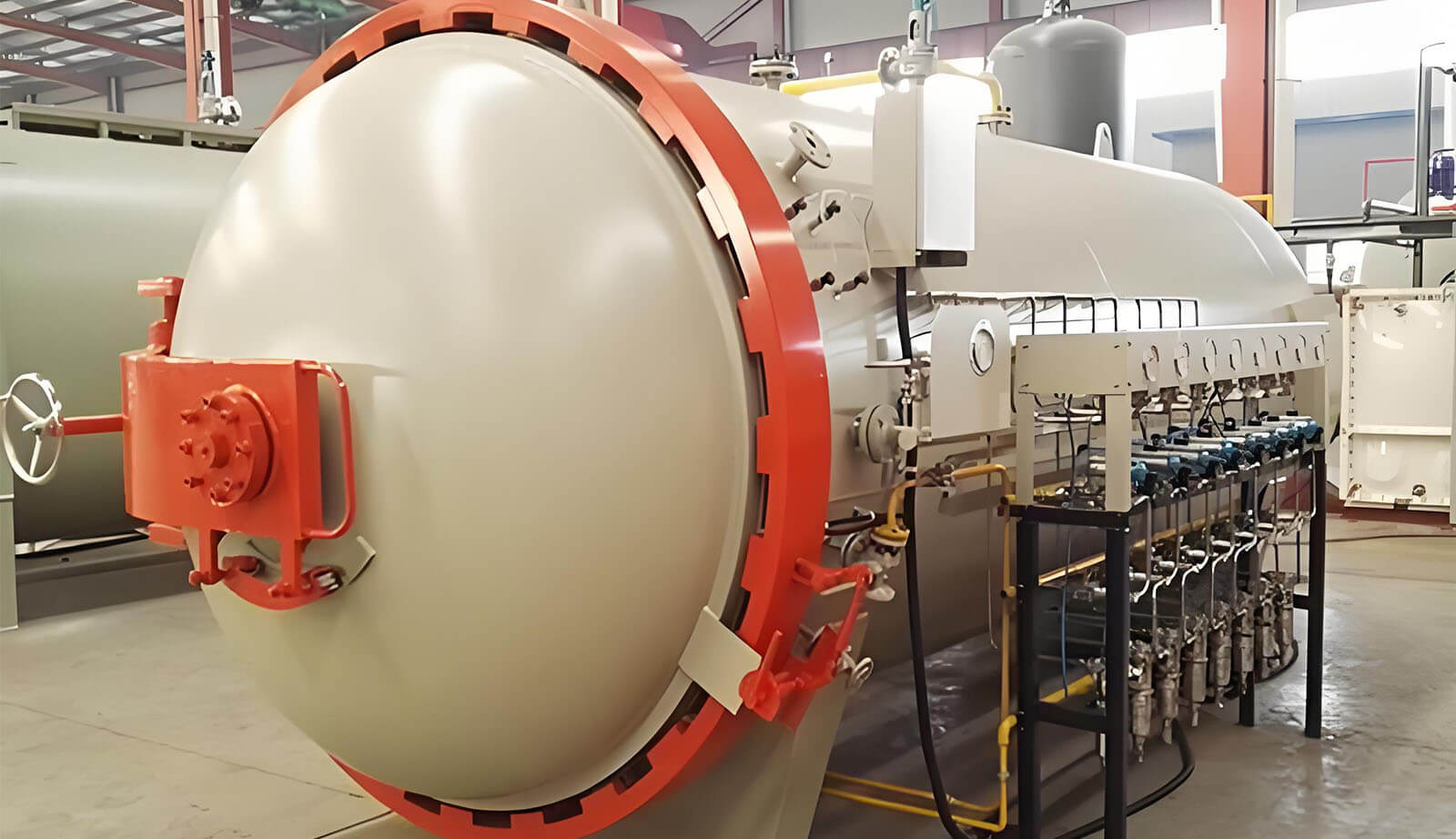
当工場は100台以上の高圧加熱オートクレーブを稼働させ、アルミ型と真空誘導を用いて精密にカーボンファイバーを成形しています。高温・高圧により強度と安定性、完璧な品質が向上します。
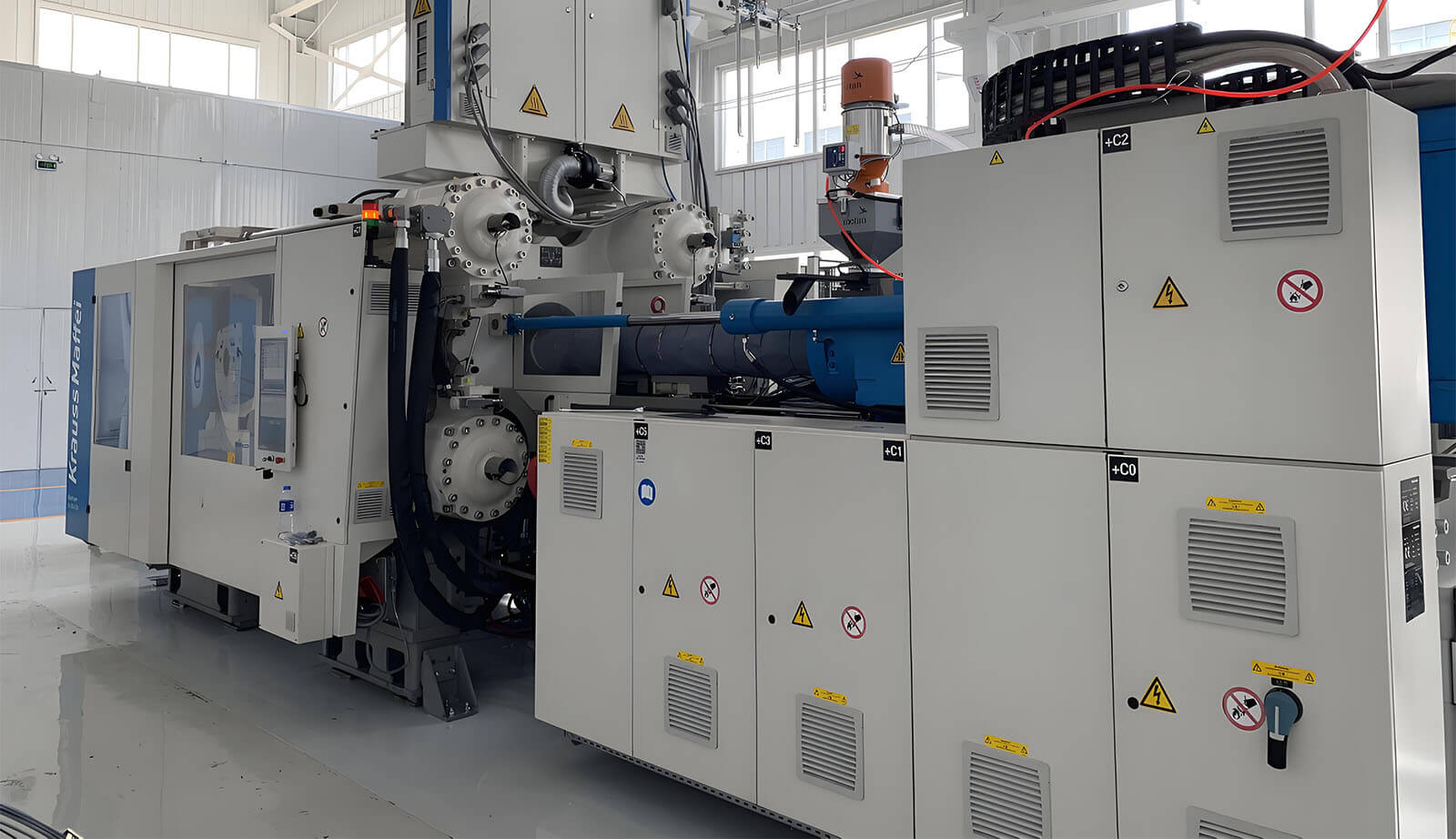
当社の炭素繊維研究センターは、新エネルギー、インテリジェンス、軽量設計のイノベーションを推進し、先進の複合材料とKrauss Maffei Fiber Formを使用して、最先端の顧客重視のソリューションを生み出しています。.
経験豊富なカーボンファイバー製品工場からのよくある質問への回答をご案内します。
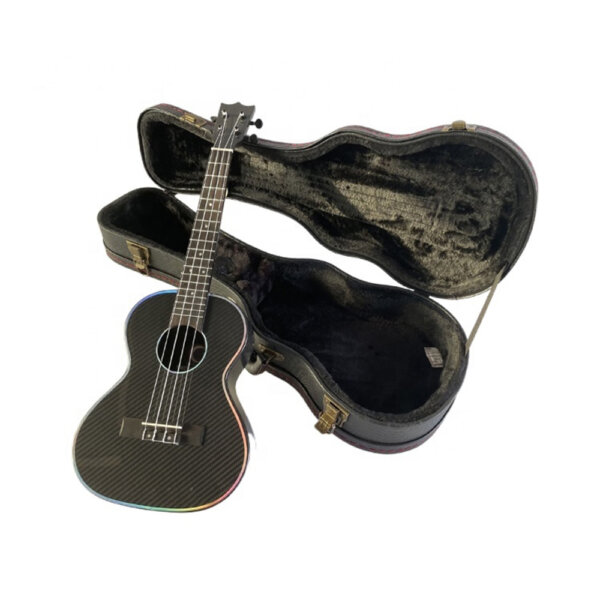
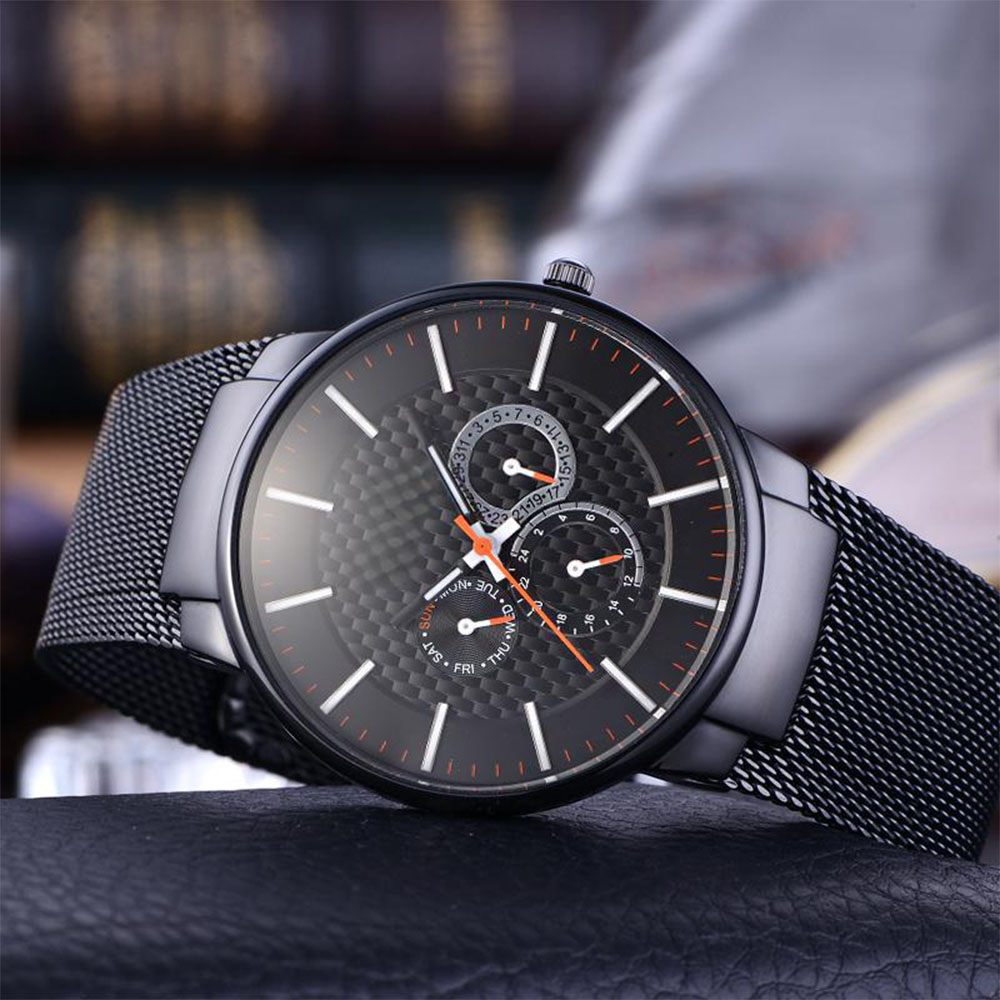
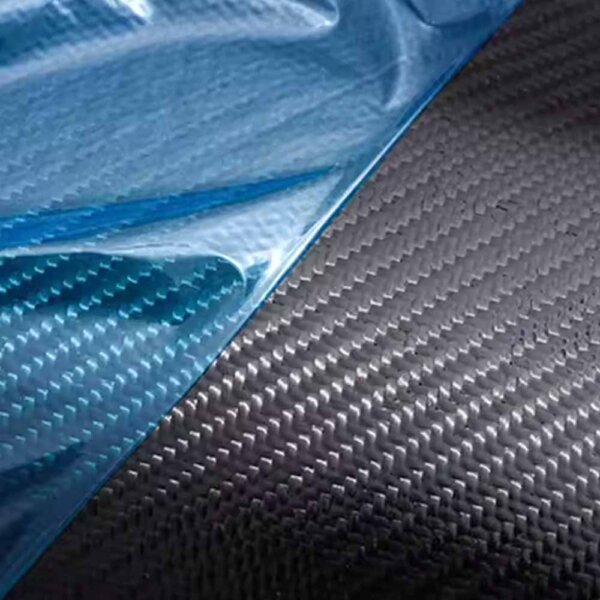
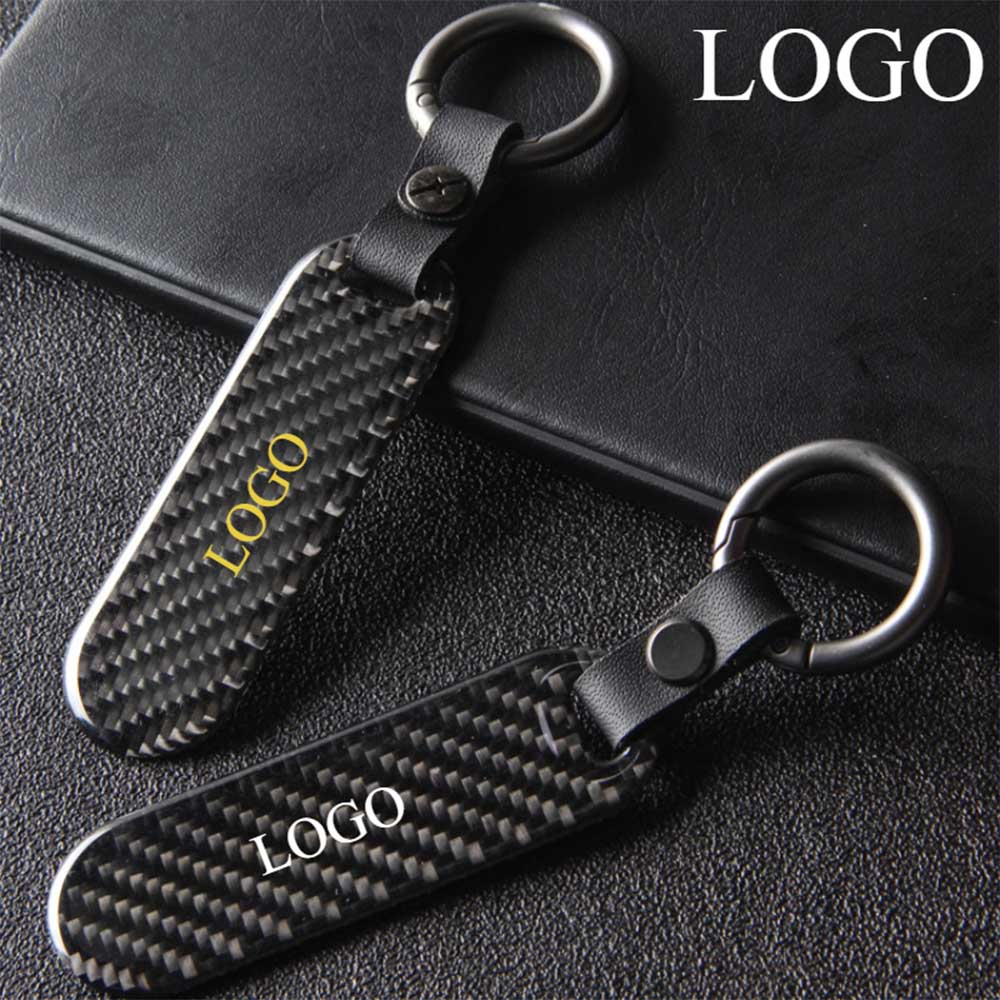
自動車部品、オートバイ部品、航空宇宙部品、海洋アクセサリー、スポーツ用品、産業用途など、幅広いカーボンファイバーコンポーネントを製造しています。
主に高品質のプリプレグカーボンファイバーと大トウカーボンファイバー強化高性能複合材料を使用し、強度、耐久性、軽量特性を確保しています。
はい、当社の製品はUV保護仕上げが施されており、長持ちする耐久性を保ち、光沢のある外観を維持します。
はい、当社の設備と機器は精度と品質を維持しながら大型カーボンファイバーコンポーネントの製造が可能です。
カーボンファイバー製品の利点は何ですか?
カーボンファイバーは優れた強度対重量比、耐腐食性、剛性、熱安定性、そして洗練された現代的な外観を提供します。
自動車、オートバイ、航空宇宙、海洋、医療、スポーツ、工業分野に対応し、軽量で高性能なカーボンファイバー部品を提供しています。
はい、私たちは独自のデザイン、サイズ、パターンを含む、お客様の仕様に合わせたカスタムカーボンファイバーソリューションを提供しています。
オートクレーブ成形、ホットプレス、真空バッグ成形などの先進技術を用い、精度、安定性、品質を確保した製品づくりを行っています。
耐久性と高精度を備えたアルミ型およびP20鋼型を使用し、複雑で精密なカーボンファイバー部品を製造しています。
寸法精度、材料の完全性、性能試験など厳格な品質管理を実施し、業界基準を満たしています。