
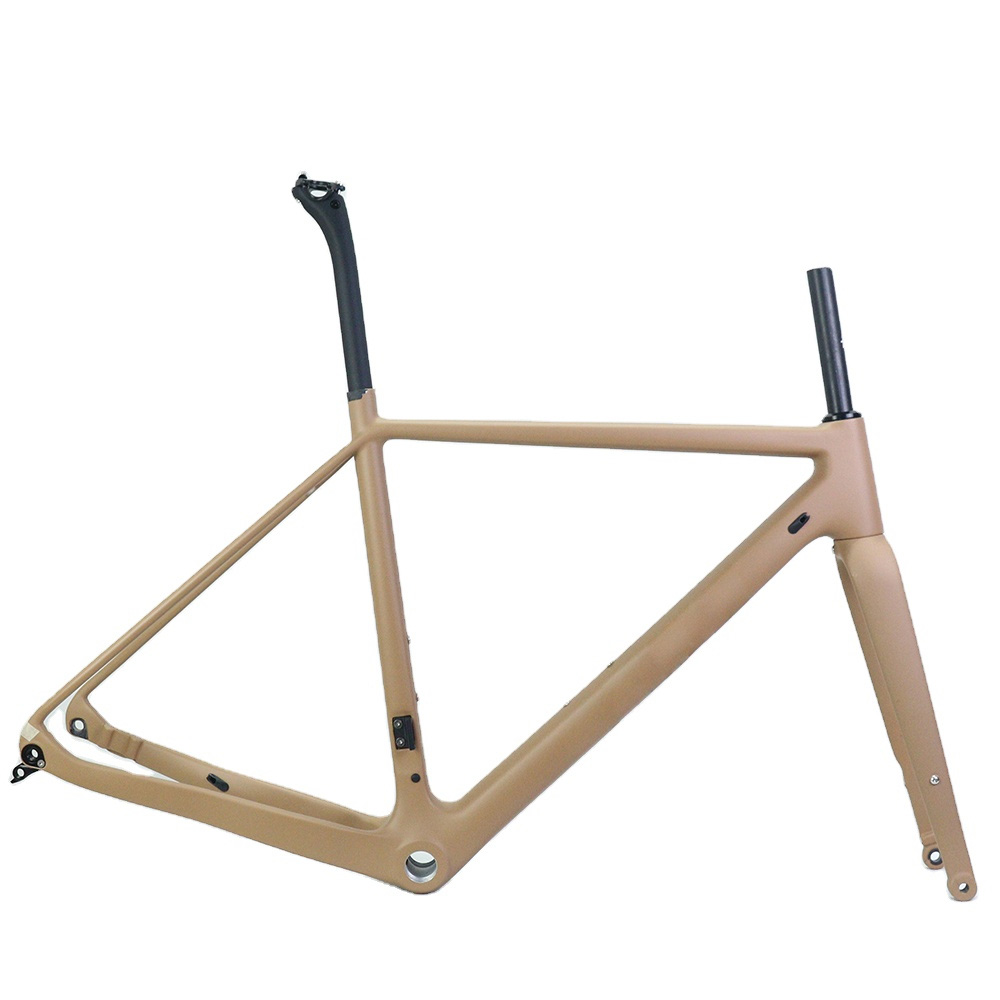
Carbon Fiber Composite Material Hot Pressing Molding Process
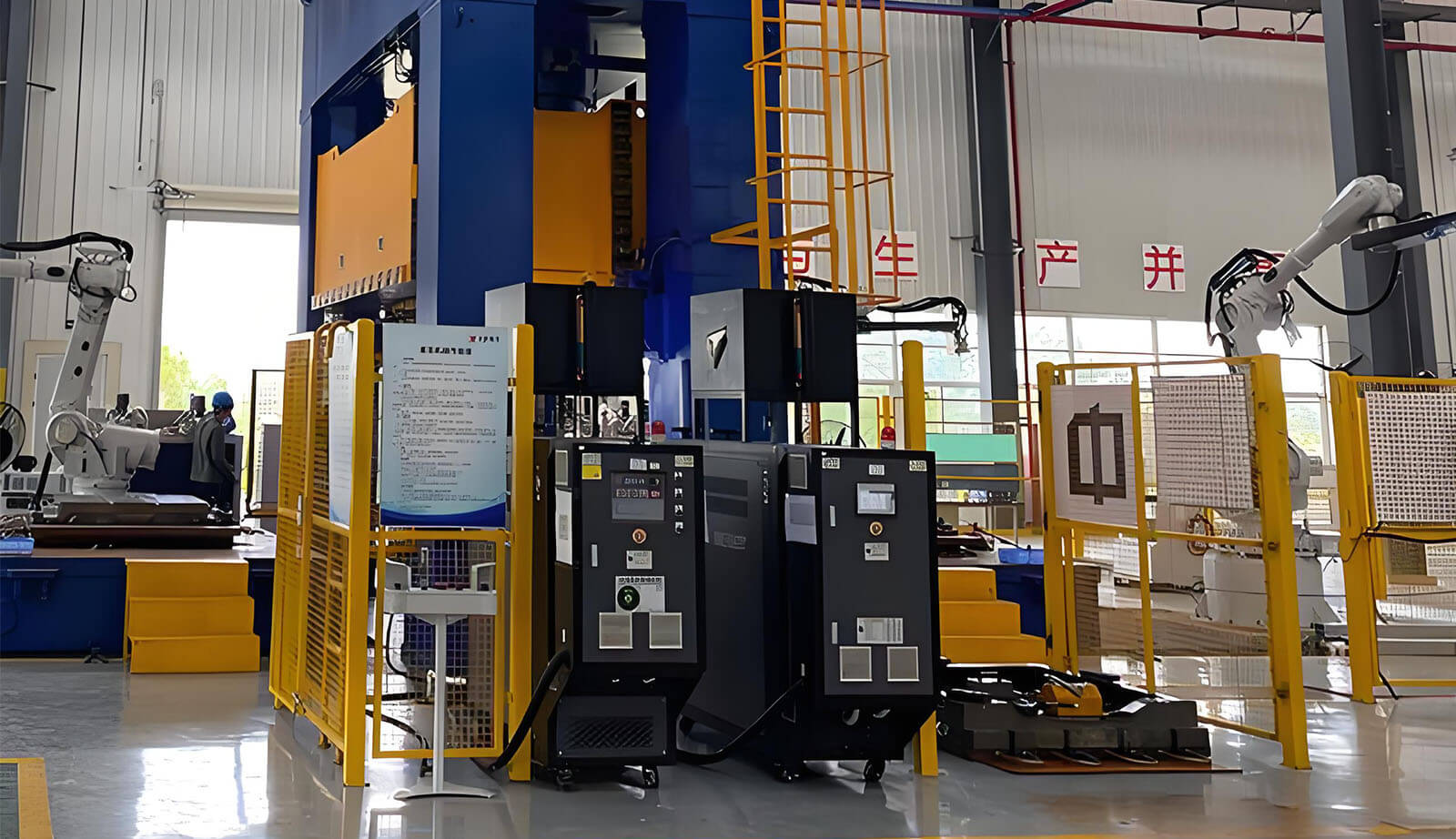
Our factory employs an advanced carbon fiber hot press process with a P20 steel mold, ensuring high efficiency, precision, durability, and cost-effectiveness for quality production.
Carbon fiber wind turbine components and CFRP structural parts for wind power equipment are among the most demanding composite applications. They must resist fatigue, cyclic loading, outdoor exposure, moisture, UV, temperature changes and long-term structural stress over many years of service.
Carbon fiber reinforced polymer, also known as CFRP, is used in wind power applications where glass fiber alone may not provide enough stiffness, weight reduction or fatigue performance. In modern wind turbine blade structures, carbon fiber is most commonly used in spar caps, blade reinforcement laminates and other load-critical areas where fiber direction, laminate thickness and bonding quality directly affect structural performance.
We manufacture custom carbon fiber components for wind power and renewable energy equipment. Our work covers carbon fiber reinforcement laminates, CFRP structural panels, protective housings, carbon fiber tubes, custom profiles, small wind turbine blade prototypes and composite parts for engineering development projects.
Unlike mass-production spar cap suppliers that focus mainly on long pultruded planks for utility-scale blade programs, we are more suitable for custom CFRP components, prototype reinforcement laminates, small-batch structural parts, protective housings and engineering development projects where flexible tooling and process selection are required.
Our factory supports OEM and custom composite manufacturing projects from prototype to small or medium batch production, including material selection, mold design, layup planning, CNC trimming, bonding and surface finishing.
| Capability | Details |
|---|---|
| Main products | Reinforcement laminates, CFRP panels, tubes, protective covers, small blade prototypes |
| Suitable projects | Prototypes, engineering samples, small-to-medium batch production |
| Materials | T300, T700, T800, UD carbon fiber, woven carbon fiber, carbon/glass hybrid |
| Processes | Prepreg, autoclave, vacuum bagging, resin infusion, hot press, CNC trimming |
| Not ideal for | Mass production of very long utility-scale pultruded spar caps or complete large wind turbine blades |
Carbon fiber is not required for every part of a wind turbine. It is most valuable in components where weight reduction, stiffness, fatigue resistance and dimensional stability are important.
The spar cap is the main load-bearing element inside a wind turbine blade. It runs along the length of the blade and carries bending loads generated by wind pressure and blade rotation. Carbon fiber is used in this area because it offers high stiffness with lower weight compared with glass fiber.
For wind turbine spar cap applications, unidirectional carbon fiber is usually preferred because the primary load direction is lengthwise. Fiber alignment, resin content, laminate thickness, bonding surface preparation and void control are critical to the final structural performance.
For utility-scale wind turbine blades, long continuous spar caps are most commonly produced by pultrusion — a process that pulls continuous carbon fiber rovings through a heated die to produce cured laminates with highly aligned unidirectional fibers and consistent cross-section dimensions. Since around the mid-2010s, pultruded carbon fiber planks have become increasingly common for utility-scale wind turbine spar caps because they provide better fiber alignment, consistent cross-section quality and improved production repeatability compared with many hand layup or infusion-based alternatives.
Our suitable scope is mainly custom carbon fiber reinforcement laminates, prototype spar cap sections, structural plates and blade reinforcement components. For very long continuous pultruded spar cap production, technical feasibility must be confirmed based on drawings, target length, material specification and quantity before quotation.
Carbon fiber flat plates and structural laminates can be used to reinforce specific areas of a wind turbine blade, including trailing edge sections, leading edge reinforcement zones, shear web areas, root transition areas and localized high-stress regions.
We manufacture custom carbon fiber reinforcement plates using different layup designs, such as unidirectional layup, cross-ply layup, ±45° layup and quasi-isotropic layup. These parts are typically bonded into the blade structure or used as test laminates during product development.
Typical applications include:
CFRP structural panels can be used in wind power equipment where low weight, high stiffness and corrosion resistance are required. These panels may be used for protective covers, control equipment housings, nacelle-related components, inspection covers or lightweight structural enclosures.
Depending on the project, panels can be produced as solid carbon fiber laminates, carbon/glass hybrid laminates or sandwich panels with foam or honeycomb cores. The right structure depends on bending stiffness, weight target, impact resistance, surface finish and cost requirements.
Our experience with structural carbon fiber panels in automotive and industrial applications and industrial applications also helps us control stiffness, surface finish and bonding quality in wind power CFRP panels.
Carbon fiber tubes and profiles are used in wind power and renewable energy equipment for sensor mounts, inspection tools, cable protection structures, lightweight frames, test fixtures and custom support components.
We can manufacture round tubes, square tubes, rectangular tubes and custom profiles depending on mold feasibility and quantity. Common processes include roll wrapping, bladder molding, filament winding, compression molding, vacuum bagging and bonding of multi-part assemblies.
For custom non-standard profiles, mold-based composite manufacturing is usually the most practical approach. For continuous standard profiles where cross-section, quantity and tolerance justify the process, pultrusion may also be considered.
Wind power equipment often requires covers, access panels, protective housings and inspection hatches that must resist outdoor exposure, moisture, UV and long-term vibration.
Carbon fiber can reduce weight compared with metal structures while maintaining good stiffness and corrosion resistance. However, for large non-structural covers, fiberglass or carbon/glass hybrid laminates may be more cost-effective than full carbon fiber.
We can manufacture:
For small wind turbines, research equipment, UAV-related wind energy systems or prototype testing projects, complete carbon fiber blade sets may be feasible. These are usually much smaller than utility-scale wind turbine blades and can be manufactured with prepreg layup, vacuum bagging or resin infusion depending on size and performance requirements.
For utility-scale turbine blades, we focus on carbon fiber components, reinforcement laminates, test sections and sub-structures rather than full blade production.
Selecting the right carbon fiber material and manufacturing process for a wind power component is not only about tensile strength or fiber grade. Structural performance depends on several interrelated engineering factors that must be considered together.
Carbon fiber is highly anisotropic — meaning its properties are very different depending on the direction relative to the fibers. Unidirectional carbon fiber (UD) is strong and stiff along the 0° fiber direction, but its transverse strength, interlaminar shear strength and impact resistance are much lower.
In wind turbine spar caps, the primary load is longitudinal bending, so UD carbon fiber with fibers running along the blade length is the correct choice. However, if a component also carries torsional loads, shear loads or has to resist impact, additional ±45° plies, 90° plies or woven fabric layers need to be incorporated into the layup design.
Ignoring load path analysis and using only UD carbon fiber in all directions is one of the most common design errors in CFRP structural parts. Every layup schedule should be driven by the actual load case, not just by fiber availability or cost alone.
For many wind power components, bending stiffness is more important than raw tensile strength. Structural stiffness depends on both the elastic modulus of the material and the geometry of the cross-section — particularly the distance of the material from the neutral axis.
This is why sandwich panels, where thin carbon fiber face sheets are separated by a lightweight foam or honeycomb core, can provide very high bending stiffness at low weight and often outperform a much thicker solid laminate of the same mass. For wind turbine nacelle covers, protective panels and large enclosure structures, sandwich construction is often more efficient than solid CFRP laminates.
For spar caps and other primarily axially loaded components, solid UD laminates are more appropriate because the load is tensile and compressive along the fiber direction rather than in bending across the section thickness.
Wind turbine blades do not only carry tensile loads. During operation, one face of the spar cap is in tension and the other is in compression. Compression strength of CFRP laminates is significantly more sensitive to manufacturing quality than tensile strength.
Fiber waviness, void content, resin-rich zones and thickness variation all reduce compression performance more than they affect tensile performance. This is one of the key reasons why pultrusion has become a widely used manufacturing route for utility-scale spar cap production — the process produces more consistent fiber alignment and cross-section control than hand layup or infusion of thick UD laminates.
For prototype spar cap sections and reinforcement laminates produced by prepreg or infusion, fiber waviness control and compaction quality must be carefully managed during the layup and curing process.
Many carbon fiber wind power components are not used in isolation. They are bonded into larger blade structures or equipment assemblies using structural adhesives. The bond line quality is often the weakest point in the assembly — not the carbon fiber laminate itself.
Key factors that affect bonding performance include:
For wind power reinforcement plates and bonded CFRP assemblies, bonding surface preparation should be specified in the drawing or process document, not left as an afterthought during assembly.
Wind turbine components experience cyclic loading for 20 to 30 years of service life. Initial static strength is not sufficient to confirm suitability — fatigue performance under repeated stress cycles must be evaluated for structural components.
Carbon fiber composites generally show good fatigue performance under tension-tension loading when properly manufactured. However, the following environmental factors can degrade performance over time:
For wind power CFRP parts intended for long outdoor service, resin selection, surface coating specification and edge sealing should be considered alongside the laminate design.
Not every carbon fiber part requires the same process. Selecting the right manufacturing method depends on the part type, geometry, structural requirements, quantity and cost target. Using an inappropriate process — for example, wet layup for a tight-tolerance structural laminate — can result in poor fiber volume fraction, high void content and inconsistent mechanical performance.
The following table summarizes our general process selection logic for wind power CFRP components:
| Part Type | Recommended Process | Reason |
|---|---|---|
| Spar cap sections and UD reinforcement laminates | Prepreg/autoclave or prepreg/hot press | Better fiber volume control, lower void content, more consistent compression performance than wet layup |
| Long continuous spar cap planks | Pultrusion (specialist process — feasibility review required) | Best fiber alignment and dimensional consistency for high-volume continuous production |
| Prototype reinforcement plates and test coupons | Prepreg/autoclave or hot press | Better thickness control and fiber volume for structural validation |
| Large protective covers and nacelle panels | Resin infusion (VARTM) or vacuum bagging | More practical for large parts; lower tooling cost than autoclave |
| Small wind turbine blades | Prepreg layup, vacuum bagging or resin infusion | Depends on blade size, structural requirement and production quantity |
| Carbon fiber tubes and structural profiles | Roll wrapping, bladder molding or filament winding | Better fiber orientation control for tubular and hollow structures |
| Sandwich panels for covers and enclosures | Vacuum bagging or resin infusion with core bonding | Efficient process for large lightweight panels with foam or honeycomb core |
| Non-structural housings and covers | Carbon/glass hybrid laminate, vacuum bagging or wet layup | Better cost-performance ratio when full carbon fiber is not required |
This process selection logic also applies to mold design. Parts requiring tight dimensional tolerance need metal tooling such as aluminum or steel. Prototype and low-volume parts can use FRP or epoxy tooling to reduce upfront cost. Parts going into hot press or autoclave need tooling matched to the curing temperature.
The exact specification of a carbon fiber wind power component depends on the drawing, laminate design, process, resin system, fiber grade, mold type and testing requirements. The following values are reference ranges for early project discussion only. Final values must be confirmed by engineering review and material datasheets.
| Item | Reference Range / Option | Notes |
|---|---|---|
| Fiber options | T300, T700, T800 or equivalent | Final selection depends on strength, stiffness and budget |
| Fiber form | UD carbon fiber, woven carbon fiber, carbon/glass hybrid | UD is preferred for axial stiffness |
| Resin system | Standard epoxy or high-Tg epoxy | High-Tg resin can be used for higher temperature requirements |
| Laminate thickness | Approximately 1 mm to 30 mm | Thicker laminates require process review |
| Flat plate size | Custom size based on mold and process | Large panels may be segmented and bonded |
| Single-piece part size | Usually up to about 3 meters for many custom processes | Larger structures require feasibility review |
| Fiber volume fraction (Vf) | Approx. 50–65% depending on process | Higher Vf generally improves stiffness but requires better process control |
| Typical void content | Process-dependent | Prepreg/autoclave typically achieves lower void content than wet layup |
| Tensile modulus (UD laminate, ref.) | 70–150 GPa depending on fiber grade and layup | T300 lower range, T800 upper range; confirm by datasheet |
| Tensile strength (UD laminate, ref.) | 800–1,800 MPa depending on fiber grade and Vf | For structural design, use material datasheet values only |
| Service temperature | Depends on resin Tg | High-Tg epoxy can be selected for elevated-temperature or outdoor environments |
| Bonding surface options | Sanded, peel ply removed, primer-ready | Bonding surface specification is important for blade reinforcement and bonded assemblies |
| Surface finish | Raw, sanded, primer, gloss clear coat, matte clear coat | Structural bonding surfaces are usually prepared separately |
| Typical process options | Prepreg, autoclave, vacuum bagging, wet layup, resin infusion, hot press | Process depends on geometry and performance requirements |
| Tolerance | Project-dependent | Tight tolerance requires CNC trimming and suitable tooling |
| Testing | Visual inspection, thickness check, dimensional inspection, sample coupons if required | Additional testing can be arranged according to customer requirements |
These values are not certified product specifications. They are reference ranges for early feasibility discussion. Final mechanical performance must be confirmed by material datasheets, laminate design, process validation and customer-approved testing.
Reducing blade mass helps reduce gravitational load, inertial load and fatigue load on the rotor, hub, nacelle and tower. In long blade structures, even small weight reductions can have a large effect on the overall system design.
Carbon fiber has a much higher stiffness-to-weight ratio than glass fiber, which makes it useful in blade sections where weight and deflection control are critical. Research supported by the U.S. Department of Energy indicates that carbon fiber spar caps can achieve approximately 25% blade mass reduction compared to equivalent glass fiber designs.
Blade stiffness is important for maintaining aerodynamic shape and ensuring enough tip clearance between the blade and tower. As blades become longer, deflection control becomes more difficult.
Carbon fiber provides higher modulus than glass fiber, allowing engineers to improve stiffness without adding as much weight. This is one of the key reasons carbon fiber is used in spar caps and other load-bearing blade structures.
Wind turbine blades experience continuous cyclic loading during operation. Fatigue resistance is therefore one of the most important design requirements.
Carbon fiber composites can provide strong fatigue performance when properly designed and manufactured. However, final fatigue behavior depends heavily on layup design, resin system, void content, fiber alignment and quality control — not on fiber grade selection alone.
Carbon fiber composites do not rust like steel or aluminum. This makes CFRP useful for outdoor, coastal and offshore environments where moisture, salt spray and temperature cycling can affect metal parts.
For wind power applications, corrosion resistance can reduce maintenance concerns for covers, housings, panels and non-metallic structural components.
Modern wind turbine blades continue to become longer because a larger swept area can capture more wind energy. Longer blades require better stiffness and lower weight.
Carbon fiber does not automatically make a turbine generate many times more power. Its real value is helping engineers design lighter, stiffer and more fatigue-resistant structures, especially in blade areas where glass fiber reaches practical limits.
| Property | Carbon Fiber | Glass Fiber |
|---|---|---|
| Density | Lower | Higher |
| Stiffness | Higher (T700: ~230 GPa; T800: ~290 GPa) | Lower (E-glass: ~70–80 GPa) |
| Fatigue performance | Generally better when properly designed | Good, but lower in high-stiffness applications |
| Cost | Higher | Lower |
| Best use | Spar caps, reinforcement laminates, load-critical structures | Blade skins, shells, covers and lower-stress structures |
| Design approach | Used where stiffness and weight reduction justify the cost | Used where cost efficiency is more important |
Most modern wind turbine blade structures use materials selectively. Carbon fiber is used where stiffness and weight reduction justify the cost. Glass fiber is still widely used in blade shells and lower-stress areas because it is cost-effective and proven.
For some projects, carbon/glass hybrid laminates provide a practical balance between performance and cost.
Prepreg carbon fiber is pre-impregnated with controlled resin content and cured under heat and pressure. This process is suitable for high-performance structural parts, prototype blade sections, reinforcement laminates and components requiring low void content and good dimensional stability.
Prepreg and autoclave molding are suitable when the project requires:
Vacuum bagging and wet layup are practical for larger covers, housings, panels and non-critical structures. Dry carbon fiber or hybrid fabric is placed into the mold, resin is applied, and the laminate is cured under vacuum pressure.
This process is more flexible and cost-effective than autoclave molding for many custom parts, especially when the part is large or does not require aerospace-level void control.
Resin infusion, also known as VARTM, is used for larger panels, covers and structural components where controlled resin flow and good laminate quality are required.
Dry fiber layers are placed in the mold, sealed under vacuum, and resin is drawn through the laminate. This process can be suitable for medium-size wind power equipment covers, CFRP panels and carbon/glass hybrid structures.
Hot press molding is suitable for flat or gently curved carbon fiber plates, reinforcement laminates and repeatable parts with tighter dimensional control.
Matched metal tooling can provide better repeatability and surface quality, but tooling cost is higher than FRP or epoxy molds. This process is usually more suitable for production parts than one-off prototypes.
After curing, many CFRP parts require trimming, drilling, edge finishing and bonding preparation. We support CNC trimming, hole machining, edge sealing, bonding surface sanding, solvent cleaning and assembly of multi-part composite structures.
For wind power components, bonding surface preparation is especially important because many reinforcement plates and panels are bonded into larger structures.
Pultrusion is widely used as a main manufacturing route for long continuous carbon fiber spar cap laminates in utility-scale wind turbine blades. The process pulls continuous carbon fiber rovings through a resin bath and a heated die, producing cured profiles with highly aligned unidirectional fibers and consistent cross-section dimensions.
Since around the mid-2010s, pultruded carbon fiber planks have become increasingly common for utility-scale wind turbine spar caps because they provide better fiber alignment, consistent cross-section quality and improved production repeatability compared with many hand layup or infusion-based alternatives. The process reduces fiber waviness — a key factor in compression strength performance — and allows long continuous production runs with stable dimensional control.
If your project requires long continuous pultruded carbon fiber spar cap materials, please send drawings and technical requirements so we can confirm the appropriate production route and whether in-house production or coordination with a specialist supplier is the right approach for your project.
| Material | Description | Typical Application |
|---|---|---|
| T300 carbon fiber | Standard modulus, cost-effective carbon fiber | General panels, covers, non-critical structures |
| T700 carbon fiber | Higher tensile strength, widely used in structural CFRP | Reinforcement laminates, tubes, structural plates |
| T800 carbon fiber | Higher performance option for demanding applications | High-strength and high-stiffness components |
| Unidirectional carbon fiber | Fibers aligned mainly in one direction | Spar cap sections, axial stiffness laminates |
| 3K woven carbon fiber | Balanced woven fabric with visible carbon appearance | Outer layers, covers, visible surfaces |
| Carbon/glass hybrid laminate | Combines carbon fiber and glass fiber | Cost-controlled structural parts |
| High-Tg epoxy resin | Epoxy system with higher temperature resistance | Outdoor service, structural components, heat exposure areas |
Material selection should be based on mechanical requirements, service environment, cost target and manufacturing process. For structural components, the customer should provide the required material standard or performance target whenever possible.
The right mold depends on the part size, production volume, tolerance, surface finish and curing process.
| Mold Type | Suitable For | Typical Use |
|---|---|---|
| FRP mold | Prototype and small batch | Covers, panels, one-off parts |
| Epoxy tooling mold | Medium batch and better stability | Housings, custom panels, prototype production |
| Aluminum mold | Higher accuracy and better repeatability | Structural plates, precision components |
| Steel mold | Hot press and higher-volume production | Repeatable molded components |
For prototype work, FRP or epoxy tooling can reduce initial cost. For repeat production, higher temperature curing, hot press molding or tight tolerances, aluminum or steel tooling is usually more suitable.
Wind power components must be manufactured with controlled process steps because small errors in layup, thickness, curing or bonding can affect long-term performance.
Ply count, fiber orientation and layer sequence are checked during production. This is especially important for unidirectional carbon fiber laminates because incorrect fiber direction can significantly reduce axial stiffness and structural performance in a UD-dominated laminate.
Cured laminate thickness is measured at defined positions and compared with the design target. Thickness variation can indicate issues with resin content, compaction pressure, fiber volume or voids.
Parts are measured according to the drawing or 3D model. Depending on the part complexity, inspection may use calipers, templates, jigs, fixtures or CMM equipment.
Many wind power carbon fiber parts are bonded into larger assemblies. Bonding surfaces can be sanded, cleaned and prepared according to the required bonding process. Good bonding preparation — including peel ply removal, sanding, solvent cleaning and primer application where specified — helps improve adhesion, durability and long-term structural reliability.
Parts are visually checked for defects such as dry spots, resin-rich areas, pinholes, porosity, delamination, impact marks and fiber distortion.
For structural projects, coupon samples or first-article parts can be prepared for customer testing. Trial assembly can also be arranged when mating parts or fixtures are available.
To provide an accurate quotation, please send as much of the following information as possible:
If no drawing is available, we can review physical samples, reference dimensions or concept sketches and advise whether the project is suitable for custom carbon fiber manufacturing.
Blade component suppliers and engineering teams may require carbon fiber spar cap samples, reinforcement laminates, bonded test panels and structural coupons for design validation before larger production investment.
Wind power equipment manufacturers may need lightweight CFRP covers, access panels, protective housings, sensor brackets, duct sections or structural panels for nacelle systems, electrical equipment and renewable energy installations.
Small wind turbine developers may require complete blade prototypes, carbon fiber blade sections, reinforcement plates or lightweight structural components for sub-10-meter rotor designs.
Blade repair companies may require carbon fiber repair patches, reinforcement plates, bonded CFRP laminates or prototype retrofit structures for repair method testing and validation.
Universities, laboratories and engineering companies may require carbon fiber samples, test coupons, prototype laminates or small composite assemblies for material testing and renewable energy research.
We can manufacture complete blades for small wind turbines and prototype testing projects, depending on blade size and design requirements.
For utility-scale wind turbine blades, we focus on carbon fiber components, reinforcement laminates, prototype sections and blade sub-structures rather than complete 50-meter or 80-meter blade assemblies.
We can manufacture carbon fiber spar cap sections, unidirectional reinforcement laminates and structural test samples according to customer drawings and layup requirements.
For long continuous pultruded spar caps used in utility-scale wind turbine blades, the production method, length, tolerance and quantity must be reviewed separately before confirmation. Please send your drawings and technical requirements and we will advise on the suitable production route.
Pultrusion is the standard manufacturing process for long continuous carbon fiber spar cap laminates in the wind industry, and we are familiar with its role in blade structural design.
For projects requiring pultruded carbon fiber profiles or spar cap planks, please send drawings and technical specifications including cross-section dimensions, required length, tolerance, material system and order quantity. We will confirm whether in-house production or coordination with a specialist pultrusion supplier is the right approach for your project.
We are not the best fit for mass production of very long utility-scale pultruded spar caps or complete 50-meter-plus wind turbine blades. These projects require dedicated continuous pultrusion lines or large blade manufacturing infrastructure that is outside our current scope.
Our strength is custom CFRP components, prototype spar cap sections, reinforcement laminates, protective housings, small wind turbine blades and small-to-medium batch composite parts where flexible tooling and process selection add more value than high-volume standardized production.
For many custom composite processes, we can produce parts up to approximately 3 meters in a single piece. Larger parts may need to be produced in sections and bonded.
Final size capability depends on the part shape, mold design, curing process, thickness and tolerance requirement.
Yes. We can work from STEP, STP, IGES, DXF and PDF drawings. We can also review physical samples for reverse engineering and mold development. For structural parts, drawings and laminate specifications are strongly recommended.
The best process depends on the part size, geometry, structural load, surface finish, tolerance and quantity.
Prepreg and autoclave molding are suitable for high-performance structural parts and prototypes. Resin infusion is suitable for larger panels and covers. Hot press molding is suitable for repeatable plates and smaller precision components. Vacuum bagging and wet layup can be suitable for covers, housings and non-critical structures. For spar cap laminates specifically, pultrusion is the widely used process for utility-scale continuous production.
Yes. Carbon/glass hybrid laminates can reduce cost while keeping better stiffness and strength than full fiberglass structures. This can be useful when only part of the structure needs carbon fiber reinforcement.
Material testing can be arranged according to project requirements. For structural components, customers may request sample coupons, thickness measurement, dimensional inspection, trial assembly or third-party testing. The exact testing plan should be confirmed before production.
Standard pultruded spar cap suppliers focus on high-volume continuous production of a defined cross-section and length. This is appropriate for large blade manufacturers running repeatable programs at scale.
For engineering teams that need prototype sections, non-standard reinforcement laminates, small-batch CFRP parts, testing samples, covers and housings, or components with custom geometry, a custom carbon fiber manufacturer offers more flexibility in material selection, layup design, tooling options and production quantity. This is where we add the most value.
SCOMP Composite is a carbon fiber manufacturer based in China. We manufacture custom CFRP components for customers across multiple industries, including aerospace, energy, automotive and industrial applications.
Beyond wind power, our carbon fiber manufacturing experience covers carbon fiber motorcycle parts such as fairings, frames and structural covers, as well as carbon fiber automotive components including body panels, structural reinforcements and interior parts. This cross-industry experience means our engineering team is familiar with a wide range of laminate designs, surface finish requirements, bonding processes and production constraints — knowledge that translates directly into better outcomes for wind power CFRP projects.
Our main product range covers custom carbon fiber parts from prototype through small and medium batch production, with mold making, layup, curing, CNC trimming, bonding and surface finishing.
This page covers custom carbon fiber components for wind power and renewable energy equipment. Final material selection, laminate design and production method must be confirmed according to drawings, load requirements and project specifications.
This page was reviewed by the composite engineering team at SCOMP Composite, with focus on CFRP material selection, molding process feasibility, layup design considerations and wind power application requirements.
For quotation, please send drawings, dimensions, material requirements and expected quantity to our engineering team.
Email: [email protected]
Phone / WhatsApp: +86 136 2619 1009
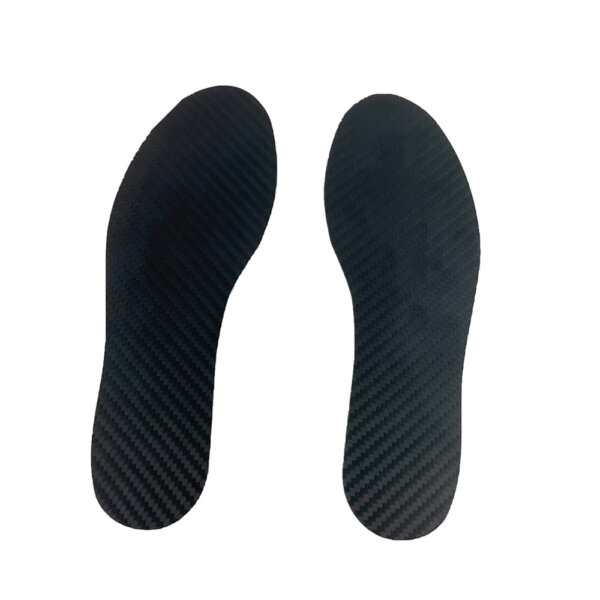
Our factory employs an advanced carbon fiber hot press process with a P20 steel mold, ensuring high efficiency, precision, durability, and cost-effectiveness for quality production.
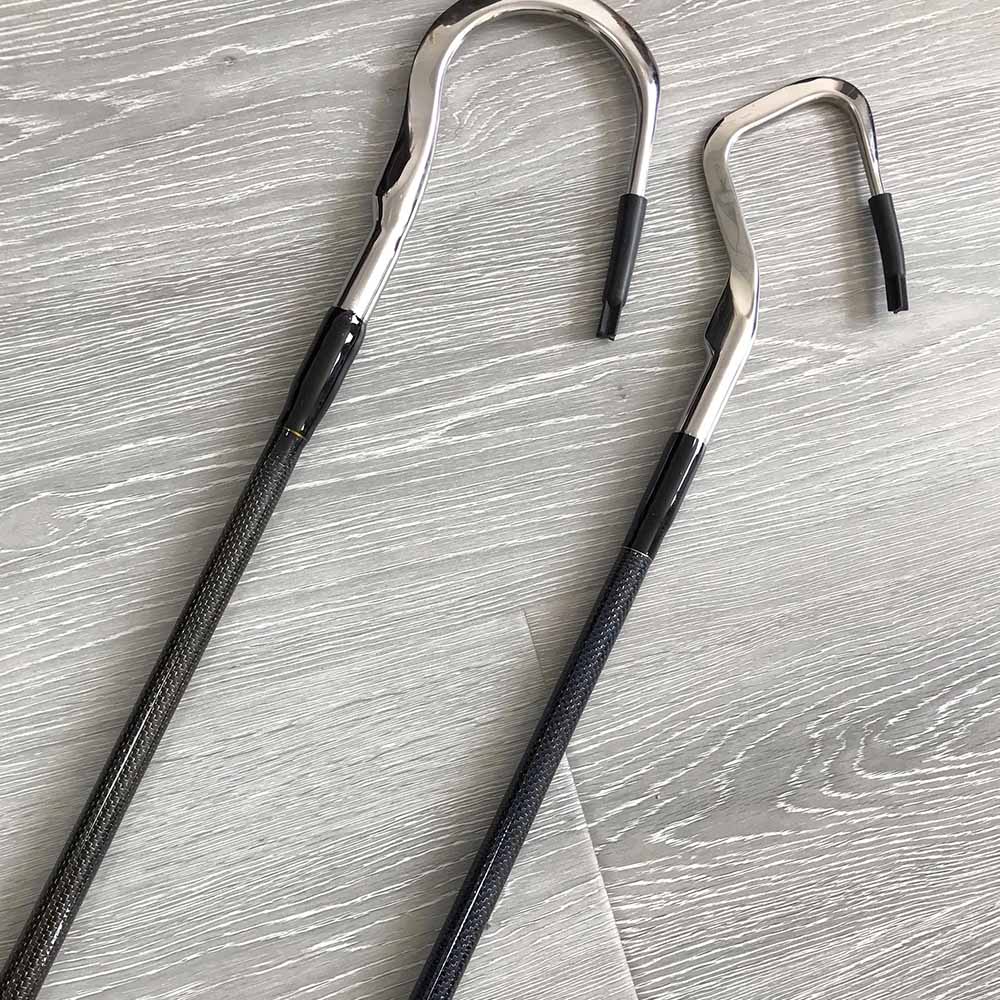
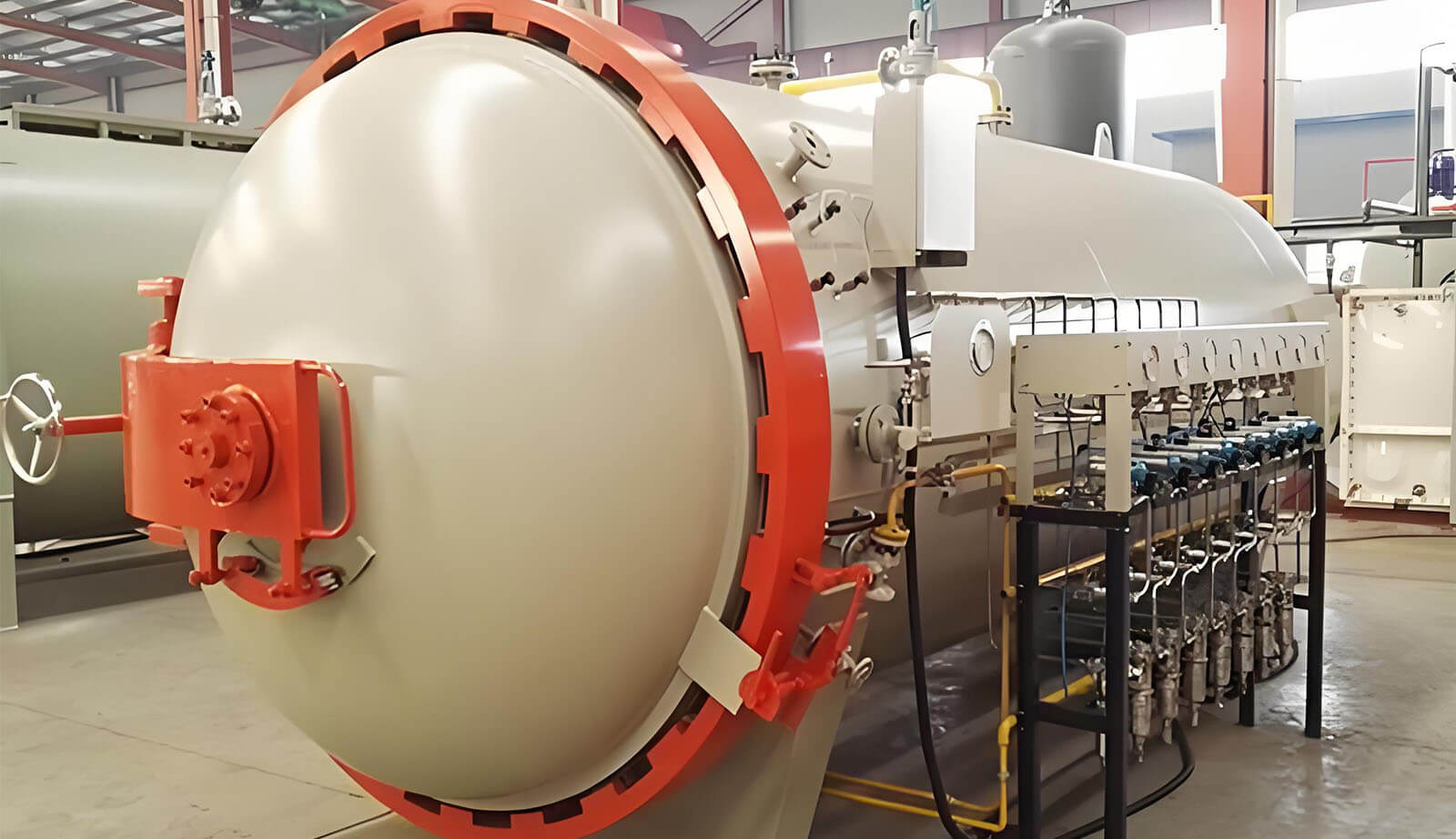
Our factory runs 100+ hot pressure autoclaves, using aluminum molds and vacuum induction to shape carbon fiber with precision. High heat and pressure enhance strength, stability, and flawless quality.
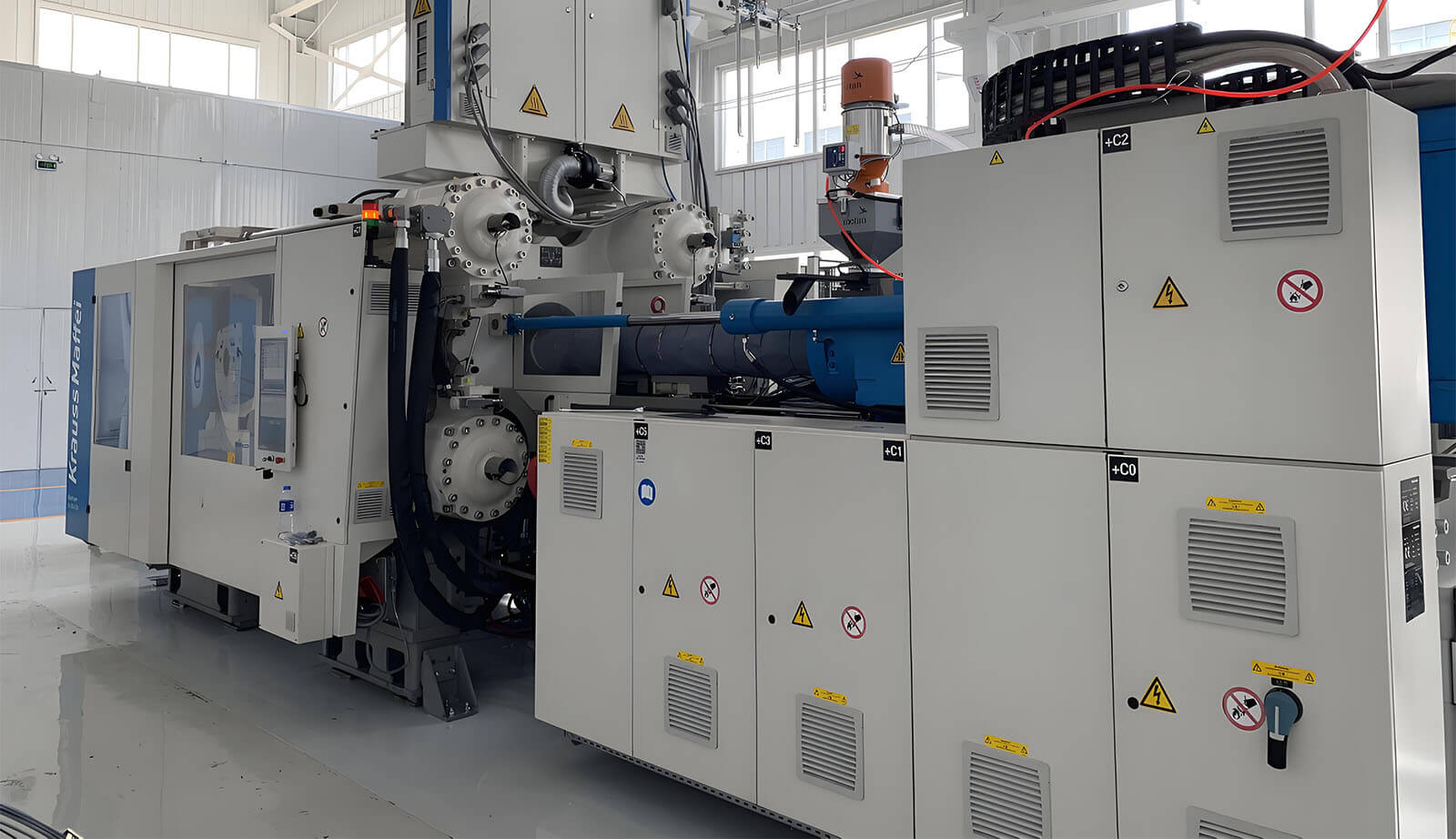
Our Carbon Fiber Research Center drives innovation in new energy, intelligence, and lightweight design, using advanced composites and Krauss Maffei Fiber Form to create cutting-edge, customer-focused solutions.
Here are the answers to the frequently asked questions from the experienced carbon fiber products factory
We produce a wide range of carbon fiber components, including automotive parts, motorcycle parts, aerospace components, marine accessories, sports equipment, and industrial applications.
We primarily use high-quality prepreg carbon fiber and large-tow carbon fiber reinforced high-performance composites to ensure strength, durability, and lightweight characteristics.
Yes, our products are coated with UV-protective finishes to ensure long-lasting durability and maintain their polished appearance.
Yes, our facilities and equipment are capable of producing large-size carbon fiber components while maintaining precision and quality.
What are the benefits of using carbon fiber products?
Carbon fiber offers exceptional strength-to-weight ratio, corrosion resistance, stiffness, thermal stability, and a sleek, modern appearance.
We cater to automotive, motorcycle, aerospace, marine, medical, sports, and industrial sectors with a focus on lightweight and high-performance carbon fiber components.
Yes, we provide custom carbon fiber solutions tailored to your specifications, including unique designs, sizes, and patterns.
We utilize advanced technologies such as autoclave molding, hot pressing, and vacuum bagging, ensuring precision, stability, and quality in every product. wonders with the Hello Elementor Theme, we’re trying to make sure that it works great with all the major themes as well.
We use aluminum and P20 steel molds, designed for durability and high accuracy, to create complex and precise carbon fiber components.
Our products undergo rigorous quality control checks, including dimensional accuracy, material integrity, and performance testing, to meet industry standards.