
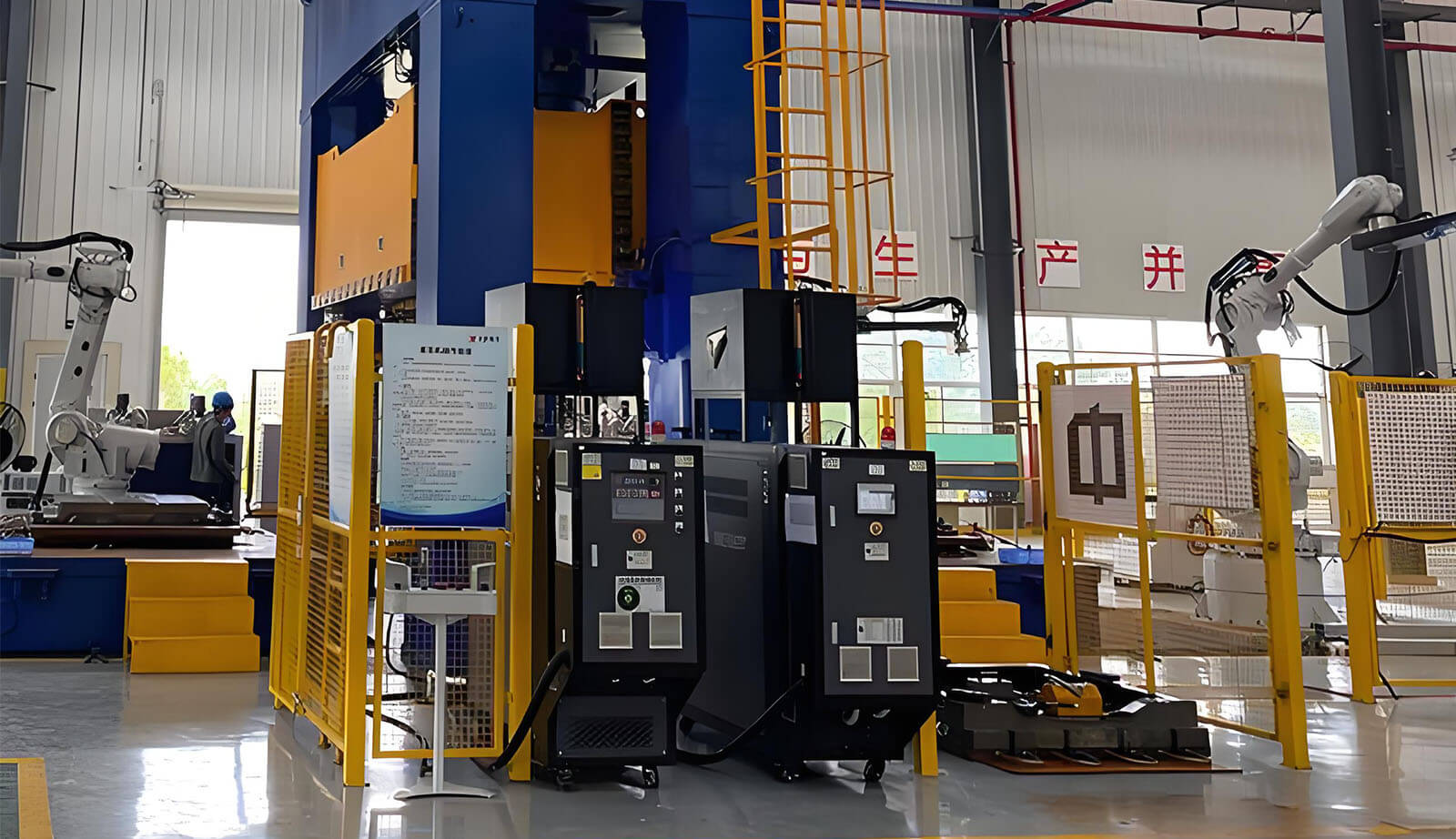
カーボンファイバー複合材料のホットプレス成形工程
当工場はP20鋼型を用いた先進的なカーボンファイバーホットプレス工程を採用し、高効率、精密、耐久性、コスト効果を実現し高品質な生産を確保しています。
として China carbon fiber manufacturer, SCOMP manufactures custom carbon fiber bike frames for bicycle brands, distributors, product developers and OEM/ODM projects worldwide. We support road bike frames, gravel frames, MTB frames, e-bike frames and specialized carbon bicycle structures, based on customer drawings, samples or 3D design files.
This page is intended for brands, product developers and buyers looking for OEM or ODM carbon bicycle frame production. If you are building a brand, developing a new model or sourcing private label frames, this page covers our capabilities, process, technical approach and what we need to get started.
We produce carbon road frames for performance road, aero road and endurance applications. Frame options include disc brake flat mount, internal cable routing, integrated seat clamp and aero tube profiles. Layup can be adjusted for rider weight category, target stiffness and comfort priority. We support standard frame sizes from 44cm to 62cm and custom geometry is available with new mold development.
Carbon gravel frames require different structural priorities than road frames. Tire clearance areas at chainstay and fork need reinforced carbon layup to handle higher impact loads from off-road surfaces. We support frames with up to 700c x 45mm or 650b x 50mm tire clearance, fender mount bosses, rack mount inserts, multiple water bottle boss locations and flat mount disc.
Carbon MTB frames require significant impact reinforcement at chainstay, dropout area, head tube gusset and down tube. We manufacture hardtail frames and can discuss full suspension frame projects depending on pivot hardware and link compatibility requirements. Boost 148mm rear spacing, UDH dropout compatibility, ISCG05 chainguide mount, internal cable and dropper post routing are all supported. Frame geometry and sizing chart should be provided by the customer at the engineering review stage.
E-bike carbon frames carry additional structural requirements compared to standard bicycle frames. The battery cavity area needs reinforced structure and precise fitment to the battery housing. Motor mount areas must handle sustained torque loads significantly higher than a standard pedal-assisted bike. Frames must also manage heat dissipation near the motor and battery. We recommend the customer provide motor and battery system specifications at the start of any e-bike frame project so our engineering team can plan layup and mold cavity accordingly.
In addition to complete frames, we can support matched carbon fiber components including forks, seatposts, handlebars and accessories, depending on project requirements and tooling availability. Producing matched components alongside the frame simplifies fitment and allows consistent brand aesthetics across the product line.
Not all carbon fiber is equal, and material grade has a direct effect on frame performance, weight and cost. The values below are typical reference values based on Toray datasheet specifications. Final material selection should be confirmed according to the prepreg supplier datasheet and project requirements, as equivalent materials from other suppliers may vary.
| 素材 | Tensile Strength (ref.) | Tensile Modulus (ref.) | 典型的な用途 |
|---|---|---|---|
| 東レT700 | 約4,900 MPa | 約230 GPa | General OEM production, good balance of cost and strength |
| 東レT800 | ~5,490 MPa | ~294 GPa | Performance road and gravel, lighter layup possible |
| Toray T1000 | ~6,370 MPa | ~294 GPa | High-end racing frames, maximum weight reduction |
| Toray T1100 | ~7,000 MPa | ~324 GPa | Ultra-premium applications, very low volume |
For structural bike frame projects, prepreg carbon fiber (resin pre-impregnated sheets) is typically recommended because it provides more consistent resin content, better structural predictability and cleaner surface finish compared to wet layup. For most OEM projects, T700 or T800 prepreg is the practical and cost-effective specification. T1000 and T1100 are available but significantly increase material cost and are only justified for specific performance or weight targets.
Before production begins, we review customer geometry files, size chart, component compatibility requirements and any special structural requirements. For custom mold projects, this stage determines whether the mold design is feasible and what engineering adjustments may be needed. Required inputs at this stage include: 3D CAD files (STEP, IGES or SolidWorks), 2D geometry drawing, size chart, target frame weight, target rider weight range, test standard, intended groupset compatibility and fork, seatpost, headset and BB specification.
If the customer does not have a complete drawing package, we can assist with geometry development, but this requires clear specification of intended use, rider size range and target market. For buyers developing new frame geometry or special structures, our カスタム炭素繊維製造 experience helps us evaluate tooling, layup, bonding and finishing requirements before production begins. Final pricing requires design confirmation.
Mold type is selected based on production volume and geometry complexity. The table below summarizes the tradeoffs between common mold materials.
| 金型タイプ | 対象 | 工具コスト | Service Life |
|---|---|---|---|
| Composite (CFRP) mold | Prototype, very low volume | 最低 | Short, limited cycles |
| アルミニウムモールド | OEM production, standard volume | ミディアム | Medium, suitable for most brand programs |
| スチール モールド | High volume, complex geometry | 最高 | Longest, suitable for mass production |
For most OEM bike frame projects, aluminum molds offer the best balance of accuracy, surface finish and tooling cost. Steel molds are recommended when production volumes are high enough to justify the higher upfront investment. Composite molds are only practical for prototyping before committing to aluminum.
Mold development lead time is typically 5 to 8 weeks depending on geometry complexity and the number of sizes in the first tooling batch.
Carbon prepreg sheets are cut to precise ply shapes. Each ply is placed by hand in the mold in a defined fiber direction. The layup schedule controls the stiffness, strength and weight of each zone of the frame. Different zones receive different layup: the head tube area carries high bending and torsional load from the fork and handlebar input, so it requires more plies and specific fiber angles. The bottom bracket shell receives layup focused on stiffness for power transfer. The seatstay and chainstay receive impact and fatigue layup for durability. This zone-by-zone approach is one of the primary ways that different frame models are differentiated at the engineering level.
Carbon bicycle tubes require internal pressure during curing to consolidate the layers and prevent void formation. We use internal bladder molding for most frame tube sections, and EPS (expanded polystyrene) core for areas where bladder extraction is not possible due to geometry. Molds are closed, pressurized and cured at defined temperature and pressure cycles. Autoclave curing can provide more consistent consolidation and lower void content when the process is properly controlled, and is preferred for structural frame components.
After curing, parts are demolded and inspected. Excess material at parting lines is trimmed. CNC machining is used to precisely finish the bottom bracket shell, head tube bore, dropout slots and any threaded inserts. Frame sections are bonded using structural adhesive with defined bond length and surface preparation. Bond area geometry and adhesive specification are critical structural decisions and are defined during engineering review.
After bonding and final dimension check, frames go through surface preparation and painting. We support full gloss paint in any RAL or Pantone color, matte finish, raw carbon with clear coat over exposed 3K or UD weave, multi-color graphics, custom logo decal or paint logo, and private label or blank label options. Frames can be supplied bare if the customer handles painting locally.
For OEM projects, the following approval sequence is used before batch production begins:
This process ensures that geometry, finish and fitment are confirmed before committing to full production volume.
A carbon bike frame is not defined only by its outer shape. Two frames can look similar but perform very differently because of the internal layup schedule. During engineering review, we consider the target rider weight, frame size, intended riding style and required stiffness level before defining the ply orientation and reinforcement areas.
For a race-oriented road frame, the bottom bracket, down tube and head tube areas usually require higher torsional stiffness for power transfer and steering precision. For an endurance or gravel frame, the layup may be adjusted to allow more controlled vertical compliance at the seatstay and rear triangle while keeping the bottom bracket and head tube stable. For MTB and e-bike frames, impact resistance and local reinforcement become more important than minimum weight alone.
This is why we do not recommend selecting a carbon frame only by weight. A very light frame with insufficient reinforcement in critical areas may appear attractive on paper but can create durability or safety problems in real use. The correct target is a balanced stiffness-to-weight ratio based on the frame type and market requirement.
The outside surface of a carbon bike frame is only one part of quality. Internal tube quality is equally important because wrinkles, voids and resin-rich areas inside the frame can reduce structural reliability over time. For this reason, the molding method must be selected according to the frame geometry and tube section complexity.
Bladder molding is suitable for many tube sections where the bladder can be positioned and removed properly after curing. EPS core molding is useful for more complex shapes where internal pressure must be maintained in areas that are difficult to reach with a removable bladder. EPS can help improve internal surface consistency in complex junctions, but it also requires good process control during layup, curing and core removal.
For OEM projects, we evaluate the frame design and decide where bladder molding, EPS molding or a combined process is more practical. The goal is not only a clean exterior finish but also better internal consolidation and more consistent structural performance across production batches.
For OEM carbon bike frame production, the first sample is only the beginning. A frame that meets specification in one prototype must also be repeatable in later production batches. This is why we control the process from ply cutting, layup sequence, mold temperature, curing pressure, bonding preparation, CNC trimming through to final inspection.
Key dimensions such as bottom bracket alignment, head tube bore, dropout parallelism and rear triangle symmetry are checked because small deviations can affect assembly, drivetrain performance and riding feel. Paint and clear coat are also controlled because excessive coating thickness can add weight, conceal defects or affect part fitment at interfaces.
For private label brands, batch consistency is especially important. Customers expect the same geometry, finish, logo position, component fitment and weight range across repeated orders. Our production approach is designed to reduce variation between the approved sample and later production batches.
Because a carbon bike frame is a safety-critical structural component, understanding load paths is necessary to specify the layup correctly.
Head Tube Receives steering input, braking force from the fork and road vibration. Must resist both bending and torsional loads. Layup at this junction uses high-angle plies for torsion resistance and unidirectional plies for bending stiffness.
Bottom Bracket Shell Receives pedaling force as torsional and bending input from the chainstay and seatstay junctions. High lateral stiffness here directly affects power transfer efficiency.
Chainstay and Dropout Receives drivetrain tension, disc braking force and road impact from the rear wheel. The dropout area carries significant braking moment on disc brake bikes. UDH dropout compatibility requires precise CNC machining of the interface.
Seat Tube Carries rider weight, pedaling load and seatpost clamp load. The clamp area must account for hoop stress from clamping, which is a common failure point in frames with insufficient layup or over-torqued clamps.
Down Tube Provides the primary torsional stiffness of the main triangle. On e-bike frames, the down tube also houses the battery cavity and must carry battery weight while resisting impact and vibration.
Seatstay Connects seat tube to rear dropout. For comfort-focused designs, seatstay flex can be tuned to absorb road vibration. For stiffness-focused designs, layup is stiffer. This is one zone where layup schedule creates meaningful product differentiation between frame models.
Bicycle frames must be specified to work with defined component standards. The following are the compatibility parameters we typically confirm during engineering review.
| Interface | 一般的な基準 |
|---|---|
| ボトムブラケットシェル | BSA (68mm)、T47、BB86、BB386、PF30 |
| ヘッドチューブ | テーパー 1-1/8″ から 1-1/2″ (ロードおよびグラベルで最も一般的) |
| リアアクスル | 12x142mm (ロード/グラベル)、12x148mm ブースト (MTB) |
| ブレーキマウント | フラットマウント (ロード/グラベル)、ポストマウント (MTB) |
| ドロップアウト | UDH、専用ハンガー、固定ドロップアウト |
| ケーブルルーティング | 機械式、Di2、AXS、油圧ブレーキホース |
| タイヤクリアランス | フレームタイプによって異なる – プロジェクトごとに確認済み |
| チェーンガイドマウント | ISCG05 (MTB) |
プロジェクトで必要な特定の基準が上記に記載されていない場合は、初期のエンジニアリングレビュー中に確認してください。基準の互換性は金型キャビティの設計に影響し、金型生産後に変更することはできません。
カーボンバイクフレームの生産には、各段階で積極的に管理しなければならないさまざまな欠陥タイプが含まれます。以下は、当社のQCプロセスが監視する欠陥です:
レイアップと成形中: 内部シワ、ドライスポット(樹脂飽和不足)、樹脂過剰領域、空洞形成、層間剥離。
接着中: 接着隙間、接着面積のカバー不足、内部チューブへの接着剤の押し出し。
CNC加工中: ボトムブラケットシェルの公差偏差、ヘッドチューブのボア不整合、ドロップアウトの不整合または非平行。
仕上げ中: ペイントピンホール、クリアコートの印刷透過(織りパターンがペイントを通して透ける)、ロゴの不整合、ペイント接着失敗。
これらの各欠陥タイプには、当社のQCプロセスにおいて定義された検査方法があります。どの段階で視覚または寸法検査に合格しなかったフレームは、隔離され、進行前にレビューされます。
各フレームは、当社の施設を出る前に検査されます。標準的な検査手順には次のものが含まれます:
カスタムOEMプログラムの場合、顧客の要件に応じてサンプル破壊試験を手配することができます。ターゲット市場でEN ISO 4210テスト、UCI承認、特定の疲労サイクル文書が必要な場合は、プロジェクト開始時にこれを指定し、試験のタイムラインとコストを計画する必要があります。
標準生産に対する包括的な認証を主張しているわけではありません。試験要件はプロジェクトによって異なり、顧客の仕様に基づいて合意されています。
カスタムカーボンバイクフレームの開発は、単独の個人注文には適していません。金型開発、エンジニアリングレビュー、および試験は、固定コストが発生し、生産プログラム全体に分散されて初めて意味を持ちます。
カスタムフレームプロジェクトが最も適切な場合:
カスタム金型プロジェクトがあなたの状況に適しているかどうか不明な場合は、金型コストを決定する前に選択肢を確認するためのエンジニアリング相談から始めることをお勧めします。
以下のOEMおよびプライベートラベルの取り決めをサポートしています:
| 既存の金型 | カスタム金型 | |
|---|---|---|
| 金型コスト | 低またはなし | 中~高 |
| 幾何学 | 金型仕様に固定 | あなたの図面に完全にカスタム |
| サンプルへのリードタイム | 短い(数週間) | 長い(金型開発 + サンプル) |
| プライベートブランド | はい | はい |
| カスタム形状 | いいえ | はい |
| 推奨対象 | 市場のテスト、限られた予算 | ブランド開発、ユニークな製品 |
新しいブランドを立ち上げて大規模な工具投資前に市場をテストしたい場合は、既存の金型フレームを自分の塗装とロゴで使用することが実用的な第一歩です。製品戦略が既存の工具にはない特定のジオメトリ、サイズ範囲、または構造的特徴を必要とする場合、カスタム金型開発が正しい道です。
カーボンバイクフレームプロジェクトの正確な見積もりを提供するために、以下の情報を準備してください。図面やサンプルがないプロジェクトでも初回相談から始めることができますが、最終的な価格にはデザインの確認が必要です。
| インフォメーション | 詳細 |
|---|---|
| フレームタイプ | ロード / グラベル / MTB / 電動バイク / その他 |
| 用途 | レース / パフォーマンス / 耐久性 / トレイル / 都市 |
| ターゲットジオメトリ | 図面、3Dファイル、または参照モデル |
| サイズ範囲 | 必要なサイズ |
| コンポーネントの互換性 | BBシェル、ヘッドチューブ、ドロップアウト基準、ディスクマウント |
| 材料仕様 | T700 / T800 / T1000または要相談 |
| ターゲットフレーム重量 | サイズごとまたはフレームごと |
| 終了 | 塗装色、未処理カーボン、マット、グロス |
| ロゴとラベル | あなたのブランド要件 |
| 年間ボリューム | 年間または注文ごとのユニット数 |
| テスト要件 | ターゲット市場に必要な基準 |
| タイムライン | ターゲットサンプル日と生産開始 |
市場からフレームを調達する商社は、固定された既存製品で作業します。複合材料製造施設として、私たちは材料レベルから作業します。これにより、フレームの形状だけでなくカーボンファイバーのレイアップを理解し、特定の剛性や重量目標に応じてレイアップ仕様を調整し、金型材料やプロセスの選択についてアドバイスし、与えられた重量やコスト目標で何が可能で何が不可能かを正直に議論することができます。
私たちの経験は 炭素繊維バイク部品 軽量構造部品、振動抵抗、および化粧用カーボン仕上げに関する実践的な知識を提供します。私たちの仕事は 炭素繊維自動車部品 大型成形複合材料構造、表面仕上げ、CNCトリミング要件に関する経験を追加します。私たちの工場の背景や複合材の生産能力については、私たちの 私たちについて ページを参照されたい。.
カーボン自転車フレームは荷重を支える安全部品であるため、カスタムプロジェクトでは生産を開始する前に、ターゲット用途、ライダーの体重範囲、試験要件、市場基準を定義する必要があります。この情報なしで生産されたフレームは、信頼性をもって仕様を決めたり、安全性を確認したりすることはできません。
はい。STEP、IGES、またはSolidWorksファイルを受け付けています。また、管径、壁厚、接合部の詳細、およびコンポーネントインターフェースの仕様を含む2Dジオメトリ図面も受け入れます。カスタム金型プロジェクトの場合、図面は金型設計を開始する前に当社のエンジニアリングチームによってレビューされます。
ジオメトリや仕様に応じて、いくつかのロードおよびグラベルフレームの構成に対して既存の金型オプションにアクセスできる可能性があります。ターゲットジオメトリと要件をお知らせいただければ、互換性についてお知らせいたします。
MOQは金型の可用性、フレームサイズの数、仕上げ、パッケージング要件に依存します。既存の金型プログラムの場合、小さなサンプル注文についてはバルク生産の前に検討ができる場合があります。カスタム金型プログラムの場合、フル生産の前に初回サンプルバッチが製造され、再注文のMOQはプロジェクトごとに合意されます。特定の回答については、ボリューム要件をお知らせください。
はい。工場のマークなしでフレームを供給し、ブランドカラーで塗装し、ロゴを入れることができます。あなたのブランドが施されたパッケージも利用可能です。
はい。これらのすべてのフレームタイプでの経験があります。Eバイクフレームはモーターとバッテリーの統合要件のために追加のエンジニアリングレビューが必要ですが、これらのプロジェクトもサポートします。
通常、幾何学の複雑さや最初の工具バッチのサイズ数に応じて5〜8週間かかります。金型が完成した後、初回サンプルを製造し、生産承認の前にレビューを行います。
各生産バッチに対して検査レポートが標準として提供されます。プロジェクトがEN ISO 4210または他の基準に基づく特定の第三者研究所のテストを必要とする場合、この手配も可能ですが、タイムラインとコストを計画するためにプロジェクト開始時に具体化する必要があります。
フレームタイプ、意図された用途、サイズ範囲、コンポーネントの互換性要件、おおよその年間ボリュームは、会話を始めるために必要な最小限の情報です。最終価格を決定するためには、図面またはサンプルが必要です。図面がない初期段階にいる場合でも、開発に必要なことについての前向きな議論を行うことができます。
あなたのボリュームと予算に依存します。カスタム金型の開発には固定のエンジニアリングおよび工具コストが含まれます。予算が限られている場合は、自分の塗装、ロゴ、パッケージを施した既存の金型フレームから始めることがリスクの少ない第一歩です。あなたの状況に基づいて最も実用的な道についてアドバイスできます。
カーボンファイバー自転車フレームのOEMまたはODMプロジェクトを開始するには、直接ご連絡ください。便利な初回の返答を得るために、フレームタイプ、ターゲットジオメトリ、サイズ範囲、材料要件、仕上げ、テスト要件、見積もり年間ボリュームを含めてください。これにより、一般的な返答ではなく、具体的で関連性のある返信をすることができます。
メール: [email protected]
WhatsApp: +86 136 2619 1009
ウェブサイト 中国炭素繊維
当工場はP20鋼型を用いた先進的なカーボンファイバーホットプレス工程を採用し、高効率、精密、耐久性、コスト効果を実現し高品質な生産を確保しています。
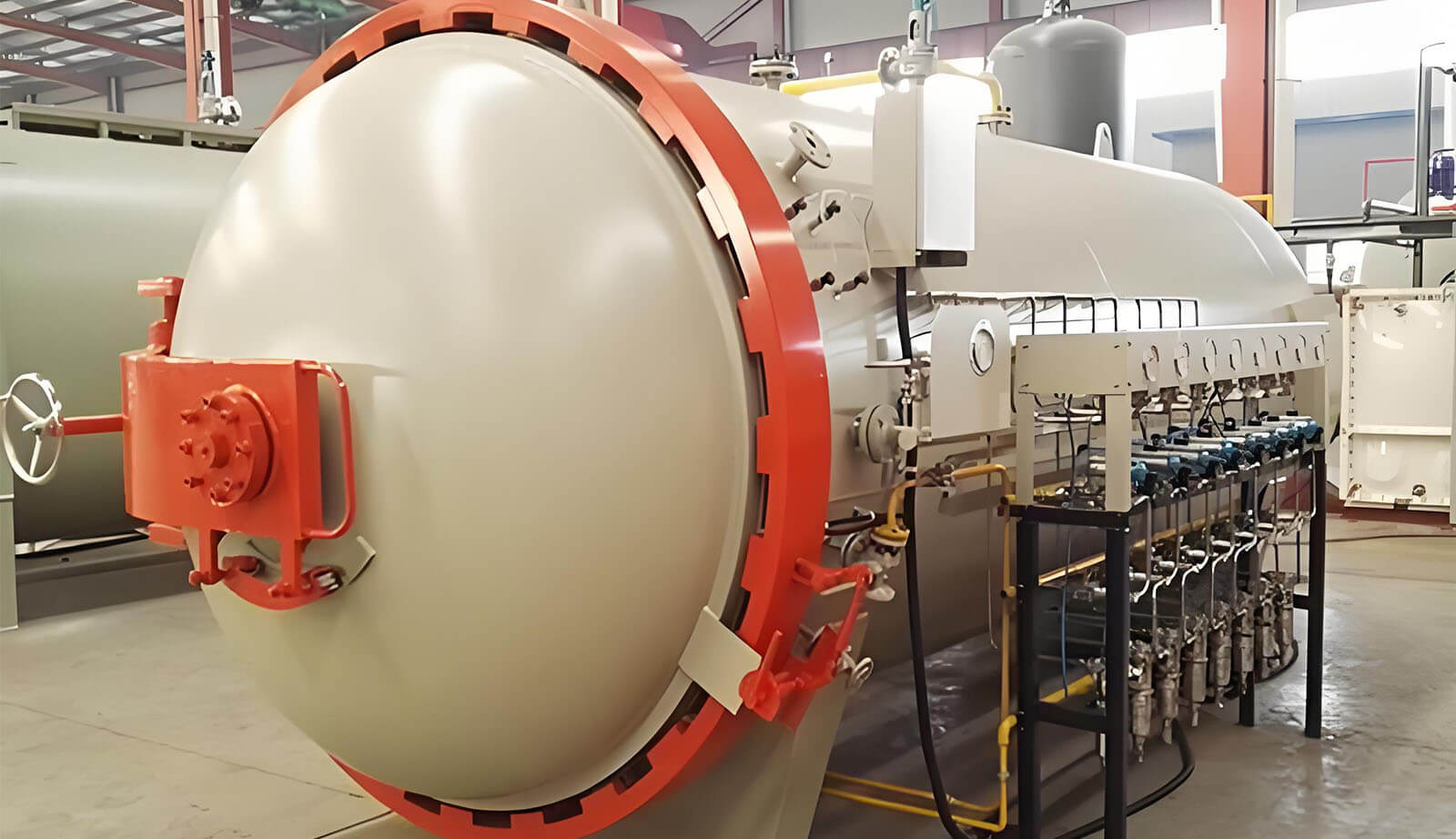
当工場は100台以上の高圧加熱オートクレーブを稼働させ、アルミ型と真空誘導を用いて精密にカーボンファイバーを成形しています。高温・高圧により強度と安定性、完璧な品質が向上します。
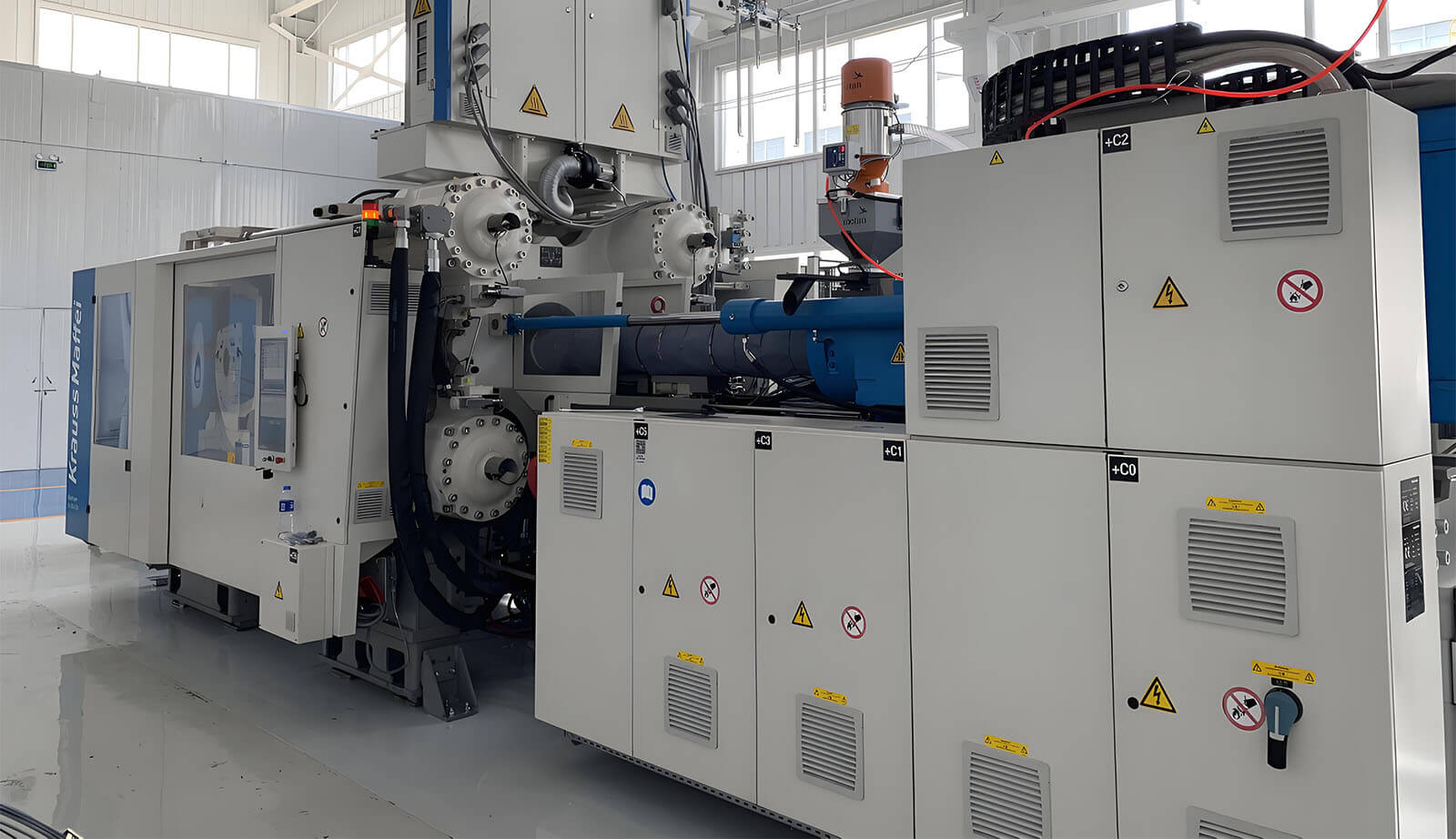
当社の炭素繊維研究センターは、新エネルギー、インテリジェンス、軽量設計のイノベーションを推進し、先進の複合材料とKrauss Maffei Fiber Formを使用して、最先端の顧客重視のソリューションを生み出しています。.
経験豊富なカーボンファイバー製品工場からのよくある質問への回答をご案内します。
自動車部品、オートバイ部品、航空宇宙部品、海洋アクセサリー、スポーツ用品、産業用途など、幅広いカーボンファイバーコンポーネントを製造しています。
主に高品質のプリプレグカーボンファイバーと大トウカーボンファイバー強化高性能複合材料を使用し、強度、耐久性、軽量特性を確保しています。
はい、当社の製品はUV保護仕上げが施されており、長持ちする耐久性を保ち、光沢のある外観を維持します。
はい、当社の設備と機器は精度と品質を維持しながら大型カーボンファイバーコンポーネントの製造が可能です。
カーボンファイバー製品の利点は何ですか?
カーボンファイバーは優れた強度対重量比、耐腐食性、剛性、熱安定性、そして洗練された現代的な外観を提供します。
自動車、オートバイ、航空宇宙、海洋、医療、スポーツ、工業分野に対応し、軽量で高性能なカーボンファイバー部品を提供しています。
はい、提供しております カスタムカーボンファイバー 独自のデザイン、サイズ、パターンを含む、お客様の仕様に合わせたソリューションです。
オートクレーブ成形、ホットプレス、真空バッグ成形などの先進技術を用い、精度、安定性、品質を確保した製品づくりを行っています。
耐久性と高精度を備えたアルミ型およびP20鋼型を使用し、複雑で精密なカーボンファイバー部品を製造しています。
寸法精度、材料の完全性、性能試験など厳格な品質管理を実施し、業界基準を満たしています。