
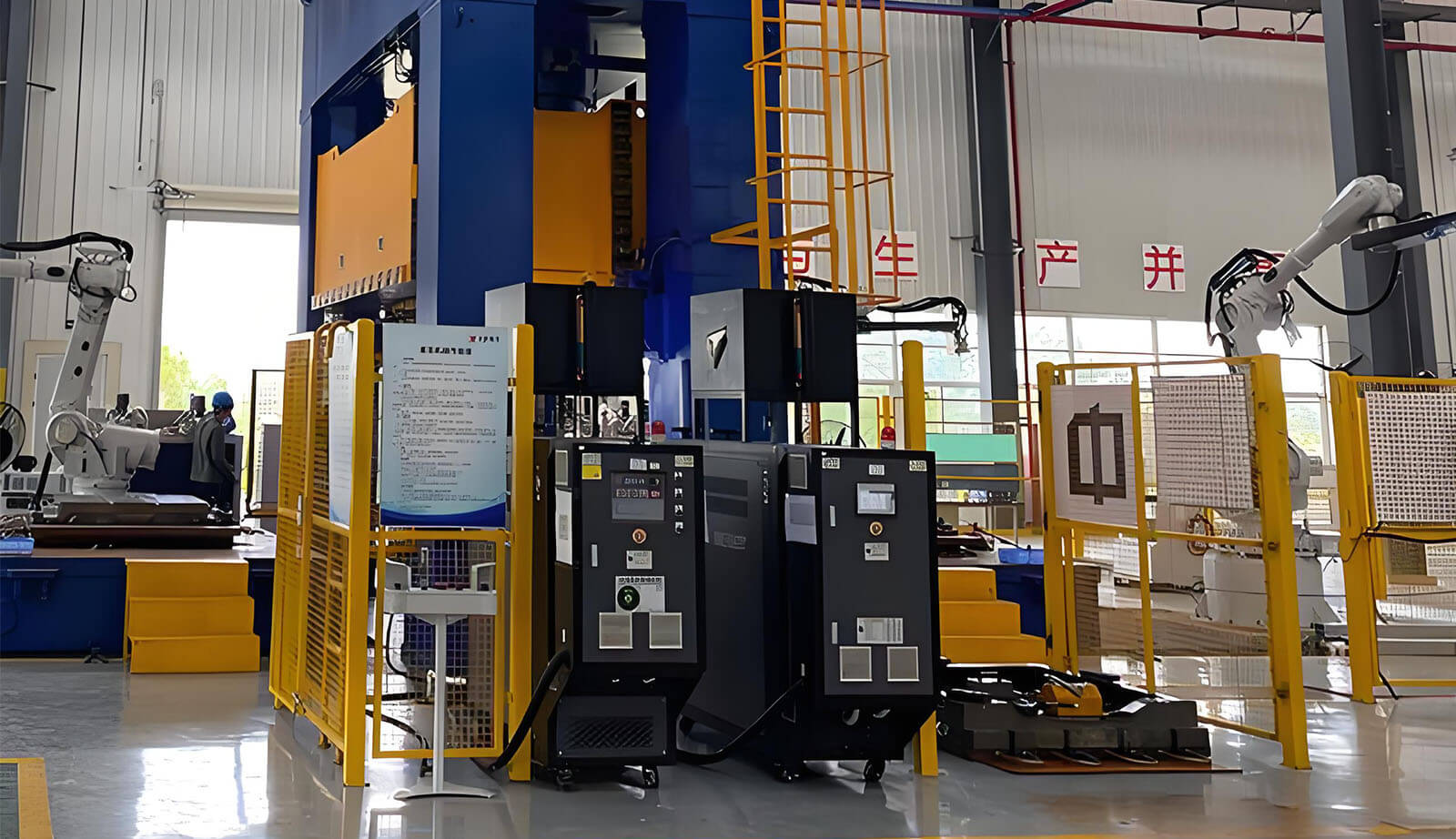
탄소 섬유 복합재료 핫 프레싱 성형 프로세스
우리 공장은 고효율, 정밀도, 내구성 및 비용 효율성을 보장하는 P20 강철 몰드를 사용하여 첨단 탄소 섬유 핫 프레스 공정을 운영하고 있습니다.
로서 China carbon fiber manufacturer, SCOMP manufactures custom carbon fiber bike frames for bicycle brands, distributors, product developers and OEM/ODM projects worldwide. We support road bike frames, gravel frames, MTB frames, e-bike frames and specialized carbon bicycle structures, based on customer drawings, samples or 3D design files.
This page is intended for brands, product developers and buyers looking for OEM or ODM carbon bicycle frame production. If you are building a brand, developing a new model or sourcing private label frames, this page covers our capabilities, process, technical approach and what we need to get started.
We produce carbon road frames for performance road, aero road and endurance applications. Frame options include disc brake flat mount, internal cable routing, integrated seat clamp and aero tube profiles. Layup can be adjusted for rider weight category, target stiffness and comfort priority. We support standard frame sizes from 44cm to 62cm and custom geometry is available with new mold development.
Carbon gravel frames require different structural priorities than road frames. Tire clearance areas at chainstay and fork need reinforced carbon layup to handle higher impact loads from off-road surfaces. We support frames with up to 700c x 45mm or 650b x 50mm tire clearance, fender mount bosses, rack mount inserts, multiple water bottle boss locations and flat mount disc.
Carbon MTB frames require significant impact reinforcement at chainstay, dropout area, head tube gusset and down tube. We manufacture hardtail frames and can discuss full suspension frame projects depending on pivot hardware and link compatibility requirements. Boost 148mm rear spacing, UDH dropout compatibility, ISCG05 chainguide mount, internal cable and dropper post routing are all supported. Frame geometry and sizing chart should be provided by the customer at the engineering review stage.
E-bike carbon frames carry additional structural requirements compared to standard bicycle frames. The battery cavity area needs reinforced structure and precise fitment to the battery housing. Motor mount areas must handle sustained torque loads significantly higher than a standard pedal-assisted bike. Frames must also manage heat dissipation near the motor and battery. We recommend the customer provide motor and battery system specifications at the start of any e-bike frame project so our engineering team can plan layup and mold cavity accordingly.
In addition to complete frames, we can support matched carbon fiber components including forks, seatposts, handlebars and accessories, depending on project requirements and tooling availability. Producing matched components alongside the frame simplifies fitment and allows consistent brand aesthetics across the product line.
Not all carbon fiber is equal, and material grade has a direct effect on frame performance, weight and cost. The values below are typical reference values based on Toray datasheet specifications. Final material selection should be confirmed according to the prepreg supplier datasheet and project requirements, as equivalent materials from other suppliers may vary.
| 재료 | Tensile Strength (ref.) | Tensile Modulus (ref.) | 일반적인 용도 |
|---|---|---|---|
| 토레이 T700 | 약 4,900 MPa | 약 230 GPa | General OEM production, good balance of cost and strength |
| 토레이 T800 | ~5,490 MPa | ~294 GPa | Performance road and gravel, lighter layup possible |
| Toray T1000 | ~6,370 MPa | ~294 GPa | High-end racing frames, maximum weight reduction |
| Toray T1100 | ~7,000 MPa | ~324 GPa | Ultra-premium applications, very low volume |
For structural bike frame projects, prepreg carbon fiber (resin pre-impregnated sheets) is typically recommended because it provides more consistent resin content, better structural predictability and cleaner surface finish compared to wet layup. For most OEM projects, T700 or T800 prepreg is the practical and cost-effective specification. T1000 and T1100 are available but significantly increase material cost and are only justified for specific performance or weight targets.
Before production begins, we review customer geometry files, size chart, component compatibility requirements and any special structural requirements. For custom mold projects, this stage determines whether the mold design is feasible and what engineering adjustments may be needed. Required inputs at this stage include: 3D CAD files (STEP, IGES or SolidWorks), 2D geometry drawing, size chart, target frame weight, target rider weight range, test standard, intended groupset compatibility and fork, seatpost, headset and BB specification.
If the customer does not have a complete drawing package, we can assist with geometry development, but this requires clear specification of intended use, rider size range and target market. For buyers developing new frame geometry or special structures, our 맞춤형 탄소 섬유 제조 experience helps us evaluate tooling, layup, bonding and finishing requirements before production begins. Final pricing requires design confirmation.
Mold type is selected based on production volume and geometry complexity. The table below summarizes the tradeoffs between common mold materials.
| 금형 유형 | 적합 대상 | 공구 비용 | Service Life |
|---|---|---|---|
| Composite (CFRP) mold | Prototype, very low volume | 최저 | Short, limited cycles |
| 알루미늄 금형 | OEM production, standard volume | 중간 | Medium, suitable for most brand programs |
| 스틸 몰드 | High volume, complex geometry | 최고 | Longest, suitable for mass production |
For most OEM bike frame projects, aluminum molds offer the best balance of accuracy, surface finish and tooling cost. Steel molds are recommended when production volumes are high enough to justify the higher upfront investment. Composite molds are only practical for prototyping before committing to aluminum.
Mold development lead time is typically 5 to 8 weeks depending on geometry complexity and the number of sizes in the first tooling batch.
Carbon prepreg sheets are cut to precise ply shapes. Each ply is placed by hand in the mold in a defined fiber direction. The layup schedule controls the stiffness, strength and weight of each zone of the frame. Different zones receive different layup: the head tube area carries high bending and torsional load from the fork and handlebar input, so it requires more plies and specific fiber angles. The bottom bracket shell receives layup focused on stiffness for power transfer. The seatstay and chainstay receive impact and fatigue layup for durability. This zone-by-zone approach is one of the primary ways that different frame models are differentiated at the engineering level.
Carbon bicycle tubes require internal pressure during curing to consolidate the layers and prevent void formation. We use internal bladder molding for most frame tube sections, and EPS (expanded polystyrene) core for areas where bladder extraction is not possible due to geometry. Molds are closed, pressurized and cured at defined temperature and pressure cycles. Autoclave curing can provide more consistent consolidation and lower void content when the process is properly controlled, and is preferred for structural frame components.
After curing, parts are demolded and inspected. Excess material at parting lines is trimmed. CNC machining is used to precisely finish the bottom bracket shell, head tube bore, dropout slots and any threaded inserts. Frame sections are bonded using structural adhesive with defined bond length and surface preparation. Bond area geometry and adhesive specification are critical structural decisions and are defined during engineering review.
After bonding and final dimension check, frames go through surface preparation and painting. We support full gloss paint in any RAL or Pantone color, matte finish, raw carbon with clear coat over exposed 3K or UD weave, multi-color graphics, custom logo decal or paint logo, and private label or blank label options. Frames can be supplied bare if the customer handles painting locally.
For OEM projects, the following approval sequence is used before batch production begins:
This process ensures that geometry, finish and fitment are confirmed before committing to full production volume.
A carbon bike frame is not defined only by its outer shape. Two frames can look similar but perform very differently because of the internal layup schedule. During engineering review, we consider the target rider weight, frame size, intended riding style and required stiffness level before defining the ply orientation and reinforcement areas.
For a race-oriented road frame, the bottom bracket, down tube and head tube areas usually require higher torsional stiffness for power transfer and steering precision. For an endurance or gravel frame, the layup may be adjusted to allow more controlled vertical compliance at the seatstay and rear triangle while keeping the bottom bracket and head tube stable. For MTB and e-bike frames, impact resistance and local reinforcement become more important than minimum weight alone.
This is why we do not recommend selecting a carbon frame only by weight. A very light frame with insufficient reinforcement in critical areas may appear attractive on paper but can create durability or safety problems in real use. The correct target is a balanced stiffness-to-weight ratio based on the frame type and market requirement.
The outside surface of a carbon bike frame is only one part of quality. Internal tube quality is equally important because wrinkles, voids and resin-rich areas inside the frame can reduce structural reliability over time. For this reason, the molding method must be selected according to the frame geometry and tube section complexity.
Bladder molding is suitable for many tube sections where the bladder can be positioned and removed properly after curing. EPS core molding is useful for more complex shapes where internal pressure must be maintained in areas that are difficult to reach with a removable bladder. EPS can help improve internal surface consistency in complex junctions, but it also requires good process control during layup, curing and core removal.
For OEM projects, we evaluate the frame design and decide where bladder molding, EPS molding or a combined process is more practical. The goal is not only a clean exterior finish but also better internal consolidation and more consistent structural performance across production batches.
For OEM carbon bike frame production, the first sample is only the beginning. A frame that meets specification in one prototype must also be repeatable in later production batches. This is why we control the process from ply cutting, layup sequence, mold temperature, curing pressure, bonding preparation, CNC trimming through to final inspection.
Key dimensions such as bottom bracket alignment, head tube bore, dropout parallelism and rear triangle symmetry are checked because small deviations can affect assembly, drivetrain performance and riding feel. Paint and clear coat are also controlled because excessive coating thickness can add weight, conceal defects or affect part fitment at interfaces.
For private label brands, batch consistency is especially important. Customers expect the same geometry, finish, logo position, component fitment and weight range across repeated orders. Our production approach is designed to reduce variation between the approved sample and later production batches.
Because a carbon bike frame is a safety-critical structural component, understanding load paths is necessary to specify the layup correctly.
Head Tube Receives steering input, braking force from the fork and road vibration. Must resist both bending and torsional loads. Layup at this junction uses high-angle plies for torsion resistance and unidirectional plies for bending stiffness.
Bottom Bracket Shell Receives pedaling force as torsional and bending input from the chainstay and seatstay junctions. High lateral stiffness here directly affects power transfer efficiency.
Chainstay and Dropout Receives drivetrain tension, disc braking force and road impact from the rear wheel. The dropout area carries significant braking moment on disc brake bikes. UDH dropout compatibility requires precise CNC machining of the interface.
Seat Tube Carries rider weight, pedaling load and seatpost clamp load. The clamp area must account for hoop stress from clamping, which is a common failure point in frames with insufficient layup or over-torqued clamps.
Down Tube Provides the primary torsional stiffness of the main triangle. On e-bike frames, the down tube also houses the battery cavity and must carry battery weight while resisting impact and vibration.
Seatstay Connects seat tube to rear dropout. For comfort-focused designs, seatstay flex can be tuned to absorb road vibration. For stiffness-focused designs, layup is stiffer. This is one zone where layup schedule creates meaningful product differentiation between frame models.
Bicycle frames must be specified to work with defined component standards. The following are the compatibility parameters we typically confirm during engineering review.
| Interface | 공통 표준 |
|---|---|
| 바텀 브래킷 셸 | BSA (68mm), T47, BB86, BB386, PF30 |
| 헤드 튜브 | 테이퍼형 1-1/8" 에서 1-1/2" (도로 및 자갈에 가장 일반적) |
| 후면 축 | 12x142mm (도로/자갈), 12x148mm 부스트 (MTB) |
| 브레이크 장착 | 플랫 마운트 (도로/자갈), 포스트 마운트 (MTB) |
| 드롭아웃 | UDH, 독점 행거, 고정 드롭아웃 |
| 케이블 배선 | 기계식, Di2, AXS, 유압 브레이크 호스 |
| 타이어 여유 공간 | 프레임 유형에 따라 다름 – 프로젝트별 확인됨 |
| 체인 가이드 마운트 | ISCG05 (MTB) |
프로젝트에 위의 목록에 없는 특정 표준이 필요한 경우, 초기 엔지니어링 검토 시 확인해 주시기 바랍니다. 표준 호환성은 몰드 캐비티 설계에 영향을 미치며, 몰드 생산 후에는 변경할 수 없습니다.
탄소 자전거 프레임 생산은 각 단계에서 능동적으로 통제해야 하는 여러 결함 유형을 포함합니다. 다음은 우리의 품질 관리 과정이 모니터링하는 결함입니다:
적층 및 성형 중: 내부 주름, 건조 지점 (불충분한 수지 포화), 수지 과다 지역 (과도한 수지), 기공 형성, 층 간 박리.
접합 중: 접합 간격, 불충분한 접합 면적 덮개, 내부 튜브 영역으로의 접착제 압출.
CNC 가공 중: 바텀 브래킷 셸 공차 편차, 헤드 튜브 보어 불일치, 드롭아웃 불일치 또는 비평행성.
마감 중: 페인트 핀홀, 클리어 코트 프린트 스루 (페인트를 통해 직조 텍스처 전파), 로고 불일치, 페인트 접착 실패.
각 결함 유형에는 우리의 품질 관리 과정에서 정의된 검사 방법이 있습니다. 어떤 단계에서 시각적 또는 치수 검사를 통과하지 못한 프레임은 격리되어 진행하기 전에 검토됩니다.
모든 프레임은 우리 시설을 나가기 전에 검사를 받습니다. 표준 검사 단계에는 다음이 포함됩니다:
맞춤형 OEM 프로그램의 경우 고객 요구에 따라 샘플 파괴 테스트를 진행할 수 있습니다. 대상 시장이 EN ISO 4210 테스트, UCI 승인을 요구하거나 특정 피로 주기 문서를 요구하는 경우, 프로젝트 시작 시 이를 명시해야 테스트 일정과 비용이 적절히 계획될 수 있습니다.
우리는 표준 생산에 대한 일반 인증을 주장하지 않습니다. 테스트 요구 사항은 프로젝트에 따라 다르며 고객 사양에 따라 합의됩니다.
맞춤형 탄소 자전거 프레임 개발은 단일 유닛 개인 주문에 적합하지 않습니다. 몰드 개발, 엔지니어링 검토 및 테스트는 고정 비용을 포함하며, 이는 생산 프로그램을 통해 분산될 때만 의미가 있습니다.
맞춤형 프레임 프로젝트는 다음과 같은 경우에 가장 적합합니다:
맞춤형 몰드 프로젝트가 귀하의 상황에 적합한 접근 방식인지 확실하지 않은 경우, 툴링 비용을 확정하기 전에 옵션을 검토하기 위해 엔지니어링 상담을 시작하는 것이 좋습니다.
우리는 다음과 같은 OEM 및 프라이빗 라벨 협정을 지원합니다:
| 기존 몰드 | 맞춤 금형 | |
|---|---|---|
| 도구 비용 | 낮거나 없음 | 중간에서 높음 |
| 지오메트리 | 금형 사양에 고정 | 귀하의 도면에 완전히 맞춤화 |
| 샘플까지의 리드 타임 | 짧음 (주 단위) | 더 긴 시간 (금형 개발 + 샘플) |
| 개인 라벨 | 예 | 예 |
| 사용자 지정 지오메트리 | 아니요 | 예 |
| 추천 대상 | 시장 테스트, 제한된 예산 | 브랜드 개발, 독특한 제품 |
새로운 브랜드를 시작하고 대규모 도구 투자 전에 시장을 테스트하려는 경우, 귀하의 페인트와 로고가 포함된 기존 금형 프레임을 사용하는 것이 실용적인 첫 단계입니다. 귀하의 제품 전략이 기존 도구에서는 사용할 수 없는 특정 기하학, 크기 범위 또는 구조적 기능을 요구하는 경우, 맞춤 금형 개발이 올바른 경로입니다.
탄소 자전거 프레임 프로젝트에 대한 정확한 견적을 제공하기 위해 다음 정보를 준비해 주십시오. 도면이나 샘플이 없는 프로젝트도 초기 상담으로 시작할 수 있지만, 최종 가격은 디자인 확인이 필요합니다.
| 정보 | 세부정보 |
|---|---|
| 프레임 유형 | 도로 / 자갈 / MTB / 전기 자전거 / 기타 |
| 예정된 사용 | 경기 / 성능 / 지구력 / 트레일 / 도시 |
| 목표 기하학 | 도면, 3D 파일 또는 참조 모델 |
| 사이즈 범위 | 필요한 사이즈 |
| 부품 호환성 | BB 쉘, 헤드 튜브, 드롭아웃 기준, 디스크 장착 |
| 재료 사양 | T700 / T800 / T1000 또는 조언받을 것 |
| 목표 프레임 중량 | 사이즈당 또는 프레임당 |
| 완료 | 페인트 색상, 원료 탄소, 매트, 광택 |
| 로고 및 라벨 | 귀하의 브랜딩 요구 사항 |
| 연간 수량 | 연간 또는 주문당 단위 |
| 테스트 요구 사항 | 귀하의 목표 시장을 위한 요구 기준 |
| 타임라인 | 목표 샘플 날짜 및 생산 시작 |
시장에 프레임을 공급하는 거래 회사들은 고정된 기존 제품과 함께 일합니다. 복합재 제조 시설로서 우리는 재료 수준에서부터 작업을 합니다. 이는 우리가 단순히 프레임 형태가 아니라 탄소 섬유의 적층을 이해할 수 있음을 의미하며, 특정 강성이나 중량 목표에 맞춰 적층 사양을 조정할 수 있고, 금형 재료 및 공정 선택에 대한 조언을 제공할 수 있으며, 특정 중량이나 비용 목표에서 가능한 것과 불가능한 것에 대해 솔직하게 구조적 절충안을 논의할 수 있습니다.
우리의 경험은 탄소 섬유 모터사이클 부품 경량 구조 부품, 진동 저항 및 외관상의 탄소 마감에 대한 실질적인 지식을 제공합니다. 우리의 작업은 탄소 섬유 자동차 부품 대형 성형 복합 구조물, 표면 마감 및 CNC 트리밍 요건에 대한 경험을 추가합니다. 당사의 공장 배경 및 복합재 생산 능력에 대해 더 알아보실 수 있습니다. 회사 소개 페이지로 이동합니다.
탄소 자전거 프레임은 하중을 지탱하는 안전 구성 요소이므로 모든 맞춤 프로젝트는 생산 시작 전에 목표 용도, 라이더 무게 범위, 테스트 요구 사항 및 시장 표준을 정의해야 합니다. 이 정보 없이 생산된 프레임은 신뢰할 수 있는 규격화 또는 안전 검증이 불가능합니다.
네. STEP, IGES 또는 SolidWorks 파일을 수락합니다. 튜브 직경, 벽 두께, 접합 세부 사항 및 구성 요소 인터페이스 사양이 포함된 2D 지오메트리 도면도 수락합니다. 맞춤형 몰드 프로젝트의 경우, 몰드 디자인이 시작되기 전에 엔지니어링 팀이 도면을 검토합니다.
지오메트리 및 사양에 따라 일부 도로 및 자갈 프레임 구성에 대한 기존 몰드 옵션에 접근할 수 있을 수 있습니다. 목표 지오메트리 및 요구 사항을 가지고 저희에게 문의하시면 호환성에 대해 조언해 드리겠습니다.
최소 주문 수량(MOQ)은 몰드 가용성, 프레임 크기 수, 마감 및 포장 요구 사항에 따라 다릅니다. 기존 몰드 프로그램의 경우, 대량 생산 전에 소량 샘플 주문을 논의할 수 있습니다. 맞춤형 몰드 프로그램의 경우, 전체 생산 전에 초기 샘플 배치가 생산되며, 반복 주문 MOQ는 프로젝트별로 합의됩니다. 특정한 답변을 위해서는 저희에게 귀하의 물량 요구 사항을 문의해 주세요.
네. 저희는 공장 마킹 없이 프레임을 공급하며 귀하의 브랜드 색상과 로고로 페인트칠할 수 있습니다. 귀하의 브랜드로 포장하는 것도 가능합니다.
네. 저희는 이러한 모든 프레임 유형에 대한 경험이 있습니다. 전기 자전거 프레임은 모터 및 배터리 통합 요건으로 인해 추가적인 엔지니어링 검토가 필요하지만, 저희는 이러한 프로젝트를 지원합니다.
일반적으로 지오메트리의 복잡성과 첫 번째 공구 배치의 크기 수에 따라 5~8주가 걸립니다. 몰드 완성 후, 첫 번째 샘플이 생산되고 생산 승인을 받기 전에 검토됩니다.
검사 보고서는 각 생산 배치에 대해 기본적으로 제공됩니다. 귀하의 프로젝트가 EN ISO 4210 또는 기타 기준에 따른 특정 제3자 테스트를 요구하는 경우, 이를 조정할 수 있으며 타임라인 및 비용이 적절하게 계획될 수 있도록 프로젝트 시작 시 명시해야 합니다.
프레임 유형, 의도된 사용, 크기 범위, 구성 요소 호환성 요구 사항 및 대략적인 연간 물량은 대화를 시작하기 위해 필요한 최소 정보입니다. 최종 가격 책정을 위해 도면이나 샘플이 필요합니다. 도면이 없는 초기 단계라면, 저희는 필요한 사항에 대해 예비 논의를 진행할 수 있습니다.
귀하의 물량과 예산에 따라 다릅니다. 맞춤형 몰드 개발은 고정된 엔지니어링 및 툴링 비용이 포함됩니다. 예산이 제한된 경우, 기존 몰드 프레임에서 자신의 페인트, 로고 및 포장을 추가하는 것이 낮은 위험의 첫 단계입니다. 귀하의 상황에 따라 가장 실용적인 경로에 대해 조언할 수 있습니다.
탄소 섬유 자전거 프레임 OEM 또는 ODM 프로젝트를 시작하려면 저희에게 직접 연락해 주세요. 유용한 첫 번째 응답을 위해 프레임 유형, 목표 지오메트리, 크기 범위, 재료 요구 사항, 마감, 테스트 요구 사항 및 예상 연간 물량을 포함해 주시면 보다 특정하고 관련성 있는 답변을 드릴 수 있습니다.
이메일: [email protected]
WhatsApp: +86 136 2619 1009
웹사이트: 중국 탄소 섬유
우리 공장은 고효율, 정밀도, 내구성 및 비용 효율성을 보장하는 P20 강철 몰드를 사용하여 첨단 탄소 섬유 핫 프레스 공정을 운영하고 있습니다.
우리 공장은 100개 이상의 핫 압력 오토클레이브를 운영하며, 탄소 섬유를 정밀하게 형성하기 위해 알루미늄 몰드와 진공 유도 방식을 사용합니다. 고온과 압력이 강도, 안정성 및 완벽한 품질을 향상시킵니다.
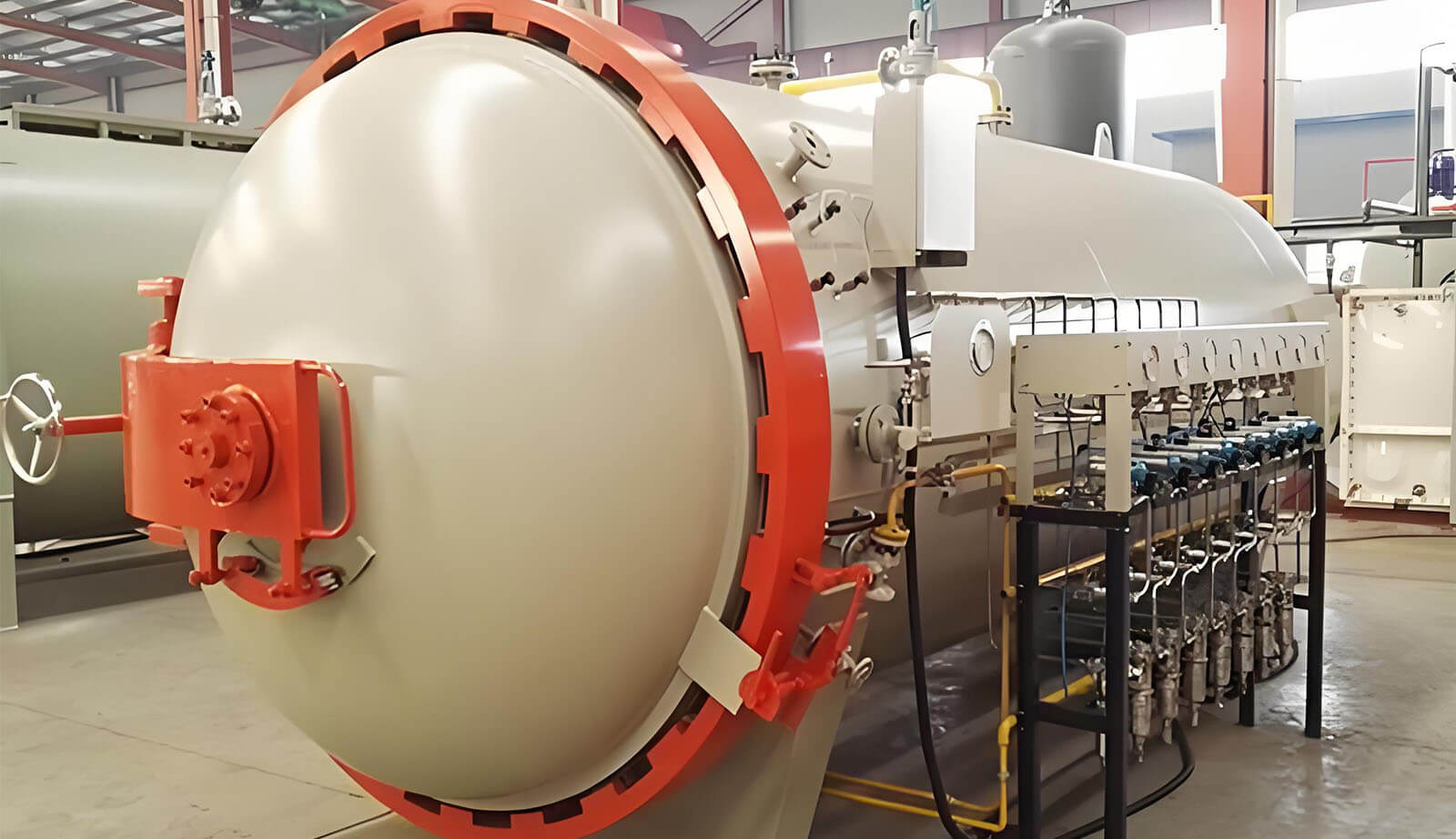
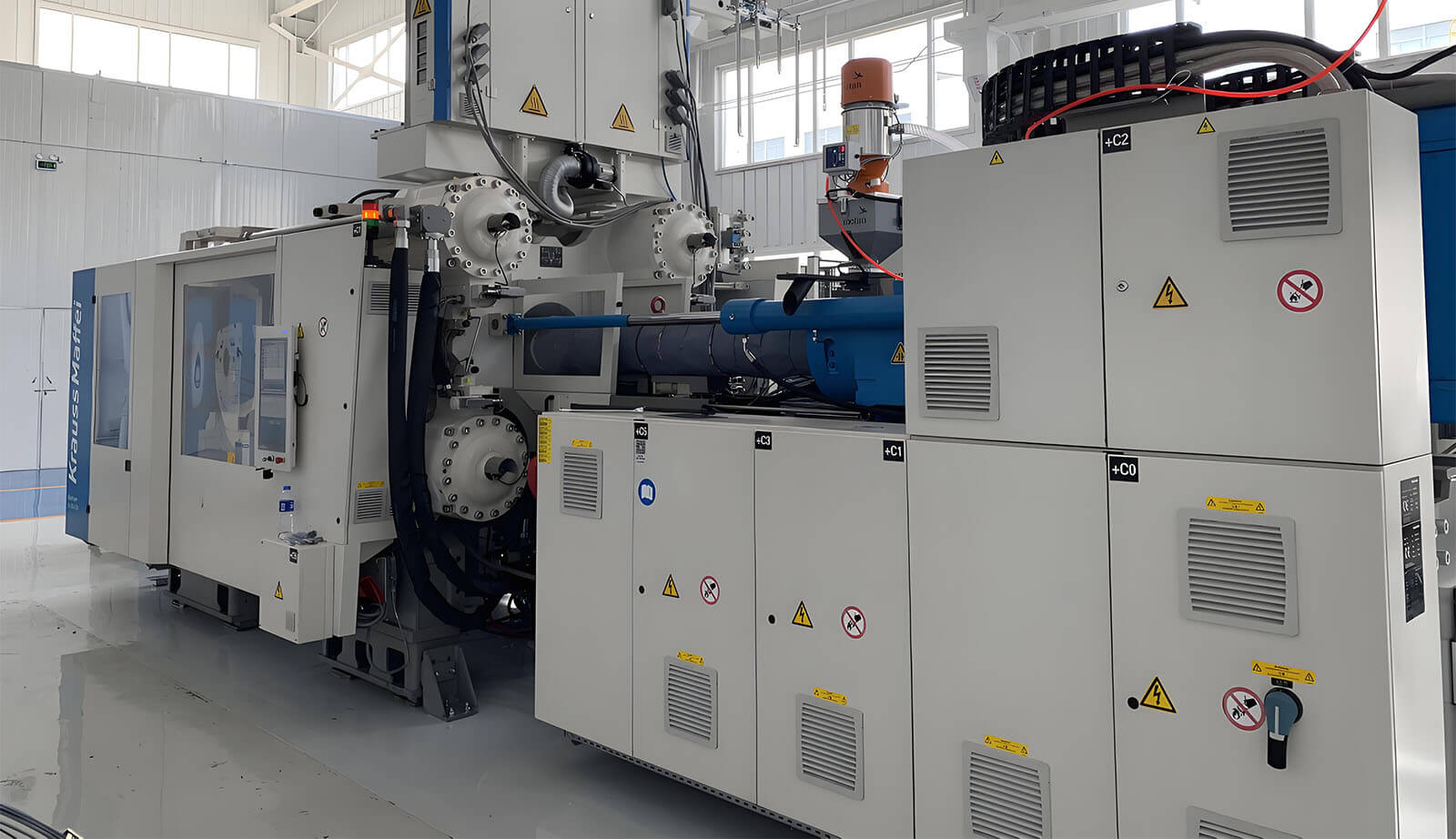
탄소 섬유 연구 센터는 첨단 복합재와 크라우스 마페이 파이버 폼을 사용하여 새로운 에너지, 인텔리전스, 경량 설계의 혁신을 주도하며 고객 중심의 최첨단 솔루션을 개발합니다.
경험이 풍부한 탄소 섬유 제품 공장에서 자주 묻는 질문에 대한 답변입니다.
우리는 자동차 부품, 오토바이 부품, 항공 우주 부품, 해양 액세서리, 스포츠 장비 및 산업 용도를 포함한 다양한 카본 파이버 구성 요소를 생산합니다.
우리는 주로 고품질 프리프레그 카본 파이버와 대형 카본 파이버 강화 고성능 복합재를 사용하여 강도, 내구성 및 경량 특성을 보장합니다.
네, 우리의 제품은 UV 보호 마감 처리되어 장기간 내구성을 보장하고 광택 있는 외관을 유지합니다.
네, 우리의 시설과 장비는 정밀도와 품질을 유지하면서 대형 카본 파이버 구성 요소를 생산할 수 있습니다.
카본 파이버 제품을 사용하면 어떤 이점이 있나요?
카본 파이버는 뛰어난 강도 대 중량 비율, 부식 저항, 강성, 열적 안정성 및 세련되고 현대적인 외관을 제공합니다.
우리는 경량 및 고성능 탄소 섬유 구성 요소에 중점을 두고 자동차, 오토바이, 항공우주, 해양, 의료, 스포츠 및 산업 분야에 서비스를 제공합니다.
네, 우리는 제공 맞춤형 탄소 섬유 독특한 디자인, 크기 및 패턴을 포함하여 사용자 요구 사항에 맞춘 솔루션을 제공합니다.
우리는 오토클레이브 성형, 핫 프레싱 및 진공 포장과 같은 첨단 기술을 활용하여 모든 제품에서 정밀도, 안정성 및 품질을 보장합니다. Hello Elementor 테마로 멋진 경험을 제공하기 위해 모든 주요 테마와 잘 작동하도록 노력하고 있습니다.
우리는 복잡하고 정밀한 탄소 섬유 구성 요소를 생성하기 위해 내구성과 높은 정확성을 위해 설계된 알루미늄 및 P20 강철 몰드를 사용합니다.
우리 제품은 치수 정확성, 재료 무결성 및 성능 테스트를 포함한 엄격한 품질 관리 검사를 거쳐 산업 표준을 충족합니다.