
Custom Carbon Fiber Bike Parts for OEM/ODM Projects

목차

Carbon Fiber Bike Components We Manufacture

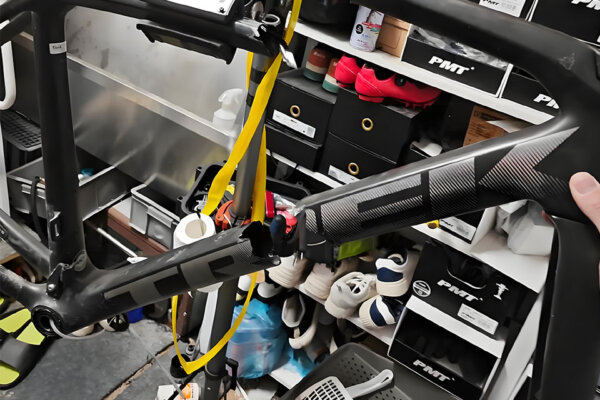
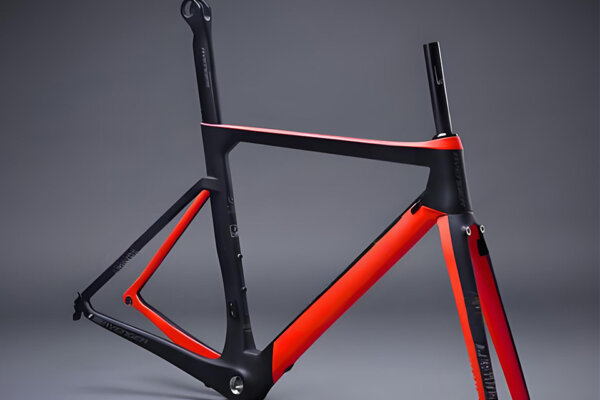
We manufacture custom carbon fiber parts used in bicycles, e-bikes and cycling equipment. We do not focus on retail sales of complete standard bicycles. Instead, we support OEM and ODM carbon fiber bicycle components, including frame sections, forks, handlebars, fenders, guards, e-bike covers and custom lightweight structural parts.

For clients developing complete carbon fiber bikes, we can also provide reference models, component integration support and manufacturing evaluation based on your target weight, riding scenario, market positioning and budget.

We are not a retailer. We are a composite material manufacturing factory — not only a bicycle frame supplier, but a custom carbon fiber composite manufacturer for bicycle, e-bike and sports equipment projects. Our long-term experience across automotive, motorcycle, sports and industrial carbon fiber sectors is applied to bicycle component manufacturing for B2B clients across Europe, North America, Australia, Southeast Asia and the Middle East. To learn more about our background and manufacturing capabilities, visit our ‘소개’ 페이지.

Carbon Fiber Bicycle Parts We Manufacture

We support a wide range of carbon fiber bicycle components. Below is an overview of what we currently manufacture for OEM and ODM clients:

제품 카테고리What We Can MakeTypical Carbon Process
Carbon fiber frame sectionsFrame shells, repair sections, selected custom frame projects after engineering reviewPrepreg / bladder molding
Carbon fiber bicycle fork componentsFork covers, selected full carbon fork projects after engineering review프리프레그 성형
Carbon fiber handlebar componentsCustom handlebar projects, bar/stem concepts, selected safety-critical parts after testing reviewBladder molding
Carbon fiber wheel / rim-related partsWheel covers, aero covers, fairing-style parts, selected rim-related parts after engineering reviewPrepreg / compression molding
Carbon fiber bicycle fenderMTB fender, road fender, e-bike fender, custom profileWet carbon / prepreg
Carbon fiber seatpost / tube원형, 에어로 프로파일, 맞춤형 단면Roll-wrapped / bladder molding
Carbon fiber e-bike partsBattery cover, motor cover, frame guard, rack, chain guardCompression / prepreg
Custom bicycle accessoriesBottle cage, saddle shell, protective cover, mounting bracketDepends on design

We do not supply standard open-mold frames under shared tooling. Every product we manufacture is custom-produced for each client’s specific project.

For safety-critical parts such as forks, handlebars, rims and load-bearing frame structures, final production is based on confirmed drawings, structural requirements and third-party testing where required by the target market.

Complete Carbon Fiber Bicycle Reference Models

In addition to custom carbon fiber bicycle parts, we also use complete lightweight bicycle reference models to help OEM and ODM clients evaluate frame structure, component matching, surface finish, packaging and market positioning.

These reference models are not fixed retail products. They are used to support technical discussion for clients who want to develop carbon fiber bicycles, lightweight cycling products or custom carbon bike components. For a broader overview of how carbon fiber is used across different bicycle types and components, see our Carbon Fiber Bicycle Guide.

Reference ModelApprox. Complete Bike WeightDevelopment FocusOEM Discussion Value
QS71 Reference ModelAbout 7.4 kgLightweight carbon fiber bicycle configurationFrame structure, component matching, packaging reference
QS81 Reference ModelAbout 7.0 kgUltra-lightweight city / leisure bicycle conceptWeight target, visual design, private label development
QS91 Reference ModelAbout 7.5 kgCompact lightweight bicycle platformPortability, frame layout, component integration

(Reference model images available on request. Contact us for product photos, weight records and configuration details.)

Final specifications can be adjusted according to the client’s target market, budget, riding scenario, certification requirement and brand positioning.

OEM Project Options for Carbon Fiber Bikes and Components

We support a range of B2B project types, from individual custom parts to complete bicycle concept development:

프로젝트 유형What We Can Support최고의
탄소섬유 자전거 부품Fenders, guards, covers, brackets, seatposts, handlebars, frame sectionsBrands needing custom components
Lightweight complete bike referenceFrame + fork + handlebar + component matching referenceClients evaluating full bicycle concepts
E-bike carbon partsBattery covers, motor covers, frame panels, guardsE-bike manufacturers and integrators
Replacement / reverse engineeringPlastic or aluminum part converted to carbon fiberAftermarket and repair companies
Private label finishingColor, logo, matte/gloss surface, custom packagingBrands and distributors

함께 일하는 사람

Our carbon fiber bicycle parts are manufactured for:

  • Bike brands and private label companies looking to develop unique carbon components without building their own factory
  • E-bike manufacturers and integrators who need lightweight carbon covers, guards and structural housings
  • Racing teams and sport performance companies developing custom carbon fiber bicycle frames and components
  • Repair and aftermarket businesses needing replacement parts or upgraded carbon fiber alternatives to OEM plastic or aluminum components
  • Product developers and startups who have a design concept and need manufacturing support from prototype to production

Example: How a Lightweight Carbon Fiber Bicycle Is Built

A complete lightweight carbon fiber bicycle project is not only about the frame. The final riding experience depends on the integration of frame geometry, fork stiffness, handlebar position, wheel selection, drivetrain compatibility, brake system, surface finishing and packaging.

Based on our reference bicycle projects, a typical lightweight carbon fiber bicycle development may include:

시스템Development FocusCarbon Fiber Manufacturing Consideration
프레임Weight, stiffness, geometry, mounting pointsLayup direction, wall thickness, insert reinforcement
ForkSteering stiffness and safetyFatigue testing, crown reinforcement, dropout accuracy
Handlebar라이더 위치 및 제어Bladder molding, internal routing, clamp reinforcement
Seatpost / tubeWeight and comfortTube wall consistency, anti-crush area
Fender / guardProtection and appearanceImpact resistance, mounting hole reinforcement
E-bike coverBattery or motor protectionShell geometry, heat/electrical clearance, mounting accuracy
패키징Export protectionScratch protection, foam support, carton strength

This system-level view helps clients understand how each component decision affects the overall project, and where carbon fiber manufacturing choices matter most.

Customizable Specification Options

For OEM and ODM bicycle projects, specifications can be adjusted according to the client’s brand positioning and target market:

항목사용자 지정 옵션
Frame / component geometryBased on STEP files, sample scan or client design brief
재료T700, T800, UD, 3K twill, carbon/Kevlar hybrid
표면 마감Matte, gloss, raw carbon, painted, Pantone/RAL color, logo
Component matchingFork, handlebar, seatpost, fender, guard, e-bike cover
패키징Plain export carton, private label packaging, retail box
Testing supportISO 4210 / EN 15194 coordination where required

Carbon Fiber Materials for Bicycle Parts

We work with the following carbon fiber materials, selected based on the structural requirement, surface appearance, weight target and budget of each project:

재료일반적인 용도Key Characteristic
T700 탄소 섬유Frame sections, forks, structural tubesHigh tensile strength, reliable balance of cost and performance
T800 탄소 섬유High-performance frames, competition partsHigher modulus than T700, better stiffness-to-weight ratio
T800 / high-modulus gradesUltra-light racing components — available upon project requirement and MOQ reviewSpecified per project based on structural analysis
UD(단방향) 카본Structural layers in frames and forksMaximum stiffness along fiber direction
3K 트윌 직조Surface layers for visual carbon appearanceClassic carbon look, balanced multi-directional strength
단조 탄소Short-fiber compression molded partsComplex 3D shapes, consistent batch production
Carbon / Kevlar hybridImpact-sensitive areas, protection guardsImproved impact resistance versus pure carbon
탄소/유리섬유 하이브리드Low-cost outer layers or structural hybrid partsCost reduction without full performance sacrifice

Material grade, lot reference and cure date are documented per project. We can use Toray-origin prepreg when required and available, or Japan / Taiwan / China-origin equivalent prepreg based on the project budget and certification requirement.

The same material selection process we use for bicycle parts applies across our other product sectors. Clients with cross-industry projects can also explore our work in 탄소 섬유 자동차 부품 그리고 탄소 섬유 모터사이클 부품, where similar material grades and processes are used in demanding structural and aesthetic applications.

Manufacturing Processes for Carbon Fiber Bicycle Parts

Different bicycle components require different manufacturing processes. We select the process based on geometry, wall thickness, structural load, batch size and surface finish requirement.

Prepreg Molding — Most Common for Structural Bicycle Parts

Prepreg (pre-impregnated carbon fiber sheets) is our primary process for bicycle forks, handlebars and frame sections. Carbon fiber is pre-impregnated with epoxy resin under controlled factory conditions, then laid into precision tooling and cured under controlled temperature and pressure.

최적 대상: carbon fiber bicycle forks, frame sections, high-load structural components Advantage: Best fiber-to-resin ratio, highest strength-to-weight, consistent surface quality 한정: Higher tooling cost, requires controlled material storage and temperature management

Bladder Molding — For Hollow Bicycle Tubes and Bars

An inflatable bladder is placed inside the carbon fiber layup. During curing, internal pressure consolidates the carbon against the mold wall, creating a hollow structure with consistent wall thickness.

최적 대상: carbon fiber handlebars, seatposts, hollow frame tubes Advantage: Clean hollow internal surface, good pressure consolidation, compatible with complex tube profiles 한정: Bladder removal path must be designed into the part geometry from the start

Compression Molding — For Batch Accessories and Covers

Carbon fiber mat or short-fiber prepreg is placed in matched metal tooling and pressed under heat and pressure.

최적 대상: carbon fiber bicycle fenders, guards, covers, small brackets, chain guards Advantage: Stable batch production, good repeatability, lower per-part cost at volume 한정: Less suitable for large hollow frames or complex 3D structural tube sections

Resin Infusion / Wet Layup — For Low-Volume or Large Covers

Dry carbon fiber fabric is placed in a mold and resin is applied under vacuum or by hand.

최적 대상: Large e-bike body covers, fairings, protective housings where weight is secondary to cost Advantage: 대형 또는 단일 곡률 부품 프로토타입 제작에 적합한 낮은 금형 투자 한정: Higher part weight versus prepreg, less consistent fiber ratio across batch

CNC Carbon Fiber Plate — For Flat Brackets and Panels

Flat carbon fiber sheets are CNC-machined to the required shape. No mold required.

최적 대상: Flat mounting brackets, stiffening plates, frame reinforcement inserts, custom flat components Advantage: Fast development, no mold cost, tight dimensional tolerances 한정: Not suitable for complex 3D frame geometry or hollow tube sections

Open Mold vs Custom Mold vs Reverse Engineering: Which Is Right for Your Bicycle Part?

옵션최고의공구 비용Design Ownership주요 제한 사항
Open mold (existing tooling)Standard frame shapes, quick private label launch낮음Shared — not unique to your brandSame geometry as other brands using the same mold
Custom mold (new tooling from your design)Unique frame geometry, proprietary component design높음Client-specific — your IPLonger development cycle, higher upfront investment
Reverse engineering from sampleReplacement covers, discontinued parts, upgrade from plastic to carbon중간Project-specificAccuracy depends on sample condition and scan quality

When open mold makes sense: You are launching a new bike brand with limited budget and need a functional product quickly. You can differentiate through components, finish and branding rather than frame geometry.

When custom mold makes sense: You have a unique geometry, a proprietary design, or a component that does not exist in any current catalog. You want full design ownership and exclusive tooling.

When reverse engineering makes sense: You have an existing plastic or aluminum part and want to replace it with a carbon fiber version — or you need to reproduce a part where no digital files exist. We work from the physical sample to create mold geometry.

Lightweight Is Important, But Safety Comes First

Many carbon fiber bicycle projects begin with a target weight. However, weight alone is not enough to define a good carbon fiber bicycle part.

For B2B manufacturing, we review each part based on its real function: whether it is cosmetic, protective, semi-structural or safety-critical. A lightweight carbon frame section, fork, handlebar or seatpost must still meet the required stiffness, fatigue resistance, insert strength and long-term durability for its intended use.

Before reducing weight in any structural bicycle component, we check:

  • Rider load and expected use environment
  • Whether the part carries steering, braking or frame load
  • Wall thickness and layup consistency
  • Local reinforcement around mounting holes, clamps and inserts
  • 피로 및 충격 테스트 요구 사항
  • Whether ISO 4210 or EN 15194 testing is needed for the target market

Our goal is not simply to make a carbon fiber part lighter. Our goal is to make it lighter, manufacturable and suitable for its intended use.

Carbon Fiber Bicycle Part Development: What We Check Before Starting

This checklist reflects real engineering questions we go through before committing to a development timeline and tooling cost.

Structural classification:

  • Is this part structural (carries rider or drive load) or cosmetic (appearance and protection only)?
  • Does it connect to a safety-critical system such as steering, braking or frame integrity?
  • Are there metal inserts, bonded joints or threaded interfaces?

Manufacturing feasibility:

  • Is the hollow structure designed to allow bladder removal after curing?
  • Are there sufficient draft angles on all mold faces for clean demolding?
  • Are wall thickness requirements consistent with the chosen carbon fiber process?
  • Are there undercut areas that require split tooling or multi-part molds?

Testing and compliance:

  • Does the target market require ISO 4210 (bicycle safety) or EN 15194 (e-bike) compliance?
  • Is fatigue testing required for the specific load cycle of this part?
  • Are there mounting point pull-out or torque requirements to meet?

표면 및 마감:

  • Is the visible surface cosmetic carbon (3K twill or UD) or painted?
  • Is a Class-A surface finish required, or is a functional finish acceptable?
  • Are logo, decal or masking details needed?

Custom Carbon Fiber E-Bike Parts

The e-bike sector creates specific demand for carbon fiber parts that go beyond traditional bicycle components. We manufacture the following for e-bike brands and integrators:

  • Carbon fiber battery covers and housings — lightweight shells replacing plastic OEM covers, maintaining original mounting geometry
  • Carbon fiber motor covers and guards — protective and aesthetic covers for mid-drive and hub motor systems
  • Carbon fiber frame panels and inserts — lightweight cosmetic covers integrated into e-bike frame structures
  • Carbon fiber racks and cargo structures — lightweight rear racks and mounting systems for cargo e-bikes
  • Carbon fiber chain guards and protection covers — lightweight guards for belt-drive and chain systems

For e-bike components connected to electrical systems, we manufacture the carbon fiber structural and cosmetic shell only. Electrical integration, waterproofing and EMI compliance are outside our manufacturing scope and remain the client’s responsibility.

OEM and ODM Carbon Fiber Bicycle Parts Service

우리는 OEM 및 ODM 제조 관계를 모두 지원합니다.

OEM (Original Equipment Manufacturing): You provide STEP/STP files, 2D drawings or physical samples. We manufacture to your specification. You own the design. Mold tooling belongs to your project.

ODM (Original Design Manufacturing): You provide a brief, performance targets and visual direction. Our engineering team reviews geometry, suggests process and layup, designs tooling and manages production. Suitable for clients who do not have in-house carbon fiber engineering resources.

Private Label / Custom Branding: We support OEM logo application, Pantone or RAL color matching, matte / gloss / raw carbon surface options, custom packaging with client branding and confidential project handling. NDA agreements available on request.

If your project extends beyond bicycle parts into other carbon fiber product categories, our 맞춤형 탄소 섬유 제조 service covers a broader range of industries and component types. We do not publish client project details without permission.

What We Can Show Before Production

For serious OEM and ODM bicycle projects, we can provide visual references and project evidence before production starts, including:

  • Reference product photos of completed bicycle components and assemblies
  • Frame section, fork and handlebar detail photos
  • Material and surface finish samples (matte, gloss, 3K twill, UD, painted)
  • Mold or tooling photos where available and not under NDA
  • Packaging method and export carton photos
  • Weight reference measurements for comparable parts
  • Inspection point records and dimensional check examples
  • Sample approval photo documentation
  • Third-party testing coordination records if required

This level of pre-production evidence helps clients make informed decisions before committing to tooling investment.

Engineering Support: From File to First Sample

  1. File review — STEP/STP, IGES, 2D PDF or physical sample accepted. We assess geometry, wall thickness feasibility, mold split lines, undercut risks and insert positions.
  2. Process recommendation — Based on geometry, structural load, batch size and budget, we recommend the most appropriate carbon fiber process.
  3. Layup schedule design — We define fiber orientation, ply count, material grade and reinforcement zones based on load requirements.
  4. Mold design and fabrication — CNC-machined aluminum or steel tooling depending on production volume and surface requirement.
  5. Prototype layup and first sample — First samples are produced and reviewed before any batch commitment.
  6. CNC 트리밍 및 마감 — All parts are CNC-trimmed to final dimensions after curing.
  7. 표면 마감 — Matte, gloss, raw carbon weave, painted finish, logo application, clear coat.
  8. Dimensional inspection — 도면 또는 참조 샘플과 대조;
  9. 필요한 경우 3D 스캐닝이 가능합니다. — Small pilot run before full production commitment to validate process consistency.
  10. Batch production and export packaging — FOB or DDP shipping to client’s destination.

Quality Control for Carbon Fiber Bicycle Parts

Our quality process covers the full production cycle:

  • Raw material batch record: prepreg lot, cure date, storage temperature log
  • Layup schedule control: ply count, orientation and material checked per job card
  • Mold temperature and pressure curing records per batch
  • Internal surface inspection for hollow parts after bladder removal
  • Insert bonding inspection: pull-out test on sample basis
  • Dimensional inspection against drawing or reference sample
  • Visual inspection: surface defects, pinholes, delamination, fiber read-through
  • Final inspection before packing: part number, finish, logo, packaging condition

On testing standards: For bicycle frames, forks and handlebars targeting regulated markets, we can coordinate third-party testing to ISO 4210 (cycles — safety requirements for bicycles) or EN 15194 (e-bikes) based on the client’s target market and compliance requirements. We do not claim parts are pre-certified to ISO 4210 unless that specific project has completed the required testing process.

Typical Lead Time and Tooling Cost Factors

We do not publish fixed price lists because every custom carbon fiber bicycle part project is different. The following factors determine both tooling cost and production lead time:

Factors that affect tooling cost:

  • Part size and overall dimensions
  • Mold material required (aluminum for mid-volume, steel for high-volume)
  • Number of mold split lines and part complexity
  • Hollow or solid structure (bladder tooling adds cost)
  • Insert and bonding interface requirements
  • Cosmetic surface finish level required on the mold face

Factors that affect lead time:

  • Whether existing tooling can be used or new molds must be fabricated
  • Complexity of the layup schedule and number of plies
  • Whether reverse engineering from a physical sample is required
  • Number of prototype iterations needed before approval
  • Testing requirements before batch production begins

As a general guide: simple parts using existing tooling can be produced in 2–3 weeks. New custom mold projects typically run 8–16 weeks from design freeze to first production sample, depending on complexity. We provide a project-specific schedule with every quotation.

Reference Project Types

The following are representative project types we can support based on our carbon fiber manufacturing experience. Client names and commercial details are kept confidential.

탄소 섬유 MTB 펜더 - 유럽 애프터마켓 브랜드

Requirement: Lightweight MTB rear fender in matte 3K twill finish, client OEM logo, consistent production batch Challenge: Mounting points required local reinforcement to survive trail vibration and stone impact 프로세스: Prepreg molding with additional carbon reinforcement around insert areas 적합 대상: Aftermarket brands that need a lightweight carbon fiber replacement part with private label finishing

Carbon Fiber E-Bike Battery Cover — Asian E-Bike Integrator

Requirement: Carbon fiber cover matching OEM plastic geometry, gloss black finish Challenge: No 3D file available; original plastic part used as reference 프로세스: 3D scan of original part → mold design → prepreg layup → CNC trim → gloss clear coat 적합 대상: E-bike brands needing to replace plastic OEM covers with lightweight carbon alternatives where no digital design files exist

Carbon Fiber Integrated Road Handlebar — Racing Team Project

Requirement: Custom geometry integrated bar and stem, UD raw carbon finish, specific drop and reach dimensions Challenge: Hollow structure required consistent wall thickness with smooth internal surface and clean bladder removal 프로세스: Bladder molding with prepreg; two-part mold with bonded joint 적합 대상: Racing teams or performance brands developing proprietary handlebar geometry with exclusive tooling

견적에 필요한 사항

To provide an accurate quotation for custom carbon fiber bicycle parts, please share:

  • STEP/STP or IGES 3D files (preferred), or 2D drawings with full dimensions
  • Physical sample or reference product if no digital files are available
  • Material preference (T700, T800, UD, 3K twill, or open to recommendation)
  • Surface finish requirement (matte, gloss, raw carbon, painted, logo)
  • Structural requirement and intended use (racing, commuting, structural, cosmetic)
  • Target quantity: prototype only, pilot batch or ongoing production volume
  • Target market — this affects whether ISO 4210 or EN 15194 testing coordination is needed
  • Timeline requirement

We will review files and respond with a preliminary assessment usually within 2–3 business days of receiving complete project information.


FAQ: Custom Carbon Fiber Bicycle Parts

Can you manufacture custom carbon fiber bicycle parts from STEP files?

Yes. We can review STEP/STP or IGES files and assess geometry for carbon fiber manufacturing feasibility. This includes checking wall thickness, mold split lines, undercut areas, insert positions and suitable process selection. For load-bearing bicycle frames and forks targeting consumer markets, we recommend the client also arrange ISO 4210 third-party structural testing, which we can coordinate through partner testing laboratories.

Do you make open-mold carbon bike frames or only custom molds?

We focus primarily on custom-mold projects where clients have their own design or need engineering development. We do not maintain a catalog of open-mold frames for resale. If you are starting a bike brand with limited budget, we recommend beginning with custom components — fork, handlebar, fender, cover — where tooling cost is lower, before committing to a full custom frame mold.

What carbon fiber grades do you use for bicycle parts?

We work with T700 and T800 carbon fiber in unidirectional (UD) and woven (3K twill) formats as standard. Higher modulus grades are available on a project basis. We can use Toray-origin prepreg when required and available, or Japan / Taiwan / China-origin equivalent based on the project budget and certification requirement. Material grade, lot number and cure date are documented per project.

What is the MOQ for custom carbon fiber bicycle parts?

MOQ는 툴링이 이미 존재하는지 여부에 따라 달라집니다.

기존 금형을 사용하는 두 번째 실행의 경우 MOQ는 부품 복잡성에 따라 20~50개 정도로 낮을 수 있습니다.

새로운 맞춤형 금형 프로젝트의 경우 전체 생산량을 확정하기 전에 첫 번째 샘플 승인 후 30~100개의 파일럿 배치를 권장합니다.

우리는 각 특정 프로젝트를 기반으로 MOQ에 대해 논의합니다.

Yes. We manufacture carbon fiber battery covers, motor covers, frame guards, body panels, racks and custom lightweight housings for e-bike brands and integrators. We manufacture the carbon fiber structure only. Electrical integration, waterproofing and EMI compliance remain the client’s responsibility.

What surface finishes are available for carbon fiber bicycle parts?

Available finishes include: raw UD carbon, 3K twill carbon weave, matte clear coat, gloss clear coat, matte painted, gloss painted, custom Pantone or RAL color, two-tone finish, logo application by printed decal or painted mask, and textured finishes on request.

How long does a custom carbon fiber bicycle part project take?

A typical project runs: file review and quotation (3–5 days) → mold design and fabrication (3–6 weeks) → first sample production (1–2 weeks) → client review and approval → pilot batch (2–4 weeks) → mass production. Simple parts with existing molds can be produced in 2–3 weeks. Full custom projects with new tooling typically take 3–5 months from design freeze to first production batch.

Can you reverse-engineer a carbon fiber bicycle part from a physical sample?

Yes. If no 3D file is available, we can work from a physical sample or an OEM plastic reference part. We use 3D scanning or manual measurement to create mold geometry. This adds approximately 1–2 weeks to the project timeline and is reflected in the tooling cost estimate.

Do you offer private label packaging for carbon fiber bicycle parts?

Yes. We can provide parts in plain packaging, client-branded boxes, polybags with client labels or custom retail packaging. All project details are treated as confidential. NDA agreements are available at the client’s request.

Why Choose a Custom Carbon Fiber Parts Manufacturer Over a Standard Bicycle Frame Supplier

Most carbon bicycle suppliers in China offer a catalog of existing frame designs available under your brand name. This is a fast, low-cost route to a branded bike — but it comes with limitations: identical geometry to competitors, no structural IP, limited finish options and no engineering support for unique requirements.

We are not a catalog supplier. Our value is in manufacturing custom carbon fiber bicycle components that do not exist yet — parts that require geometry development, layup engineering, tooling design and quality-controlled production. You can see the full range of what we manufacture across industries on our 홈페이지.

This makes us the right manufacturing partner when:

  • You need a carbon part that does not exist in any current open-mold catalog
  • You have a unique bicycle design requiring custom mold tooling
  • You need to replace a plastic or aluminum part with a carbon fiber equivalent
  • You are developing an e-bike product requiring lightweight custom carbon housings
  • You need a carbon fiber bicycle component manufactured to your brand and specification with exclusive tooling

If you need an existing frame design with your logo applied, there are faster and cheaper options. If you need something engineered and manufactured to your specific requirement, contact us.

Contact Us for a Custom Carbon Fiber Bicycle Parts Quotation

Send us your STEP files, drawings, sample photos or project brief. We will review your requirement and respond usually within 2–3 business days.

이메일: [[email protected]WhatsApp: +86 136 2619 1009 Business hours: Monday to Sunday, 09:00–21:00 CST

We work with clients across Europe, North America, Australia, Southeast Asia and the Middle East. All project inquiries are handled confidentially.

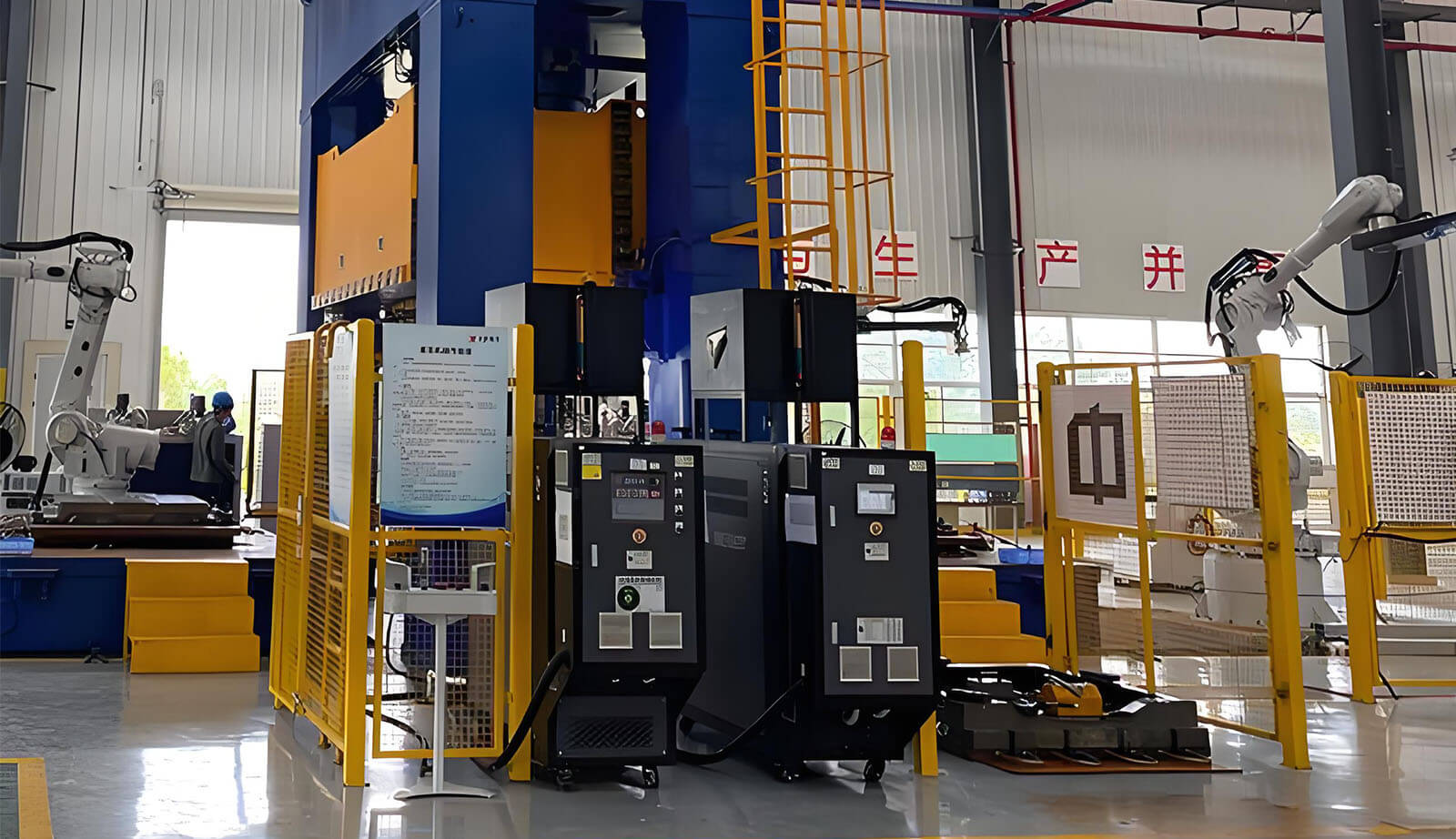
탄소 섬유 열간 프레스 금형 온도 컨트롤러

탄소섬유 복합재료의 열압 성형 공정

당사 공장은 P20 강철 금형을 활용한 첨단 탄소섬유 핫프레스 공정을 도입하여, 고효율, 정밀도, 내구성 및 비용 효율성을 보장함으로써 고품질의 제품을 생산하고 있습니다.

탄소 섬유 오토클레이브

당사 공장에서는 100대 이상의 고온 고압 오토클레이브를 가동하며, 알루미늄 금형과 진공 유도 공정을 활용해 탄소 섬유를 정밀하게 성형합니다. 고온과 고압 처리를 통해 강도와 안정성을 높이고, 흠잡을 데 없는 품질을 보장합니다.
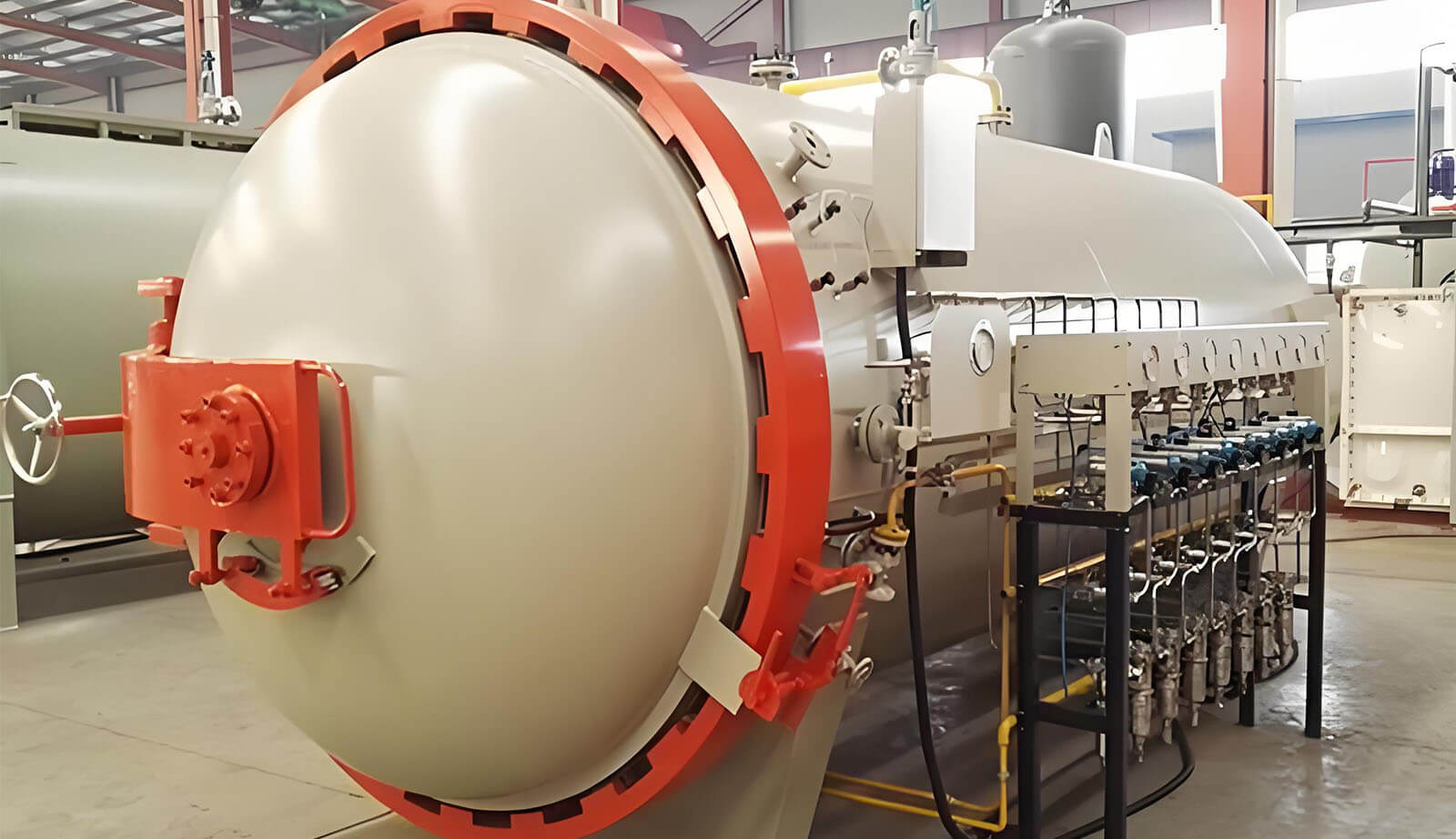
탄소 섬유 오토클레이브
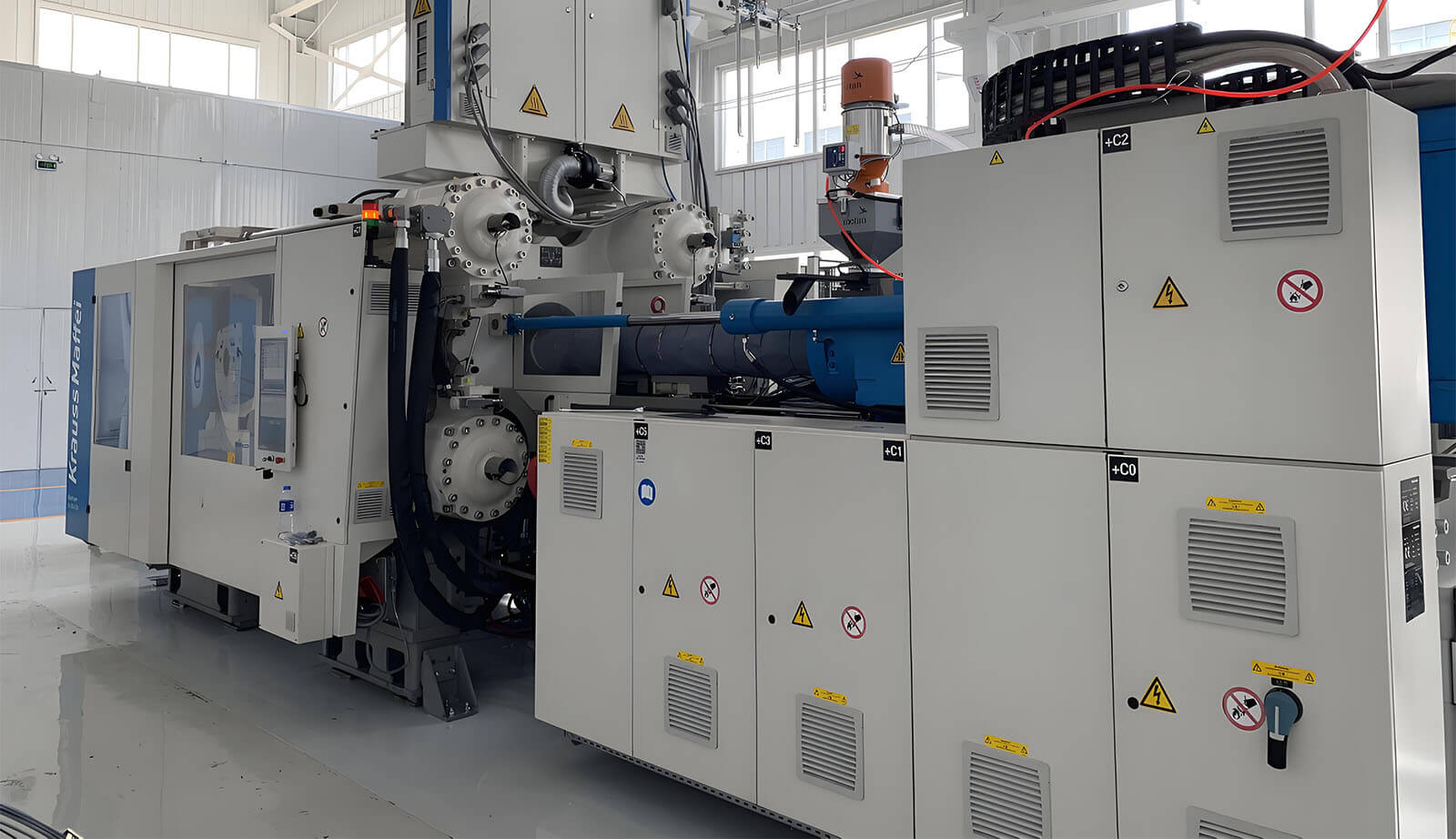
탄소 섬유 엔지니어링 기술 연구 센터

탄소섬유 공학 기술 연구센터

우리 탄소 섬유 연구 센터는 첨단 복합재료와 크라우스 마페이 파이버폼을 사용하여 새로운 에너지, 지능 및 경량 설계에서 혁신을 주도하며, 고객 중심 솔루션을 창출합니다.

자주 묻는 질문

다음은 경험이 풍부한 탄소섬유 제품 제조업체에서 자주 묻는 질문에 대한 답변입니다.

당사는 자동차 부품, 오토바이 부품, 항공우주 부품, 선박용 액세서리, 스포츠 장비 및 산업용 제품을 포함하여 다양한 탄소섬유 부품을 생산하고 있습니다.

당사는 강도, 내구성 및 경량성을 확보하기 위해 주로 고품질 프리프레그 탄소섬유와 대형 토우 탄소섬유로 보강된 고성능 복합재료를 사용합니다.

네, 당사 제품에는 자외선 차단 코팅이 되어 있어 오래도록 내구성을 보장하고 광택 있는 외관을 유지해 줍니다.

네, 당사의 시설과 장비는 정밀도와 품질을 유지하면서 대형 탄소섬유 부품을 생산할 수 있습니다.

사용할 때의 장점은 무엇인가요? 탄소 섬유 제품?
탄소 섬유는 뛰어난 강도 대 중량 비율, 내식성, 강성, 열적 안정성을 갖추고 있으며, 세련되고 현대적인 외관을 자랑합니다.

당사는 경량 및 고성능 탄소섬유 부품에 중점을 두고 자동차, 오토바이, 항공우주, 선박, 의료, 스포츠 및 산업 분야에 제품을 공급하고 있습니다.

네, 우리는 제공 맞춤형 탄소 섬유 독특한 디자인, 크기 및 패턴을 포함하여 사용자 요구 사항에 맞춘 솔루션을 제공합니다.

당사는 오토클레이브 성형, 열압착, 진공 백 성형과 같은 첨단 기술을 활용하여 모든 제품의 정밀성, 안정성 및 품질을 보장합니다. Hello Elementor 테마로 놀라운 결과를 만들어내는 것은 물론, 모든 주요 테마와도 원활하게 호환되도록 노력하고 있습니다.

당사는 내구성과 높은 정밀도를 위해 설계된 알루미늄 및 P20 강철 금형을 사용하여 복잡하고 정밀한 탄소 섬유 부품을 제작합니다.

당사의 제품은 업계 표준을 충족하기 위해 치수 정확도, 재료 무결성 및 성능 테스트를 포함한 엄격한 품질 관리 검사를 거칩니다.

위로 스크롤