
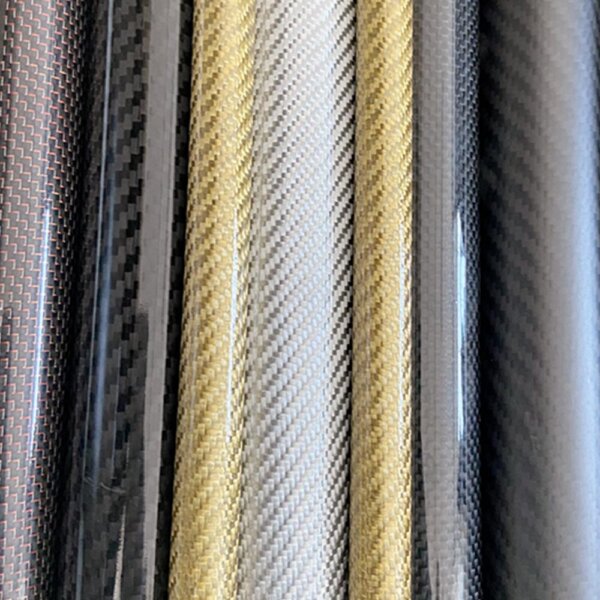
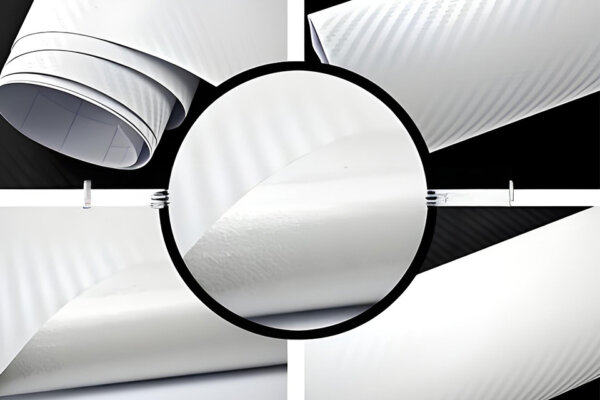
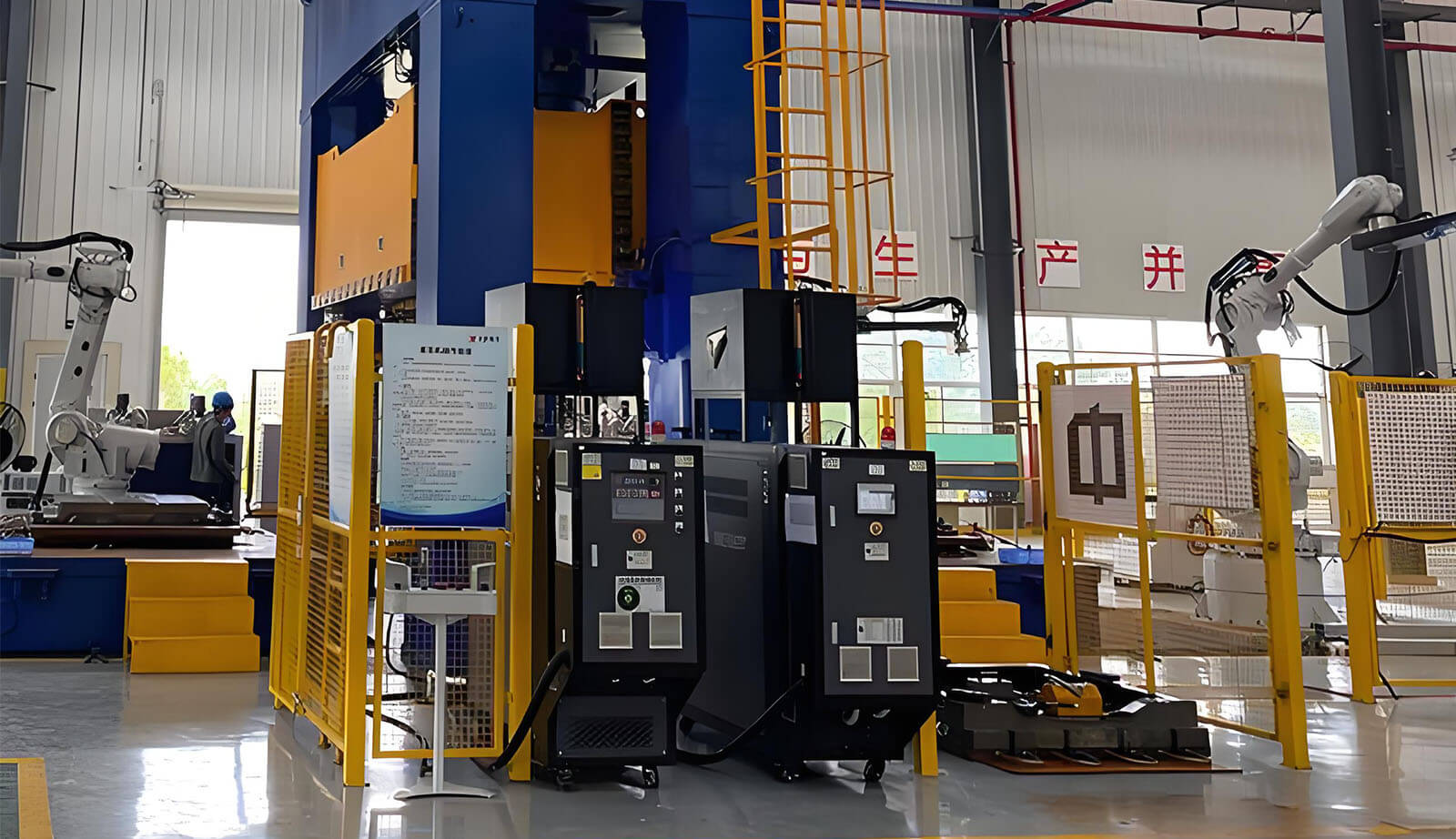
Carbon Fiber Composite Material Hot Pressing Molding Process
Our factory employs an advanced carbon fiber hot press process with a P20 steel mold, ensuring high efficiency, precision, durability, and cost-effectiveness for quality production.
Are you tired of your wood cue warping? Does your cue bend after one humid summer? It’s time to upgrade. A carbon fiber pool cue changes everything about your game. It’s stronger, straighter, and far more consistent than traditional wood cues.
Carbon fiber cue shafts are manufactured using advanced composite techniques similar to those used in aerospace and automotive industries.
As a carbon fiber composite manufacturer, we understand how fiber orientation, resin systems, and curing processes affect stiffness, deflection, and durability.
These same technologies are now widely used in high-performance billiard cue shafts.
Whether you play in tournaments or just enjoy a game at the bar, modern carbon fiber cues offer players a level of consistency that traditional wood cues cannot match.
A carbon fiber pool cue is a billiard cue that uses a carbon fiber composite shaft instead of traditional maple wood.
A carbon fiber pool cue uses high-performance carbon fiber composites in its shaft. This is the same material used in fighter jets and race cars. It’s light. It’s stiff. And it does not warp, ever.
Think of it this way — a wood cue is like a regular pencil. Leave it in a hot car and it bends. A carbon fiber cue shaft is like a steel rod wrapped in silk. Heat, cold, and humidity don’t touch it.
Brands like Predator Cues, Cuetec Cues, OB Cues, and Mezz Cues have built their best shafts around this material. Even McDermott Cues, Jacoby Cues, and Lucasi Cues now offer carbon fiber options. The technology is here and it’s not going away.
🔗 Want to understand the full science? Read: Why your pool game needs a carbon fiber cue shaft
Most carbon fiber cue shafts are produced using advanced composite manufacturing techniques such as filament winding, compression molding, or prepreg layup.
These processes control fiber orientation and resin content, allowing engineers to achieve extremely high stiffness while keeping the shaft lightweight and stable.
Similar composite technologies are widely used in aerospace structures, automotive components, and high-performance sporting equipment, which is why carbon fiber cue shafts offer superior consistency compared with traditional wood shafts.
Here’s everything you need to know before you buy.
| Parameter | Details | Why It Matters |
|---|---|---|
| Material | high-performance carbon fiber composites | Never warps, never bends |
| Shaft Type | Low-deflection carbon fiber shaft | Reduces cue ball squirt by up to 30% |
| Weight | 18–21 oz (adjustable) | Customize for power or finesse |
| Joint Type | Uni-Loc, Radial, Quick-Release | Rock-solid connection, no wobble |
| Tip Diameter | 11.5mm – 13mm | Control vs. power options |
| Taper | Pro taper or European taper | Suits short and long bridge styles |
| Grip | Irish linen, leather, textured carbon | No-slip feel under pressure |
| Deflection | 10–30% less than maple | Your aim = cue ball’s path |
| Price Range | $300 – $1,200 | Budget hobbyist to full pro |
| Warranty | Lifetime (shaft), 1–2 years (joint/tip) | Built for the long game |
Here’s a simple side-by-side. No fluff. Just facts.
| Feature | Carbon Fiber Cue | Traditional Wood Cue |
|---|---|---|
| Deflection | Ultra-low | High |
| Durability | Unbreakable | Prone to warping |
| Humidity Resistance | 100% immune | Absorbs moisture |
| Maintenance | Zero upkeep | Regular sealing needed |
| Consistency | Same feel every shot | Changes with weather |
| Lifespan | Decades | 2–5 years (with care) |
| Resale Value | Holds strong | Drops fast |
Wood cues like carbon fiber vs. maple comparisons always end the same way. Maple feels great — until it doesn’t. Carbon fiber feels great forever.
This is the big one. Low-deflection shafts mean the cue ball goes where you aim it. With a wood cue, the shaft bends slightly on contact. That tiny bend throws off your shot. It’s called cue ball squirt and it ruins precision play.
A carbon fiber shaft is so stiff it barely flexes at all. Players like Earl Strickland and Johnny Archer know that precision-engineered cues remove the guesswork. You aim left — the ball goes left. Simple.
Drop it. Lean it against the wall. Throw it in your trunk. This cue doesn’t care. Carbon fiber cue construction uses tightly woven fiber layers bonded with aerospace resin. The result is a shaft that’s 10x stronger than wood and completely warp-resistant.
Brands like Predator Cues back this up with lifetime warranties on their carbon shafts. That’s how confident they are.
The carbon fiber cue weight range of 18–21 oz gives you full control. Use weight bolts to add mass for a power break. Remove them for a lighter feel on draw shots and follow shots.
Live in Florida? Play in a damp basement? A wood cue absorbs moisture and bends. Your carbon fiber cue laughs at humidity. Organizations like the WPA (World Pool-Billiard Association) and BCA (Billiard Congress of America) approve these cues for all competitive play. No warping means no excuses.
You can choose your wrap type based on how you play:
Whatever your pool cue grip preference, there’s a carbon cue that fits it.
Players competing in CSI (Cue Sports International) events or APA (American Poolplayers Association) leagues need consistent equipment. Carbon fiber cues deliver the same feel in round one as they do in the finals. Jayson Shaw, Darren Appleton, and Ko Pin-Yi don’t leave things to chance. Neither should you.
Accidents happen. Beer gets spilled. Cues get knocked over. A carbon fiber cue for bar play survives all of it. It looks sharp and plays sharp even after years of casual use.
Fits in overhead bins. Handles baggage claim like a champ. Carbon fiber cue case compatibility with standard 2-piece cases makes travel easy. Players like Mika Immonen and Francisco Bustamante log serious miles — your gear should keep up.
A carbon fiber cue for beginners is actually a smart investment. Low deflection helps you build correct aiming habits from day one. You’re not fighting bad equipment while you learn your stance, bridge, stroke, and follow-through.
The right tip makes a huge difference. Most carbon fiber cues come with top-tier tips from brands like:
Tip diameter matters too. A 11.5mm tip gives sharp spin control. A 13mm tip gives beginners a bigger sweet spot. Most players land at 12.4mm — a perfect middle ground.
Looking for a shaft upgrade only? These are the top options:
| Shaft | Brand | Best For |
|---|---|---|
| Predator Revo | Predator Cues | Pro tournament play |
| Cuetec Cynergy | Cuetec Cues | Value + performance |
| Mezz Ignite | Mezz Cues | Precision play |
| Jacoby Black | Jacoby Cues | Low deflection control |
All of these are sold through top retailers like PoolDawg, Seybert’s Billiards, and Billiards.com. Community reviews on AZBilliards consistently rate carbon fiber shafts above wood for competitive play.
Here’s something cool. The same carbon fiber manufacturing process behind your cue shaft powers some of the world’s most advanced products.
🔗 See how the same material shapes high-performance vehicles: custom carbon fiber parts and engineering
🔗 Explore how carbon fiber is engineered at the source: trusted carbon composite manufacturer
🔗 From billiard cues to body panels — see real-world carbon applications: carbon fiber car components
The same stiffness that keeps your shaft straight keeps race car chassis rigid at 200mph. That’s the power of this material.
Before you buy, ask yourself these questions:
A carbon fiber pool cue isn’t a luxury. It’s a smart tool for anyone who takes their game seriously. It won’t warp. It won’t let you down. And it will make every shot — your follow shots, draw shots, jump shots, and power breaks — feel exactly the way you planned.
Brands like Predator Cues, Cuetec Cues, Meucci Cues, Viking Cues, Pechauer Cues, Fury Cues, Players Cues, Poison Cues, Schon Cues, Joss Cues, and Mezz Cues all offer options across every price range. The WPA, BCA, and APA approve them for sanctioned play. Pros like Jeanette Lee, Wu Jiaqing, Allison Fisher, and Shane Van Boening trust them on the biggest stages.
Now it’s your turn.
🎱 Ready to upgrade? Browse our full range of custom composite carbon fiber products built to the highest performance standards — because your game deserves nothing less.
Built for bar nights. Built for tournaments. Built to last a lifetime.
Carbon fiber cues are generally more stable and resistant to humidity compared with traditional maple cues. They also provide lower deflection and more consistent performance over time.
No. Carbon fiber shafts are highly resistant to temperature and humidity changes, making them far less likely to warp than wooden shafts.
Yes. Most major organizations including the WPA and BCA allow carbon fiber cue shafts in sanctioned competitions.
With proper care, carbon fiber shafts can last for many years without losing their structural performance.
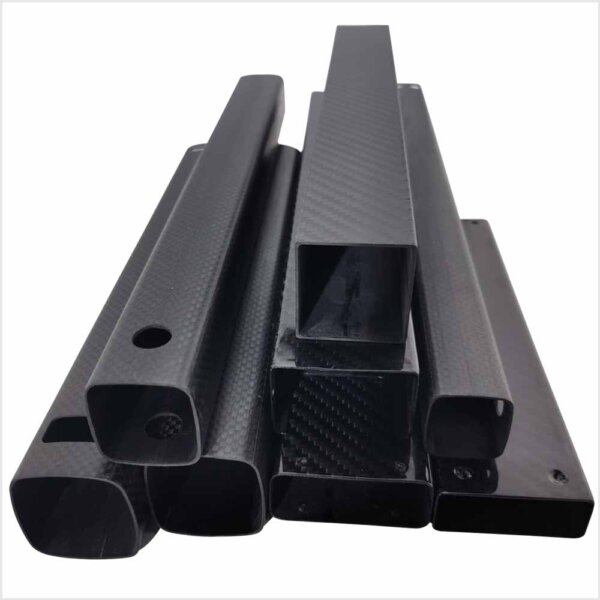
Our factory employs an advanced carbon fiber hot press process with a P20 steel mold, ensuring high efficiency, precision, durability, and cost-effectiveness for quality production.
Our factory runs 100+ hot pressure autoclaves, using aluminum molds and vacuum induction to shape carbon fiber with precision. High heat and pressure enhance strength, stability, and flawless quality.
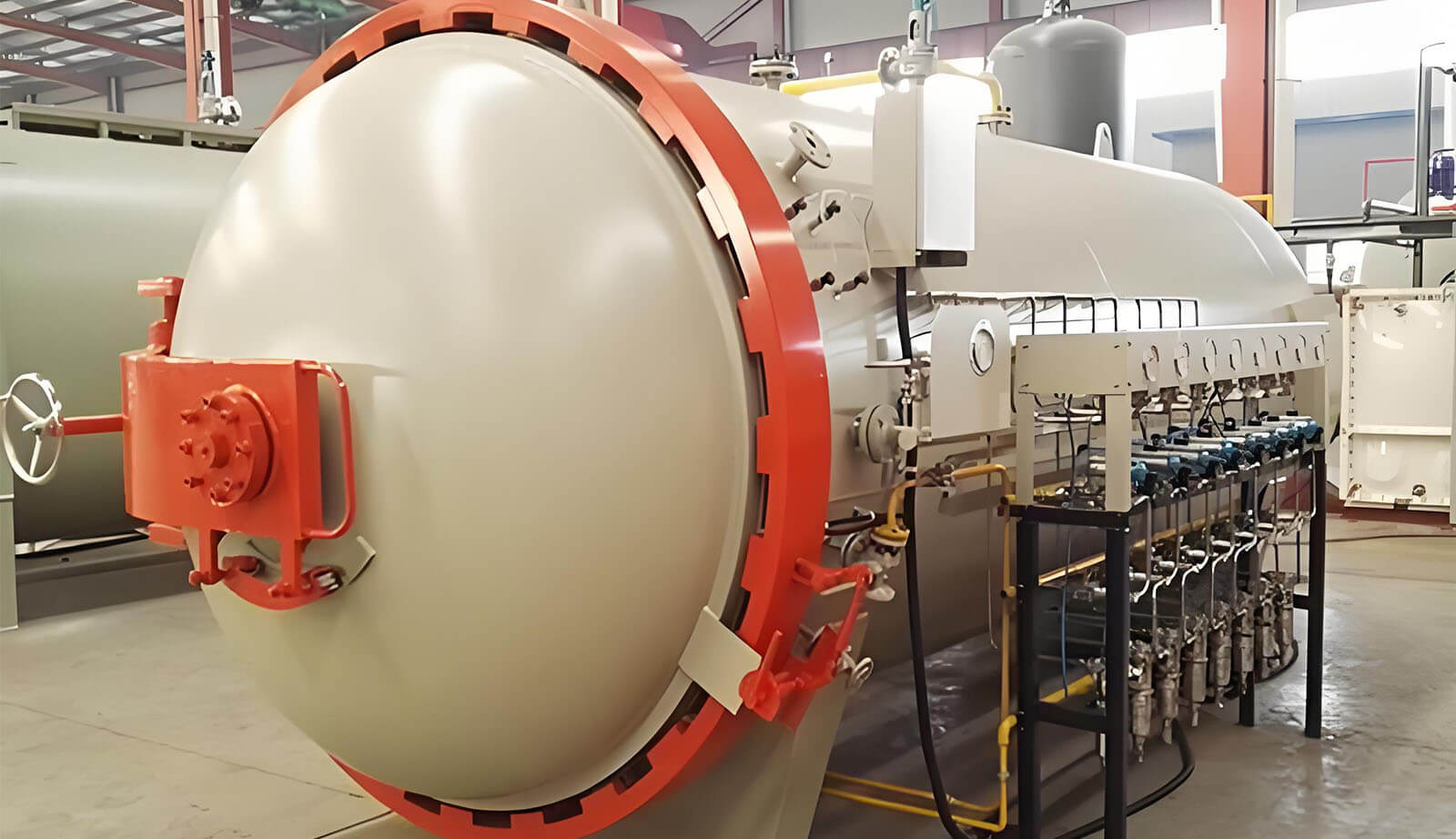
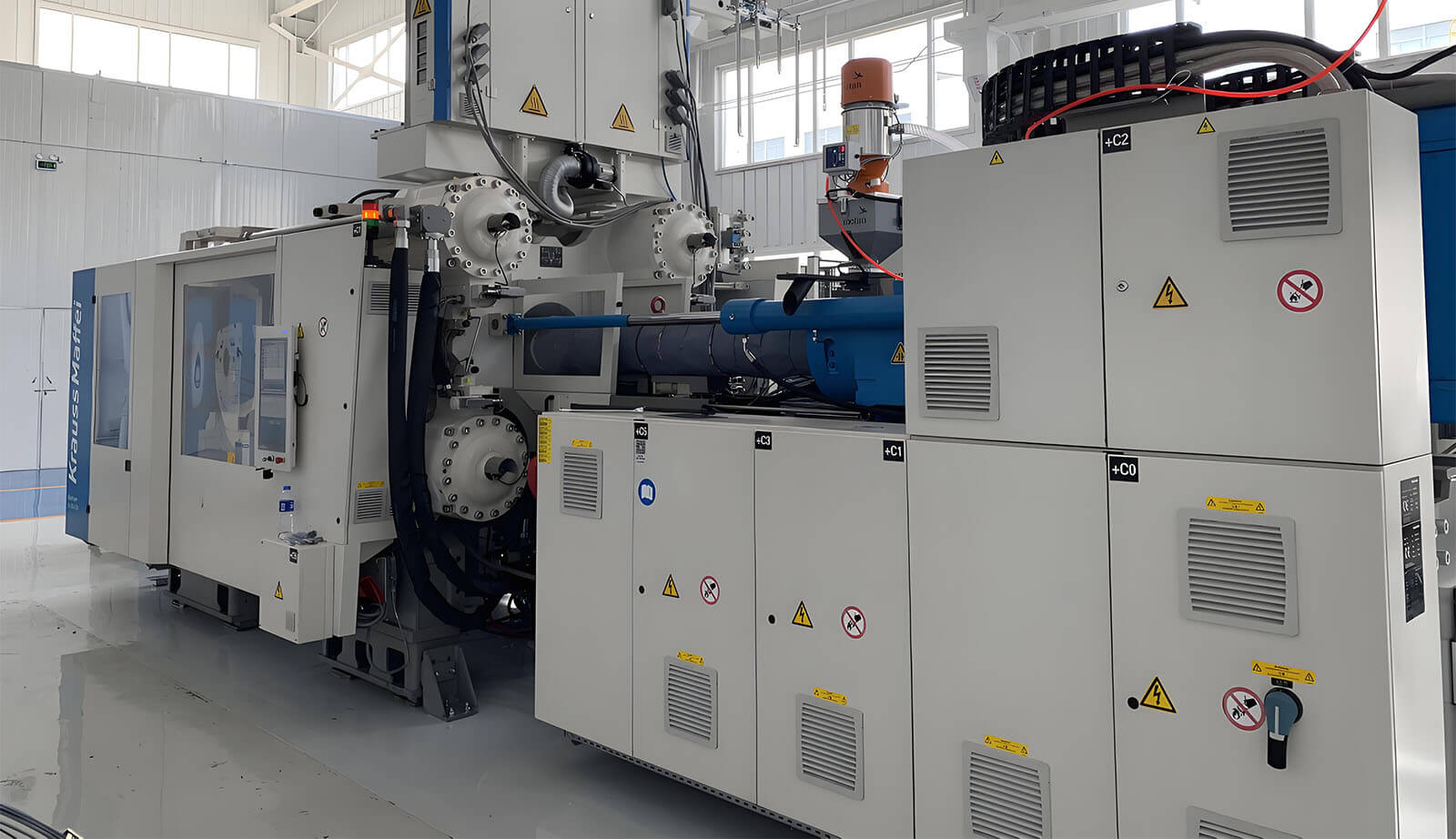
Our Carbon Fiber Research Center drives innovation in new energy, intelligence, and lightweight design, using advanced composites and Krauss Maffei FiberForm to create cutting-edge, customer-focused solutions.
Here are the answers to the frequently asked questions from the experienced carbon fiber products factory
We produce a wide range of carbon fiber components, including automotive parts, motorcycle parts, aerospace components, marine accessories, sports equipment, and industrial applications.
We primarily use high-quality prepreg carbon fiber and large-tow carbon fiber reinforced high-performance composites to ensure strength, durability, and lightweight characteristics.
Yes, our products are coated with UV-protective finishes to ensure long-lasting durability and maintain their polished appearance.
Yes, our facilities and equipment are capable of producing large-size carbon fiber components while maintaining precision and quality.
What are the benefits of using carbon fiber products?
Carbon fiber offers exceptional strength-to-weight ratio, corrosion resistance, stiffness, thermal stability, and a sleek, modern appearance.
We cater to automotive, motorcycle, aerospace, marine, medical, sports, and industrial sectors with a focus on lightweight and high-performance carbon fiber components.
Yes, we provide custom carbon fiber solutions tailored to your specifications, including unique designs, sizes, and patterns.
We utilize advanced technologies such as autoclave molding, hot pressing, and vacuum bagging, ensuring precision, stability, and quality in every product. wonders with the Hello Elementor Theme, we’re trying to make sure that it works great with all the major themes as well.
We use aluminum and P20 steel molds, designed for durability and high accuracy, to create complex and precise carbon fiber components.
Our products undergo rigorous quality control checks, including dimensional accuracy, material integrity, and performance testing, to meet industry standards.