
Custom Carbon Fiber Sports & Outdoor Gear
OEM/ODM custom carbon fiber sports equipment and outdoor gear for fishing, cycling, skiing, skating, water sports, protective equipment, and private label brands.



Custom Carbon Fiber Sports Equipment Manufacturing
Every serious sporting goods brand eventually faces the same engineering challenge: your customers want products that are lighter, stronger, and more durable than what conventional materials can reliably deliver—without a prohibitive increase in retail price. Carbon fiber composite addresses that challenge in a measurable, repeatable way, offering a much higher strength-to-weight ratio than steel or aluminum in suitable designs, depending on fiber grade, laminate structure, and loading direction.
At Chinacarbonfibers, we have been manufacturing custom carbon fiber composite products since 1998. Our work spans advanced composite components, motorsport parts, industrial parts, and an extensive range of sports and outdoor equipment for brands across North America, Europe, Australia, and Southeast Asia. Learn more about our manufacturing background and facility →
Our facility integrates in-house tooling, autoclave curing, compression molding, roll-wrapping, vacuum infusion, pultrusion, and CNC finishing under one roof—giving OEM and ODM partners a single point of accountability from CAD file to finished product. Sports and outdoor carbon fiber products are fundamentally different from decorative carbon fiber parts. A fishing rod, ski pole, bicycle handlebar, shin guard, paddle, snowboard reinforcement plate, or pickleball paddle face cannot use the same laminate structure. Each product must be reviewed based on how it bends, twists, absorbs impact, transfers force, and survives repeated use in outdoor environments.
Beyond sports and outdoor gear, we manufacture across carbon fiber automotive parts, carbon fiber motorcycle components, and the broader custom carbon fiber product range—giving our OEM partners a manufacturer with composite engineering experience across multiple demanding application sectors.
We support custom sports and outdoor gear development from STEP/STP files, 2D drawings, DXF cutting files, original samples, product sketches, 3D scan data, or photos with dimensions. For OEM/ODM projects, we review material selection, mold design, layup structure, surface finish, logo placement, packaging, and batch production feasibility before production begins.
Sports and Outdoor Gear We Manufacture
Our sports and outdoor production covers eight primary product families, each backed by dedicated tooling and process experience.
Fishing, Marine & Water Sports Gear
Carbon fiber is widely used in fishing and marine products because it offers low weight, high stiffness, and good corrosion resistance when properly surface-finished.
Products we manufacture include:
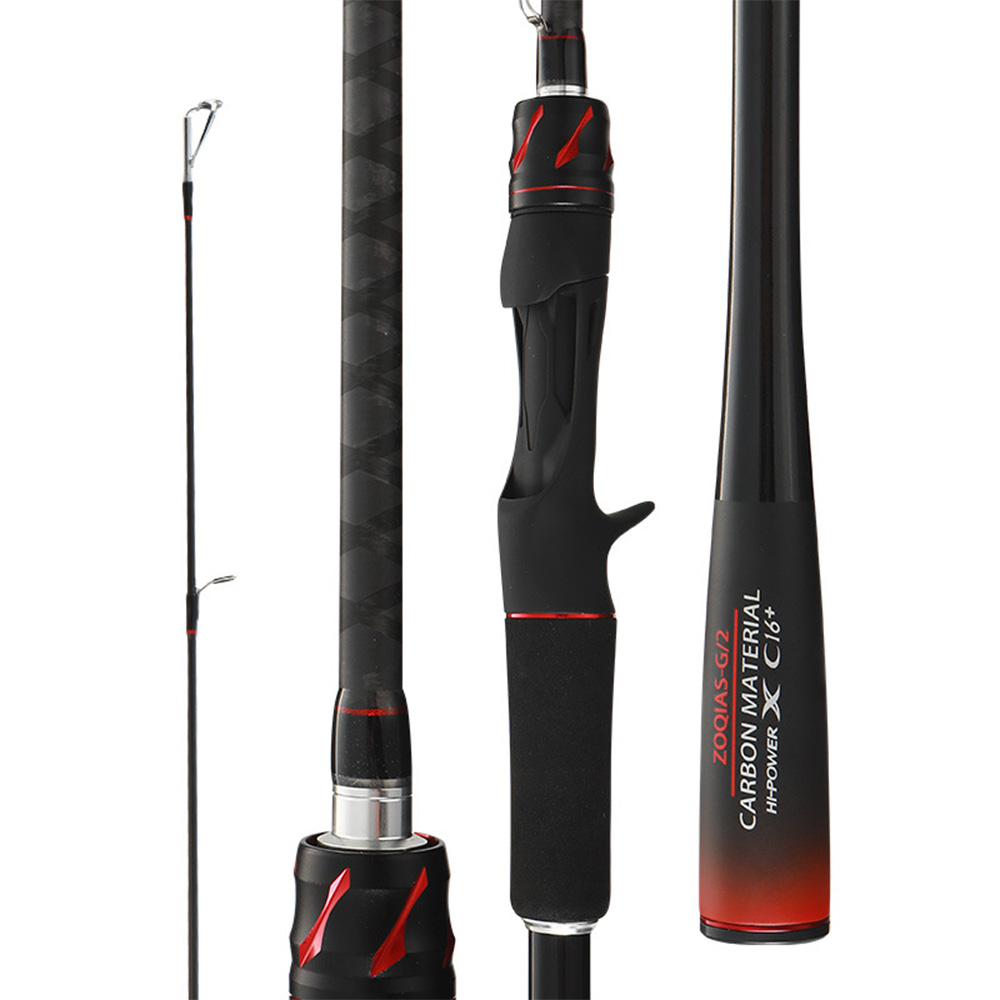
- Carbon fiber fishing rods — Custom taper profiles, wall thickness, flex class, and guide positioning; full-blank or tip-section manufacturing available
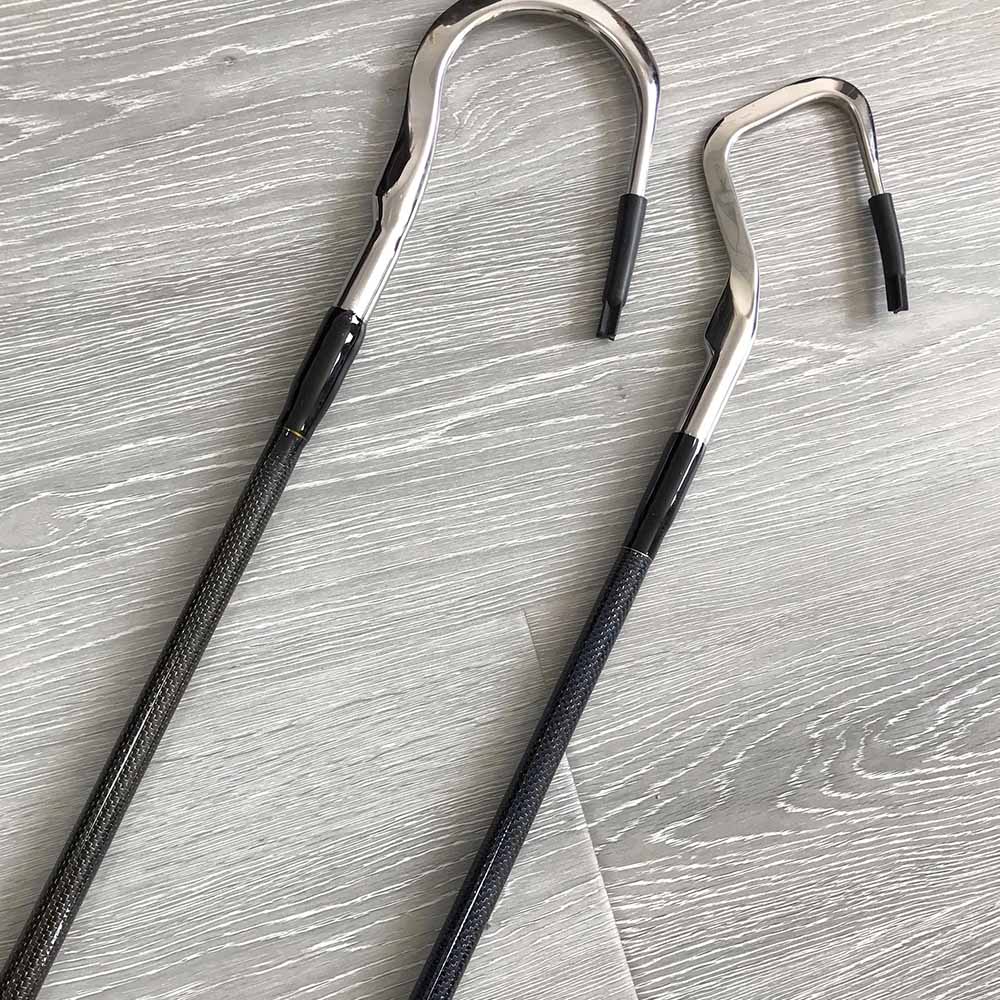
- Carbon fiber gaff poles and landing net handles — Roll-wrapped tube construction optimized for impact tolerance and wet-grip surface finishing
- Carbon fiber paddle shafts — SUP paddles, kayak paddles, dragon boat paddles; adjustable-length assemblies available by project
- Carbon fiber outrigger poles and marine handles — Tube assemblies designed for saltwater environments with appropriate edge sealing and coating
- Carbon fiber telescopic poles — Multi-section telescoping designs for fishing, inspection, and outdoor utility applications
- Carbon fiber boat accessories and water sports components — Custom marine hardware and structural brackets
For fishing rods and gaff poles, stiffness rating, wall thickness consistency, mandrel taper accuracy, bonding joint quality, and grip area surface treatment are the critical manufacturing variables. For water-exposed products, protective clear coat, sealed tube ends, and corrosion-resistant insert materials should be specified at the design stage.
Cycling Components & Bike Parts
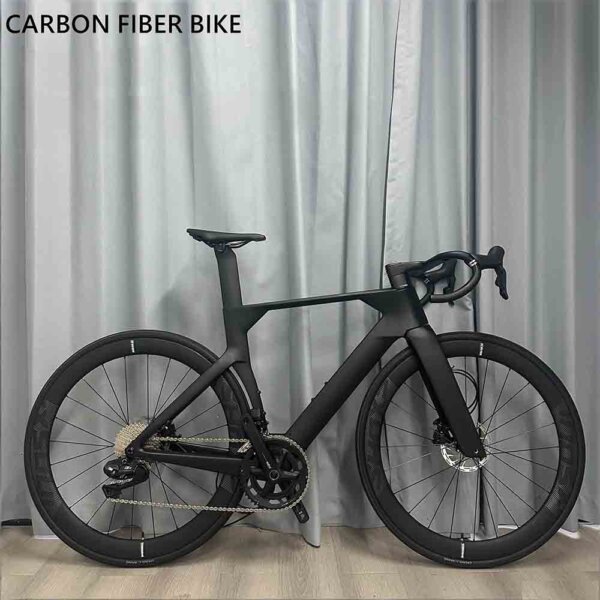
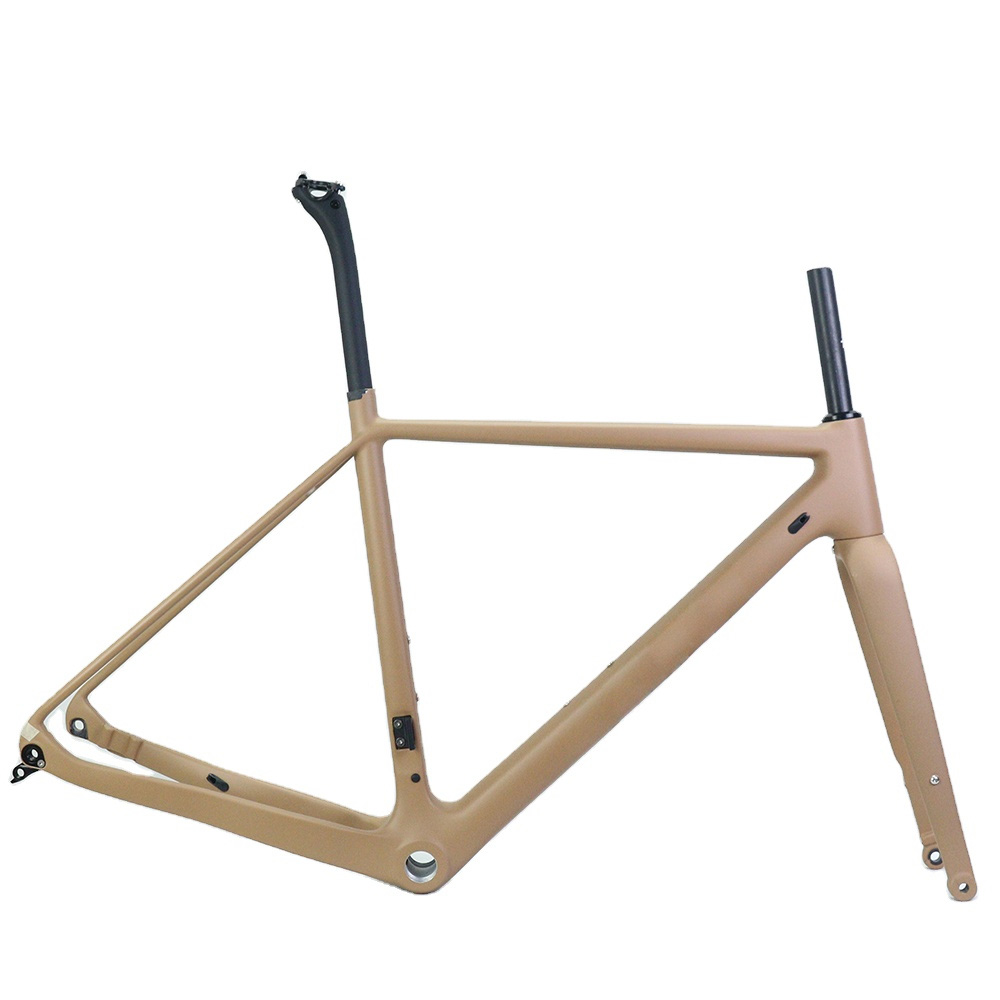
Carbon fiber bicycle components are among the most engineering-intensive products in the sports category. A frame must withstand repeated load cycles across multiple axes—pedaling forces, lateral cornering loads, road vibration, and impact events—while maintaining accurate geometry across production batches.
Products we manufacture include:
- Road bike frames and mountain bike frames — T700/T800 prepreg layups with unidirectional plies at primary load paths and ±45° bias layers for torsional rigidity
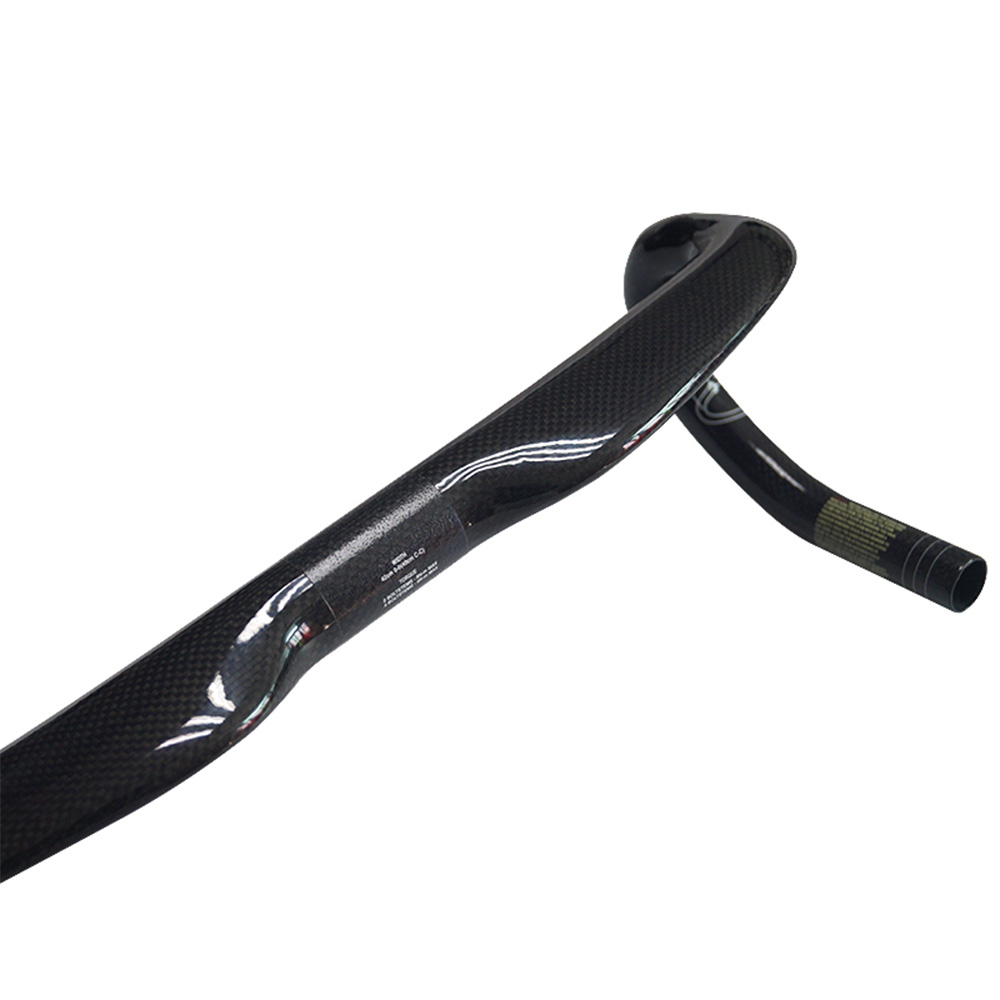
- Carbon fiber MTB handlebars — Torsional stiffness-optimized designs; clamping zones reinforced with additional UD layers to handle stem torque
- Carbon fiber forks, seatposts, and stems — Full-component OEM capability for brands building complete carbon drivetrains
- Carbon fiber bottle cages and frame protection parts — Lightweight accessories and protective layer components
- Carbon fiber mounting brackets and custom cycling accessories — Custom geometry components manufactured to brand specifications
All cycling frames undergo post-cure dimensional inspection against CAD tolerances. Dropout alignment, BB shell concentricity, and head tube angle are verified on production batches using coordinate measuring equipment.
Snow Sports & Winter Gear
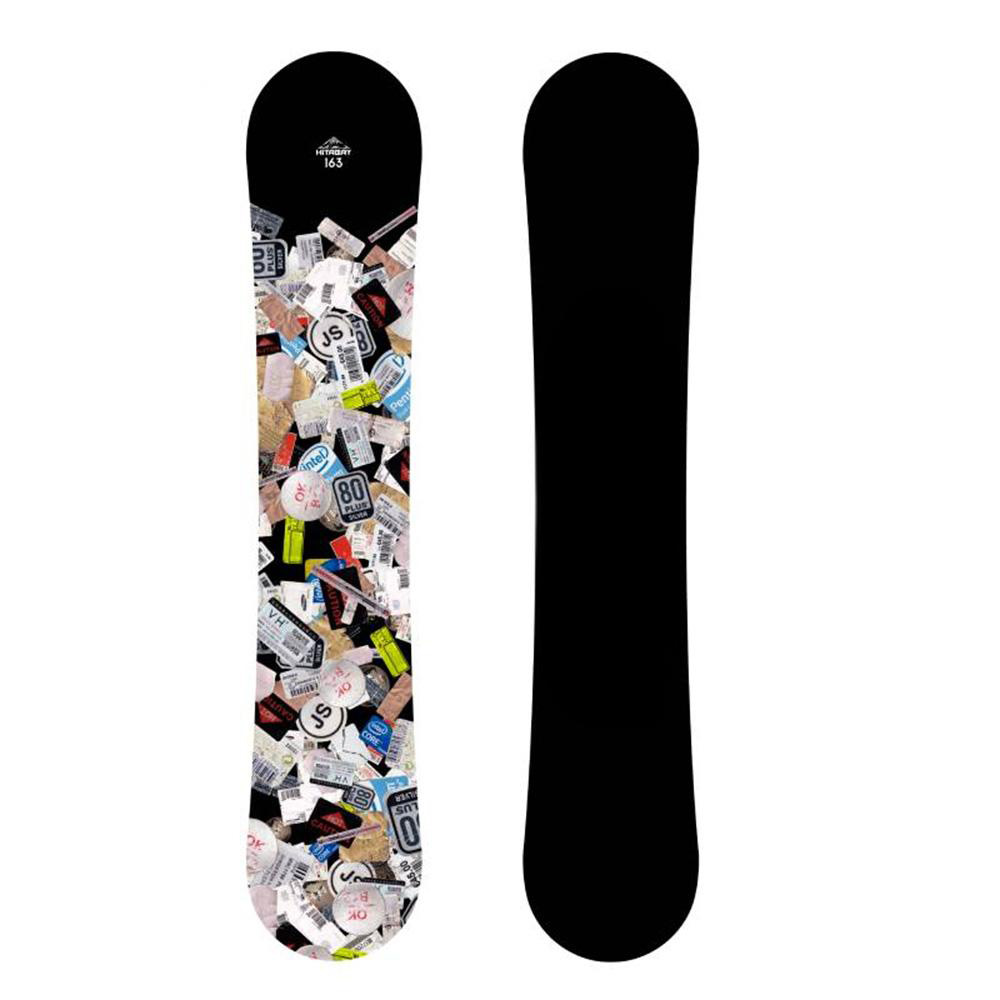
Carbon Fiber Snowboards
A snowboard must flex predictably across a range of temperatures while absorbing impulse loads from landings and edge events. The core-to-skin interface is where most snowboard failures originate; our laminates address this through controlled laminate design and curing process parameters.
Our snowboard manufacturing process:
- Core preparation — Wood/foam composite cores cut to camber and rocker profiles via CNC
- Prepreg layup — Biaxial carbon fiber skins applied under controlled tension to minimize fiber waviness
- Press molding — Hydraulic pressing at defined pressure and temperature ramp rates for consistent laminate consolidation
- Edge integration — Steel edge inlay during molding for seamless board-to-edge bonding
- Base material bonding — Sintered UHMWPE bases bonded under heat and pressure
- Top sheet and graphics — Sublimation printing or in-mold decoration options
A stiff racing-style board, a flexible freestyle board, and a lightweight touring structure each require different carbon fiber placement, laminate angles, and core bonding methods. Flex and torsional targets are reviewed and agreed before tooling begins.
Carbon Fiber Ski Poles
Roll-wrapped carbon fiber ski poles offer axial stiffness, impact tolerance, and meaningful weight reduction versus aluminum. Custom lengths, basket configurations, grip materials, and strap assemblies are available for OEM orders.
Board Sports Equipment
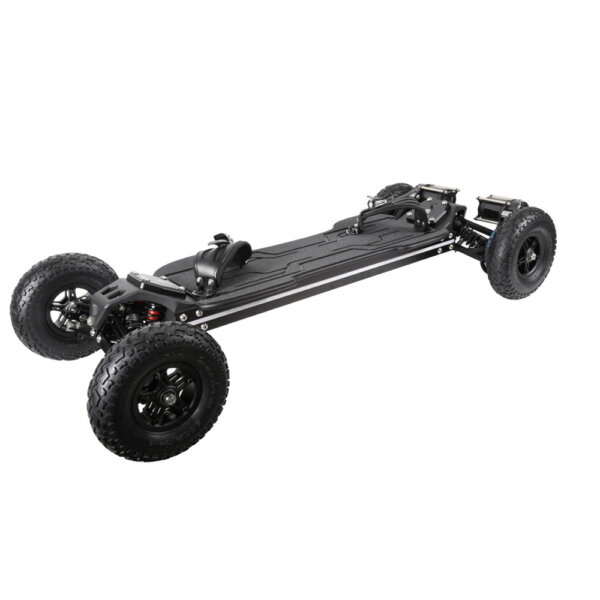
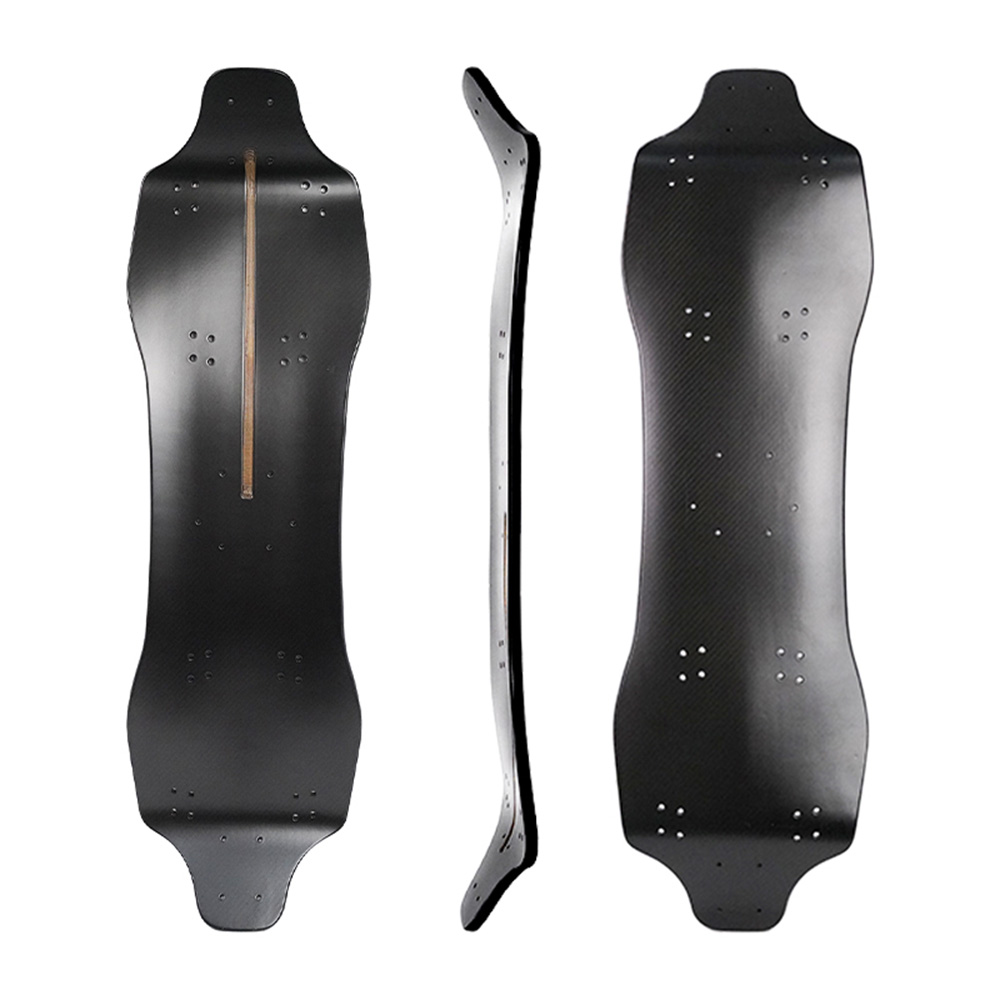
Carbon Fiber Skateboard & Longboard Decks
Carbon fiber skateboard decks resist moisture absorption, are less prone to delamination under vibration loading than wood, and typically maintain their flex characteristics well under regular use conditions—performance that maple decks have difficulty matching over extended use periods.
Our skateboard deck manufacturing uses compression-molded sandwich construction—carbon fiber skins (typically 2×3K twill at ±45°) bonded to a structural core—delivering significant weight reduction versus comparable wood decks, with improved impact resistance in typical use. Custom concave profiles, graphic integration via printed in-mold film, and specific flex ratings are available. We also supply carbon fiber longboard decks, cruiser decks, and electric skateboard structural platforms.
Products include:
- Carbon fiber skateboard and longboard decks
- Carbon fiber board reinforcement plates and structural inserts
- Carbon fiber edge reinforcement strips
- Carbon fiber performance panels for board sport applications
Racket, Paddle & Precision Sports Equipment
Carbon fiber is used in precision sports products where surface stiffness, rebound consistency, weight balance, and response feel directly affect product performance and market positioning.
Products we manufacture include:
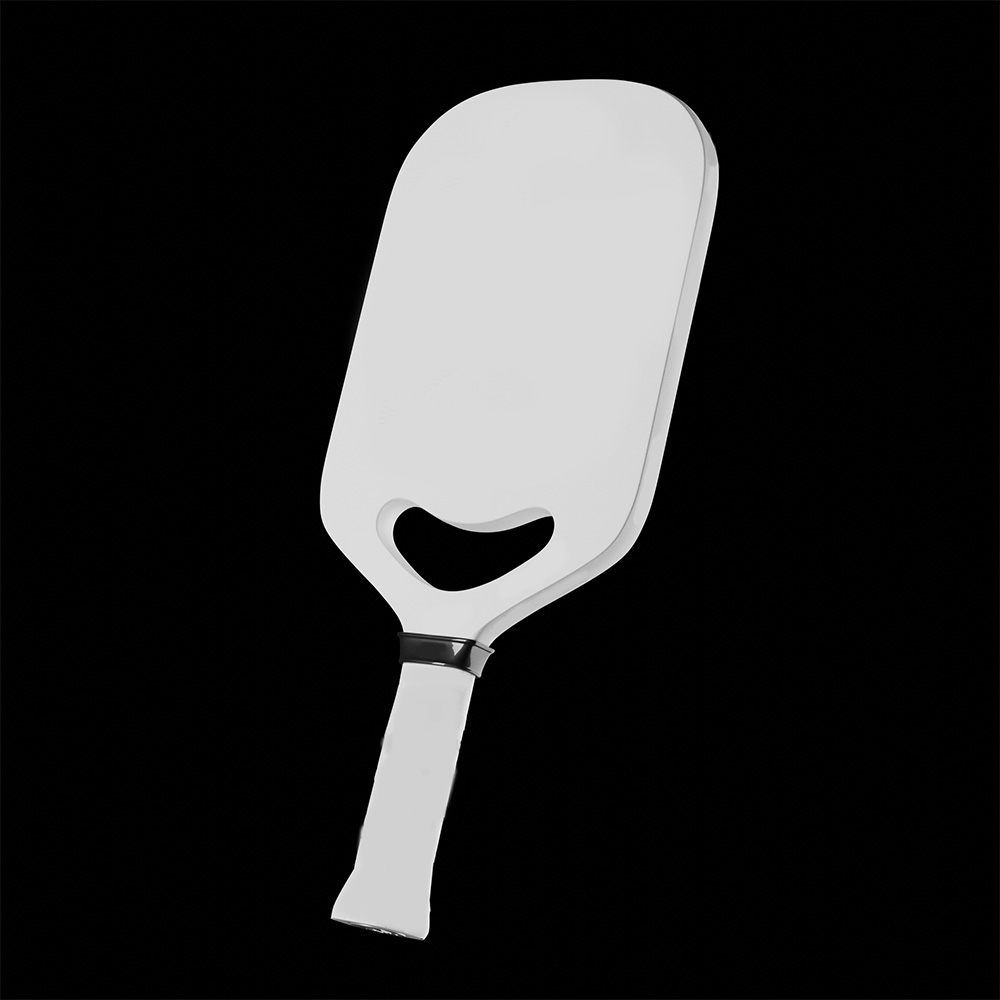
- Carbon fiber pickleball paddle faces — Surface rigidity, core bonding quality, and rebound consistency are the three primary performance variables; faces manufactured to customer-specified flex and surface finish standards
- Carbon fiber racket components — Frame sections, throat pieces, and handle structures
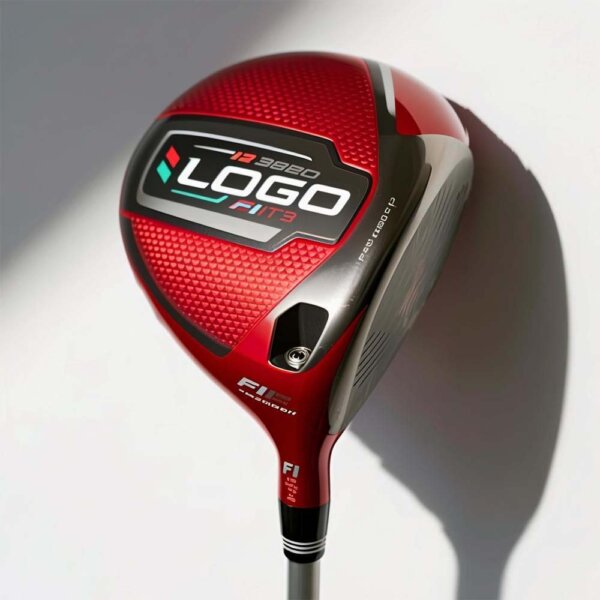
- Carbon fiber golf components — Shaft sections, grip inserts, and structural support elements
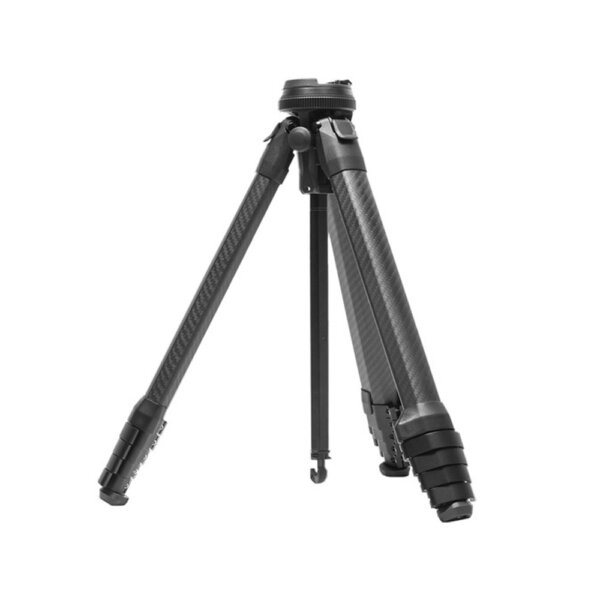
- Carbon fiber tripod legs and lightweight precision shafts — For photography, surveying, and outdoor precision equipment
- Carbon fiber handle structures and sports equipment shells
- Carbon fiber reinforcement plates and paddle face inserts
For paddles and racket-style products, surface rigidity, core bonding integrity, weight distribution, handle ergonomics, and rebound consistency must all be reviewed before production tooling is committed.
Protective & Wearable Sports Gear
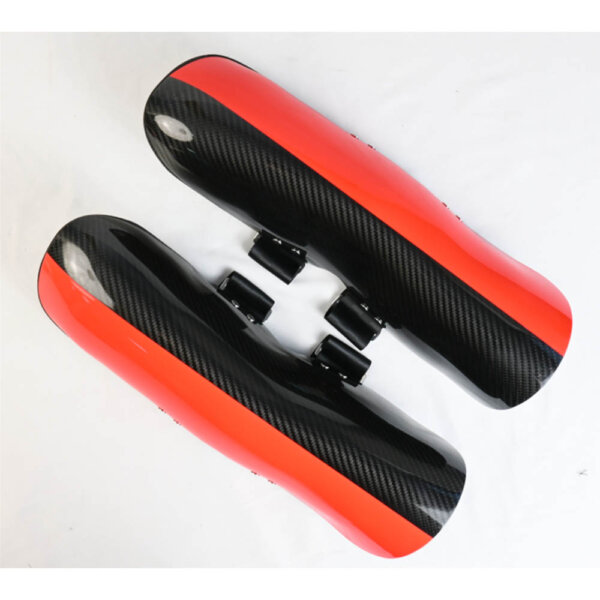
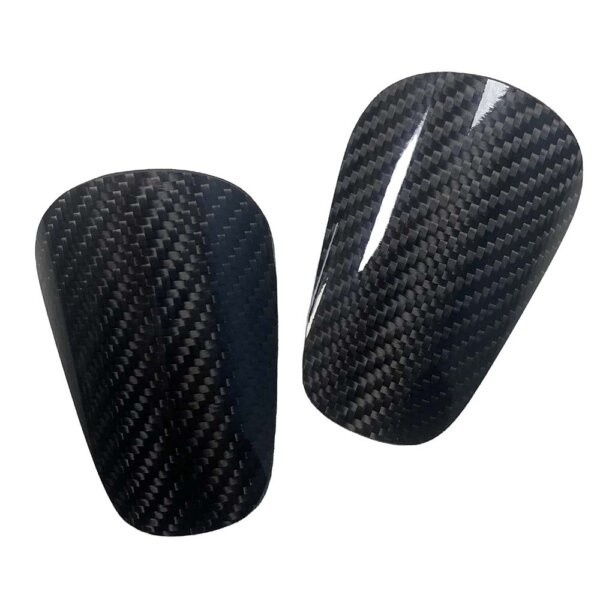
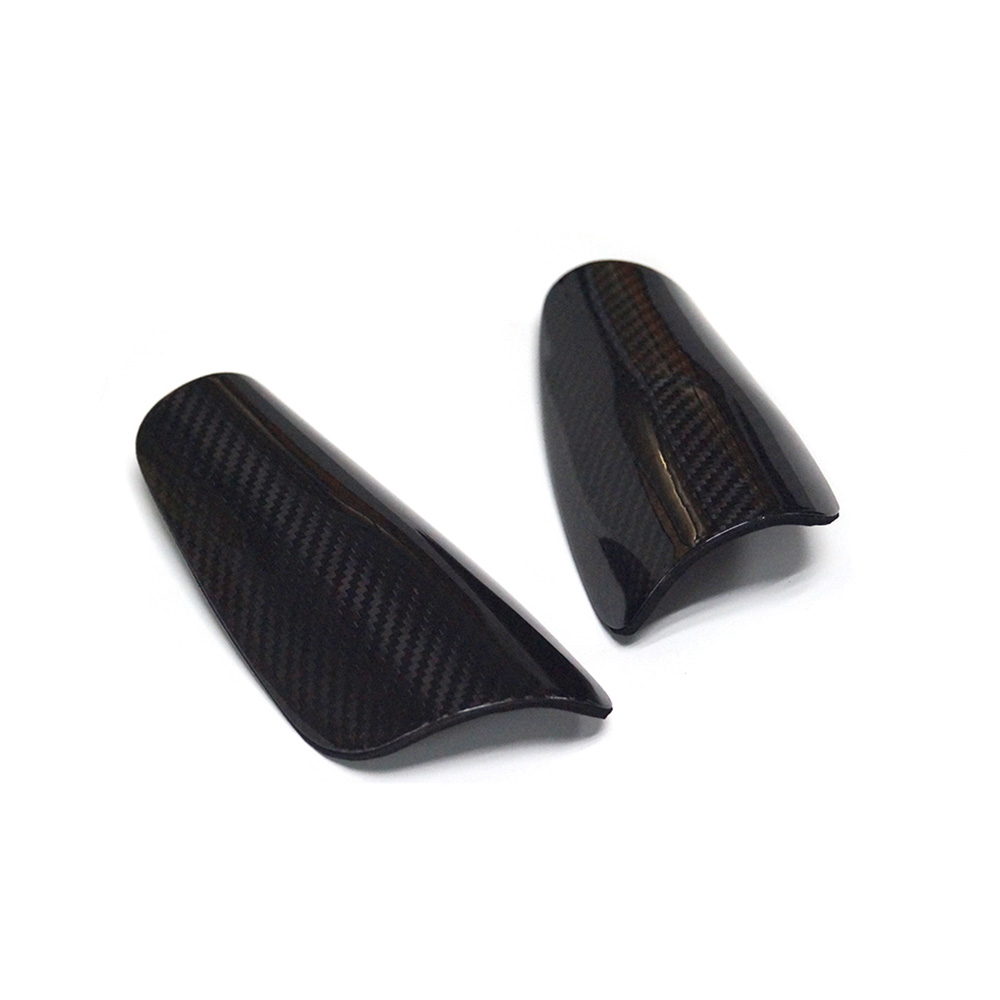
Carbon Fiber Shin Guards
Traditional polypropylene shin guards flex under impact, transferring kinetic energy toward the tibia. Carbon fiber shells resist deformation across the impact area and distribute load more evenly—while remaining thin enough (typically 0.6–1.2mm for sports-grade laminates, depending on specification) to stay lightweight and follow leg geometry with appropriate backing foam.
Our shin guard shells are manufactured in three specification grades:
| Grade | Fiber Specification | Shell Thickness | Target Application |
|---|---|---|---|
| Entry Sport | 3K plain weave | 1.0–1.2mm | Amateur clubs, academies |
| Performance | 3K twill + UD reinforcement | 0.8–1.0mm | Semi-professional, regional leagues |
| Elite | T700 UD prepreg | 0.6–0.8mm | Professional clubs, national teams |
Custom ankle guard integration, sock sleeve attachment systems, and molded ankle protectors are available as add-on modules for complete system development.
Additional protective and wearable products include:
- Carbon fiber brace components and ergonomic support parts
- Carbon fiber lightweight armor and impact distribution panels
- Carbon fiber protective shells for helmet and body armor applications
- Carbon fiber racing shoe inserts and custom protective gear
For all wearable protective products, edge smoothness, inner surface finish, ergonomic shaping, and compatibility with foam, fabric, straps, and adhesive films are manufacturing requirements reviewed at the design stage.
Footwear Performance Components
Carbon Fiber Insoles, Plates & Shoe Inserts
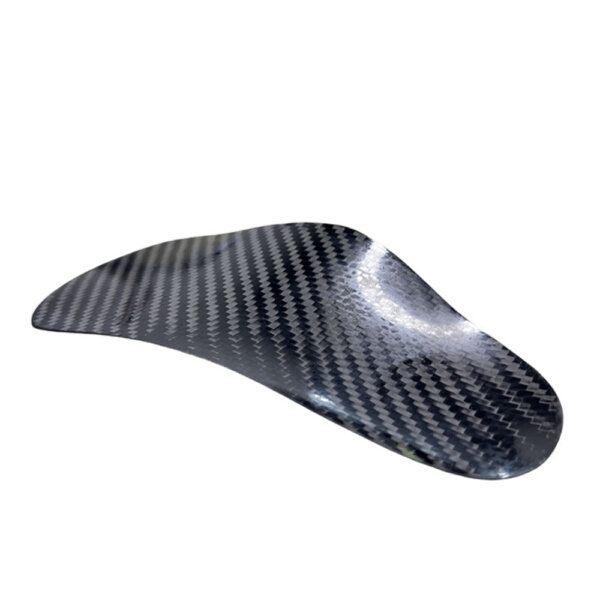
Carbon fiber footwear plates stiffen the longitudinal axis of the shoe, reducing energy lost to midfoot flexion during push-off. Plate stiffness should be calibrated to the intended user profile—runner mass, cadence, shoe stack height, and sport type—as a plate optimized for one application will not necessarily perform well in another. This is a design specification variable that should be confirmed at the project engineering stage.
We manufacture plates in:
- Full-length plates — Heel-to-toe coverage for marathon, road racing, and walking applications
- ¾-length plates — Forefoot-focused designs for sprint, track, and court sports
- Custom geometry plates — Engineered to client-specified flex profiles; finite element analysis (FEA) is available as a design support service
Standard thickness range: 0.8mm to 2.5mm. Fiber orientations from balanced 0°/90° to optimized angle-ply layups, reviewed based on biomechanical load path requirements.
Advanced Material Option: Forged Carbon Fiber
Beyond standard woven and unidirectional laminates, we offer forged carbon fiber manufacturing—a process that uses chopped carbon fiber strands compression-molded with epoxy resin into complex three-dimensional net-shape forms. Forged carbon is particularly suited for sports applications requiring complex 3D geometry, high-volume production efficiency, or a distinctive visual aesthetic that positions a product at a premium price point.
Materials, Fiber Grades & Layup Options
Most carbon fiber purchasing decisions are made without a clear understanding of the material options available. This produces over-specified products (unnecessary cost), under-specified products (premature field failures), and missed performance opportunities. Below is the technical framework our engineering team uses when reviewing a new sports OEM project.
Carbon Fiber Grade Selection
| Fiber Grade | Tensile Modulus | Tensile Strength | Typical Sports Application |
|---|---|---|---|
| T300 | 230 GPa | 3,530 MPa | Entry-level frames, economy plates, general outdoor poles |
| T700 | 230 GPa | 4,900 MPa | Performance cycling, shin guards, snowboard skins, fishing rods |
| T800 | 294 GPa | 5,490 MPa | Elite cycling frames, premium racing components |
| M40J | 377 GPa | 4,410 MPa | Ultra-stiff applications: golf shafts, arrow shafts, precision equipment |
T700 and T300 share equivalent modulus, but T700 delivers approximately 39% higher tensile strength—making T700 the more appropriate specification for most performance sports applications where fatigue life and impact resistance are priorities.
Fabric Architecture Selection
| Architecture | Key Characteristics | Best Sports Application |
|---|---|---|
| 3K Plain Weave | Balanced in-plane properties, high drapeability | Complex curved shells: protective armor, helmet liners |
| 3K Twill (2×2) | Excellent surface finish, good drapeability | Aesthetic surfaces: bike frames, skateboard decks, paddle faces |
| Unidirectional (UD) | Maximum stiffness along fiber axis | Load-path-specific reinforcement: insoles, frame tubes, fishing rod blanks |
| Biaxial (±45°) | High torsional stiffness | Tubes requiring twist resistance: ski poles, seatposts, paddle shafts |
| Multiaxial NCF | Tailored multi-axis properties, no fiber crimp | Structural panels: snowboard skins, board reinforcement plates |
| Hybrid CF/Glass | CF stiffness + glass impact tolerance | Protective gear, board sports requiring impact energy absorption |
In practice, most high-performance sports products use a hybrid layup: UD plies at primary load paths for stiffness efficiency, with woven fabric at external surfaces for damage tolerance and surface aesthetics.
Manufacturing Process Options
Different sports and outdoor products require different manufacturing methods. Process selection is based on product geometry, structural requirement, target quantity, performance target, and unit cost.
| Process | Typical Fiber Volume Fraction | Surface Quality | Relative Unit Cost | Best Sports Application |
|---|---|---|---|---|
| Autoclave Prepreg | 58–65% | ★★★★★ | Highest | Elite bike frames, competition snowboards |
| Oven-Cure Prepreg | 55–62% | ★★★★☆ | High | Performance sports shells, shin guards, protective parts |
| Roll-Wrapping | 50–60% | ★★★★☆ | Medium | Fishing rods, ski poles, paddle shafts, bike tubes |
| Pultrusion | 55–65% | ★★★☆☆ | Low (high volume) | Tent poles, arrow shafts, standard rods, reinforcement strips |
| Compression Molding | 45–55% | ★★★☆☆ | Low–Medium | High-volume shin guards, skateboard decks, forged CF parts |
| Vacuum Infusion | 50–58% | ★★★★☆ | Medium | Large panels, snowboard components, surfboard reinforcement |
| CNC-Cut Plates | Pre-cured plate stock | ★★★★☆ | Low | Flat reinforcement parts, protective inserts, skateboard plates |
Fiber volume fraction (FVF) explained: Higher FVF means more carbon fiber per unit volume and typically better mechanical properties per unit weight. Autoclave-cured components generally achieve higher FVF than wet-layup processes, which is one reason autoclave manufacturing is associated with better structural consistency in high-performance applications.
Roll-wrapping versus pultrusion for poles and shafts: Roll-wrapping allows custom fiber angles, tapered outside diameter profiles, and variable wall thickness—making it the appropriate process for fishing rods, ski poles, and paddle shafts where stiffness tuning and taper geometry are required. Pultrusion is more economical for uniform-section rods and profiles—tent poles, arrow shafts, reinforcement strips—where a fixed cross-section is acceptable and volume is sufficient to justify the process.
Stiffness, Flex & Layup Design for Sports Products
Sports products often require more than simple strength. How a product flexes, rebounds, absorbs impact, or transfers energy directly affects user experience and market acceptance.
A fishing rod needs controlled flex and tactile sensitivity. A ski pole needs axial stiffness and impact tolerance. A bicycle handlebar needs torsional stiffness, clamp strength, and vibration response. A protective shin guard needs impact resistance, ergonomic shape, and smooth edges. A pickleball paddle face needs surface rigidity, core bonding integrity, and consistent rebound. A board product may need a specific flex pattern and defined torsional response.
Depending on the product, layup design may include:
- 0° fiber for axial stiffness
- 90° fiber for hoop strength and cross-direction stability
- ±45° fiber for torsional and twisting load resistance
- UD reinforcement layers for directional stiffness at specific load paths
- Woven outer layers for surface appearance and balanced handling
- Hybrid carbon/fiberglass layers for impact energy absorption
- Foam, wood, or honeycomb core bonding for sandwich panel structures
There is no universal “best” carbon fiber layup. The correct structure depends on product function, user load profile, weight target, stiffness requirement, and the selected manufacturing process. Our engineering team reviews these variables before recommending a layup approach.
Surface Finish & Outdoor Durability
Sports and outdoor gear regularly faces UV exposure, sweat, humidity, saltwater, dirt, repeated handling, impact, and friction. Surface finish is both a functional protection requirement and an aesthetic specification.
Common finish options we supply:
- Gloss UV-resistant clear coat — standard recommendation for outdoor use
- Matte or satin clear coat — preferred for grip areas and low-reflection applications
- Raw carbon finish — suitable for hidden structural components
- Painted and anti-chip edge treatment
- Anti-slip texture for grip surfaces
- Sealed tube ends for poles and marine components
- Laser logo marking
- In-mold graphic decoration
- Branded surface label application
For outdoor and water-exposed products, we typically recommend a UV-stabilized clear coat and fully sealed tube ends, with corrosion-resistant insert materials specified at the design stage. Actual UV durability depends on the specific coating system, application environment, and maintenance conditions; performance under particular conditions should be confirmed during sample approval. For wearable protective gear, edge finish quality and inner surface smoothness are especially important—rough edges on shin guards, insoles, or braces create user comfort issues that affect product reputation in the field.
OEM/ODM & Private Label Support
We support custom carbon fiber sports and outdoor products for OEM buyers, ODM product developers, private label brands, distributors, and sports teams.
OEM — Your Design, Our Manufacture
If your engineering team holds 3D CAD files or engineering drawings, our role is precision manufacturing execution. We review your files for carbon fiber manufacturability, flag any design constraints (minimum bend radii, draft angles, parting line placement, insert accessibility), and execute production to your specification.
You provide: STEP/IGES 3D files or 2D drawings, material specification, surface finish standard, test requirements We deliver: Tooling, prototypes for approval, mass production, QC documentation, pre-shipment inspection reports
ODM — Our Design Platform, Your Brand
If you are entering the carbon fiber sports market without existing product designs, we offer design-and-manufacture services built on our existing platform designs. We hold baseline designs for most product categories that can be modified for your performance specification, branded with your visual identity, and brought to market at lower non-recurring engineering cost than ground-up custom development.
Typical ODM Project Timeline:
| Phase | Typical Duration | Deliverable |
|---|---|---|
| Technical Brief & Specification Confirmation | 3–5 days | Confirmed spec sheet |
| Design Adaptation & Engineering Review | 5–10 days | Revised drawings |
| Tooling / Mold Fabrication | 10–20 days | Approved mold |
| Prototype Production | 5–10 days | 2–5 physical samples |
| Sample Testing & Customer Approval | 5–15 days | Signed-off first article |
| Mass Production | Per agreed schedule | Production parts + QC documentation |
Timelines are project-dependent and subject to product complexity and tooling requirements.
Private Label Support
We manufacture without Chinacarbonfibers branding by default. Custom logos, branded labels, printed packaging, and full white-label arrangements are available. All tooling developed to a client’s proprietary design remains the client’s intellectual property.
Indicative Minimum Order Quantities
| Product Category | Prototype MOQ | Mass Production MOQ |
|---|---|---|
| Cycling Frames | 1–3 units | 50 units |
| Snowboards | 1–3 units | 30 units |
| Ski Poles | 5–10 units | 100 units |
| Fishing Rods / Marine Poles | 3–5 units | 100 units |
| Shin Guards | 3–5 pairs | 100 pairs |
| Shoe Insoles / Plates | 5–10 units | 200 units |
| Skateboard / Longboard Decks | 1–3 units | 50 units |
| Pickleball Paddle Faces | 5–10 units | 100 units |
| Custom Tubes & Poles | 3–5 units | 100 units |
| Custom Molded Components | 1–3 units | 50–100 units |
MOQs are indicative. Actual requirements depend on product complexity, tooling cost, and process. We do not require large upfront commitments from first-time partners.
Indicative Production Capacity
| Product Category | Typical Monthly Capacity | Typical Mass Production Lead Time |
|---|---|---|
| Cycling Frames | 500–800 units | 30–45 days |
| Snowboards | 300–600 units | 25–40 days |
| Fishing Rods / Poles | 2,000–5,000 units | 20–35 days |
| Shin Guards | 3,000–8,000 pairs | 20–30 days |
| Shoe Insoles / Plates | 5,000–15,000 units | 15–25 days |
| Skateboard Decks | 1,000–3,000 units | 20–35 days |
| Custom Molded Parts | Project-dependent | 25–60 days |
Capacity figures are typical ranges. Actual availability depends on production schedule at time of order.
Quality Control for Sports & Outdoor Gear
Our quality system operates on a stage-gate model throughout the production process, not a final-inspection-only approach.
Incoming material QC: Fiber areal weight verification (target ±3% of specification), resin content verification by burn-off testing, certificate of conformance review for each prepreg roll or resin batch.
In-process QC: Ply count and orientation verification at each layup stage, cure cycle monitoring via embedded thermocouples or process data logging, dimensional check on first-off parts before batch production continues.
Outgoing QC: Visual inspection under controlled lighting, weight verification, dimensional inspection (100% for complex components, AQL sampling for high-volume production), flex or stiffness consistency check, surface coating quality inspection, edge finish assessment for wearable products, and logo or marking position review. Ultrasonic C-scan inspection is available for structurally critical components on request.
For repeat OEM/ODM production, inspection standards are based on mutually approved first-article samples. Pre-shipment photos are provided as standard; third-party inspection can be accommodated.
Why Work With Chinacarbonfibers
We are not the only carbon fiber manufacturer in China. Here is an honest assessment of what we offer.
Over 25 years of composite manufacturing experience. Operating since 1998, our process knowledge covers the full evolution of prepreg systems, cure monitoring technology, and tooling materials. That experience is reflected in how we design layups, manage tooling, and anticipate failure modes—not just in how we describe ourselves.
Composite engineering across multiple demanding sectors. Our manufacturing experience extends beyond sports equipment into carbon fiber automotive parts and carbon fiber motorcycle components. This cross-sector engineering background means our team understands structural loading, fatigue behavior, and surface durability requirements that go beyond what sports-only factories encounter.
Full process range under one roof. From compression molding and roll-wrapping to autoclave prepreg—we work across the full spectrum of carbon fiber manufacturing technologies. This means we can honestly recommend the process that fits your performance requirement and budget, rather than defaulting to whatever our facility happens to be built around.
Transparent commercial terms. MOQs, lead times, and typical capacity ranges are published on this page. We do not use information asymmetry as a commercial negotiation tool.
English-language technical team. Project management, engineering reviews, and QC documentation are conducted directly in English throughout the project lifecycle. You can explore the full scope of our custom carbon fiber manufacturing capabilities across all product sectors on our website.
Technical FAQ
Can you manufacture products designed to meet specific test standards or performance requirements?
We can manufacture according to customer-provided test requirements, performance targets, and design specifications. For regulated sports products—protective gear, cycling components, footwear—the customer is responsible for confirming the applicable EN, ASTM, CPSC, or local compliance requirements before production begins. We manufacture to the specifications provided; product certification and compliance testing are the customer’s responsibility unless otherwise agreed in writing.
Can you adjust stiffness or flex for fishing rods, ski poles, insoles, or board products?
Yes. Stiffness and flex can be adjusted by modifying fiber orientation, ply count, wall thickness, tube diameter, core material, and resin system. For performance-sensitive products, physical sample testing and customer-approved flex measurement are recommended before mass production sign-off. Typical stiffness targeting requires 2–3 prototype iterations for tight-tolerance specifications.
What is the difference between roll-wrapping and pultrusion for poles and shafts?
Roll-wrapping allows custom fiber angles, tapered outside diameter profiles, and variable wall thickness—making it the appropriate process for fishing rods, ski poles, and paddle shafts where stiffness tuning and taper geometry matter. Pultrusion is more economical for uniform-section rods and profiles (tent poles, arrow shafts, reinforcement strips) produced in sufficient volume to justify the process tooling.
How do you control warpage in thin-shell sports parts?
Warpage in thin carbon fiber shells originates from residual cure stress. We manage this through symmetric layup sequences, controlled cure cycle ramp rates, and post-cure fixturing where required. For dimensionally critical parts, fixturing and dimensional verification are part of the first-article approval process.
What surface protection do you recommend for outdoor sports products?
For outdoor use, we typically recommend a UV-stabilized clear coat and fully sealed edges or tube ends. Actual durability depends on the specific coating system, exposure conditions, and maintenance. Surface protection specifications should be confirmed during the sample approval stage based on your target end-use environment.
What fiber architecture works best when both stiffness and impact resistance are required?
These requirements are partially in tension: high-stiffness UD laminates have relatively limited in-plane impact resistance because cracks propagate along fiber boundaries under transverse loading. The standard approach is a hybrid layup—UD plies at the primary load path for stiffness, with woven fabric or aramid fiber at external layers for damage tolerance. The outer woven layers blunt crack propagation and help prevent delamination spreading under impact. This architecture is used in our performance cycling frames, competition shin guards, and structural protective panels.
Can you manufacture products from samples or photos without 3D files?
Yes. We can review physical samples, photos with key dimensions, 2D drawings, or 3D scan data to evaluate mold making, material selection, and production feasibility. For complex molded parts, 3D files produce the most accurate quotation; for tubes, poles, and flat plates, dimensional drawings are sufficient to begin.
What files are needed for an accurate quotation?
For molded parts: STEP/IGES file or sample + material specification + target quantity. For tubes and poles: outer diameter, wall thickness, length, stiffness requirement, surface finish, and quantity. For flat CNC-cut parts: DXF or 2D drawing with hole positions and tolerances. If no engineering files exist, a photo with key dimensions and a product description is sufficient for a preliminary feasibility review.
What quality inspection is standard before shipment?
Standard outgoing inspection includes visual surface check, weight verification, dimensional sampling, flex or stiffness consistency check where applicable, surface coating inspection, and AQL-based defect sampling. Destructive structural testing (3-point bend, impact, peel) is available as an additional service. Third-party inspection at our facility can be accommodated on request.
What to Send Us for a Quotation
To review your project accurately, please provide as much of the following as available:
- STEP / STP 3D files, or DXF cutting files for flat parts
- 2D engineering drawings with key dimensions
- Original samples or reference products
- Photos with annotated key dimensions
- Product application and intended end-use
- Target weight
- Required stiffness, flex class, or hardness
- Impact resistance or protection requirement
- Surface finish standard
- Logo and branding requirements
- Packaging requirement
- Quantity targets — prototype and estimated annual volume
- Any applicable test standard or regulatory requirement
If no engineering files exist, a product description, reference image, and basic dimensions are sufficient to begin a feasibility discussion. We will respond with an initial assessment and any clarifying questions within one business day.
Get a Quote for Custom Carbon Fiber Sports Gear
We work with sporting goods brands, sports technology companies, professional teams, outdoor product developers, and private label buyers at every stage—from pre-revenue concept validation to established production programs.
Contact our sports & outdoor OEM team:
- 📧 Email: [email protected]
- 📱 WhatsApp / Phone: +86 136 2619 1009
- 🕐 Response time: Within 1 business day
Send us your drawings, samples, reference photos, or product requirements. Our engineering team will review material selection, layup options, process fit, tooling cost, surface finish, MOQ, and production feasibility before providing a detailed quotation.
Chinacarbonfibers — Custom Carbon Fiber Manufacturing Since 1998 Serving brands in North America, Europe, Australia, and Southeast Asia