
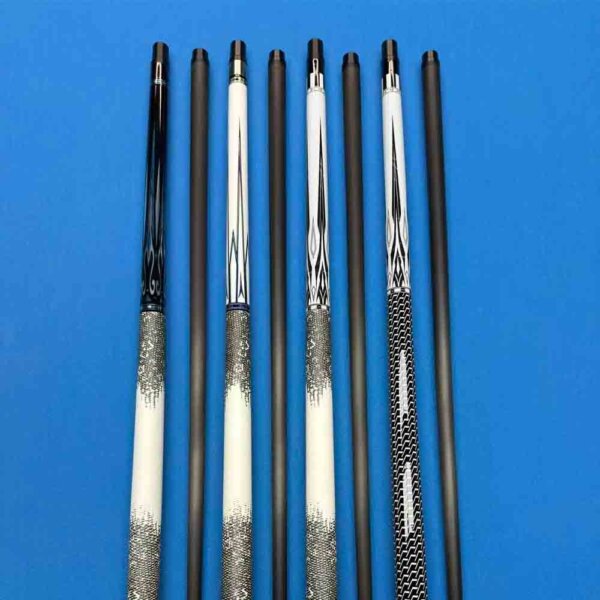
Custom Carbon Fiber Consumer & Lifestyle Products
OEM/ODM manufacturing for carbon fiber consumer products, lifestyle accessories and premium composite design goods. Private label support, prototype to batch production.
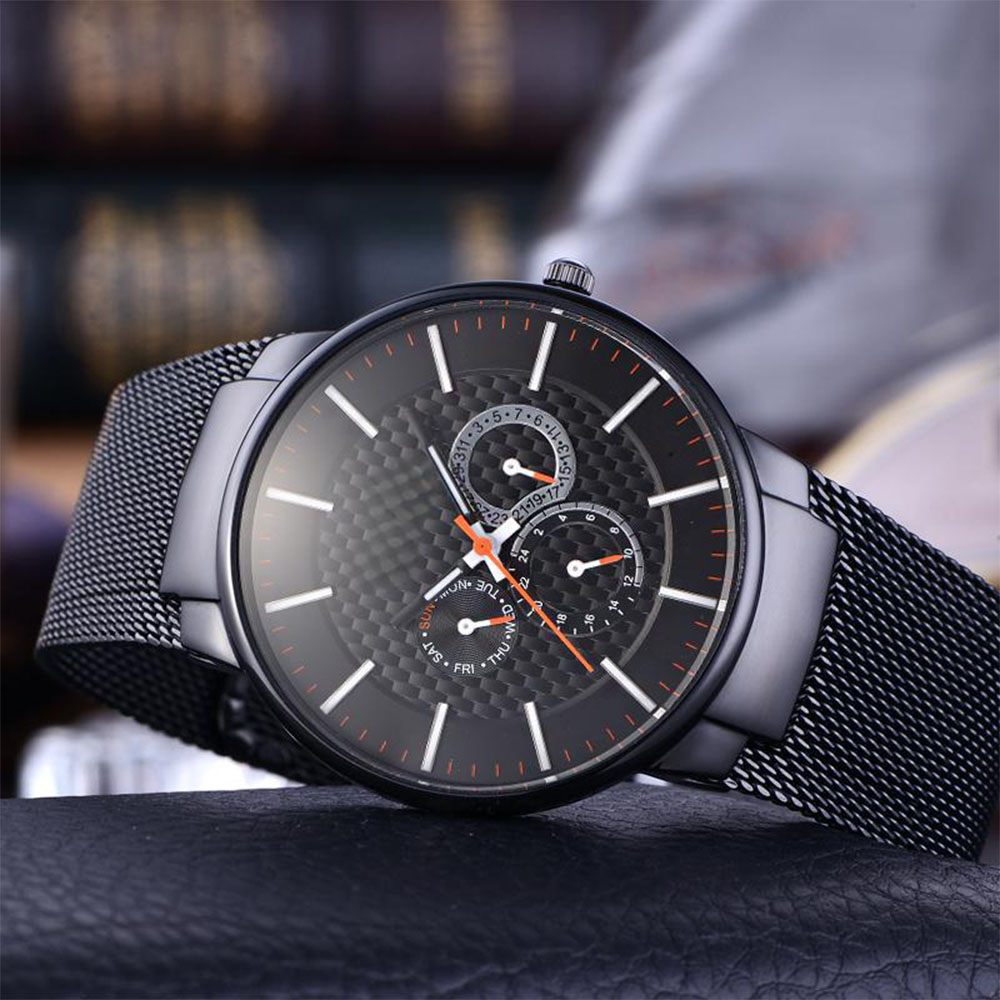
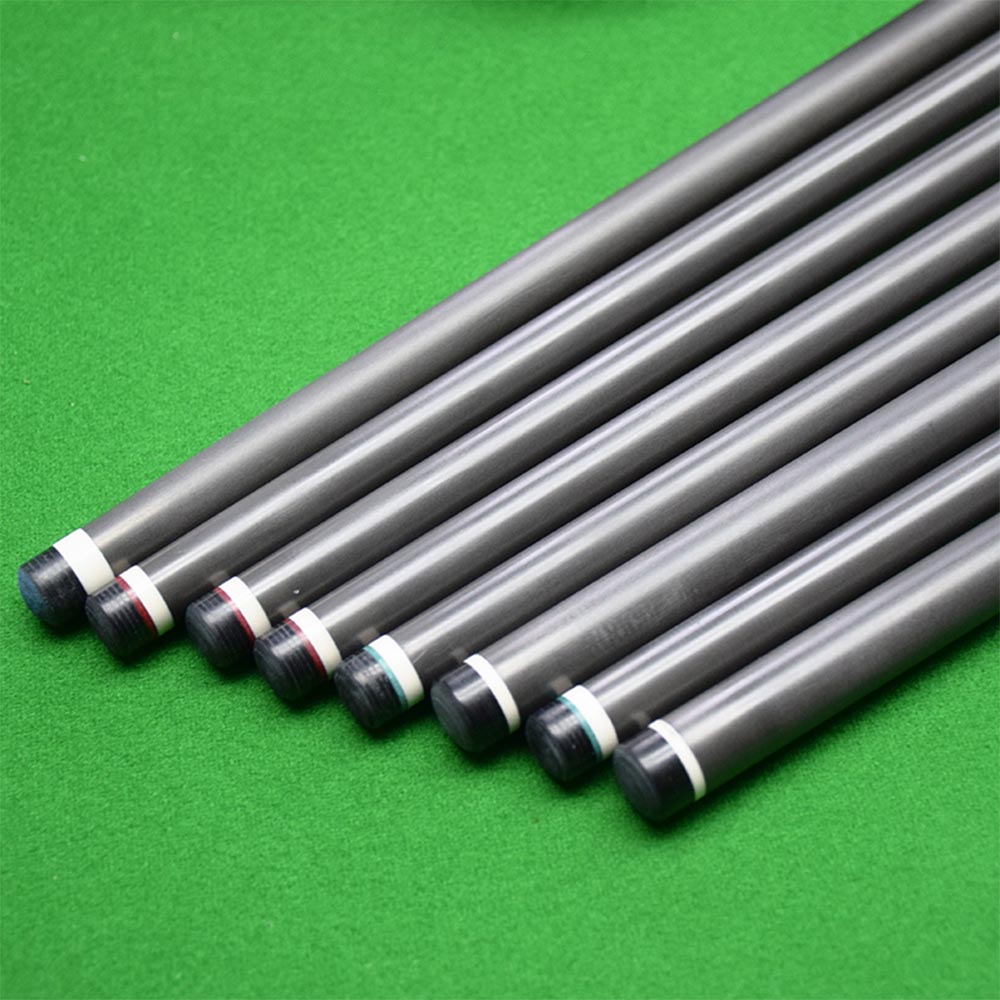
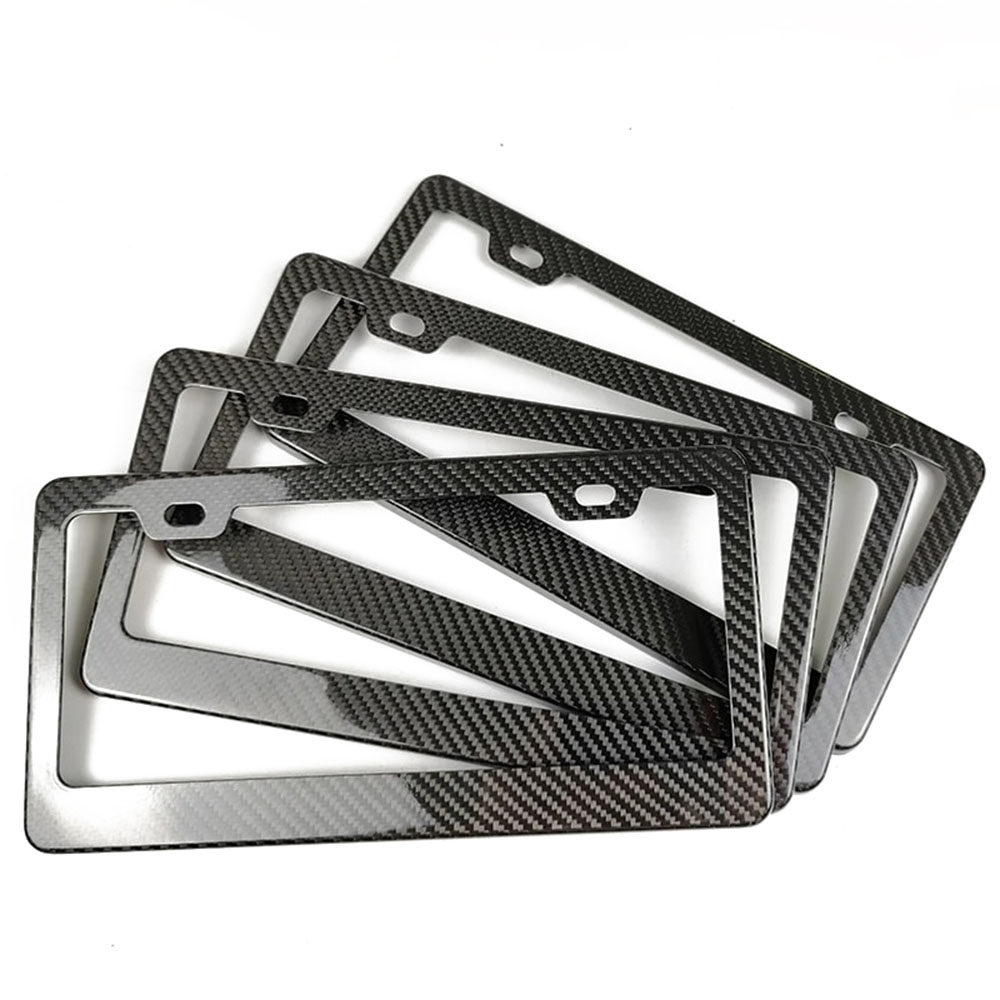
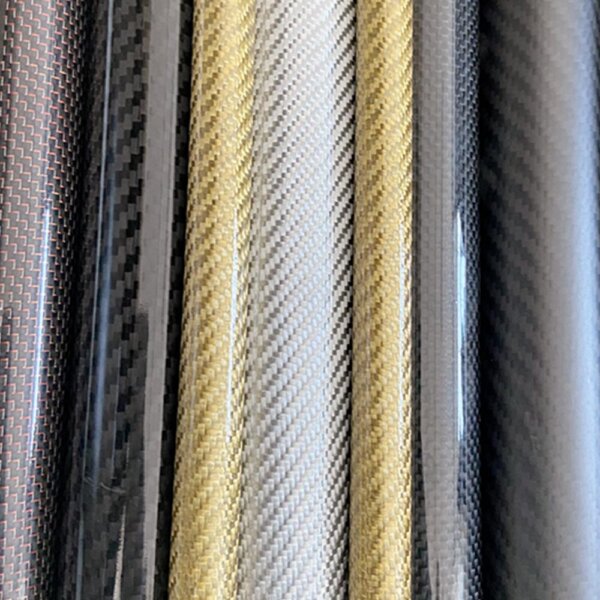
Custom Carbon Fiber Consumer Product Manufacturing
As a carbon fiber manufacturer with over 28 years of production experience, we produce custom carbon fiber consumer products and lifestyle accessories for international brands, designers, distributors, product developers and private label buyers.
Consumer and lifestyle carbon fiber products operate under a different set of priorities than industrial or automotive parts. A carbon fiber wallet doesn’t need aerospace-grade tensile performance — but it does need to feel exactly right in someone’s hand, maintain a stable surface finish during daily handling, and arrive in packaging that reflects the brand behind it. In our factory, appearance, edge quality, surface consistency and brand presentation receive the same engineering attention as structural performance.
This distinction matters in production. Thin phone case blanks and lightweight bifold wallet blanks are both technically simple to laminate — but getting the surface to hold a consistent 3K twill pattern at those thicknesses, without pinholes or resin-starved patches, requires controlled prepreg layup and precise cure temperatures. We have built those processes specifically for small, detail-sensitive consumer parts. For more on our manufacturing background and experience, including our factory capabilities and quality certifications, visit our About page.
Projects can start from STEP/STP files, 2D drawings, physical samples, design sketches, 3D scan data or reference photos with key dimensions.
Consumer Carbon Fiber Products We Manufacture
We support a wide range of custom carbon fiber lifestyle and consumer product applications. Depending on product geometry, structural requirement and order volume, parts can be produced using prepreg carbon fiber, compression molding, vacuum bagging, CNC-cut carbon fiber plates, forged carbon, wet layup or hybrid composite structures.
Common product types include:
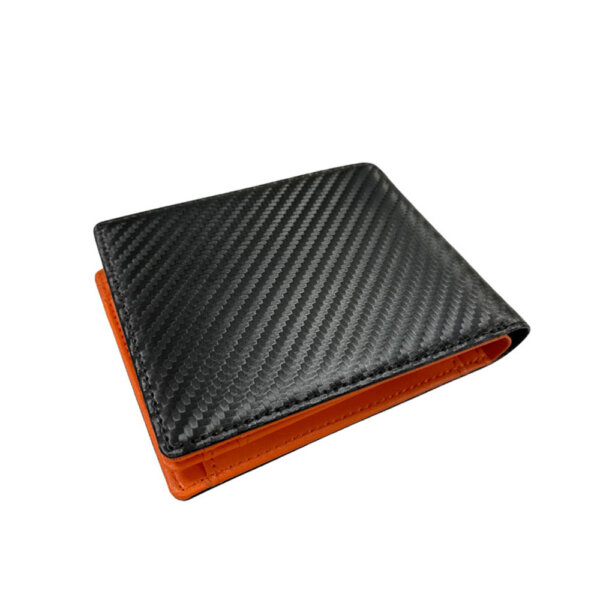
- Carbon fiber wallets and card holders
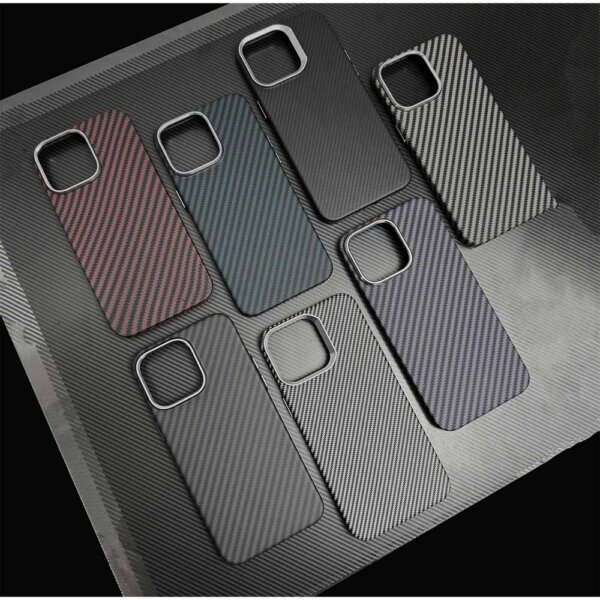
- Carbon fiber phone cases and back panels
- Carbon fiber watch bands and bezels
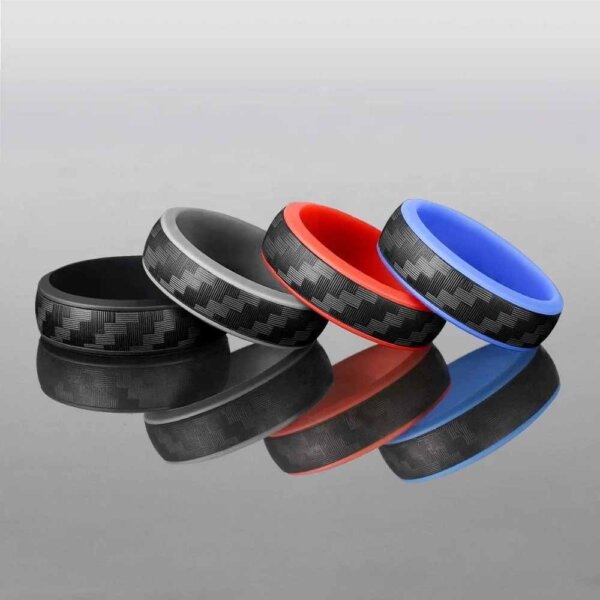
- Carbon fiber rings
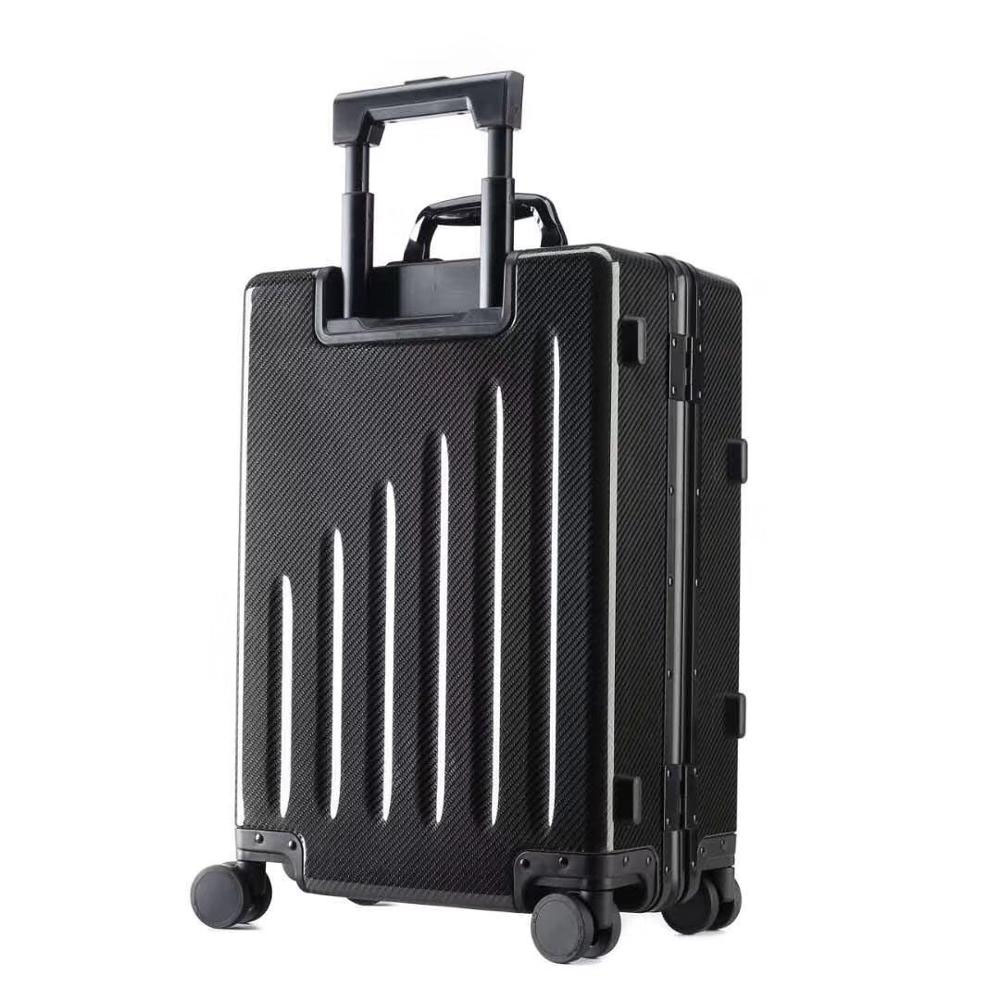
- Carbon fiber luggage hardware and trim parts
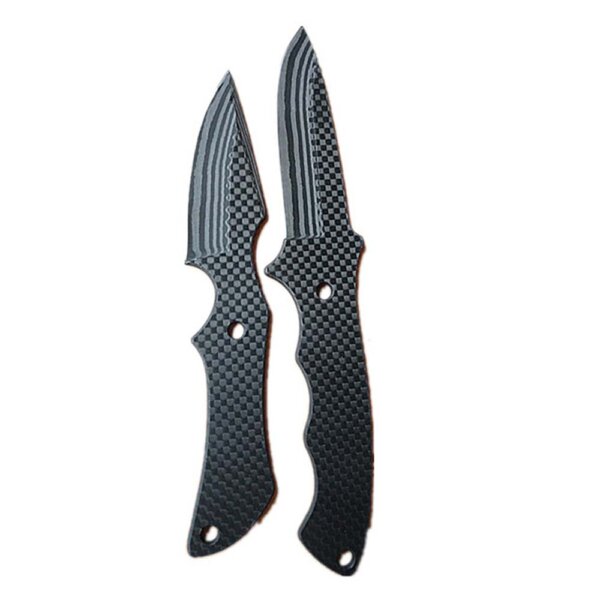
- Carbon fiber knife handles
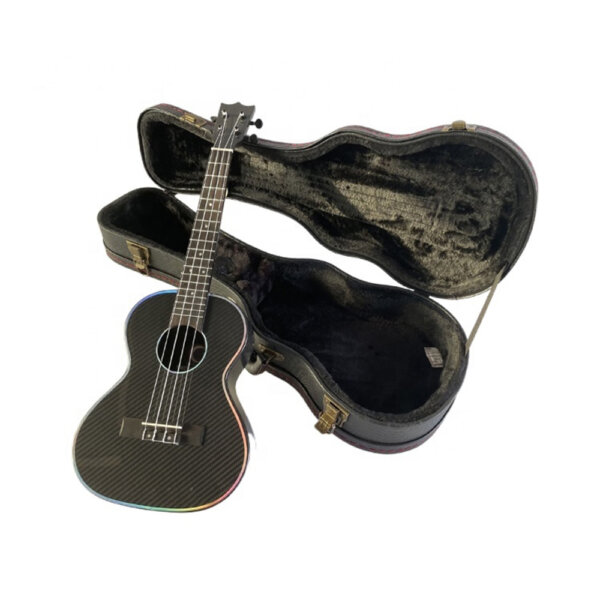
- Carbon fiber guitar parts and instrument panels
- Carbon fiber desk accessories
- Carbon fiber keychains
- Carbon fiber furniture details and decorative panels
- Carbon fiber bottle cages and holders
- Carbon fiber product shells and enclosures
- Carbon fiber luxury accessories
- Carbon fiber everyday carry (EDC) accessories
- Carbon fiber wearable products and fashion accessories
- Carbon fiber gift products and premium design goods
- Custom private label carbon fiber products
Beyond the part itself, we can support customized surface finish, logo marking, UV-protective clear coat, metal inserts, CNC edge trimming, adhesive backing, packaging coordination and assembly integration depending on the product design.
Materials and Process Options for Consumer Products
Not every consumer carbon fiber product needs the same material or process. Below is how we evaluate and recommend options for different product types.
3K Twill Prepreg — Standard for Visible Consumer Surfaces
3K twill is the most common choice for consumer-facing carbon fiber products because it produces a recognizable diagonal weave pattern and a clean, consistent surface appearance. In practice, 3K means each fiber bundle contains 3,000 filaments — a tighter weave than 12K, which results in a smoother surface with smaller resin pockets between tows. For wallets, phone cases, panels and accessories where the carbon fiber surface is the primary visual statement, 3K twill prepreg is usually our first recommendation.
For thin consumer parts (under 1.5mm), we typically use 3K twill as the outer surface layer over a UD (unidirectional) carbon fiber base. The UD base provides stiffness; the 3K surface delivers appearance. Skipping the UD base and using only 3K twill at thin gauges tends to produce parts that flex noticeably when handled — a common complaint on lower-grade consumer accessories.
Plain Weave Carbon Fiber — Cleaner Technical Look
Plain weave provides a more symmetrical technical look and can be suitable for smaller accessories, flat panels and products where a cleaner grid pattern is preferred over the diagonal character of twill.
Forged Carbon Fiber — Unique Visual for Molded Accessories
Forged carbon is made by pressing chopped carbon fiber strands in a compression mold. The result is a random, marbled pattern — no two parts are identical. It is well suited for small molded items like rings, knife handles, watch bezels and decorative accessories where a premium but distinctive appearance is the goal. The same forged carbon process we use for carbon fiber automotive interior parts — including gear shift knobs and trim components — is applied directly to consumer accessories, giving both product categories the same surface quality and structural consistency. Forged carbon also allows more complex 3D geometry than woven prepreg, as there is no fiber fabric to bridge or wrinkle.
One note from production: forged carbon parts often require more surface prep work than woven prepreg before clear coat, because the random fiber orientation creates small surface pockets. We factor this into lead time for forged carbon products.
CNC-Cut Carbon Fiber Plate — Precision Flat Parts
For flat or near-flat products — card holders, decorative panels, brackets, inlays and similar items — we can CNC cut, drill, chamfer and polish from pre-laminated carbon fiber plate to your drawing. This is typically faster and lower in tooling cost than a full mold, and is suitable for prototypes or lower-volume orders where custom mold investment is not yet justified.
Plate thickness options range from 0.5mm to 20mm. For consumer products, 1mm to 3mm plates are most common.
Hybrid Composite Structures
Some consumer products require carbon fiber combined with other materials. Watch bands may need a flexible inner layer. Knife handles may integrate full-tang steel through the composite. Luggage hardware may require aluminum inserts for load-bearing points. We work with fiberglass, aramid, foam core, adhesive film, leather, stainless steel, titanium and plastic depending on the product design and assembly requirement.
Surface Finish Options
For daily-use consumer products, surface finish is not purely aesthetic — it directly affects scratch resistance, perceived quality and long-term appearance. These are the options we offer:
Gloss clear coat — High-clarity finish that emphasises the weave pattern. Most visually striking, but shows fingerprints and fine scratches over time.
Matte clear coat — Low-reflection finish that feels softer to the touch. Preferred for everyday carry items like wallets and phone cases where fingerprint resistance matters.
Satin finish — Between gloss and matte. Provides clarity without the reflectivity of full gloss.
Raw carbon finish — Unsealed surface. Suitable for industrial or interior applications, not recommended for consumer products that will be handled daily.
Forged carbon appearance — Available in both gloss and matte, applied over forged carbon blanks.
Painted edge finish — CNC-trimmed edges can be painted, clear-coated or polished depending on the application.
Logo marking options — Laser engraving into the clear coat or carbon surface, CNC-engraved recess filled with pigment, adhesive metal badge, screen print under clear coat. We recommend discussing logo position in the design phase, as some marking methods require a flat, accessible surface.
For products with daily handling, we apply a 2K polyurethane clear coat as the standard protective finish. UV-cured acrylic coatings are also available and offer faster production cycles, though 2K PU provides better long-term scratch resistance for most consumer product applications.
OEM/ODM and Private Label Support
We support OEM and ODM carbon fiber consumer product development for brands, online stores, distributors and product companies that need consistent appearance, private label presentation and repeat manufacturing.
OEM support covers parts produced to your drawings, files, specifications or samples. We manufacture to your standard.
ODM support includes product structure review, material and process recommendation, mold design input, prototype production and refinement before scaling to batch production.
For private label products, we can coordinate branded packaging, logo placement, colour accents and product inserts according to your brand guidelines. Customers provide logo artwork, packaging dieline files and brand standards; we handle production and coordinate pre-shipment inspection.
Repeat production runs benefit from retained tooling, documented process parameters and fixed inspection standards so that unit two hundred matches unit one.
Quality Control for Consumer Carbon Fiber Products
Consumer products require tighter appearance inspection than most industrial parts, because end users handle and examine the product closely. For lifestyle accessories and private label products, visual consistency across a production batch is critical.
Standard inspection points include:
- Carbon fiber surface appearance and weave direction consistency
- Gloss, matte or satin finish quality — no orange peel, runs or uneven sheen
- Edge trimming and polishing — no sharp edges, delamination or fraying
- Hole and slot position relative to drawing tolerance
- Logo position and marking quality
- Clear coat thickness and adhesion
- Part weight check (within ±5% of approved sample)
- Fitment with metal inserts, snap components or mating parts
- Packaging inspection for private label orders
For new products, we produce a First Article Inspection report against the approved drawing before releasing batch production. For repeat orders, inspection is conducted against the approved first article sample.
How to Start a Custom Carbon Fiber Consumer Product Project
We recommend sending as much technical information as possible in the first enquiry so we can evaluate mold feasibility, material choice, unit cost and lead time without back-and-forth delays.
Most useful information to include:
- STEP / STP 3D files (preferred for molded parts)
- 2D drawings with key dimensions and tolerances
- Physical sample or reference product
- Photos with dimensions annotated
- Weave style preference (3K twill, plain weave, forged carbon)
- Surface finish requirement (gloss, matte, satin)
- Logo position and marking method
- Metal insert or assembly requirements
- Estimated annual order quantity
- Packaging and private label requirement
- Target quality level (retail, premium retail, luxury)
If you are at an early concept stage with only a reference image or rough sketch, we can provide a preliminary feasibility assessment and identify what additional information is needed before quoting.
Typical project timeline for a new consumer product:
- Tooling and mold production: 2–4 weeks depending on part complexity
- First article samples: 1–2 weeks after mold completion
- Approved batch production: 2–4 weeks depending on quantity
- Express prototyping without production tooling: 5–10 working days for CNC-cut or simple molded samples
Applications: Consumer and Lifestyle Carbon Fiber Products
Everyday Carry Accessories
Carbon fiber wallets, card holders, money clips, carbon fiber EDC accessories, keychains and phone cases for daily use. These products benefit from matte clear coat, precise CNC edge finishing and low overall weight. A lightweight bifold wallet blank may typically weigh around 22–28g depending on laminate thickness, hardware and structure, though actual weight varies by project.
Fashion and Wearables
Carbon fiber rings, watch bands, eyewear components, bracelet inserts, luggage hardware and carbon fiber wearable products. For fashion accessories and wearables, edge finish and surface smoothness are especially important as the product is in constant contact with skin. Forged carbon and 3K twill are both commonly used in this category. Carbon fiber luxury accessories — including premium rings, cuff links and bracelet components — are also an active area of demand from high-end product developers.
Design and Interior Products
Carbon fiber furniture details, desk accessories, custom carbon fiber product shells and enclosures, display components and decorative panels. These applications often use CNC-cut plate, which allows flexibility in shape without the cost of custom tooling for low-volume interior design or product development projects. Product developers building premium tech accessories, speaker housings or display stands frequently use this route for early-stage prototypes.
Musical and Hobby Products
Carbon fiber guitar parts (headplates, truss rod covers, back panels, fret boards), knife handles, collectors’ items and hobby components. Carbon fiber is selected here for its stability — unlike wood, it does not warp or shift with humidity and temperature changes, which is a functional benefit for instruments and precision tools.
Private Label Products
Custom carbon fiber lifestyle products developed for brands, online retailers, premium gift companies and distributors who require consistent quality, custom branding and reliable repeat supply. Carbon fiber gift products — branded accessories, limited-edition collectibles and premium packaging sets — are a growing segment among direct-to-consumer brands looking for a distinctive material identity.
Why Brands Choose Carbon Fiber for Consumer Products
Carbon fiber is selected for consumer and lifestyle products when the combination of low weight, premium appearance and modern material identity justifies the manufacturing cost relative to metal, wood or plastic alternatives.
Key advantages in consumer applications:
- Lightweight — 3K twill prepreg carbon fiber has a density of approximately 1.55 g/cm³, compared to 2.7 g/cm³ for aluminium and 7.8 g/cm³ for steel
- Premium visual identity — the woven pattern is immediately recognisable as a performance material and is strongly associated with motorsport, aerospace and high-end equipment. It is the same material we use across our carbon fiber motorcycle parts range, where visual identity and weight savings are equally important
- Dimensional stability — carbon fiber composites have low moisture absorption and good dimensional stability when properly designed and finished
- Corrosion resistance — no rust, no oxidation, suitable for products exposed to sweat, humidity or outdoor conditions
- Customisable appearance — weave pattern, finish, colour accents and surface texture can all be specified
- Compatible with metal, leather and other materials — hybrid construction is common in watch bands, knife handles and luxury accessories
Actual product performance depends on laminate design, resin system, fiber grade, surface coating quality and edge finishing. We are happy to discuss material selection for your specific product before quoting.
FAQ
What is the minimum order quantity for custom carbon fiber consumer products?
MOQ depends on the product type and manufacturing process. For CNC-cut plate products (card holders, flat panels, brackets), MOQ can be as low as 10–20 pieces. For molded consumer products requiring custom tooling, MOQ is typically 50–200 pieces depending on part size and tooling amortisation. Prototypes and first article samples are available before committing to production quantities.
How much does a custom mold cost for a carbon fiber consumer product?
Tooling cost depends on part geometry, size and required surface finish. As a reference, a simple wallet or phone case mold may often range from USD 200 to USD 2,500, depending on geometry, surface requirement and mold structure. Complex shapes with undercuts, multi-cavity tooling or tight-tolerance insert molds will be higher. We provide a tooling cost estimate as part of the initial quotation. Final tooling cost is project-dependent and confirmed after reviewing drawings or samples.
Can you match a sample or reference product from another supplier?
Yes. Send us the physical sample or reference images with dimensions and we can evaluate material specification, laminate structure, finish type and geometry to produce a comparable product. We will identify any differences in construction that may affect the quote.
Can you combine carbon fiber with leather, metal or other materials?
Yes. Carbon fiber can be bonded, riveted or mechanically fastened to leather, stainless steel, titanium, aluminium, brass and plastic components. Watch bands, knife handles and luggage accessories frequently use hybrid construction. We review assembly method and bonding requirements during the design phase.
What carbon fiber finish holds up best for everyday carry products?
For products handled daily — wallets, phone cases, keychains — we recommend a matte 2K polyurethane clear coat. Matte surfaces hide fingerprints better than gloss and maintain appearance longer with normal use. Gloss clear coat is better suited for display items or accessories that are not handled constantly.
Can you add logos or branding to the carbon fiber surface?
Yes. We support laser engraving, CNC-recessed logo fill, adhesive metal badge, and screen print under clear coat. The right method depends on logo size, position on the part and surface geometry. Flat surfaces allow the most options; curved or irregular surfaces suit laser marking best. We review logo artwork and recommend the method during sample development.
What files do you need for a quotation?
STEP or STP files are preferred for molded parts. If 3D files are not available, please send 2D drawings with key dimensions, photos of the reference product and notes on finish, quantity and packaging requirements. For simple flat products, a sketch with dimensions is often sufficient to provide a preliminary estimate.
How long does it take to produce a first sample?
For CNC-cut products without new tooling, first samples can be produced in 5–10 working days. For molded products requiring new tooling, allow 3–5 weeks from drawing confirmation to first article samples. Rush tooling options may be available depending on part complexity.
Get a Quote for Custom Carbon Fiber Consumer Products
We support custom carbon fiber consumer products, lifestyle accessories and private label composite projects from prototype through to repeat batch production. Consumer products are part of our broader full range of custom carbon fiber products, which spans automotive, industrial and specialty applications.
Send us your drawings, samples, reference photos or product concept. We will review material options, manufacturing process, mold cost, unit price and production feasibility and respond with a detailed assessment.